Modern Health Digest
Modern Health Digest Facebook ad: “High blood pressure that won't go down? You probably have…”
Ran for 4 days, from March 20 to March 24, 2026, the last day Crush saw it.
Run by Modern Health Digest on Facebook. Crush is not the advertiser and does not verify its claims. See this ad in Meta's Ad Library(opens in a new tab)
Want an ad like this for your product?
Crush makes new ad images for your product from this ad: your logo, your product photo, your offer.
Trials from $19.95 USD, then $79.95 USD a month. Cancel anytime.
About this ad
- Meta Ad Library ID
- 27052651557703662
- Platforms
- Facebook, Instagram, Audience Network, Messenger and Threads
- Relaunches
- 0
Ad text
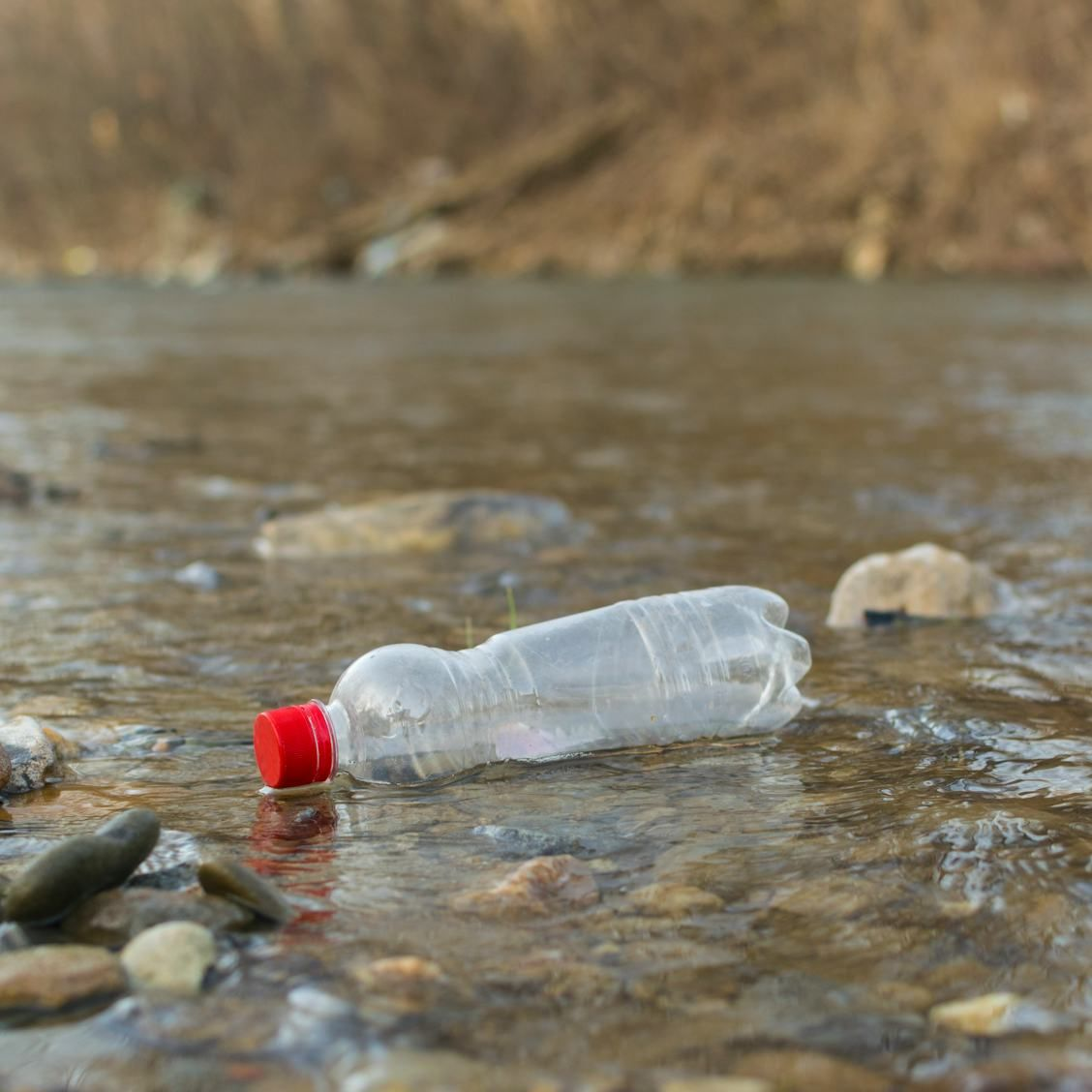
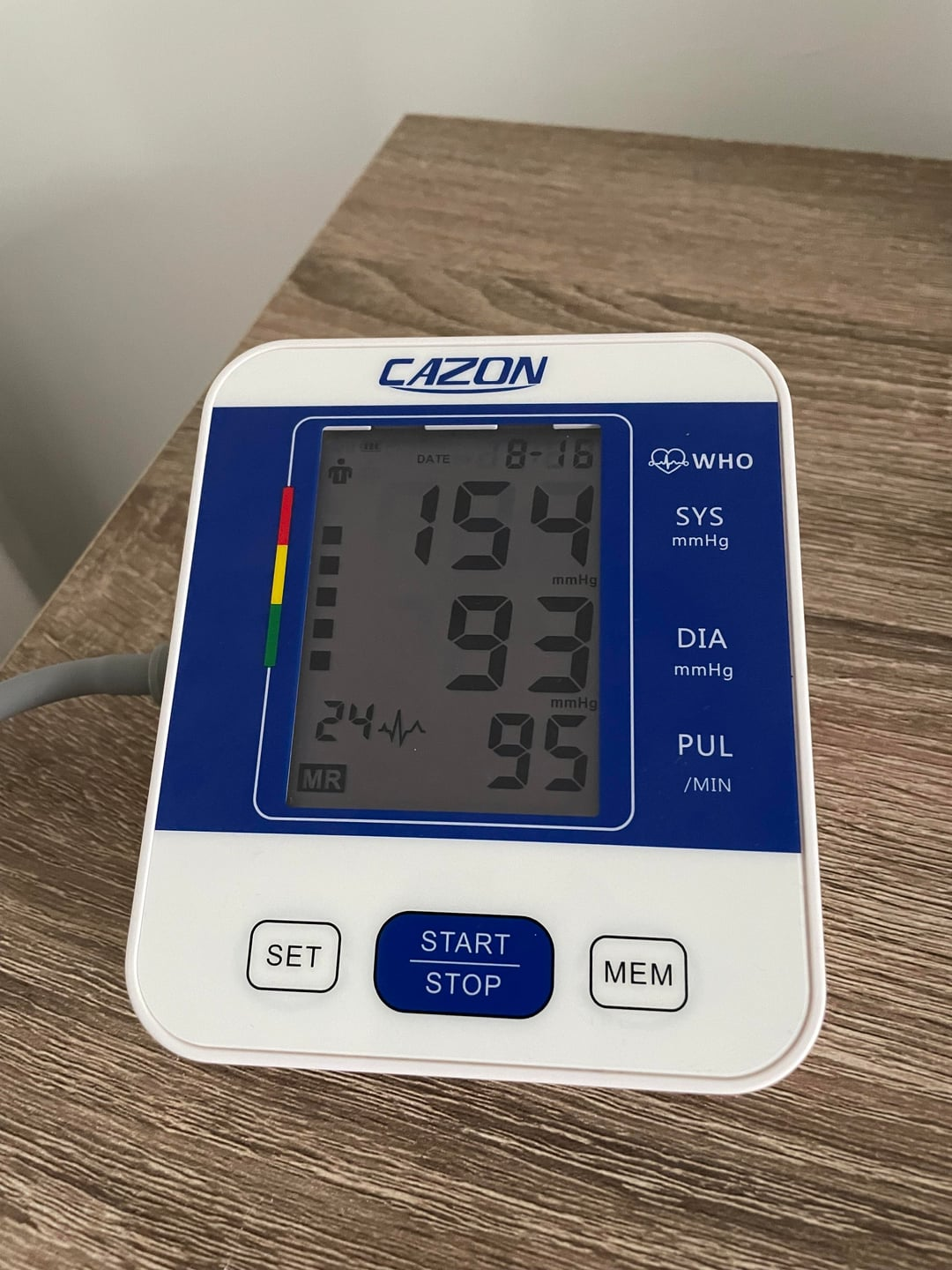
I tried everything to get my blood pressure down. And I mean everything. No salt. For four months I ate food that tasted like cardboard. Read every label. Stopped going out to eat because I couldn't trust what was in the food. My wife thought I'd lost my mind. I walked 45 minutes every morning before work. Rain. Cold. Didn't matter. Got a gym membership I actually used. Lost 14 pounds. I tried the DASH diet. Hibiscus tea twice a day. Magnesium glycinate. CoQ10. Garlic capsules that made me smell like a deli counter. I found a beetroot supplement with thousands of five-star reviews. Took it every day for six weeks. Then tried a different brand. Then a third. I did everything the internet told me to do. And my blood pressure went from 147/94... to 152/106. It got worse. Here's what that number actually meant to me. It meant I was running out of time to avoid becoming my father. My dad was diagnosed with high blood pressure at 51. Fit man. Barely drank. Never smoked. His doctor put him on Lisinopril and told him he'd be fine. He was on that medication for eleven years. The cough started within the first month. Not a tickle. A deep, hacking cough that would hit him in the middle of a sentence, in the middle of a meal, in the middle of the night. My mom started sleeping in the guest room. He stopped going to his friends' poker nights because he was embarrassed. He stopped going to church because he didn't want to disrupt people. Then came the fatigue. A man who used to build things — birdhouses, furniture, a deck in the backyard. He'd spend whole Saturdays out there. Then one Saturday he sat in his chair by noon and didn't get up. Then it was 10am. Then it was 9. By year seven, his kidneys were declining. His doctor called it "expected." Said they'd monitor it. By year ten, he looked like a man twenty years older than he was. Not because of the high blood pressure. Because of the medication that was supposed to fix the high blood pressure. He died at 58. Heart attack. "Well-managed" blood pressure, according to every lab result he ever had. I was 38 years old standing at his grave thinking: that is not going to be my story. And now, at 44, I was sitting in my kitchen staring at a blood pressure monitor showing 152/106, having just done everything humanly possible to avoid exactly this moment. I knew what the next step was. Every doctor I'd ever seen had given me the same speech. "With these numbers and your family history, Mr. Callahan, we really need to consider medication." Lisinopril. The same pill that stole eleven years of my father's life before it failed to save it. My follow-up appointment was on a Tuesday morning. The waiting room smelled like antiseptic and old magazines. I sat in one of those stiff chairs with my jacket still on, watching a woman across from me knit something blue. I remember that detail specifically — the clicking of her needles. Calm. Steady. My heart was doing the opposite. The nurse called my name. She wrapped the cuff. Pumped it up. Watched the machine. Then she frowned. Did it again. "Let me get Dr. Okafor." She left without telling me the number. That's how I knew it was bad. Dr. Okafor came in. Pulled up my chart. Scrolled through it slowly. Looked at me over the top of his glasses. "Your pressure is higher than your last visit." "I know," I said. "I've been trying. I changed everything." "I can see that." He set down the tablet. "Your weight is down. Your diet looks cleaner. You've been walking." He paused. "None of it is working." He said it gently. But it landed like a sentence. "At this point, with these numbers and your family history, I think it's time we talk about medication." He started writing before I could respond. I watched his pen move. "I'm not taking it," I said. He stopped writing. Looked up. "Mr. Callahan —" "I watched my father take that medication for eleven years. I watched what it did to him. I watched him die anyway." My voice came out steadier than I expected. "I need more time." Silence. Dr. Okafor set his pen down. Folded his hands on the desk. "I understand. But I want you to hear me clearly: Stage 2 hypertension with your family history is not something to manage with supplements and optimism. If your numbers aren't meaningfully improved in four months, we're having a different conversation. This isn't a preference. This is a medical necessity." "Four months," I said. "Four months." I shook his hand. Walked to my car. Sat in the parking lot for a long time. Four months. I have a wife. Her name is Claire. We've been married nineteen years. I have two sons. Marcus is 16. Danny is 12. Marcus just made varsity soccer. Danny wants to be an engineer. He builds things out of whatever he can find — cardboard, wire, rubber bands. These are the people I was thinking about when I drove home from that appointment. I thought about Danny asking Claire why Dad looks so tired all the time. I thought about missing Marcus's games. I thought about the version of my father who stopped building things on Saturdays — the man who disappeared inside the medication that was supposed to save him. I wasn't going to let that happen. I couldn't. So I started from zero. Not the supplement blogs. Not the "top 10 ways to lower blood pressure" articles. Those had all led me here, to 152/106, worse than when I started. I started with actual research. PubMed. NIH database. I'm not a doctor — I'm a structural engineer — but I know how to read technical documents. I know how to follow citations. I know what a real study looks like versus a press release dressed up as one. I had four months. I treated it like the most important project of my life. Because it was. I started with a simple question: why is hypertension increasing so dramatically in men who are otherwise healthy? The rate of high blood pressure in men under 55 has been climbing steadily for decades. Exercise rates haven't dropped. Salt consumption hasn't changed enough to explain the numbers. Obesity is a factor, but it doesn't explain the men — like me, like my father — who are lean, active, careful with their diet and still can't get their pressure down. So what changed? I kept pulling threads. Three weeks in, at 11pm on a Wednesday, sitting at the kitchen table with my laptop and a cold cup of coffee, I found something that stopped me cold. A study published in The New England Journal of Medicine. Researchers had examined patients with cardiovascular disease — specifically the plaques building up inside their arteries. The buildup that causes blockages. The buildup that kills people. They found something inside those plaques that nobody was expecting. Microplastics. Tiny particles of plastic. Embedded inside the arterial walls of patients with heart disease. Patients who had microplastics in their arterial plaques had 4.5 times higher risk of heart attack, stroke, high blood pressure, and death compared to patients without them. I read it three times. Clicked through to the source. Read it again. Then I started pulling more threads. Microplastics in human blood. In lungs. In liver tissue. In the placentas of newborns — babies being born already carrying plastic before they took their first breath. Then I found the brain study. Researchers had analyzed human brain tissue and found microplastics in every single sample. The concentration had more than doubled in less than a decade. I sat back and thought about everything I understood about blood pressure. High blood pressure is, at its core, a vascular problem. Your arteries stiffen. They lose elasticity. Blood can't flow freely. Pressure builds. And here I was reading study after study showing that microplastics don't just pass through the body. They embed themselves in arterial walls. They carry concentrated BPA and phthalates directly into your tissue. They trigger chronic inflammation. They stiffen the vessel walls from the inside. The mechanism clicked into place like a gear finding its tooth. My father did everything his doctor told him. He took his medication. His blood pressure readings said "controlled" for eleven years. But nobody — not once — addressed what was stiffening his arteries from the inside. Nobody addressed the plastic. Because nobody was looking at it. The research connecting microplastics to cardiovascular disease was only a few years old. Most doctors had never read it. The playbook they learned in medical school — salt, weight, medication — was written before this was understood. My father wasn't unlucky. He wasn't weak. He was being exposed to something nobody told him about, that no medication addressed, and that kept silently damaging his arteries while his readings said everything was "controlled." And so was I. My first thought was: okay. I'll stop using plastic. Cut out as much exposure as I could. I actually said it out loud to Claire. She looked at me the way you look at someone who's been awake too long. "Honey," she said. "Plastic is everywhere." She was right. The water coming out of my tap contains microplastics. The bottled water I'd been drinking instead — worse. A single liter contains an average of 240,000 particles. The plastic cutting board I'd used for years. The canned food. The tea bags. The synthetic fabric in the shirt I was wearing right now shedding microfibers with every movement. It was in the rain. Researchers found microplastics in rainwater at the most remote locations on earth — the Arctic, the top of Everest. There was no geography that was clean. You cannot opt out. I remember standing in the kitchen that night staring at the plastic container my leftover pasta was sitting in, feeling something between anger and despair. I had found the answer and the answer had a wall around it. I sat with that for about two days. Then I changed the question entirely. I couldn't stop the exposure. But what if my body could actually flush it out instead of letting it accumulate? I went back into the research looking for exactly that. Two weeks of reading everything I could find on one question: can you actually get microplastics out of the body once they're in there? And I found a human trial that answered it directly. A team of researchers had tested whether specific natural compounds could help the body excrete microplastics. Real people. Measurable results. And what they found was that it worked — but only when three specific things were combined at once. Each one targeting a different place the plastic was hiding in the body. Some plastic was coming in fresh every day through food and water. Some had already crossed into the bloodstream. And some had been sitting in arterial walls and cells for years, quietly driving the inflammation and stiffness. Three locations. Three steps. First — stop what's coming in today. There's a natural fiber called chitosan that acts like a trap in your gut. Microplastics carry a negative electrical charge. Chitosan carries a positive charge. They attract each other like magnets, clump together, and the mass becomes too big to cross into your blood. It leaves through stool instead of getting in. The human trial showed 45% more plastic leaving the body — nearly half your daily load caught before it ever reaches your arteries. Second — pull out what's already in your bloodstream. Out of 784 probiotic strains tested, scientists found two specific ones that physically attach to plastic particles already floating in your blood and carry them out when they leave the body. Not a generic probiotic. The exact two strains that do this particular job on the exact plastic types found in human food and water. Third — clear what's already sitting in your arterial walls. A compound found in black rice switches on your cells' own built-in cleanup process — the mechanism that identifies things that don't belong inside cells and removes them. When it activates, your cells start clearing the plastic that's been accumulating in your arterial walls for years. The inflammation drops. The stiffness starts reversing. The damage no blood pressure medication ever touched begins to clear. Stop new plastic getting in. Pull it out of your blood. Clear it from your arterial walls. For the first time I was reading something that actually explained why everything else I'd tried had failed. The salt cutting didn't work because salt isn't what's stiffening your arteries. The beetroot didn't work because beetroot doesn't touch microplastics. The medication my father took for eleven years didn't work because it was lowering a number on a monitor while the plastic kept doing damage underneath it. Nobody was addressing the actual thing. I needed a product with all three ingredients at the right doses. I spent two more weeks looking. Most of what I found was missing at least one piece — chitosan alone, the wrong probiotic strains, nothing with all three dosed properly. I went through every option I could find. Then I came across Resilia. Daily Defense. It was the only product I found that looked like it was actually built around this specific problem — not a general heart health formula with these ingredients added in, but something formulated specifically around microplastic clearance at all three stages. Chitosan at 800mg, the exact dose from the trial. The two probiotic strains named on the label, not buried in a blend. Black rice extract at a real dose. And the bottle was glass. Bamboo cap. No plastic touching the product. I'd been buying supplements in plastic bottles for months without thinking about it. Resilia thought about it. That one detail told me these people actually understood the problem they were solving. I ordered three bottles. Made myself one rule: check blood pressure once a week. Sunday mornings only. Not the obsessive multiple-times-a-day checking I'd been doing for months. Week 1: 152/104. Still high. Diastolic down two points. I noticed I was sleeping better — not waking up at 3am with my mind grinding. I didn't try to analyze it. Week 2: 147/99. First time my systolic had dropped below 150 since this whole thing started. My hands were slightly unsteady when I set the monitor down. I didn't tell Claire yet. Week 3: 141/94. I told Claire. She sat down at the kitchen table and looked at the monitor for a long time. Then she looked at me. Neither of us said anything. She reached across and squeezed my hand. Week 4: 134/88. I woke up that Sunday and felt the difference before I checked. The background tension I'd been carrying for months — the low-grade tightness that had become so constant I'd stopped noticing it — was lighter. Something that had been pressing on my chest had eased. I went for a walk before checking my numbers. Just because I felt like it. Week 6: 129/82. Stage 1. Down from Stage 2. In six weeks. The energy was back. Not caffeine energy — actual sustained energy through the afternoon. The brain fog I'd been calling "just getting older" had cleared. Sleeping through the night for the first time in years. Week 10: 118/77. Normal. Healthy. I sat on the edge of my bed with the monitor in my lap and thought about my father. I went back to see Dr. Okafor at the three-month mark. Same waiting room. Same antiseptic smell. Different feeling in my chest. The nurse called my name. Wrapped the cuff. Pumped it up. She stopped. Looked at the machine. Did it again. Went to get Dr. Okafor without saying a word. He came in. Looked at the screen. Looked at me. Looked back at the screen. "120 over 82." He pulled up my chart. Scrolled back through the history. "This is significant." He looked at me over his glasses. "What did you do?" I told him. The microplastics research. The NEJM study. The arterial plaque data. The three-step mechanism. The product. He typed while I talked. Nodded slowly. "The microplastic-cardiovascular connection is emerging research," he said. "The NEJM study is legitimate. I'll be honest — I hadn't considered it in the context of hypertension management." He closed the laptop. "No medication necessary at this time." I shook his hand and walked to my car. I sat in that parking lot for a long time. The same parking lot where I'd sat three months earlier with four months to figure something out, trying not to think about my father disappearing into that chair on a Saturday morning. I called Claire. "120 over 82. No Lisinopril." I heard her breath catch. Then a long silence. "Tom." Her voice broke. "Thank God." Last Saturday, Marcus had a soccer game. Scouts from two universities were there. I stood on the sideline in the cold for ninety minutes. I watched him play the best game of his life. I watched him score in the 78th minute. I watched him look over at me afterward — that grin — and I gave him a thumbs up. I'm going to be there for his graduation. I'm going to be there when Danny shows me whatever he builds next. I'm going to be in the stands, on the sideline, at the table, for all of it. Not declining. Not disappearing. Not becoming the ghost of the man I used to be. My father was managed for eleven years. His readings were fine. His arteries were quietly accumulating the damage that would eventually kill him at 58, and nobody — not one doctor — ever looked at what was actually causing it. I'm not angry at his doctors. They followed the playbook they were given. The playbook just didn't include this. But I know now. And I'm not following him down that road. If you're reading this and your numbers look like mine did — if you've tried the diet and the exercise and the supplements and nothing is moving — consider one possibility. You're not failing. You're aiming at the wrong target. It might be what's already inside your arterial walls. What's been accumulating there, invisibly, every single day, from the water you drink and the food you eat and the air you breathe. And if that's the case, no amount of DASH diet is going to fix it. Daily Defense by Resilia. Three ingredients. Three steps. Glass bottle. Bamboo cap. 30-day money-back guarantee. https://resilia.shop/products/resilia-daily-defense — Tom Callahan P.S. — I know how this reads. Another guy on the internet telling you the thing his doctor wouldn't. I get the skepticism. I had it. What I'd say is this: the NEJM study is real. The clinical trial on chitosan is real. You can look both up yourself in ten minutes. The mechanism makes sense in a way that "eat less salt" never explained why healthy men keep getting worse anyway. 30-day guarantee. The only thing you're risking is finding out it doesn't work for you. What you're risking by waiting is another month of 152/106 quietly doing damage you can't see or feel. P.P.S. — Danny saw my blood pressure reading last Sunday. 118/77. He looked at it and said "that's a good number, right Dad?" I told him yeah. That's a good number. He went back to building whatever he was building. I watched him for a minute and I was just — so grateful to be in that room. Present. Not disappearing. That's what this is actually about.
Where the ad sends people
resilia.shop
High blood pressure that won't go down? You probably have microplastics in your arteries
Resilia® offers powerful immune support supplements designed to strengthen your body naturally. Explore our immune system boosters, premium oregano oil capsules
Learn more: resilia.shop(opens in a new tab)