
Inactive· since Jul 9, 2026
- 25
- days it ran
- 0
- relaunches
Ad copy
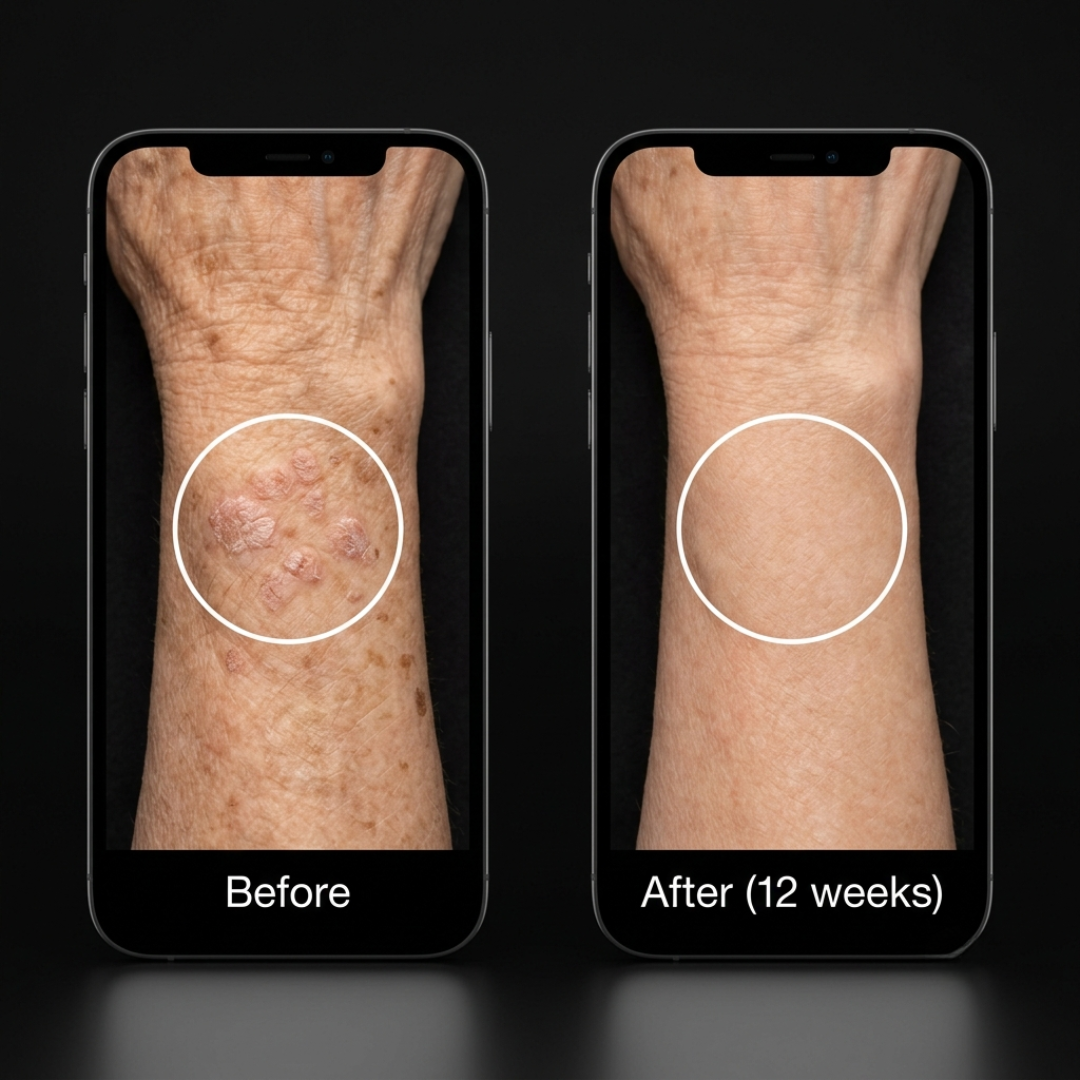
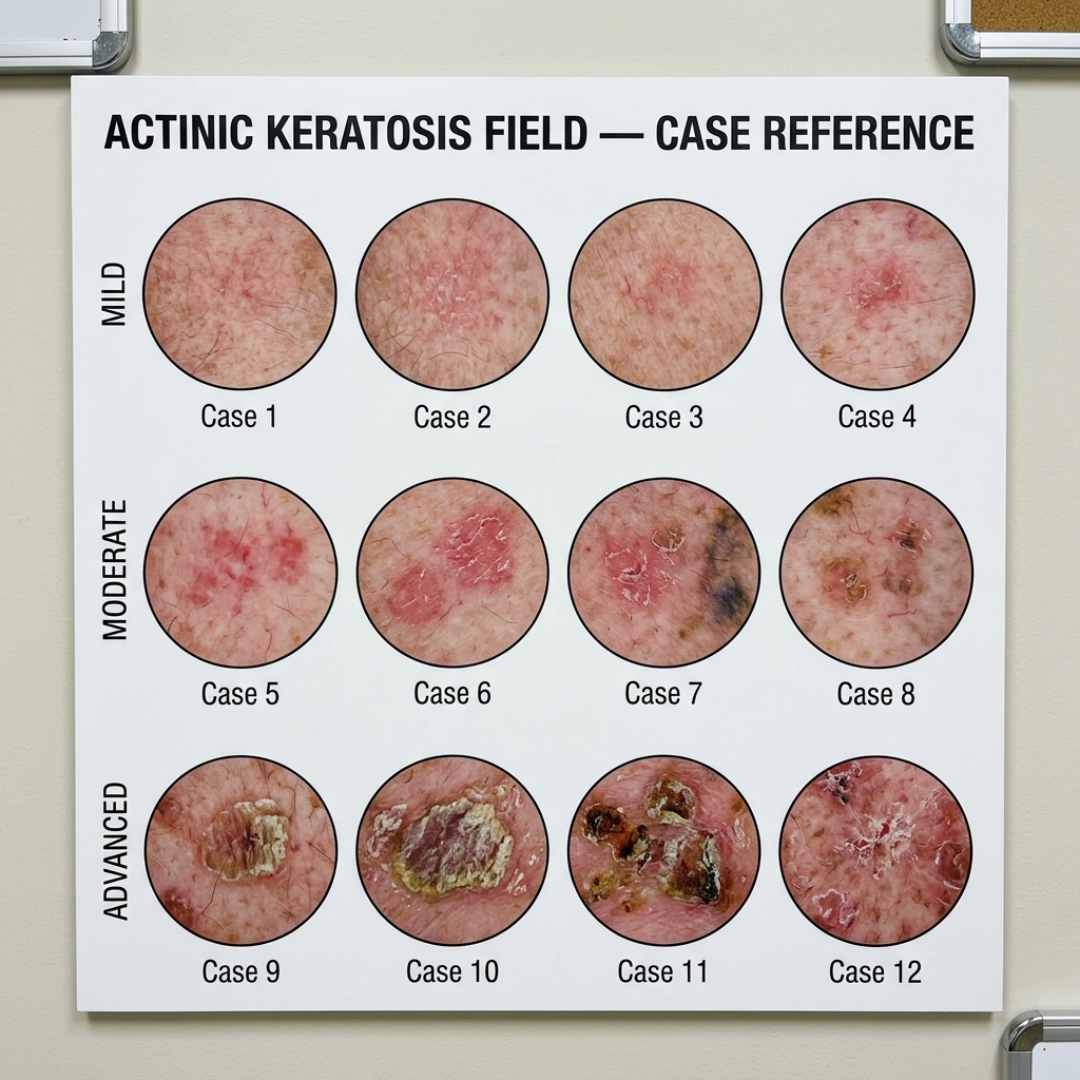
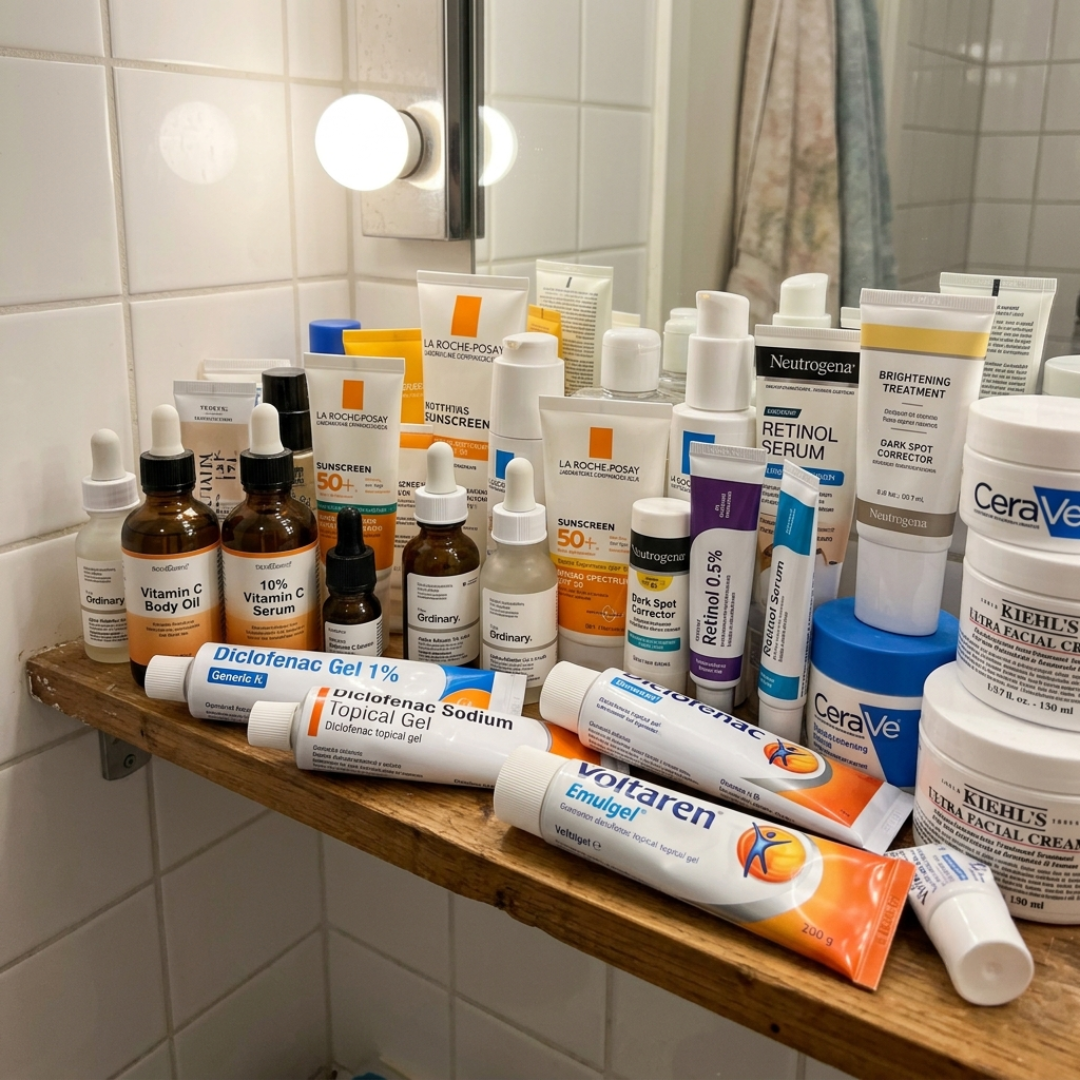
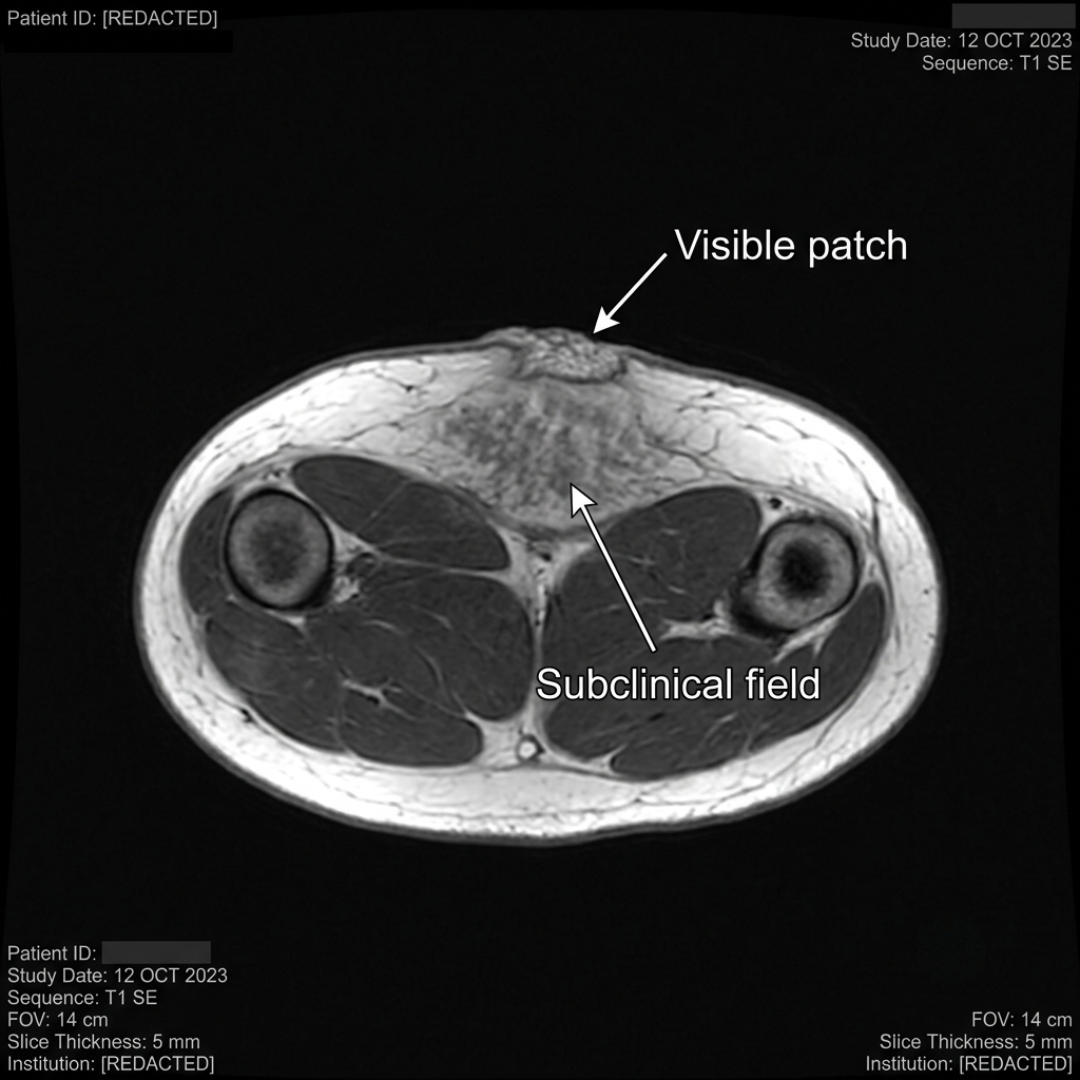
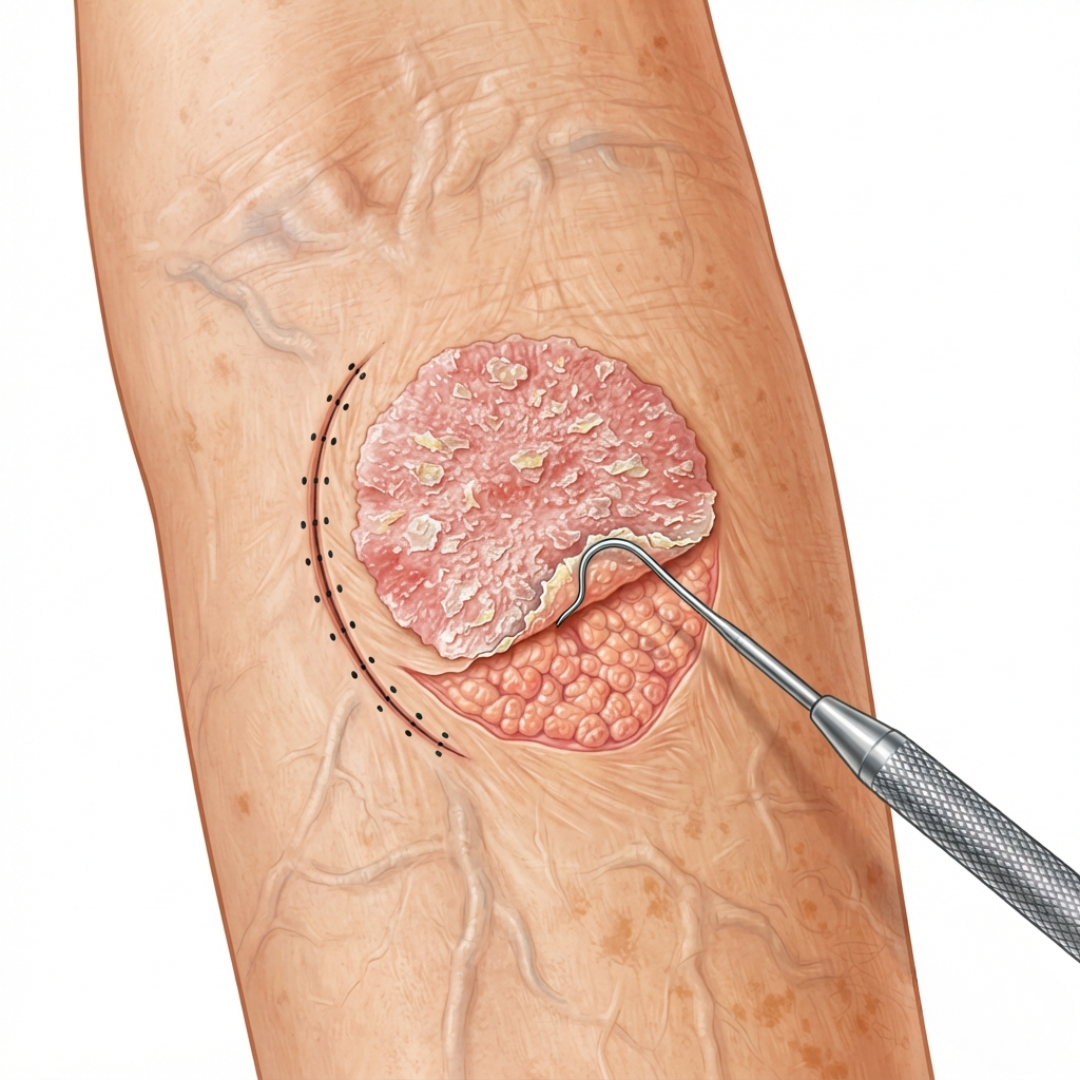
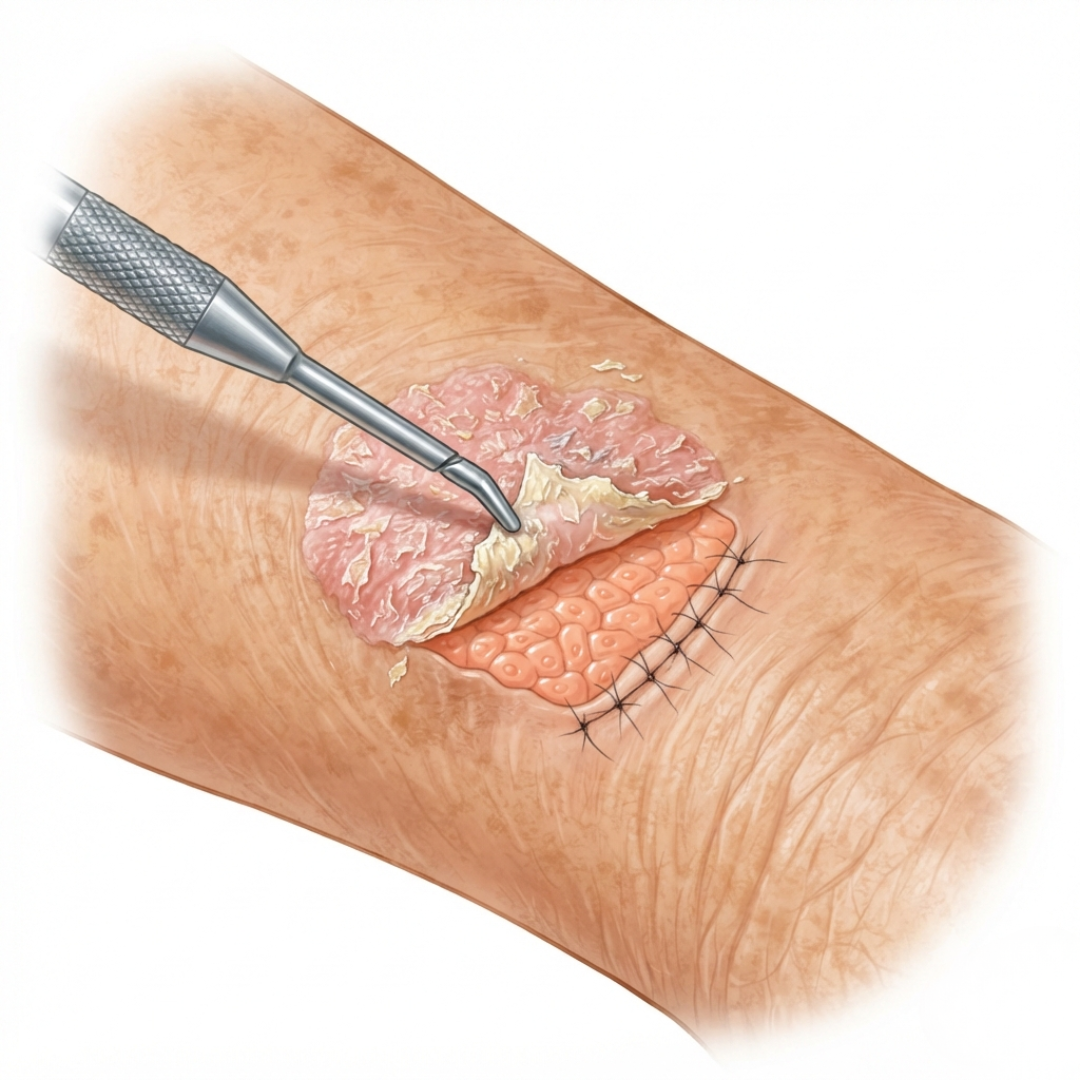
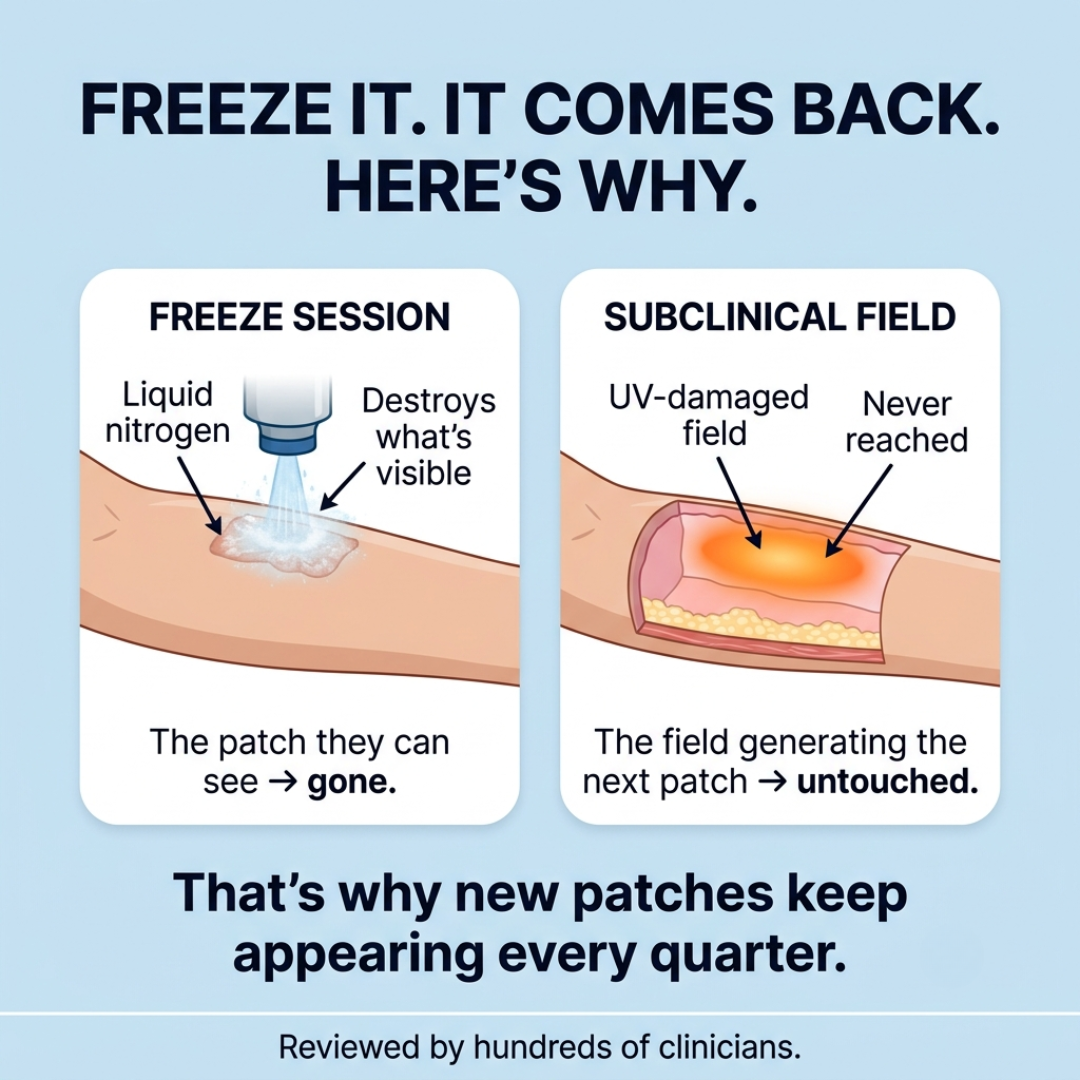
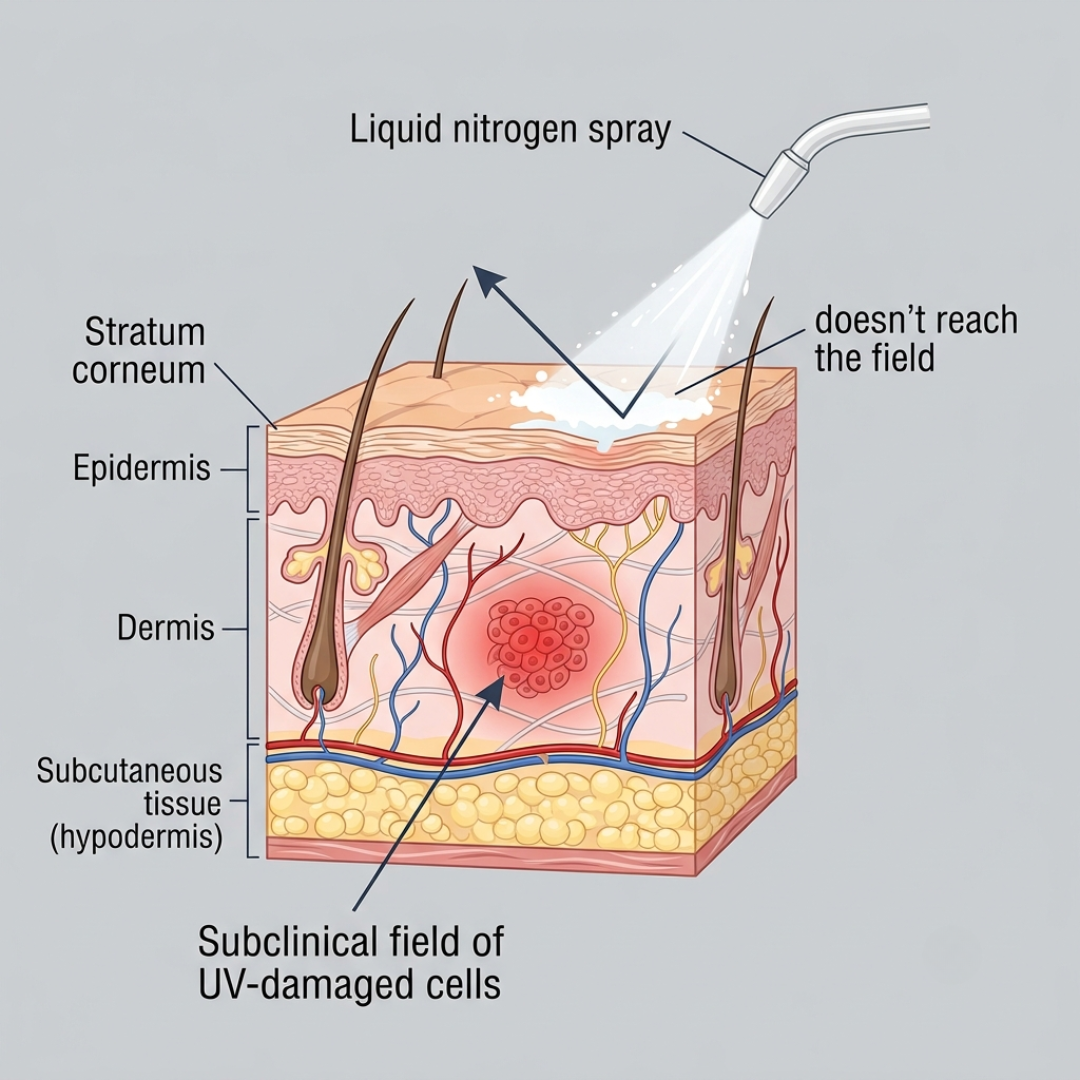
I've done too many skin assessments to not tell you this. If your actinic keratosis keeps spreading and everyone has told you freeze sessions are your only option, I need to tell you something that the quarterly appointment model hopes you never find out. I'm a board-certified dermatologist with 23 years of experience. I've managed hundreds of progressive actinic keratosis cases. I trained inside one of the most respected photoaging programs in the country. For the first decade of my career, I told every patient the same thing: "The field doesn't stop on its own. Freeze every patch, monitor the rest, come back in three months." I believed it completely. Because that's what I was taught. And I never thought to question who benefits from teaching it. Then a colleague in Zurich asked me something I couldn't answer: "Why are you only treating what's already visible — instead of reaching what's still generating it?" That question changed how I practice. And it's going to change how you think about what's happening beneath your skin. They once said the subclinical field couldn't be addressed topically. Then research showed it could — given the right delivery system. The whole time, it was possible. They just hadn't looked at the right carrier. They're saying the same thing about your actinic keratosis right now. --- Here's what's actually happening beneath your skin. The visible patch on your forearm is not the problem. It is the result. Beneath every lesion you can see — and beneath the skin that looks completely clear between them — sits a subclinical field of UV-damaged keratinocytes spreading invisibly across the surrounding dermis. These cells look normal to the eye. They feel almost normal to the touch. But they are already misfiring at the cellular level — dividing abnormally, generating the next visible patch before the current one has even been frozen. The visible lesion is the endpoint. The field is the source. Freeze sessions destroy the endpoint. They do not reach the source. Liquid nitrogen is precise. Targeted. A point tool for a point problem. Actinic keratosis is not a point problem. It is a field problem. And freeze sessions were never built to treat a field. So within weeks, a new lesion completes its cycle in the subclinical layer and emerges in skin that looked completely clear at your last visit. Your dermatologist freezes it. Three months later, another one. You come back. It gets frozen. You come back. It gets frozen again. "Monitor and treat as needed." This is not a treatment failure. It is a delivery failure. And delivery failures can be fixed. --- Here's the part your dermatologist almost certainly doesn't know — because it wasn't in her training. Standard topical treatments — diclofenac gel, 5-fluorouracil, vitamin C serums — are water-based compounds. They apply to the stratum corneum, the outermost skin layer. Less than 4% penetrates to the dermis. The UV-damaged keratinocytes generating your next patch live in the dermis. Deep. Where water-based compounds physically cannot reach. This is not a compliance problem. This is a chemistry problem. The stratum corneum is a lipid barrier. Oil-based by design. It keeps water out and keeps moisture in. A water-based compound hits that barrier and sits on the surface — softening what's visible, reducing surface inflammation temporarily — while the subclinical field underneath keeps generating untouched. That's why your patches calm after a freeze session and return three months later. That's why the diclofenac softens what's visible but never stops new ones forming. That's why field therapy treats the surface while the dermis underneath keeps producing. What changed everything was understanding the right delivery mechanism. Cold-pressed plant oils — specifically camellia oil and sea buckthorn oil — are lipid-based carriers. They penetrate the stratum corneum and transport oil-soluble actives through all seven skin layers to the dermis. Right to where the UV-damaged keratinocytes are generating. Oil-soluble vitamin C at clinical concentration directly inhibits the UV-induced oxidative cascade driving abnormal keratinocyte proliferation. In the dermis. Where the field lives. Bakuchiol at clinical concentration supports normal keratinocyte cycling — replacing the abnormal proliferation pattern with healthy cell renewal from the dermis out. Zero water in the formula. Because every drop of water dilutes penetration. Everything oil-soluble. Everything lipid-delivered. Everything reaching the field. --- In 2021, researchers at the University of Zurich published a clinical study on exactly this mechanism. 524 post-menopausal women with documented actinic keratosis progression. All treated with daily lipid-delivered botanical oil application — cold-pressed camellia and sea buckthorn as the carrier, oil-soluble vitamin C at clinical concentration, bakuchiol for cellular turnover. Within 12 weeks — 89% of patients showed measurable reduction in active lesion count. And the detail that changes everything: in 43% of patients, no new lesions appeared at sites that had been actively generating throughout the previous year. The field stabilized. The study conclusion: daily application of lipid-delivered oil-soluble botanical actives addresses the subclinical field in age-related actinic keratosis, independent of freeze session frequency or topical anti-inflammatory compliance. This research is published. Peer-reviewed. Available to anyone who looks. Your dermatologist just wasn't taught to look. --- One of my patients — 63 years old, faithful to her quarterly freeze schedule her entire treatment history — came to me after six years of sessions. She'd had her lesion count monitored since she was 57. Six years of measuring. Six years of "come back in three months." Six years of watching new patches appear in skin that had looked clear the visit before despite doing everything right. She was skeptical. Understandably. "If the freeze sessions were going to stop the field," she told me, "they would have by now." She was right. They were never going to stop it. Because a point tool aimed at visible lesions was never built to reach a field generating in the dermis. She agreed to 12 weeks of daily lipid-delivered botanical oil application before making any decisions about escalating to field chemotherapy. Week 2: the rough sandpaper texture on her worst forearm softening. She ran her fingers across it every morning. Smoother. Smoother again. Week 4: the raised edges on three of her largest lesions starting to flatten. She pressed her forearm flat against the kitchen counter. No catching. No rough edges dragging. Week 8: no new lesions at five sites that had been actively generating every quarter. Week 12: I photographed her forearms at each visit. Then photographed them again. Active lesion count: reduced from fourteen sites to three. New lesion generation: zero at eleven previously active sites. She didn't need the field chemotherapy. She didn't need the photodynamic therapy. In the research, this is where we start. Not with escalating surface treatment. With the field itself. --- Your dermatologist isn't wrong. She was trained inside a system that had no financial reason to teach lipid-delivered dermal penetration — and she has practiced inside a profession that measures success by session outcomes, not by whether ongoing sessions were necessary in the first place. But you are not required to wait for the system to catch up. The research exists. The mechanism is understood. The delivery system works. If your actinic keratosis has been monitored for years with nothing to show but continued progression — if you've been told freeze sessions are your only option — if you've accepted "come back in three months" as the standard for the rest of your life — You were never out of options. You were just never told about the one that actually reaches the field. I'll leave a link below to the product I now recommend to my own patients. I have no financial relationship with this company. I recommend it because the mechanism is sound, the research is published, and I've seen what happens when people finally address the right layer. Dermiqua. Cold-pressed camellia and sea buckthorn as the lipid carrier. Oil-soluble vitamin C at clinical concentration. Bakuchiol for natural cellular turnover. Sixteen botanicals. Zero water. Zero filler. Applied morning and evening — because the field doesn't rest. Your actinic keratosis field isn't untreatable. The information pipeline is broken. 👉 dermiqua.com/pages/actinic-keratosis — Dr. Elizabeth Marsh, MD Board-Certified Dermatologist 23 years in practice
Like this ad? Make it yours.
Crush rebuilds this exact creative around your product — your brand, your colors, your offer — in about a minute.