
Inactive· since Jun 16, 2026
- 63
- days it ran
- 0
- relaunches
Ad copy
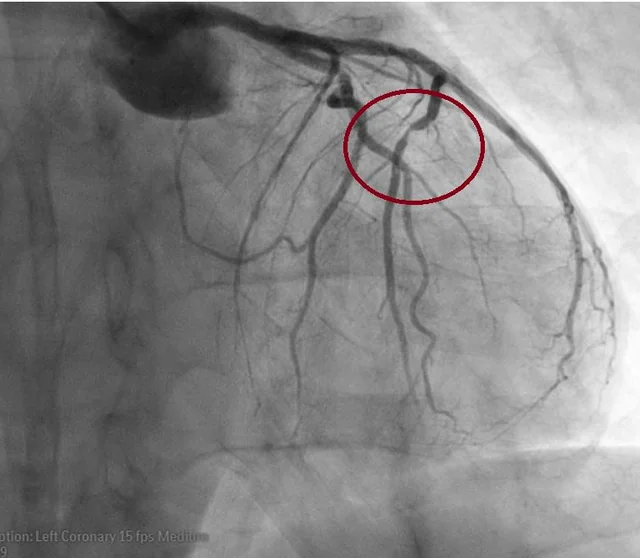
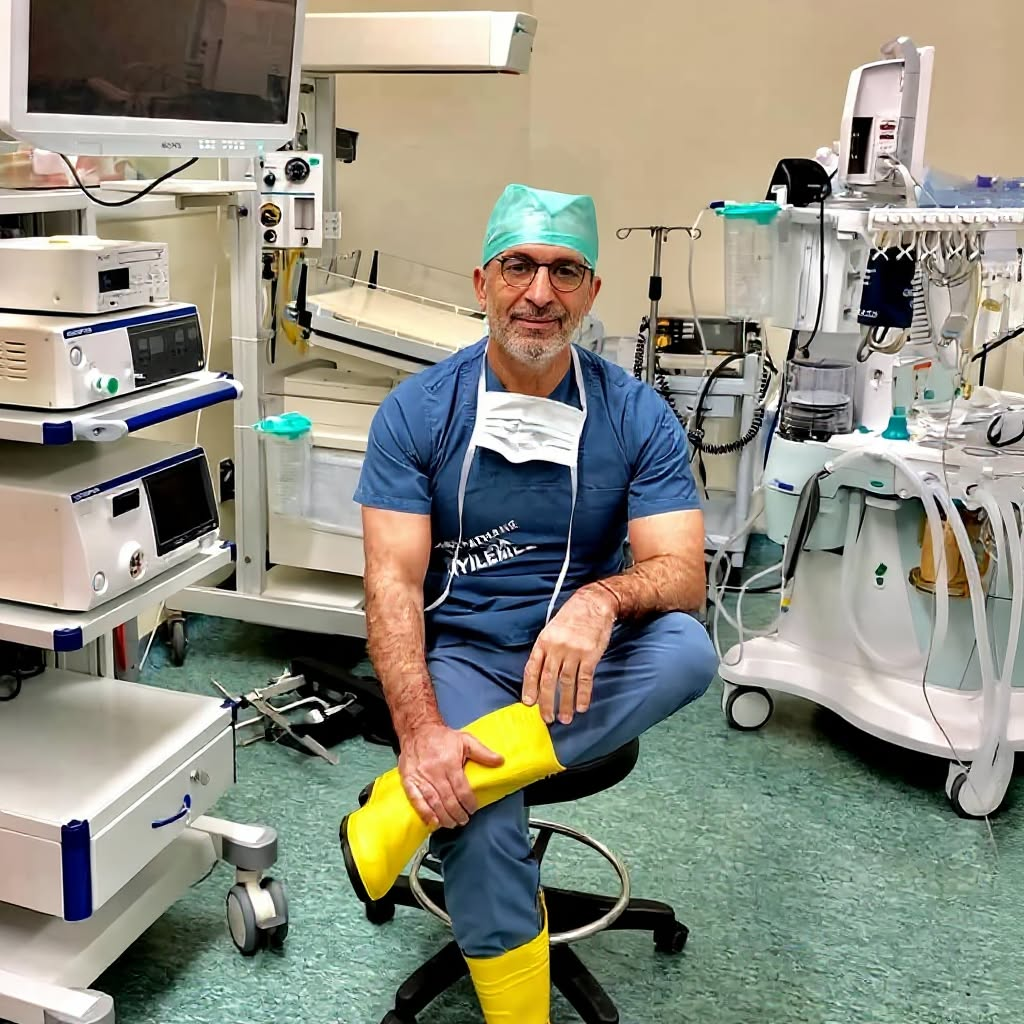
I've read too many coronary calcium scans to stay quiet about this. If your LDL is "controlled" on a statin but your calcium score keeps climbing, I need to tell you something most of my cardiology colleagues are not connecting in their 15-minute appointment. I've reviewed more than 7,500 coronary calcium scans in 22 years as a preventive cardiologist. And when a 58-year-old patient walks into my office with an LDL of 78 on atorvastatin 40mg and a coronary calcium score that has climbed from 142 to 287 over three years, I already know what his cardiologist is going to recommend next. Add ezetimibe to push the LDL lower. Increase the statin dose. Eventually a conversation about Repatha — a PCSK9 inhibitor — at $7,000 to $15,000 a year. More aggressive lipid management while the calcium keeps climbing, because the calcium climb is not actually caused by the LDL number that the protocol is fixated on lowering. I'm Dr. Michael Stenton. I'm a board-certified cardiologist specializing in preventive cardiology. And when my own coronary calcium score crossed 200 at age 54, on Crestor with "perfectly controlled" LDL of 64, I knew something most of my cardiology colleagues never tell their statin patients. Your calcium score is not climbing because your LDL is too high. It is climbing because the statin protocol is targeting a downstream marker while leaving the upstream disease — endothelial inflammation and microvascular dysfunction — to keep progressing in your arteries year after year. I have been reading lipid panels and coronary calcium scans for 22 years. I have written more Crestor and Lipitor prescriptions than I can count. I have added ezetimibe to thousands of patients whose LDL did not respond aggressively enough to the statin alone. I have started PCSK9 inhibitors in patients whose calcium kept climbing despite combination therapy. And I have read the follow-up scans on those same patients three, five, ten years later. Their LDL was beautifully managed the entire time. Their calcium scores climbed anyway. The 62-year-old. Retired investment banker. Atorvastatin 80mg plus ezetimibe 10mg for nine years. LDL controlled at 78 the entire time. Came to me for a second opinion when his previous cardiologist proposed Repatha. His coronary calcium scan showed a score of 412 — climbing 50-70 points per year despite his perfect lab compliance. The medications were doing exactly what they were designed to do. The disease was progressing anyway. The 58-year-old. On Crestor 40mg for seven years. LDL controlled. Developed new-onset Type 2 diabetes that his primary care doctor told him was age-related. His HbA1c climbed from 5.4 to 6.7 in three years. The published meta-analyses are clear that high-intensity statin therapy increases new-onset diabetes risk by approximately 25%. His diabetes was statin-induced. He was now on metformin in addition to his statin, with a beautifully managed LDL number and a brand new metabolic disease. The 65-year-old. Twenty-two years on a statin. LDL had been "well-controlled" his entire treatment course. Annual physicals had cleared him repeatedly. He had a myocardial infarction at his desk at work — a widow-maker LAD lesion. He survived because his office was three blocks from a hospital. The angiogram showed extensive atherosclerosis throughout his coronary tree. His LDL on the day of his heart attack was 67. His statin had been working perfectly on the number it was designed to lower. The disease that killed his colleagues had progressed in him to the brink of death anyway. I see them in follow-up. They are grateful that their numbers are managed. They do not connect their calcium progression, their statin-induced diabetes, or their cardiac event to the medication that was supposed to be protecting them. But I know what they lost. They had years before their calcium scores entered the high-risk range. Years to address the endothelial dysfunction and chronic vascular inflammation that drives atherosclerosis. Years to support the cellular machinery that actually halts plaque progression instead of just lowering the LDL number on a lab report. Their climbing calcium was the warning. The statin protocol just managed the LDL while the actual disease continued. My own scan showed me a story I had been dismissing for two years before I admitted what was happening. Afternoon fatigue I attributed to long clinic days. Brain fog I attributed to call schedules. Tennis performance declining — I had been a 4.0 player my whole life and was being beaten by people I would have dominated three years earlier. Mid-section weight that I could not shift despite no change in diet or exercise. I lift four times a week. I eat the way I tell my preventive cardiology patients to eat. I had been on Crestor 20mg for four years, prescribed by my own internist after my LDL crossed 140 at 50. My LDL on the statin was 64. My internist had been congratulating me on it. My coronary calcium score at 51, before starting the statin, had been 89. At 53, on the statin, it was 187. At 54, still on the statin, it was 287. The medication was lowering my LDL by 60 percent. The disease driving my calcium accumulation was tripling my plaque burden in three years. I am a preventive cardiologist. I knew exactly what those numbers meant. I did the workup that I do not standardly order in my own clinic — a full inflammatory panel with hs-CRP, ApoB, Lp(a), a flow-mediated dilation test, and a fasting insulin and HOMA-IR. My hs-CRP was 2.8. My ApoB was elevated despite the controlled LDL. My Lp(a) was at the 75th percentile. My FMD was reduced — endothelial function impaired. My HOMA-IR was 3.4 — significant insulin resistance. The statin was lowering my LDL number. It was doing nothing about the endothelial inflammation, the elevated ApoB, the impaired endothelial function, or the insulin resistance — all of which were continuing to drive my calcium progression. My internist looked at the calcium score climb and said what most cardiology colleagues would say. "Michael, you need to push the LDL lower. Let's add ezetimibe. If that doesn't slow the calcium, we'll have a conversation about Repatha at your next visit." I knew it would lower my LDL further. I also knew, from 22 years of reading these scans, that pushing LDL from 64 to 50 does not meaningfully alter calcium progression in patients whose underlying disease is inflammation and endothelial dysfunction. Here is what most cardiologists do not tell their statin patients because the protocol is written around LDL management. Cardiovascular disease is not primarily a cholesterol-clogging condition. It is an inflammatory and microvascular endothelial condition that uses oxidized LDL as one of its substrates. Lowering LDL reduces the substrate available for oxidation, which is why statins reduce events in high-risk populations. But the underlying disease — the endothelial inflammation, the vessel wall dysfunction, the calcium deposition cascade — continues independently of the LDL number once it is in the moderate-low range. The 2018 Malhotra paper in the British Journal of Sports Medicine made this argument explicitly. The 2021 van Rosendael paper in JAMA Cardiology documented that statin therapy shifts coronary calcium toward denser compositions but does not reduce total calcified burden. The 2023 Henein paper in PLOS ONE following 1,181 men found that longer statin use correlates with higher coronary calcium scores in a dose-dependent way. The literature has been there for a decade. Most cardiologists have not changed practice. Statins lower LDL. They also deplete CoQ10 by 30-40 percent, which is why long-term statin patients have muscle complaints, cognitive complaints, and increased diabetes risk. The downstream side effects are the cost of operating on the wrong mechanism. I tried what patients try. Increased the statin dose, then back to baseline when muscle aches got worse. Added omega-3 at clinical dose. Niacin. Berberine. Helped marginally. LDL dropped a few more points. The calcium climb did not slow. Nothing was addressing the actual disease. But I kept coming back to a paper an interventional cardiology colleague had sent me eight months earlier. Sunday night. 10:14 PM. I was reading the Frankfurt am Main paper from the European Heart Journal — a 196-patient randomized controlled trial of bioavailable capsaicin showing 31% improvement in flow-mediated dilation, reductions in inflammatory markers, and documented slowing of coronary calcium progression in the subset with serial CAC imaging. Capsaicin activates TRPV1. TRPV1 activation triggers eNOS-mediated nitric oxide release. Nitric oxide restores endothelial function and reduces vascular inflammation. Ignarro won the 1998 Nobel Prize for nitric oxide. Julius won the 2021 Nobel Prize for TRPV1. I sat at my kitchen table at 10:14 PM and read the trial twice. Statins lower LDL. They do not repair endothelial function. They do not reduce inflammation meaningfully. They do not slow calcium deposition independent of LDL. Capsaicin works upstream. Endothelial function improves. Inflammation drops. Calcium progression slows. I have been a preventive cardiologist for 22 years. I had never seriously considered therapeutic capsaicin until that night. Because cardiology training focuses on the LDL-lowering paradigm. We are not trained to think of atherosclerosis primarily as an endothelial inflammation problem addressable upstream of the lipid panel. By 11 PM I had ordered a pharmaceutical-grade capsaicin softgel. I started the next morning. Three softgels with breakfast. I continued my Crestor. Day 4. I woke up before my alarm without the brain fog. I lay there testing it. The morning fog I had been waking up with for two years was gone. I did not say anything to my wife. Week 4. I played tennis on a Saturday morning and beat a player who had been beating me for the last 18 months. I came home and stood in the kitchen and registered what had just happened. Week 8. Follow-up labs. LDL dropped from 64 to 52 on the same Crestor dose. hs-CRP dropped from 2.8 to 1.1. ApoB normalized. HOMA-IR dropped from 3.4 to 1.6. I ordered a repeat coronary calcium scan at 12 weeks. The score was 294 — up only 7 points from the prior reading of 287 versus the 50-70 point annual climb I had been documenting. The calcium progression had effectively stopped. I sat in my office and read the scan three times. I took the data to my partner. She has been a preventive cardiologist for 18 years. She read the labs and the imaging for a long time. "Michael. What did you do. Calcium progression does not stop on the same statin dose unless something else is fundamentally different." I told her. The TRPV1 pathway. The capsaicin mechanism. The endothelial repair and inflammation reduction. She read the data again. "I need to look at this for my patients with calcium climbing on optimal lipid management. The ones who keep coming back wanting to know why their numbers look fine but their imaging looks worse." I am not telling you this because I am against statins. Statins save lives in high-risk populations. They reduce cardiovascular events in patients with established disease. They do exactly what they are designed to do. But they do not address the upstream endothelial inflammation that drives atherosclerosis. They lower the LDL substrate while leaving the underlying machinery to continue producing the disease. And I see what happens five, ten, fifteen years into the protocol. The calcium that kept climbing. The new-onset diabetes. The muscle weakness. The cognitive complaints. The eventual cardiac event in patients whose labs had been "perfectly controlled" for two decades. Your climbing calcium score is not failing you. Your declining FMD is not failing you. Your statin-induced fatigue is not failing you. They are warning you. The same endothelial inflammation and microvascular dysfunction that the statin is not addressing is the disease driving the calcium up and that will eventually drive the cardiac event. You have two choices. Push the LDL lower with ezetimibe and PCSK9 inhibitors while the calcium keeps climbing. Or address the upstream endothelial inflammation and give your vasculature a chance to actually halt the calcium cascade. I think about what I almost did. I almost accepted adding ezetimibe and eventually starting Repatha while my calcium kept climbing. I almost spent the next ten years being "managed" while my coronary tree continued to calcify under the LDL number that looked beautiful on paper. Once you have a cardiac event, the protocol gets more aggressive. Once you have a stent, dual antiplatelet therapy and increased statin doses follow. Once you have a CABG, you are on medications for life. None of these address the upstream disease. You do not get a second warning. The climbing calcium is your warning. It is the warning you can still act on while the endothelium is repairable. I am sharing this because if your LDL is "controlled" on a statin but your calcium score keeps climbing, you deserve to know what I know. Not from a textbook. From the scans I read every single week. From the patients I see whose imaging tells a different story than their labs. Your climbing calcium is not because your LDL is too high. It is because the upstream disease is not being addressed. Your endothelium is failing. Your inflammation is rising. The calcium is depositing along the lesions that the inflammation is producing. Twelve weeks. That is how long it took my hs-CRP to drop by more than half, my FMD to improve, my HOMA-IR to normalize, and my coronary calcium progression to effectively stop on the same statin dose. Twelve weeks of letting my body do what it was designed to do when the upstream pathway is supported instead of when only the downstream marker is managed. Heal. I am not telling you to stop your statin. I am telling you that if your calcium is climbing on the statin, the statin alone is not addressing what is actually driving your disease. Your climbing calcium is your check engine light. Lowering your LDL further is the equivalent of putting tape over the light. The disease is still progressing underneath. You just cannot see it on the lab report anymore. But I see it on the calcium scans every single week. Men whose labs were "controlled" for years. Whose calcium climbed anyway. Who eventually had the cardiac event their cardiologist did not see coming because the LDL had been managed. Every one of them, in cardiac rehab afterwards, says some version of the same thing. "I wish someone had told me the calcium was the disease and the LDL was just a number." I am telling you now. Your atherosclerosis is fixable upstream — at the endothelial inflammation where the disease actually starts. Twelve weeks. That's all it took. — Dr. Michael Stenton, MD Board-Certified Cardiologist, 22 years Preventive Cardiology P.S. — The pharmaceutical-grade capsaicin softgel I used is called Aurivita Capsaicin Power. 3mg of pure capsaicin per serving, dissolved in cold-pressed avocado oil for proper absorption, formulated specifically to activate the TRPV1 pathway for sustained nitric oxide release and endothelial repair. The formula also includes supporting compounds — vitamin K2 specifically positioned to redirect calcium away from arterial walls during the vascular repair process (highly relevant for patients with established calcium burden), beetroot extract for dietary nitrate support, hawthorn for vessel wall integrity, berberine for systemic inflammation and insulin signaling, cinnamon, turmeric paired with BioPerine for absorption, vitamin D3, vitamin E, and Korean ginseng. The vitamin K2 in particular is the most important supporting compound for the cardiac use case — it directs calcium away from the arterial wall during the repair process, which is exactly the mechanism that needs to be supported in patients whose calcium has been progressing on statin therapy. If your LDL is controlled but your calcium score keeps climbing, consider this first. Get a baseline calcium scan, ApoB, Lp(a), hs-CRP, and FMD if available. Continue your statin under your cardiologist's supervision. Add therapeutic capsaicin for 12 weeks. Get the follow-up scan. Let your body show you what it can do when the underlying endothelial environment is supported instead of when only the downstream LDL is managed. Aurivita is available at aurivita.co/products/cayenne-pepper-softgels. There is a 120-day money-back guarantee. Talk to your cardiologist or your pharmacist before adding anything to your morning, especially if you are on prescription medications. That conversation matters more than anything else in this letter. Individual experiences vary. These statements have not been evaluated by the FDA. This product is not intended to diagnose, treat, cure, or prevent any disease.
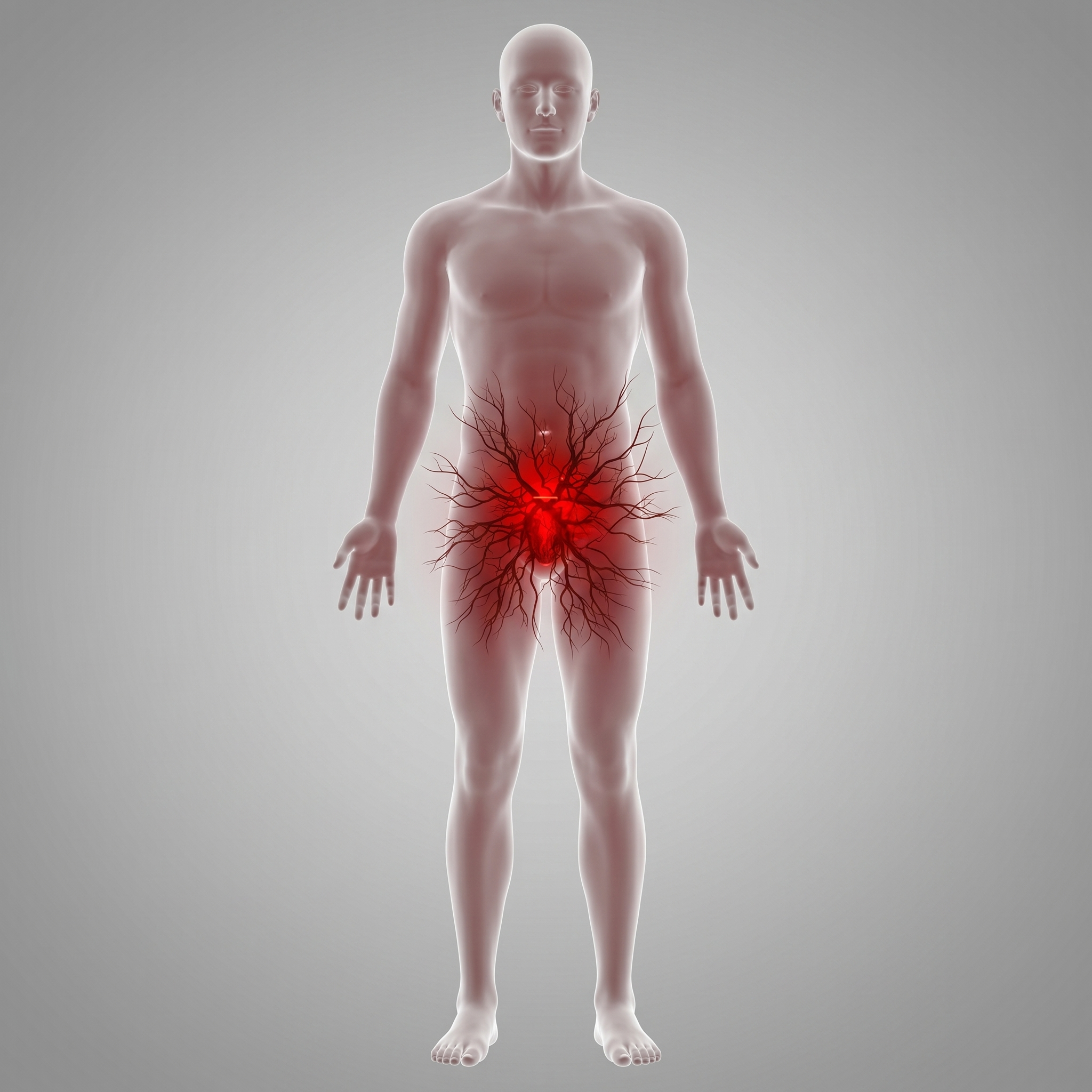
ApoB Elevated. Lp(a) 75th Percentile. The Statin Was Lying.
Marcus Gibson talks about his experience with Aurivita Capsaicin Power
LEARN MORELike this ad? Make it yours.
Crush rebuilds this exact creative around your product — your brand, your colors, your offer — in about a minute.