The Daily Edit
The Daily Edit Facebook ad: “The Hidden Reason Behind Bladder Leaks”
Ran for 7 days, from July 21 to July 28, 2026, the last day Crush saw it.
Run by The Daily Edit on Facebook. Crush is not the advertiser and does not verify its claims. See this ad in Meta's Ad Library(opens in a new tab)
Want an ad like this for your product?
Crush makes new ad images for your product from this ad: your logo, your product photo, your offer.
Trials from $19.95 USD, then $79.95 USD a month. Cancel anytime.
About this ad
- Meta Ad Library ID
- 27560983966861480
- Platforms
- Facebook, Instagram, Audience Network, Messenger and Threads
- Relaunches
- 0
Ad text
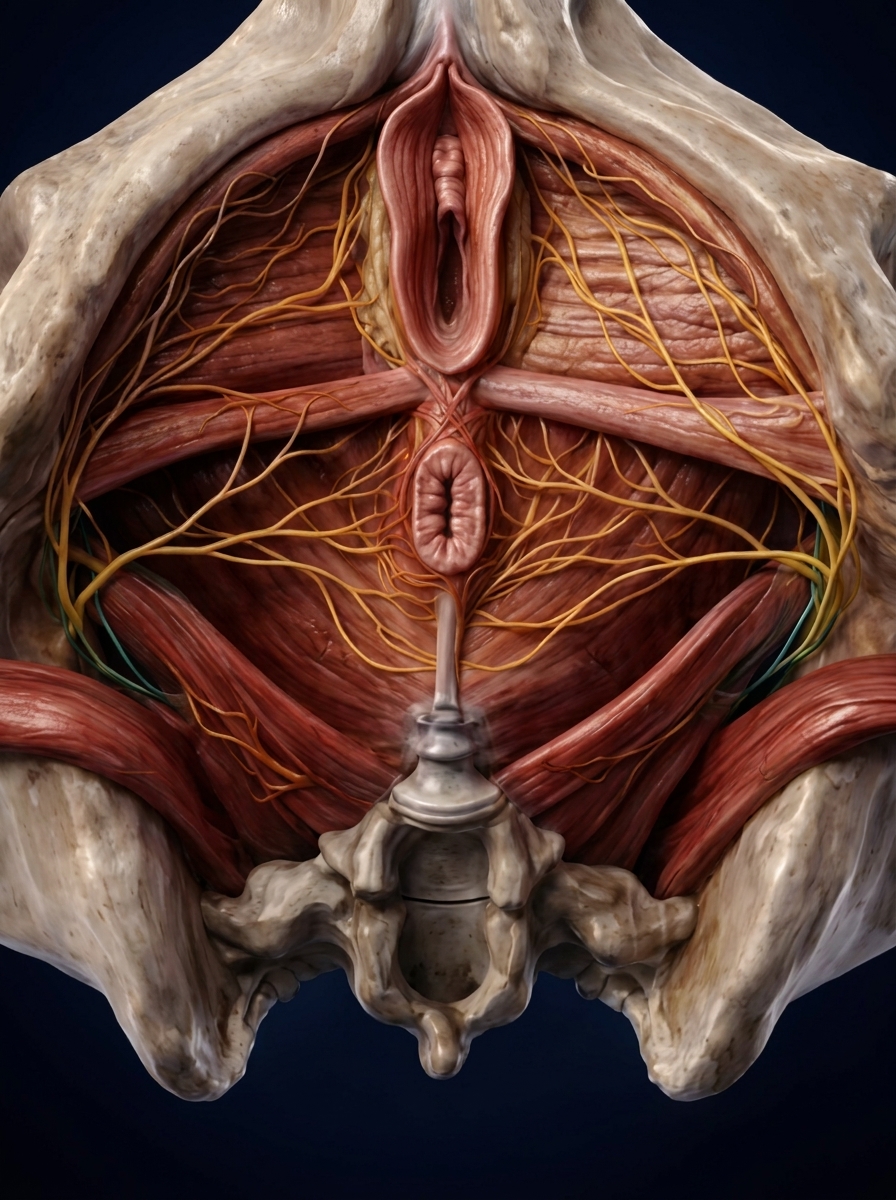
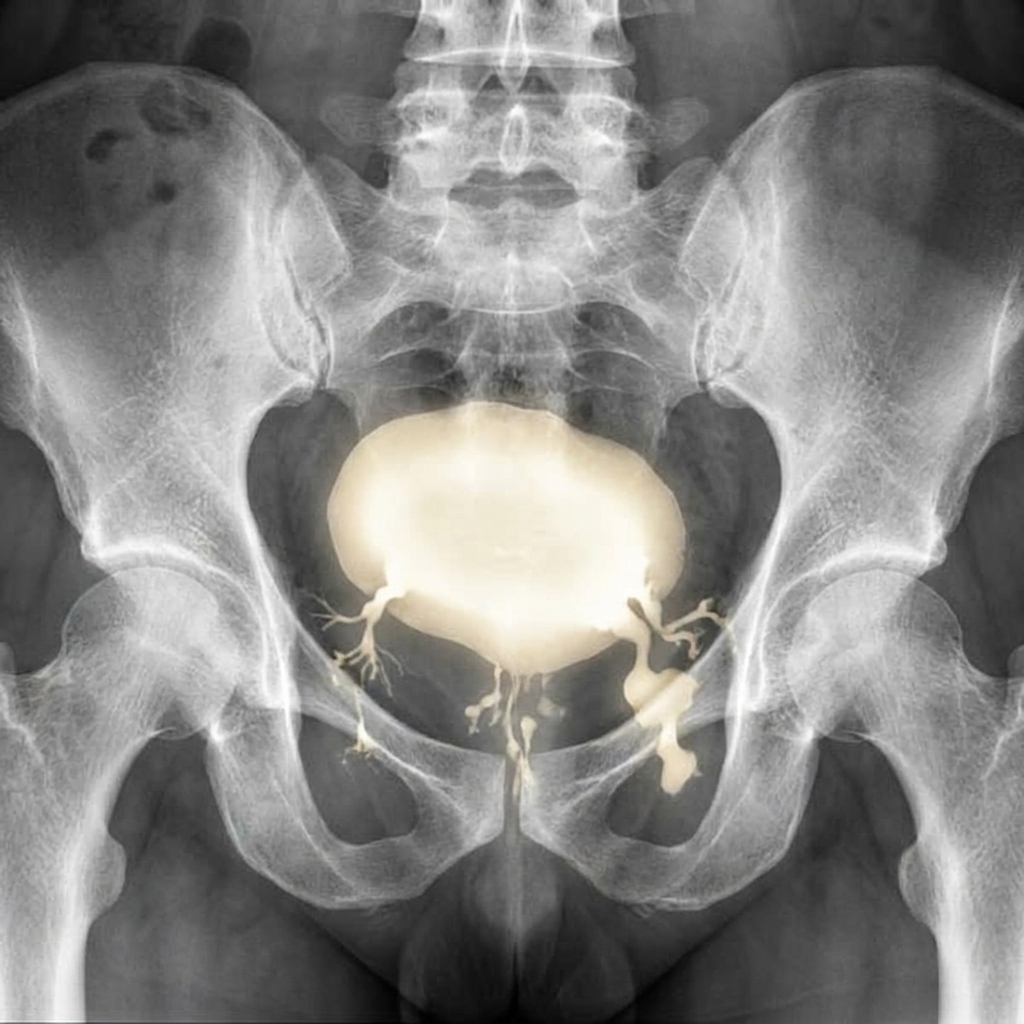
I'm a urogynaecologist. I've been a urogynaecologist for twelve years. The first thing you learn in my field is that ageing is the enemy of the bladder in women past 50. Menopause drives the leaks. Pelvic floor weakness is the first thing every incontinence booklet in the UK tells you to blame. Then I went to Italy. The country where women over 80 are still walking to the market every day, carrying full shopping bags, without wearing a single pad. What I found there broke everything I thought I knew. Let me back up. I work at a bladder clinic in the South of England. Women come to me when their GPs have run out of answers. They've been on Solifenacin for years. Their scans are clear but they still leak. By the time a patient reaches my clinic, I already know what the notes are going to say. Because they always say the same thing. Patient presents with stress leaks that will not stop. GP notes: menopause-related. Recommend Kegels. Try bladder training. Patient returns. Waking four times a night. GP notes: nocturia. Recommend fluid restriction after 6pm. Patient returns. Urgency creeping up. GP notes: overactive bladder. Start Solifenacin. Patient returns. Dry mouth. Constipation. Brain fog. Heart racing on the stairs. GP notes: age-related. Add Mirabegron. Patient returns. Sudden gushes she cannot control. GP notes: consider mesh sling referral. Five visits. Five years. Five separate diagnoses. Five separate prescriptions. And by the third visit, somebody has handed her a Kegel app and told her the answer is to squeeze harder. Then someone finally sends her to me. I pull her notes. I look at her scans. And in less than thirty minutes I find what explains every single one of those visits. It is not her pelvic floor. It is not her age either. It is her bladder lining. Your GP checks your MSU. Your urogynaecologist checks your urodynamics. The problem sits between them — in the lining nobody is trained to examine — and nobody is paid to look there. So when I got invited to a bladder research conference in Florence last spring, I added two extra weeks to the trip. Because something had been bothering me for years. Italian women live longer past menopause than almost any other country in Europe. Full lives at 80. Walking to the piazza every day. Sitting through three-hour lunches without leaving the table. The average Italian woman over 65 uses a fraction of the incontinence pads that the average British woman does. In my field, ageing is the thing we tell every postmenopausal woman is the reason she is leaking. But Italian women over 60 are 17 times less likely to need mesh sling surgery than British women the same age. Not twice as likely. Not five times. Seventeen. Italian women stay dry considerably longer than British women. Fewer pads. Fewer prescriptions. Sharper bladders well past 80. Based on my training, Italian women over 60 should be presenting with the same collapse as my British patients. They should be sending more of them to me. Not fewer. I needed to understand why. After the conference in Florence I drove south, then I caught a ferry to Sardinia. The region is one of the original Blue Zones — the highest concentration of healthy centenarians in the Western world. I arranged a homestay in a small village in the Nuoro region through a longevity research project. The woman I stayed with was named Lucia. She is 87 years old. Lives alone in the same stone house she was born in. Tends her olive trees every morning. Walks to the village square. Cooks all her own meals. She has been postmenopausal for forty years. I'm sitting at her kitchen table on day three watching her sit through a two-hour dinner without excusing herself once. She poured me wine. She poured herself wine. My urogynaecologist brain is going haywire. I'm thinking about every patient I've ever told to cut out alcohol. Every patient I've told to reduce fluids after 6pm. This woman has been drinking wine at dinner every night for sixty years. Based on everything I know, her bladder should be raging. She should be up five times a night. But she is 87. She is sharp. She sleeps through the night. She has more bladder control than most of my 60-year-old patients back home. I had to ask. Her English was perfect — she had worked as a translator in Florence after the war, and again at the British embassy in Rome in the 1970s. "Lucia, doesn't the wine make your bladder worse?" She stops eating. Looks at me. Starts laughing. "Everyone worries about something. British women worry about drinks. We worry about something different." She wipes her hands and tells me to sit down properly. "You came here because something is telling you. The leaks. The urgency. The waking at 3am. The scans that are clear while you still leak. Yes?" I nodded. She leaned across the table and looked me in the eye. "You are not weak. You are not lazy. Your body is telling you the truth. The doctors have not been listening." She set her hands flat on the table. "I had a sister. Elena. Three years younger than me. We grew up in this house. She left for England when she was twenty-two to marry a man from Manchester. She forgot what our mother taught us. My mother begged her. Elena said it was old-fashioned. She had the same body I have, the same menopause. Her scans were clear her whole life. She had a mesh sling put in at 64. It eroded through the vaginal wall. She spent her last years housebound with nerve damage. Her surgeon told the family she was just unlucky." She looked at me. "You are walking my sister's road. Unless you turn now, you will end the same way." She walked to a small wooden cabinet and pulled out a single dark glass bottle with a small wooden dropper resting against it. The bottle was filled with a dark, almost black liquid. Bitter. Earthy. Concentrated. "Your Kegels give you only one muscle." She placed her hand low on her belly, right over her bladder. "The bladder is not one muscle. It is four systems working together. The Kegels touch none of them. They squeeze the muscles around the bladder. The four systems inside are what actually hold you." "After twenty years of menopause, the lining inside gets thin. Raw. And when the lining is raw, everything above it stops working. The bladder overreacts to small amounts of urine. The seal fails when you cough. The urgency comes at 3am when it does not need to. That is why the pads pile up. That is why the leaks get worse. That is why the surgeon eventually offers the mesh sling. Not the wine. Not the age. The lining." She set the bottle down on the table between us. "This medicine rebuilds the lining. And it carries the six things the bladder needs to rebuild all four systems, all in the same bottle. One dropper before bed. That is the only road off this road." "My mother taught me this. Her mother taught her. Her mother before her. For seven hundred years the women of this village have made the same medicine. Every woman in our village who lives past 90 without pads takes it. Every one of us. We do not worry about the wine. We do not worry about the age. We worry about the lining. So the leaks do not come." I sat there staring at her. I have a medical degree. Twelve years of practice. Hundreds of patients. And this 87-year-old woman had just described in plain language what I had spent fifteen years confirming in European journals. Kegels only strengthen the pelvic floor muscles outside the bladder. The four systems inside — the GAG layer, the detrusor, the hormonal environment, the mucosa — are what actually keep you dry. Without rebuilding those, the outside muscles cannot compensate. The rebuild requires six specific compounds — hyaluronic acid, magnesium citrate, red clover, sea buckthorn, cranberry proanthocyanidins, pumpkin seed — that most single-ingredient supplements do not deliver together at clinical dose. Lucia had skipped the journals and gone straight to the answer. I spent the rest of that week talking to every elderly woman in the village. Her 92-year-old neighbour takes the medicine every night. Has since she was eighteen. Her cousin Anna, also in her late eighties, also postmenopausal, also dry. Same practice. Same bottle made by hand from herbs they grow themselves. These women have lived through the same menopause my British patients have and look healthier than every one of them. Then I thought about my patients. Five visits. Five wrong diagnoses. Five prescriptions. Six months of Kegels that didn't move the pad count. Solifenacin that dried her mouth so badly she could barely eat. Waking four times a night. Being told it is just menopause. Being told it is just age. While their bladder linings have been quietly thinning for thirty years and no GP in Britain has ever once asked. The Italians drink wine at 87 and sleep through the night because they take care of the lining every night. My British patients cut out coffee, take their Solifenacin, see their GP every year, and end up with mesh slings at 68. The contrast made me sick. When I got back to England, everything Lucia taught me lined up with the research. The dark liquid she used was rebuilding the GAG layer. The most studied bladder lining pathway in modern urology. The Italians call it la fodera — the lining — and they have been passing down the recipe on the edges of olive groves for a thousand years. But what stopped me was that Lucia's village was not alone. Traditional Chinese medicine named the bladder as the seat of postmenopausal collapse centuries before the West had a word for the GAG layer. Ayurvedic practitioners in India prescribed bladder-lining medicines for over 4,000 years. Japanese island grandmothers in Okinawa take the same kind of bitter tincture every night before bed. Amish midwives in Pennsylvania keep the same herbs by the kitchen door. Different cultures. Different continents. No contact with each other. Same understanding. Same medicine. That is not coincidence. In medicine, when independent traditions arrive at the same conclusion without contact, we take that very seriously. Meanwhile, Lucia sleeps through the night at 87. And British women over 60 are being offered mesh slings at 68. I started taking the modern version of the medicine every morning before breakfast when I got home from Italy. Week one. The 3am waking that had run my life for six years — down to twice. I had not noticed how bad the nights had got until they started getting better. Week two. First dry sneeze in years. Standing at the sink washing up. Week three. This is the week that matters. Every single-ingredient supplement I have ever recommended to a patient crashes at week three. Symptoms come roaring back. Often worse. Nothing came back. The dry days held. The nights held. The rebuild was actually working. Week four. Two pads a day instead of five. My resting pelvic tension, which had been braced for a leak for years, finally released. A colleague stopped me in the corridor and said, "Did you do something different? You look younger." Week six. No pads. Sleeping through the night. I had not felt this in control since my thirties. Not because I found some new breakthrough. Because I finally listened to an 87-year-old woman who knew more about the bladder-lining connection than my entire field has been willing to admit. Before you try sourcing the herbs yourself, do not bother. I tried. Ordered bulk hyaluronic acid from Amazon. Took the pumpkin seed capsules from Holland & Barrett. Tried the Jude tablets everyone in my clinic seems to have wasted money on. Tried mixing my own blend. Disaster. Single-ingredient supplements each address one collapsed system while the other three keep failing. Jude helped a little, then stopped. Kegels never worked. The individual capsules at the wrong ratios did nothing measurable. I gave up after ten weeks. The brand I use now is a small UK company called Lovi. Their formula is called UroControl. All six compounds in one bottle. Hyaluronic acid at clinical dose to rebuild the GAG layer. Magnesium citrate to stabilise the detrusor muscle. Red clover isoflavones to feed the oestrogen receptors gently — no HRT, no cancer risk, safe past 80 when hormone therapy is no longer advisable. Sea buckthorn omega-7 to rehydrate the mucosal tissue. Cranberry proanthocyanidins to coat the epithelial surface. Pumpkin seed to strengthen the bladder neck for the cough, sneeze, and laugh moments. Made in the UK. Third-party tested. Two capsules a day. It is the modern version of what Lucia's family has been doing for generations. If you are reading this and you have been leaking for years, I need you to hear something before you do anything else. You keep taking your prescribed medication if you are on it. What I added did not replace anything. My bladder medication, when I was on it, was doing the front half — numbing the urgency signal. The back half — the rebuild of the four systems — is what had been failing. Lovi does the back half. Your medication, if you are on one, does the front half. They work together. Over time, once the four systems rebuild, many of my patients have come off their bladder pills entirely with their GP's blessing. That is between you and your GP. You keep taking your prescription if you have one. You add two capsules of UroControl with breakfast every morning. That is it. Try Lovi UroControl for 90 days. Count your pads every Sunday morning. Note how many times you wake at night. Ask your GP for a review at day 60. If the pads aren't dropping, if the nights haven't improved, if the leaks haven't eased — full refund. No questions. Here's what makes me furious. If a 17-times increase in mesh sling surgery paired with steady bladder decline on a "safe" medication were happening to men with a common disease, there would be a national inquiry. There already was one for the mesh — the Cumberlege review — and yet women are still being offered the same operation every day in NHS clinics up and down the country. But it is happening to women over 60 with leaks. So we get "just do your Kegels." We get "try cutting caffeine for six months." We get "have you tried losing weight." We get "have you considered a pessary." We hand our patients a bladder training booklet and tell them to come back in six months while their linings keep thinning. There are six prescriptions I can adjust to numb an overactive bladder. There is zero protocol in mainstream urogynaecology for what happens to the GAG layer, the detrusor, the hormonal environment, and the mucosa after ten years of menopause. Zero. We don't even look. I am done with that. And if you have been told for the last decade that squeezing harder will fix what is wrong with you — and it hasn't — you should be done with that too. If your scans are clear but you still leak. If your pad count has been climbing no matter what you cut out. If you have already given up coffee and wine and fizzy drinks and seven other things and still wake at 3am. If your urgency creeps up every visit. If your bladder cramps going up a single flight of stairs. If your knickers have been damp for years. If you have stopped wearing light-coloured trousers because you do not trust yourself in them anymore. Listen to me. You are not weak. You are not lazy. The leaks are real. The urgency that will not stop is real. The 3am waking is real. The dread of every long car journey is real. Your Kegels have been squeezing the wrong muscles, and your bladder lining has not been able to hold, and your body has been paying the price every single day for years. Cutting out coffee will not fix it. Cutting out wine will not fix it. Cutting out fluids after 6pm will not fix it — it will just dehydrate you. Your GP will not find it. The MSU will not catch it. Single-ingredient supplements will not finish the job. I have spent twelve years proving that. But an 87-year-old woman in a Sardinian village showed me what actually works. Rebuild the four systems. Two capsules a day. Overnight. You are at a crossroads. One path. Keep doing the Kegels. Keep cutting out foods that were never the problem. Watch the pad count climb. Add the Mirabegron when the Solifenacin stops working. Add the pessary when the prolapse comes. Add the mesh sling when the consultant runs out of ideas. Spend the next twenty years collecting prescriptions and elimination diets while the real problem never gets touched. End up like Elena. Housebound at 68. With nerve damage from a mesh she should never have had. Another path. Try what I tried. Rebuild the four systems. Let your bladder finally hold the way it was supposed to hold for the last twenty years. Wear the linen trousers again. Sit through the theatre again. Take the bus into town again without pre-emptively wetting yourself walking home. Feel like yourself again. Look at yourself again and not hate what you see. I chose the second path. Your GP isn't looking at your GAG layer. Your urologist isn't looking at your mucosa. Nobody is looking at your bladder lining. Every night you sleep without this is another night your rebuild fails. Another night the collapse deepens. Another night your consultant edges closer to the mesh sling conversation. Another night closer to Elena. Lucia is 87 sleeping through the night. She is never going to need a mesh sling at 68. Because she figured out what every grandmother in her village has known for seven hundred years. You can start tonight. But Lovi is a small UK company and they sell out constantly. If you click and they are out of stock, sign up for the restock notification. It is worth the wait. Be the woman you were before. 👉 https://www.trylovi.com/pages/urocontrol P.S. First dry sneeze within two weeks of my first dose. Down from five pads to two by week four. Sleeping through the night by week six. Your timeline will be different. But you will not know until you try. P.P.S. My patient Patricia started Lovi UroControl four weeks after I did. She is 58, has been leaking for sixteen years, was about to be listed for a mesh sling. Last visit her pad count was down from five to one and she had refused the operation. She told me, "I am not going to end up housebound at 68." Neither am I. Neither should you. P.P.P.S. If you had a hysterectomy — even decades ago — this still works. The four-system collapse is worse in women who have had a hysterectomy, not better. The rebuild pathway is the same regardless of what triggered your collapse. Many of the women who send me the most grateful notes are post-hysterectomy. P.P.P.P.S. If you had a prolapse repair years ago and started leaking after, this works too. My own patient Carole — prolapse repair in 2017, incontinence since 2023 — went from constantly changing pads to a summer dress at her granddaughter's birthday. The mechanism is the same regardless of what caused the collapse. P.P.P.P.P.S. I am 53 years old. I am a urogynaecologist with twelve years of practice. The bladder I have this morning is the bladder I had at 41. If you have spent the last decade cutting out foods, squeezing harder, and watching your body get worse anyway, I am writing to tell you it was never the food. It was never the muscle. It was the lining. Rebuild it. 👉 https://www.trylovi.com/pages/urocontrol
Where the ad sends people
trylovi.com
The Hidden Reason Behind Bladder Leaks
Lovi
Shop now: trylovi.com(opens in a new tab)