
Inactive· since Jul 8, 2026
- 26
- days it ran
- 1
- relaunches
Ad copy
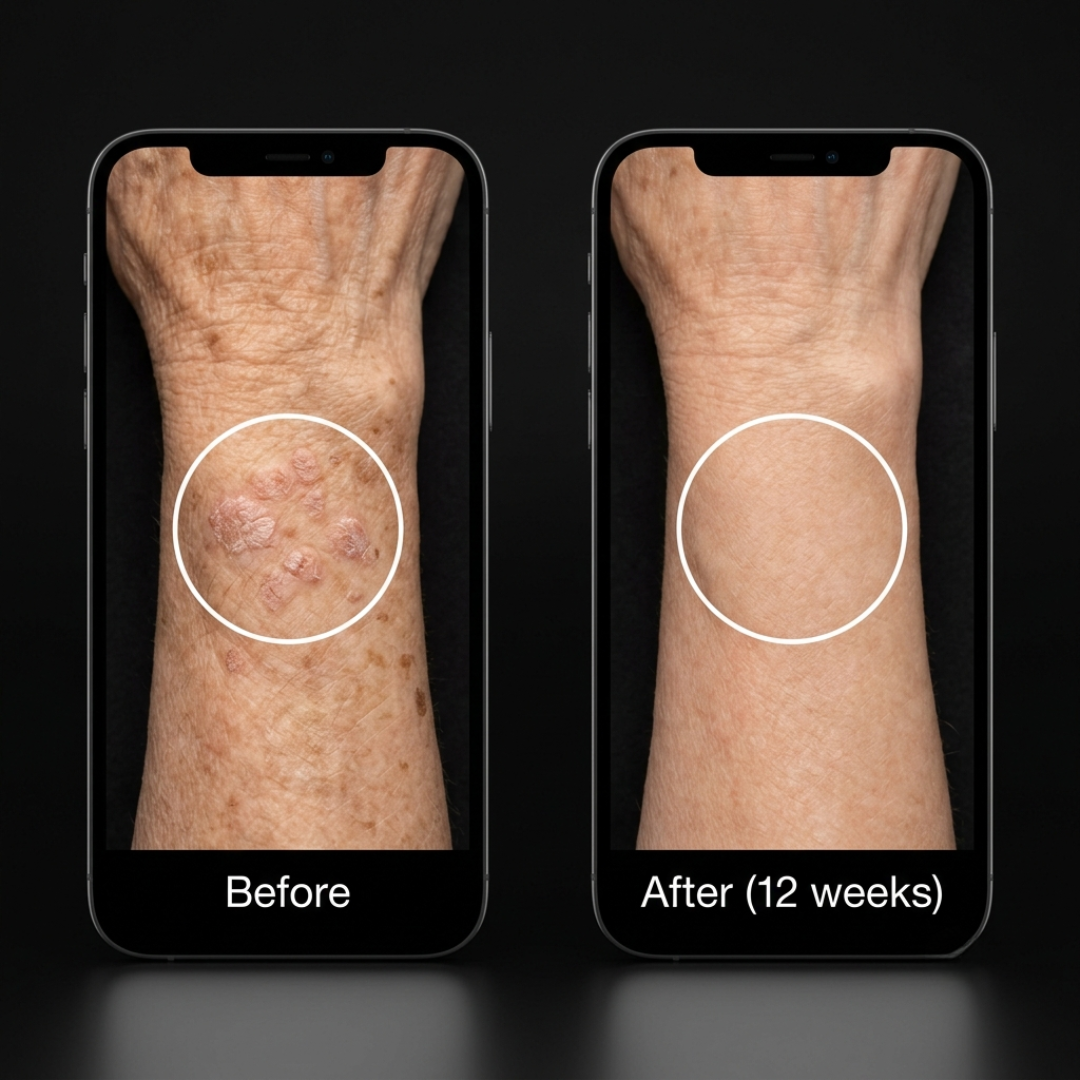
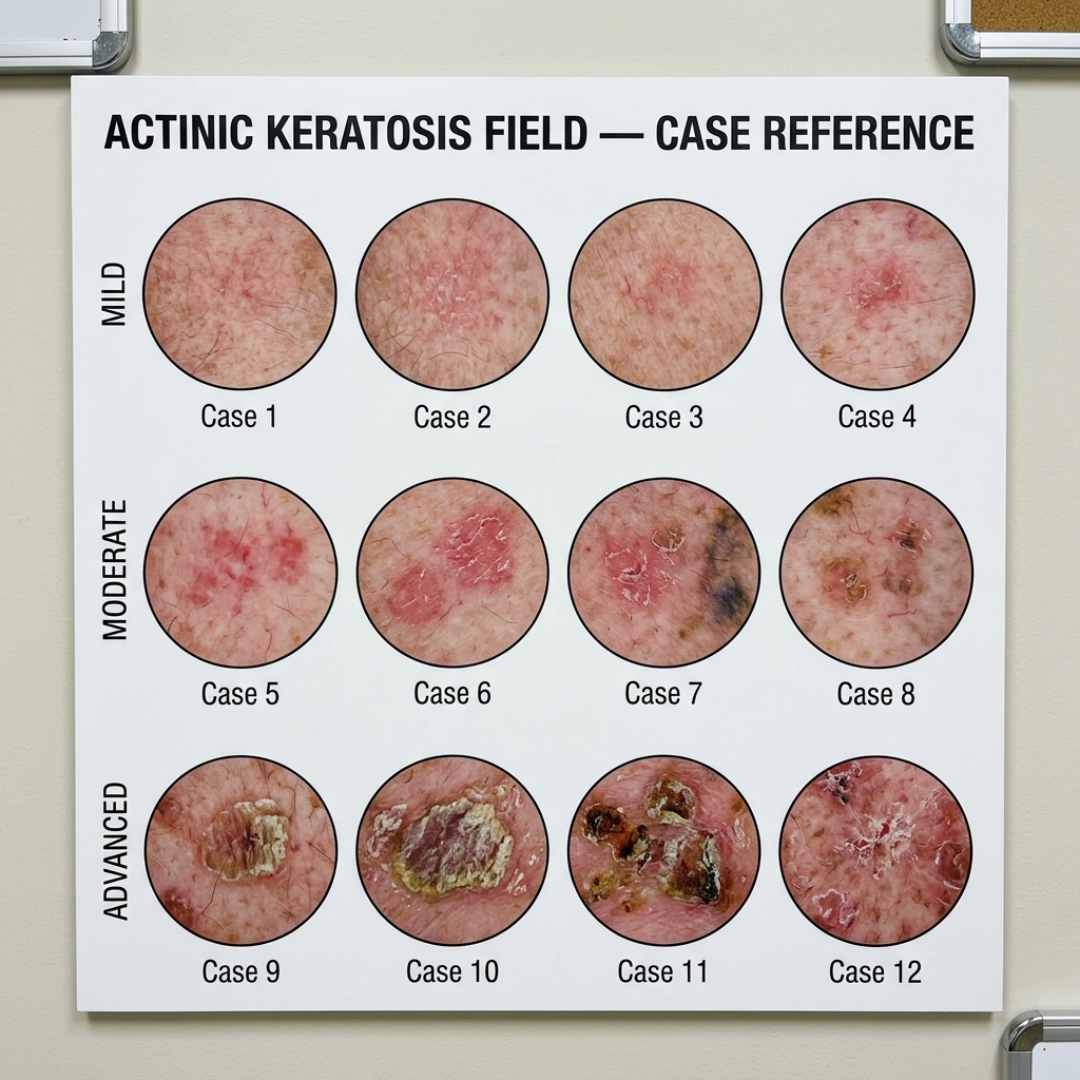
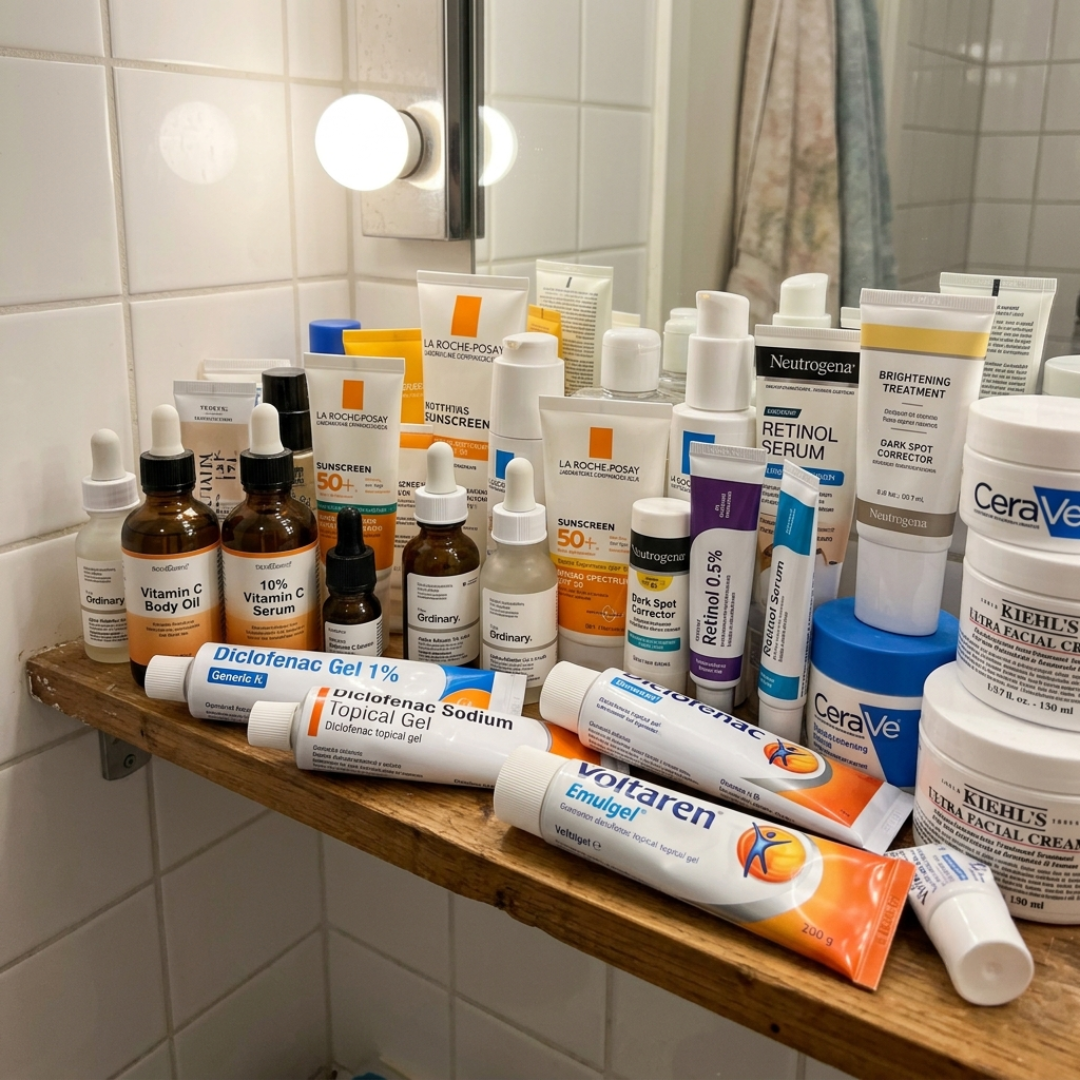
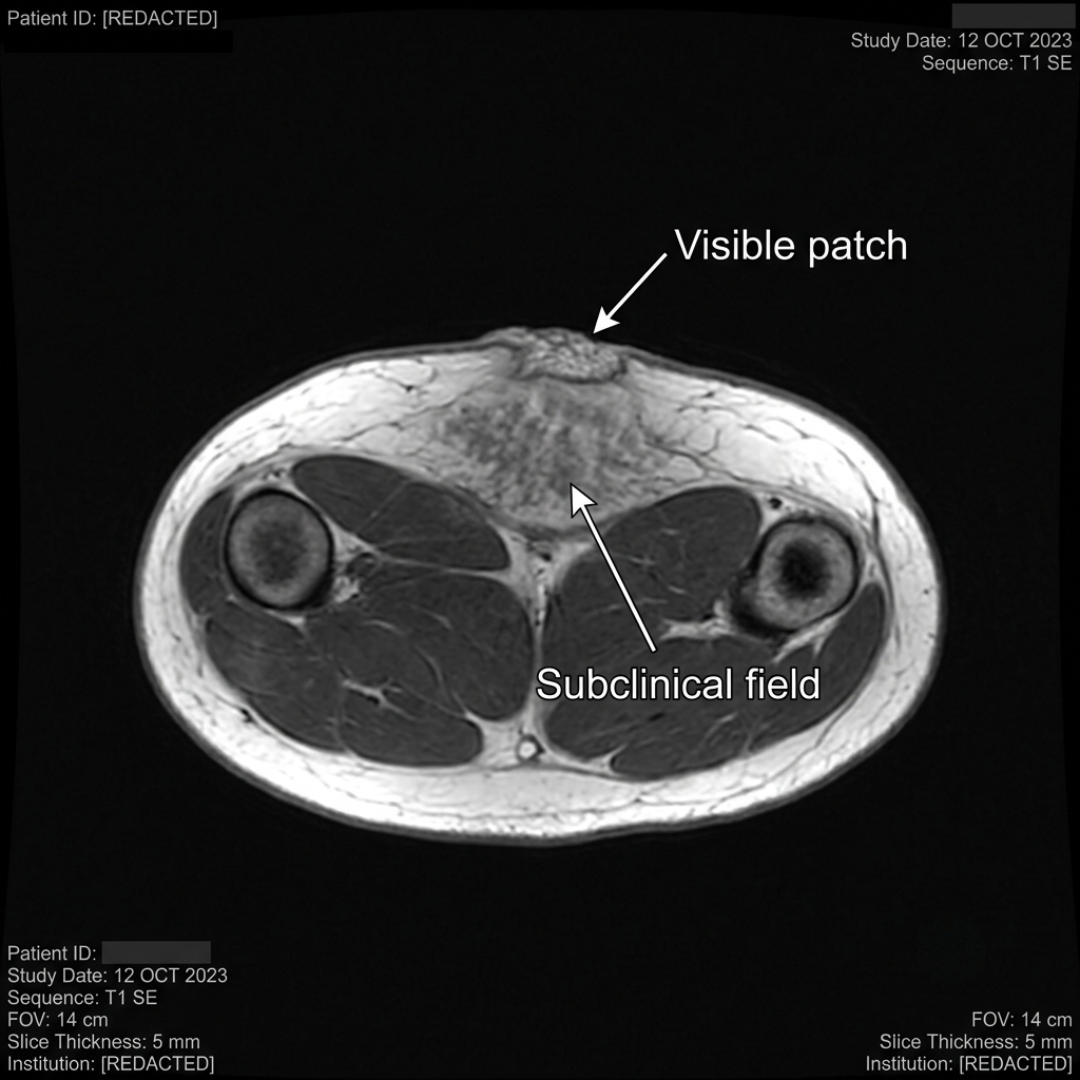
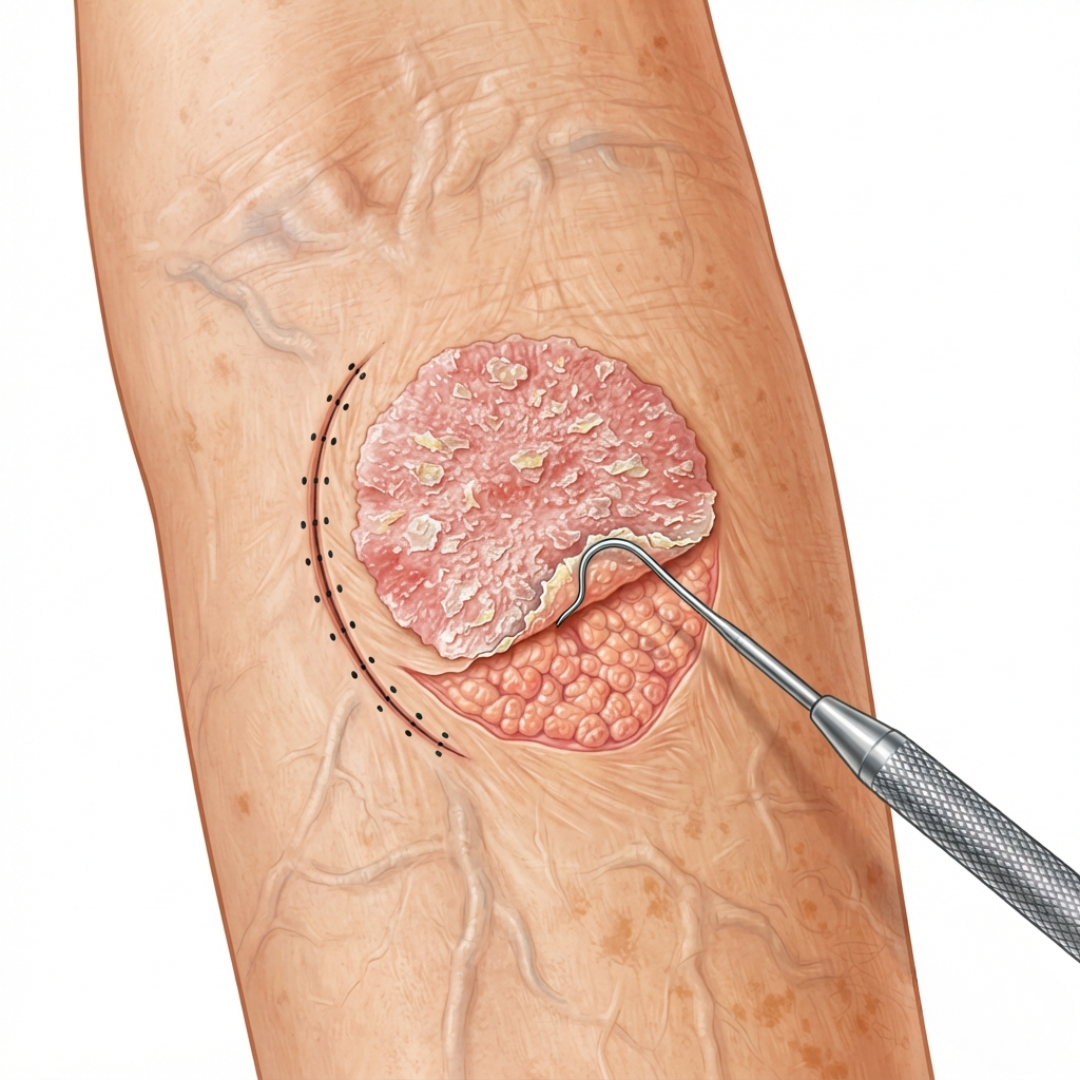
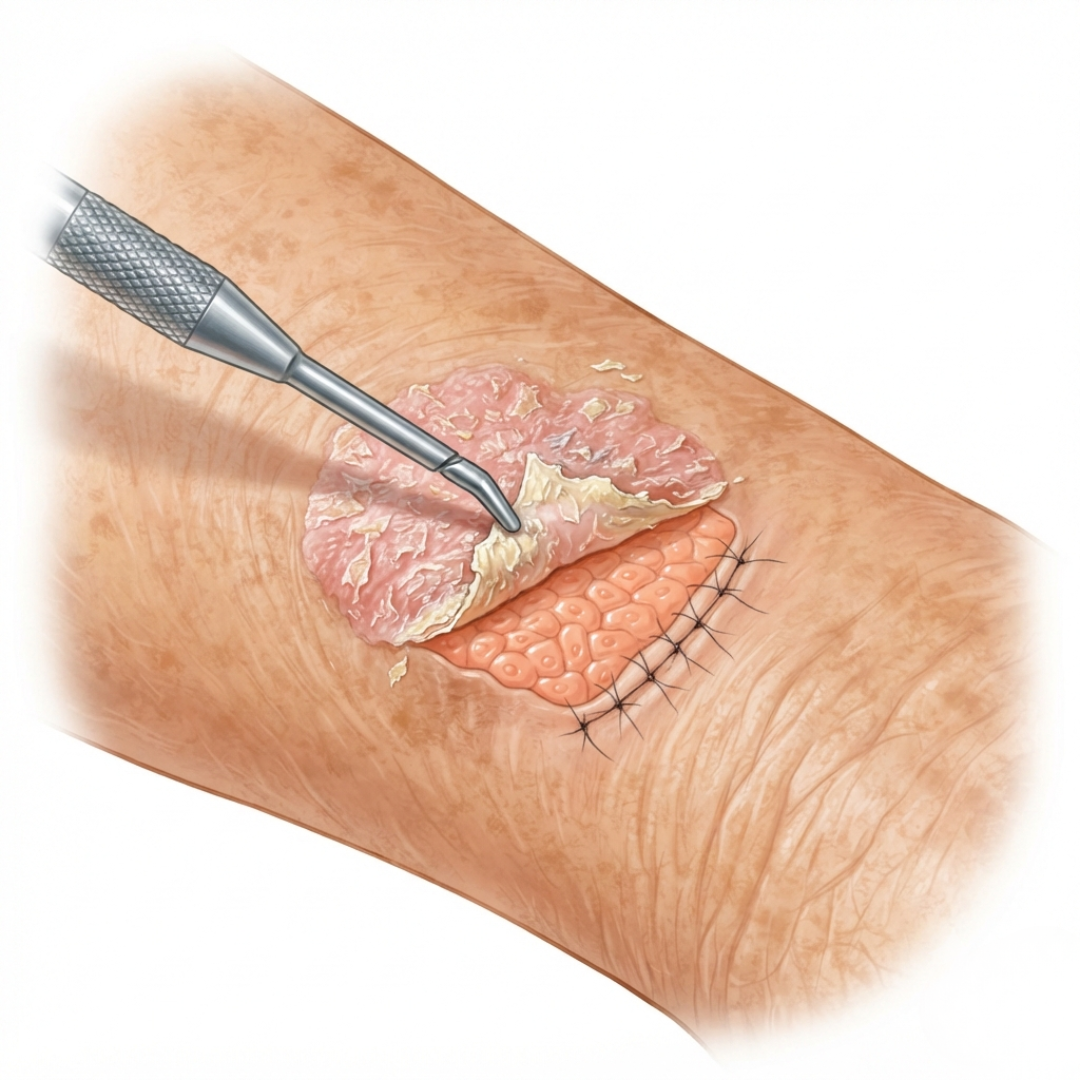
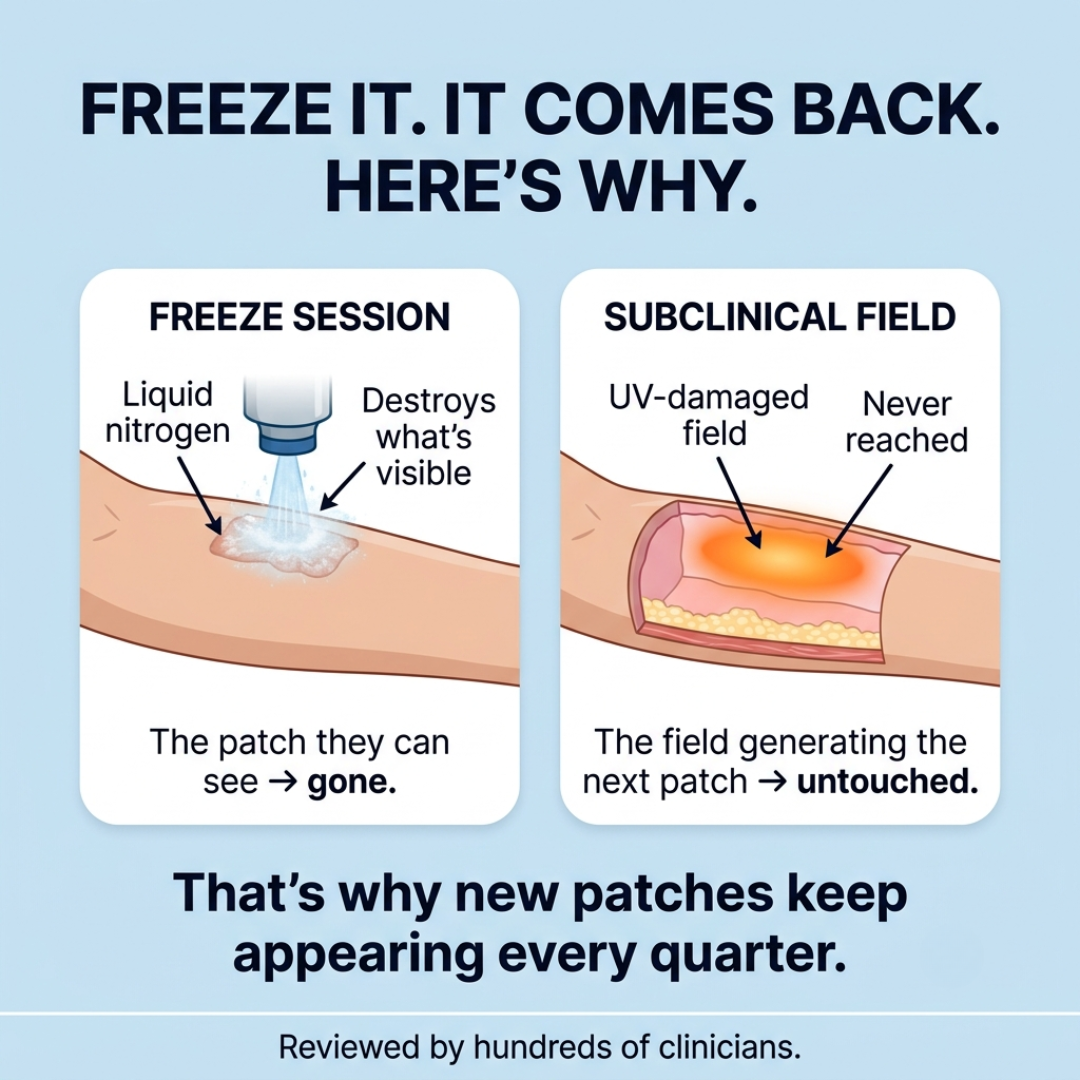
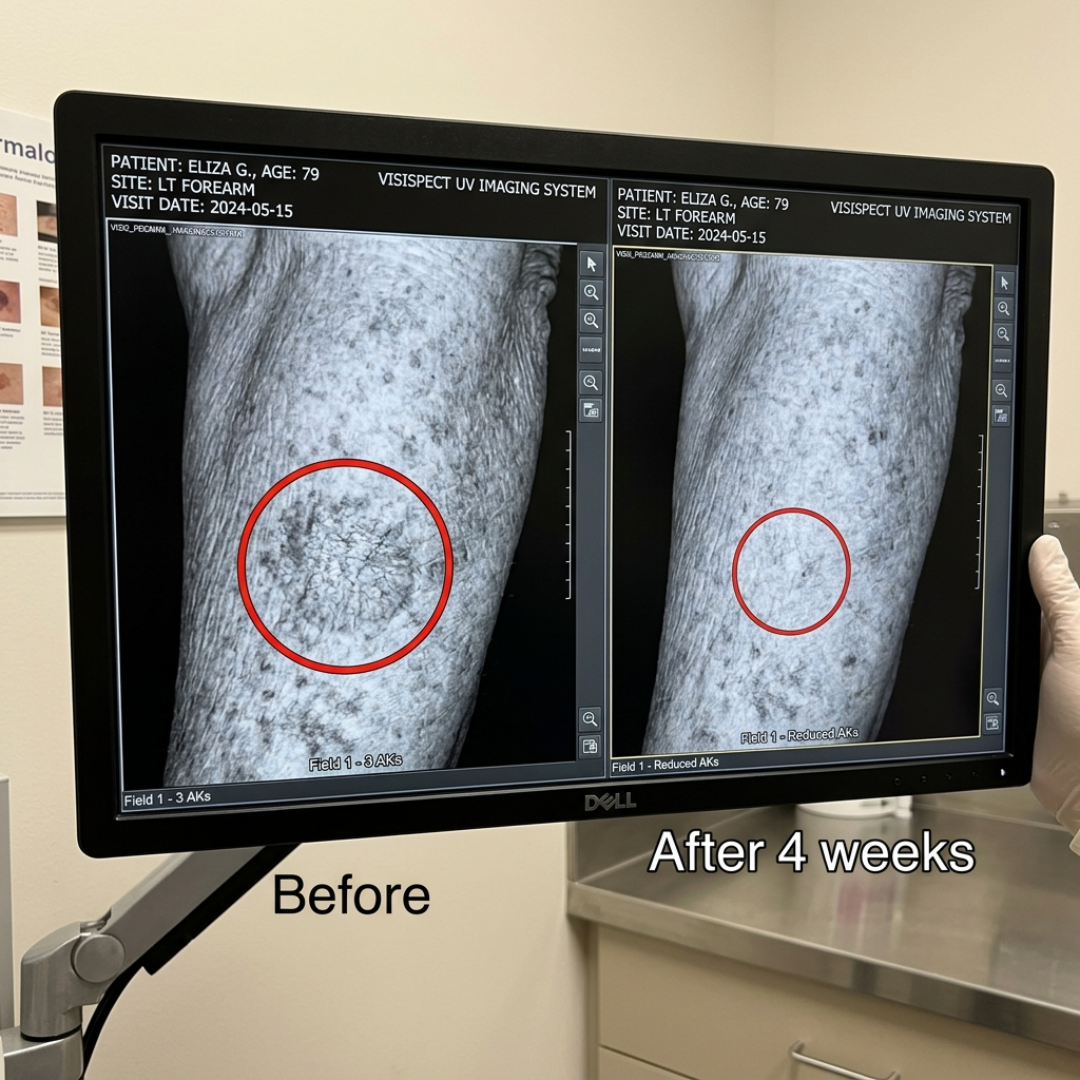
I've had actinic keratosis for 8 years. I want to tell you what my dermatologist never told me. My name is Susan. I'm 63. I live in Savannah, Georgia. I've been sitting in the same dermatologist's chair every three months since I was 55. Same liquid nitrogen. Same "that one looks good." Same "there are two new ones forming." Same appointment card for the next visit on my way out. Eight years. Thirty-two freeze sessions. And every single quarter, new patches. I did everything right. I never missed an appointment. I applied the diclofenac between visits. I wore SPF 50 every morning without fail. I bought every "brightening serum" and "dark spot corrector" the internet recommended. Nothing stopped the field from generating. Last year my dermatologist said we needed to talk about field therapy. 5-fluorouracil cream twice a day for six weeks. She described what would happen to my skin. The weeping. The crusting. The six weeks of not being able to go outside. I drove home and sat in my car in the driveway for twenty minutes. Eight years. Thirty-two sessions. And the answer was six weeks of my skin falling apart followed by more quarterly appointments. I almost scheduled it. Instead I started reading. Not wellness blogs. Actual research. Dermatology journals. PubMed studies. Patient forums where women had been on the freeze schedule for ten, twelve, fifteen years. And I found the answer to the question I'd never thought to ask. Why do new patches keep forming in skin that looks completely clear? Because the freeze session treats the visible patch. It doesn't treat what's beneath it. Beneath every visible AK lesion there's a subclinical field of UV-damaged keratinocytes spreading invisibly across the surrounding dermis. They look normal. They feel almost normal. But they're already misfiring — generating the next visible patch before the current one has even been frozen. Liquid nitrogen destroys what's above the surface. The field underneath keeps generating. Every single quarter. That's why I needed a freeze session every three months for eight years. Not because the freezing was working. Because it was never reaching the source. And the diclofenac? Water-based. It sits on the stratum corneum — the outermost skin layer — and barely penetrates. The UV-damaged keratinocytes generating new lesions live in the dermis. Deep. Where water-based compounds don't reach. I read that and thought about every tube of diclofenac I'd applied between sessions. Every serum. Every cream. All of it sitting on the surface while the field generated underneath. Then I found the research on lipid-based penetration. Cold-pressed plant oils — specifically camellia oil and sea buckthorn oil — penetrate the stratum corneum and transport oil-soluble actives through all seven skin layers to the dermis. Right to where the UV-damaged keratinocytes are generating. Oil-soluble vitamin C at clinical concentration directly inhibits the UV-induced oxidative cascade driving abnormal keratinocyte proliferation. In the dermis. Where the field lives. Bakuchiol at clinical concentration supports normal keratinocyte cycling. Replacing the abnormal proliferation pattern with healthy cell renewal. From the dermis out. Zero water in the formula. Because every drop of water dilutes penetration. Everything oil-soluble. Everything lipid-delivered. Everything going in. I tried three botanical oils first. Wrong carriers. Wrong form of vitamin C. Nothing moved. Then I found Dermiqua. Cold-pressed camellia and sea buckthorn as the carrier. Oil-soluble vitamin C at clinical concentration. Bakuchiol. Sixteen botanicals. Zero water. Zero filler. I applied it morning and evening. Every day. Because the field doesn't rest. Week one: I checked every morning. Still rough. Maybe slightly less raised at the edges. I wasn't trusting it yet. I'd been burned too many times. Week two: Smoother. I ran my fingers across my forearm three mornings in a row to make sure I wasn't imagining it. Smoother. Smoother. Smoother again. Week three: The largest patch on my left forearm — the one that had been raised and rough for four years — felt flat. I pressed my forearm against the kitchen counter. No catching. No rough edges dragging. I stood there and pressed it six times. Thirty-two freeze sessions never gave me that. Week four: my quarterly appointment. My dermatologist examined my forearms. Paused. Looked again. "Susan, these sites look significantly calmer. The texture has changed. What are you doing differently?" I told her. Lipid-delivered oil-soluble actives reaching the dermis where the field lives. Where the freeze sessions and the diclofenac never got. She looked at my chart. Then at my forearms. Then back at my chart. "Continue what you're doing. I want to see you back in eight weeks. If it holds we'll adjust the monitoring schedule." Eight weeks. Not three months. Because something had actually changed. No new lesions at that appointment. First time in eight years. I sat in my car in the parking lot and called my daughter. "No new patches. She's adjusting the schedule." My daughter started crying. She'd been watching me cover my arms for eight years. That was three months ago. My last check: stable. Smooth. Nothing new to freeze. I'm not writing this to sell you something. I'm writing this because I spent eight years sitting in that chair every quarter being told "monitor and treat as needed" while the field generated underneath every treatment they gave me. Nobody told me the freeze session wasn't built to reach the field. Nobody told me the diclofenac couldn't cross the stratum corneum. Nobody told me there was a delivery system that could actually get there. If you're where I was — patches every quarter, watch list growing, dermatologist talking about field therapy — read the research. Find the right carrier. Give the field what the sessions and serums were never built to reach. Eight years of quarterly freeze sessions never gave me a single visit with no new additions to the watch list. Four weeks of morning and evening oil did. 👉 dermiqua.com/pages/actinic-keratosis — Susan, 63, Savannah GA P.S. — I still go to my dermatologist. I'm not telling you to stop. I'm telling you what eight years of perfect compliance couldn't do and four weeks of the right formula did. Your dermatologist treats what she can see. Dermiqua reaches what she can't. P.P.S. — The field doesn't care how many sessions you book. It's in the dermis. Liquid nitrogen on the surface can't reach a field that lives underneath. Morning and evening. Consistent. That's it. P.P.P.S. — My daughter grabbed my arm at dinner last week and said "Mom your arms feel so different." Thirty-two freeze sessions and thousands of dollars never gave me that. Four weeks did.
Like this ad? Make it yours.
Crush rebuilds this exact creative around your product — your brand, your colors, your offer — in about a minute.