
Active· since Jun 12, 2026
- 100
- days running
- 0
- relaunches
Ad copy
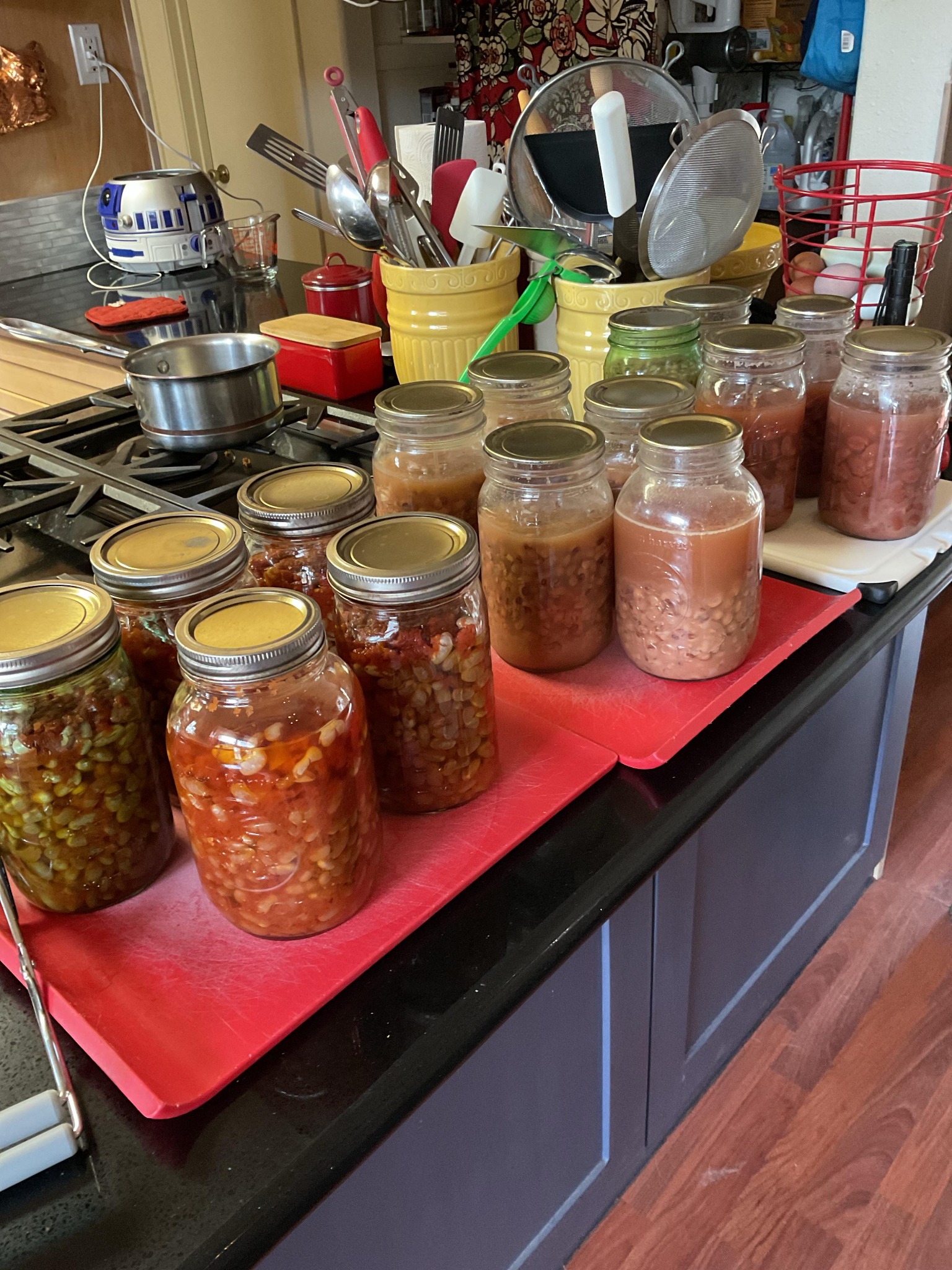
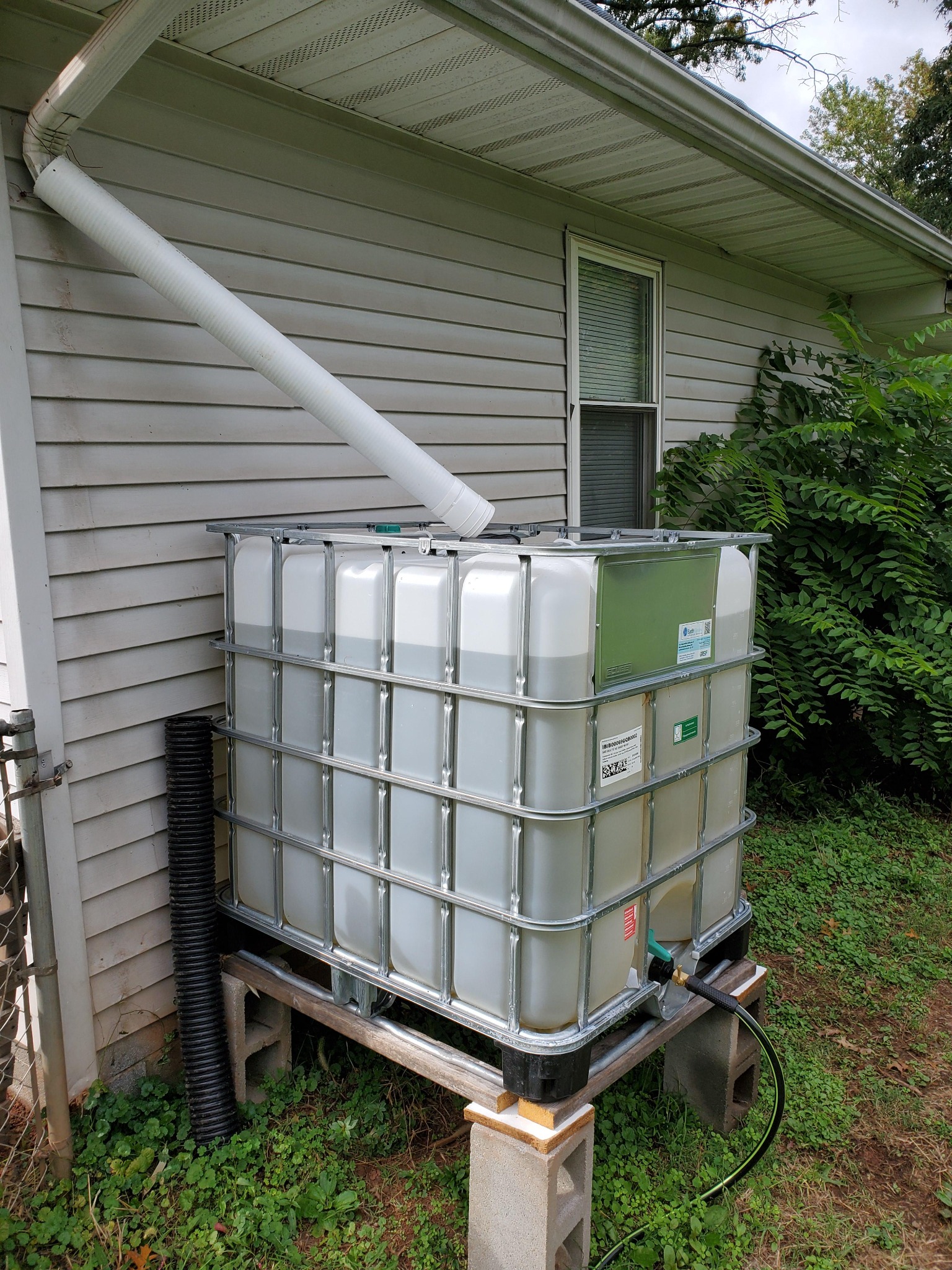
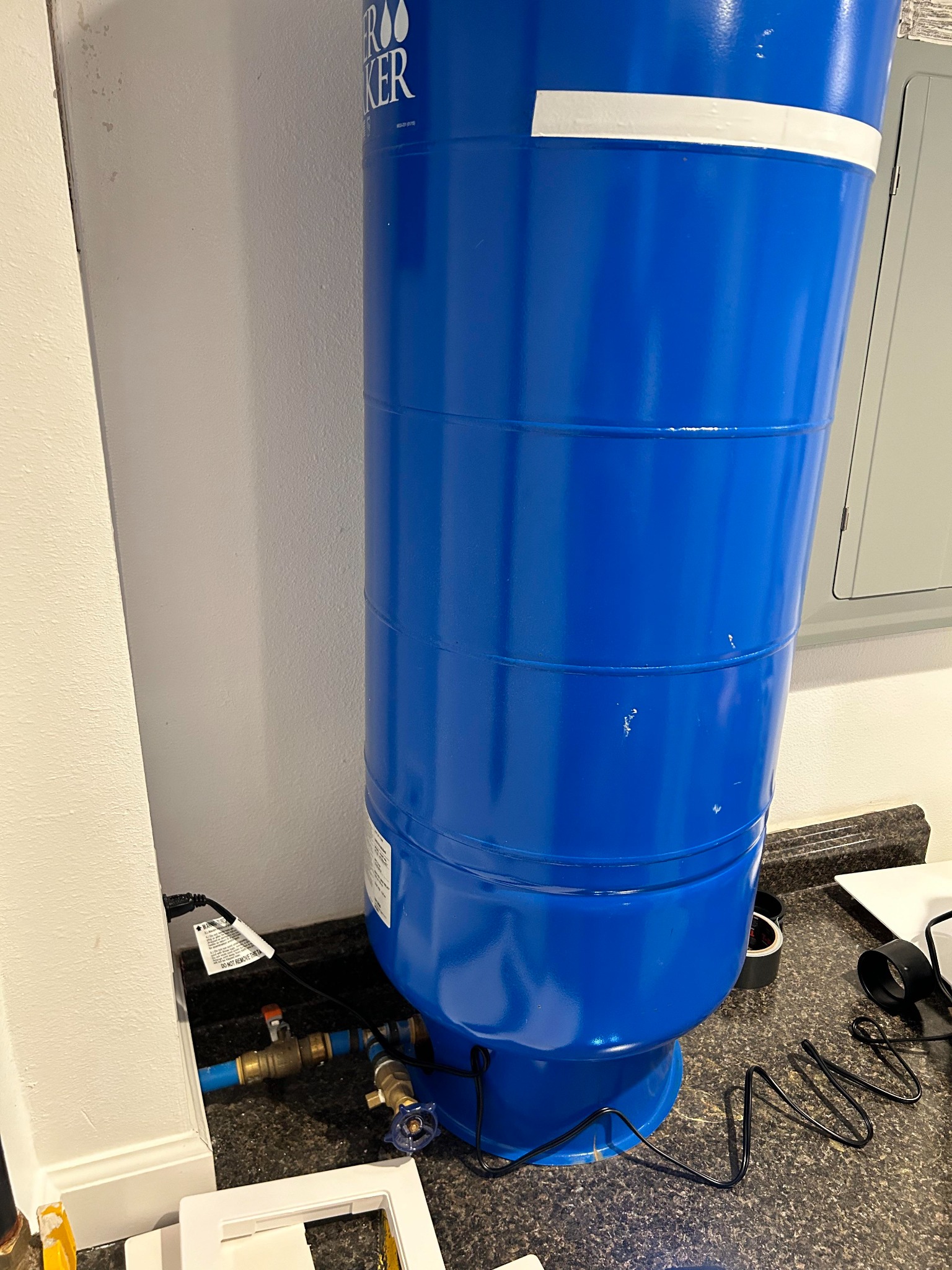
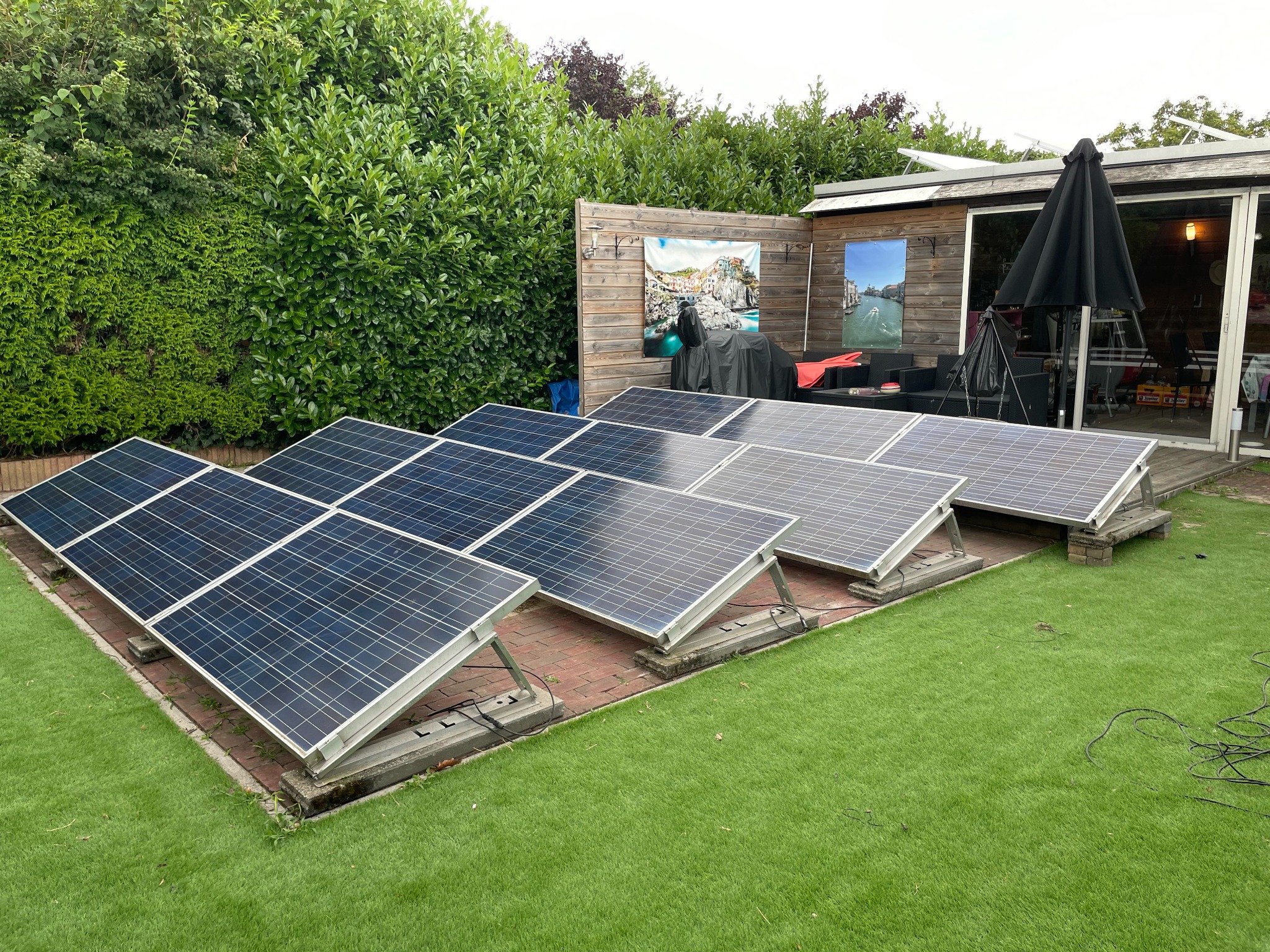
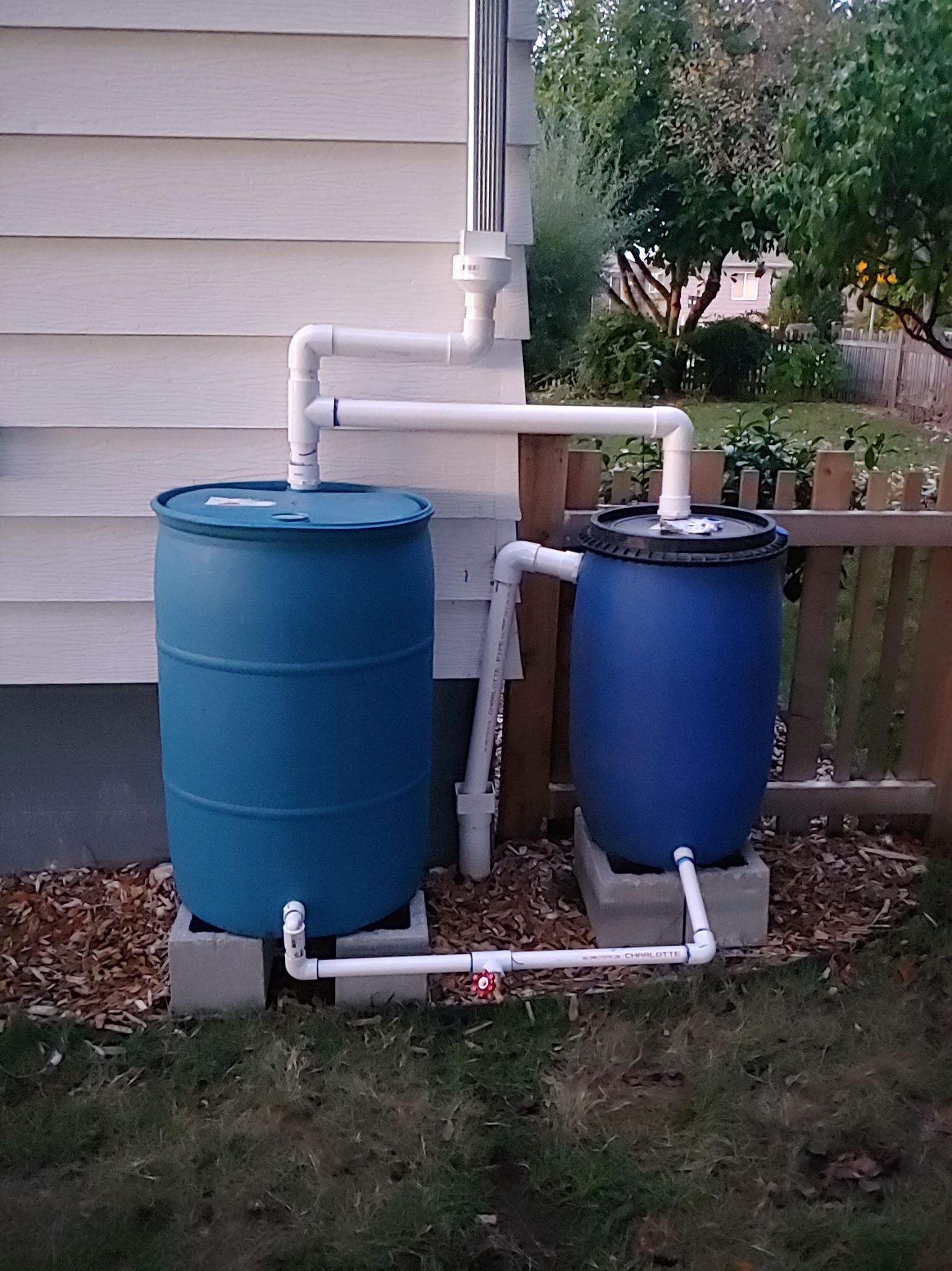
If you've been thinking about prepping for a total grid collapse and still haven’t. You definitely should. And I'm about to tell you exactly why AND how. But before I tell you anything else I want to be clear about who I am. I'm not a prepper. I don't have a bunker. I'm not stockpiling weapons. I don't spend my weekends watching survival YouTube channels or reading forums about the end of civilisation. I'm a normal guy. Married. Two kids. Mortgage. Works Monday to Friday. Coaches football on Saturday mornings. But I've always been on the edge of this. It started with Cuba. I was watching the news one evening and it came up. Cuba's power grid had collapsed. Again. The entire country. No electricity. No water. No fuel. No communications. Overnight. I watched the coverage for a few minutes. And that night I couldn't sleep. Not because of Cuba specifically. It was just one of those nights. I picked up my phone around midnight and started reading. Started with the Cuba coverage properly. Then followed a thread that listed every major grid failure in the last 20 years. And the more I read the harder it was to put down. Here's what I found out. The US electrical grid was mostly built in the 1950s and 1960s. Over 60 years ago. It was designed for a fraction of the electrical demand we put on it today. Back then the average home had a refrigerator, a washing machine, and a television. Now we're running electric cars, smart devices, home offices, air conditioning in places that never needed it, and solar panels feeding energy back into a system that was only ever built to send it one way. The average large power transformer in the United States is over 40 years old. The number of major outages has doubled in the last 20 years. The grid is older and more strained than it has ever been. And it is running the electricity to your home right now. Then I found Texas. February 2021. I remembered this one. Winter Storm Uri. 4.5 million families lost power. Some for days. Some for weeks. I remembered watching the coverage at the time. People burning furniture to stay warm. Grocery stores wiped out in hours. I remembered thinking it was awful. And then I remembered moving on. Because it was Texas. Not here. But sitting in the dark at 1AM reading about it properly for the first time I noticed something I hadn't thought about before. Texas is in the United States. Texas runs on the same kind of ageing grid I run on. I put my phone down. Lay in the dark. Cuba. Texas. The same grid running to my house right now. And then the question arrived. The one I'd been half-asking myself for 4 years without ever answering it. If this happened here. To my street. To my family. What do I actually have prepared? I counted it honestly for the first time. Water. Municipal supply. Runs on electric pumps. Day one without grid power it stops. Food. Whatever was in the fridge. Safe for maybe 40 minutes after power goes out. Then it starts going. Heat. Electric system. Day one. Phone. Whatever charge it was at. No way to recharge. Dead within hours. Information. Cell towers. Backup batteries that last four to eight hours. I added it up. We had about 48 hours. After that we had nothing. I got up. Went downstairs. Opened my laptop. I was going to do something about it tonight. I started searching for books. Not forums. Not YouTube. Books. Something I could hold in my hands. Something that would work whether the internet was up or not. I found two that kept coming up on Amazon. Both highly rated. Hundreds of reviews. 4.5 stars. I ordered both that night. The first one arrived two days later. I read through it that weekend. Good information. Solid background on why preparation matters. Checklists. General principles. But no actual projects. No step-by-step instructions. No photographs showing me what to build or how to build it. Just information about what I should be thinking about. I already knew what I should be thinking about. That's why I bought the book. The second one arrived the same week. Same problem. Lots of theory. Good explanations of why grid failure is a real risk. History of past events. But nothing practical. Nothing I could take to the hardware store on a Saturday morning and actually build. Two highly rated books from Amazon. Neither of them showed me how to do a single thing. I sat at the kitchen table with both books open and felt more frustrated than before I'd bought them. I knew the problem better now. I just still didn't have a solution. I was in a Facebook group. “Off Grid Living and Emergency Preppers.” 10,492 members. Posted: "Been doing research for a few weeks. Bought two highly rated prepping books from Amazon. Both were useful for background information but neither actually showed me how to build anything practical. Can anybody recommend anything?" Most recommended the same books I'd already bought. A few suggested courses. Online guides. YouTube channels. All of it needed internet to access. That was the whole point I was trying to avoid. But then there was one comment at the bottom. "Look up Off Grid 75+ DIY Survival Projects. It's the only one I've found that's entirely practical. Every project has photographs at every stage. You build real systems. Not theory. Not checklists. Actual builds with your hands. I'm a normal person with no construction background. I've built six projects from this book. All of them work. None of them need the grid." I replied. "What projects does it actually cover?" "Water collection. Solar power. Food preservation. Fuel production. EMP protection. Emergency heating. Home security. 75 projects total. All of them completely independent of the grid. No wifi to set up. No electricity required at any stage." "And it's actually written for normal people? Not preppers." "Nothing in this book assumes any prior experience. Nothing in it is extreme. It's just practical systems that work without the grid." He sent me the link. I clicked through. Off Grid 75+ DIY Survival Projects. 4.6 stars. Over 16,000 reviews. "Finally a book that actually shows you how. Not what to buy. Not what to think about. How to build. Every step photographed." "I bought four prepping books before this one. This is the only one I've actually learned anything from." "My 12 year old son was able to help me with the water filtration system. We now have clean drinking water and haven’t paid a water bill in months." I ordered it before I closed my laptop. Arrived two days later. I read the whole thing over the weekend. And here's what I learned immediately. Every single page was different to the two books sitting on my shelf. Not theory. Not background. Not checklists. Projects. Real projects that would actually help you stay prepared in case of a grid collapse. Every stage of every build captured so you could see exactly what it should look like with your own hands. And every project gives you 4 things before you spend a dollar. Difficulty. So you know exactly what you're getting into before you start. Time. Real estimates. Most projects take under two hours. The EMP shield takes 30 minutes. The rainwater system takes 45 minutes. The solar charging station takes one afternoon. Cost. Actual materials cost. Where to buy everything for the cheapest prices. Majority of the most important projects cost under $50. Step by step photos. Real photographs at every stage. Not diagrams. I built the rainwater system first. Took about 45 minutes and $80. My wife watched me finish it. "That's it?" she said. "That's it." She picked up the book. Started reading. Solar charging station. Page 66. One Saturday. $140. EMP shield. Page 1. 30 minutes. $47. Food preservation setup. Page 180. My wife built that one herself over three evenings. Now I want to be clear. I'm not a prepper. I still don't have a bunker. I still coach football on Saturday mornings. I'm just a normal guy who spent four years with a voice in the back of his head. And finally did something about it. Because of Cuba. Because of what I found at 1AM when I couldn't sleep. Because two highly rated Amazon books told me everything about the problem and nothing about the solution. And one book finally showed me what to build. The book is called Off Grid 75+ DIY Survival Projects. Written by Kirk Hoffman. Over 75 projects for every situation. And it even comes with a 30 day money back guarantee. So if you don’t build anything worth keeping just send it right back for a full refund. So ask yourself this honestly. If the grid collapsed tomorrow. And you have absolutely no idea when it would come back. How long could you survive? P.S. The US grid is over 60 years old and the number of major outages has doubled in 20 years. I'm not saying something is definitely going to happen. But I am saying I would rather be safe than sorry.
Be Ready Before It’s Too Late
A practical survival guide packed with DIY projects for water, food, power, security, and off-grid self-sufficiency.
LEARN MORELike this ad? Make it yours.
Crush rebuilds this exact creative around your product — your brand, your colors, your offer — in about a minute.