Cardiovascular Support Group
Cardiovascular Support Group Facebook ad: “When A Man With Fatty Liver Dies At 62, The Coroner…”
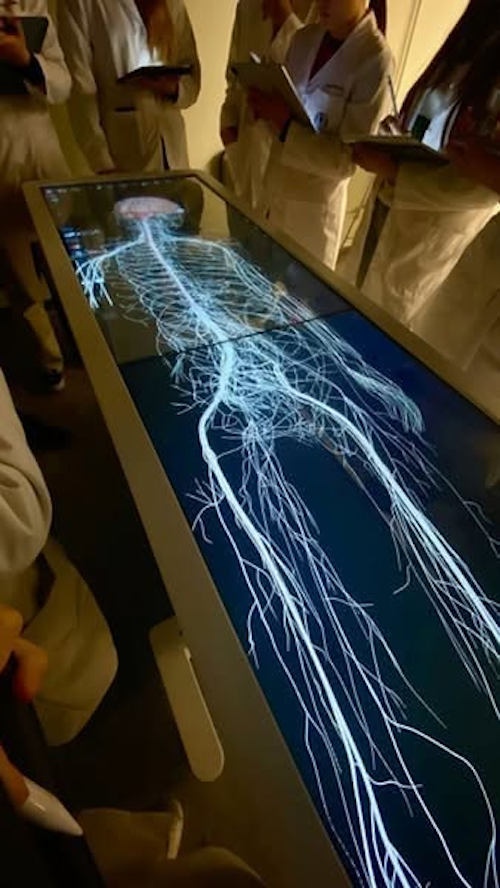
Ran for 10 days, from July 7 to July 17, 2026, the last day Crush saw it.
Run by Cardiovascular Support Group on Facebook. Crush is not the advertiser and does not verify its claims. See this ad in Meta's Ad Library(opens in a new tab)
Want an ad like this for your product?
Crush makes new ad images for your product from this ad: your logo, your product photo, your offer.
Trials from $19.95 USD, then $79.95 USD a month. Cancel anytime.
About this ad
- Meta Ad Library ID
- 28024836517129413
- Platforms
- Facebook, Instagram, Messenger and Threads
- Relaunches
- 1
Ad text
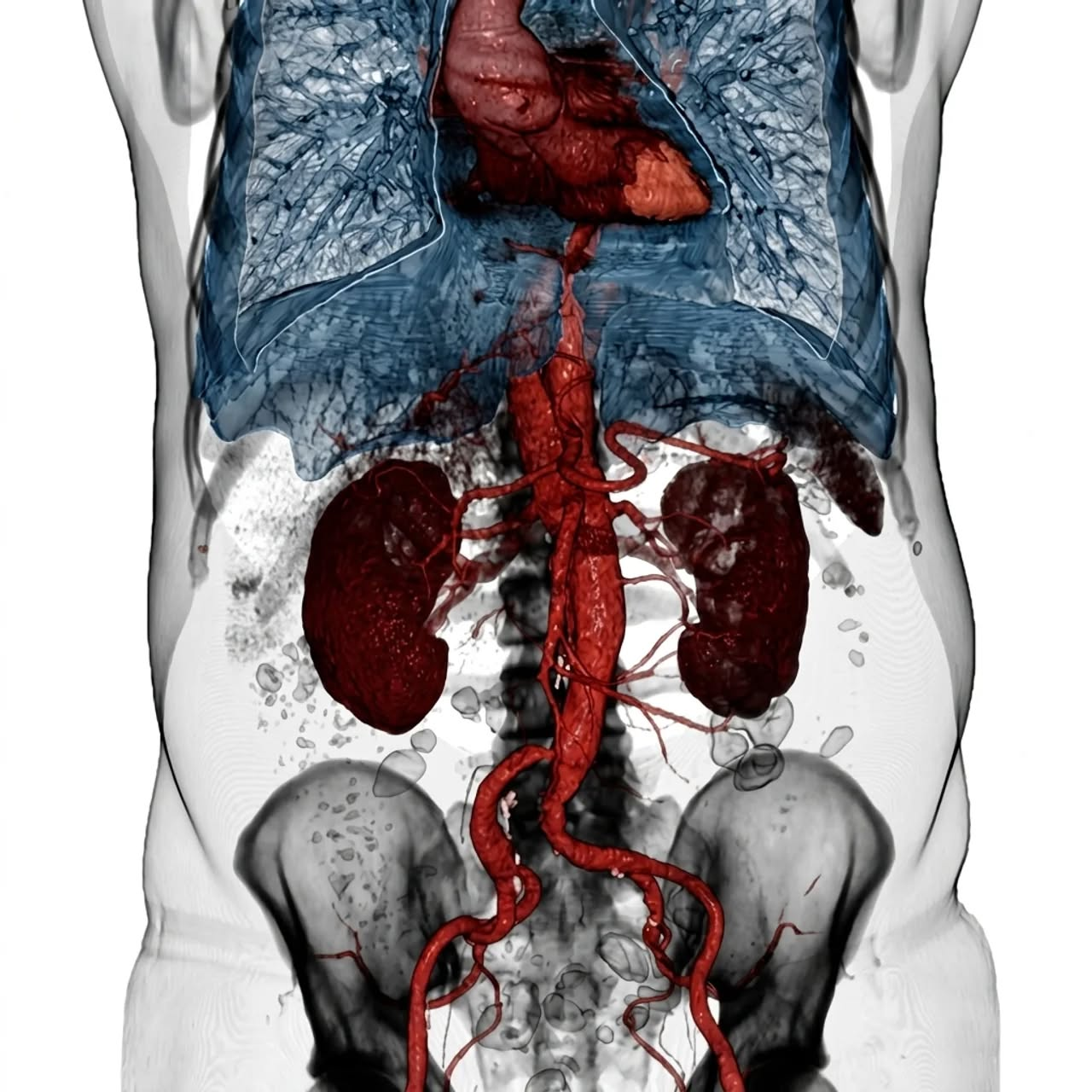
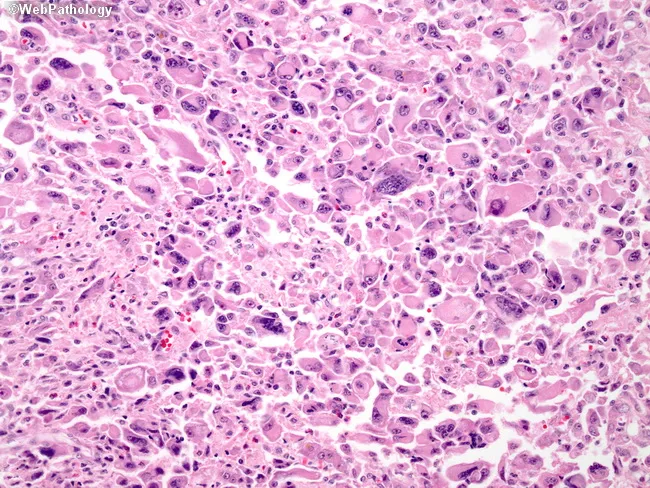
When a man with fatty liver dies of hepatocellular carcinoma at 62, the coroner writes "hepatocellular carcinoma, cirrhosis of the liver" on the death certificate. He doesn't write "his ALT had been 42 for the last fifteen years and every doctor he saw called it mildly elevated and told him to monitor." He doesn't write "his insulin resistance had never been measured, his GGT had never been ordered, and the fibrosis staging his liver would have shown — if anyone had thought to order a FibroScan — had progressed for the entire decade he was 'being monitored.'" He doesn't write "the metabolic dysfunction that produced the fatty liver at 47 was the same metabolic dysfunction that just killed him through his liver, and the annual bloodwork was watching one number while the underlying machinery advanced." There is a reason for that, and it has nothing to do with paperwork. It has to do with what fatty liver actually is. And once you understand what it actually is, you understand why the standard "monitor and repeat labs annually" protocol has never once addressed the upstream disease that is quietly progressing in 100 million American livers right now — and why a Nobel Prize awarded in October 2021 may matter more to you, personally, than any hepatology appointment you have ever had. I want to tell you what fatty liver disease actually is in middle-aged adults. Not the textbook definition. The real one. Non-alcoholic fatty liver disease is a downstream consequence of metabolic and endothelial dysfunction disguised as a disease of the liver. Your liver is not "accumulating fat" as an isolated event. Your liver is the metabolic hub that processes every gram of fructose you consume, every excess carbohydrate that has to be converted to fat, and every inflammatory signal your damaged endothelium is producing. When insulin resistance progresses, the liver receives orders it cannot execute cleanly. The overflow gets stored inside liver cells themselves as fat. The endothelial cells lining the microvasculature of the liver — the sinusoids — become inflamed. The chronic inflammation triggers fibrosis. Fibrosis becomes cirrhosis. Cirrhosis becomes cancer. The elevated ALT is the symptom you noticed on your last annual physical. The ultrasound reading of "fatty infiltration" is the diagnosis your GP mentioned casually. These are what got you told to lose ten pounds and cut back on the beer and come back in a year. But the actual damage — the damage that ends in advanced fibrosis, in cirrhosis, in hepatocellular carcinoma, or in the cardiovascular event that kills the fatty liver patient before their liver actually fails — is happening underneath the ALT number on your annual panel. In the insulin-resistant liver cells that keep accumulating fat. In the inflamed sinusoidal endothelium that is triggering fibrogenesis. In the systemic inflammation that fatty liver both causes and results from. The ALT is the symptom. The metabolic and endothelial dysfunction is the disease. It's all the same disease. Elevated ALT. Rising blood pressure. Elevated LDL. Fasting glucose creep. Erectile dysfunction. Mid-section weight that will not move. Chronic fatigue. The cardiac event that kills 40 percent of fatty liver patients before their liver ever fails. They are not seven separate problems. They are seven faces of the same underlying disease — plus a hepatology protocol that watches one enzyme while everything else advances. The American Association for the Study of Liver Diseases acknowledges NAFLD as a metabolic disease with cardiovascular endpoints on its own scientific statements. The published hepatology literature has documented this model for over a decade. Your GP knows this. Your hepatologist has known this since fellowship. Now here is the part that should make you angry. There is not a single approved medication in the standard NAFLD protocol that targets the underlying metabolic and endothelial dysfunction. The standard protocol for NAFLD is: lose weight, cut alcohol, retest annually. That is it. There is no equivalent of the statin for fatty liver. There is no dose escalation cascade because there is nothing to escalate. Your hepatology visit is "see you in a year." This is called clinical inertia and it is one of the deadliest features of modern hepatology. Your liver enzyme creeps up 4 points. Your doctor says monitor. Another year passes. It creeps 3 more points. Your doctor says lose weight. Another year. It creeps 2 more. Your doctor says you're doing fine. Meanwhile the fibrosis is silently progressing. F1 to F2. F2 to F3. F3 to cirrhosis. And nobody is measuring it because standard labs do not measure fibrosis stage. A FibroScan would. An MRI-PDFF would. A liver biopsy would. But those tests are not ordered for patients whose ALT is "only" 42. By the time they are ordered, you are already at F3 or F4. By the time your ALT starts to fall — because your liver has scarred so badly it cannot make the enzyme in the same quantity anymore — you are heading toward decompensated cirrhosis. The annual monitoring protocol watches one enzyme while the underlying disease compounds toward one of three endpoints: cirrhosis, hepatocellular carcinoma, or the cardiovascular event that ends 40 percent of NAFLD patients before their liver fails. I have been calling it the hepatology waiting-room treadmill — and once you are on it, you are being watched, not treated. Your ALT was 32 at 45. Your GP said monitor. 38 at 48. Monitor. 42 at 51. Ultrasound. Fatty infiltration. Lose ten pounds. 44 at 54. Lose more weight. 41 at 57 because you started drinking less. Your doctor said progress. 45 at 60. Concern. FibroScan. F3 fibrosis. You have been monitored for fifteen years while your liver silently scarred. And somewhere between 60 and 72 — either the cirrhosis becomes decompensated, or the cardiovascular event that kills 40 percent of NAFLD patients gets you first, or the hepatocellular carcinoma appears at your next imaging. Every step of this is documented as "appropriate NAFLD surveillance." Every step is moving you further from a body that could have addressed the underlying metabolic and endothelial disease if anybody had thought to treat it. Your GP and your hepatologist are not the ones who are going to step you off this treadmill. I want to say that carefully. They are working inside the standard-of-care protocol which does not include a pharmacologic intervention for NAFLD. But I have to be honest about how the system works. Your GP has ten minutes. Your hepatologist has twelve. They were trained on a protocol that says monitor and watch. They were not trained to think of NAFLD primarily as insulin resistance and endothelial dysfunction expressing in the liver first — even though that framing is well-established in the published literature. Dr. Robert Lustig is a Professor Emeritus of Pediatric Endocrinology at the University of California, San Francisco. He has been publishing peer-reviewed metabolic research for over 25 years and is one of the most-cited voices worldwide on fatty liver as a downstream consequence of insulin resistance. He is the author of Fat Chance and Metabolical. His work on fructose, insulin resistance, and hepatic lipogenesis is foundational to modern NAFLD pathophysiology. He has argued repeatedly that the wait-and-monitor NAFLD protocol misses the metabolic drivers that could be addressed directly. Dr. Lustig is a single physician with a single platform. There are roughly 8,000 hepatologists in the United States. Almost all of them are still telling their NAFLD patients to lose weight and come back in a year. There are not enough Lustigs to go around. You are going to walk into your local GP's office and be told to lose ten pounds. You are going to walk into your hepatologist's office and be told to see them in twelve months. You are going to have to take the lead. Not by firing your doctor. Not by skipping monitoring. By learning what the system was never set up to teach you — how to address the actual mechanism the standard protocol is not targeting. The insulin resistance and endothelial dysfunction that produced the fatty liver in the first place and that are simultaneously producing every other cardiovascular risk factor you carry. In October of 2021, Dr. David Julius at UCSF was awarded the Nobel Prize for the discovery of TRPV1 — the receptor in the lining of every blood vessel in the body. When activated by capsaicin, TRPV1 triggers sustained eNOS-mediated nitric oxide release, reduces systemic inflammation, and — critically for NAFLD — improves hepatic insulin sensitivity. The same nitric oxide Louis Ignarro won the 1998 Nobel Prize for identifying as the master signal of vascular function. Multiple studies have specifically examined TRPV1 activation in the context of NAFLD and metabolic syndrome. A 2024 review in Aging and Disease summarized over a decade of research showing capsaicin-induced reductions in hepatic steatosis, improvements in insulin sensitivity at the receptor level, and reductions in systemic inflammation. The mechanism is the same one driving everything downstream. When the liver's insulin signaling improves, hepatic lipogenesis slows. When systemic inflammation drops, sinusoidal endothelial function improves. When endothelial function returns, fibrogenesis slows. The disease is being addressed at the source instead of being watched at the enzyme. I want to be careful here. This research is not a cure for cirrhosis. It is not appropriate for patients with decompensated liver disease, active hepatitis, or biliary obstruction. Anybody who tells you a softgel "reverses cirrhosis overnight" is lying to you and you should close their page immediately. But what this research does support is that there is a real, Nobel-recognized molecular pathway for addressing the metabolic and inflammatory environment driving NAFLD progression at the stages where progression can still be slowed or reversed — a pathway your GP and your hepatologist were almost certainly never trained on. This is where Aurivita Capsaicin Power comes in. I am not going to insult your intelligence with a "liver detox" pitch. You have seen them. Milk thistle capsules. TUDCA supplements. Liver Health Formula. LiverMD. dandelion root stacks. "the German liver cleanse." "the coffee enema protocol." You have been burned. I am going to do the opposite. 3mg of standardized capsaicin per softgel. Cold-pressed avocado oil suspension. BioPerine. Stacked with nine companion ingredients each chosen for published research on hepatic function, insulin signaling, systemic inflammation, or vascular health. Berberine — supports hepatic glucose handling and insulin sensitivity through a mechanism distinct from metformin. Multiple meta-analyses documenting improvements in fasting glucose, HbA1c, and lipid markers in metabolic patients. Turmeric with BioPerine — curcumin has published research specifically on hepatic inflammation reduction and ALT/AST improvement in NAFLD patients. Highly relevant for this angle. Cinnamon — supports metabolic function, published data on lipid and glucose improvements. Beetroot — dietary nitrate supports endothelial function in the hepatic sinusoids. Hawthorn — cardiovascular support, relevant given NAFLD patients face compounded cardiac risk. Korean Red Ginseng — published research on insulin sensitivity. Vitamin D3 with K2 — D3 deficiency is associated with worse NAFLD outcomes in observational studies. Vitamin E — actually the one supplement mainstream hepatology sometimes recommends specifically for NAFLD, based on the PIVENS trial. Included in the stack at a reasonable dose. Nine ingredients. Published. Disclosed in milligrams. Three softgels a day. Hard line. Aurivita is not a cure for advanced fibrosis or cirrhosis. It is not a replacement for your hepatology follow-up. It is an upstream intervention supporting the metabolic and endothelial environment that drives NAFLD progression at the stages where progression can still be slowed or reversed. Continue your monitoring. Continue your imaging. When your labs move — and many people report meaningful ALT improvement — bring the data to your doctor. Not instant. Your liver has been under attack for years. Fastest-acting effects show up within weeks. Enzyme improvements over months. That is why our guarantee is 120 days. What people notice: First, energy. NAFLD patients often carry a specific fatigue that lifts as hepatic insulin signaling improves. Second, mid-section weight. The visceral fat that drives and is driven by fatty liver starts to shift. Third, sleep. Nocturnal hypoglycemia and inflammation-driven arousal improve. Fourth, at week 8-12, the ALT. Many people come back to their next annual panel with an ALT 10-20 points lower than the previous year. Their GP asks what changed. They tell them. Fifth, imaging. FibroScan scores stabilizing or improving at the next annual check. The deepest feedback we got was from a man in Georgia: "My uncle died at 68 from liver failure after twenty years of what his doctor called mildly elevated liver enzymes. I had the same trajectory at 54, ALT 48, hepatologist saying monitor. Four months on Aurivita. ALT is 27, first time under 30 in a decade. My hepatologist wants to know what I did. I told her. I might not be my uncle." That letter is on the wall. The mechanism is real. TRPV1 won a Nobel in 2021. Nitric oxide won in 1998. NAFLD as insulin resistance and endothelial dysfunction is on record through Lustig and the AASLD statements. The label is transparent. The guarantee is 120 days. Baseline ALT, AST, GGT, fasting insulin, HOMA-IR. Four months. If nothing moves, return whatever's left. Full refund. Two futures. In one, you stay in the monitoring cycle. Your ALT stays elevated. Your fibrosis progresses silently. By 62 the FibroScan reads F3. By 65 you are considering biopsy. By 68 either cirrhosis, hepatocellular carcinoma, or the cardiac event that kills 40 percent of NAFLD patients before their liver actually fails. The coroner writes hepatocellular carcinoma or acute myocardial infarction. The metabolic dysfunction that produced the fatty liver at 47 does not appear on the certificate. In the other, you start a program today that targets the actual metabolic and endothelial mechanism. 120 days. Energy returns. Weight shifts. ALT moves down measurably. Fibrosis stabilizes or reverses. You have the conversation with your hepatologist about how the numbers are moving. You avoid the cascade. That is what is possible. If you have read this far, you already know. You knew when your ALT crossed 40 and your doctor said monitor. You knew when the ultrasound came back with fatty infiltration. You knew when you watched a family member die of a liver disease that had been "mildly elevated" for two decades. You don't need more evidence. You need 120 days before the next annual visit. Tap below. Three softgels a day. One pathway your GP was never trained to target directly. One Nobel Prize you almost never heard about. One chance to be the person who addressed the mechanism instead of the person who was monitored to death. aurivita.co/products/cayenne-pepper-softgels
Where the ad sends people
aurivita.co
When A Man With Fatty Liver Dies At 62, The Coroner Doesn't Write ALT 42.
Support strong circulation today with our powerful cayenne pepper formula. 180 softgels and 60 servings per bag.
Learn more: aurivita.co(opens in a new tab)