Laura Schmidt
 Facebook ad: “Read how one mother finally found a way to support her…”
Ran for 85 days, from August 18 to November 11, 2026, the last day Crush saw it.
Run by Laura Schmidt on Facebook. Crush is not the advertiser and does not verify its claims. See this ad in Meta's Ad Library(opens in a new tab)
Make your own version of this ad
Crush makes it, launches it in your own Meta ad account, scales the winners and pauses the losers.
About this ad
- Meta Ad Library ID
- 2833483797023755
- Platforms
- Facebook, Instagram, Audience Network and Messenger
- Relaunches
- 0
- Niche
- Parenting & Kids
Ad text
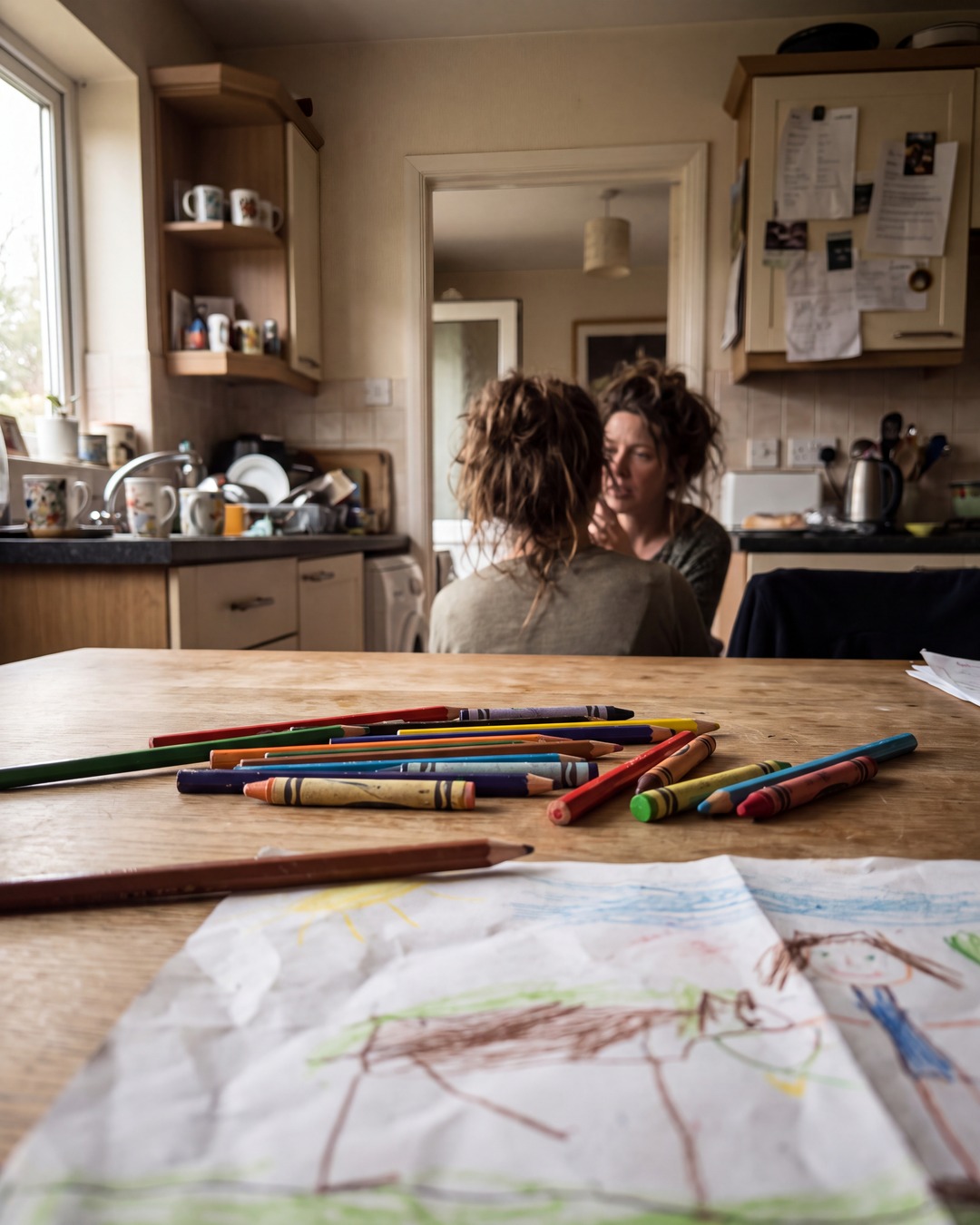
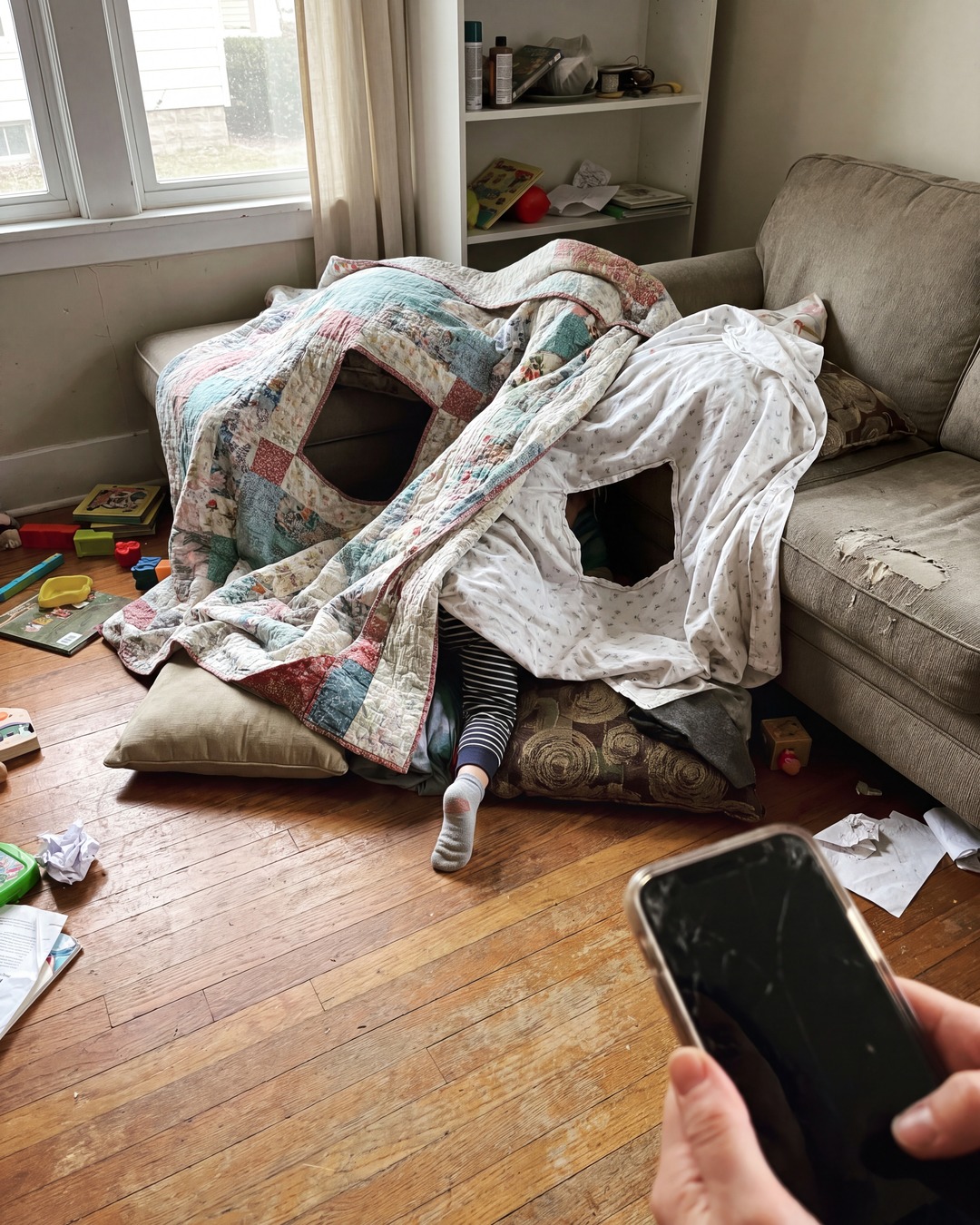
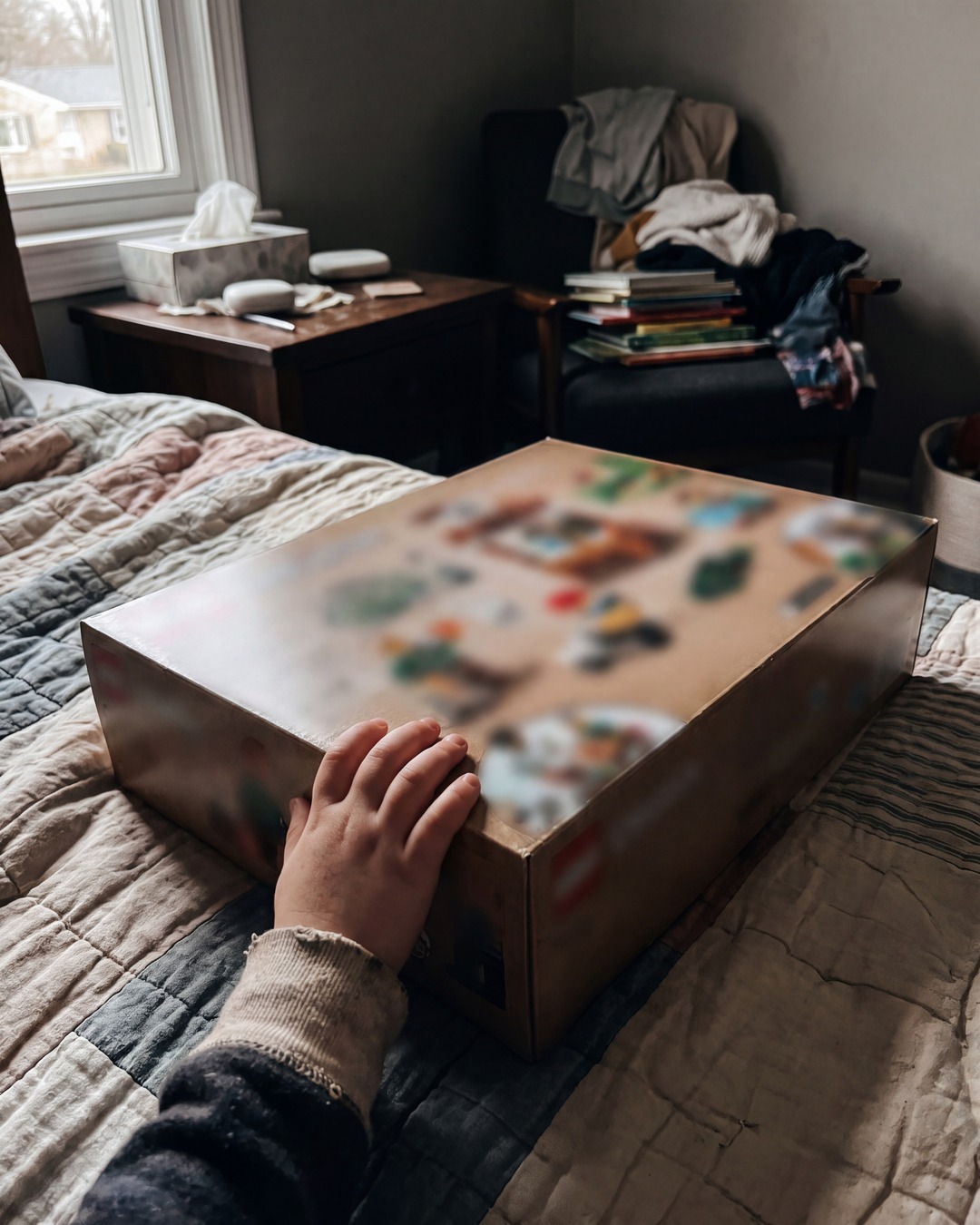
I watched my daughter carefully place the brand-new magnetic building set back into its cardboard box, smoothing the torn flap down with her small hands. It was her birthday present, the one she had circled in the catalog three times. She hadn’t even opened the plastic bags inside. “What are you doing, sweetie?” I asked, stepping into her bedroom. She didn’t look up. “I’m putting it away so you can give it to a good kid.” The air left my lungs. I sat on the edge of her bed, the mattress dipping under my weight. “You are a good kid. This is your present.” “No,” she said, her voice flat and matter-of-fact, which was somehow worse than if she had been crying. “I yelled at my brother this morning. And I couldn’t sit still at breakfast. And I lost my reading folder again. Good kids don’t do that. I don’t deserve it.” I pulled her into my lap, burying my face in her hair, trying to hide the tears welling in my eyes. How had we gotten here? How had a seven-year-old internalized the idea that one hard morning canceled out her right to joy? For months, we had been caught in a cycle that felt impossible to break. Her emotions were massive, unpredictable storms. A change in plans, a lost sock, a sibling looking at her the wrong way—anything could trigger a meltdown that lasted for an hour. And the aftermath was always the same: exhaustion, apologies, and a lingering sense of shame that seemed to settle deeper into her bones each time. It wasn't just the big explosions that were breaking my heart. It was the constant, low-level hum of anxiety that seemed to vibrate through our entire house. I found myself walking on eggshells, constantly trying to anticipate what might set her off. I would pre-cut her toast into exact squares, hide the scratchy tags on her shirts, and run interference between her and her younger brother, all in a desperate attempt to keep the peace. But no matter how hard I tried to control her environment, the storms still came. And when they did, they took a toll on all of us. My husband and I were exhausted, snapping at each other over minor things because our nerves were so frayed. Her brother was starting to withdraw, retreating to his room whenever he sensed the tension rising. The collateral damage of her struggles was spreading, and I felt completely powerless to stop it. I had tried everything the parenting books suggested. We did time-outs, which only escalated her panic, leaving her sobbing uncontrollably in the corner while I sat outside the door, feeling like a monster. We tried loss of privileges, taking away screen time or favorite toys, which just made her feel resentful and disconnected, reinforcing her belief that she was inherently bad. We practiced apology scripts, but they felt hollow, like she was just reciting lines to make the bad feelings stop, her eyes darting away from mine. We did positive affirmations in the mirror every morning, but I could see in her eyes that she didn’t believe the words she was saying. We even tried a sticker chart, hoping that a visual representation of good behavior would motivate her. But the first time she didn't earn a sticker, she tore the chart off the wall in a fit of despair, convinced that she was a failure. Discipline had become her identity. She didn’t just think she made mistakes; she thought she was a mistake. I spent my nights scrolling through forums, reading articles, trying to find the missing piece. I felt like I was failing her. I was supposed to be her safe harbor, but instead, I was just another source of stress, constantly correcting, redirecting, and managing her behavior. I was so focused on fixing her actions that I was completely missing what was happening beneath the surface. The turning point came during a late-night deep dive into pediatric neurology. I stumbled across a research paper explaining how emotional regulation isn’t just a matter of willpower or good behavior. It’s deeply tied to the nervous system and the body’s ability to process sensory input and manage stress hormones. When a child’s nervous system is constantly in overdrive, they aren’t choosing to be difficult. They are surviving. Their brain is perceiving threats where there are none, and their body is reacting accordingly. The meltdowns, the impulsivity, the inability to focus—these weren’t character flaws. They were symptoms of a system that was out of balance. I realized that all my discipline strategies were addressing the symptoms, not the root cause. I was trying to teach her how to swim while she was drowning. The time-outs and sticker charts were based on the assumption that she had the capacity to control her behavior in those moments. But when her nervous system was hijacked by stress, the logical part of her brain was completely offline. She literally couldn't access the skills I was trying to teach her. It was a profound realization that shifted everything. I stopped seeing her as a child who was misbehaving and started seeing her as a child who was struggling. That’s when I started looking into ways to support her nervous system from the inside out. I read about the importance of specific nutrients—like magnesium, GABA, and certain vitamins—that play a crucial role in calming the brain and supporting emotional regulation. But getting a picky eater to swallow a handful of supplements every day felt like another battle I didn’t have the energy to fight. Then I found VitaMood Munchies. They were designed specifically for kids who struggle with focus, emotional regulation, and hyperactivity. They contained the exact blend of nutrients I had been reading about, but in a format that actually tasted good. No chalky pills, no weird aftertaste. Just a simple, daily addition to her routine. I was skeptical, of course. We had tried so many things that promised the world and delivered nothing. But I was desperate enough to try one more thing. The first week, I didn’t notice much difference. She still had a meltdown when her brother touched her favorite stuffed animal. She still struggled to transition from playtime to dinner. I remember feeling a familiar wave of disappointment wash over me, wondering if this was just another dead end. But by the third week, something shifted. It was subtle at first. She was able to sit at the table for a full meal without bouncing out of her chair. She didn’t dissolve into tears when I told her it was time to turn off the TV. I caught myself holding my breath, waiting for the other shoe to drop, but the explosions were becoming less frequent and less intense. By week five, the change was undeniable. The constant hum of anxiety in our house had faded into a quiet calm. She was sleeping better, waking up rested instead of irritable. She was playing more cooperatively with her brother, their laughter echoing through the halls instead of their arguments. It was as if a heavy fog had lifted, revealing the bright, joyful child I knew was always there. The real test came a month later. She was building a massive tower out of those magnetic blocks—the ones she had tried to give away. Her brother, running through the living room, accidentally bumped into it. The tower crashed to the floor in a spectacular explosion of plastic and magnets. I braced myself. I waited for the scream, the tears, the inevitable spiral of anger and shame. She froze. Her hands balled into fists. She took a deep, shaky breath. And then, she exhaled. “It’s okay,” she said, her voice trembling just a little. “I can build it again.” She didn’t yell. She didn’t hit. And most importantly, she didn’t punish herself. She just started picking up the pieces. I sat on the floor next to her and helped her rebuild. I watched her face, relaxed and focused, and I realized that she finally believed what I had been telling her all along. She wasn’t a bad kid. She was a good kid who just needed a little help finding her balance. Since so many of you have asked what actually worked for us, here is the link to the exact ones we use: 👇 https://tryvitamood.com/pages/natural-ways-to-calm-a-hyper-child
Where the ad sends people
tryvitamood.com
Read how one mother finally found a way to support her child's regulation
See how we finally found a way to support his focus and calm without changing who he is
Learn more: tryvitamood.com(opens in a new tab)