Carpal Tunnel Support Community
Carpal Tunnel Support Community Facebook ad: “Feel Like Yourself Again”
Ran for 37 days, from July 9 to August 15, 2026, the last day Crush saw it.
Run by Carpal Tunnel Support Community on Facebook. Crush is not the advertiser and does not verify its claims. See this ad in Meta's Ad Library(opens in a new tab)
Want an ad like this for your product?
Crush makes new ad images for your product from this ad: your logo, your product photo, your offer.
Trials from $19.95 USD, then $79.95 USD a month. Cancel anytime.
About this ad
- Meta Ad Library ID
- 2912732295734839
- Platforms
- Facebook, Instagram, Audience Network, Messenger and Threads
- Relaunches
- 1
Ad text
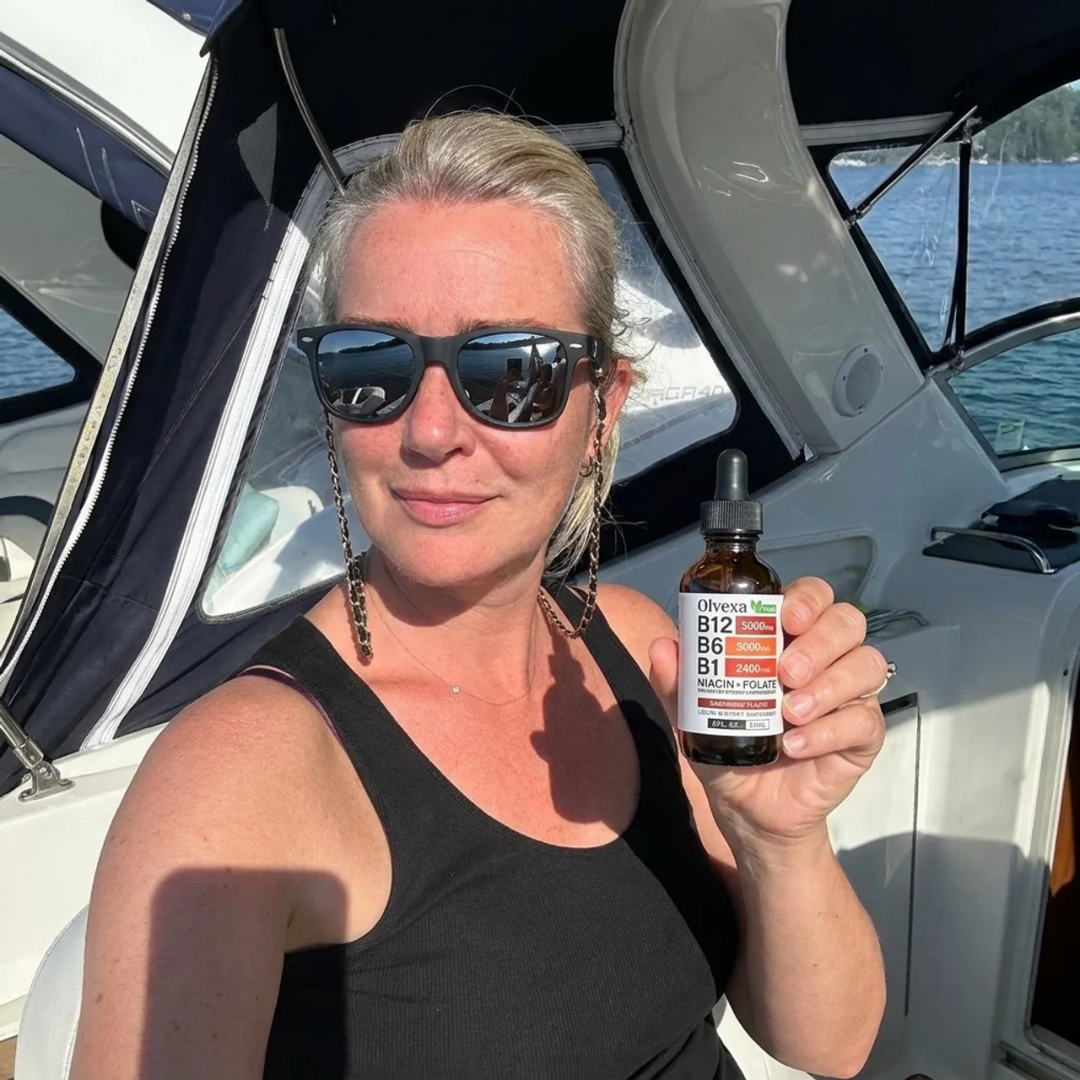
My doctor said that if I refused carpal tunnel surgery, she would document it in my chart as non-compliance against medical advice. I only had fourteen minutes with her, and she had never met me before. Dr. Reyes's retirement letter came on a Tuesday. Standard form letter. "After 38 years of practice, I'm stepping away effective March 1st. Your care will be transferred to Dr. Amara Singh." I sat at the kitchen table staring at it. Twenty nine years. I'd been seeing Dr. Reyes for twenty nine years. He knew my history, knew my mother's reaction to her hand surgery, knew my fear of going under the knife, and he'd always worked with me. For three years, once the carpal tunnel started, we tried everything short of cutting. He started me on a night brace, the rigid kind that holds the wrist straight. I wore it every night for months. It helped a little at first, then stopped mattering, and I still woke up shaking my hands out at 3am. We tried a second brace, a different design, when the first one stopped working. Then a daytime one too, so I was braced almost around the clock. He had me on anti-inflammatories, the prescription-strength ones, which upset my stomach and did almost nothing for the burning. I changed my whole setup at work. A vertical mouse. An ergonomic split keyboard that cost a small fortune and made me feel like I was typing on two separate islands. A padded wrist rest. I raised my chair, lowered my chair, angled the monitor, took the little stretch breaks the handouts told me to take. I did the wrist exercises from the physical therapy sheet, the tendon glides, twice a day, for months. I tried the cortisone shot. That one was heaven. For about two months I thought I was cured. Then, exactly like the forums warned, it wore off, and the numbness came back like it had been waiting the whole time. I bought the wrist braces with the gel packs. I slept with my arm hanging off the bed because someone said it helped. I cut back on the knitting and the gardening I loved because gripping made it worse. Through all of it, Dr. Reyes checked me every six months and always said the same thing. "Let's keep managing it conservatively first, Diane. Your symptoms are livable. You're doing the right things. I don't want to rush you toward an operation you're frightened of." Now he was gone. My first appointment with Dr. Singh was March 19th. Routine. Transfer of records. Meet the new doctor. I sat in the exam room, same clinic I'd been coming to for decades, same posters about hands and nerves on the wall, different doctor. Dr. Singh walked in. Young. Maybe 34. Laptop in hand. "Ms. Carter." Firm handshake. All business. "I've been going through your file." She sat down, pulled up my records, scrolled, and her expression changed. "Your carpal tunnel history." She turned the screen toward me. "2022, mild tingling in the first two fingers. 2023, burning at night, two to three times a week. 2024, numbness spreading, dropping objects noted. 2025, burning every night, waking to shake the hands out, loss of grip strength. Today, you reported nighttime burning, numbness, tingling, and dropping a full mug of coffee last week." She looked at me. "Three years of progressively worsening median nerve compression. Moderate for the last two. No surgical referral. No resolution." "Dr. Reyes and I had a plan," I said. "Bracing, activity changes, anti-inflammatories, the exercises. He was monitoring me every six months." "For three years?" Her voice was sharp. "Ms. Carter, your nerve compression has been advancing the entire time. I don't know what your previous doctor was thinking, but this should have been referred for carpal tunnel release surgery a long time ago." My stomach dropped. "Dr. Reyes knew my history. My mother had a terrible reaction to a hand surgery, and..." "Your mother's history doesn't change what's happening to your nerve. The burning, the numbness, the grip loss, you're already losing function. This is compression, it's mechanical, and it's progressive. Leave it much longer and the muscle at the base of your thumb starts to waste, and that part doesn't come back." She was already typing. "I'm referring you for carpal tunnel release surgery. My coordinator will get you on the schedule." "I'd rather try..." "This isn't really a discussion, Ms. Carter. The nerve is being crushed. If you refuse the release surgery, I'm required to note it in your chart as non compliance against medical advice." The printer hummed. She handed me the referral and a pre-op information sheet. "Follow up in twelve weeks. We'll reassess where you are." She stood. Left the room. The whole appointment took fourteen minutes. I sat there holding that referral, hands shaking, the words "against medical advice" and "non compliance" rolling through my head like a verdict. And one other word, the one that hit hardest. Permanent. In the parking lot, I called my husband Jim. "How was the new doctor?" "She says Dr. Reyes should have sent me for carpal tunnel release surgery years ago. She wants me referred immediately." Silence. "What? Surgery? On your hand?" "She said three years without an operation was irresponsible. She said if I wait, it's permanent." "But Dr. Reyes always said you were..." "I know what he said. She doesn't care. I either get the surgery or it goes in my record that I refused." That night I couldn't sleep. Just lay in bed staring at the ceiling, the burning in my hands worse than usual. Jim's breathing steady beside me. Dr. Reyes had respected my concerns. We'd worked together for almost three decades. He'd seen me through everything, the pregnancy scares, the year my blood pressure spiked, the shoulder I hurt gardening, my mother's slow decline and what her surgery did to her. He knew my whole medical history because he'd lived through most of it beside me. He knew I was cautious about going under the knife and exactly why. And for the last three years, since the carpal tunnel started, he'd walked every step of it with me. The braces, the activity changes, the anti-inflammatories, the exercises, checkups every six months. He knew this hand, this history, this fear, better than any file could ever tell a stranger. My symptoms had gotten worse, yes, but gradually. No sudden collapse. No emergency. No day where my hand just stopped working. Was he wrong to be patient? Was I letting something permanent set in while I waited? At 3 AM I went downstairs, sat at the kitchen table with my laptop, and started searching. Is carpal tunnel really permanent without surgery? Nerve damage risk from waiting on carpal tunnel. Grip loss carpal tunnel women 50s. Every article said some version of the same thing. Progressive. Can become permanent. Surgery is the definitive fix. Maybe Dr. Singh is right, I thought. Maybe I've been reckless. But then I searched, carpal tunnel release surgery risks and regret. Scar tenderness that lasts months. Grip weakness that doesn't fully return. Pillar pain. People whose numbness never went away. One woman wrote that a year later she still couldn't feel her fingertips, and the recovery had been worse than living with it. And my mother's face flashed in my mind. She'd had carpal tunnel release surgery in her fifties. Supposed to be routine. Supposed to fix everything. And a complication nobody warned her about left her worse, not better. Months in a splint, then a second operation, then a third. This was a woman who sewed every dress I wore as a girl, who fixed the kitchen sink herself, who never sat still. And after that first surgery she never got her hand back. I can still see her at the kitchen table, trying to thread a needle, hands not cooperating, just giving up and setting it down. By the end she'd stopped trying to do the things she loved. Just existing around the edge of a hand that didn't work anymore. My father said it was like watching a part of her switch off. She told me once, near the end, don't ever let them cut unless there is truly nothing else left to try. I closed the laptop, rubbed my face, and just sat there in the kitchen with that referral on the counter mocking me from across the room. I didn't call the coordinator. One week passed. Then two. Dr. Singh's office called. "Ms. Carter, our records show you haven't scheduled your carpal tunnel release surgery. Dr. Singh wants to confirm you're moving forward as directed." "I need more time to think about it." "Ma'am, Dr. Singh noted this as urgent. She strongly recommends not delaying." "I said I need more time." I hung up. Jim found me in the kitchen that evening, laptop open. "Diane. Talk to me." "I'm looking for options." "Options? The doctor said it's permanent. She said you could lose the use of your hand." "She said Dr. Reyes was wrong for not cutting. But Dr. Reyes knew me for twenty nine years. He knew what my mother's surgery did to her. He saw how scared I was. He was being careful with me, not careless." "But what if she's right? What if you wait and it's too late?" His voice broke. "I don't want to watch you lose your hand like your mother did." "You won't. I just need to find another way first." "What other way?" I didn't have an answer. That weekend I searched everything. B12. Methyl B12.. Nerve creams. Every supplement people with hand and nerve symptoms swore by. I tried a top rated B12 nerve formula, six weeks' worth, took it every morning without fail. The burning was the same. Maybe a fraction better some nights. Probably just a good night. I was running out of time and running out of ideas. So I stopped looking for supplements. And I started looking for people who actually understood nerves for a living. That is how I found Elliot. He's a doctor of physical therapy. He and his team treat hands and nerves all day. And he had written a long post about how carpal tunnel is one of the most misunderstood conditions there is, and how a lot of the people sent straight for surgery were never told what was actually happening inside the nerve, or given a real chance to calm it first. That stopped me. Because I had a referral in my hand and nobody had explained a single thing to me. I read everything of his I could find. Then I messaged him. I told him my nerve study was real, a new doctor wanted to operate, and I still didn't understand why my hands burned. Was I crazy to want to understand it first? What he explained changed the way I understood my own hand. He said most people, and even a lot of doctors, treat carpal tunnel like it's one single problem. A pinched nerve. Cut the ligament, relieve the pinch, done. But a nerve under compression is actually dealing with two separate things at once. And surgery only addresses one of them. The first is the compression itself. The ligament presses down, the nerve gets squeezed. That's the mechanical part. That's the part surgery is designed for, and for severe cases, he was clear, sometimes it genuinely is the right call. He was never going to tell me surgery is bad. But the second thing is the one almost nobody explains. A compressed nerve is a starving nerve. Under that pressure, the nerve isn't just squeezed. The tiny blood vessels that feed it get choked off. The nerve is cut off from its own supply. And every nerve fiber is wrapped in a living coating. A kind of insulation called myelin. The rubber around the wire, that lets the signal travel cleanly. Starved of blood and under pressure, that coating starts to break down. Bare patches open along the wire. And the signal starts to misfire and leak. That's the burning. The electric shocks. The pins and needles when nothing is even touching you. Here's the part he said that made me sit down. A lot of the burning, the misfiring, the raw nerve symptoms, aren't only about the pressure. They're about a nerve that's starving and inflamed. And your body is trying to rebuild and calm that nerve the whole time. It's living tissue under constant repair. But to do it, it needs raw materials. He said in plenty of milder and moderate cases, when you actually give the nerve what it's been starved of, the nerve settles down, and the symptoms can ease enough that surgery stops being the only conversation on the table. Not always. But often enough that it was worth understanding before I let anyone cut. I asked him what raw materials. And that's where he pointed me to the B vitamins. And told me to go read the research myself rather than take his word for it. So I did. And this is the part I most want you to understand. Because it's where I'd been going wrong without knowing it. It's not about B12 alone. It never was. Calming and rebuilding a struggling nerve is a team job. Each B vitamin has its own separate role. And when even one is missing, the whole thing stalls. B12 is the headline. It's the single most important raw material your body uses to rebuild that myelin insulation around the nerve. When B12 runs short, the coating can't keep up, and a nerve already under strain has even less ability to hold itself together. But B12 can't do it alone. B6 is what regulates when a nerve fires and when it stays quiet. Starve a nerve of B6 and it fires constantly, even at rest. That's your 3am burning, right there. A different job from rebuilding the coating, and it needs its own vitamin. Then there's the energy the repair actually runs on. Rebuilding and maintaining nerve tissue takes fuel, and that fuel runs on B1 and B3. Without them the nerve doesn't have the power to do the work even when the B12 arrives. And B3 does one more thing. It helps open up the tiny blood vessels that feed the nerve. The very vessels the compression had been choking. So everything else can actually reach the struggling stretch. And folate completes the cycle. B12 can't finish rebuilding that coating unless folate is there to complete the final step. Without folate, the B12 gets stuck halfway through the job. That was the whole picture, finally. B12 to rebuild the insulation. B6 to calm the misfiring. B1 and B3 to power the work and open the blood supply. Folate to complete the cycle. A full B complex. Each one doing a job the others can't. That's why a single B12 pill so often does nothing. It's one player on a field that needs the whole team. And that explained why the B12 formula I'd already tried had done almost nothing. There were three reasons that pill failed me. And once I understood them, every dead end supplement in my cabinet suddenly made sense. One. The wrong form. Almost every cheap B12 on the shelf is cyanocobalamin. The inactive form your body has to convert before a nerve can use it. And after 50, your body does that conversion worse and worse. The form your nerves actually run on is methylcobalamin. The active form. Already converted. Ready to use. So I fixed it. I found a proper methylcobalamin off the shelf. Took it faithfully. And I still felt almost nothing. That's when I nearly gave up and just called the surgery coordinator back. I had the right vitamin now. The active form. And it was doing next to nothing. So I went back to the research one more time. And I found the piece I'd completely missed. The studies that actually showed nerves calming and recovering didn't use a tablet you swallow. They used it sublingual. Held under the tongue. Which brings me to reason two. The wrong delivery. The tissue under your tongue is thin and packed with tiny blood vessels. Hold the vitamin there and it absorbs straight into your bloodstream. It skips digestion entirely. It's the same reason certain medicines are designed to be dissolved under the tongue instead of swallowed. Because here's what nobody tells you. A swallowed B12 pill has to survive your stomach first. And your stomach is the exact place that, after 50, has largely stopped absorbing B12 in the first place. Your stomach acid drops by around 40 percent as you age. So even the right active form, if you swallow it, is being delivered to a door that won't open. It washes straight through you. That was my dead week. I'd finally bought the right form of B12, and then swallowed it into the same gut that couldn't absorb the last bottle. The vitamin was never the problem. Getting it in was the problem. And then reason three. B12 alone stalls. The very thing Elliot had explained. Without the rest of the complex doing their separate jobs, even perfect B12, absorbed perfectly, has no team around it. And the nerve never fully settles. Wrong form. Wrong delivery. Missing the team. I'd been watering a plant in a sealed pot. The water was right there. Not a drop of it reached the roots. What I was looking for now was very specific. The active form, methylcobalamin. At a real dose. Delivered under the tongue, past the stomach. With the full B complex team alongside it. B1, B6, B3 and folate. Each in a form the body can use immediately. And formulated responsibly. Because I'd also learned that too much B6 can actually cause nerve damage that mimics the very thing you're fighting. So I wanted a company sensible enough not to megadose it. Most products got at least one of those wrong. Cheap form. Underdosed. A pill. B12 sitting there alone with no team. Then I found the name that kept coming up. Not on the glossy wellness blogs. On the forums where people wit CTS posted their actual symptom logs, week by week, tracking what worked. A lot of them staring down a surgery date, exactly like me. Olvexa. Active methylcobalamin, 5,000 mcg. The full complex alongside it, B1, B6, B3 and folate, all in the forms the body can use immediately. Sublingual liquid, so it bypasses the stomach entirely. A sensible, responsible dose of B6, not a reckless one. Third party tested. Made in small batches. No fillers. No junk. 90 day money back guarantee. I ordered it immediately. The package arrived three days later. A dropper and a half under the tongue every morning. That's the whole protocol. Here's the honest part. I still had that referral sitting on my counter, and a doctor who'd flagged my chart. So I did the only sensible thing. I called Dr. Singh's office and told them I wasn't refusing, I wanted to try one supervised thing first, and asked to push the surgical consult out rather than cancel it, so a professional was watching the whole time. They weren't thrilled. But it was my hand and my decision. They moved it out and kept me on the books for monitoring. I knew nerves take time. Nothing happens overnight. So I told myself ninety days. Don't expect anything before then. Week 1. Honestly? I didn't feel much. Maybe a little, maybe nothing. After everything that had failed me, I told myself not to get my hopes up, and I didn't. I just kept taking it. Week 2. Two nights that week, I slept straight through. The 3am shake-out just didn't come. And during the day, the constant background buzz in my hands got quieter. Not gone. But like someone turned the volume down. That was the first time I let myself wonder if this was different. Jim noticed before I said anything. "You seem lighter. Like something lifted." He was right. I didn't have a word for it until he said it. Week 3. I was making coffee and I felt the warm mug against my fingers. Not the numbness. Not the buzz. The warmth. Through my own fingertips. I stood there for a full minute trying to make sure I wasn't imagining it. And I thought of my mother, giving up on threading a needle at that same kind of table. I was going the other direction. I was feeling things again. I called Jim in. "Touch my hand." "What?" "Just touch the back of my hand." He did. And I felt it. Right where he touched. Not muted. Not far away. There. He started crying. Week 6. I picked up my cross-stitch again. First time in over a year. I felt the needle between my fingers. I did three rows and had to stop. Not because my hands hurt. Because I was crying. That was ten months ago. Before my rescheduled consult, I went in for a nerve reassessment. Standard testing. The results would be in my chart before Dr. Singh walked in. She opened the file. Stopped. "Your symptom scores have improved since your last visit. You're reporting far less night burning. Sensation's better in the first two fingers, and your grip's come back up." "Yes." She looked at the previous note. Then the new one. Then at me directly, for the first time since I'd met her. "You didn't schedule the surgery." "No. I pushed it. And I tried something else first, and I kept every appointment so someone was watching." "What did you do?" "Sublingual B12, the active form, with the full B complex. I know how that sounds. But there's a real reason. The nerve was starving and misfiring under all that pressure, and my body couldn't rebuild the coating or calm it down without the raw materials. The B12 rebuilds the insulation, the B6 settles the firing, the rest power the repair and open the blood supply. And it had to go under the tongue, because a swallowed pill wasn't being absorbed. The nerve was starving the whole time. It just needed it in a form that could actually get in." Long pause. Something in her face changed. Not warm, exactly. But less certain than it had been twelve weeks ago. "I wouldn't have predicted this," she said. "But I can't argue with the assessment in front of me." She looked at the chart again. Then set the laptop down. "Here's where I land. Your numbers have moved in the right direction, and you're not in the danger zone, no muscle wasting, no constant numbness. I'm comfortable holding off on the release surgery and monitoring you, as long as you keep coming in to be tested. If it starts sliding backward, we revisit the operation. Agreed?" "Agreed." I walked out of that office and sat in my car for ten minutes. Called Jim. "She's not operating. We're just going to monitor it." He went quiet. Then, "no surgery?" "No surgery. For now. We keep watching it, and I keep taking care of the nerve." He didn't say anything for a moment, and when he did his voice was tight. "I knew you'd find another way." That was months ago. Last check, my symptom scores were holding steady, the night burning was rare, and the surgery is still off the table. Not cancelled forever. Monitored. But off the table. No compliance flag standing against me. Just a hand that works. If you're reading this, you might be exactly where I was. A surgery on the table, a chart note hanging over you, scared and cornered, feeling like the scalpel is the only option anyone's offered. Here's what I learned after three years of failed fixes and finally some real research. Surgery relieves the compression. For severe cases that's real and sometimes necessary. But nobody had ever helped my nerve with the other half of what was wrong, the starving and the misfiring, and in a moderate case, addressing that can be enough to settle things down. Most B12 never reaches the nerve to do that. It's the cheap inactive form. It's underdosed. It's a pill your gut stopped absorbing years ago. All of it shows up at the door. None of it gets in. Olvexa was the only one I found that got all of it right. The active methylcobalamin, the real 5,000 microgram dose, the full B complex, and the sublingual delivery that actually bypasses the stomach. Third party tested, made in small batches. I don't know if it's the only one out there. I know it's the one that worked for me. I went from a chart note and 3am burning to feeling a sewing needle between my fingers again, with my doctor agreeing to watch and wait. If you're facing the same decision, here's what I'd do. Don't refuse your doctor. Ask whether it's safe to try 90 days first, track your symptoms at home, write down what you feel and what you don't, and bring the record to your next appointment. Let a professional watch alongside you. Stay consistent. Take it every morning. Don't skip days. That's the whole protocol. 90 day money back guarantee. If you don't see improvement, if you don't feel a difference, if you're not satisfied for any reason, contact customer service for a full refund. No questions asked. You risk nothing but the time. Olvexa is a small company. They make everything in small batches to keep the potency up, which is also why they sell out regularly and you have to wait for the next batch. I learned that the hard way two months in when I tried to reorder and they were a week behind. I keep two bottles in the drawer now. Feeling is the only thing that changes a doctor's mind. 👉 Check if Olvexa is in stock here: https://tryolvexa.com/products/olvexa-vitamin-b-complex Diane Carter P.S. I noticed the first change around week two, felt warmth through my fingers by week three, and was back to my cross-stitch by week six. My doctor agreed to monitor instead of operate. Your timeline may vary, and your case may be different, but 90 days under your doctor's eye is a fair thing to ask for, and you risk nothing but time. P.P.S. I never refused the surgery. I asked to understand my own hand first, and to try the one thing nobody had offered me. That's all. Now you know to ask too. 👉 https://tryolvexa.com/products/olvexa-vitamin-b-complex
Where the ad sends people
tryolvexa.com
Feel Like Yourself Again
“Wish I had found this sooner.” — Diane C.
Learn more: tryolvexa.com(opens in a new tab)