Carpal Tunnel Support Community
Carpal Tunnel Support Community Facebook ad: “The splints treat the squeeze. Nothing they gave her ever…”
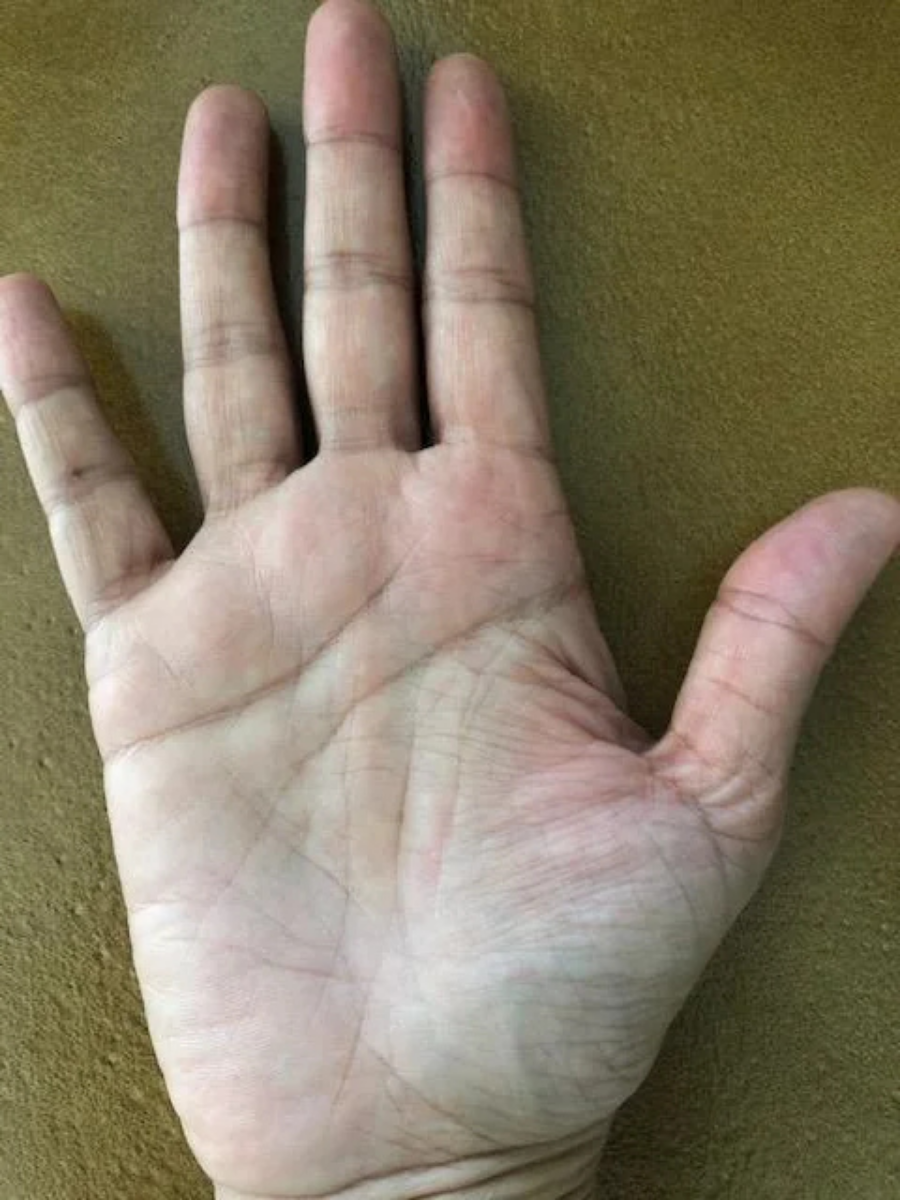
Ran for 4 days, from July 30 to August 3, 2026, the last day Crush saw it.
Run by Carpal Tunnel Support Community on Facebook. Crush is not the advertiser and does not verify its claims. See this ad in Meta's Ad Library(opens in a new tab)
Want an ad like this for your product?
Crush makes new ad images for your product from this ad: your logo, your product photo, your offer.
Trials from $19.95 USD, then $79.95 USD a month. Cancel anytime.
About this ad
- Meta Ad Library ID
- 1582181226878232
- Platforms
- Facebook, Instagram, Audience Network, Messenger, WhatsApp and Threads
- Relaunches
- 0
Ad text
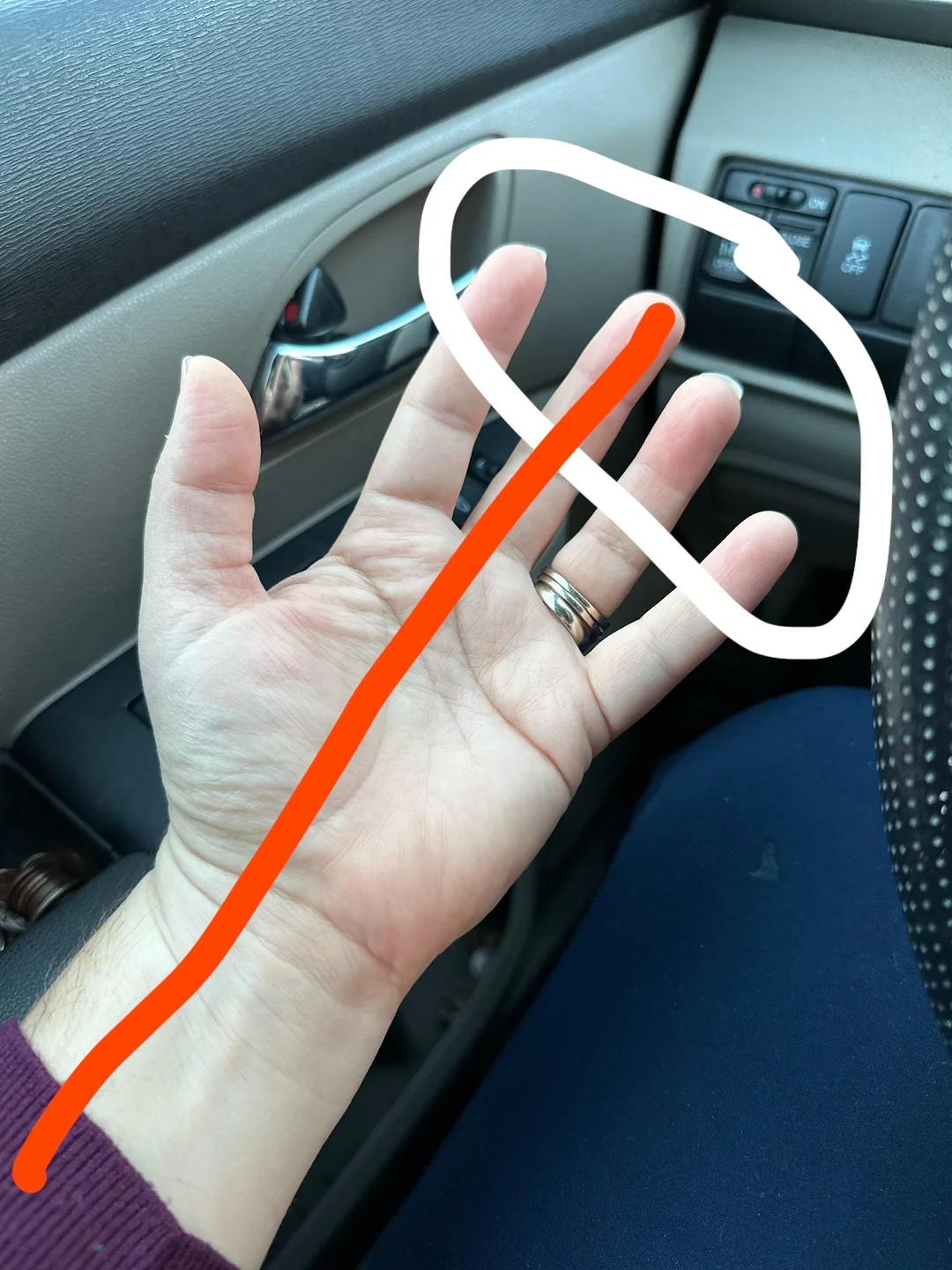
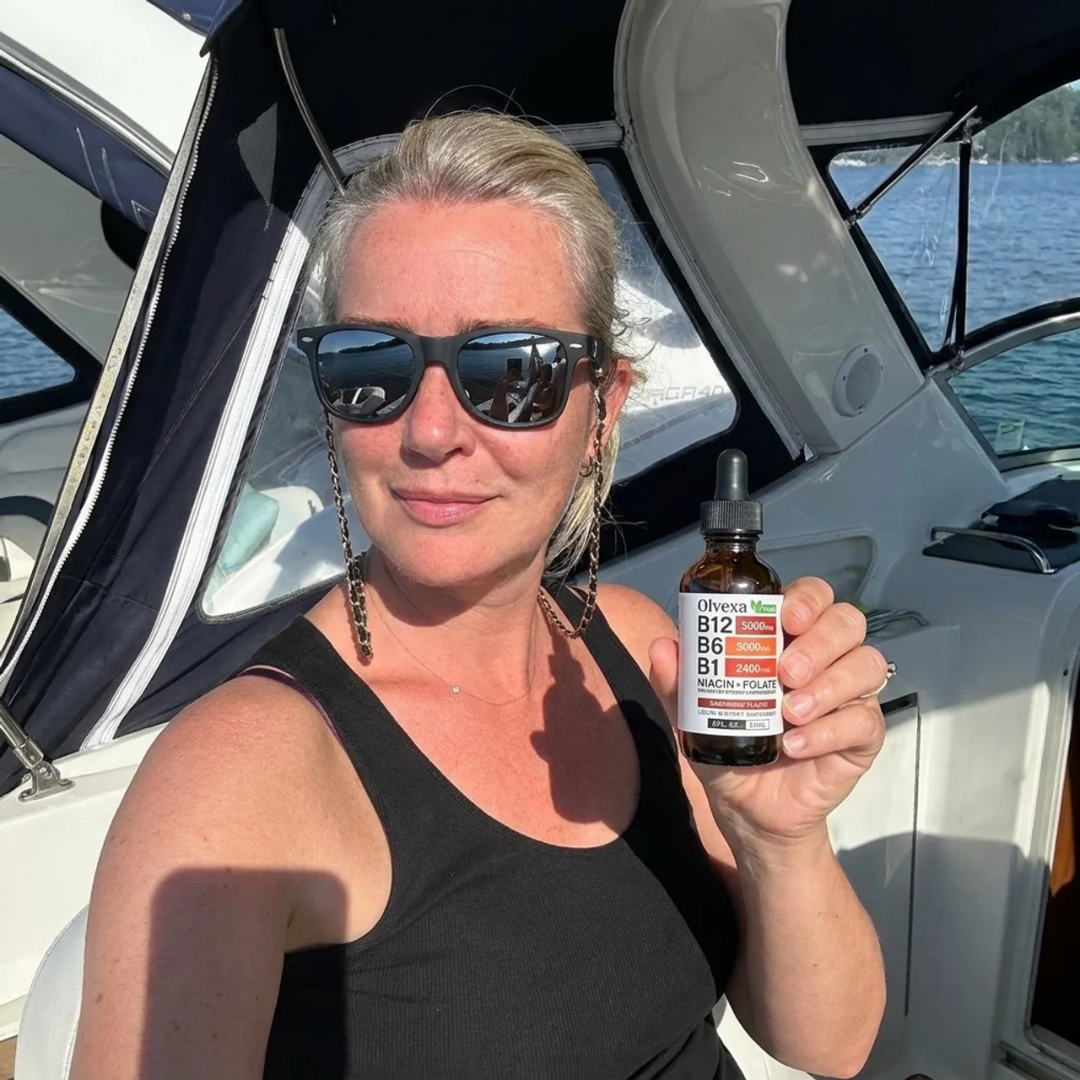
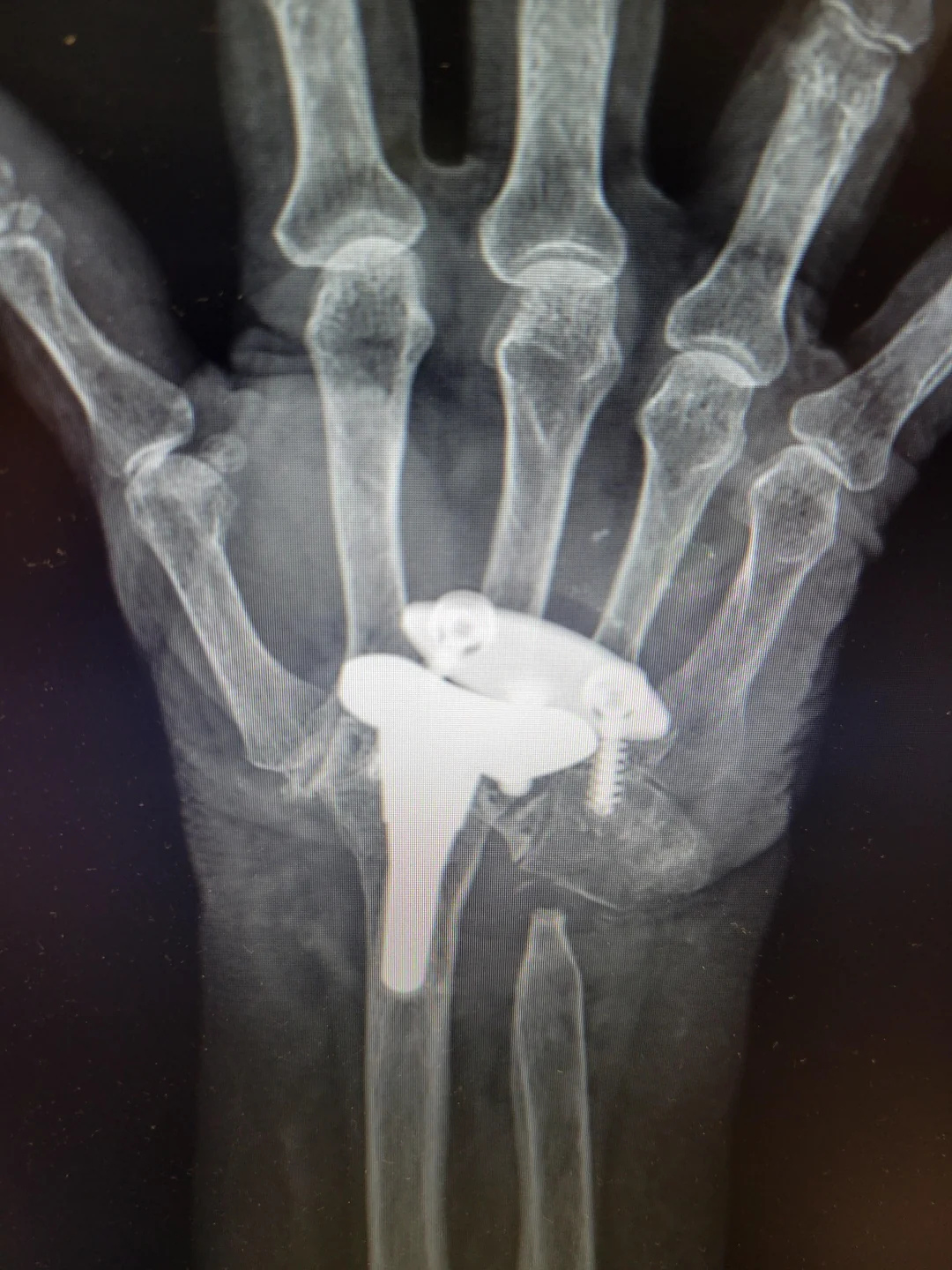
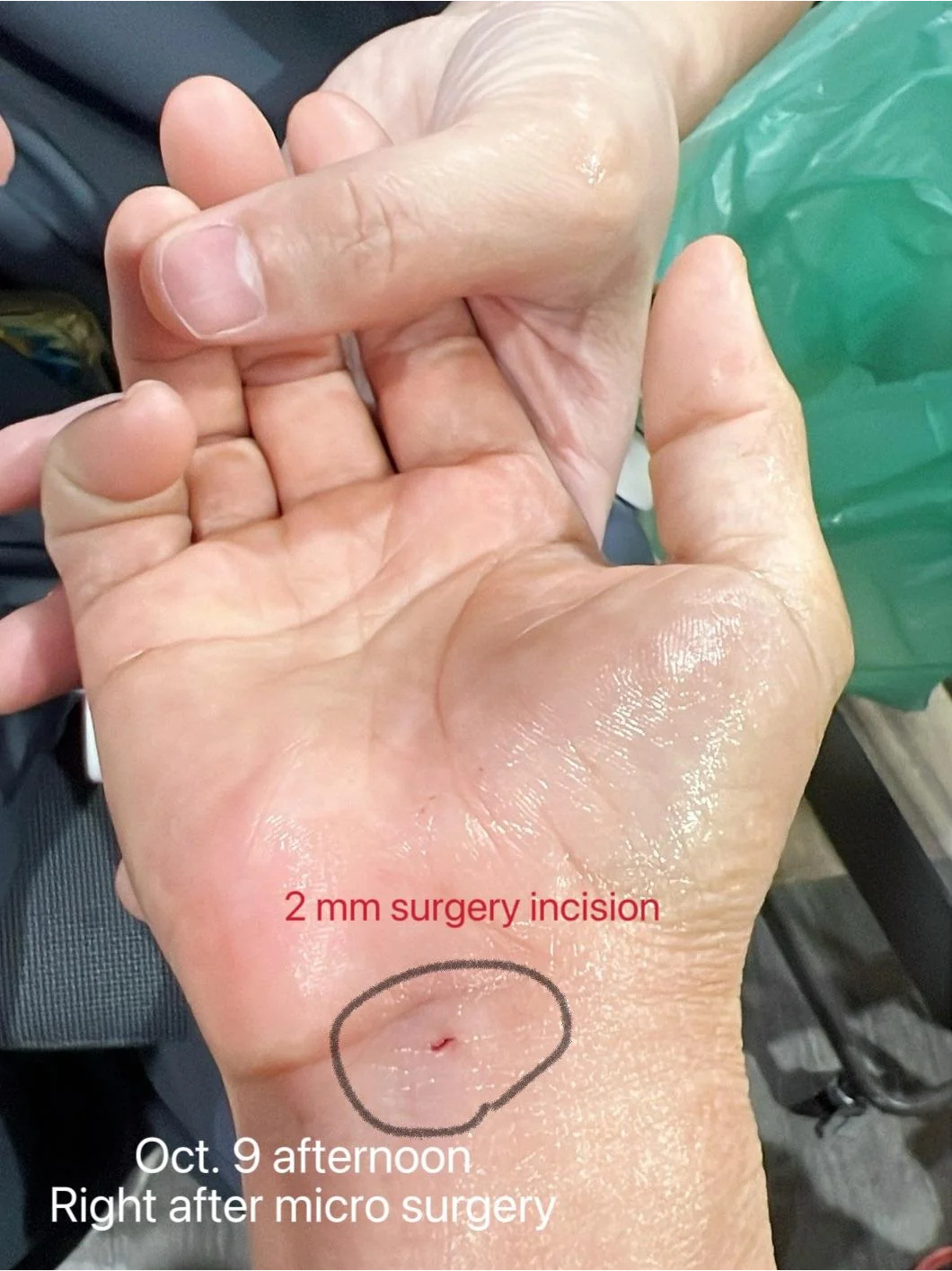
If your mother has carpal tunnel, if she's stopped knitting, started dropping mugs, and lies awake at 3am shaking her hands out while her doctor just talks about waiting and eventually surgery, I'm about to tell you what nobody ever explained to her about why the nerve kept degrading no matter how faithfully she followed every instruction. For SIX YEARS my mother watched her life shrink around her hands. She was diagnosed with carpal tunnel at 58. Put in night splints immediately. Doctor told her they'd take the pressure off and she'd sleep through the night again. Within the first three months? She was still waking at 3AM, sitting on the edge of the bed shaking her hands out in the dark. The splints had taken her from five wake-ups down to three, and then stopped helping. Her doctor said to give it time. By year two? Still up three to four times a night. The splints were doing exactly what they were designed to do and no more. She was exhausted. Dark circles that never went away. The kind of tired coffee doesn't touch, because it isn't about energy, it's about never getting four unbroken hours of sleep. By year four? The numbness was constant. She'd reach for a mug and her fingers wouldn't report that it was slipping until it hit the floor. She stopped using the good china. Then she stopped offering to host at all. And the clumsiness. God, the clumsiness. She couldn't do the buttons on her own blouse by feel anymore. She started laying out clothes with zippers. She stopped knitting, the thing she'd done every evening for thirty years, because she couldn't hold the needles steady. Her world got smaller every month. She wasn't old. She was watching her hands squeeze the life out of her daily routine while her doctor talked about waiting and, eventually, surgery. And every single doctor told her the same thing. "The splints will take the pressure off the nerve and improve your symptoms." "We can try a cortisone injection. It'll bring the swelling down for a while." "Modify your activities, cut back on the typing and the knitting, rest the wrist." "If the conservative measures stop working, we can discuss release surgery. It's a routine operation." One of them, and this still makes me clench my jaw, told her that carpal tunnel is just a normal part of aging and she should accept that her hands would be "different going forward." She was 60. She'd just retired. She was supposed to be knitting for the grandkids, traveling with my dad, enjoying the years she'd worked her whole life to reach. And a specialist was telling her to accept that she'd spend those years dropping mugs and sleeping in ninety-minute stretches. Doing everything right. Getting worse. Every year. She went through three specialists in six years. Not one, NOT ONE, ever looked past the pressure on the nerve and asked WHY the nerve itself kept degrading while everything they did was aimed at the compression. So here's what they kept telling her to do. And I need you to pay attention, because your mother has probably tried all of this too. The night splints, first-line for carpal tunnel. Four years. Cut her nighttime wake-ups from five to three at the start. Then stopped improving anything. Red grooves pressed into her wrists every morning and nothing more. The cortisone injection, offered at year three to bring the swelling down. The first one was wonderful. About eight weeks of wonderful. Then it wore off. The second one lasted three. Each shot bought less time than the last, and her specialist mentioned that casually, like it was normal. Saw palmetto, magnesium, turmeric, every supplement the forums recommended. Months of them. First bottle, she thought maybe a slight improvement. Second month, nothing. She switched brands. Nothing. Her specialist said "most of those don't have enough of anything to matter. But they won't hurt you." "They won't hurt you." Months and hundreds of dollars of doing nothing, and the best her doctor could say was it wouldn't hurt her. A standalone B6 supplement, because half the internet swears B6 is the one for carpal tunnel. Five months. Marginal change in the tingling. No change in the nighttime waking. No change in the grip. A high-dose B12 from Amazon, four stars, nice label. Every morning with breakfast. Twelve weeks. Nothing she could feel. A $60-a-month "nerve support" formula with twelve ingredients. Two different brands. Both claimed "comprehensive nerve support." Neither moved a single symptom. Between the specialist co-pays, the nerve studies, the injections, and the supplements, she spent over $8,400 in six years. Still up at night. Still dropping things. Still on the same protocol. Still getting worse. Every year. At this point I'm not frustrated anymore. I'm angry. Because I'm watching my mother, who is wearing the splints every night, keeping every appointment, cutting back on the things she loves, doing her stretches, trying every supplement her specialist shrugged at, get worse every year while her doctors keep doing the same thing, aimed at the pressure and nothing else. Managing. The. Symptoms. Not repairing anything. Not feeding anything. Not even asking WHY the nerve itself kept getting worse while every treatment was aimed at the tunnel around it. And that's when I started asking the questions nobody thinks to ask: Why does everyone treat the compression, the squeeze on the nerve, and act surprised when the nerve keeps deteriorating even after the pressure is relieved? Why does the injection work for eight weeks, then three, then not at all, and nobody asks what's still degrading underneath while the swelling comes and goes? Why does every "nerve support" supplement on the shelf contain the same B12 that clearly did nothing for her, and nobody questions the form it's in? And why does NOBODY ever explain that carpal tunnel is two problems, not one, and that everything they were doing only addressed the first? So I went down a rabbit hole. A deep one. I started researching why someone with carpal tunnel would keep getting worse even in the splints, even resting the wrist, even taking every supplement the forums recommended. And every mainstream site gave me the same recycled answers. Splints for the pressure. Injections for the swelling. Activity modification. Surgery when the rest fails. Here's the question that stopped me. If the splints take the pressure off the nerve, and she'd been wearing them faithfully for four years, then her symptoms should have stayed stable or improved. They didn't. They got progressively worse. Which means either taking the pressure off stops working, or something underneath the pressure was still degrading, faster than any amount of pressure relief could compensate for. I couldn't find a single person asking that second question. Everyone was adjusting the splints, adding the injection, moving toward surgery. Nobody was asking what was happening to the nerve itself while all of that only addressed the tunnel around it. So I kept searching. Here's what I found. Carpal tunnel is two problems, running together, and almost everyone only ever treats one. The first is the compression. The tunnel narrows, the ligament thickens, the tendon sheaths swell, and the median nerve gets pressed. This is what the nerve study measures. This is what the splint holds still, what the injection quiets, what the surgery opens. This is the only part anyone ever treated. But there's a second problem underneath the first, and it's the one nobody was addressing. Under that pressure, the tiny blood vessels feeding the nerve get choked off. The nerve starves. And every nerve fiber is wrapped in a living coating, insulation, the rubber around the wire that lets the signal travel cleanly from the fingertips to the brain. Your body rebuilds that coating every single day of your life, the way it rebuilds skin. But rebuilding takes raw materials, and a starved nerve has none coming in. So the wear continues and the repair stops. Bare patches open along the wire. The signal misfires and leaks. Think of it like a hose inside a slowly closing fist. The fist is the compression, and yes, the splint and the surgery can loosen the fist. But the rubber of the hose itself has been drying out and cracking the whole time, starved of what keeps it supple. Loosen the fist all you want. If the hose inside is already cracked, the drip doesn't stop. That's the squeeze everyone treats. And that's the starving nobody does. That's why the injection worked for eight weeks, then three, then not at all. It brought the swelling down. It never fed the nerve. So each time, the wiring underneath was a little further gone. That's why the splints stopped helping. They held the wrist perfectly still. They were never designed to put a single raw material back into a starving nerve. That's why one in three people are still numb a year after a textbook surgery. The tunnel was opened. The fist was loosened. And the wiring inside it had never been fed once. She wasn't old. She wasn't failing to follow instructions. She had a nerve that was starving underneath the pressure, and three specialists treating the pressure without once asking what the nerve itself was being rebuilt with. And here's the part that made my blood boil. The raw materials that rebuild that nerve coating are known. They're the B vitamins. It's not a secret, it's basic neurology. But there's no prescription for it. So it isn't what anyone reaches for. The standard protocol gives you two moves. Relieve the pressure with a splint that feeds nothing. Or open the tunnel with a surgery that feeds nothing. And when both fail to bring the feeling back, they call it the natural course of the disease. Relieve the squeeze. Ignore the starving. Wait for the surgery. It's not that anyone's a villain. It's that the thing that feeds the nerve doesn't come on a prescription pad, so it falls into the gap nobody's responsible for. So I kept digging. Research on actually feeding a compressed nerve. Studies on which B vitamins rebuild the nerve coating, and in what form the body can actually use them. And here's the thing that stopped me, because she HAD tried B12. For a year. It did nothing. So why did the research show it working, when her bottle did nothing? The answer was in the form, the dose, and the route. And once I understood it, every wasted year made sense. Almost every B12 on the shelf, including hers, is cyanocobalamin. The cheap, inactive form your body has to convert before a nerve can use a single molecule of it. And past fifty, you do that conversion worse every single year. Her body was throwing most of it away before it ever reached the nerve. And it was a tablet she swallowed. Past fifty, the stomach absorbs a fraction of what it used to. Most of what she paid for died in her gut. To reach a starving nerve, it has to go under the tongue, where the tissue is thin and packed with blood vessels, straight into the bloodstream. And it was B12 alone. B12 on its own stalls. It needs B6, which quiets a nerve firing at rest, that's the 3AM burning, and B1 and B3 to fund the repair and open those choked vessels, and folate to let the B12 finish the job instead of stopping halfway. They only work as a set. Wrong form. Wrong route. Missing the team. She'd had the right idea for a year, in the one shape her body couldn't use. She went looking for one that got all of it right. Grocery-store B12, cyanocobalamin, useless. A "nerve complex" from the big-box store, B12 listed fifth, sub-therapeutic, decoration. A standalone capsule from Amazon, 500 mcg, swallowed, four stars, twelve weeks, nothing. Every bottle failed on at least one of the three, and one failure is enough to make the whole thing pointless. And I'm reading a carpal tunnel forum one night, because her specialist had just brought up release surgery as "something to start thinking about," and I see someone mention a small company called Olvexa. A woman in the thread. Different state. Same diagnosis. Same splints that helped at first then plateaued. Same B12 that did nothing. Same starving nerve nobody was feeding. She'd found the two-halves mechanism. Tried Olvexa. Posted her experience. Nighttime wake-ups down from four to one in six weeks. Feeling back in her first two fingers by week five. The burning gone to the point where she'd stopped shaking her hands out at night. Someone asked: "How? I tried B12 and nothing happened." "Active methylcobalamin, not the cheap kind. A real dose, 5,000 mcg. Sublingual, under the tongue, not a pill your stomach kills. And the whole complex alongside it, with a sensible B6, not a mega dose. The cheap ones fail on one of those and the whole bottle's wasted. This one gets all four right." I went to their site ready to be disappointed like I'd been with every other supplement. Olvexa. Active methylcobalamin. 5,000 mcg. Sublingual liquid, held under the tongue, past the stomach. The full complex, B1, B3, folate, and a sensible B6 rather than a reckless one. Third party tested, certificates published. Not a twelve-ingredient formula at sub-therapeutic doses. The actual raw materials, in the actual form, by the actual route the research used. Not managing the squeeze. Feeding the half nobody was feeding. She started taking Olvexa. Every evening, under the tongue. She kept the splints on. She kept every appointment. Nothing was cancelled. She was adding the missing half while her specialist watched. The first week? Nothing. She didn't notice a thing. I told her to keep going. The research showed changes starting at two to three weeks. After two weeks? She slept until 4:30AM without getting up. She'd been waking at 1, 3, and 5 for four years. That first unbroken stretch was three and a half hours. She called me at 6. "Slept till 4:30. Didn't think that was possible anymore." After three weeks? The burning quieted. That electric feeling at the base of her fingers, the one that came at 3AM when nothing was even touching them, softened for the first time in years. After four weeks? She felt the warm mug against her fingertips. Not the numbness. The warmth. She called me from the kitchen. "I can feel it's hot," she said. "Both hands." She paused. "I forgot what that felt like." After six weeks? Down to one nighttime wake-up. One. From four. Without changing the splints. Without surgery. She picked up her knitting for the first time in over a year and did three rows before she stopped, not because her hands hurt, but because she was crying. After eight weeks? She went back to her specialist for a follow-up nerve assessment. Grip strength up. Sensation returning in the first two fingers. Symptom score cut nearly in half. Her specialist pulled up the previous results. Looked at the new ones. Looked at her. "Your scores have improved significantly. Far less night waking, better sensation, grip's come back up. What changed?" "I fed the nerve," my mother said. "Everything you did took the pressure off, and it needed to. But the nerve underneath was starving, and nothing was ever rebuilding it. I gave it the raw materials, in a form my body could actually absorb. The pressure relief you gave me finally had something to work with." Her specialist typed slowly. "The improvement is consistent with the literature on B-vitamin support for nerve function," she said. "We don't usually recommend supplements because the form and dosing are so inconsistent across products." "This one isn't inconsistent," my mother said. "Active form. Real dose. Sublingual. The things the research described, actually in the bottle." Long pause. "Your assessment has improved more in eight weeks than in six years of splinting. I'm comfortable holding off on the surgery conversation and continuing to monitor you, as long as you keep coming in." Off the table. The surgery they'd been building toward for six years. Off the table, for now, with her doctor watching. She got in the car and called me. "Scores cut in half. Grip's back. She's holding off on surgery and just monitoring me. Six years. Three specialists. $8,400. In the splints. Getting worse. Every year. Every one of them relieving the pressure and not one of them ever feeding the nerve." Total change at four months: nighttime wake-ups from four to one. Feeling back in her fingers. Symptom score halved. Surgery off the table for now, with her doctor's agreement. No dizziness, no side effects. Knitting again. Hosting again. Sleeping five and six hours straight. Reaching for a mug without watching it fall. Not from another treatment aimed at the pressure while the nerve kept starving underneath. From feeding the half nobody was feeding. Now here's what I need you to understand, and I need to say it plainly, because it matters. This is not instead of your mother's doctor. Everything the splint and the surgery do is real and necessary, they handle the pressure, and the pressure has to be handled. Keep every appointment. Keep the splints on. Tell the doctor what she's taking and let them measure her, because that's how you find out it's working instead of guessing. And if the specialist says the thumb muscle is wasting and she needs the operation, she has it. Feeding the nerve doesn't cancel the surgery. It goes underneath everything the doctor is already doing. But the starving half doesn't feed itself. Every month it goes unaddressed is another month that coating frays further while everyone treats only the pressure. So if your mother is dealing with any of this, waking through the night and not remembering the last time she slept through, dropping things her hands should have hold of, a nerve that keeps degrading despite the splints, a specialist starting to mention surgery, this is the time to add the half that's been missing. Alongside her doctor. Not instead of. Not next month when they adjust the splint again. Now. Olvexa. Active methylcobalamin at 5,000 mcg. Sublingual, so it gets past the stomach that stopped absorbing years ago. The full complex, B1, B3, folate, and a sensible B6, at the concentration the research used. Not a twelve-ingredient nerve formula at doses too low to matter. The actual raw materials, in the form a body past fifty can actually use. Because the standard protocol was only ever going to treat the squeeze. Somebody has to feed the nerve. With a 90-day money-back guarantee, the only thing at risk is the time. 👉 https://tryolvexa.com/products/olvexa-vitamin-b-complex-carpal-tunnel -Diane Wilson
Where the ad sends people
tryolvexa.com
The splints treat the squeeze. Nothing they gave her ever fed the starving nerve underneath.
"I've been feeling steadier and more like myself since starting Olvexa. My hands feel so much calmer at night, I'm sleeping through again instead of waking at 3am, and the numbness in my fingers is…"
Learn more: tryolvexa.com(opens in a new tab)