Essential Health Finds
 Facebook ad: “Support stamina and heart health every day”
Ran for 49 days, from August 25 to October 13, 2026, the last day Crush saw it.
Run by Essential Health Finds on Facebook. Crush is not the advertiser and does not verify its claims. See this ad in Meta's Ad Library(opens in a new tab)
Make your own version of this ad
Crush makes it, launches it in your own Meta ad account, scales the winners and pauses the losers.
About this ad
- Meta Ad Library ID
- 2958403441180827
- Platforms
- Facebook, Instagram, Audience Network, WhatsApp and Threads
- Relaunches
- 0
- EU reach
- 1,406
Ad text
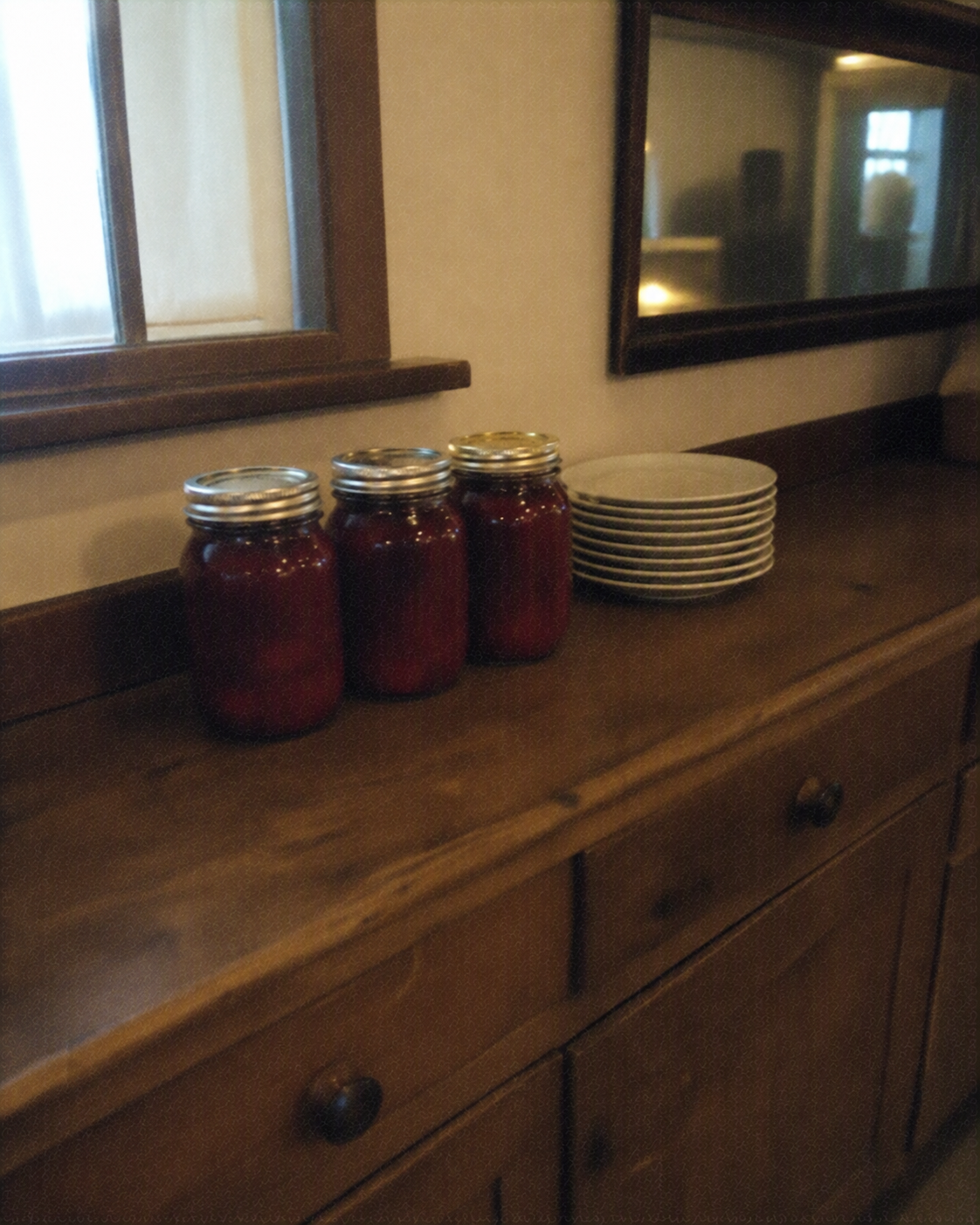
Picture a Diner That Serves Four Things — and Has Outlasted Every Big Menu on the Highway. Picture a diner on a two-lane highway, the kind with a gravel lot and a screen door, sitting between a town and a lot of corn. Picture the menu board over the counter. It's a small board. It has four things on it. Picture the man who has driven past it, twice a week, for eleven years, on his way to the franchise places up the road. Call him Del. And picture the woman behind the counter, somewhere north of seventy, pouring coffee like it's a fact of nature. Call her Opal. Del and Opal are illustrative characters for this story. What happens the morning Del finally stops takes about forty minutes and costs him nine dollars — and it's going to follow him home and shrink his kitchen by half. Let me back up. You need Del first, and you have met him. Del is sixty-three. He's a territory rep for a farm-equipment parts distributor — thirty-four years of the same loop of county roads, dealerships, and co-ops, two hundred miles on a normal Tuesday. He's good at it the way you get good at anything you've done ten thousand times: he knows every counter guy's name, every shortcut, every bathroom worth trusting. And Del, at home, is a man of options. That's the polite word. Look at his kitchen. There's the meal-kit subscription — the one that arrives whether or not anyone's ready for it, with its fourteen packets and its ambitions. There's the drawer of takeout menus, thick as a phone book. The freezer with cuisines in it from three different resolutions. The pantry with a shelf of international sauces, each used once, each waiting for a night that never quite comes. There's an app on his phone that knows about four hundred restaurants and a gadget on his counter that promises seven cooking methods in one. Del's kitchen, if you wrote it down, offers a bigger menu than most restaurants. And here is the private joke of it, the one his wife Ruthann stopped making out loud years ago because it stopped being funny: Nobody can ever figure out what's for dinner. The options stand around like a committee. Every evening becomes a negotiation among forty possibilities, and the negotiation itself eats the evening — and most nights end, after all that, with the same scrambled eggs or the same drive-through, eaten with a faint sense of having failed the pantry. It isn't a crisis. It's a hum — a low, standing puzzlement that a kitchen this equipped produces this little, this tiredly, this repetitively. Del has concluded the problem is that they need better options. He is, at this very moment, researching a new gadget. Keep that in mind. The diner is about to overturn it. So: the morning. A bridge closure reroutes Del's Tuesday, the franchise place is suddenly twenty minutes the wrong way, and the four-item diner is right there with its lot half full of pickups — which, on a two-lane highway at seven in the morning, is the only restaurant review that has ever meant anything. The screen door bangs. The bell over it rings. Opal says "sit anywhere, hon" without looking up. And Del reads the board. EGGS, ANY WAY, WITH HASH BROWNS. PANCAKES. OATMEAL. PIE. Coffee is not on the board. Coffee is assumed, like gravity. Underneath, in smaller, older letters, the board's entire philosophy: THAT'S ALL WE MAKE. WE MAKE IT EVERY DAY. Del orders the eggs, which arrive in about four minutes and are — there's no other way to report this — the best version of that plate he can remember, and he has eaten that plate in nine counties. The potatoes alone would justify the bridge closure. And because the counter is quiet after the first rush, and because Del talks to counter people for a living, he asks Opal the question the board is daring everyone to ask. "Four things. How does a place survive on four things?" Opal refills his cup, sets the pot down, and gives him the look of a woman who's been asked this once a week for half a century and has never once minded. "Backwards question," she says. "The four things are why it survived." And then, because the rush is over and Del cleaned his plate the way people who mean it do, she gives him the whole seminar, leaning on the counter. "Fifty-one years, this room. You know how many places have opened and closed on this stretch of highway in that time? I stopped counting at thirty. And every one of them died the same way — with a big, beautiful menu." She nods at the board. "A menu's not a list, hon. A menu's a promise. Every line on it is you promising a stranger you can make that thing, well, today, and tomorrow, and every single morning at six, whether your cook shows up or your supplier shorts you or it's the Tuesday after Christmas." She taps the counter, once per word: "You can promise anything once. The menu is what you can promise every morning." She straightens up and shrugs, the way people do when the truth is old to them. "The big-menu places weren't lying, exactly. They just promised more mornings than they had. Forty dishes means forty promises, and some of them you can only keep on your best day — and a diner doesn't get to run on best days. So the promises start breaking quiet — the fish nobody should order, the special that isn't — and folks can taste a broken promise, hon, even when they can't name it. And they stop coming." She picks the pot back up, end of seminar, and delivers the last line over her shoulder, already moving down the counter: "We looked at what this kitchen could do perfect, every day, forever, on our worst morning. It was four things. So that's the menu. The board's not short because we're lazy. It's short because it's true." Del sits with his coffee a long moment. Then he pays his nine dollars, tips like a man who just got more than breakfast, and drives his loop. And somewhere between the second co-op and the third dealership, he does the arithmetic — you knew he would; so did he. Because he is not thinking about diners. He's thinking about his kitchen. The committee of options. The forty-dish menu that no one can ever order dinner from. Look at it Opal's way, and the whole thing turns inside out. Every option in that kitchen is a little standing promise — the meal kit promising ambition, the sauces promising an adventurous night, the gadget promising seven methods, the freezer promising three resolutions ago. Individually, every promise is keepable. On a best day. Once. But a household doesn't run on best days any more than a diner does. It runs on Tuesdays — and stacked together, the promises come to more mornings than any week actually has. So they break quiet, the way the fish did. The kit expires. The sauces wait. The negotiation eats the evening, and dinner defaults to scrambled eggs anyway — eggs with a guilty conscience, because forty phantom dishes were theoretically available. The kitchen was never under-equipped. It was over-promised. And the diner — the four-item, fifty-one-year diner — isn't a story about limitation at all. It's the only operation on that highway that sized its promises to its actual mornings. That's the entire secret, and it was painted on the board in the smaller, older letters the whole time. That's the discovery, and it's worth saying plainly: A menu is a promise about what you can do every day — not what you can do once. The kitchens that last, like the diners that last, are the ones that promise their worst morning, not their best one. Everything else is a board full of quiet broken promises. Shrink the board until it's true. Then keep it. Which brings this story — through that door, and no other — to beets. Because there's one more thing about Opal's board, and Del notices it on his second visit, which is the following Tuesday, on purpose. The pie changes. The pie is whatever the season sent — and in the cold months, on the sideboard in quart jars, there are pickled beets, deep crimson, because Opal's kitchen has been putting them up every fall since before the interstate existed. Four promises on the board, and a shelf of the oldest side dish in the county. That's the whole operation. People have been eating beets for thousands of years. They were in the root cellars and soup pots and pickle jars of half the world's grandmothers long before anyone could say why — kept, replanted, and put up every autumn on nothing more than the accumulated verdict of generations. The beet is a four-item-menu kind of food: ugly, cheap, patient, keeps all winter, and does the same honest thing every single time it's served. Today the why is better understood: beetroot naturally contains dietary nitrates, and the body converts those into nitric oxide, a molecule that helps support healthy blood flow.* Beets also carry betalains — the deep crimson pigments that give Opal's jars their glow and stain a cutting board for a week. Nature did the formulating a long time ago. Short menus just kept serving it. But here's Del's honest situation — and probably yours. In a home kitchen, the beet's traditional forms are all big-menu items. The roasting is an hour-long promise. The juicing is an equipment promise. The pickling is a whole-Saturday promise that Opal's kitchen keeps because putting-up season is one of its four things — and Del's kitchen already has forty promises it isn't keeping. Adding the beet to his board, in any classic form, would just be one more beautiful line item the Tuesdays can't honor. Rosabella Beetroot is the beet sized for the worst morning: two capsules, once a day. A promise small enough to keep on the Tuesday after Christmas. No hour, no equipment, no Saturday. It goes next to the coffee — the one item in Del's kitchen that, like Opal's, was never on the board because it never needed to be. It just gets made, every morning, assumed like gravity. What's in it reads in one breath. 1,300mg of organic beetroot powder per serving — a serving being those two capsules. One active ingredient, with the dose printed plainly on the label, nothing to decode. Non-GMO, third-party lab tested, produced under GMP, made in the USA from globally sourced ingredients. It contains no caffeine. Sixty capsules in a bottle; thirty days. A four-line label. That's all we make. We make it every day. One thing before anything goes in a cart: talk to your doctor or pharmacist before adding any supplement, especially if you take any medication. This goes alongside the rest of a routine — the meals, the walks, the sleep — not in place of any of it. Before adding it to the morning routine, Del checked with his doctor or pharmacist, then put the bottle beside the coffee. On Amazon, Rosabella Beetroot sits at 4.4 out of 5 across more than 14,000 ratings as of August 2026. The story's ending is small, and it's in two places, because Del's Tuesdays now have two fixed points. The first is the diner. Del has a standing order now. Tuesday mornings, rerouted for good — the bridge reopened months ago; he never went back the old way. The bell rings, Opal says "hon," and his eggs are on the flat-top before he's on the stool. He didn't have to earn it. That's not how standing orders work. He just had to keep showing up — which, at a four-item diner, is the easiest promise on the highway. The second place is his kitchen counter. The board at home got shrunk. Not dramatically — Ruthann kept the gadget; the gadget makes good rice, and good rice is a promise they actually keep. But the kit subscription ended, the sauce shelf went to the church rummage sale, and dinner is now chosen from six things instead of forty, which means it gets chosen in one minute instead of thirty. And next to the coffee maker, there's a bottle. The smallest line on the shortest board in the house. Made every day, assumed like gravity, kept like Opal keeps the potatoes. That's the whole ending. A man with a stool that knows him, a menu that finally tells the truth, and one small promise sized to his worst morning. And now the last part, plainly, the way the board would say it. Nobody here is going to promise you a transformation. We're not going to tell you what you'll feel or when. Bodies are different, and yours doesn't owe an advertisement anything. We're not going to dress it up in a story, either — Del and Opal are illustrations, and we said so in the first lines, because that's the only honest way to use them. And we're not going to hand you a forty-line board. No system, no phases, no seven-method promises. You've eaten at that restaurant. What we sell is what's on the label, at the dose on the label — four lines, kept daily. That's all we make. We make it every day. P.S. If your own kitchen has a committee of options nobody can order from — the kit, the sauces, the freezer of old resolutions — the finding of this story, plainly: you were never under-equipped, and you were never undisciplined. You were over-promised. Do what the diners that survive do: find what your week can serve perfectly on its worst morning, put those things on the board, and let the rest go to the rummage sale. Short and true beats long and broken, every Tuesday of the year. P.P.S. What it is, plainly: organic beetroot powder in capsules — 1,300mg per two-capsule serving, one active ingredient, dose on the label, no caffeine, non-GMO, third-party lab tested. Thirty days a bottle. That's the whole story. P.P.P.S. If you're not satisfied for any reason, return the product within 90 days of delivery for a full refund. Enough time to find out whether it holds its line on your board — which is the only test that matters for deciding that. Individual experiences vary. These statements have not been evaluated by the Food and Drug Administration. This product is not intended to diagnose, treat, cure, or prevent any disease.
Where the ad sends people
get.tryrosabella.com
Support stamina and heart health every day
Learn more: track.tryrosabella.com(opens in a new tab)