Margaret Holloway
Margaret Holloway Facebook ad: “Read This Before Your Next Vet Bill”
Ran for 17 days, from June 28 to July 15, 2026, the last day Crush saw it.
Run by Margaret Holloway on Facebook. Crush is not the advertiser and does not verify its claims. See this ad in Meta's Ad Library(opens in a new tab)
Want an ad like this for your product?
Crush makes new ad images for your product from this ad: your logo, your product photo, your offer.
Trials from $19.95 USD, then $79.95 USD a month. Cancel anytime.
About this ad
- Meta Ad Library ID
- 29600868512838677
- Platforms
- Facebook, Instagram, Audience Network, Messenger and Threads
- Relaunches
- 0
Ad text
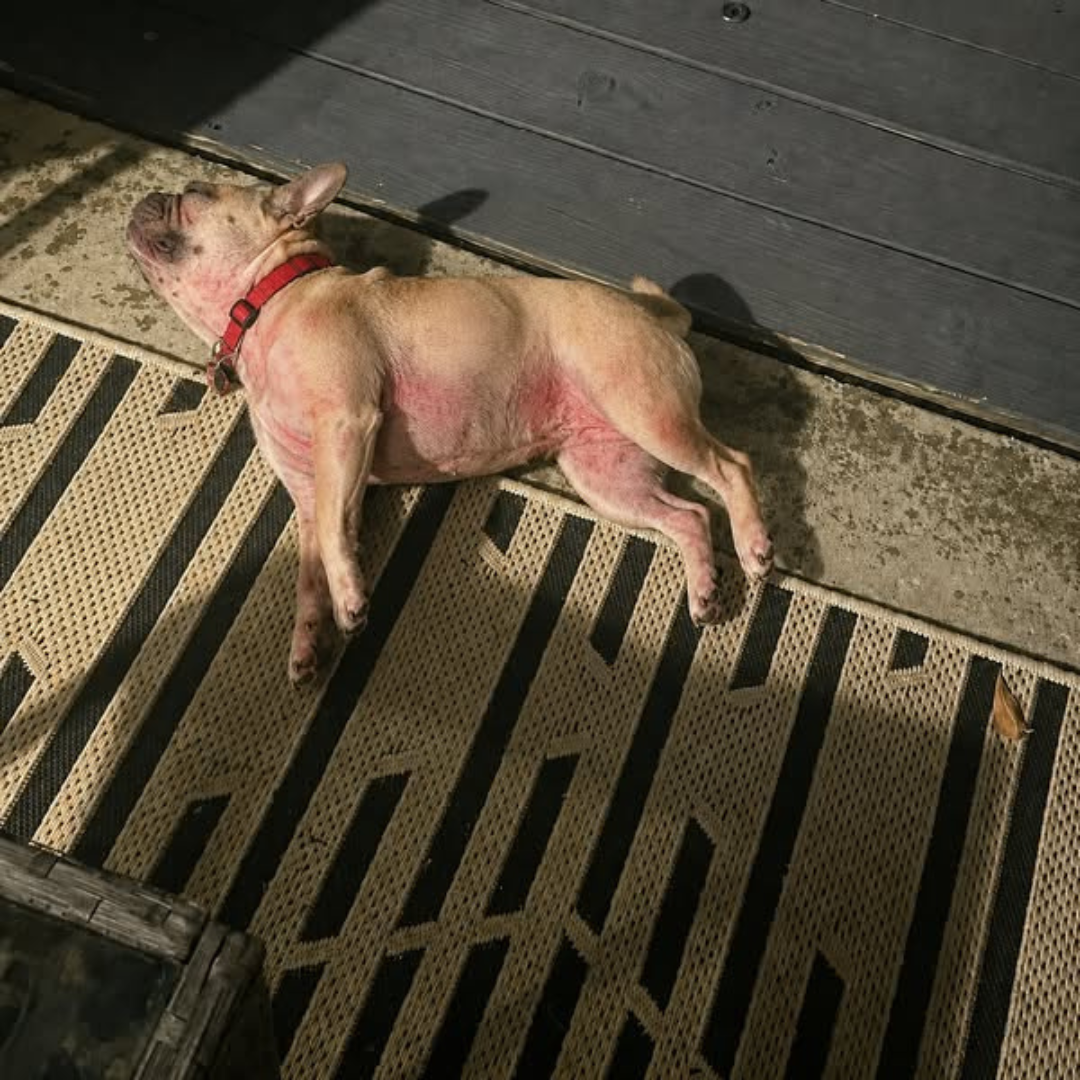
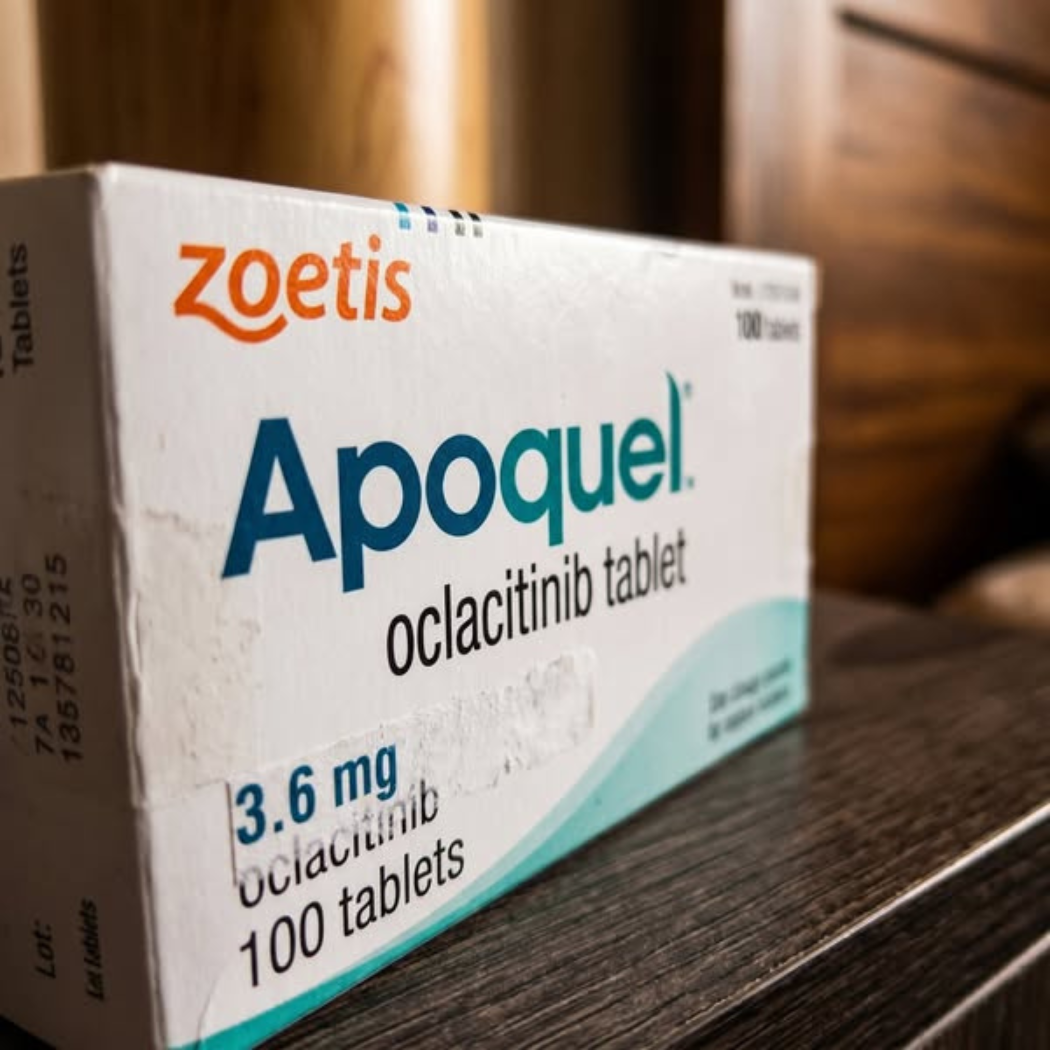
I'm going to say something nobody with an itchy dog wants to hear, and I'm not going to dress it up. Apoquel isn't going to fix your dog. Not Apoquel. Not Cytopoint. Not the prescription food. Not the £40 probiotic chews half the Facebook group swears by. None of it is going to fix this. I know, because I tried the lot. Every medication. Every food. Every supplement. For three years. My dog got so bad the vet started using the phrase "quality of life." Three years I spent suppressing the symptoms of a problem nobody ever bothered to explain to me. And the worst part? My second dog started showing the exact same signs. Same age. Same scratching. And I nearly let the whole nightmare happen all over again, because I was still following the same advice that wrecked my first dog's skin. So I'm done being polite about it. If your dog's scratching and you're in here asking whether to up the Apoquel dose or move to Cytopoint or try yet another elimination diet — you're wasting time and money your dog hasn't got . Read the whole thing. Every word. Because the answer's in here, and it isn't another prescription. I'm Margaret. I live just outside Harrogate with my husband David and our two dogs. Cooper was 8. My shadow — the sort of dog who'd lean his whole weight against your legs and just stand there being held. Buddy's 4. Completely different. Daft, bouncy, pinches socks off the radiator. Two completely different dogs. Same problem. They both scratched. All day. All night. Every single day. With Cooper it started at about two and a half. Behind the ears first. Then his tummy. Then his paws. Then everywhere. He'd scratch so hard against the door frame I'd find tufts of fur stuck to the wood. At night I'd hear his collar jingling. Thump, thump, thump. His back leg going against the floor. Over and over, for hours. I took him to the vet. "Allergies. Very common at his age. Let's start him on Apoquel." £55 a month. But it worked. For the first five months it was a miracle. The scratching nearly stopped. His ears cleared. He slept through the night. So did I. I thought we were done. Then it started creeping back. Not all at once. Slowly. Like someone turning the volume up one notch at a time. A bit of scratching after walks. Some head-shaking of an evening. Then the collar jingling at 1am again. Faint at first. Then every night. I told the vet. "Let's increase the dose." We did. Helped for maybe six weeks. Then it crept back. "Let's add Cytopoint injections." £75 a jab, every few weeks. On top of the Apoquel. On top of the prescription food she'd put him on two months before. I was spending the better part of £180 a month. And Cooper was still scratching. Still shaking his head. Still chewing his paws raw. Still waking me at 1am. £180 a month for a dog who was still miserable. I posted in a Facebook group. "Cooper's on Apoquel AND Cytopoint and still scratching — has anyone dealt with this?" Everyone had a suggestion. "Switch to raw, kibble's inflammatory." "Go grain-free, it's the grains." "Probiotic chews, for the gut-skin axis." "Salmon oil. Coconut oil." "Oat baths twice a week." So I tried. All of it. Raw food. £120 a month. No change. Grain-free. Three different brands. No change. Probiotic chews. £35 a month for eight months. Cooper wolfed them down every morning, tail going. Still scratched every night. The chews tasted nice. That was all they did. Salmon oil, coconut oil — I was putting so much on his dinner it looked like soup. Oat baths twice a week. He smelled lovely for about four hours. Then the scratching came back, and the yeasty smell came back, and I was bathing a 35-kilo dog in my bath twice a week for absolutely nothing. I stopped tallying it up because the number made me feel sick. And Cooper was getting worse. His coat went from thick and glossy to thin and coarse. I could see skin through the fur on his belly. The skin underneath had gone dark — almost black in places. The vet called it hyperpigmentation. Chronic inflammation actually changing the colour of his skin. His ears were infected more weeks than they were clear. Brown gunk. That yeasty smell. He'd pull his head away when I tried to clean them, then go and sit in the corner shaking. Hot spots started cycling. One would scab over and another would open somewhere else. His neck. His hip. Behind his ear. I was forever cleaning and dressing them. He stopped playing. Stopped leaning on my legs. Stopped following me about the house. He'd just lie on the cool kitchen tiles and scratch. All day. Scratch and sleep and scratch. His eyes looked different. Not in pain exactly. Just... tired. Like he'd accepted this was his life now. That look is what broke me. I sat on the floor beside him one night and held him while he scratched against my arm, and I thought: I'm watching my dog disappear. Week by week. And I can't stop it. I looked into rehoming him. I'm not proud of that. I sat there reading listings of dogs people had given up. "Can't manage the medical costs." "Allergies unmanageable." "Quality of life concerns." I saw myself in every one. I shut the laptop and cried on the kitchen floor. Cooper came over and put his head in my lap. He didn't understand why I was crying. He just knew I was upset. My dog was comforting me. While his own skin was on fire. That was a Tuesday. I remember, because the next day — Wednesday — Buddy started scratching. Two and a half. The same age Cooper was when his started. Behind the ears first. Then his tummy. Then his paws. I recognised it straight away. The exact same order. The exact same timeline. I knew precisely what the next three years looked like. Three years of medications that work then fade. Three years of food swaps that change nothing. Three years of supplements aimed at the wrong target. Three years of vet bills stacking up while the real problem got worse underneath all of it. I could not do it again. I needed to understand why. Not "what next." Why. Why did Apoquel work and then stop? Why did the Cytopoint injections need to come closer and closer together? Why did every food change make no difference at all? Why did the probiotics do nothing? Why did it get worse every single year, no matter what I threw at it? Three vets in three years. Not one of them answered why. They answered what — what to prescribe, what to feed, what to try next. Never why it all kept failing. I spent a fortnight reading. Every night after David had gone up. Reddit. Facebook groups. Veterinary dermatology papers. Everything I could find. And at 2am, I found a post from a woman who'd taken her dog to a holistic vet — and been told something no ordinary vet had ever told her. When I read it, the floor went out from under me. Because it explained everything. Here's what nobody told me for three years. Dogs start losing collagen from their skin barrier after about the age of two. The skin barrier is, in effect, a wall. A physical wall, largely made of collagen — types I and III. That wall is what keeps allergens out. Pollen. Dust mites. Grass proteins. Mould. The barrier keeps them sitting harmlessly on the surface. After two, that wall starts thinning. The body breaks collagen down faster than it rebuilds it. Every year it gets a little thinner. Tiny gaps form. Small at first, then wider. Allergens that used to bounce off now slip through the gaps into the tissue underneath. The immune system spots invaders where they shouldn't be, and does what an immune system does — it goes off. That's the scratching. The ears. The paws. The hot spots. The tummy rash. The yeast. All of it. One barrier failing in different places at different speeds. And here's the part that made me feel ill. Apoquel blocks the immune signal that causes the itch. That's all it does. It doesn't touch the barrier. The wall keeps thinning while the Apoquel masks the symptoms. More gaps form every month. More allergens flood through. So the Apoquel has to suppress a bigger and bigger and bigger reaction. That's why it works for five months then fades. It isn't that the medicine stopped working — it's that the damage underneath is growing faster than the medicine can suppress. The medicine's losing a race against a collapsing wall. So you up the dose. Helps a while. Wall gets worse. So you add Cytopoint. Helps a while. Wall gets worse. So the injections come closer together. Six weeks. Then five. Then four. More fire extinguishers. Bigger hole in the wall. The hole keeps growing. The extinguishers can't keep up. They never will. And it gets worse. That woman's holistic vet said long-term use of immune-suppressing medications like Apoquel and steroids can actually accelerate the barrier breakdown. The immune system doesn't only fight allergens — it also maintains and repairs tissue, the skin barrier included. Suppress it long enough and the repair stops. The wall falls apart faster. So the medication I was spending £180 a month on wasn't just losing the race against Cooper's collapsing barrier. It may have been speeding the collapse up. For three years. And not one person in three years had said the word "collagen" to me. Not one vet. Not one Facebook group. Not one pet-shop assistant. Nobody. They told me what to buy. Never why it wouldn't work. The why was the barrier. The next morning I rang round every holistic vet I could find and drove 40 minutes to see one. She was the first in three years who didn't reach straight for the prescription pad. She said she doesn't carry Apoquel or Cytopoint because the profit model creates a conflict she's not comfortable with. She'd rather explain the problem and let owners decide. She confirmed everything I'd read at 2am. The barrier. The collagen loss. The gaps. The allergen penetration. The immune response. The medication race. The acceleration from immune suppression. All of it. Then she said the thing that made it all click. "The barrier needs its building blocks to repair itself. Collagen — the actual protein the wall is made of. You can't rebuild a collagen wall with antihistamines. You can't rebuild it with immune suppressors, or probiotics, or fish oil. None of those are collagen. You need collagen." "So I just buy collagen?" "Not that simple. It has to be liquid. Liquid absorbs at 98% — straight into the bloodstream and to the skin-barrier tissue. Chews and powders absorb at 20–30%, because stomach acid destroys most of it before it reaches anything. Most of what you give in a chew never arrives at the barrier at all." "What about the collagen supplements on Amazon?" Her face changed. "I've tested them. Sent them off to independent labs. Most are rubbish. Wrong collagen types. Underdosed. Fillers that interfere with absorption. One had a contaminant that had no business being in a pet product." She pulled out a folder. "I've sent six collagen supplements off to an independent lab over the last three years." She opened it. "Brand one: claimed types I and III. Lab found only type I. Underdosed by 40%. Maltodextrin filler." "Brand two: claimed 500mg a serving. Lab found 180mg. 64% under." "Brand three: right types, but a powder at 22% bioavailability. The dog was getting maybe 110mg out of a claimed 500." "Brand four: liquid — but only type I. No type II or III. Incomplete." "Brand five: contaminated. Traces of heavy metals. I reported it." "Brand six: all three types. Liquid. 98% absorption. 900mg of hydrolysed collagen peptides a serving. UC-II type II at 40mg. MSM. Hyaluronic acid. Vitamin C. Every ingredient verified. Every batch tested. No contamination. No fillers." "One out of six passed." She wrote the name on the back of her notepad. "This is the only one I recommend. The only one I trust. I don't sell it. I don't make a penny from it. I just know what it does, because I've tested it and I've seen it in more than 200 allergy dogs." I ordered it that night. About £24 a bottle, and the multipack brought it down to roughly £14 a bottle. She told me not to stop any of Cooper's medication — just add one dose to his food each day and let the barrier rebuild underneath everything else. I started Buddy on it the same day. His scratching had only just begun — caught early, before the cascade. With Cooper — three years into the nightmare: First fortnight, I just watched and waited. Week three: the night scratching eased. Not gone, but less. The jingling shorter, softer. I lay there in the dark counting the gaps between thumps, and they were getting longer. Week four: he slept through the night. The whole night. First time in over two years. I woke at 5am in a panic because I hadn't heard anything, ran down — and he was fast asleep on the sofa. Quiet. Still. Week six: his ears were clean. I'd been checking them every morning out of three years of habit, bracing for the gunk and the smell. Nothing. Pink. Clean. Again the next day. And the next. I called David in. "Look at his ears." He looked. "They're... normal?" "They're normal." Week eight: the paw-chewing stopped completely. The rust staining on his front paws — there for two years — started growing out, clean white fur coming through from the nail bed. I took a photo every week. You could watch the barrier healing through the fur. Month three: with my own vet, we tapered the Apoquel — half dose for a fortnight, then a quarter, then stopped. No flare-up. Then we stretched the Cytopoint out — every four weeks to six, to eight, then skipped it entirely. Month four: Cooper was on one dose of collagen a day on his dinner. Nothing else. About £20 a month. His coat was thicker than it had been since he was a pup. The dark skin on his belly was lightening back towards pink. No new hot spots in eight weeks. He was playing again. Leaning on my legs again. Following me round the house again. The morning after we skipped the Cytopoint, he brought me a sock — carried it across the kitchen and dropped it at my feet, whole back end wagging. I sat on the floor and had a proper cry. With Buddy — caught early: Week three, the scratching behind his ears just stopped. By month two: no ear infections, no paw-licking, no tummy rash. Nothing developed. The barrier was being rebuilt before it could break down far enough to cascade. He never went on Apoquel. Never needed Cytopoint. Never got prescription food. Never cost me £180 a month. Never cost me a single sleepless night. Because I caught him at two and a half — before the gaps got bad, before the allergens flooded through, before the cascade. One night I added up what I'd spent on Cooper over three years: Apoquel — about £2,000. Cytopoint — about £2,400. Prescription food — about £900. Raw food trial — about £500. Probiotic chews — about £280. Vet visits and tests — about £1,100. Baths, ear drops, the rest — about £400. The better part of £7,500. The better part of £7,500, all doing the same thing — suppressing the reaction while the barrier crumbled underneath. Not one penny of it going towards rebuilding the wall. Not one. Cooper is more comfortable now, on around £14 a month, than he ever was on £180. Because the £180 was aimed at the wrong target. Every penny chased the symptom. Not one chased the cause. And the cause was always the barrier. Buddy will never go through what Cooper went through. I will never spend thousands on his allergies. I will never listen to him scratch at 1am. I will never look into rehoming him. I will never sit on the kitchen floor and cry about him. Because I started him on collagen before the barrier broke down. And it never will. The product is Canbloom Liquid Collagen. All three types. Liquid. 98% absorption. Independently tested. UK brand, UK dispatch. https://canbloomstore.com/products/canbloom-premium-liquid-collagen About £24 a bottle. The multipack brings it down to roughly £20. They've a sale running at the moment. 60-day money-back guarantee — if your dog isn't dramatically better in 60 days, they refund the lot. Start it alongside whatever your dog's already on. Don't stop any medication. Just one dose on their food, and let the barrier rebuild underneath. For Cooper it took four to eight weeks, after three years of everything else failing. You'll hear it before you see it. The quiet at 1am. When your dog isn't scratching anymore. When the collar isn't jingling. When the thumping stops. That quiet is what about £20 a month sounds like. I only wish I'd heard it three years and seven-and-a-half-grand ago. — Margaret H., Harrogate EDIT: I keep getting messages asking where to get it. Buy it direct from the website. I've seen people say they bought "dog collagen" off Amazon and it did nothing — I've no idea what's in those bottles. The holistic vet tested six brands and five failed the lab. The one she recommends only sells through their own site: https://canbloomstore.com/products/canbloom-premium-liquid-collagen P.S. Cooper scratched for three years while I spent the better part of £7,500 on medications that suppressed the reaction and may well have made the barrier worse. A few months of collagen at about £20 a month did what three years of £180-a-month medication couldn't. The barrier was the problem the whole time. Every vet treated the immune response. Nobody treated the barrier — because there's no recurring income in fixing the barrier. There's recurring income in a monthly Apoquel refill and a Cytopoint jab forever. £180 a month, forever. That's the business model. £20 a month that fixes the cause and takes away the need for the medication isn't a business model the pharmaceutical industry wants you to know about. P.P.S. If your dog's under three and only just starting to scratch — you're in the best position there is. The barrier hasn't fully collapsed yet. The gaps are small. Start the collagen now. Before the ears. Before the paws. Before the hot spots. Before the first Apoquel prescription. Before the first £180 month. Buddy's the proof. Same household. One got collagen early. One didn't. The difference is the better part of £7,500 and three years of suffering. Don't wait. Start now: https://canbloomstore.com/products/canbloom-premium-liquid-collagen
Where the ad sends people
canbloomstore.com
Read This Before Your Next Vet Bill
Canbloom
Learn more: canbloomstore.com(opens in a new tab)