Linda Williams
Linda Williams Facebook ad: “My mother's dogs were never reactive. For 30 years. Then…”
Ran for 123 days, from March 10 to July 11, 2026, the last day Crush saw it.
Run by Linda Williams on Facebook. Crush is not the advertiser and does not verify its claims. See this ad in Meta's Ad Library(opens in a new tab)
Want an ad like this for your product?
Crush makes new ad images for your product from this ad: your logo, your product photo, your offer.
Trials from $19.95 USD, then $79.95 USD a month. Cancel anytime.
About this ad
- Meta Ad Library ID
- 3049570881896829
- Platforms
- Facebook, Instagram, Audience Network and Threads
- Relaunches
- 0
- EU reach
- 1,114
Ad text
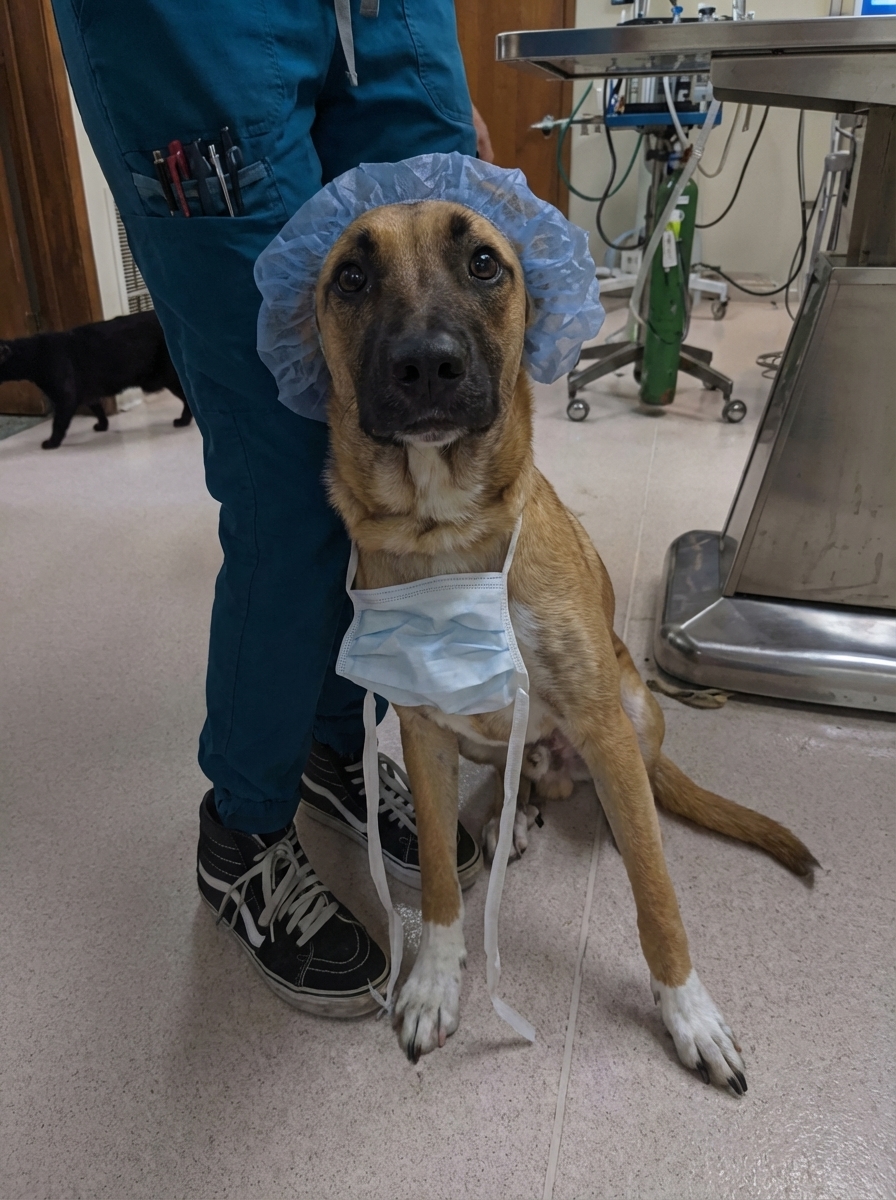
My neighbor called me three weeks after mom died. "What did you do with Cooper? He walked right past my dog without lunging. First time in two years." I hadn't done anything. Except one thing. The thing my mom had been doing for 30 years that I'd finally started doing myself. My name is Jennifer Hayes. I'm 42 years old. I live outside Portland, Oregon. My mother, Patricia, passed away eight months ago. She was 76. In her lifetime, she had 9 dogs. Not one of them was ever reactive. Not one. Pepper—lived to 17, never lunged at another dog. Max—lived to 16, perfect around people his entire life. Bear—a 95-pound German Shepherd mix everyone said would "need serious training"—never had a reactive moment in 15 years. Rosie, 18. Duke, 16. Molly, 17. Everyone always asked mom how her dogs were so calm. She'd just shrug. "I take care of them." That was her whole answer. She never explained it to anyone. But every morning, I watched her do something nobody else did. She'd open the fridge, take out a small jar, and sprinkle something onto each dog's breakfast. Every dog. Every bowl. Every single morning for 30 years. I never asked why. It was just what mom did. When she passed, I inherited Bear. He was 13. I also had my own dog—Cooper, a 4-year-old rescue pit mix who'd been reactive since I adopted him at 2. Cooper lunged at every dog. Barked at every person who got too close. Couldn't take him anywhere without incident. I'd spent $4,200 on trainers. Tried positive reinforcement, balanced training, private sessions. Nothing stopped the lunging. My trainer said "some rescues just carry trauma." My vet suggested Prozac. I'd accepted it. Cooper was just reactive. That was who he was. For the first two weeks after mom died, I didn't even think about the jar. I was grieving. Going through her things. Barely functioning. Then one morning, I opened mom's fridge to clean it out. And there it was. The jar. Still half full. I stood there staring at it. Thirty years of watching her do this. Thirty years of her dogs staying perfectly calm while everyone else's became reactive. And I'd never once asked what was in that jar. I took it home. Put it in my fridge. And I started doing what mom did. One scoop on Bear's food. Then Cooper's. Every morning. Just like mom. I didn't expect anything. I didn't even really know why I was doing it. Maybe grief. Maybe ritual. Maybe just wanting to feel close to her. Three weeks later, my neighbor Linda called. "Jennifer, what did you do with Cooper? He just walked right past Milo without lunging." I didn't understand the question. "Past Milo how?" "On the sidewalk. Maybe ten feet between them. Cooper looked at him, kept walking. Didn't pull. Didn't bark. I've never seen him do that." The only thing I'd changed was the scoop from mom's jar. "Maybe he's maturing," I said. "He is four now." But I knew that wasn't it. Dogs don't suddenly stop being reactive at four. Then my trainer noticed. I'd been working with Sarah for eighteen months. She'd seen Cooper lunge at dogs across the street, through car windows, even at stationary objects he thought might be dogs. Four weeks after I started mom's ritual, Sarah stopped mid-session. "Wait. Did he just... not react? That dog was maybe thirty feet away." "He looked," I said. "But he didn't lunge." Sarah's face changed. "Jennifer, his threshold has been seventy-five feet for over a year. What changed?" I hadn't changed anything. Except one scoop from mom's jar. Every morning. For four weeks. Then Bear started playing. Bear was 13. He'd been calm his whole life—mom's routine kept him that way. But in the two months after mom died, before I found the jar, he'd started slowing down. Less interested in walks. More time sleeping. I'd accepted it. He was 13. That's what happens. Six weeks after I started the scoops again, Bear was playing fetch. Running. Bright eyes. Energy I hadn't seen since mom was alive. My friend who'd known Bear for years looked at him in my yard and said, "He's acting like he's six again. What are you giving him?" I hadn't given him anything new. I'd just resumed what mom had been doing his entire life. I sat on my kitchen floor and stared at that jar. What the hell was my mother giving these dogs? I finally read the label. CalmAxis. Postbiotic chews for gut-brain support. I'd never heard of it. Not for behavior. So I did what I should have done 30 years ago. I looked it up. And every single thing about my mother's dogs—every impossible thing I'd witnessed my entire life—suddenly made sense. 95% of serotonin is produced in the gut. Not the brain. The gut. Serotonin is the calming neurotransmitter. The one that regulates mood, stress response, and behavioral stability. When a dog is young, the gut produces more than enough. The brain gets everything it needs. That's why puppies are so resilient—not because they're young, but because they're FULL. The tank is overflowing. Around age 3, gut bacteria start producing less postbiotic metabolites. By age 5, most dogs are using more than they produce. Every single day. And the gut has to make a decision. There isn't enough serotonin production to fund everything anymore. So it starts rationing. Prioritizing. Choosing what gets maintained and what gets sacrificed. Behavioral regulation gets cut first. The dog becomes more vigilant. More reactive to triggers. More anxious in situations that never bothered them before. That's the "suddenly reactive" dog that appears around age 4. Not a socialization failure. Not genetics. Not trauma. It's the gut waving a white flag. Telling you the fuel is running out. That was Cooper. Adopted at 2, reactive by 2.5. Everyone said it was rescue trauma. It wasn't trauma. It was his gut running dry. And nobody—including three trainers—recognized it. The threshold shrinks next. What used to be manageable at 50 feet now triggers at 100 feet. What used to be tolerable for a few seconds now triggers instantly. Not because training failed. Because the brain doesn't have enough serotonin to regulate the stress response anymore. That was Cooper at age 3. Threshold expanding from 50 feet to 75 feet despite consistent training. Sarah couldn't understand why he was getting worse. Now I understood. His gut was producing less every month. His brain had less fuel to work with. Training couldn't fix biology. Then generalization happens. One trigger becomes two. Two becomes five. Dogs. People. Cars. Skateboards. Anything moving. The nervous system is so depleted it can't distinguish real threats from normal stimuli. Everything becomes a threat. That was Cooper at age 4, right before mom died. Reactive to things that never bothered him before. My trainer said it was "trigger stacking." It wasn't stacking. It was depletion. Then mobility of life collapses. You can't walk your dog. Can't have people over. Can't go anywhere. Can't live normally. Then you're facing the question nobody wants to face. Medication. Rehoming. Behavioral euthanasia. My neighbor's dog was put down at 7 for reactivity. "Some dogs just can't be helped," she said. Her dog could have been helped. His gut was empty and nobody filled it. My mother watched this happen to everyone around her. Her neighbor Mrs. Davis lost two dogs to behavioral issues before they hit 9. My aunt—mom's own sister—had a Golden who became so reactive they couldn't walk him after age 6. He was rehomed at 8. "Some dogs just can't handle the world," my aunt said. "Your mom's dogs are special." Mom's dogs weren't special. Mom was refilling the tank. Every morning. For 30 years. Her dogs never ran out of serotonin. Their guts never had to ration. Never had to sacrifice behavioral regulation. The postbiotics were always there. So the calm stayed. Bear—95 pounds, German Shepherd mix—walked calmly past other dogs at 14. Everyone said he'd need "serious training." He never needed it. His gut was never empty. Max was calm around strangers his entire life. Sixteen years. Zero reactivity. Pepper played with other dogs until she was 15. Same neighborhood as everyone else. Same stressors. Same genetics. Same world. Different outcome. One scoop every morning. That was it. Now I understood why Linda noticed Cooper. Cooper had been running on empty since age 2.5. His gut hadn't produced enough serotonin in two years. Three weeks of postbiotics and his threshold started improving. Because for the first time in two years, his brain had fuel. Bear was different. Bear had gotten it every day of his life. For 13 years. His tank was always full. When mom died, there were two months where nobody gave it to him. His behavior started declining—the slowness, the sleep, the lack of interest. Then I started again without knowing what I was doing. His energy came back. Because I'd refilled the tank before it ran completely dry. I sat in my kitchen and cried. Not just because it worked. Because I'd been watching my mother do this for 30 years and never asked why. Because Cooper had been running on empty since the day I adopted him and I'd accepted "rescue trauma." Because Bear had started declining in the two months without it and I'd accepted "he's getting old." Because my aunt's dog was rehomed at 8 and my mom said nothing while everyone called her dogs special. They weren't special. She knew. She just never explained it. And now I knew too. When mom's jar ran out, I had to find my own source. I looked online. Saw dozens of calming supplements. Powders. Chews. CBD oils. Most were cheaper than what mom used. Most had thousands of reviews. I almost bought a probiotic powder. $28 on Amazon. Said it helped with anxiety. But mom never used probiotics. She used postbiotics. Every single day for 30 years. So I looked up why. Probiotics are live bacteria that need to colonize in the gut. But reactive dogs have damaged, stressed guts that can't support colonization. The bacteria die. Pass through. Nothing happens. Postbiotics are different. They're the actual beneficial compounds that healthy bacteria produce. Short-chain fatty acids. Metabolites that directly support serotonin production. You're not hoping bacteria colonize and eventually make something useful. You're delivering what the gut should be making—directly. That's why mom used postbiotics. That's why it worked. If I'd bought that probiotic powder—tried it, seen nothing, decided gut health was nonsense—I'd have stopped. Cooper's threshold would still be 75 feet. Bear would still be declining. And I'd be watching them deteriorate the way everyone else's dogs deteriorate. Instead I reordered CalmAxis. The same brand mom used. It's what I use now. For both dogs. Every morning. One scoop on their food. They lick the bowl clean. Cooper is 5 now. Walks past dogs at 15-20 feet. Zero lunging. Zero barking. Threshold that was 75 feet is now closer than I ever thought possible. Sarah my trainer still can't believe the change. She's asked me three times what I did differently. Same answer mom gave for 30 years: "I take care of him." Now I know what that means. Bear is 14. Running in the yard. Playing fetch. More energy than dogs half his age. Zero behavioral decline. The vet keeps saying he's "defying age." He's not defying anything. He's just not empty. My mom did this for 30 years and never told anyone. Her vet said her dogs had "great temperaments." Never asked what she was doing. Her sister lost a dog and called mom lucky. Never asked what she was doing. Mrs. Davis put down two dogs. Never asked what mom was doing. They all just accepted that dogs become reactive. That behavior declines. That thresholds expand. That one day you run out of options. It's not inevitable. It's a fuel problem. And the fuel is postbiotic metabolites. If your dog's behavior has changed—even a little—that's the first flag. The depletion has started. The threshold will expand next. Then generalization. Then the conversation. Every week you wait, the deficit gets worse. More serotonin lost that won't come back. More nervous system dysfunction. More of your dog disappearing while trainers tell you to "be more consistent." It's not consistency. It was never consistency. One scoop. Every morning. Less than $2 a day. Threshold improves first. You'll notice less pulling. Week 3 to 4. Trigger intensity next. Less explosive reactions. Week 4 to 6. Generalization reverses after that. Fewer things trigger them. Week 6 to 10. I've left a link below to what I use—CalmAxis Postbiotic Chews. Same brand mom used for 30 years. They have a 60-day guarantee. If you don't see results, you pay nothing. But you'll see results. Your trainer will notice. Your neighbors will notice. You'll notice. And you'll know the answer. The same answer my mom knew for 30 years. One scoop. Every morning. The tank stays full. Not training. Not medication. Fuel. My mom knew. Now I know. Now you know. Don't waste it. 👉 https://trycanislabs.com/products/calmaxis-chews — Jennifer Hayes Portland, Oregon P.S. Four months after I started, I sent a jar to my aunt. She has a new Golden now—a puppy named Max, after mom's dog who lived to 16 without a single reactive moment. She called me last week. "Jennifer, Max is so calm. Even the vet commented on it. Your mom really knew something, didn't she?" Yeah. She did. Now we all do. 👉 https://trycanislabs.com/products/calmaxis-chews
Where the ad sends people
trycanislabs.com
My mother's dogs were never reactive. For 30 years. Then she died and I found out why.
Everyone asked my mom how her dogs stayed so calm their entire lives. She never explained it. Just shrugged and said "I take care of them." When she passed, I inherited her secret. And everything about my reactive dog changed.
Order now: trycanislabs.com(opens in a new tab)