
Active· since May 29, 2026
- 107
- days running
- 0
- relaunches
Ad copy
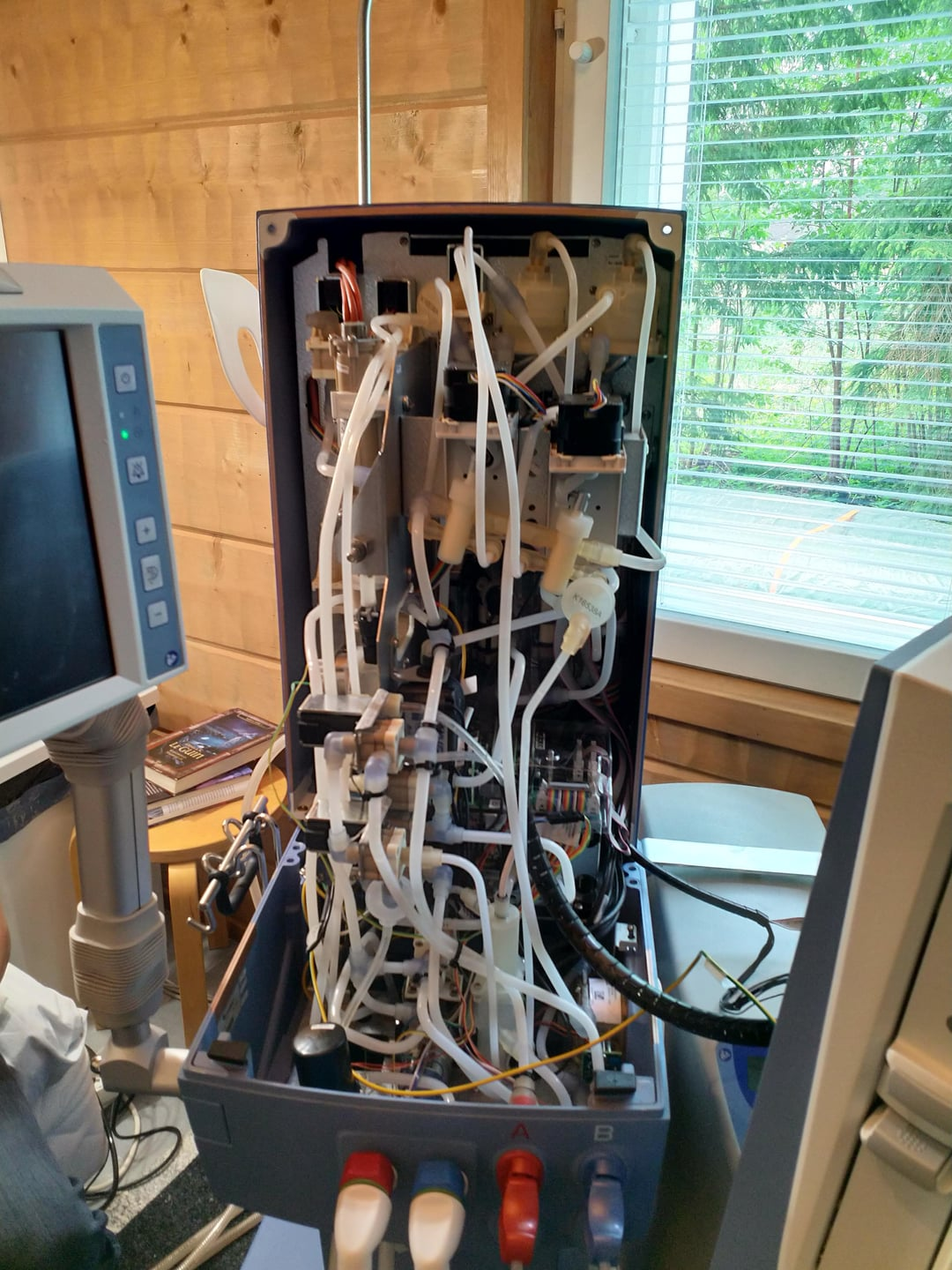
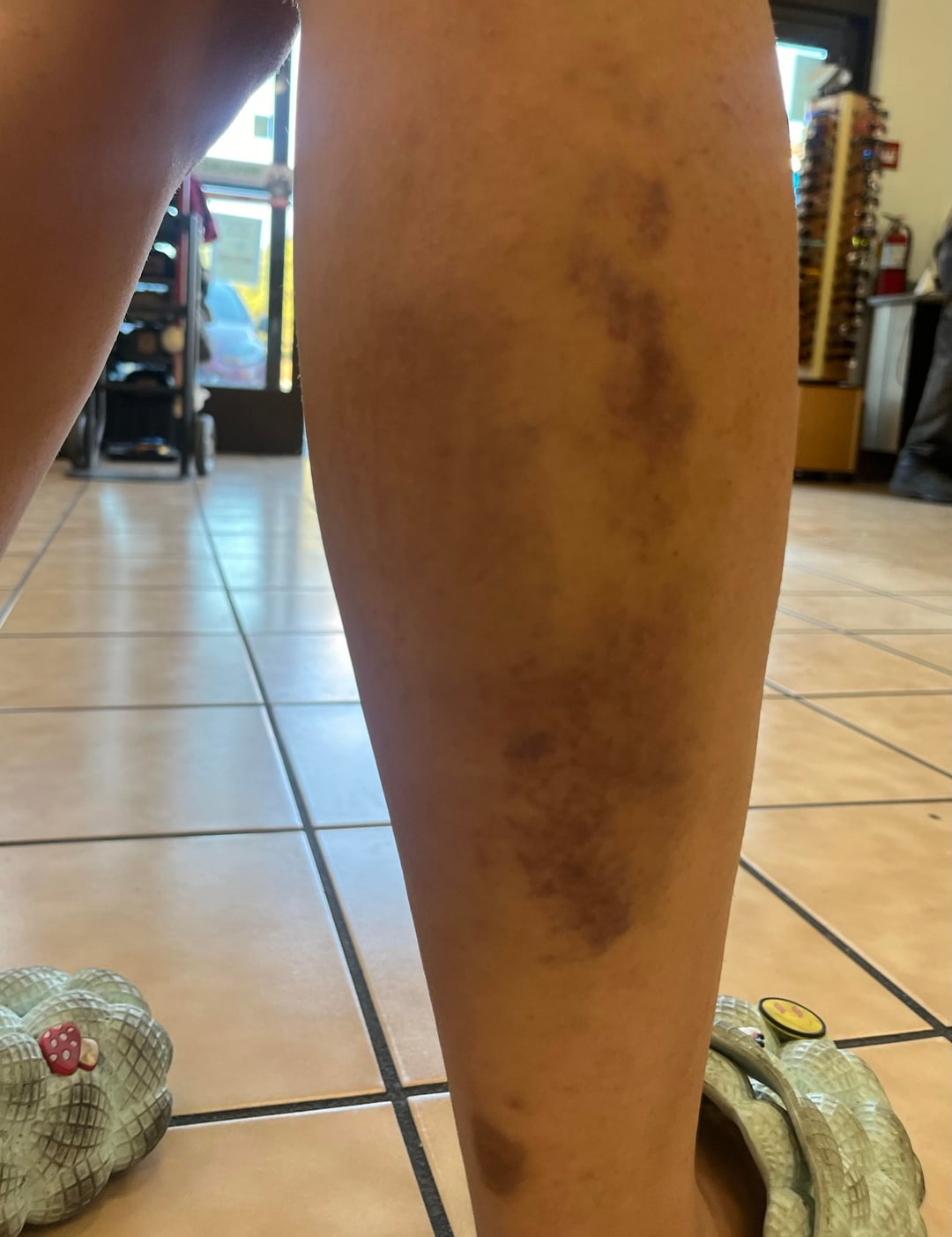
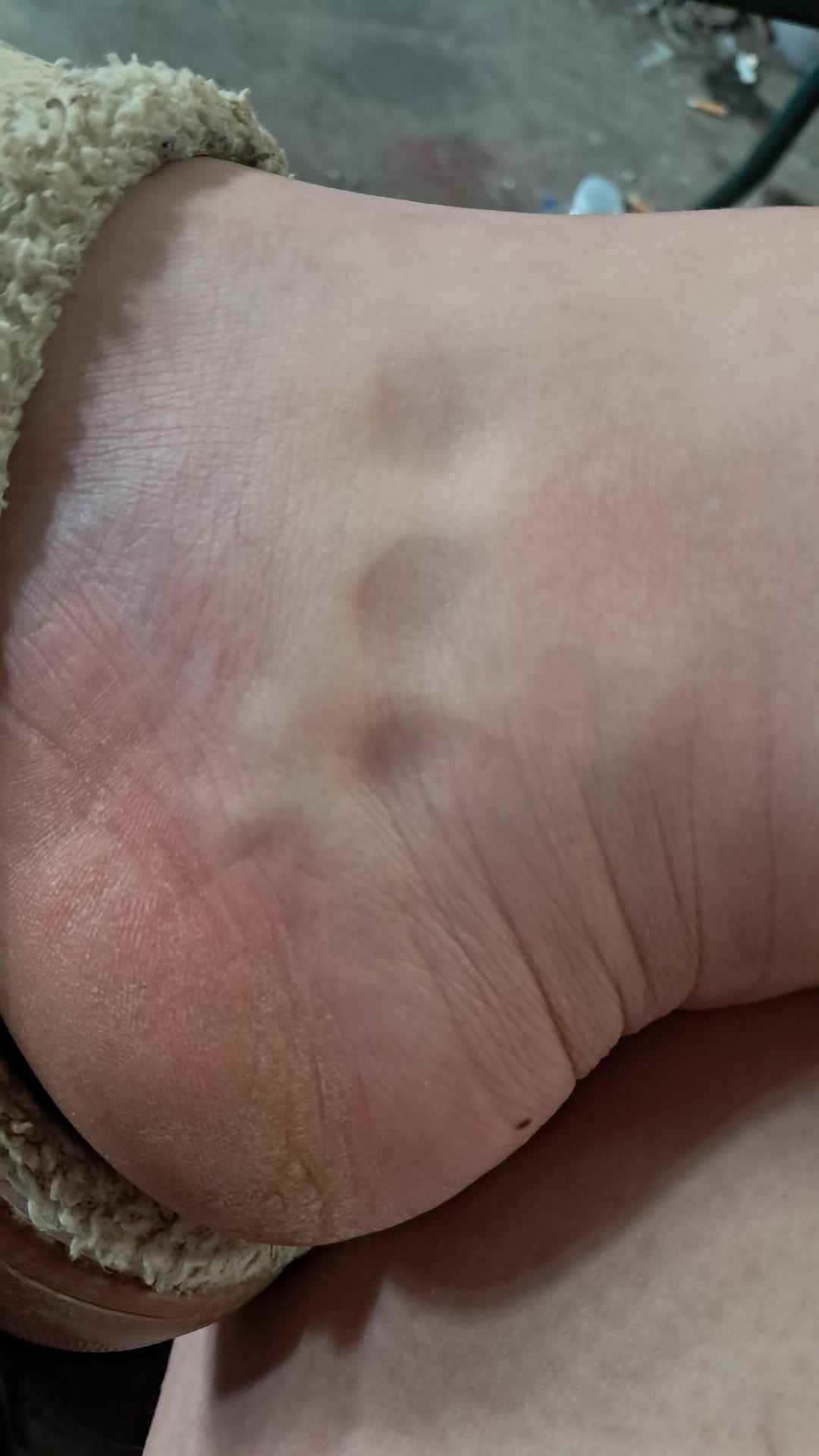
My husband's feet looked like this three years ago. He was 54. Diabetic since 47. Blood pressure pills since 49. His doctor said his kidneys were "holding up fine." Eight months later he was on dialysis. He's been on it for two years now. Three days a week. Four hours at a time. Sitting in a chair while a machine does what his kidneys can't anymore. He should not be on that machine. And the reason I know that is because of what I found after it was already too late for him. --- His name is James. He drove a city bus for 26 years. Coached Little League for our youngest. Could fix anything in the house with duct tape and a YouTube video. Big laugh. Bigger heart. The kind of man who'd carry the groceries in for every woman on our block without being asked. He was the strong one. He still tries to be. But you can see it in his eyes on dialysis days. Something left him that isn't coming back. He's 56 years old. He should still have his kidneys. --- James got diagnosed with Type 2 diabetes in his late 40s. Got put on metformin. Doctor said watch his diet. Check his sugar. Come back in three months. He did all of it. The fatigue he blamed on working double shifts. The 35 pounds he couldn't lose he blamed on getting older. The swelling in his ankles he blamed on standing all day on the bus. The foamy urine he didn't mention to anyone. Thought it was nothing. His creatinine started creeping up at his checkups. His doctor called it borderline. Said they'd monitor it. His blood pressure moved in the same direction. Same response. Monitoring. Monitored for six years. James used to come home from those appointments frustrated. Saying his numbers were "a little high" but his doctor wasn't worried. Saying his eGFR was "still in the moderate range." Saying they'd "keep an eye on it." I told him the same thing every time. "If your doctor says it's fine, it's fine." I want those words back. The last symptom he mentioned to me was the swelling. He pulled off his socks one night and his feet looked like they belonged to someone else. Puffy. Tight. The skin shiny and stretched. He pressed his thumb into his ankle and the dent stayed there like clay. "I'm just on my feet too much," he said. Six weeks later his doctor called us in for an emergency appointment. --- It was a Thursday afternoon. I sat next to him while the nephrologist pulled up his labs on the screen. Quiet room. Fluorescent lights buzzing. The doctor turned the monitor so we could see. eGFR: 11. Stage 5. Kidney failure. "We need to start planning for dialysis," she said. Matter-of-fact. Like she was reading a bus schedule. James didn't say anything. Just looked at his hands. I asked how this happened. How he went from "borderline" to kidney failure while his doctor was watching. She said something I'll never forget. "Diabetes and high blood pressure are the two leading causes of kidney failure in this country. Once the damage reaches a certain point there's not much that can be done. We see this all the time." All the time. Like my husband's kidneys shutting down at 54 was just what happens. There was a to-do list on our refrigerator. He'd written "fix back porch step" the morning before. His bus schedule for the next week was pinned next to it. Our grandson had a birthday party that Saturday. James had already bought the cake. None of those things happened the way they were supposed to. --- The first dialysis session almost broke him. They put the catheter in his chest. Hooked him up. I sat in the chair next to him holding his hand while the machine hummed. Four hours. His blood running through tubes, getting cleaned by a machine because his own kidneys couldn't do it anymore. He didn't talk the whole drive home. That night he sat on the edge of the bed with his shirt off and I could see the catheter port taped to his chest. This man who used to carry two bags of concrete mix up the driveway without stopping. Sitting there. Staring at the wall. "I let this happen," he said. He didn't let anything happen. The system let it happen. Six years of monitoring. Six years of "borderline." Six years of watching numbers climb while nobody addressed what was actually destroying his kidneys from the inside. --- Two months into dialysis I couldn't sleep. I went downstairs at 1 AM and opened my laptop. I wasn't searching for kidney supplements. I wasn't searching for miracle cures. I was searching for what actually kills kidneys in men like James. Why it keeps happening. Why the monitoring never stops it. What I found changed everything. A clinical paper out of the National Kidney Foundation. Chronic low-grade inflammation is the primary driver of kidney tissue deterioration in patients with diabetes and hypertension. Not the sugar itself. Not the blood pressure number itself. The inflammatory cascade that both conditions trigger — running silently underneath the numbers the doctor checks — destroying the nephron filtration units year after year while the labs say "borderline." Nobody had ever told James. Nobody had ever told me. I kept digging. Found a thread on Reddit. Over 2,000 comments. The title: "Why do men in rural Austria with high blood pressure almost never end up on dialysis?" I almost scrolled past. Something made me click. Styria, Austria. A farming region. Kidney disease rates among men over 50 — a fraction of what we see in the United States. Same risk factors. Same diabetes rates in some villages. Dramatically different kidney outcomes. Person after person in the comments. Studies. Links. Pictures of Austrian farmers in their 70s and 80s still working the fields. What they all had in common was one thing. Something in their diet that American doctors don't talk about. By 4 AM I had read everything I could find. By the next morning I was on the phone. --- I called a naturopathic kidney specialist in Pennsylvania whose name kept coming up in the research. She'd spent eight years studying kidney preservation in European farming communities. I told her about James. Diabetic. Hypertensive. Stage 5. On dialysis. Six years of monitoring that didn't stop the decline. She was quiet for a moment. "Your husband's doctor was measuring the right things," she said. "But they were treating symptoms while the underlying mechanism kept running." She explained it in a way no doctor ever had. "There are two processes destroying your husband's kidneys simultaneously. Both running from the same trigger. And neither one is visible on the standard labs his doctor was checking until the damage is already done." I asked her to explain. "The first process. Oxidative stress in the kidney tubules." She paused. "Your husband's kidneys contain millions of tiny filtration units called nephrons. Each one has a delicate membrane that filters waste from the blood. When chronic inflammation runs continuously — the kind that diabetes and high blood pressure generate together — it produces something called reactive oxygen species. Free radicals. These free radicals attack the nephron membranes directly. Burn holes in them. That's why protein starts leaking through. That's the foam in the urine. It's not a symptom. It's evidence that the filtration membranes are being perforated by oxidative damage in real time." I thought about the foamy urine James didn't mention for years. "The second process. Running simultaneously. Fluid and sodium retention." She continued. "Damaged nephrons lose their ability to properly regulate fluid balance. The kidneys start holding sodium and water they're supposed to release. The fluid builds in the tissues. Ankles swell. Feet swell. Blood pressure climbs because the circulatory volume is increasing. The doctor sees the blood pressure number and adds another medication. But the rising pressure is a downstream effect of kidneys that are already losing their filtration capacity because of the oxidative damage running underneath." I thought about the swelling. The blood pressure that kept climbing despite the pills. "Two processes. Same inflammatory trigger. The oxidative damage destroys the nephron membranes. The membrane damage causes the fluid retention. The fluid retention drives the blood pressure higher. The higher blood pressure accelerates the inflammation. And the cycle repeats — year after year — while the doctor monitors the eGFR and watches it fall." My chest was tight. "This is what happened to your husband. His kidneys didn't fail because of his diabetes. His kidneys didn't fail because of his blood pressure. His kidneys failed because the oxidative inflammatory cascade that both conditions generate was destroying his nephron membranes for six years while his eGFR was being monitored down from 60 to 11 and nobody interrupted the mechanism that was driving the decline." I asked her what interrupts it. She said one word. "Phytosterols." --- "In Styria, Austria — the region your thread was about — the men who don't lose their kidneys have one thing in common. They consume cold-pressed Styrian pumpkin seed oil. Every day. It's been part of the regional diet for over 300 years. They put it on salads. They cook with it. Some take it by the spoonful." She pulled up a study. "Pumpkin seed oil is one of the most concentrated natural sources of three specific compounds that directly address both processes simultaneously. Delta-7-phytosterols. Zinc in its most bioavailable form. And a specific ratio of omega fatty acids — 3, 6, and 9 — that is almost unique to Cucurbita pepo seeds." She held up one finger. "First — the phytosterols. These are plant compounds that are structurally almost identical to the cholesterol molecules that make up cell membranes. When they reach the kidney tissue, they integrate into the damaged nephron membranes and essentially patch the perforations that the oxidative stress has been creating. They don't regenerate the membrane. They reinforce what's left. Seal the gaps. That's why the foam in the urine decreases — the protein stops leaking because the filtration barrier has been structurally supported." I thought about the comment I'd seen online. A woman saying her urine was clear for the first time in years. "Second — the zinc. Not synthetic zinc from a tablet. The naturally chelated zinc that exists within the pumpkin seed oil matrix. This form of zinc is a direct cofactor for superoxide dismutase — the enzyme your kidneys use to neutralize the reactive oxygen species that are burning through the nephron membranes. Without adequate zinc in this specific form, the enzyme can't function. The free radicals keep running. The membranes keep burning. You can take zinc supplements all day — if they're not in the oil-soluble matrix that allows them to reach the kidney tissue, the enzyme never gets its cofactor." She tapped the desk. "Third — the omega fatty acid ratio. Pumpkin seed oil contains omega-3, omega-6, and omega-9 in a ratio that is specifically anti-inflammatory at the kidney tissue level. Not fish oil ratios. Not flaxseed ratios. The specific Cucurbita pepo ratio that clinical studies have shown reduces inflammatory markers in renal tissue. This is what interrupts the inflammatory cascade at the source. The same cascade that was driving both the oxidative membrane damage and the fluid retention simultaneously." She sat back. "Three mechanisms. All in one oil. The phytosterols reinforce the filtration membranes. The bioavailable zinc activates the enzyme that stops the oxidative damage. And the fatty acid ratio interrupts the inflammatory signal that was driving both processes. Three interventions targeting two simultaneous mechanisms from one source." I asked why doctors don't tell patients about this. "Because there's no patent on a pumpkin seed," she said. "And dialysis generates over $90,000 per patient per year in revenue. The system is not designed to keep your husband off that machine. It's designed to put him on it and keep him on it." She looked at me through the screen. "But here's what matters. The damage is progressive but it's not all permanent. If you interrupt the oxidative cascade early enough — or even in later stages — the remaining nephrons can stabilize. The membranes that haven't been fully destroyed can be reinforced. The inflammation that was accelerating the decline can be reduced. The kidneys don't regenerate. But they can stabilize. They can hold. And in some cases, function can actually improve as the inflammatory load drops and the remaining tissue starts working more efficiently." She asked me what form James's pumpkin seed oil was in. I told her we hadn't started anything yet. "The form matters," she said. "The active compounds — the phytosterols, the zinc matrix, the fatty acid ratio — they're all fat-soluble. They need to be delivered in a concentrated oil form, not ground seed powder, not extract tablets. Softgel capsules with cold-pressed oil preserve the bioactive compounds in the matrix that allows them to actually reach the kidney tissue. Ground seeds oxidize. Tablets lose the oil matrix. Only cold-pressed oil in a sealed softgel maintains the potency." She wrote a name on the screen and shared it with me. Everly. --- I ordered it that night. The bag arrived three days later. James took three softgels that evening with dinner. Kept taking all his medications exactly as prescribed. Changed nothing else. --- Week one. The first thing I noticed was the urine. James came out of the bathroom one morning with a look on his face I hadn't seen in years. Not quite a smile. Something closer to disbelief. "No foam," he said. For the first time in I don't know how long. Clear. No soapy bubbles sitting on top. No protein leaking through. I went in and looked myself. I know that sounds crazy. But when you've been watching your husband's body fail for two years, you look at everything. Clear. I sat on the edge of the tub and cried. Week two. The socks. James pulled off his socks after his shift and his ankles were there. I mean actually there. Not buried under fluid. Not puffy and shiny and swollen. Just ankles. With the bones visible. Like they used to look. He pressed his thumb into the skin. No dent. No pit that stays. The tissue bounced back. The fluid that had been building because his damaged nephrons couldn't release it — something was shifting. Week three. He slept through the night. First time in over a year without getting up four times to use the bathroom. The kidney function that regulates fluid timing was stabilizing. He woke up at 6 AM and just lay there. Looking at the ceiling. Said he forgot what that felt like. The belly started coming down. Not dramatically. But something releasing around the midsection — the fluid that had been pooling. Week five. His dialysis nurse noticed. Said his pre-treatment numbers looked different. Asked if anything had changed. James told her. Pumpkin seed oil softgels. Three a day. She didn't say anything. Just wrote it down. Month two. Lab recheck. Creatinine dropped from 6.8 to 5.1. First time it had moved in the right direction in two years. eGFR: 14. Up from 11. His nephrologist looked at the numbers. Then at him. Then at the previous results. "What are you doing differently?" James told her. Cold-pressed pumpkin seed oil. Phytosterols reinforcing the nephron membranes. Bioavailable zinc activating the superoxide dismutase. Anti-inflammatory fatty acid ratio interrupting the oxidative cascade. She looked at him like he was speaking another language. Then she said something I'll never forget: "Whatever it is, your kidneys are responding. Keep doing it." Month four. Creatinine: 4.2. eGFR: 17. Down from Stage 5 numbers to holding at Stage 4. The nephrologist started talking about potentially reducing dialysis sessions. From three days a week to two. James cried in the car on the way home. First time since the diagnosis. Not sad tears. The other kind. The kind that come when something you'd given up on starts coming back. Month six. Creatinine: 3.6. eGFR: 21. Dialysis reduced to twice a week. The swelling is gone. Not reduced. Gone. His feet look like his feet again. His blood pressure is stable on the same medication — no increases needed for the first time in years. He's sleeping through the night. His energy on non-dialysis days is the best it's been since before the diagnosis. He coached our grandson's T-ball game last Saturday. I watched from the bleachers. This man who eight months ago couldn't stand for twenty minutes without his ankles ballooning. Running around the bases with a six-year-old on his back. --- James is still on dialysis. I'm not going to lie to you and say he's cured. Kidney damage doesn't reverse completely. His nephrologist says his remaining nephrons are functioning better than they have any right to. That his numbers are moving in a direction she rarely sees at his stage. But I'm not celebrating yet. Because I think about the six years before dialysis. The six years of monitoring. The six years of "borderline" and "we'll keep an eye on it" while the oxidative cascade was destroying his nephron membranes and nobody interrupted it. If we had known about the phytosterols. If someone had told us about the zinc-SOD mechanism. If anyone had mentioned the inflammatory cascade running underneath the numbers while the doctor watched them fall. James might not be on that machine at all. His kidneys might still work. --- So I'm writing this. Not because I want to sell you anything. Because if you're reading this, you're sitting where James sat. Diabetes. Blood pressure pills. Creatinine creeping up. Foam in the urine you haven't told anyone about. Ankles swelling by the end of the day. eGFR numbers your doctor is "monitoring." Getting up three, four, five times a night. Watching your body hold fluid it's supposed to release. And nobody is identifying the oxidative cascade that's destroying your nephron membranes while your doctor watches your numbers and calls them borderline. The same inflammation. Two mechanisms. One source that addresses both. Please. Don't end up on that machine. Your wife doesn't want to sit next to you while your blood runs through tubes. Your kids don't want to drive you to the clinic three days a week. Your grandkids want you on the field. Not in the chair. --- This is what I found. Everly Pumpkin Seed Oil Softgels. Cold-pressed. Concentrated. The full phytosterol profile — delta-7-sterols intact. Bioavailable zinc in the natural oil matrix. Omega 3, 6, and 9 in the Cucurbita pepo ratio that clinical studies link to renal anti-inflammatory action. No fillers. No synthetic additives. Softgel delivery that preserves the bioactive compounds in the matrix that allows them to actually reach kidney tissue. Three softgels a day. With a meal. 90-day money-back guarantee. 👉 https://try.shopeverly.shop/esl --- Real results from people like us: "I TAKE THE PUMPKIN SEED OIL THREE PER DAY. IT HAS CLEARED UP MY KIDNEYS. MY URINE IS NOW CLEAR AND NO SOAPY SUDS." "This stuff seems to work.. my kidneys feel much better and I sleep all night long now." "Since I started taking these four days ago, I noticed today that I urinated less frequently at work." "Found it also extremely helps incontinence. I can shop for groceries and not pee myself." "I've been taking these for 4 weeks and have noticed a good change in my body." "My hair quit falling out after I started taking it." "My creatinine was a little high — trying it out and praying it works." --- P.S. — Last week at dialysis, the man in the chair next to James asked him what changed. Said James looked different. Stronger. Said his own numbers had been falling for three years and nobody offered him anything except another pill and another appointment. James told him about the pumpkin seed oil. About the phytosterols and the nephron membranes. About the zinc and the enzyme. The man's wife was sitting right there. She had the same look I had two years ago. Tired. Scared. Watching the man she married disappear into a disease that nobody seems to know how to stop. She wrote down the name. Everly. If someone had written it down for me two years earlier, James might not be in that chair. Write it down now. P.P.S. — You'll know within the first week. The foam in the urine starts to clear. The swelling in the ankles starts to ease by evening instead of getting worse. That's not placebo. That's the phytosterols reaching the nephron membranes and the zinc activating the SOD enzyme that neutralizes the oxidative damage. The creatinine and eGFR improvements take weeks to show on bloodwork. But that first clear urine — that's your kidneys telling you: finally. Something that reaches where the damage has been running. P.P.P.S. — Everly has a 90-day money-back guarantee. Every penny back if you don't see improvement. Your nephrologist has been monitoring your decline for years and has never offered a refund for the appointments that didn't stop it. The system doesn't do refunds. Everly does. Think about what that tells you. P.P.P.P.S. — Every day the inflammatory cascade keeps running is another day your nephron membranes are taking damage they may not recover from. James lost his kidneys in six years of monitoring. The tipping point between "borderline" and "dialysis" happens faster than anyone tells you. If your next lab work is in 30 to 60 days and you want to walk in with different numbers — creatinine moving down, foam clearing, swelling gone — start now. Not next week. Now. P.P.P.P.P.S. — Do not forget about the 90-day money-back guarantee. 👉 https://try.shopeverly.shop/esl
The "Triple Relief" Solution No One Talks About
“I’ve been feeling stronger and more balanced since taking Everly Pumpkin Seed Oil. My bladder feels so much calmer, I’m sleeping through the night again, and my hair feels thicker than it has in years. I love how natural it feels — just pure support for my body.”
LEARN MORELike this ad? Make it yours.
Crush rebuilds this exact creative around your product — your brand, your colors, your offer — in about a minute.