
Active· since Jul 27, 2026
- 51
- days running
- 0
- relaunches
Ad copy
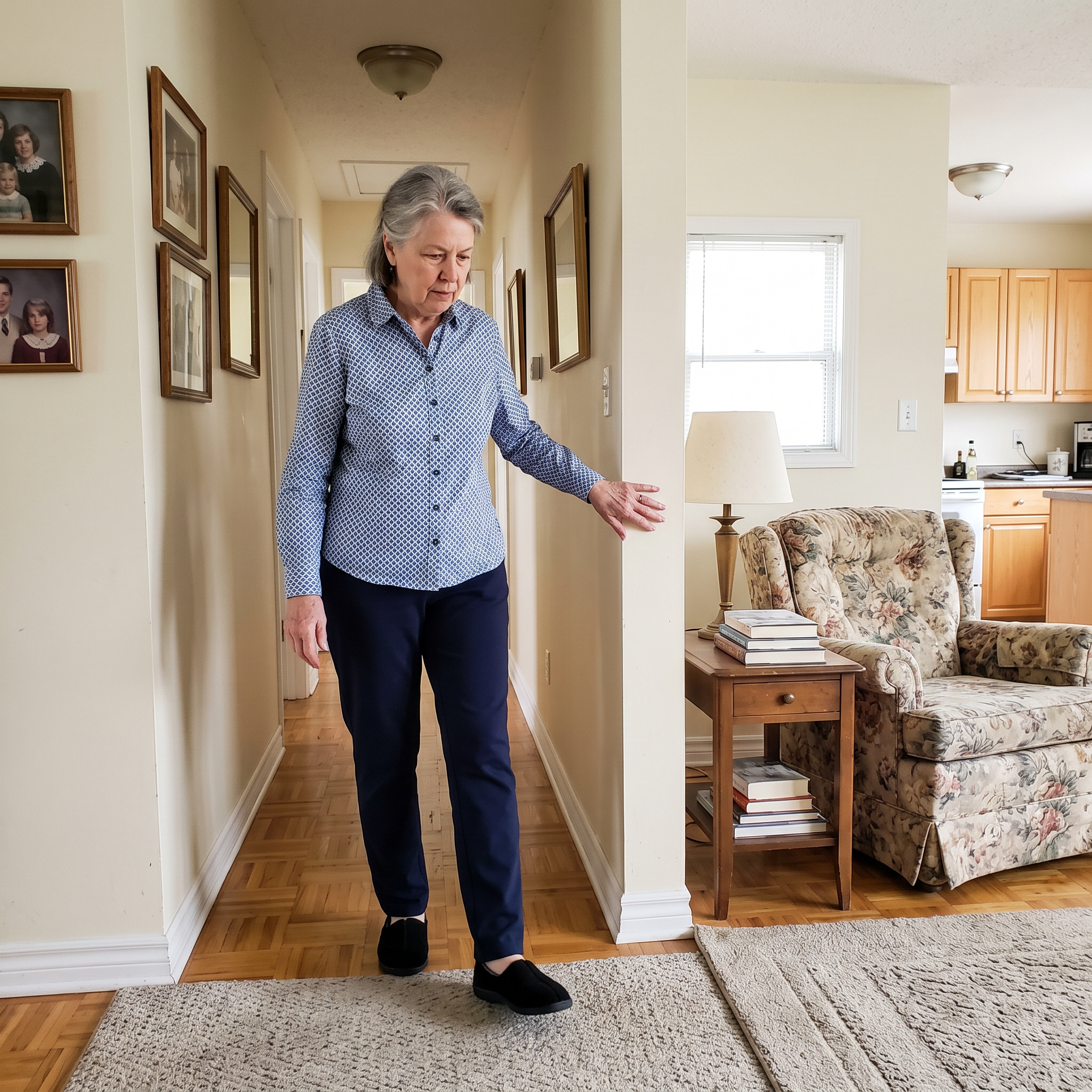
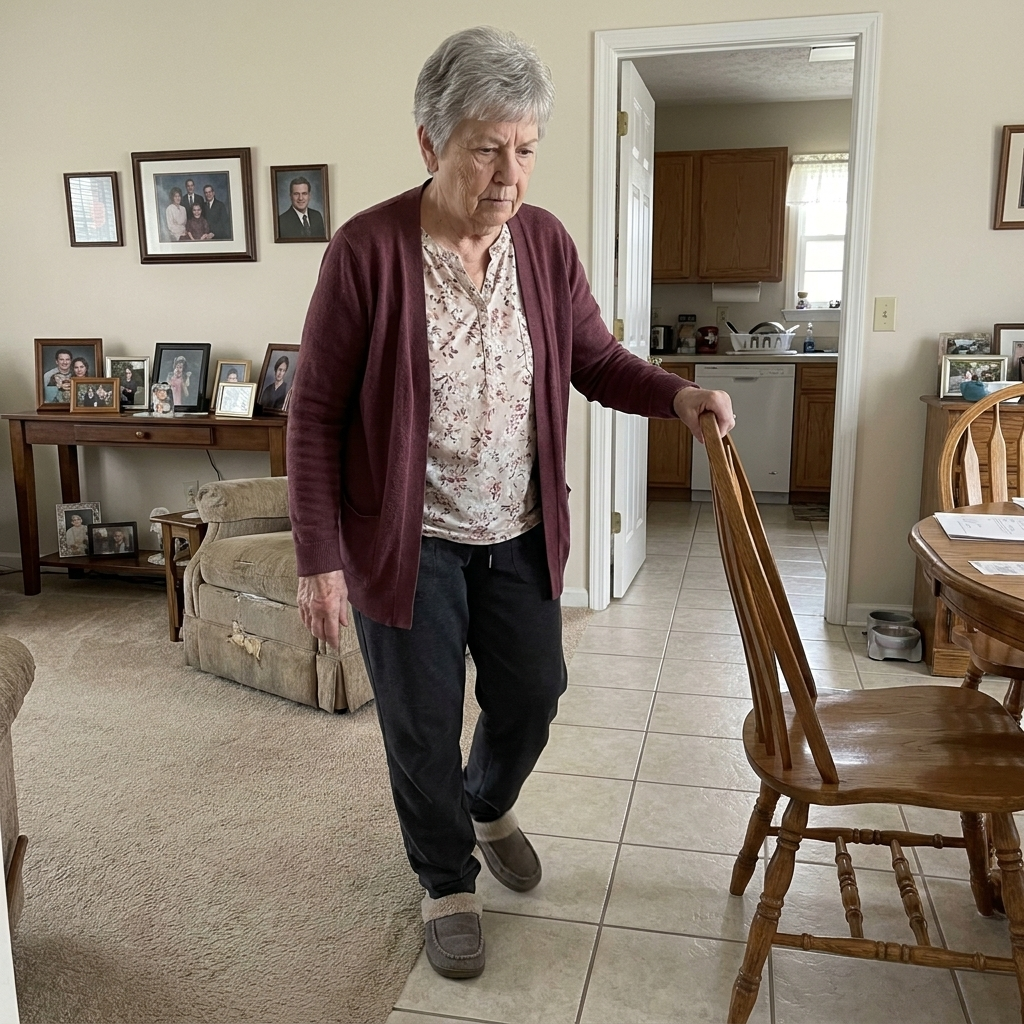
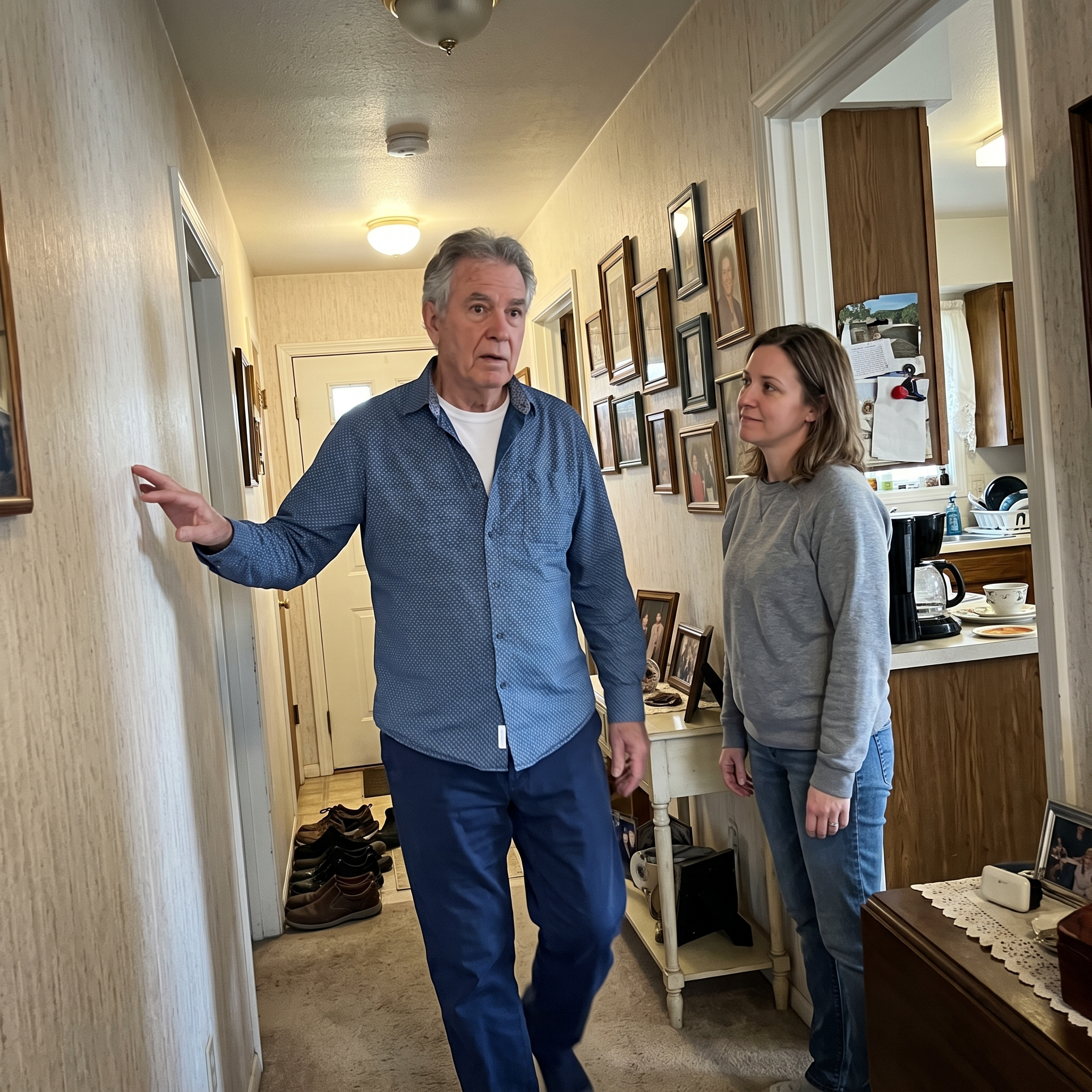
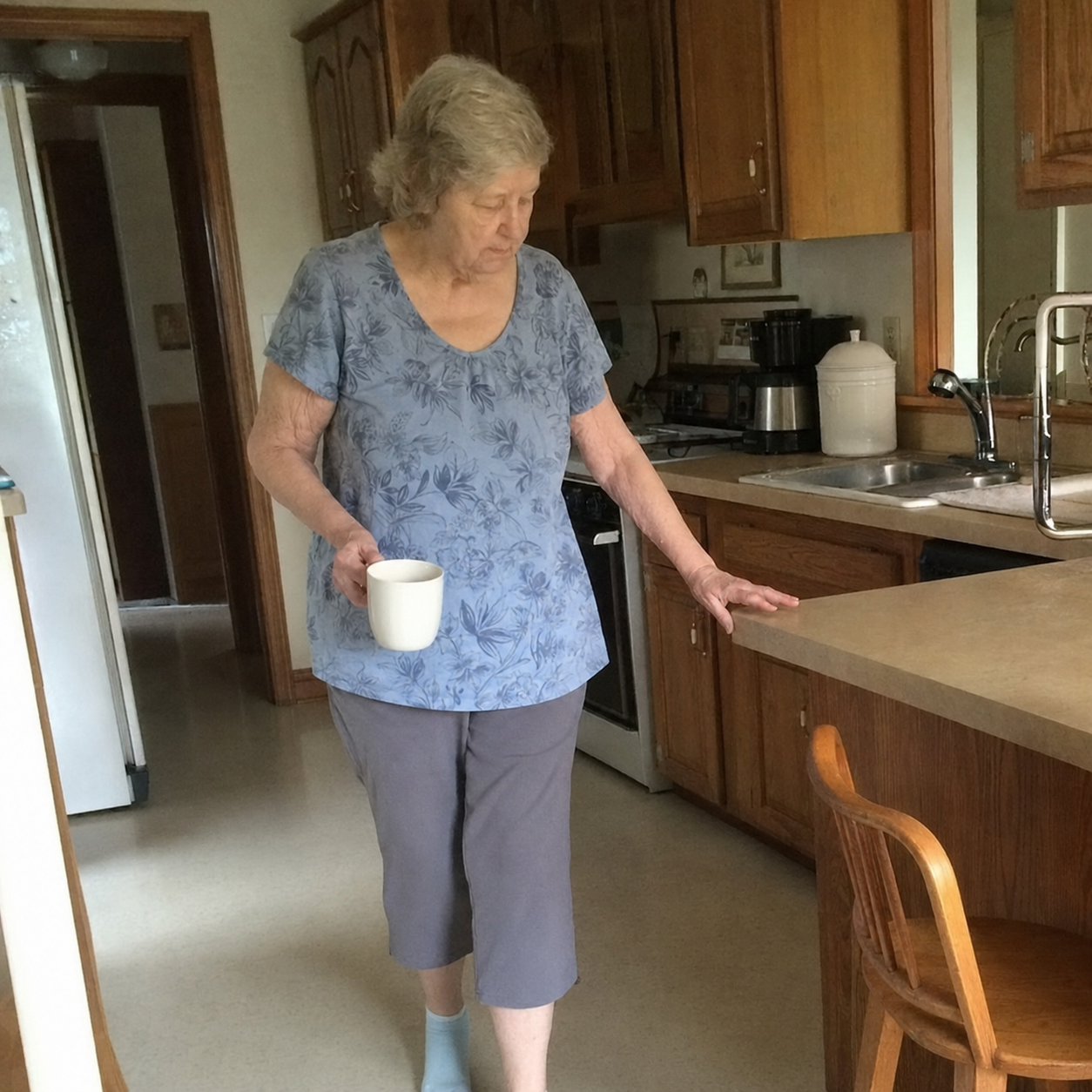
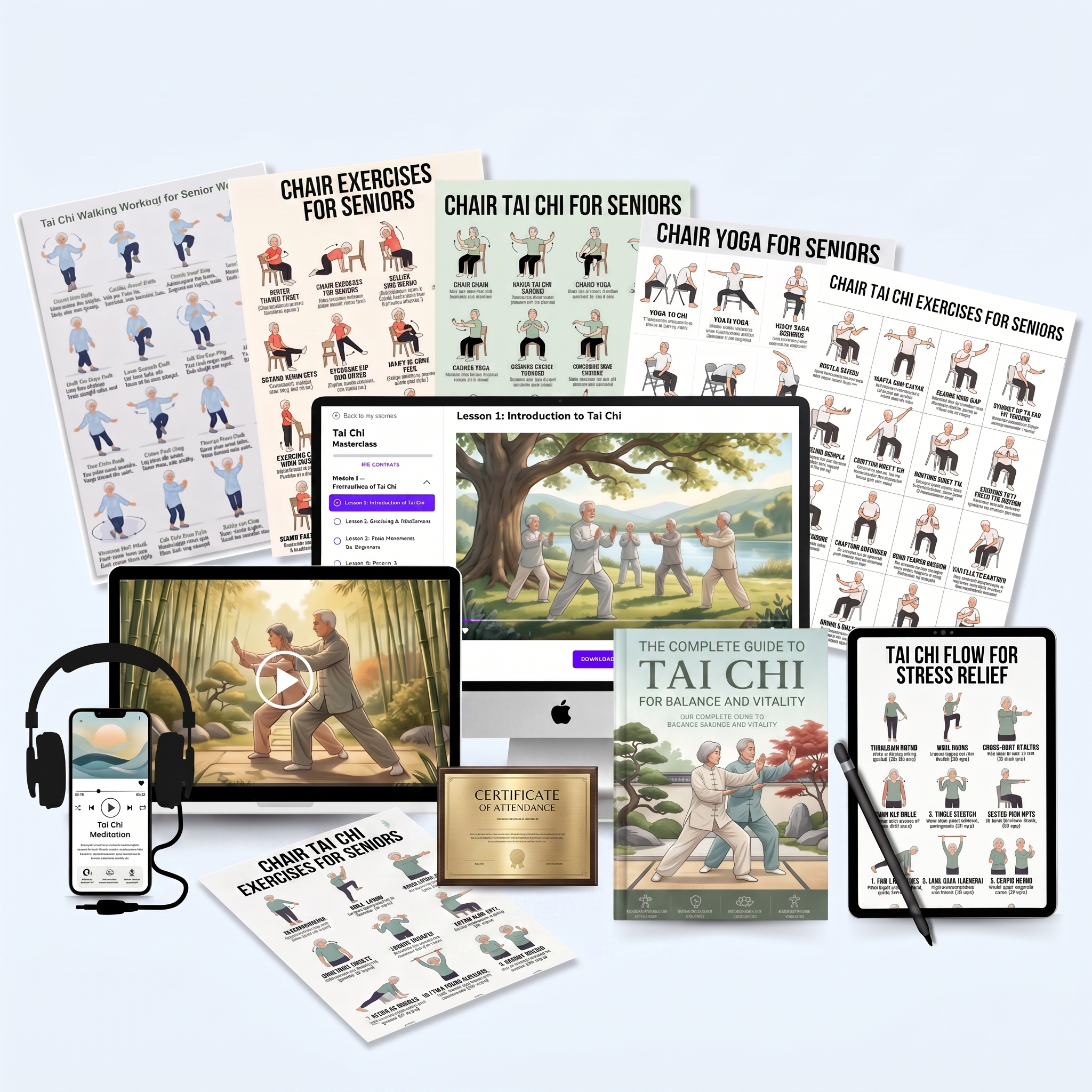
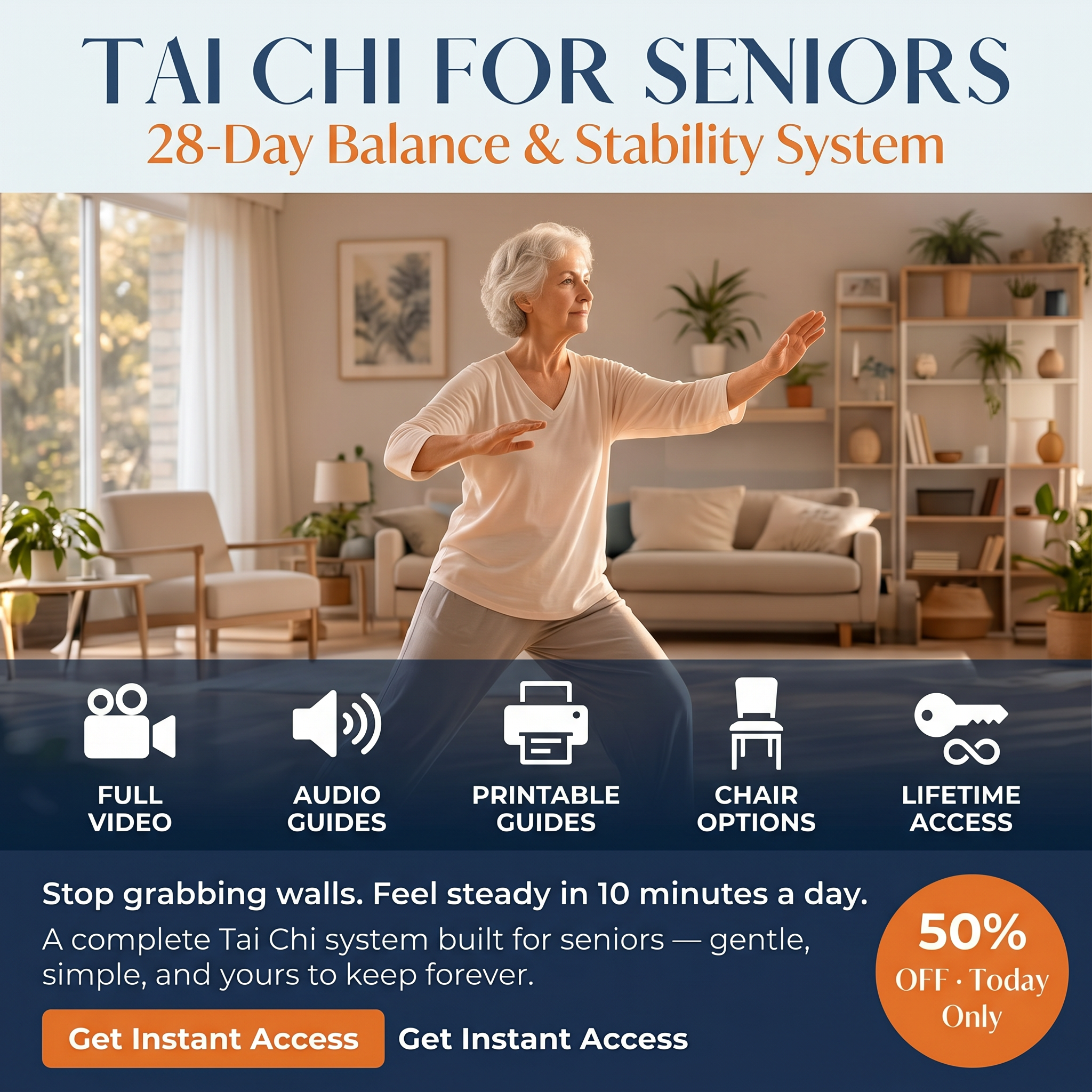
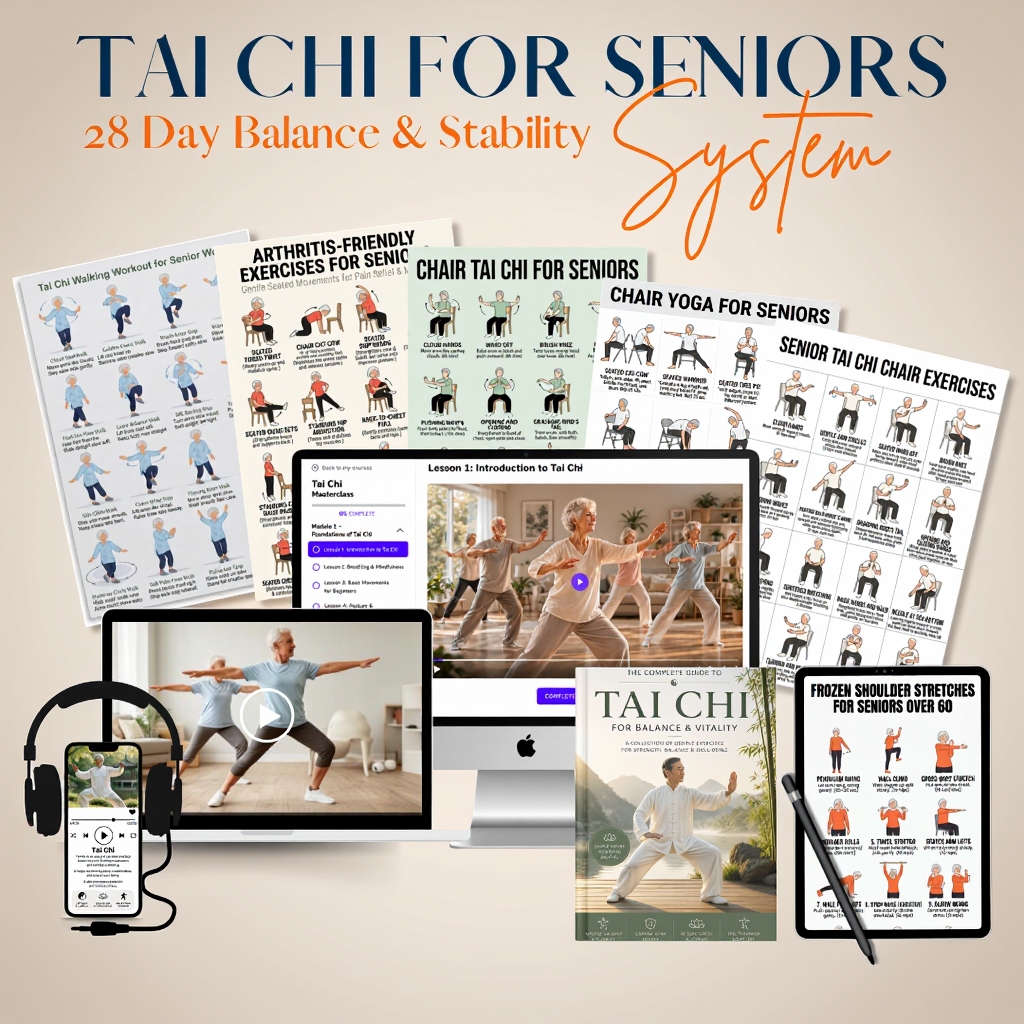
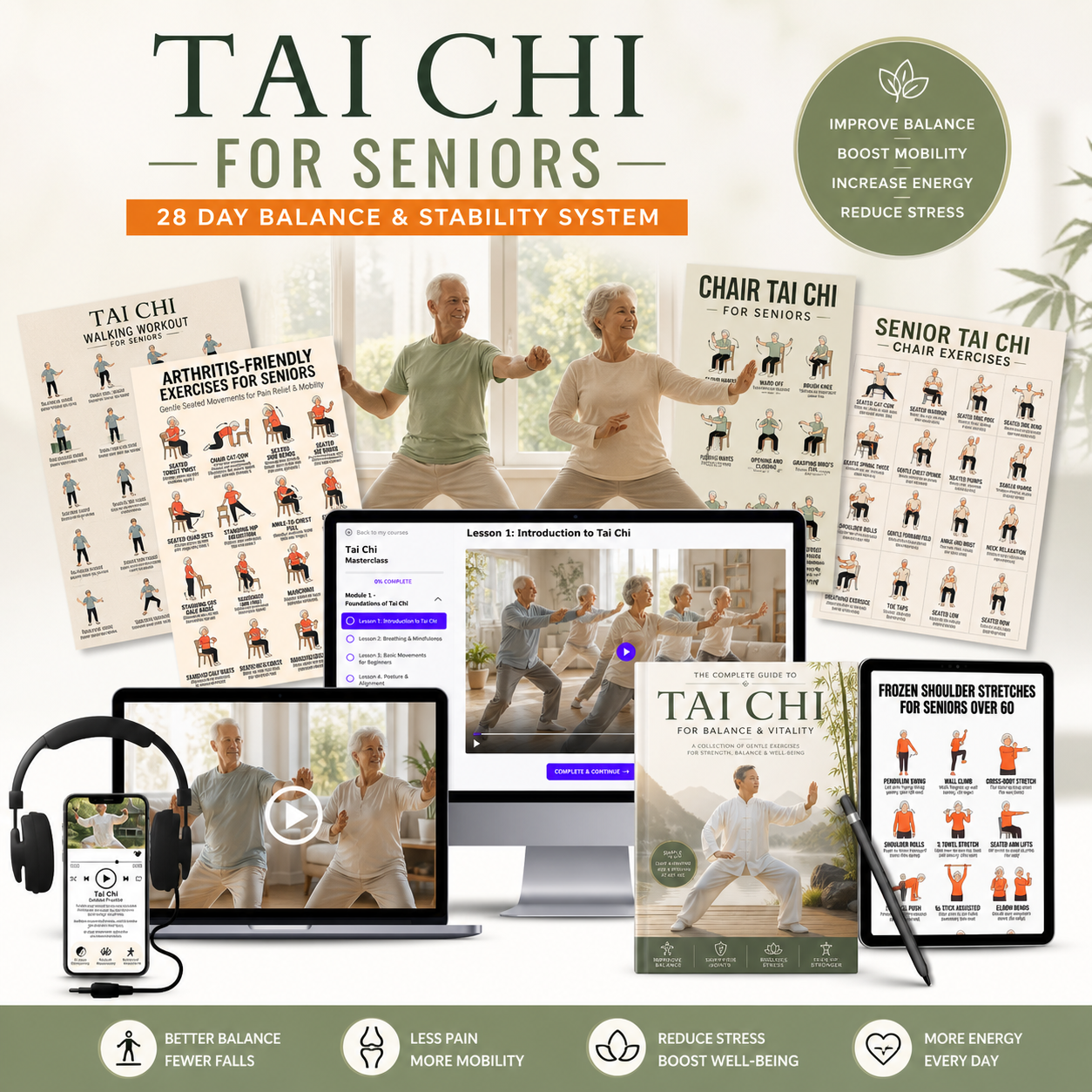
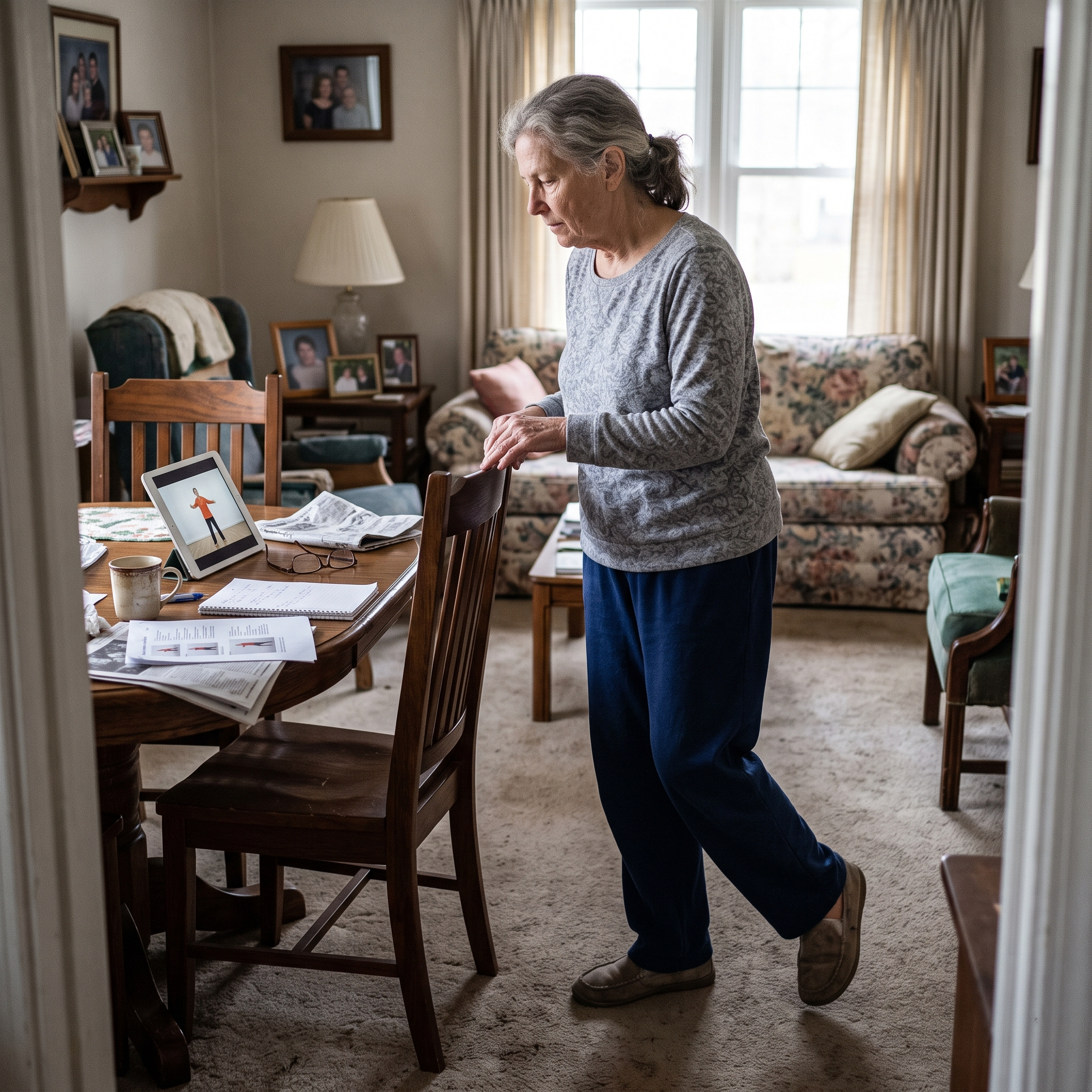
The sentence that changed the way I teach Tai Chi wasn’t: “I don’t like exercise.” It was: “I’m afraid exercise will make things worse.” At first, I thought she was making an excuse. She wasn’t. She had tried exercising before. More than once. A walking program that made her knees ache for the rest of the day. A senior fitness class that moved so quickly she spent most of the time trying to catch up. An online workout described as “gentle” that included deep bends, fast transitions and movements she did not feel safe attempting. And a chair exercise video that suddenly asked her to stand, twist and balance without support. So when someone suggested trying another program, her answer was always the same: “I’d rather not risk it.” That sentence stayed with me. Because she wasn’t lazy. She wasn’t uninterested in her health. And she certainly wasn’t unwilling to make an effort. She was protecting herself. She knew what it felt like to wake up with stiff knees. To feel a sharp pull when turning too quickly. To spend the rest of the afternoon recovering from an exercise that was supposed to help. She had learned to associate movement with uncertainty. Would this hurt? Would I lose my balance? Would I be able to get back up? Would the instructor suddenly move faster? Would I be told to “push through it”? So she did what many older adults do. She avoided formal exercise. She walked around the house. Did the shopping. Carried laundry. Worked in the garden when she felt able. And told herself that everyday movement was probably enough. But underneath that decision was a quiet frustration. She wanted to feel stronger. She wanted to move more freely. She wanted to do something positive for herself. She simply did not trust the exercise programs available to her. I began noticing the same concern again and again. People would say: “I know I should exercise, but I don’t want to damage my knees.” “My back is already sensitive.” “I can’t get down on the floor.” “I don’t want anything that makes me dizzy.” “I need something that starts slowly.” And often, the programs they had tried were not truly designed around those concerns. They were simply ordinary workouts with the word “senior” added to the title. The instructor was younger. The pace was faster. The movements assumed good balance. The transitions happened without warning. And the phrase “listen to your body” was often the only modification offered. But listening to your body is difficult when you are also trying to remember the movement, watch the screen, keep up with the instructor and avoid losing your balance. That is where many people lose confidence. Not because they are incapable of moving. Because the exercise asks too much, too soon. A movement can be simple for one person and still feel intimidating to another. Standing with the feet close together. Turning without holding anything. Bending the knees deeply. Shifting weight quickly. Lifting one foot before feeling stable on the other. None of these movements looks dramatic. But when someone already feels stiff, cautious or uncertain, they can create tension before the exercise has even begun. The shoulders tighten. The breath becomes shallow. The knees stiffen. The person rushes through the movement just to finish it. And once movement becomes tense, it often stops feeling gentle. That is one reason Tai Chi can be approached differently. The goal is not to force the body through a large range of motion. It is not to move quickly. It is not to complete as many repetitions as possible. And it is not to ignore discomfort in order to prove that you are working hard. Tai Chi begins with control. A smaller movement can still be useful. A slower weight shift can still be practice. A chair can remain beside you. A routine can be adapted without turning it into a failure. Instead of suddenly lifting one foot and hoping the body follows, you practise gradually settling your weight onto the supporting side. Instead of twisting quickly, you turn within a comfortable range. Instead of deep bending, you soften the knees only as much as feels manageable. The movement is adjusted to the person. The person is not forced to match the movement. That distinction became one of the foundations of the Tai Chi for Seniors 28-Day Balance & Stability System. It is not an intense fitness challenge. It is not a traditional martial arts course. It does not require floor exercises. And it does not expect you to memorize long or complicated sequences. It is a guided program built around approximately 10 minutes of gentle movement a day. Each day tells you exactly what to practise. You can follow the guided videos. Listen to the audio sessions. Use the printable guides and wall chart. And every routine includes a chair-friendly option, so you can begin with support nearby and adapt the movement to your current comfort level. You do not have to keep up with a class. You do not have to move through pain. You do not have to bend deeply. You do not have to stand for the entire routine. And you do not have to feel embarrassed for choosing the easier version. There is no crowded gym. No instructor shouting encouragement. No complicated equipment. No monthly membership. And no subscription that quietly renews. You receive lifetime access with one payment. The goal is not to turn exercise into another test you have to pass. The goal is to give you a calmer way to practise movement. To explore a weight shift without rushing. To move the arms without straining the shoulders. To soften the knees without forcing them. To practise standing and turning with support available. And to finish a session feeling that you worked with your body instead of against it. The program also includes a progress tracker, a practical fall-prevention guide, a five-minute routine for days when you want something shorter and printable materials you can keep beside you while practising. You can watch on a computer or tablet. Listen on your phone. Or practise using the printed guides without looking at a screen. And because no routine is suitable for every person, the program is protected by a 30-day money-back guarantee. Go through the lessons. Try the movements at your own pace. Use the chair-friendly versions whenever needed. Stop or adapt any movement that does not feel right for you. And if the program is not the right fit, send us an email within 30 days. The important thing I learned is this: Many older adults are not avoiding exercise because they do not care about their health. They are avoiding exercise because previous programs taught them that movement might lead to pain, strain or embarrassment. One sore knee. One fast transition. One routine that was supposed to be gentle but was not. And eventually, “I should exercise” becomes: “Maybe it is safer if I don’t.” But safe movement does not have to mean doing nothing. It can mean moving more slowly. Using a chair. Reducing the range. Practising one controlled shift at a time. Stopping before strain replaces control. And choosing a program that respects where you are starting. You do not need to keep up. You do not need to prove anything. And you do not need to push through pain. You simply need a calm system that gives you permission to begin gently. Ten minutes at a time. One comfortable movement at a time. One day at a time. Discover the 28-Day Tai Chi for Seniors Balance & Stability System here: https://taifuture.com/
A Gentle 10-Minute Routine for Stiff or Sensitive Joints
Chair-friendly Tai Chi for seniors. Gentle guided movements, printable resources and lifetime access.
LEARN MORELike this ad? Make it yours.
Crush rebuilds this exact creative around your product — your brand, your colors, your offer — in about a minute.