
Active· since Jul 28, 2026
- 50
- days running
- 0
- relaunches
Ad copy
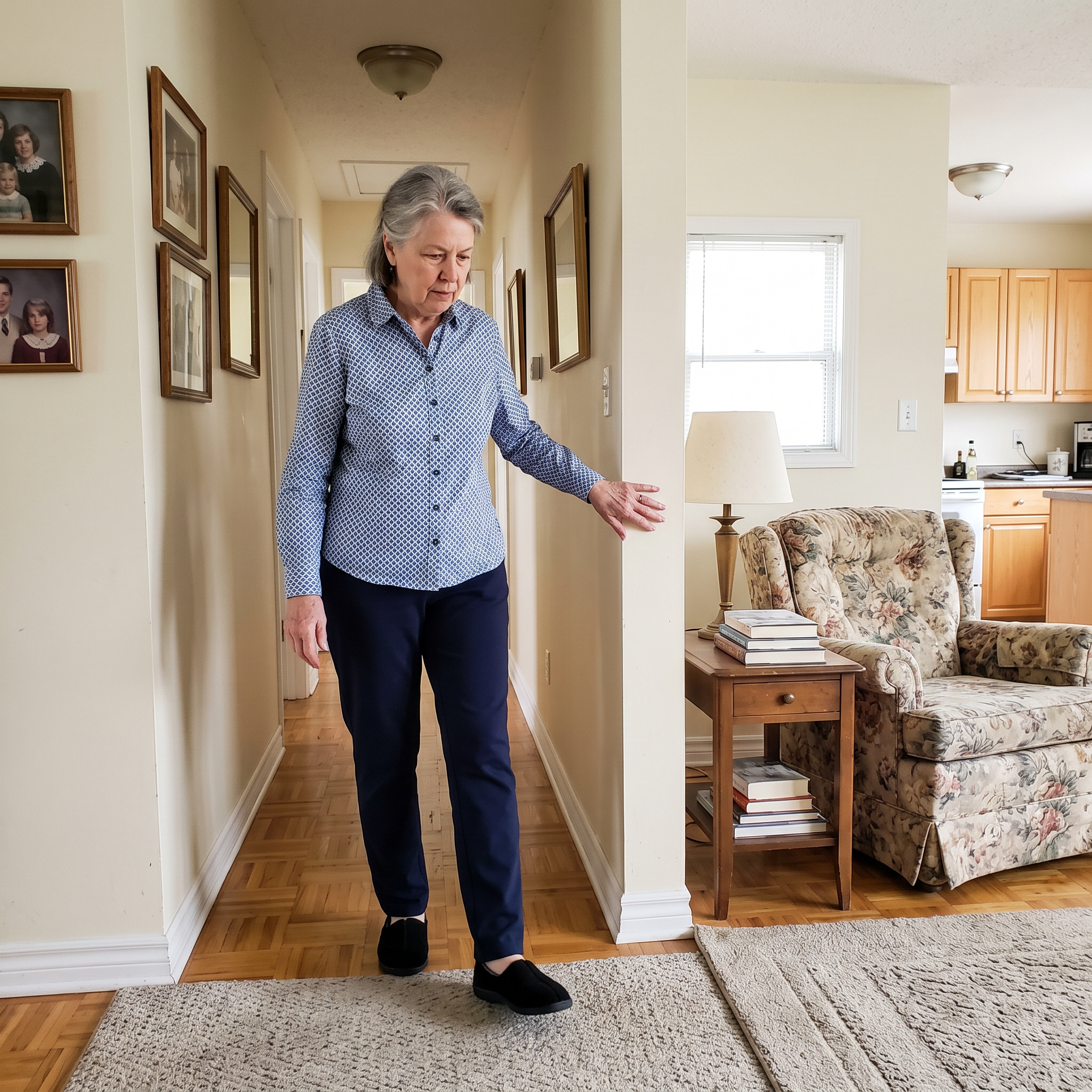
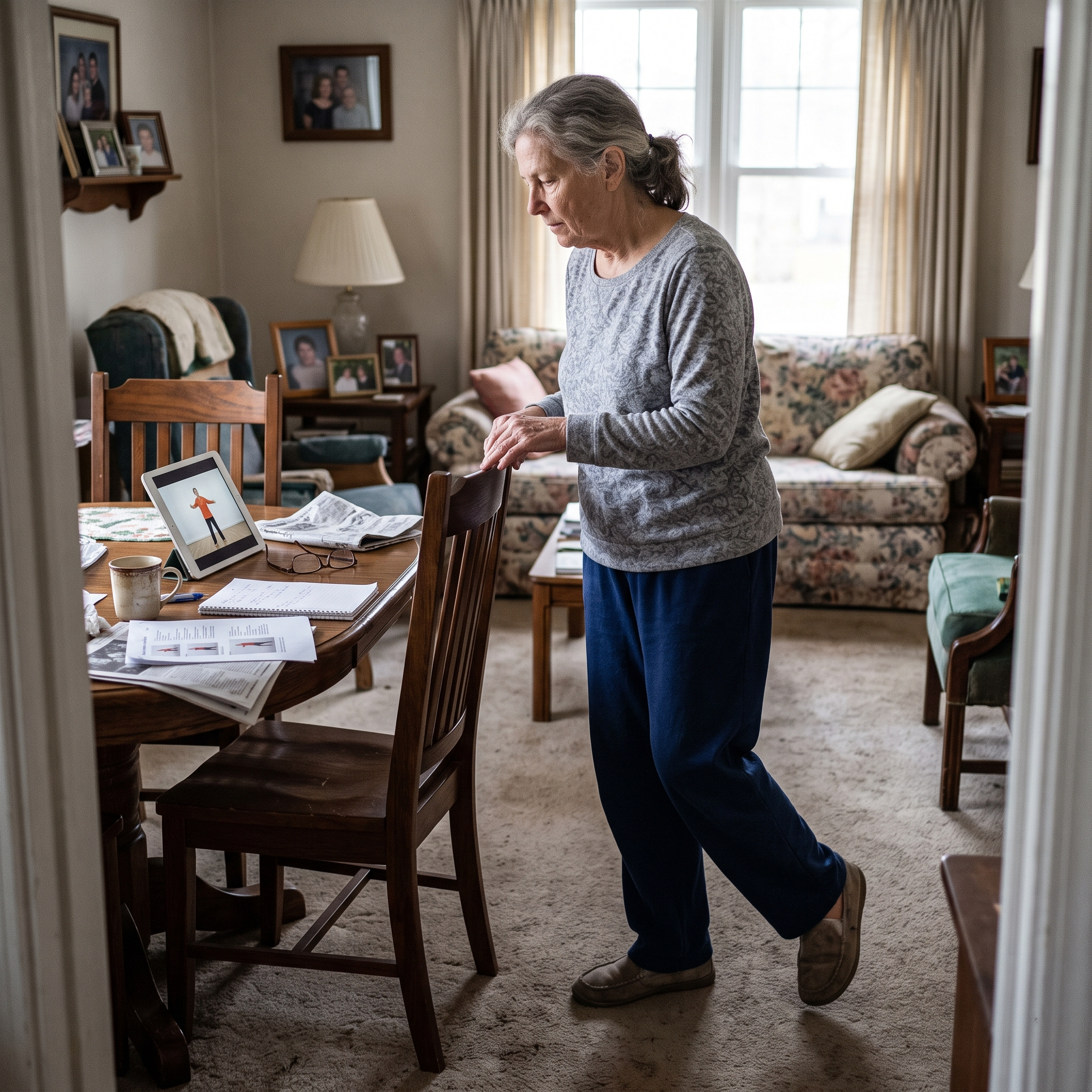
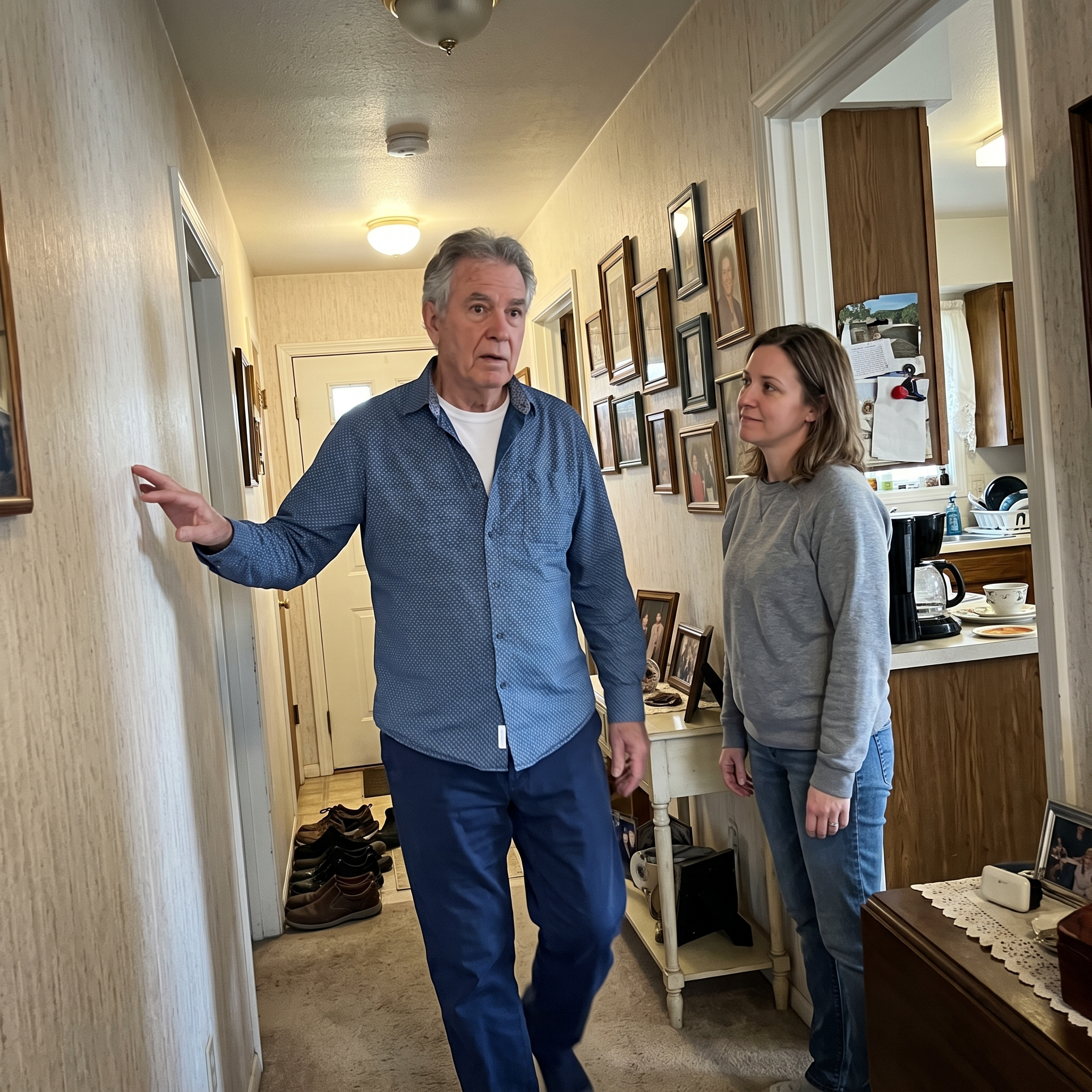
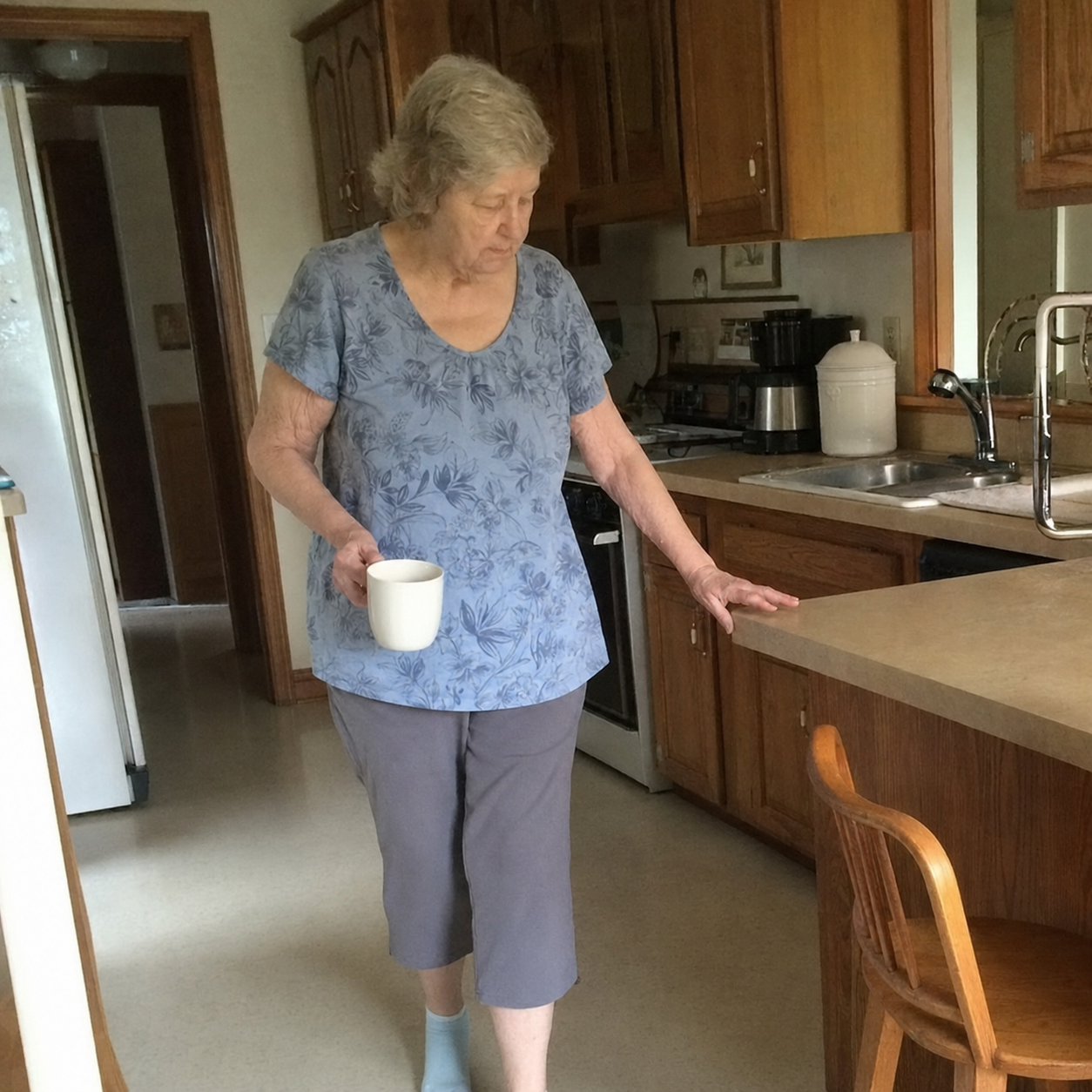
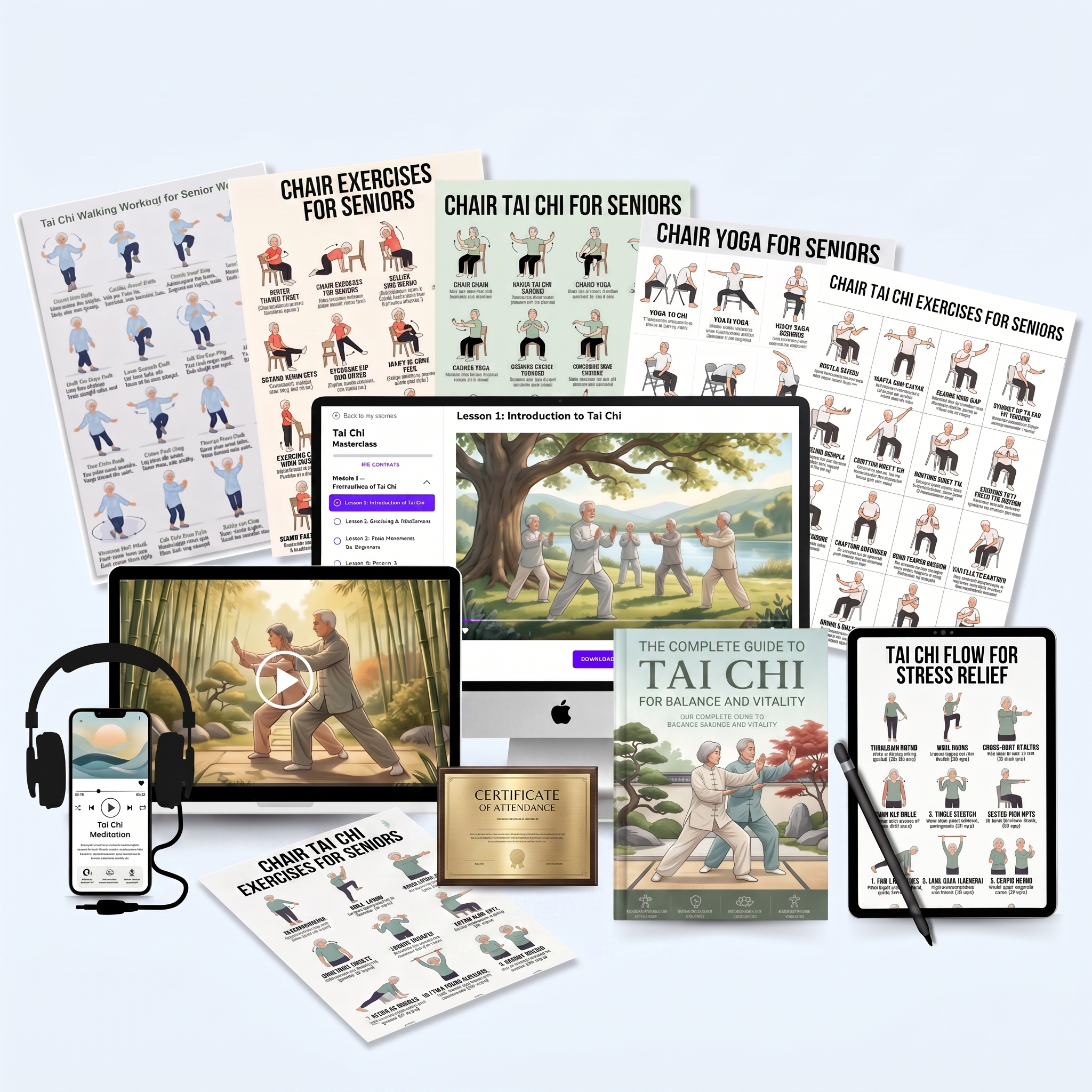
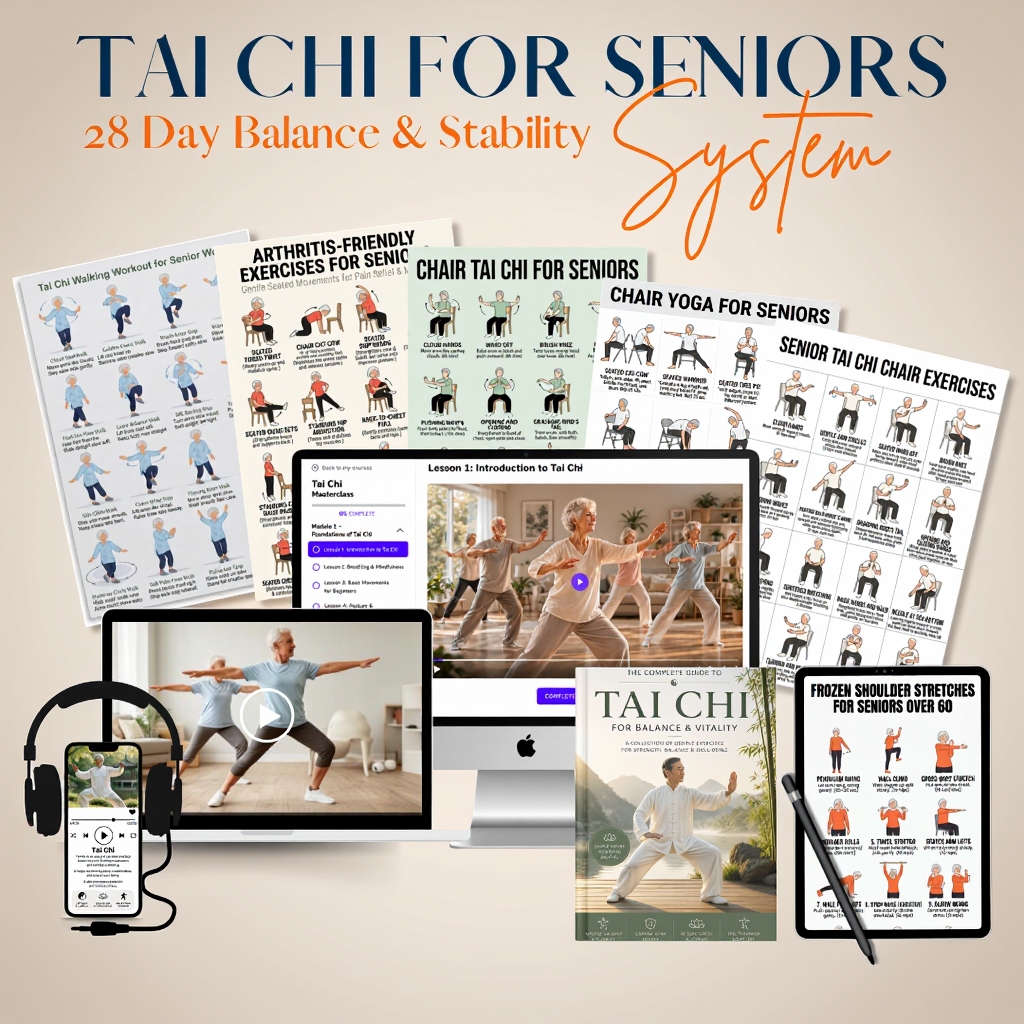
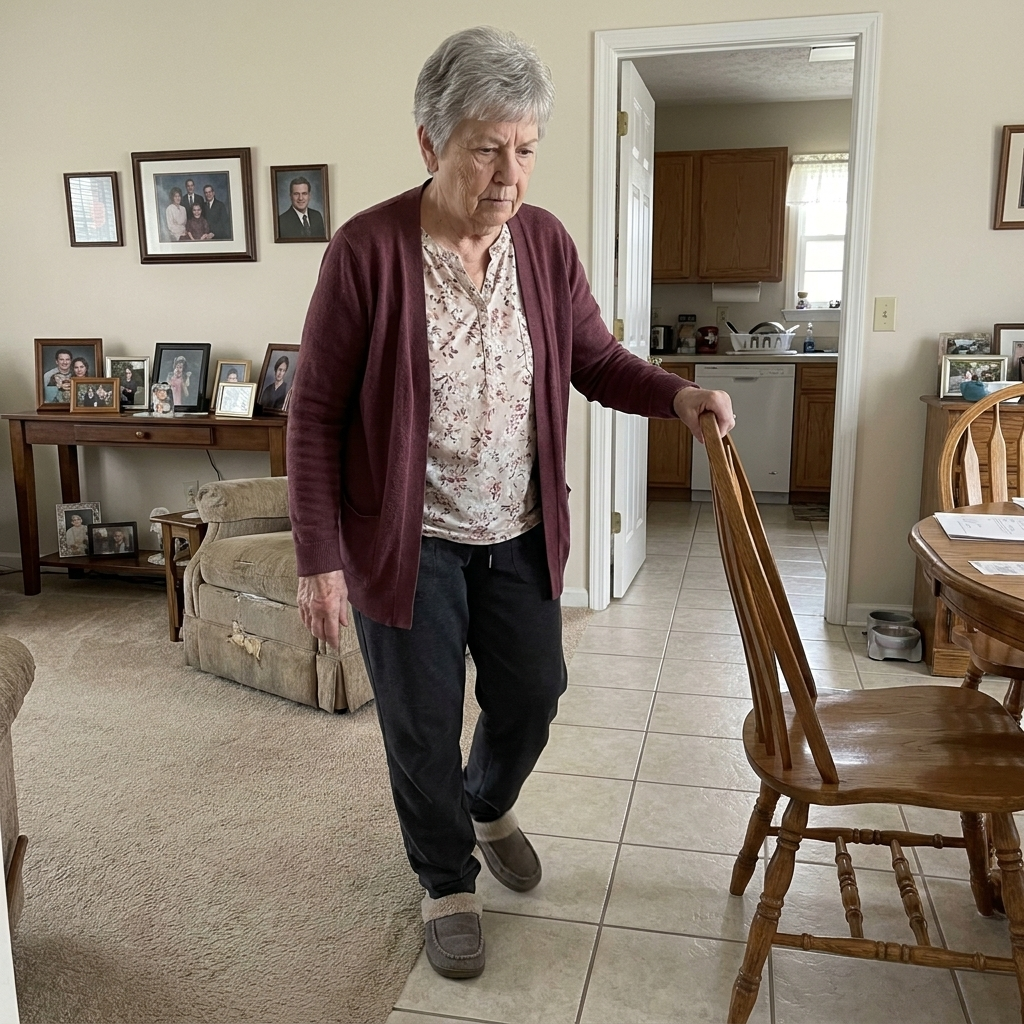
Are You Ever Embarrassed By Having To Clutch Your Furniture For Balance? By David, Senior Balance Specialist Let’s be completely honest with each other. If you are currently clutching your kitchen countertops, running your fingertips along the narrow hallways, or grabbing the sturdy back of your living room sofa just to move safely around your own home... Please know this: You are not crazy. You are not weak. And you are definitely not alone. Many seniors quietly worry about their balance every single day, keeping this deep, silent anxiety completely locked away from their adult children and loved ones. You watch yourself grab the bathroom sink a little tighter. You find yourself touching the wall, using it as a careful, quiet guide to get from the bedroom to the bathroom in the middle of the night. You start realizing that your own house—the place where you raised your family, the place you know better than anywhere else on earth—has slowly become a dangerous maze that you no longer feel safe navigating. So you do what any intelligent, independent person does. You look for solutions. You spend your hard-earned money trying to fix the problem before an accidental stumble forces the issue. I know, because I watched my own mother go through the exact same exhausting, frustrating cycle. First, we bought the walking sticks. We spent money on generic walking canes, hoping they would give her the security she needed to walk upright. But those canes quickly ended up propped in the back of her closet, or left collecting dust in the umbrella stand. Why? Because carrying a cane in public felt like an embarrassing, highly visible admission of physical frailty. Every time she held it, she felt like she was telling her neighbors that her body was getting less reliable each month. So she tried a local senior fitness class at her neighborhood community center. It was advertised as a safe, low-impact way for older adults to rebuild strength. But the reality was a complete nightmare. The music was loud, the pacing was incredibly fast, and the movements were full of complex transitions. She felt completely out of place, surrounded by younger people in tight clothes. She tried to keep up, but the jerky, rapid movements severely strained her knees and lower back. She woke up the next morning in physical agony, so stiff and inflamed she could barely stand up from her bed. She abandoned the class after just two sessions, feeling more vulnerable and fragile than before. Finally, after a near-miss slip on a wet tile floor, her primary care physician prescribed several weeks of clinical physical therapy for balance. We paid the expensive out-of-pocket co-pays. She did the leg lifts. She squeezed the rubber balls. And while it helped slightly during the sessions, the moment her insurance coverage ended, the clinical support stopped. Without a sustainable, daily program she could easily follow at home, she quickly regressed. Within a month, she was right back to "furniture cruising" along the corridors, her hands constantly tracing the plaster. We spent months, did the therapy, tried the classes, and bought the equipment. Nothing worked. Every single step she took across the linoleum still looked incredibly tentative—like she was walking on thin ice inside her own home. The walls in her narrow hallway even began showing faint, smudged marks from where she had to use her palms to keep her upright posture. It is a terrifying, helpless feeling. You look at those smudges on your walls, and a cold wave of anxiety hits your chest. You start realizing that if you don't find something that actually works, you are going to lose your physical autonomy. You worry that one day, you will be forced to leave your beloved home, pack up your life, and move into an assisted living facility or a nursing care home. But here is the truth that no doctor or trainer is telling you: It is not your fault. The reason these solutions failed you is not because your body is "too old," or because your balance is permanently broken. It is because every single one of those standard treatments was trying to solve the completely wrong problem. The Hidden Pattern of Failure After the physical therapy sessions ended and my mother's balance continued to slide, I stopped listening to commercial fitness ads and started reading actual clinical research. And that is when I discovered a massive, fundamental mistake that almost every traditional balance program makes. Walking sticks, generic senior aerobics, and standard physical therapy all share the exact same flawed approach: They treat balance as a problem of raw muscle strength. They assume that if they can just make your thighs stronger, or give you a stick to lean on, you will stop wobbling. But balance is not a muscle problem. Balance is a sensory problem. Think about it this way: Your body has an internal, biological GPS system. This system relies on three separate teams working together to keep you upright: your eyes, your inner ear (the vestibular system), and thousands of tiny, microscopic nerve endings lining the soles of your feet and ankle joints, called proprioceptors. These proprioceptors are your body's landing sensors. Every micro-second you walk, they send electrical signals directly to your brain, telling it exactly where your feet are, how the ground feels, and how much your ankles need to flex to keep you level. If those sensors are working perfectly, your brain instantly coordinates your hips and knees, allowing you to walk upright with complete, unthinking confidence. But as we age, something quiet and dangerous happens to these sensors. Because we spend decades walking on perfectly flat, level indoor floors—concrete, linoleum, and hardwood—our ankle joints stop having to adjust to uneven terrain. On top of that, we wear highly cushioned modern shoes that completely insulate the soles of our feet from the ground. Without any varied terrain to stimulate them, these tiny balance sensors have nothing to do. And just like a muscle that never gets used, they undergo a process called Ankle Sensor Sleep. Your balance receptors literally go to sleep. The communication line between your feet and your brain goes dead. Your brain is suddenly forced to walk completely blind, unable to sense the exact positioning of your ankles or toes in space. And when your brain is forced to walk blind, it activates a primitive, automatic survival reflex to keep you from tipping over: It stops you from lifting your feet. Your brain purposefully forces you to drag your steps, shortening your stride and keeping your feet as close to the floor as possible. This is the exact biological cause of the shuffling gait. It is not an inevitable, unfixable disease of turning 70. It is a protective reflex of a blind brain trying to keep its contact with the ground. But shuffling creates a dangerous paradox. Because your toes are dragging, you are far more likely to trip over minor obstacles—like a door threshold, a loose cord, or the edge of a throw rug. Now, think about the solutions you've tried. A walking cane does absolutely nothing to wake up the sleeping nerves in your feet. It is simply a passive, external crutch. Generic senior aerobics are too fast and jerky. Trying to perform rapid movements when your foot sensors are asleep is like trying to run on ice—it triggers "Sympathetic Shock," tensing your joints and causing the very injuries you are trying to avoid. And short-term physical therapy sessions are too brief to rewire a lifelong sensory habit. Every single one of these solutions was trying to brace your body or force your muscles to work, while completely ignoring the dead sensor lines in your feet. To walk steadier, you do not need bigger muscles. And you do not need to rely on a wooden stick. You need a Proprioceptive Receptor Reset. You need to wake those sleeping sensors up. The Empty-Foot Weight Shift: What Makes This Fundamentally Different That was the realization that led me to develop a completely different approach. I knew we had to find a way to safely stimulate those sleeping ankle proprioceptors without putting any jarring impact or stress on arthritic joint capsules. And we had to do it in a way that was simple, respectful, and easy to practice right at home. This is where the ancient biomechanical wisdom of Tai Chi comes in—but modified specifically for the physical realities of the aging body. In regular, everyday walking, most people move forward by using forward momentum. You throw your weight forward, and you try to catch your balance mid-stride as your front foot hits the floor. But if your ankle sensors are asleep, your brain experiences a terrifying split-second lag during this weight transfer. For a fraction of a second, both feet are trying to share your body's weight at the same time during your stride—a state known as Double-Weighting Drift. Because your brain cannot sense where your center of gravity is, your body tilts sideways. You wobble. You panic. And your hand instinctively flies out to grab the nearest wall or countertop to stop a perceived fall. True balance training can only happen when we eliminate Double-Weighting Drift entirely. We do this through a fundamental Tai Chi principle called the Empty-Foot Weight Shift. Instead of throwing your body weight forward, you learn to shift 100% of your weight onto one "rooting" leg first. You feel your weight sink completely into that supporting foot, anchoring you firmly to the earth. Only when your supporting leg is 100% stable does your opposite stepping foot become completely "empty" of weight. Because that stepping foot is completely empty, you can place it forward gently, slowly, and with total control—heel first, then rolling the foot down—without your center of gravity drifting sideways. You step only when the foot is empty. This simple, mindful weight transfer trains your deep postural stabilizers to keep your spine upright, allowing you to take steady, controlled steps without ever experiencing that sideways wobble that forces you to reach for a wall. And we combine this weight-shifting with targeted Ankle Proprioception Pivots—gentle, slow-motion ankle rotations and heel-to-toe rolls performed with the support of a sturdy chair. These pivots act like a direct alarm clock for your sleeping balance receptors. By moving the ankle joint slowly through multi-directional, low-impact angles, you gently stimulate those dormant proprioceptors, sending a rush of sensory data back to your brain. Your brain suddenly "sees" your feet again. The dead communication line is restored. You don't need grueling, fast-paced workouts. You do not need to memorize complicated choreographies or deal with confusing technology. You just need 10 minutes a day of gentle, sensory-focused movement. The 28-Day Transformation Timeline When you wake up those sleeping ankle sensors and master the empty-foot shift, your relationship with gravity changes completely. Here is exactly what you can expect to experience when you begin practicing these simple, daily routines: Day 1: The Initial Awakening The very first time you complete the 10-minute foot and ankle activation routine, a wave of warmth and circulation will flow into your lower legs. You will feel a heightened nerve-muscle awareness in your calves and soles, feeling more grounded and "firm" on your feet than you have in months. Week 1: The End of Shuffling By day seven of practicing the ankle pivots, the neural pathway between your feet and brain begins to reset. Your toes will naturally begin to lift higher with every step, and you will notice you are no longer dragging your feet or shuffling across carpeted thresholds. Week 2: The Countertop Release This is when the real magic happens. As Margaret, age 68, experienced: > "After just 2 weeks, I feel much more stable walking around my house. I'm not holding onto walls anymore." You will find yourself walking from the bedroom to the kitchen without even realizing your hands never reached out to trace the hallway plaster. Month 1: Absolute Walking Confidence After 28 days of progressive weight-shifting, your dynamic balance is fully restored. You will walk with a longer, steadier stride, step off curbs without hesitation, and navigate uneven outdoor surfaces like grass or gravel with absolute, unthinking confidence. The Emotional Breakthrough The constant, quiet dread that has been lingering in the back of your mind for years is finally gone. You no longer avoid outings or decline family visits because of stairs or uneven ground. You feel calm, strong, and completely in control of your own body again. Your independent living status is preserved. You get your freedom back. Introducing: The 28-Day Balance & Stability System Once you understand that balance is a sensory loop—and that shuffling is simply your brain walking blind—the solution is obvious. You need a safe, structured, and respect-driven program designed specifically for the biological needs of older adults. That is why I created Tai Chi for Seniors – The 28-Day Balance & Stability System. This is not a generic, fast-paced gym workout edited by AI with senior models. It is an honest, step-by-step at-home system designed to help you regain your stability, completely safety-first and at your own pace. Here is what is included in the complete system today: * The 28-Day Tai Chi Program: A clear, day-by-day path that takes all the guesswork out of your practice. You will always know exactly what to do each morning. * Guided Video Lessons: Crystal-clear, slow-motion videos led by a calm, respectful instructor. Every movement is demonstrated slowly with large controls, propped up easily on your tablet or TV. * Chair-Friendly Version: Every single routine is fully adapted for seated practice. If you cannot stand for long, have severe knee arthritis, or use a walker, you can complete the entire program safely from your favorite chair. * Printable Wall Chart: Hang it up anywhere. You get large-print, fully illustrated guides so you can follow the entire 10-minute routine with absolutely zero technology or app logins required. * Audio Sessions: Short, guided audio paths so you can practice anywhere, no screens needed. * The Fall Prevention Guide: Practical, clinical tips to make your home environment secure while you retrain your internal balance. * The 5-Minute Quick Routine: For those busy mornings when you are short on time but still want to grease your ankle sensors. A Risk-Free, One-Time Offer I believe in transparency, especially for older adults who are tired of being tricked by digital subscription traps. Most fitness apps lure you in with a "free trial," only to automatically charge your credit card for a full yearly subscription of $150 or more. Our program is fundamentally different. There are no recurring fees, no app store logins, no hidden subscription paywalls, and no auto-renewals. It is a simple, honest one-time payment for lifetime access. You buy it once, and it is yours to keep forever, to use on any device—or no device at all. Normally, the complete 28-Day Balance & Stability System sells for $87. But today, as part of our promotional release to support senior independence, you can get the entire system, including all guides, video lessons, and printable charts, for just $27—a full 70% off. Our Ironclad 30-Day Money-Back Guarantee I want to take 100% of the risk off your shoulders. You can try the complete 28-Day program in the comfort of your own living room. If you do not feel significantly steadier on your feet... if you do not stop clutching your hallway walls... or if you are not completely satisfied with the calm, simple, and respectful instructional tone... Simply send us a quick email within 30 days. We will refund every single penny of your purchase immediately, with no questions asked. You risk absolutely nothing. Either your ankle sensors wake up, your shuffling stops, and you walk down your hallway with upright, steady confidence... or you get your money back. The Choice is Yours I cannot make you click that button. But I can tell you what I wish someone had told my mother before we spent hundreds of dollars on canes and aerobics that failed her. The problem is not that you are "too old" or "too weak." The problem is that traditional exercises cannot wake up sleeping balance sensors in your ankles. Decades of flat floors and cushioned shoes have cut the communication line to your brain, forcing your body to shuffle and sway. Once you understand that biology, the solution becomes obvious: you must reactivate those sensory pathways. That is what our Ankle Proprioception Pivots do. That is what our modified weight-shifting does. You can continue doing what you've been doing. You can keep clutching the countertops, dragging your feet, and quietly worrying about the day a bad fall changes your life overnight. You can watch your independence slip away. Or you can try a safe, respectful, and scientifically proven at-home method that actually addresses the root cause of your instability. You know the truth now. The choice is yours. To your health and independence, David Senior Balance & Stability Creator P.S. — Remember, our 30-day guarantee means you risk $0. If you don't feel a noticeable improvement in your balance and confidence within the first two weeks, we will refund every cent. But when it does work—when those sleeping ankle sensors wake up and you walk down your hallway tall, steady, and free—you will wish you had discovered this simple daily habit years ago.
A 10-Minute Routine for Steadier Steps
Gentle Tai Chi for seniors. Chair-friendly options, printable guides and lifetime access.
SHOP NOWLike this ad? Make it yours.
Crush rebuilds this exact creative around your product — your brand, your colors, your offer — in about a minute.