
Active· since Jul 24, 2026
- 54
- days running
- 0
- relaunches
Ad copy
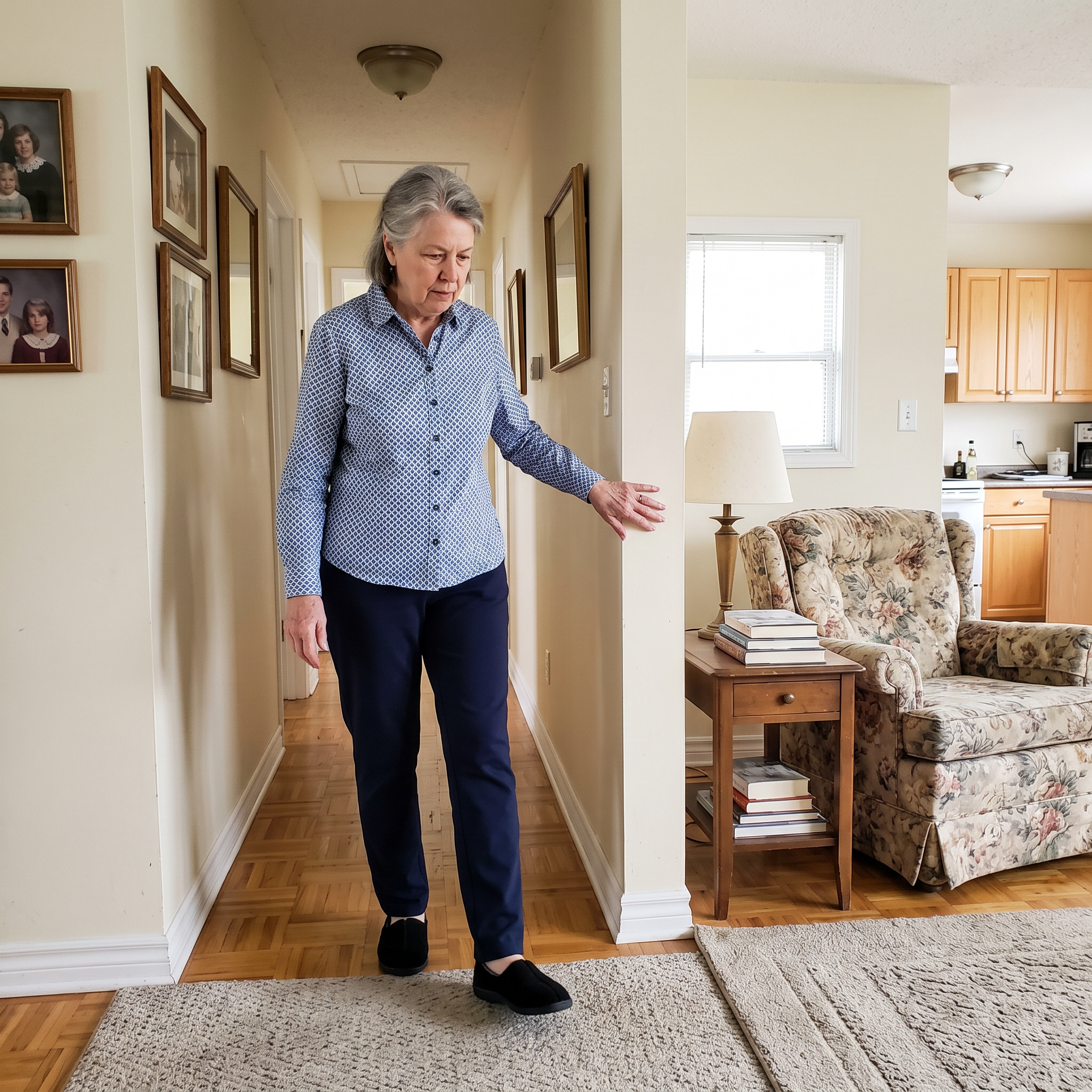
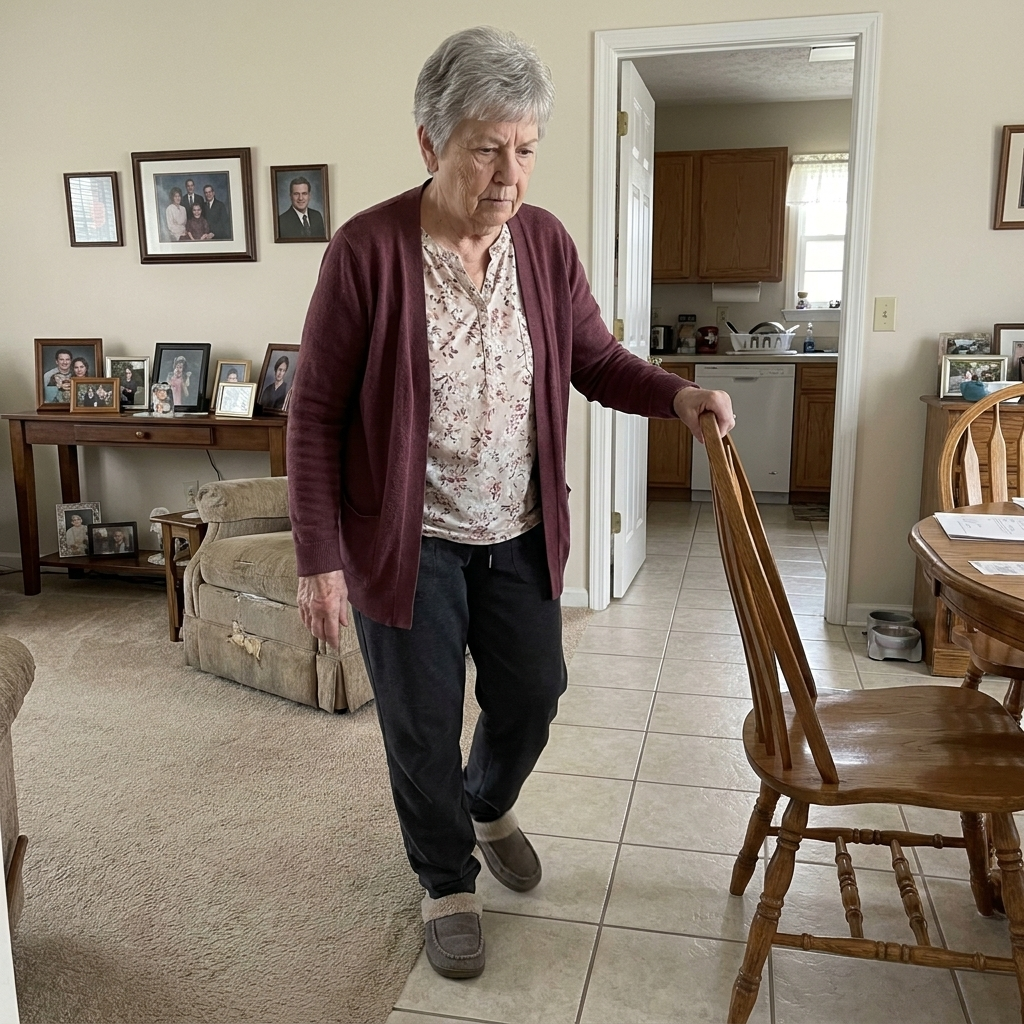
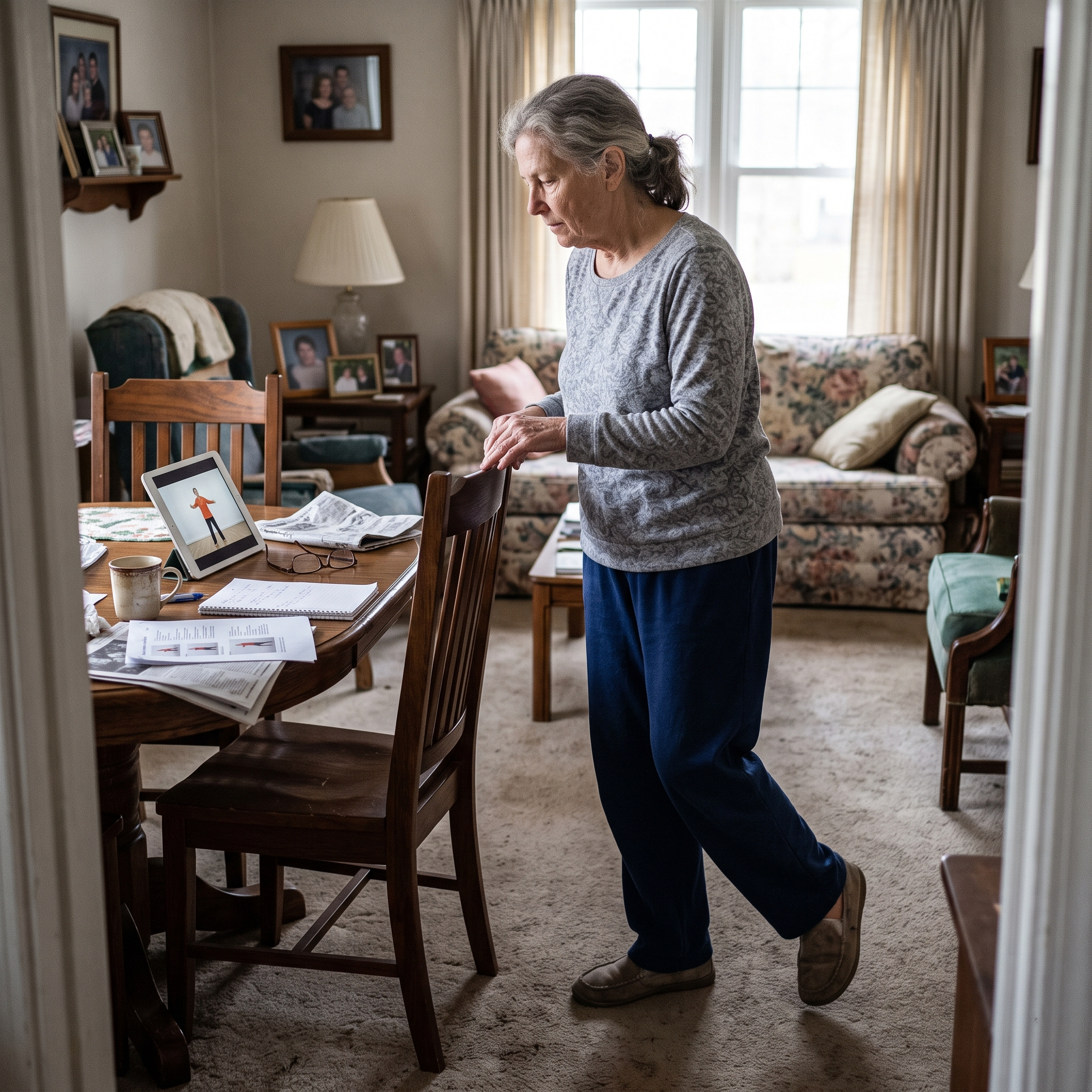
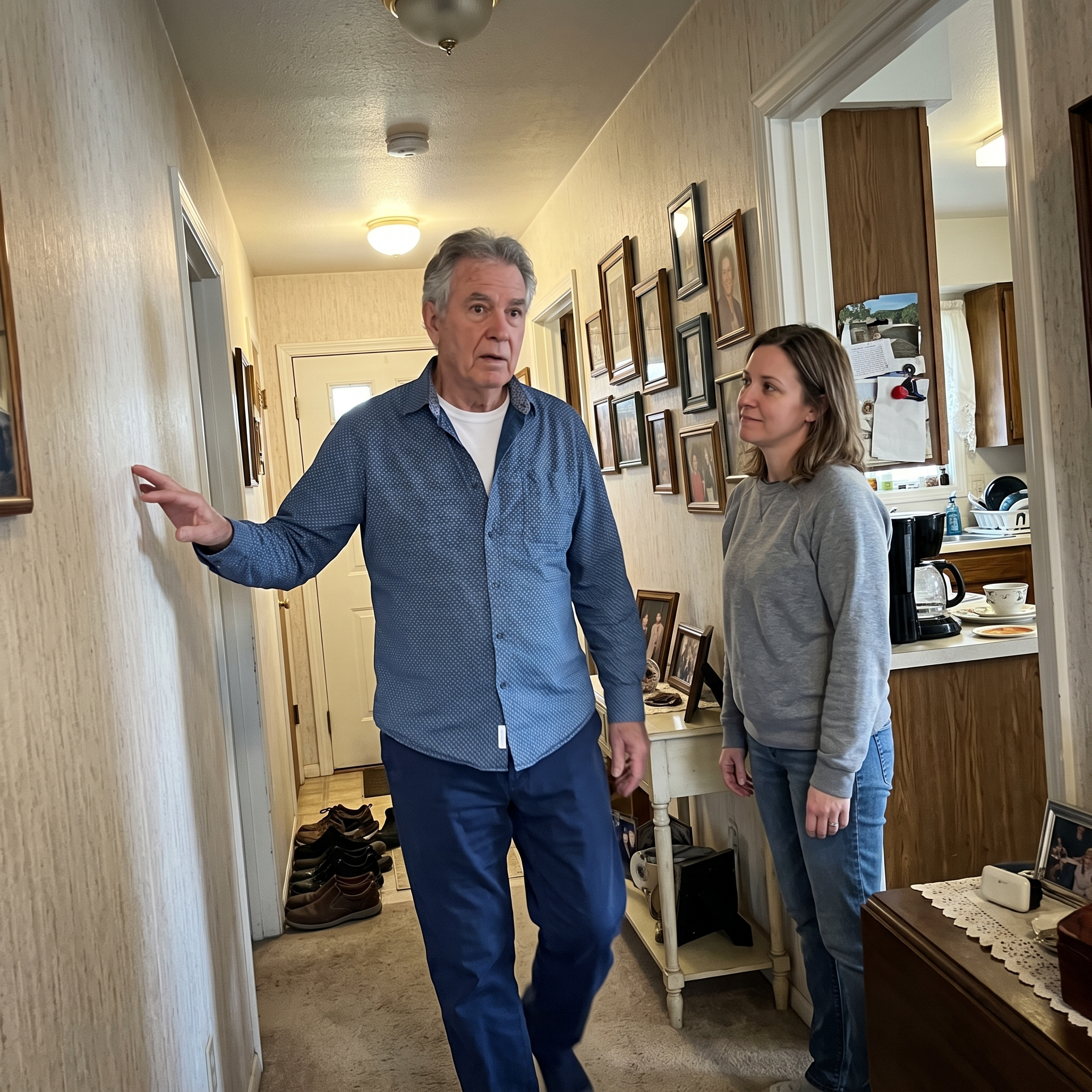
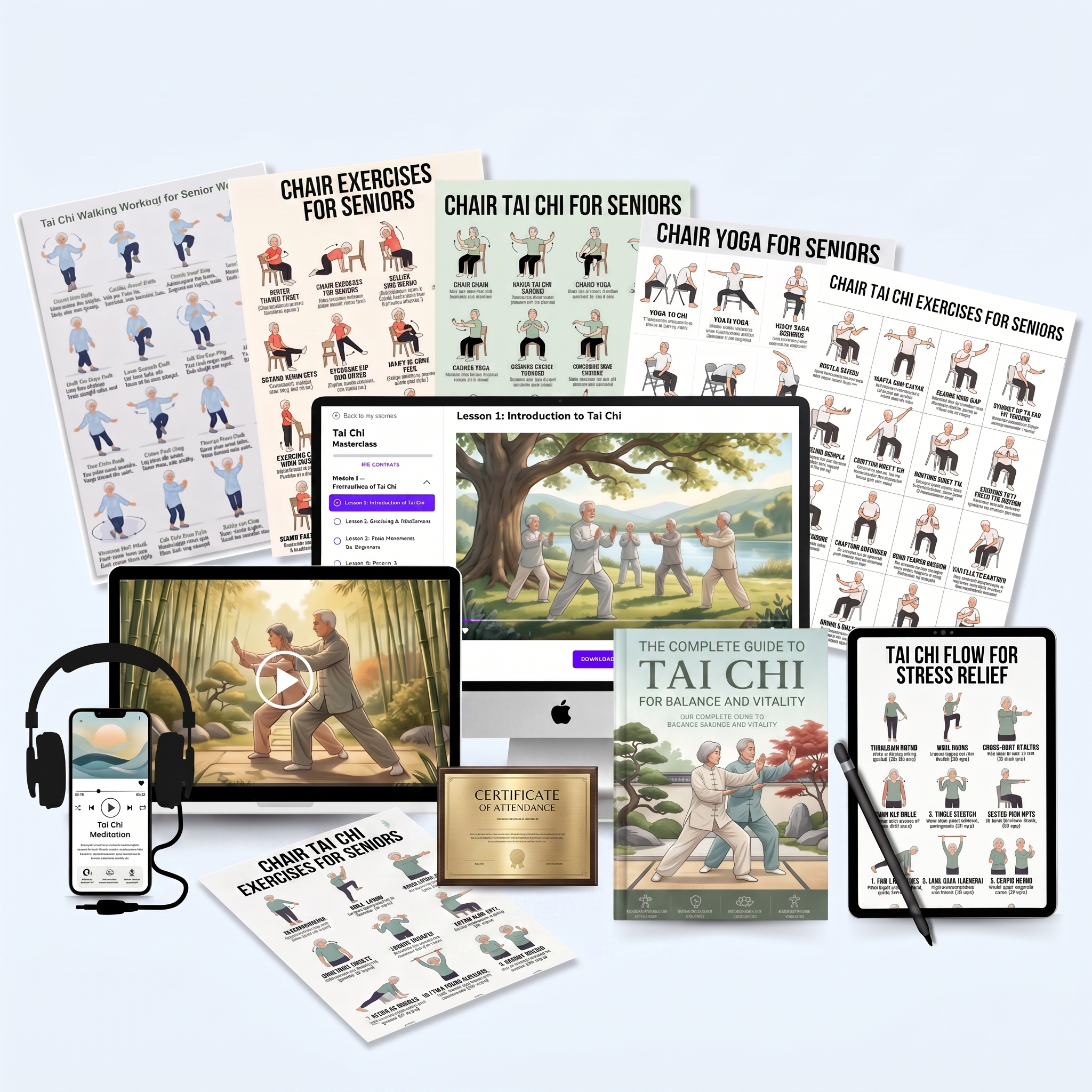
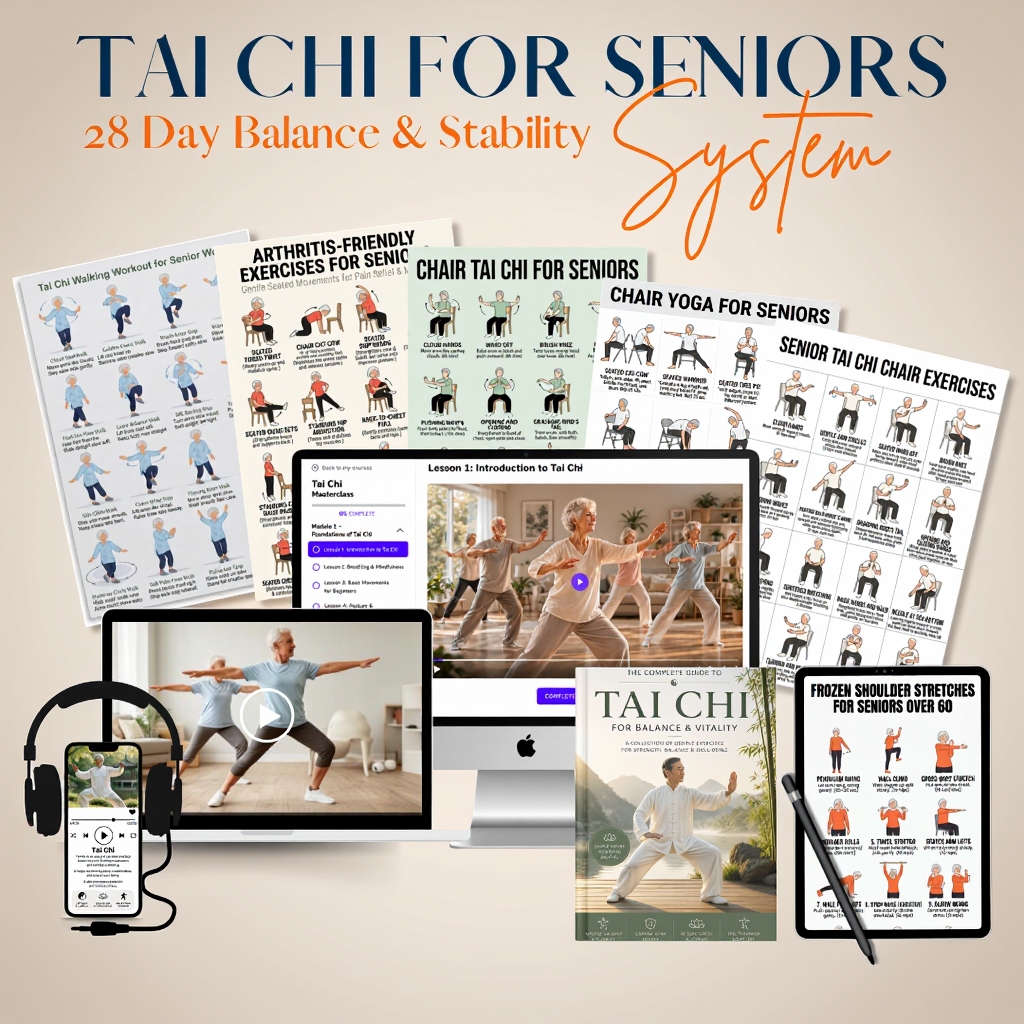
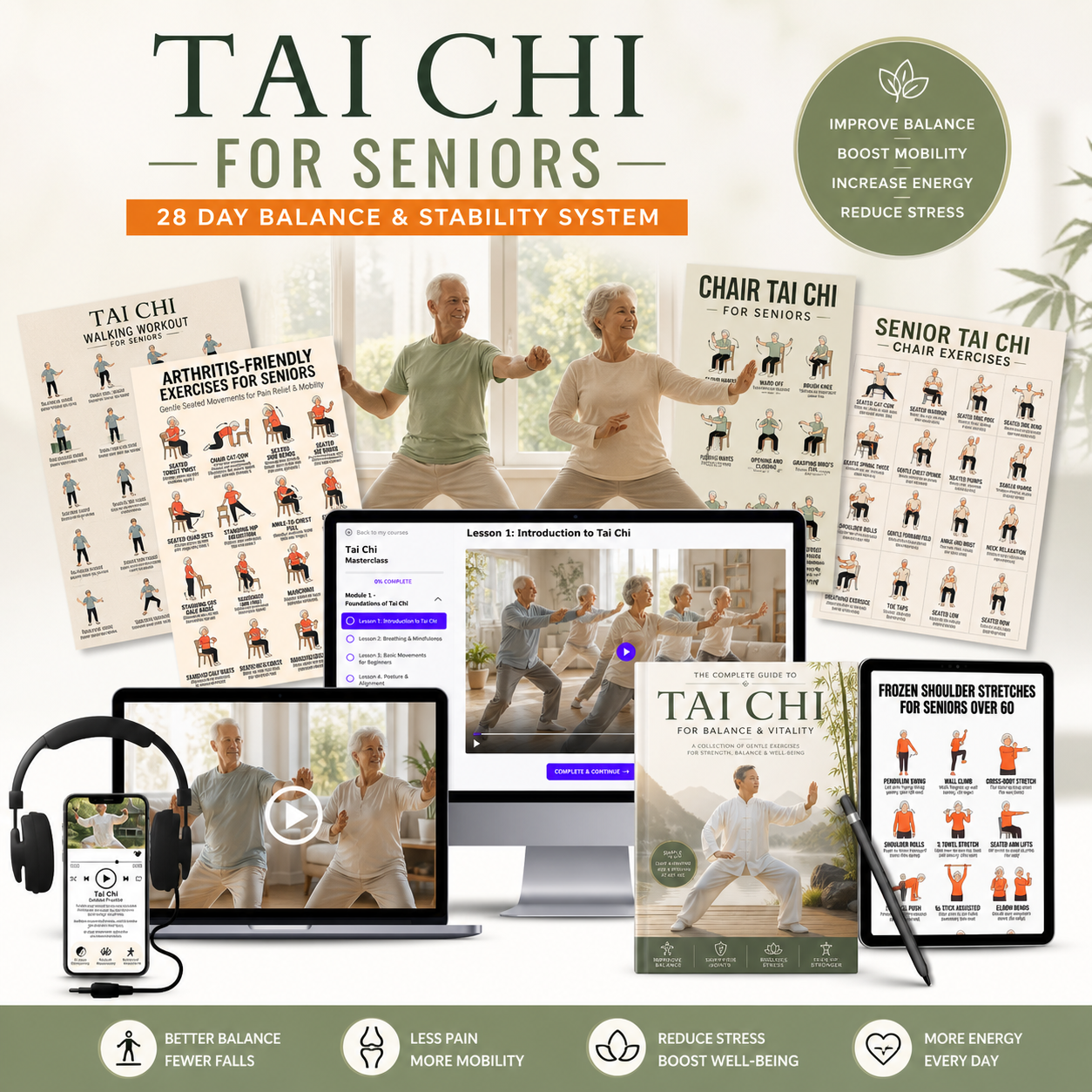
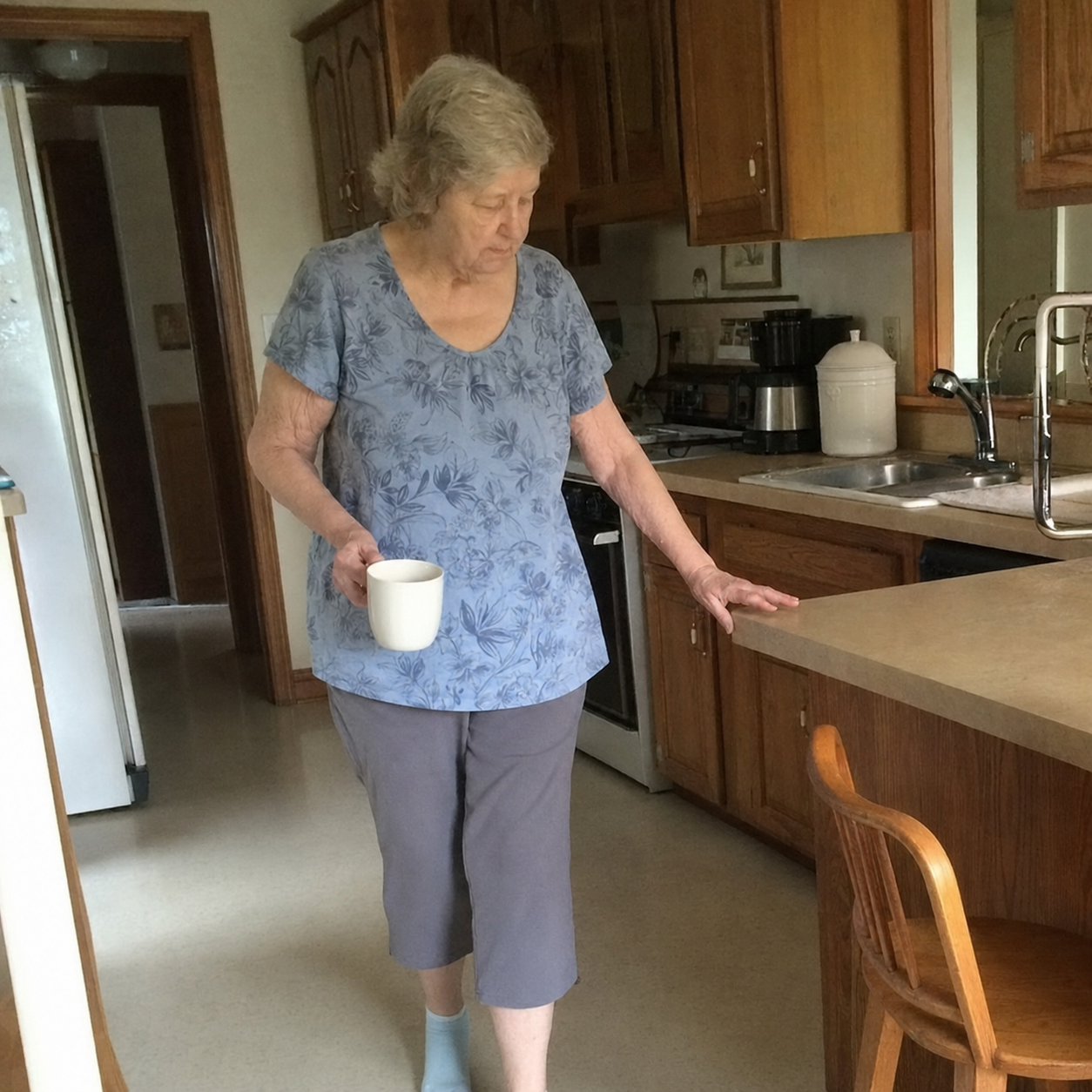
PRIMARY TEXT My daughter was halfway through making coffee when she asked me a question I couldn’t stop thinking about. “Mom, why do you keep one hand on the counter when you walk through the kitchen?” I laughed. “I don’t.” She didn’t argue. She simply waited. So I picked up my cup and crossed the room. My fingertips followed the edge of the counter. When the counter ended, my hand found the back of a chair. Then the wall beside the doorway. I hadn’t planned any of it. I barely even noticed I was doing it. That was the frightening part. There had been no dramatic fall. No ambulance. No doctor sitting me down with bad news. Just a gradual, almost invisible change in the way I moved around my own home. Walking had quietly become navigating. The kitchen counter. The dining chair. The hallway wall. The cabinet near the bathroom. Every room had become a series of safe places to touch. I told myself I was simply being careful. After all, being careful is sensible at my age. But once my daughter pointed it out, I began noticing everything. How I looked down before every step. How I shuffled slightly when turning. How I hesitated before crossing an open space with nothing nearby to hold. How I carried laundry against my hip so one hand could remain free. How I waited for other people to go down the stairs first so nobody would see how slowly I followed. None of those things seemed serious on their own. Together, they told a story I didn’t want to read. My world was getting smaller. Not because anybody had told me to stop doing things. Because I had quietly begun removing things from my own life. The evening walk could wait. The crowded store wasn’t worth it. I didn’t really need to go upstairs. Someone else could carry the coffee. I was still living independently. But independence had started to feel like something I was defending instead of enjoying. The obvious advice was to walk more. So that’s what I did. I walked up and down the hallway. I made extra trips around the grocery store. I forced myself to stay on my feet longer. But walking more didn’t make me feel more secure. It often made me tired, hurried and even more likely to reach for something. Now I understand why. I wasn’t practicing steady movement. I was practicing the same cautious pattern for a longer period of time. Short step. Shuffle. Reach. Grab. Repeat. I was rehearsing hesitation and expecting it to turn into confidence. I also tried following free exercise videos. Some moved so quickly that I spent more time figuring out which arm or leg I was supposed to use than actually moving. Others claimed to be designed for seniors but included deep bends, fast transitions or complicated sequences. One “chair” routine had me standing and balancing almost immediately. I shut it off after four minutes. I didn’t need somebody in perfect shape telling me to “push through it.” I needed someone to explain what I was supposed to practice, why it mattered and how to begin without feeling foolish or unsafe. The cane my family bought me stayed in the closet. It wasn’t because I thought canes were bad. I simply didn’t want it to become the first thing people noticed about me. So I continued touching walls and furniture instead. Apparently, an invisible cane felt better than a visible one. For several weeks, I pretended my daughter’s question hadn’t bothered me. Then one evening I noticed a faint line of marks along the hallway wall. Right at the height of my fingertips. I knew exactly where they had come from. That night I started reading about balance. Not about becoming athletic. Not about turning back the clock. I wanted to understand one very ordinary thing: Why did walking feel harder when I still had enough strength to stand, cook, clean and manage my own life? Most of what I found wasn’t helpful. Endless lists of exercises. Videos with no clear order. Advice to strengthen everything at once. Long discussions full of medical terms but no explanation of what I should actually do the next morning. Eventually, I came across an idea from Tai Chi that was so simple I reread it several times. Before the foot moves, the body learns to settle its weight over the supporting leg. Only then does the other foot become light enough to move freely and deliberately. In Tai Chi, this is sometimes described as making one foot “empty.” Weight first. Foot second. It sounds obvious. But I wasn’t moving that way. When I felt uncertain, I tried to keep some weight on both feet for as long as possible. Then I reached forward with one foot while my body hurried to catch up. I thought keeping both feet involved made me safer. In reality, it made every step feel undecided. That was why simply walking more hadn’t helped much. Walking gave me more steps. It didn’t teach me how to organize each step. Tai Chi approached the problem differently. The movements were slow enough to show me where my weight actually was. There was no momentum to hide behind. No rushing from one position to another. No complicated choreography at the beginning. Just small, controlled transfers of weight, repeated until they began to feel familiar. It wasn’t mystical. It wasn’t a performance. And it certainly wasn’t about becoming a martial artist at 71. It was balance practice broken down into an order my body could understand. That discovery led me to Tai Chi for Seniors: The 28-Day Balance & Stability System. I was skeptical. I had already seen too many “senior fitness” programs that were really subscriptions disguised as free trials. Others required confusing apps, passwords and weekly logins. Some started gently, then became much more demanding after a few lessons. This was different. The program was arranged day by day. Ten minutes at a time. Slow, guided video lessons that could be watched on a tablet or computer. Audio sessions for times when I didn’t want to look at a screen. Printable guides and a wall chart for following along without logging into anything. There was even a chair-friendly version for days when standing practice didn’t feel right. One payment. Lifetime access. No monthly subscription quietly appearing on my statement. And a 30-day money-back guarantee if it wasn’t for me. So I decided to try it. The first session did not look like a workout. I stood near the kitchen counter and practiced moving my weight slowly from one side to the other. The counter was there if I needed it. There was no pressure to prove anything. Within a few minutes, I noticed how often I tried to move my foot before my body had settled. That tiny moment of rushing had been hiding inside nearly every step I took. For the first week, nothing dramatic happened. I did not wake up feeling twenty years younger. I still touched the hallway wall at night. I still moved carefully when I was tired. But my movements began to feel less hurried. I started noticing the difference between moving cautiously and moving deliberately. Those are not the same thing. Caution waits for something to go wrong. Deliberate movement knows what happens next. One morning, I walked from the table to the kettle and realized my hand hadn’t followed the counter. I hadn’t forced myself to keep it at my side. I had simply forgotten to reach. It was a tiny moment. Nobody applauded. No music played. But I stood in the kitchen smiling at my own hand. During the second week, turning became the part I paid attention to. Instead of twisting my upper body and letting my feet scramble underneath me, I slowed down and allowed the turn to begin from a stable position. The movements were not large. That was exactly why I could practice them. On stiffer mornings, I used the chair-friendly version. On busy days, I used the five-minute routine. I didn’t need a perfect session. I needed a repeatable one. By the end of the program, the biggest change wasn’t that I had become fearless. It was that I finally had a method. Before, my only strategy had been: Be careful. Hold something. Hope the next step feels secure. Now I could slow down, settle my weight and move the free foot without throwing my body after it. A few weeks later, my daughter came over again. I made coffee. Then I carried both cups from the kitchen to the table. She looked at my hands and smiled. “You didn’t touch the counter.” This time, I didn’t argue. Here is the honest arithmetic. Ten minutes a day for 28 days is 280 minutes. Less than five hours in total. I had already spent more time than that watching disconnected videos and reading exercise lists I never followed. The difference wasn’t effort. It was sequence. The program didn’t ask me to become stronger before I could begin. It gave me a way to begin so I could gradually move with more control. It didn’t treat me like I was fragile. It also didn’t pretend I was 25. It met me exactly where I was. I still have cautious days. I still use the railing on stairs. I still keep the counter nearby when learning a new movement. This program didn’t make me invincible, and it cannot promise that nobody will ever stumble. What it gave me was more useful: A simple way to practice the movement skills that confidence depends on. Because confidence isn’t something you repeat to yourself. It grows when your body begins to recognize what to do. I used to think the problem was age. Then I thought it was weakness. Now I believe I had simply spent too long practicing caution without ever being shown how to practice control. Tai Chi for Seniors turns that practice into a clear 28-day path. Guided videos. Audio sessions. A chair-friendly option. A progress tracker. A five-minute routine for busy days. A printable wall chart. A practical fall-prevention guide. Everything can be used at home, at your own pace, for about 10 minutes a day. There are no classes to attend. No complicated app to learn. No subscription to remember to cancel. For anyone whose home has started to feel like a route from wall to chair to countertop, this may be the gentle starting point that was missing. The walls are still there. They just shouldn’t have to be the plan. See how the 28-Day Balance & Stability System works.
I Thought I Was “Just Being Careful”
A gentle 28-day Tai Chi system. Just 10 minutes a day, lifetime access and no subscription.
SEE DETAILSLike this ad? Make it yours.
Crush rebuilds this exact creative around your product — your brand, your colors, your offer — in about a minute.