
Active· since Apr 28, 2026
- 144
- days running
- 0
- relaunches
Ad copy
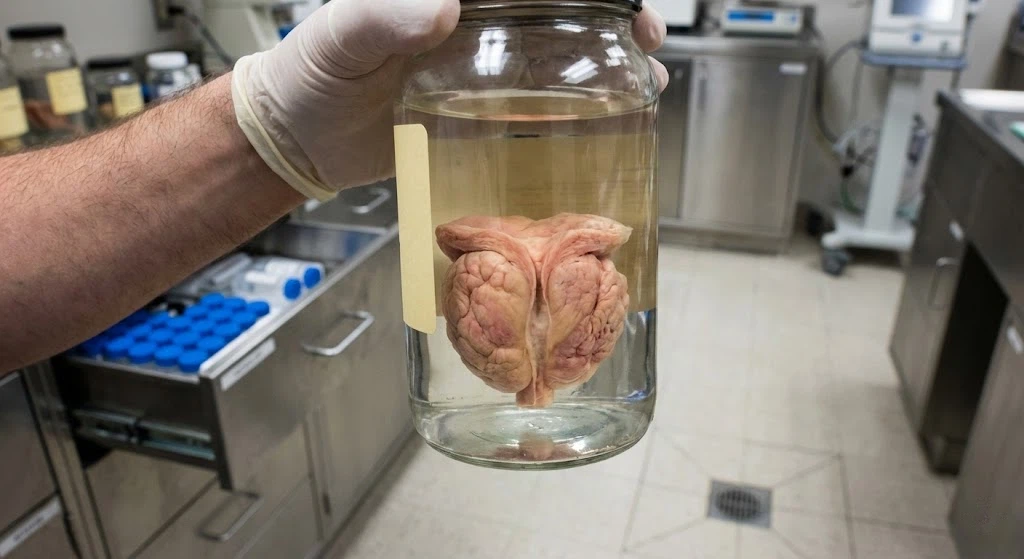
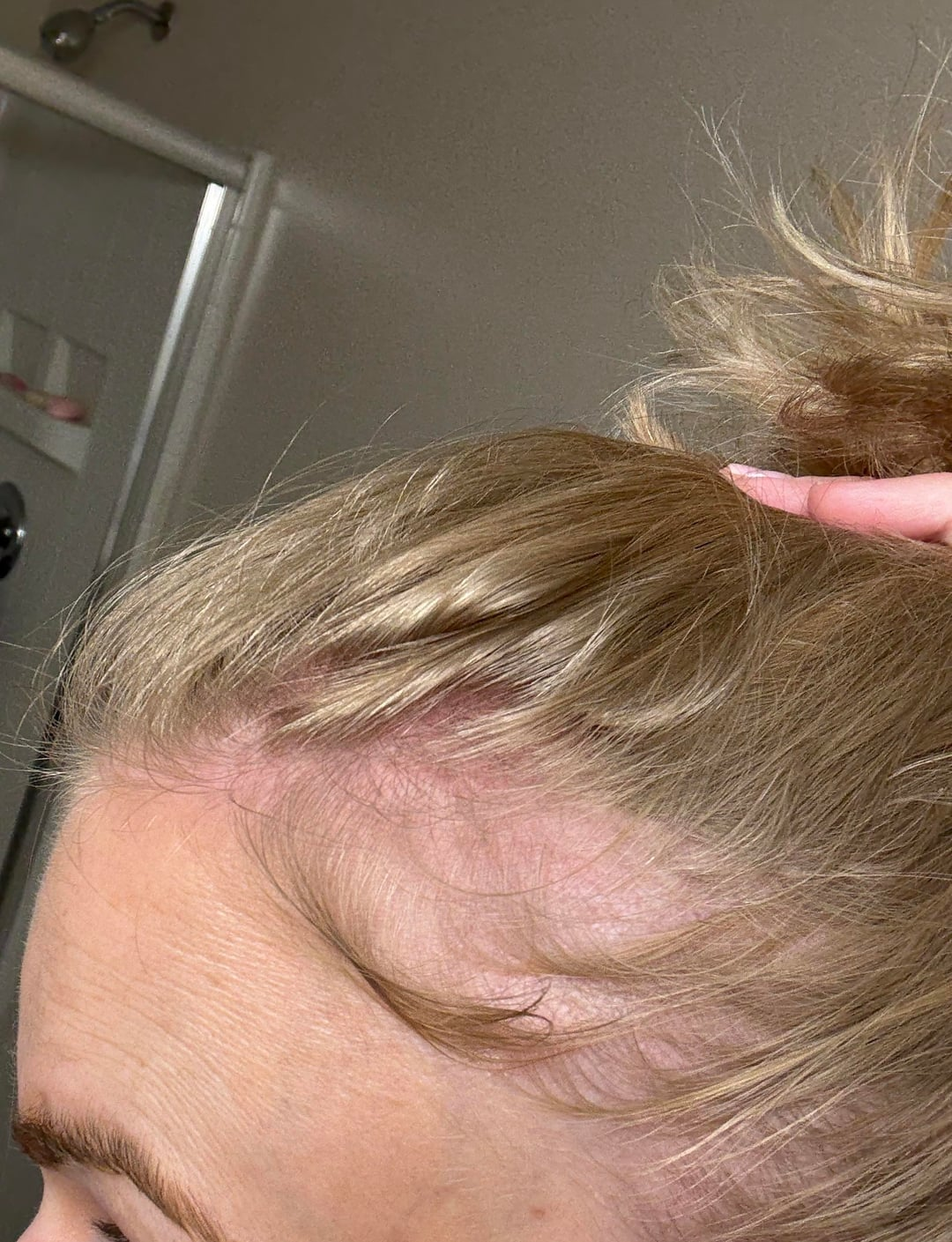
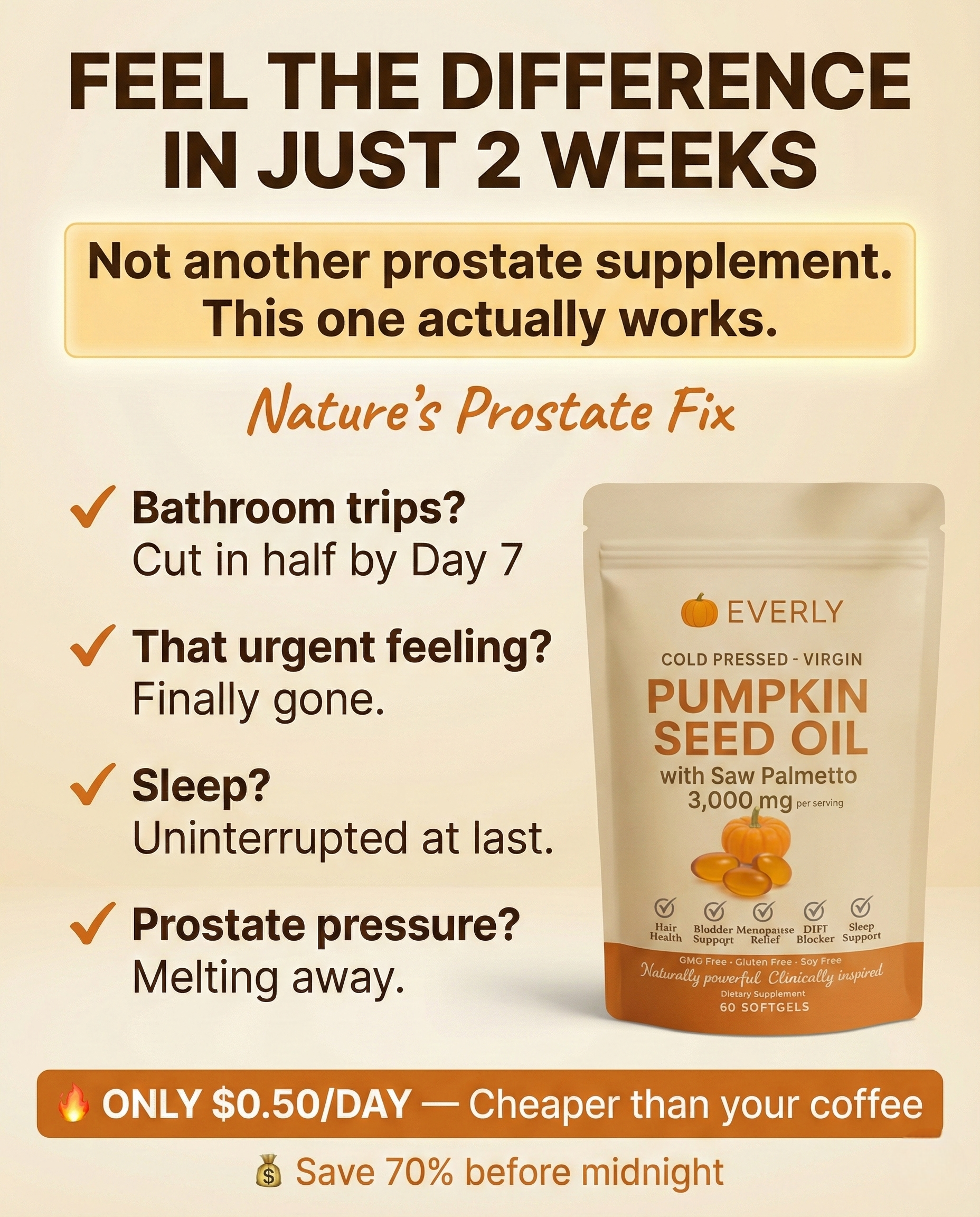
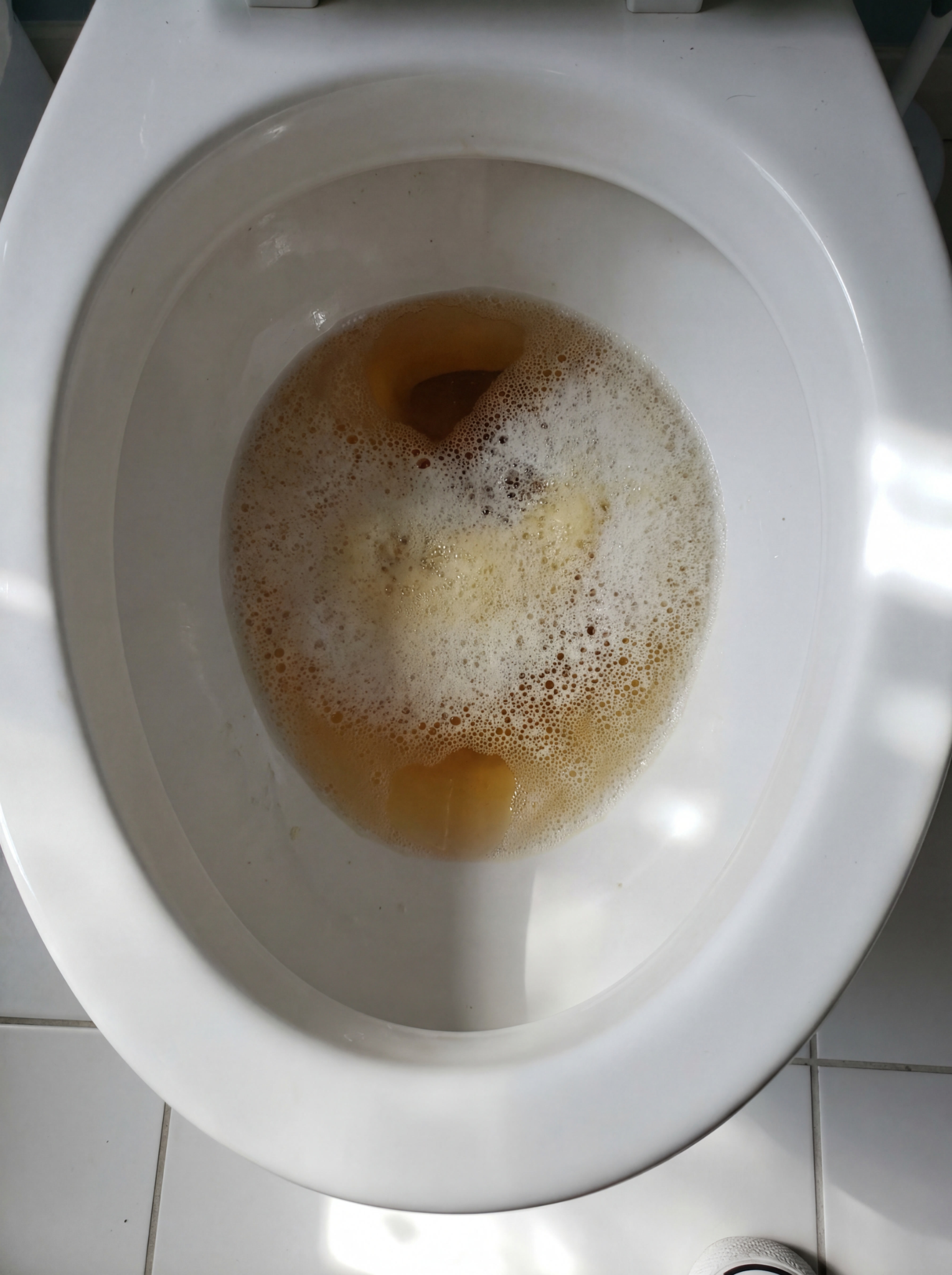
If you're waking up two, three, four times a night to use the bathroom -- and your doctor told you it's "just part of getting older" -- that urine sitting foamy in the bowl is not aging. That is your kidneys asking for help. And nobody is listening. I'm Dr. Adeola Mensah. I've been a urologist for 14 years. I specialize in the place where kidney function meets prostate health meets the thing no man over 45 wants to talk about at dinner. I've sat across from men who haven't slept through the night in three years. I've watched women pull clumps of hair from their brush and ask me if their labs are "normal." I've had a 58-year-old man cry in my office because he was afraid the foam in his toilet meant dialysis. So when a patient walked in four months ago -- 54 years old, prostate swollen to nearly four times normal, waking every 90 minutes through the night, foamy urine every morning, joint stiffness so bad he couldn't close his fist until noon -- and his previous doctor had him on tamsulosin and a sleep aid and told him to "give it time" -- I looked at his chart. He'd been giving it time for three years. His prostate was not improving. His kidneys were under stress. His hair was thinning at the crown. And every single one of those problems had the same root that nobody had addressed. Let me explain what is actually happening inside your body right now -- because what your doctor calls "normal aging" has a mechanism. And that mechanism has a solution that has been published in medical journals for over a decade. Your prostate sits directly below your bladder. It wraps around the urethra -- the tube that carries urine out of your body. In a healthy man, the prostate is the size of a walnut. By the time most men hit 50, that walnut has quietly swollen to the size of a lemon. Not because something went wrong suddenly. Because a hormone called DHT -- dihydrotestosterone -- has been slowly accumulating in prostate tissue for years. DHT is converted from testosterone by an enzyme called 5-alpha reductase. In your twenties, the system is balanced. By your forties and fifties, 5-alpha reductase activity increases, DHT accumulates, and the prostate grows. As it grows, it squeezes the urethra. The bladder has to work harder to push urine through a narrowing channel. You start getting up at night. Once. Then twice. Then every 90 minutes. Your bladder never fully empties. You feel urgency during the day. You stand at the toilet and wait. Your doctor calls this BPH -- benign prostatic hyperplasia. Benign. As if waking up four times a night for three years is benign. As if the exhaustion, the brain fog, the irritability, the inability to sit through a movie or a church service or a long drive is benign. The word benign means it's not cancer. It does not mean it is not destroying your quality of life. Now here's the part your doctor isn't connecting for you. That same DHT that is swelling your prostate? It is also binding to your hair follicles. It miniaturizes them. Shrinks the growth cycle. The hair gets thinner, finer, weaker, until the follicle stops producing visible hair altogether. Same hormone. Same enzyme. Different tissue. Same destruction. And the inflammation that DHT drives in the prostate? It is systemic. It shows up in your joints. Your knees ache in the morning. Your fingers are stiff. Your lower back locks up. Your doctor calls it arthritis and hands you ibuprofen. But the ibuprofen is not touching the DHT. It is not reducing the 5-alpha reductase. It is not addressing the inflammation at its source. It is muting the alarm while the fire keeps burning. And your kidneys -- the organs filtering every drop of blood in your body -- are caught in the crossfire. Chronic inflammation puts them under sustained pressure. The tiny filters inside them -- glomeruli -- start leaking protein. That protein shows up as foam in your urine. Foam that doesn't dissolve when you flush. Foam that sits there and stares back at you while you wonder what's wrong. Your doctor tests your creatinine. Says it's "borderline." Tells you to drink more water. Water does not fix inflamed kidney filters. Now here is what stopped me in my tracks four months ago. That patient I mentioned -- the one with the swollen prostate, the nightly bathroom trips, the foamy urine, the hair loss, the joint stiffness -- he came back after 90 days. His nocturia had gone from four times per night to once. Once. His urine stream was stronger. His urgency had dropped dramatically. The foam in his toilet was gone. His wife told me he was sleeping through the night for the first time in years. She said he was a different person. I looked at his chart. His PSA had stabilized. His kidney markers had improved. His inflammatory markers were down. I looked at him. "What changed?" He reached into his bag and set a bottle on my desk. Everly Pumpkin Seed Oil Softgels. I picked it up the way I pick up anything a patient brings me -- with clinical skepticism and professional courtesy. Then I went home and read for four hours. Here is what the research says. And here is why I am now angry that I didn't know this sooner. Pumpkin seed oil -- specifically cold-pressed oil from Cucurbita pepo seeds -- contains a group of compounds called phytosterols. The most important ones are beta-sitosterol, delta-7-sterols, and a specific class of fatty acids that are unique to this seed. These compounds do something that most prostate medications attempt but with significant side effects: They naturally inhibit 5-alpha reductase. The enzyme that converts testosterone to DHT. The enzyme that swells your prostate. The enzyme that kills your hair follicles. The enzyme that drives systemic inflammation into your joints and your kidneys. A study published in Nutrition Research and Practice found that pumpkin seed oil supplementation significantly reduced prostate symptom scores in men with BPH. Not marginally. Significantly. A study in the Journal of Medicinal Food confirmed that pumpkin seed oil inhibited 5-alpha reductase activity and reduced prostate growth in clinical models. A randomized, placebo-controlled trial published in Evidence-Based Complementary and Alternative Medicine showed that men taking pumpkin seed oil experienced measurable improvement in urinary flow rate, reduction in residual urine volume, and improvement in International Prostate Symptom Scores within 12 weeks. Twelve weeks. The same timeframe my patient took to go from four bathroom trips per night to one. And here's where most people get this wrong. Here's why you tried pumpkin seed oil before and it didn't work. You bought the wrong product. I don't say that to sell you something. I say it because the science is specific about what works and what doesn't, and the supplement industry doesn't care about the science. It cares about margins. Here are the three things that have to be right for pumpkin seed oil to actually reach the tissues where DHT is doing damage. First: The oil must be cold-pressed from raw, unroasted seeds. The moment you roast pumpkin seeds, you destroy the heat-sensitive phytosterols that inhibit 5-alpha reductase. The delta-7-sterols -- the most potent compounds for prostate tissue -- degrade at high temperatures. Most commercial pumpkin seed oils use roasted seeds because they're cheaper to process and the oil has a nuttier flavor that sells better on grocery shelves. That oil tastes better. It does nothing for your prostate. If the label doesn't say cold-pressed, you are buying cooking oil. You are not buying medicine. Second: It must be delivered in a softgel, not a liquid bottle. Pumpkin seed oil oxidizes rapidly when exposed to air and light. Every time you open a bottle, pour a tablespoon, and screw the cap back on, the oil inside degrades. Within weeks of opening, a significant portion of the active phytosterols have broken down. You're swallowing oxidized fat that has lost its therapeutic compounds. A sealed softgel protects every dose from oxygen and light until the moment it dissolves in your gut. Every capsule delivers what the first one delivered. No degradation. No guesswork. Third: The dose matters and most products are catastrophically underdosed. The clinical studies showing real prostate symptom improvement used 320mg to 500mg of concentrated pumpkin seed oil daily. Most capsules on the market contain diluted oil cut with soybean filler or sunflower oil to reduce cost. The amount of actual pumpkin seed phytosterols per capsule is a fraction of what the research requires. You were not taking the wrong supplement. You were taking the right idea at the wrong execution. Everly Pumpkin Seed Oil Softgels. Cold-pressed. From raw Cucurbita pepo seeds. Full-spectrum oil with intact phytosterols, delta-7-sterols, and the complete fatty acid profile that the clinical research is based on. Sealed in softgels that protect every dose from oxidation. No light exposure. No air degradation. What's inside capsule number sixty is identical to what's inside capsule number one. Properly dosed. Each softgel delivers the concentration that corresponds to the published clinical trials. Not a decorative amount. A therapeutic one. No fillers. No soybean oil. No sunflower oil padding the capsule so the label can say "pumpkin seed oil" while delivering something else entirely. Third-party tested. Every batch verified. I started taking it myself. Week 1: I was sleeping through the night. I'd been waking once, sometimes twice, for two years. I told myself it was coffee, stress, age. It was my prostate. By day five, I slept seven hours without waking. I almost didn't believe it. Week 2: My morning stiffness -- the thing I blamed on the gym, on my mattress, on everything except inflammation -- was noticeably reduced. I could close my fist when I woke up. My knees didn't crack going down the stairs. Week 4: My urine stream was different. Stronger. More consistent. The hesitancy I'd been unconsciously living with was gone. I hadn't realized how much I'd adapted to a declining flow until it came back. Week 8: I ran my own labs. My inflammatory markers had dropped. My PSA was stable. My kidney function markers were clean. I sat in my office staring at my own bloodwork with 14 years of urology behind me, and I understood why that patient had smiled when he told me what he'd changed. That 54-year-old man? He came back at six months. Prostate symptoms nearly gone. Sleeping through the night. Hair thickening at the crown -- his wife noticed first. Joint stiffness reduced to the point he stopped taking ibuprofen. One root cause addressed. Five symptoms improved. Because DHT was the fire. And the fire was finally being managed at the source. I have now mentioned Everly to fourteen patients. The pattern is the same every time. Sleep improves within the first week. Most men stop waking more than once by day five to seven. Urinary urgency and flow improve within two to four weeks. Joint stiffness and morning pain reduce within three to four weeks. Hair shedding slows and new growth begins to appear within eight to twelve weeks. Foamy urine -- the kidney stress signal -- begins to resolve within four to six weeks. One patient -- a 61-year-old man with a prostate measured at 58 grams, waking five times per night, who had been told by his previous urologist that surgery was the next step -- came back after 90 days. His symptom score had dropped by over 60 percent. His urologist postponed the surgical consultation. He told me: "I got my nights back." Another patient -- a 47-year-old woman who came in about kidney concerns and mentioned in passing that her hair had been falling out for two years -- started Everly for the kidney support. At her 60-day follow-up, she pulled out her phone and showed me a photo of new growth along her hairline. She was crying. She said: "I thought that was just gone." Here is what I need you to understand about why this works when other things haven't. Tamsulosin relaxes the muscles around the prostate. It eases the squeeze on the urethra. It helps you urinate. It does not stop the prostate from growing. It does not reduce DHT. It does not address why the prostate swelled in the first place. Finasteride blocks 5-alpha reductase -- the same target as pumpkin seed oil -- but with a side effect profile that includes sexual dysfunction, depression, and cognitive fog. Side effects that many men experience and that some men never fully recover from even after stopping the drug. Ibuprofen blocks the pain signal from inflammation. It does not reduce the inflammation. It does not protect your kidneys. In fact, chronic NSAID use damages kidney tissue directly. None of these address the root. They manage the branches. Everly goes to the root. The phytosterols in cold-pressed pumpkin seed oil naturally modulate 5-alpha reductase activity. They reduce DHT accumulation in prostate tissue. They reduce systemic inflammation. They support kidney filtration. They protect hair follicles. One mechanism. Multiple downstream effects. No sexual side effects. No cognitive fog. No kidney damage. Your medications manage the symptoms. This addresses the source. Both together is the complete answer most people have never been given. If you are dealing with: Waking up multiple times per night to urinate and you can't remember the last time you slept through. Foam in your toilet that won't go away no matter how much water you drink. Hair that's thinning, shedding, breaking -- and you've tried everything. Joint stiffness and morning pain that ibuprofen barely touches. A prostate diagnosis that your doctor calls "benign" while your quality of life says otherwise. A feeling in your gut that something is wrong and nobody is connecting the dots. Try Everly Pumpkin Seed Oil Softgels. Risk-free. Give it 90 days. That is the window the clinical research points to for meaningful, measurable change. Track your sleep. Note how many times you wake up. Watch the foam. Pay attention to your joints in the morning. Look at your hairbrush. Go back for your next labs. If your doctor pauses, looks at the screen, looks at you, and asks what you changed -- you'll understand why I now have this conversation with every patient who walks into my office. The symptoms were being managed. The source was never addressed. You know now that it can be. Click below and get Everly Pumpkin Seed Oil Softgels while they're still in stock. try.shopeverly.shop/esl ~ Dr. Adeola Mensah, MD, Urology, 14 years
🎃 Natural Support for Your Daily Routine
“I’ve been feeling stronger and more balanced since taking Everly Pumpkin Seed Oil. My bladder feels so much calmer, I’m sleeping through the night again, and my hair feels thicker than it has in years. I love how natural it feels — just pure support for my body.”
LEARN MORELike this ad? Make it yours.
Crush rebuilds this exact creative around your product — your brand, your colors, your offer — in about a minute.