
Inactive· since Jan 29, 2026
- 11
- days it ran
- 4
- relaunches
Ad copy
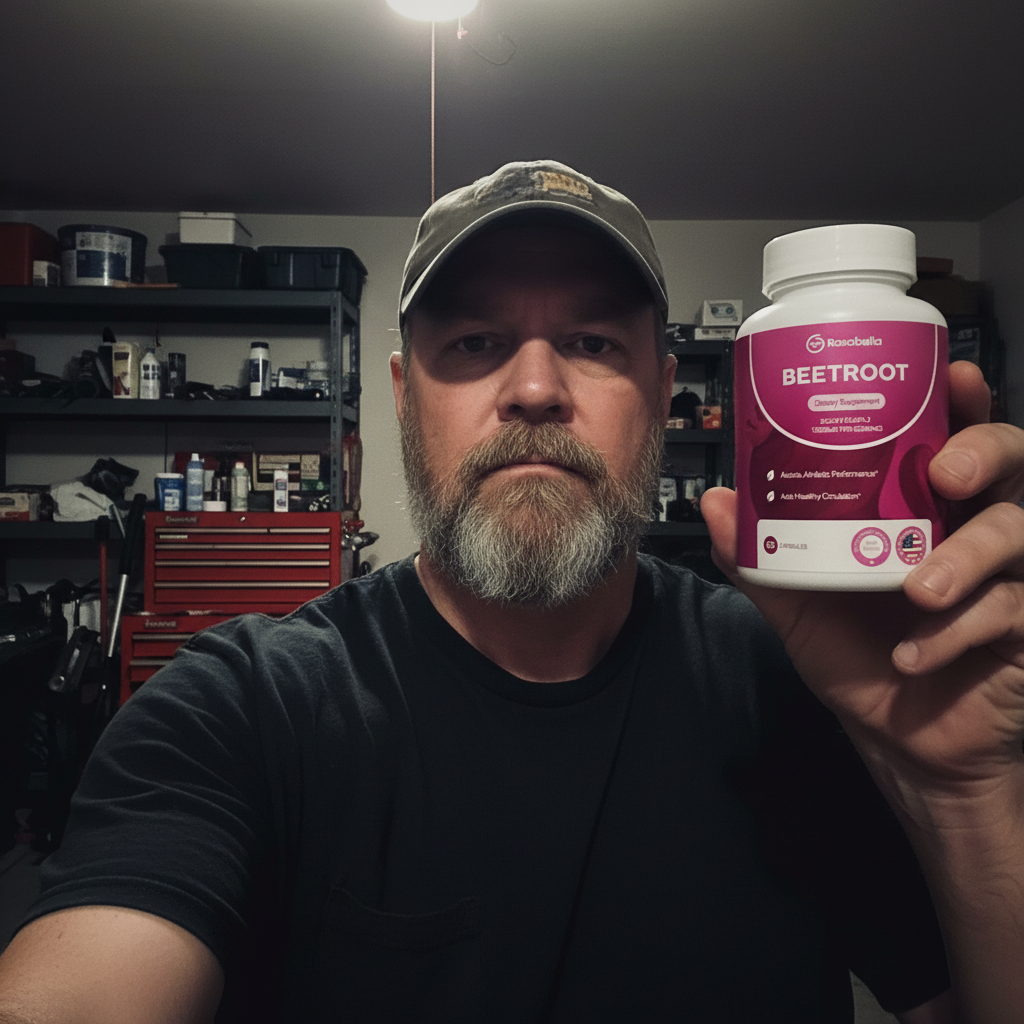
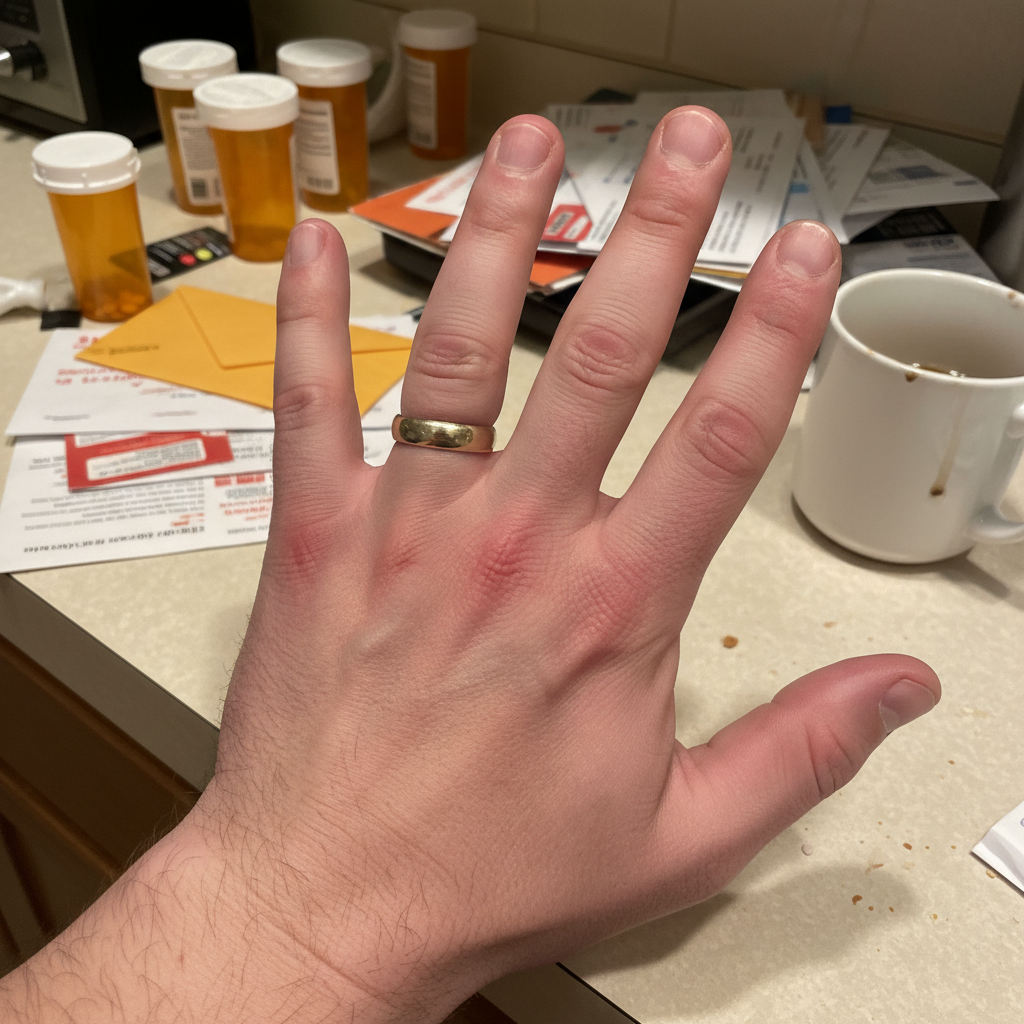
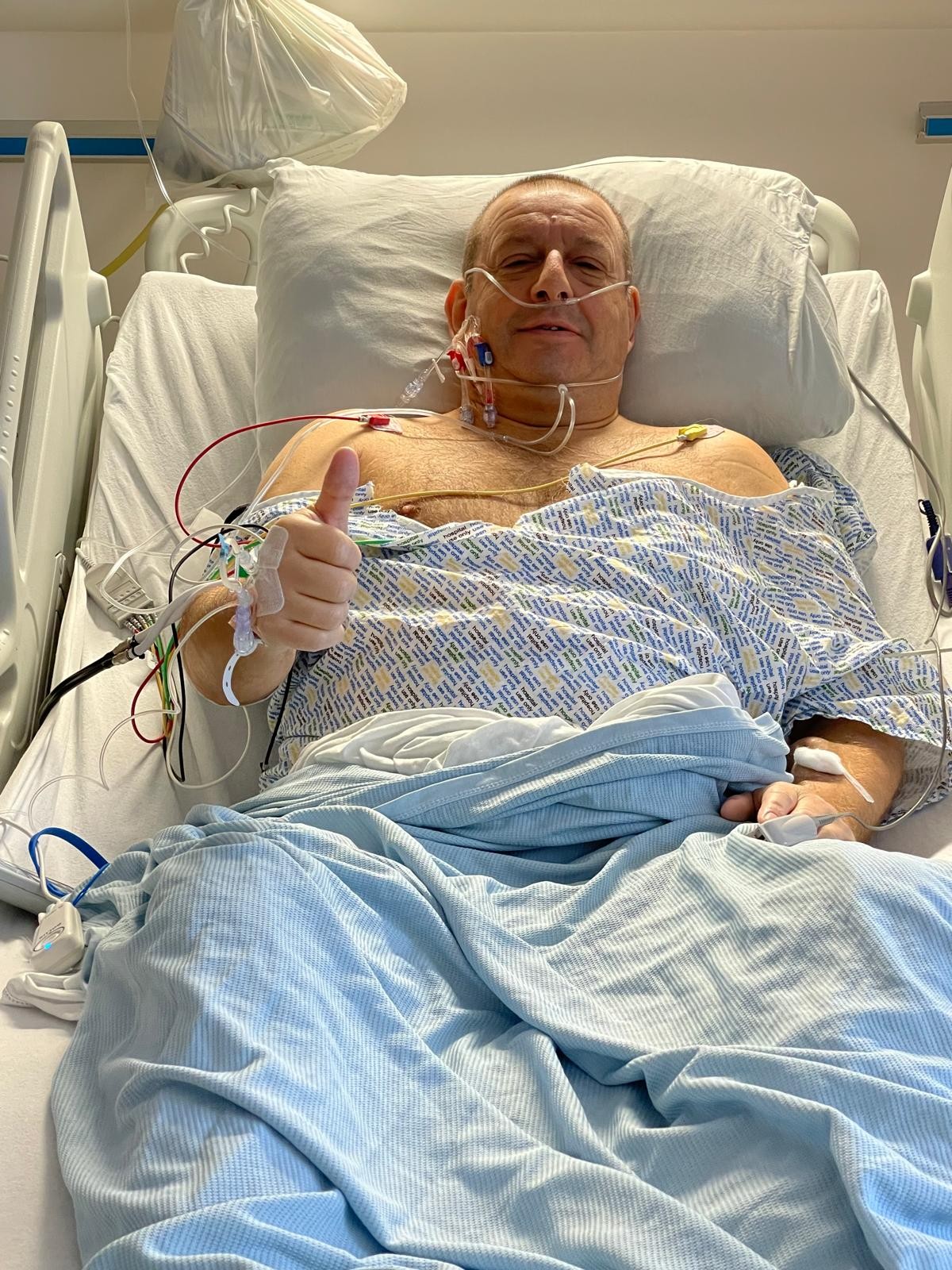
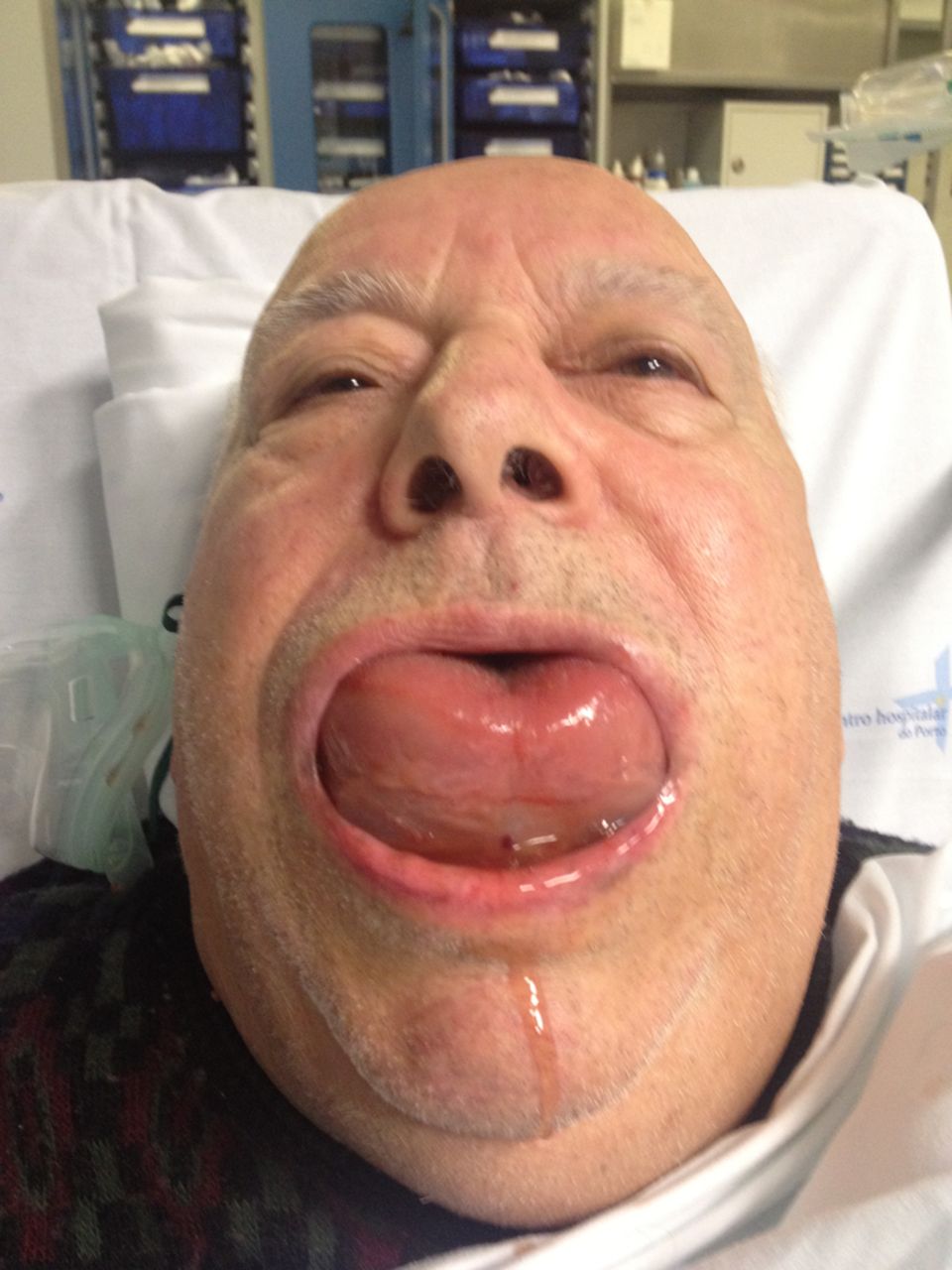
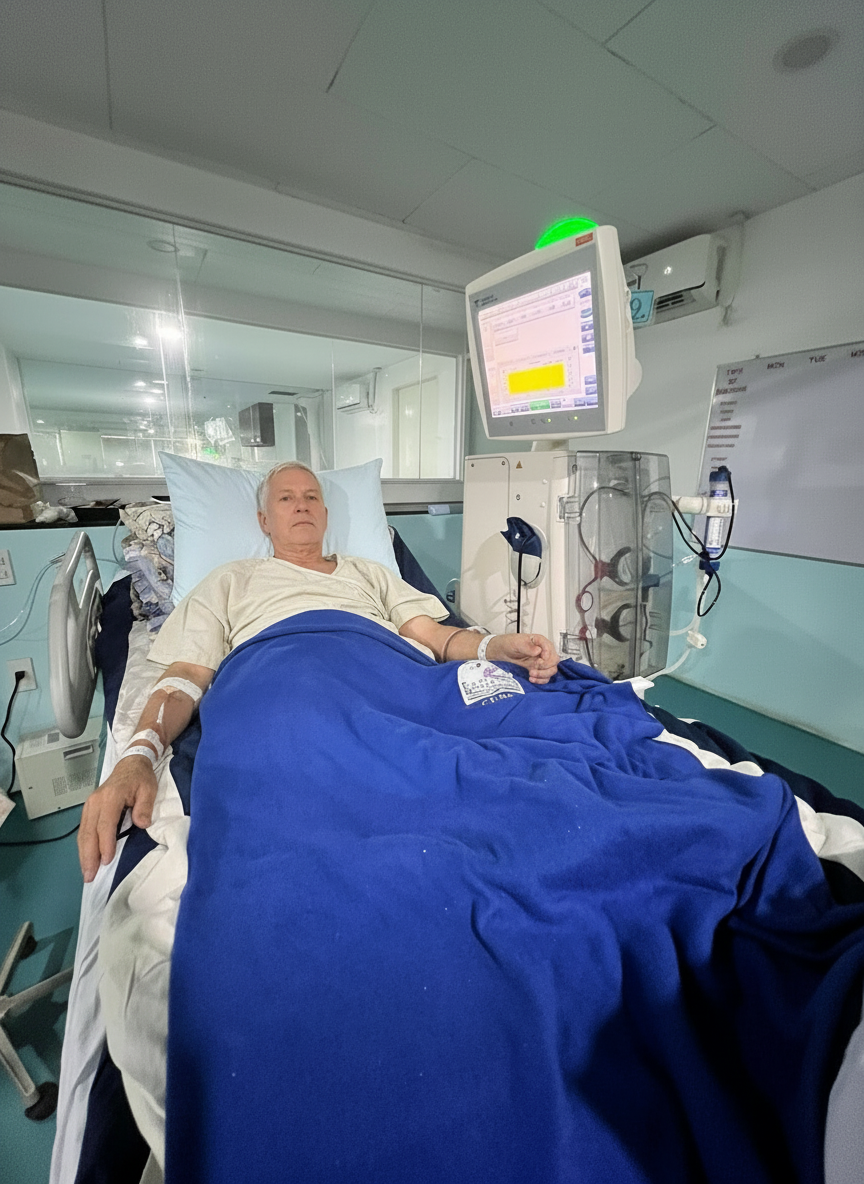
My father was on BP meds for 15 years. The side effects destroyed him. I swore I'd never let that happen to me. But after 5 years on Lisinopril and Amlodipine, I collapsed in my garage anyway. The ER doctor told me something that made my stomach drop—and it had nothing to do with the mini-stroke I'd just survived. I'm sharing this because I think it could save someone's life. Maybe yours. Maybe someone you love. What the medications did to my father. For 15 years—and I mean a decade and a half straight—my father was trapped on blood pressure medication. Started with Lisinopril. His doctor said it was "the gold standard" for high blood pressure. Said he'd be on it for life but it was "safe and effective." Within three months, the cough started. Not like a normal cough. I'm talking that persistent, dry, hacking cough that woke him up at night. That interrupted every conversation. That made him sound sick even though it was just the medication. His energy? Completely gone. He'd come home from work at 6 PM and be asleep on the couch by 7:30. Man used to coach my Little League team. Now he could barely stay awake through dinner. His fingers swelled first—wedding ring cutting into flesh until he had to have it cut off. Then his feet. Shoes stopped fitting by month eight. Just house slippers. Every day. Shuffling around like an old man at 58. The kidney function tests got worse. And worse. And worse. Creatinine climbing. GFR dropping. Year 8: Stage 3 kidney disease. Year 10: Stage 4. Year 11: Dialysis three times a week. A man who used to run marathons couldn't walk to the mailbox without gasping for breath. My mother's words at the funeral, barely audible over my own sobs: "The pills didn't save him. They just made him suffer longer." Fifteen years of medication. Fifteen years of side effects. My father died anyway. Heart failure. In his sleep. The Lisinopril controlled his blood pressure. Didn't save his kidneys. Didn't prevent his death. And then it started happening to me. I'm 58. Father of three. Grandfather of two, with another on the way. I've been on blood pressure medication since I was 53. Two different prescriptions. Took them every single day like I was supposed to. But I never imagined something meant to protect me was actually letting me get worse. The daily misery they don't warn you about. If you've ever been on BP meds, you know what I'm talking about. The fatigue that hit me around 2pm every day like a truck. I'd be in meetings fighting to keep my eyes open. Came home and collapsed on the couch while my grandkids played in the other room. The brain fog so thick some days I forgot my own phone number. Walked into rooms and stood there, blank. My wife started finishing my sentences because I couldn't find the words. The swollen feet. By evening, my ankles looked like softballs. I stopped wearing my good shoes. Started dreading anything that meant standing for more than an hour. And that dry, hacking cough from the Lisinopril. Every night. My wife would lie there listening to me hack and hack and hack. She finally started sleeping in the guest room just to get some rest. The same cough my father had. I told myself this was just what "managing" blood pressure looked like. I told myself it was better than the alternative. I did everything they told me. Cut the salt until food tasted like cardboard. My wife cooked everything from scratch—no more restaurants, no more spontaneity, no more enjoying a meal. Lost 15 pounds. Started walking every morning at 5:30am before work, rain or shine. Tried the supplements everyone talks about. Garlic capsules. Magnesium. Fish oil. CoQ10. Nine months of this. Nothing. Made. A. Lasting. Difference. My numbers stayed high. 155/94. Sometimes higher. Sometimes I'd get a good reading and feel a flash of hope—then the next day, right back up. I started to believe my body was just broken. That I'd lost some genetic lottery and this was my life now. Pills forever. Side effects forever. Fear forever. Just like my father. The fear nobody talks about. Here's what they don't tell you about high blood pressure: It's not the numbers that destroy you. It's the waiting. You can't feel it doing damage. But you know it is. Every single day, something is happening inside you that you can't see, can't stop, can't control. I'd lie awake at 2am listening to my own heartbeat. Wondering if tonight was the night something would burst. If my wife would wake up next to a corpse. I started dreading the blood pressure cuff. Just seeing it made my heart race—which made the numbers spike—which made me more anxious. A sick loop I couldn't escape. Some mornings I'd take my reading three, four, five times. Trying to get a number that didn't terrify me. Trying to feel some sense of control. I never did. Then came the morning everything changed. It was a Saturday. I was in my garage, just organizing some tools. Nothing strenuous. Nothing that should've mattered. Suddenly the room tilted. My left arm went numb. I grabbed the workbench to keep from falling and missed. My wife found me slumped against the wall twenty minutes later. She thought I was dead. She told me later she'd been lying awake most nights for months, watching me breathe. Counting. Waiting for something terrible to happen. She didn't tell me because she didn't want to add to my stress. But she was terrified. And she was right to be. The ER doctor's words I'll never forget. "Your blood pressure was 187/118 when you came in," he said. "You've had a TIA. A mini-stroke." I stared at him. Something hot and bitter rising in my chest. "I don't understand," I said. "I've been on Lisinopril for five years. Amlodipine for three. I take them every single day. I've dealt with the cough. The swollen ankles. The fatigue. The brain fog. All of it. I've been a good patient. I did everything I was supposed to do." My voice cracked. "My father was on the same medications for 15 years. He still died of heart failure. His kidneys still failed. And now I'm lying in an ER bed with a mini-stroke despite doing everything right. So what the hell is going on?" The doctor paused. Set down his clipboard. And said something that changed everything: "Because these medications force your blood vessels open. But they don't fix WHY your blood pressure is high in the first place." I didn't understand. "Think of it this way," he said. "Your blood vessels need something called dietary nitrates to actually relax and function properly on their own. Nitrates convert to nitric oxide in your body—it's literally the molecule that signals your blood vessels to dilate. "When your nitric oxide levels are healthy, your blood vessels stay flexible. Blood flows smoothly. Pressure stays in a normal range naturally. "But when you're depleted—and most people over 50 are severely depleted—your blood vessels stay constricted. Your pressure climbs. And no amount of medication actually fixes that underlying deficiency. "The pills force your vessels open artificially. Like prying open a door that's supposed to open on its own. But they don't restore what your body actually needs to regulate blood pressure naturally. So the underlying problem just keeps getting worse." I felt the room spin again. But this time it wasn't the TIA. "So what you're saying is... I've been taking these pills for five years... suffering through all the side effects... and they haven't actually been fixing anything? My father took them for fifteen years and they weren't fixing anything either?" He gave a small nod. "They've been managing. Not fixing. That's why your numbers still bounce around. That's why you still feel terrible. The underlying depletion is still there—and still progressing." I felt sick. All those years. Two medications. Monthly appointments. The swollen feet. The brain fog. The cough that stole my wife's sleep. I thought I was doing everything right. My father thought he was doing everything right. We were guinea pigs. They were just throwing pills at us hoping something would stick. And the whole time, underneath, our bodies were starving for something the medications could never provide. The phone call that gave me hope. A few weeks after I was discharged, my brother called. He'd been dealing with the same thing. Two medications. Numbers all over the place. Felt like a zombie most days. We'd both watched our father deteriorate. We both assumed we were next. But something was different. He had energy in his voice I hadn't heard in years. "What happened to you?" I asked. "I switched cardiologists," he said. "New doctor asked me the same question—why am I on two medications and still not controlled? Then she explained the whole nitric oxide thing. And she recommended something." "What is it?" "Beetroot. But not the garbage they sell everywhere." I was skeptical. "I've tried beetroot supplements before. Did nothing." "That's exactly what I said. But she explained—most beetroot supplements are worthless. They use high-heat processing that destroys the dietary nitrates before they ever reach your bloodstream. And even when some nitrates survive, most products contain a tiny fraction of the clinical dose. You were basically taking expensive fiber." He told me about a specific beetroot supplement his cardiologist recommended. Cold-extracted to preserve the nitrates. Standardized to 400 milligrams—the dose actually used in the clinical research. "Try it tomorrow morning," he said. "Within 15-20 minutes, you'll feel something. An energy lift. Mental clarity. That's how you know the nitrates are actually reaching your bloodstream. Then track your blood pressure over the next few weeks." The morning I broke the loop. That night, I barely slept. Kept thinking about what the ER doctor said. Five years of pills. Still circling the drain. A body starving for something the medications couldn't provide. My father's face kept flashing in my mind. The dialysis chair. The cough that never stopped. The way he shuffled around in house slippers at the end. Was that my future too? Next morning, I took the beetroot. Two capsules with water. Within 17 minutes, I felt something I hadn't felt in years. A lift. Like someone turned up the oxygen in my blood. The fog in my head—the fog I'd been living with so long I forgot it wasn't normal—cleared. This warmth spreading through my chest. Not like heartburn. More like... everything relaxing. Like something that had been clenched for five years was finally letting go. I walked over to the blood pressure monitor. My hands were shaking. I always hated this part. The anxiety of watching those numbers climb, knowing the anxiety itself was making it worse. I wrapped the cuff. Pressed the button. Watched it inflate. Waited. The cuff released. I looked at the screen. 138/84. I stared at it. Took it again. 136/82. For the first time in five years, I saw a number that didn't make my stomach drop. I sat there for a minute. Then I laughed. Then I almost cried. Not because the number was magic. But because for the first time, I felt like my body was actually responding. Like something was finally working WITH me instead of just masking the problem. The follow-up that shocked my doctor. Six weeks later, I went back for my checkup. My doctor reviewed my bloodwork, checked my vitals, looked at my home readings log. For the first time in five years, she didn't lecture me about my numbers. She looked at me, surprised, and asked: "Did we change your medications?" "Same medications," I said. "Just added something to restore my nitric oxide levels." She looked at the chart again. Then back at me. "Whatever you're doing, don't stop." Then she said something I never expected to hear: "If things keep going this direction... we might be able to talk about reducing your dosage at your next visit." I had to ask her to repeat it. In five years, no doctor had ever mentioned going DOWN. What my wife said that night. When I got home, I told my wife what the doctor said. She didn't say anything at first. Just hugged me. Then she told me she'd already noticed. That I seemed more present. That I wasn't falling asleep at 7pm anymore. That the coughing had almost stopped. "I feel like I got you back," she said. That hit me harder than any blood pressure reading ever could. Eight months later: My brother's news. Last month, my brother called again. He'd been on the beetroot for eight months. His doctor had just taken him off one of his medications. Off. Not added. Not increased. Off. That has never happened to anyone in my family. We both watched our father take those pills for 15 years. We both assumed we'd follow the same path. Medications. Side effects. Declining kidney function. Dialysis. Death. We thought that was just our future. Our genetic destiny. Maybe it doesn't have to be. What this is—and what it isn't. The product is called Rosabella Beetroot. I want to be clear about something: this isn't a cure. It's not a replacement for your medication—at least not right away, and not without your doctor's involvement. But it addresses what the medications don't touch. The nitric oxide depletion. The underlying deficiency that lets the damage keep building even when your numbers look "managed." Here's what makes Rosabella different: Cold-extracted, not heat-destroyed. Most beetroot supplements use high-heat spray drying—cheap and fast. But heat destroys the dietary nitrates before they ever reach your bloodstream. Rosabella uses cold-extraction that preserves what actually matters. 1300mg of pure organic beetroot. Standardized to 400 milligrams of dietary nitrates—the clinical dose used in actual research. Not some watered-down formula stuffed with fillers. Just one simple ingredient, the way it's been valued for generations. Third-party tested with published results. Certificate of Analysis. Exact nitrate content verified. Made in the USA. They offer a 90-day money-back guarantee. If you don't notice a difference within 90 days, just reach out and they'll refund you. No questions asked. That's how confident they are. Who this is for. If your blood pressure won't come down despite medications... If you feel like a guinea pig getting pills thrown at you while nobody looks for the real cause... If you've tried beetroot supplements before and they did nothing... If you're terrified that the next time might not be a warning shot... If someone you love is on the medication carousel and you're watching them suffer... If you watched a parent go through what I watched my father go through—and you're terrified of following the same path... This is for you. This didn't just lower my numbers. It's the first thing in five years that made me feel like I wasn't just waiting to die. Like I might actually be around to meet that new grandchild. Like my wife might finally get to stop counting my breaths at night. Like I might actually break the pattern that destroyed my father. Give your body a chance to restore what the medications were never designed to provide. P.S. — I shared this with my neighbor last month. He'd been on Lisinopril for 11 years, miserable, numbers still bouncing around. He started three weeks ago. Last night he texted me: "First reading under 130 in eight years. I don't know what to say." I do. I say pass it on. P.P.S. — Every day you wait is another day of elevated blood pressure. Every day the underlying depletion gets worse. Every day closer to the moment that might not be a warning shot. Don't wait until it's too late. https://get.tryrosabella.com/beetroot/subtxt/sp
Support stamina and heart health every day
"I've only started useing this product less than a week, honestly it has given me more energy and I feel more alert. Before taking this product I noticed I was feeling tired and not motivated at all, so I have to give it a great rating 5 stars. I reccomend it."
LEARN MORELike this ad? Make it yours.
Crush rebuilds this exact creative around your product — your brand, your colors, your offer — in about a minute.