
Inactive· since Aug 11, 2026
- 11
- days it ran
- 1
- relaunches
Ad copy
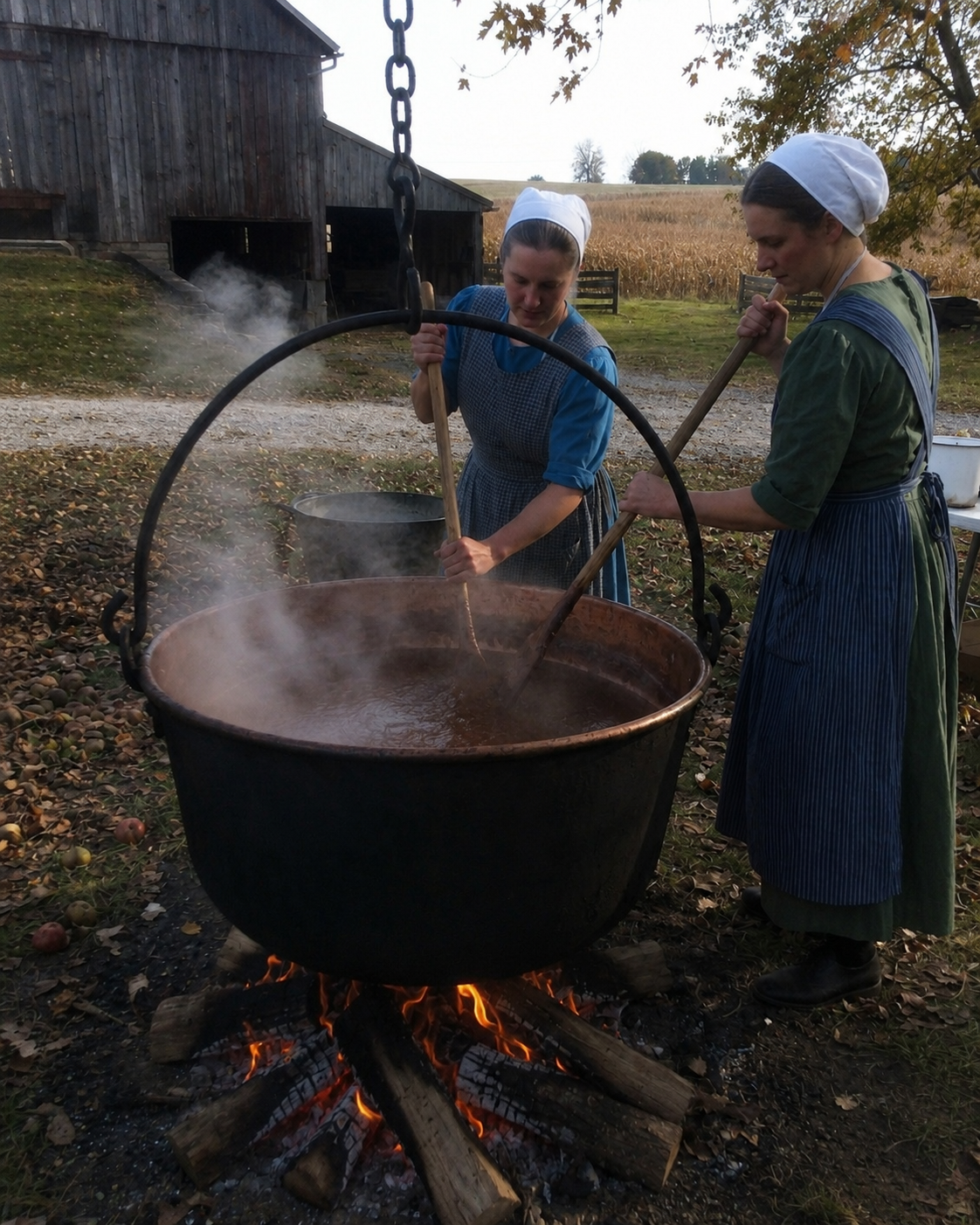
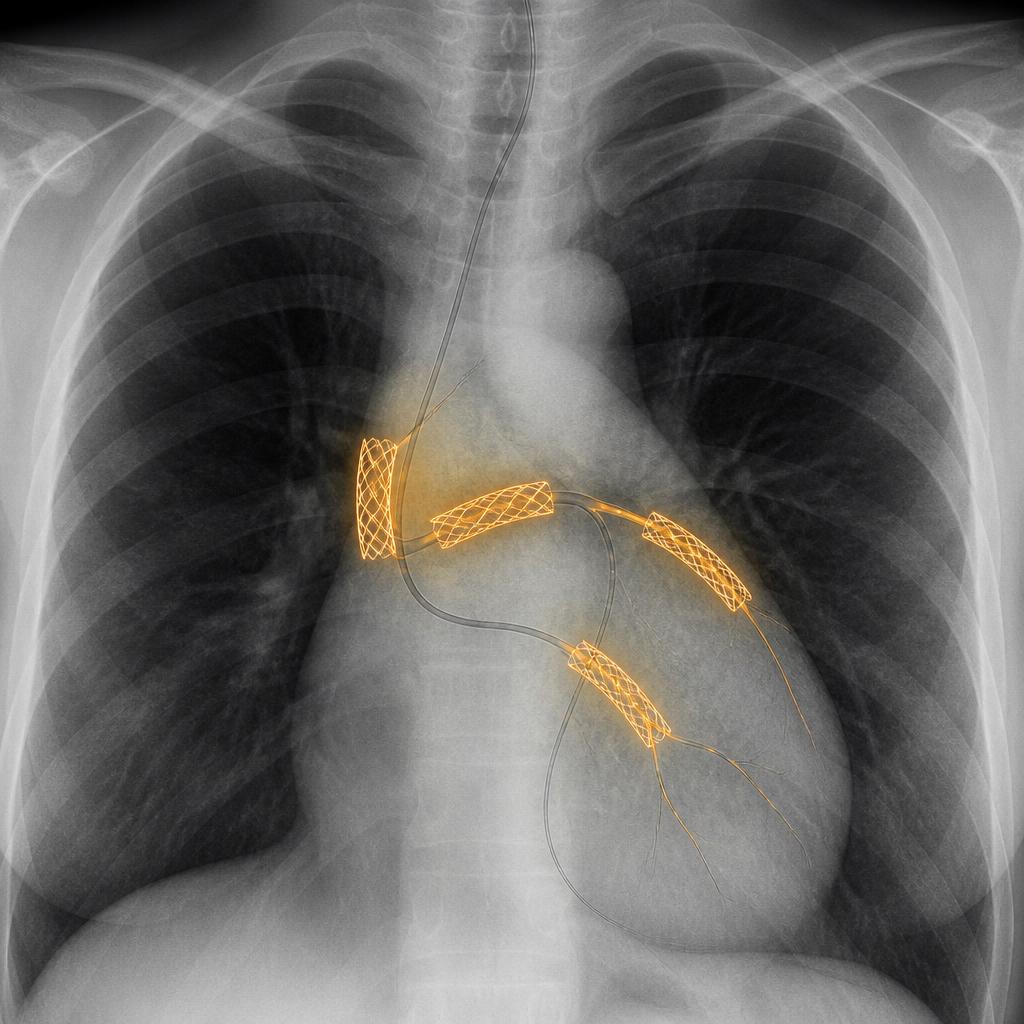
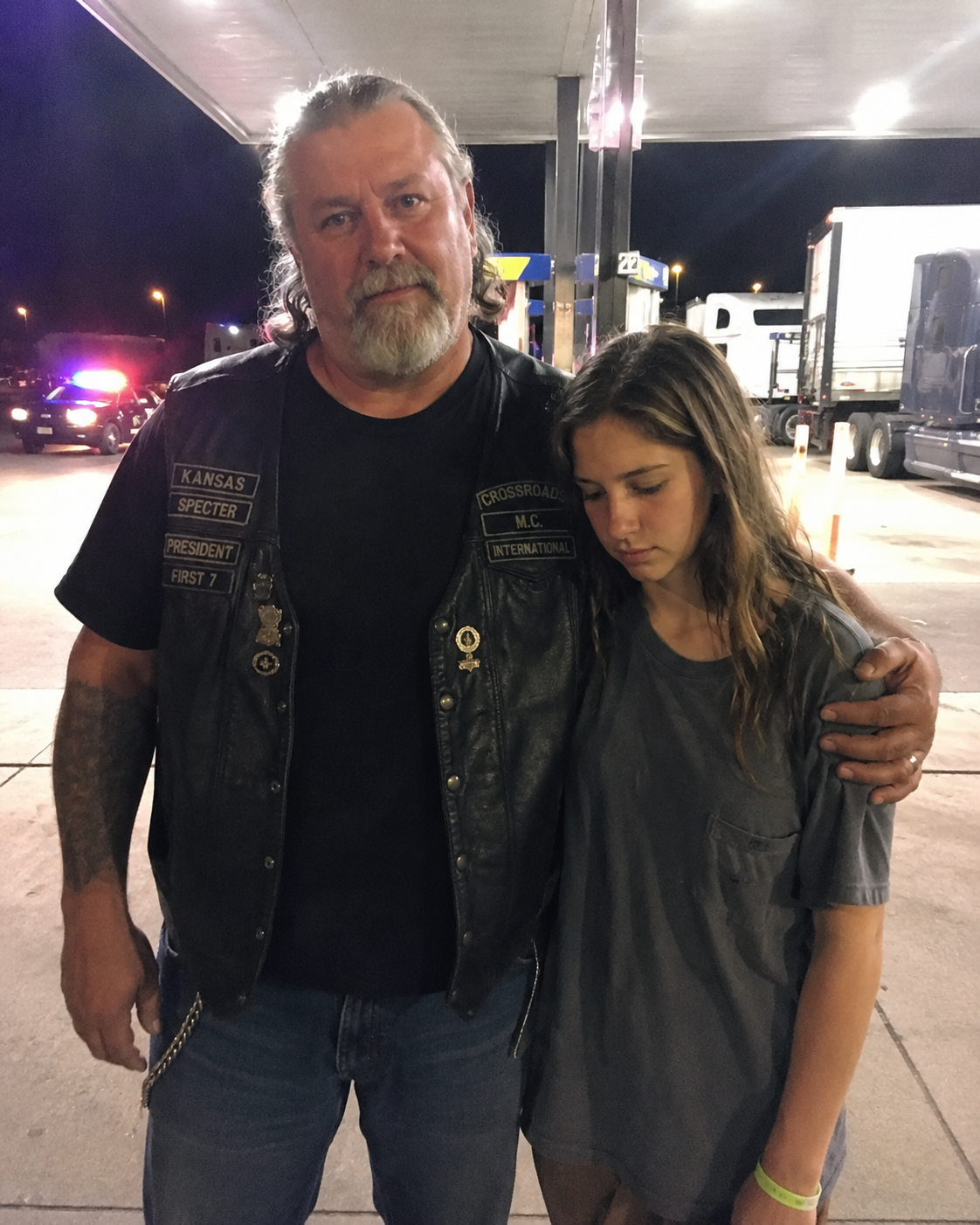
My husband bought a teenage girl for $10,000 at a truck stop off I-70. He's not a criminal. He's not a predator. He's the reason she's alive. I know how that sounds even with the explanation. Let me tell you what happened. Mike had been riding since Thursday morning. Him, Dave, and a guy named Cortez — three days on the road, coming back from a rally in Colorado. They pulled off the highway around 3 AM for gas and coffee. Dead tired. Twelve hours in the saddle. My phone rang at 3:47 AM. I know the exact time because I stared at the screen for three rings before I picked up. Nobody calls at 3:47 AM with good news. It wasn't Mike's voice. "Linda, it's Dave. Mike's okay. He's okay. But I need you to get to KU Medical Center. Can you do that?" My hand was shaking so hard I almost dropped the phone. "What happened." "There was a situation at a gas station. Mike got hit in the head. He's conscious now but they're keeping him for observation. He's okay. I promise you he's okay." I drove an hour and fourteen minutes to that hospital. No radio. No music. Just my hands on the wheel and my heart in my throat wondering what I was going to find when I got there. When I walked into that room and saw him — sitting up, gauze wrapped around his head, dried blood on his collar — the relief hit me so hard my knees almost buckled. Then he told me what happened. He'd gone into the gas station to use the restroom. The men's room was around the back, down a hallway past the storage area. And through the wall — thin wall, cinder block, you could hear everything — he heard voices. Three men. Arguing about prices. And then a fourth voice. Young. Female. Shaking. "Please. My mom is looking for me. She'll pay you. Just let me call her." Mike stopped moving. Stood there by the sink. Listening. "Fifteen hundred," one of them said. "Look at her arms. Track marks. She's damaged goods. Nobody's paying real money for a junkie." "Two grand," another one said. "She's young. Fourteen, maybe fifteen. Still profitable." Mike told me this part staring straight ahead. Not looking at me. Like if he looked at me he wouldn't be able to finish. Then the third man spoke. And Mike said his voice was the worst of all three because it was calm. Businesslike. No emotion whatsoever. "Five thousand. Final offer. I'll take her to Denver. Have her working by sunrise." Mike heard a slap through the wall. The girl cried out. And then they started moving toward the door. He stepped into the hallway. The door opened and they came out. Three men. And between two of them, a girl. Bruised face. Wrists red from being held. She looked right at Mike. She mouthed two words. Help me. I asked Mike what went through his mind in that moment. He said nothing. Nothing went through his mind. He said his body just moved. He stepped in front of them. Pulled out his wallet — he was carrying cash from the rally, more than he'd normally have — and said: "I'll give you ten thousand. Cash. Right now." Everything stopped. Then two of them pulled guns. Here's what those men didn't know. Dave and Cortez were thirty feet away in the gas station buying coffee. Mike didn't plan it this way. He didn't have a strategy. He just moved. But Dave saw the guns come out through the window and he and Cortez came through that door fast. Three bikers. Three traffickers. Two guns. A terrified girl between them. One of the traffickers hit Mike in the side of the head with the butt of a pistol. That's the last thing Mike remembers before waking up in the ambulance. Dave told me the rest. Sitting in the hospital room, still amped, still running on adrenaline at 5 AM. "I came through the door and the one with the chrome pistol had it pointed at Mike's chest. The girl was on the floor behind them. Cortez went right. I went left. I stepped between the gun and Mike and I looked at this guy and I said, 'You can shoot me. But there's two more behind me and a dozen truckers in that lot who heard everything. So do your math.'" Dave said the man's hand was shaking. Said he could see the calculation happening behind his eyes — the risk, the odds, the sirens that would come. They dropped the girl and ran. Cortez called 911. Dave stayed with Mike until the ambulance arrived. Police found the traffickers' car abandoned two miles up the highway. The girl's name was Brianna. She was fifteen. She'd been missing from Topeka for eleven days. Her mother had filed a report the night she disappeared. She drove three hours to the hospital that morning — the officer who called her said he could hear the scream through the phone. I sat in that hospital room holding my husband's hand, looking at the gauze on his head, and I felt two things at once that I didn't know you could feel at the same time. I was so proud of him I could barely breathe. And I was so angry I wanted to hit him myself. He could have died. In a gas station bathroom in Kansas. Over a stranger. He could have left me a widow. Left our daughter without a father. Left our grandkids without a Pop-Pop. And he almost threw all of it away because a girl he'd never met mouthed two words. But that's who he is. That's who I married thirty-four years ago. I kissed his forehead and told him he was the bravest idiot I'd ever met. He laughed. Then winced because laughing hurt his head. He closed his eyes after that. The pain medication was pulling him under. I sat there in the plastic chair next to his bed and watched him sleep. I'd never watched Mike sleep under fluorescent lights before. At home it's always dark, or there's the blue glow from his phone charger on the nightstand. In our bedroom he looks like Mike. Always has. My mind fills in the version of him I carry around — the jaw, the shoulders, the guy I married. But in that hospital room, under those white overhead lights, in a gown that made his arms look thinner than I'd ever noticed, I saw something I'd never let myself see. He looked old. Not old like my father got. Not yet. But older than the man I picture when I think of him. Lines around his eyes I don't see when he's moving. Gray at his temples I don't notice when he's backlit by sunlight on the bike. A softness in his face that sleep revealed and motion usually hides. I sat there looking at him and I felt something shift in my chest before I could name it. Not fear exactly. Something quieter. The first flicker of a thought I didn't want to finish. I thought about the Sportster in the garage. The used one he bought me after I got my motorcycle license at fifty-seven because he said riding the Pacific Coast Highway together was the one thing he wanted to do before his knees gave out. We'd been planning that trip for two years. Mapping routes. Saving money. Next July. Looking at him in that hospital bed, I thought: what if next July doesn't look like what we planned? The doctor came in around 6 AM. Young guy. Maybe thirty-five. He checked Mike's pupils, asked him some questions, said the CT looked clean. No fracture. Just a bad concussion. He'd need rest, follow-up in a week. Then he paused. Pulled up something on his laptop. "Mr. Daltona, when you came in we ran a full blood panel. Standard protocol for any head trauma. Your head is going to be fine. But there's something else I want to talk to you about." He turned the screen toward us. "Your LDL cholesterol is 171. Your triglycerides are elevated. Your ratio of total to HDL is concerning." Mike looked at me. I could see it in his face — he had no idea what any of that meant. But I did. "What are you recommending?" I asked. "I'd start with Atorvastatin. Twenty milligrams daily. Based on these numbers and his age, I'd consider it pretty urgent." Atorvastatin. I felt the floor shift under my chair. See, here's what that doctor didn't know. Here's what Mike didn't even fully understand, because he wasn't the one who'd been watching it happen for years. My father went on Lipitor when he was fifty-eight years old. Mike had just turned sixty-one. My father's doctor told him the same thing. Elevated LDL. Need to get it under control. Gold standard medication. Millions of people take it. Safe and effective. My father was a machinist. Built engine parts for thirty-two years with hands that could thread a bolt blindfolded. Played catch with my boys every Sunday. Drove himself to church. Fixed things around the house. He and my mother were supposed to drive Route 66 when he retired. They'd talked about it since I was a girl. Had a map pinned to the kitchen wall with red thumbtacks marking every stop. Sharp. Strong. Present. That was the man who started taking Lipitor. Let me tell you about his last Thanksgiving. It was six years ago now. I drove three hours to my parents' house with a sweet potato casserole in the passenger seat and a knot in my stomach I got every time I visited by then. My mother answered the door. She looked tired. Not regular tired. The kind of tired that seeps into your bones when you've been carrying someone else's decline for years. "He's in the living room," she said. Like she always did by then. Because he was always in the living room. In the recliner. Because there was nowhere else he could comfortably be. I hadn't seen him since August. Three months. When I walked in, the first thing I noticed was his hands. They were resting on the armrests and they were shaking. Not a lot. Just a constant, fine tremor. Like a current running through them that wouldn't stop. Those hands never shook. Not once in thirty-two years. Those hands played catch with my boys every Sunday in the backyard until they were old enough to throw too hard for him. He looked up at me and smiled. "Linda. When did you get here?" "Just now, Dad. How are you doing?" "Oh, I'm fine. I'm fine. Is Mike with you?" "He's parking the car." "Good. Good." He paused. "How are the boys doing in school?" My boys were twenty-five and twenty-two. Tyler had a mortgage. Jason had a daughter on the way. "They're good, Dad. They're doing great." My mother caught my eye from the kitchen doorway. She shook her head slightly. Not now. We sat down for dinner. The turkey was on the table. My mother had set the carving knife next to my father's plate the way she'd done every year of my entire life. He looked at the knife. Looked at the turkey. I watched him set his jaw. "I've got it," he said. To nobody in particular. Or maybe to everyone. He picked up the knife. His right hand was shaking. He steadied it with his left. Positioned the blade at the breast. The whole table went quiet. He pressed down. The blade slid sideways across the skin. Didn't cut. His arm was trembling from the effort of holding it steady. He repositioned. Tried again. The knife caught for a moment, then his hand jerked and the blade skidded across the cutting board. Ten seconds. The whole table watching. My boys staring at their plates because they didn't know where to look. Mike's hand found my knee under the table and squeezed. My father set the knife down. Carefully. Like it was something fragile. "Barbara, you do it." He sat back in his recliner — they'd moved it to the head of the table years ago because he couldn't sit in a regular chair long enough for a meal — and he stared at the tablecloth. My mother stood up. Walked over. Picked up the knife. Started carving the turkey like it was the most normal thing in the world. Nobody spoke for a full minute. The only sound was the knife against the cutting board. I looked at my mother's face while she carved. I saw what it cost her to pretend that was normal. I saw eighteen years of pretending it was normal. And that map of Route 66 was still pinned to their kitchen wall. The thumbtacks still in place. They never went. They'll never go. Later, while we were cleaning up, my father asked me the same question again. "Linda, how are the boys doing in school?" Same voice. Same smile. Like the first time never happened. My mother answered for me. "They're doing wonderful, Gene. Just wonderful." She answered him every time like it was the first time he asked. Every time. He was on Lipitor for eighteen years. And every year there was a little less of him. First the energy. Then the strength. Then the sharpness. Then the memory. Like someone turning down a dimmer switch on the man he used to be until there was barely any light left. And here's the part I need you to understand. I saw it happening. I said it out loud. I asked his doctor about the tiredness, the shaking, the fog. He pulled up my father's chart and told me the numbers were excellent. The medication was doing exactly what it was supposed to do. My father patted my hand and said the doctor knows best, sweetheart. I was the daughter. It wasn't my call. He died the spring after that Thanksgiving. A heart attack, on a Sunday morning. My mother found him in his recliner with the TV still on. Three weeks earlier, his doctor had shaken his hand and told him his cholesterol was the best it had been in years. Eighteen years on the pill that was supposed to protect his heart. His numbers were perfect the entire time. And his heart is what killed him. The map of Route 66 is still pinned to my mother's kitchen wall. She never took it down. And now this doctor was sitting across from me telling me my husband needed the same medication. Right around the age my father started it. No. I didn't say it out loud. Not yet. Mike was still processing the cholesterol numbers. He's not the worrier in this marriage. I am. He hears "elevated cholesterol" and thinks okay, I'll eat more salad. I hear "Atorvastatin" and I see my father's shaking hands. "Can we have some time?" I asked. "Before starting medication. Can we try to bring the numbers down on our own?" The doctor hesitated. "I'd really recommend—" "How much time can you give us." He looked at Mike's chart again. At me. Back at the chart. "Ninety days. I want to see bloodwork at six weeks. If the numbers haven't moved significantly by then, we start treatment." Ninety days. We walked out of that hospital into a Kansas City sunrise — Mike with a bandage on his head and a prescription we hadn't filled, me with a clock ticking in my chest. He'd saved that girl's life. Now I had ninety days to save his. I started the next morning. Overhauled everything. His diet. Our grocery list. Cut out processed food, added salmon twice a week, olive oil instead of butter. I bought fish oil capsules — the expensive kind from the health food store, not the Costco ones. We walked every evening after dinner. Two miles, rain or shine. He rode his bike on the weekends — not the motorcycle, the bicycle. And every morning at 6 AM, I stood at the stove and made steel-cut oatmeal. I'd read it could lower cholesterol by up to 10%. I bought the organic kind. Added blueberries for antioxidants. Served it in the same bowl every morning like it was medicine. Week one, Mike ate it without complaint. Week two, he started stirring it around with his spoon, pushing it to the sides of the bowl, eating half and leaving the rest. Week three, he looked at the bowl and looked at me and said, "Linda, is there any scenario on earth where I can have eggs." "No." Week four, I got up at midnight to get water and found him standing at the kitchen counter in his boxers eating leftover pizza over the sink. He looked at me the way a teenager looks when they get caught sneaking in through the window. Neither of us said anything. I went back to bed. Lay there staring at the ceiling doing the math. Four weeks. Twenty-eight bowls of oatmeal. Miles of walking. Hundreds of dollars in fish oil and organic groceries. And my husband was eating cold pizza over the sink at midnight because I'd turned his kitchen into a health prison. And none of it — I already knew, lying there in the dark — none of it was going to be enough. Six weeks. I drove him to get the bloodwork. LDL: 164. It had dropped seven points. Seven points in six weeks of doing almost everything right. Six weeks of watching every single thing he put in his body — or at least every thing I could see him put in his body. Seven points. The doctor called that afternoon. He wasn't gentle this time. "Mrs. Daltona, seven points in six weeks is not the trajectory we need. I think it's time to fill that prescription." "No." Silence on his end. "Doctor, I am asking you for more time." "Mrs. Daltona—" "Three more months. Ninety days. If his numbers haven't moved by then, I will fill the prescription myself. You have my word." I could hear him thinking. Weighing liability against a patient's wife who was clearly not going to back down. "Ninety days. That's it. If his LDL is still above 140 at that point, we are starting medication and this conversation is over." A second clock. Ninety more days. But this time I knew the diet and exercise alone weren't going to do it. I needed something else. I just didn't know what yet. Everything I'd done — the oatmeal, the fish oil, the walks, the discipline — all of it barely made a dent. And now the clock was running again and the prescription was sitting in Mike's nightstand drawer like a threat. That night I couldn't sleep. I lay there next to Mike — he was snoring, of course, not a care in the world — and I stared at the ceiling and thought about my father in that recliner. About his hands shaking. About my mother pretending everything was normal. The next morning I was at the kitchen counter making coffee. Mike was behind me at the table reading the news on his phone. I heard him pick up his coffee mug. And then I heard it hit the table. Hard. Coffee sloshed over the rim. I turned around. He was looking at his hand. Opening and closing it. Flexing his fingers. "You okay?" "Yeah. Yeah, I just — my grip slipped. Weird." He picked the mug up again. Drank from it. Set it down normally. Went back to reading. He didn't think about it for another second. I thought about it for the next seventy-two hours. I stood at that counter staring at the back of his head and I saw my father's hands on the armrests of the recliner. I knew it was probably nothing. A slipped grip. Men his age drop things. But I had spent eighteen years watching what "probably nothing" turns into. Mike hadn't even started the medication yet and I was already watching for it — or imagining it — or rehearsing the preview of something that was coming whether he noticed or not. He needs those hands. For the throttle. For the brake. For the road we're supposed to ride together next July. I went to bed that night and lay there in the dark and made a decision. I was not going to watch another man I loved disappear. I didn't care what it took. I didn't care how many hours of research or how many dead ends. I was going to find another way or I was going to run out of time trying. And I decided that wasn't going to be us. A couple weeks later we went to Dave and Rachel's for a cookout. The four of us had gotten close after the gas station — something like that bonds you to people in a way regular friendship doesn't. Our husbands had almost died together. That changes things. Rachel and I were sitting at the patio table while Mike and Dave were at the grill arguing about charcoal versus propane, the way they always do. I had a glass of wine. Rachel had a beer. The sun was going down and the air was warm and it should have been a perfect evening except I had this weight sitting on my chest that wouldn't leave. Rachel asked me what was wrong. I don't know why I told her. I hadn't told anyone — not my sister, not my daughter. But Rachel asked and something broke open and I told her everything. The cholesterol numbers. The ninety days. The diet and exercise that barely moved the needle. The prescription in the nightstand. My father. I told her about Thanksgiving. About the turkey. About his hands. Rachel set her beer down and looked at me in a way that made me stop talking. "Linda. That is exactly what happened to Dave." "What?" "Three years ago. Almost the same numbers. His doctor put him on Crestor. Forty milligrams." I stared at her. Dave was over at the grill flipping burgers. He looked healthy. Strong. Sharp as ever. "Dave's on a statin?" "He was. For a year." She looked over at the grill. "And I watched that year take him apart." "Asleep in his chair by eight. Reaching for a word and losing it. And the bike — Dave's ridden his whole life, and he stopped taking it out. Said he didn't trust his grip on the clutch anymore." "And at every checkup, his doctor looked at the chart and said the numbers were great. The medication was working. I asked about the tiredness. The hands. You know what he told me? That's just what sixty looks like." "So what did you do?" She leaned forward. "Okay. I'm going to butcher some of this because I am not a scientist. But the way it was explained to me — and I've read enough about it since to know this part is right — the problem isn't the cholesterol itself." I almost stopped listening right there. "Rachel, come on. That sounds like something from a health blog. My father's doctor has been treating cholesterol for thirty years. You're telling me he doesn't know what he's doing?" She didn't flinch. Didn't get defensive. Just looked at me. "Linda. In eighteen years of your father being on Lipitor — did his doctor ever once check his oxidized LDL?" I opened my mouth. Closed it. "Did anyone ever measure the type of cholesterol that actually causes plaque? Or did they just measure the total number and push it down?" I didn't answer. Because the answer was no. In eighteen years, nobody had ever mentioned oxidized LDL to my father, to my mother, or to me. "That's what I thought," Rachel said. Not smug. Sad. Like she'd already had this conversation with herself two years ago. "Your body makes cholesterol on purpose," she said. "Your brain needs it. Your hormones need it. Cholesterol isn't poison. The problem is what happens to it after it's in your blood." She pulled out her phone. Showed me something her naturopath had explained to her with a diagram. "I'm probably saying this wrong, but — there's something called oxidized LDL. When cholesterol gets attacked by free radicals, it changes. Oxidizes." "You know how a sliced apple goes brown on the counter? You cut it in the morning, and by lunch the face of it has turned. Nobody touched it — the air did that. Same word as the rust on an old fender." "That's what happens to the cholesterol inside you. It goes rancid. Gets sticky. And that sticky, oxidized cholesterol is what builds up in your arteries. That's what causes plaque. That's what causes heart attacks." She looked at me to make sure I was following. "Regular LDL that hasn't been oxidized? Your body uses it. It's fine. It's supposed to be there. But oxidized LDL is what kills people." "And here's the thing — statins lower your total LDL, sure. But they don't stop the oxidation. Your husband could take Atorvastatin for twenty years and still have oxidized LDL building up in his arteries because the drug doesn't address the actual cause." She paused. "Linda. Your father had eighteen years of perfect numbers. And his heart is what took him." I couldn't say anything to that. And then she said the part I wasn't ready for. "And the hands. The tiredness. The fog. Your father's. Dave's. That's the other half of what I found out — and I didn't find it in a study. I watched it at my own kitchen table." "The way the pill drives the number down is it goes to the liver and shuts down a production line. But that same line makes something else — something called CoQ10. I'd never heard of it either. It's the fuel your cells burn for energy. Your heart runs on it. Your muscles. Your hands. Clamp that line shut to starve the cholesterol, and you starve the fuel too — by as much as forty percent." "The tiredness that sleep never touches. The grip going soft. The words going missing. Eighteen years of everyone calling that age in your father. A year of me calling it age in Dave. It isn't age, Linda. The pill can't lower the number without draining the fuel — it's the same switch. They call it a side effect. It isn't. It's the drug doing exactly what it's built to do." I looked across the yard. Mike was standing at the grill next to Dave. He was rubbing his right hand — the one that dropped the coffee mug — without realizing he was doing it. Just flexing it, squeezing it, working the stiffness out. A habit I'd started noticing since that morning in the kitchen. Dave was using both hands to gesture while he argued about something. Cracking open a beer. Flipping a burger with one hand, pointing at Mike with the other. Laughing. Two years ago, that man didn't trust his own grip on a clutch. Same age range. Same build. One of them had already been down that road and come back. The other was rubbing his right hand without knowing he was doing it. And the difference was standing ten feet away from me. I turned back to Rachel. "So what stops the oxidation?" "Something that neutralizes the free radicals doing the rusting. Before they can attack the cholesterol. Stop the oxidation at the source, and the cholesterol can do its job without turning into something dangerous." "What neutralizes them?" "That's what took me three months to figure out," she said. "I tried everything. Antioxidant supplements, vitamin C megadoses, turmeric, resveratrol. Some of them help with general inflammation. None of them target the specific free radicals that rust your cholesterol." "Most antioxidants aren't selective — they're a carpet bomb. They just blanket everything, including free radicals your immune system actually needs." She took a sip of beer. "Then I found the research on betalains." "Beta — what?" "Betalains. It's a pigment. You know the deep red that stains your fingers when you cut a beet? That color has a name — and it turns out that stain is one of the most selective rust-fighters anyone's ever measured." "I know. I know how it sounds. I made Dave repeat it three times when I told him." "There are clinical studies — real ones, peer-reviewed journals, not somebody's Instagram — showing that betalains hunt the one specific kind of damage — the exact reaction that turns your cholesterol rancid — and neutralize it. A smart missile, not a carpet bomb. They get carried into your bloodstream, fold into the cholesterol particle itself, and stop the rust from the inside — and they leave the ones your immune system needs completely alone." "And here's the piece that made the whole thing finally click for me. When your cholesterol is rusting, your body reads all that damage as a shortage — so it panics and makes more cholesterol to compensate. More cholesterol, more rust, more panic. Round and round. That's the loop the pill can never break, because the pill only ever chops at the number — never the rust driving it." "Stop the rust, and the whole loop unwinds backward. The body stops panicking. Stops overproducing. And the number comes down on its own — not because you forced it, but because you finally fixed the thing underneath it." "So Dave takes this?" "Every morning. Has for almost two years — since the week he came off the Crestor." "You took him off it?" "We did it with his doctor watching the bloodwork the whole way. And it was two different things, Linda — I want you to understand that." "Coming off the pill is what gave him back his hands. His energy. The fuel comes back once you stop draining it." "The beetroot is what made it safe to stay off. It goes after the rust the pill never touched. His last LDL was 116. His oxidized LDL — practically nothing. His doctor read that panel twice." "Why didn't his doctor suggest this?" Rachel gave me a look that every wife in that situation has given at some point. "Because there's no pharmaceutical company making money on a beet, Linda. Nobody's sending reps to doctors' offices with free samples of beetroot. It's not a drug. There's nothing for them to prescribe." I drove home that night with my head spinning. Mike fell asleep in the passenger seat. I kept replaying what Rachel told me. I spent the next morning reading everything I could find. Rachel wasn't making this up — the studies were real, the journals were legitimate, and I'd never heard of any of it. So I went to Amazon and ordered what looked like the most popular option. Beetroot capsules. Best-seller badge. Four and a half stars. Two-day shipping. They arrived. Mike swallowed two with a glass of water that first evening. He shrugged. "Tastes like nothing." "Good. Take them every morning." Three weeks went by. Then four. He felt... nothing he could point to. Maybe he was sleeping a little better? He couldn't even say for sure. Nothing dramatic. Nothing that made me think these numbers are going to move. I messaged Rachel. "I've had Mike on the beetroot capsules for almost a month. He says he maybe feels a little different but honestly nothing. Am I expecting too much too fast?" Her reply came in two minutes. "What brand did you get?" I told her. "Oh honey. No. That's your problem." She called me. And that's when I learned something that probably saved us from wasting what little time we had left on something that was never going to work. "Go get the bottle," Rachel said. "Twist one of the capsules open over a white saucer. I'll wait." I did. I cracked one open and tipped the powder out. "What color is it?" I looked at it. A dull, brick-brown powder. Like dust. "Brown," I said. "There it is. That's not beetroot, Linda. That's what's left of it. Real betalains are deep crimson — almost violet, the color of a beet pulled straight out of the ground. If it's brown, the betalains are dead. It was dead before it ever reached you." "How do you know this?" "Because I made the exact same mistake. Bought the Amazon bestseller first. Four weeks of nothing. Then I did what I should have done from the start — actually looked at what was in the bottle." "There are two reasons almost none of the beetroot you can buy will do a thing for you," she said. "The first is the beet itself. They've spent a hundred years breeding the grocery beet for sugar — sweeter, bigger, easier to ship. And every time you breed a beet for sugar, you breed the betalains down. The beet that used to be medicine got turned into candy. What's in a store now carries a fraction of what the old beets did." "And the second is heat. Betalains are fragile — heat tears them apart. Almost every beet powder on the shelf is spray-dried at high temperature, cooked down fast and cheap. By the time it's sealed in a capsule, the betalains are already gone. That brown powder on your saucer? That's red dust. It was cooked to death in a factory before you ever paid for it." "What does Dave take?" "It's called Rosabella. It's an old heirloom strain — the Blutwurzel beet. The Amish up in Lancaster County have been saving the seed by hand for a hundred and fifty years. Never bred it down for sugar. It carries something like ten times the betalains of a grocery beet." "And they hand-harvest it after the first frost — that's when the plant pulls everything back down into the root — then dry it slow, in the shade, never with heat. So the betalains reach the capsule alive. 1,300 milligrams in every one." "That's not a small difference, Linda. That's the difference between red dust and actually getting enough betalains into your blood to stop the rust." I got off the phone and spent the next two hours going through every beetroot supplement I could find. Rachel was right. Most of them just said "beet root powder" — no strain, no drying method, doses buried in proprietary blends. Some didn't even list the betalain content — which, once you know what to look for, tells you everything you need to know. If the number was impressive, they'd put it on the label. Rosabella listed everything. The Blutwurzel strain. The shade-drying. 1,300 milligrams per capsule. The studies I'd read that showed results — the ones with real outcomes, real bloodwork improvements — they used concentrated betalains at exactly that kind of dose. The cheap bottles didn't come anywhere near it. I ordered it that night. It arrived three days later. Small box. Simple packaging. Nothing flashy about it. Before I'd let Mike take one, I did what Rachel taught me. I twisted a capsule open over the same white saucer. The powder was deep red — almost violet. The color of a beet pulled straight out of the ground. I let a single drop of water fall onto it and it bloomed — bled crimson across the white dish like a fresh cut. I set it next to the brown one. Even Mike looked at the two saucers side by side and said, "That's not the same thing at all." He took two with a tall glass of water. Every morning. The first week, I didn't ask him how he felt. I didn't want to create a placebo expectation. I just watched. By day five, I noticed it myself. He came home from a ride and instead of dropping onto the couch and staring at the TV for an hour like he usually did, he went to the garage and started organizing his tools. That doesn't sound like much. But when you've been married to someone for thirty-four years, you notice when their energy changes. By week two, he mentioned it himself. "I don't know what's different but I feel good. Like, actually good. Not just okay." By week three, the afternoon fog he'd had for years — the one he blamed on age, on riding, on not sleeping well — was gone. Just gone. He was sharper at dinner conversations. Remembered things I'd told him two days ago. Came up with the idea to take our granddaughter to the science museum and planned the whole trip himself, which he hadn't done in I don't know how long. But it was week four when he said the thing that stopped me in my tracks. He came in from a ride. Stood in the kitchen doorway looking at his right hand — the hand I'd been watching since the coffee mug morning. "Linda, this is gonna sound weird." "What." "My hands are warm." "What?" "On the ride this morning. October air, no heated grips — and my hands stayed warm the whole way. They've been cold on the bike for I don't know how many years. I'd stopped noticing. I wasn't even thinking about it and I noticed. Like someone opened something back up." He was looking at his own hand like he'd just met it. I turned away so he wouldn't see my face. Because what I felt in that moment was so big I couldn't let him see it or I would have fallen apart right there at the kitchen sink. But I wasn't counting energy or clarity or warm hands. I was counting days until the bloodwork. Day eighty-four. Six days before the deadline. We went in. I sat in that waiting room like I was waiting for a verdict. Mike was calm. Mike is always calm. That's my job — the worrying. His job is being calm and occasionally saving teenagers from gas station traffickers. Three days later, the doctor called. I was in the kitchen. I put him on speaker. "Mr. and Mrs. Daltona, I have Mike's results. Are you both there?" "We're here." I gripped the edge of the counter. Silence. I heard him clicking through something on his computer. "LDL is 119." I didn't move. "Triglycerides are within normal range. HDL has actually increased, which is excellent. His ratio is right where we want it." Mike looked at me across the kitchen. Grinned. Gave me a thumbs up like he'd just won a bet. I couldn't speak. My throat had closed. Because I knew what that number meant. Not just that we'd beaten the deadline. I knew why it had moved — the thing Rachel told me at that patio table. The rust stops, the body stops panicking, the loop unwinds backward. Nobody forced that number down. Something underneath it had finally been fixed. More clicking. Then a long pause. "Mrs. Daltona, I need to ask you something." "Yes?" "When did he start the Atorvastatin?" Mike and I looked at each other. "He didn't," I said. Silence. A long one. "He never filled the prescription?" "No." I could hear him breathing on the other end. The clicking stopped. "His LDL was 171 when I first saw him. It's 119 now. Without medication." He wasn't asking. He was saying it to himself. Processing it out loud. "I've been doing this for eleven years. I don't see this kind of movement without pharmacological intervention. Not at his age. Not with his starting numbers." Another pause. "I'm not going to ask you what you did because frankly it doesn't matter to me as long as the bloodwork supports it. And the bloodwork supports it. No Atorvastatin. I don't need to see him for six months. But when you come back — I'd like to know." He said it the way doctors say things when they've been proven wrong and they're trying to be professional about it. When I hung up, Mike walked over and hugged me. "I told you we didn't need the pills," he said. I laughed into his chest. Then I cried. Then I laughed again. He didn't know. He didn't know what I'd been carrying for those months. The weight of watching the clock. The hours of research. The wrong product. The right product. The 2 AM terror of seeing my father's shaking hands every time I looked at my husband. He didn't know because I never told him. I called Rachel that evening. She picked up on the first ring. "119," I said. She screamed. Actually screamed. Her husband yelled from the other room asking what was wrong and she yelled back, "Nothing's wrong, everything's right, shut up Dave." We laughed until we cried. I think about that night at the gas station a lot. Mike heard a girl's voice through a bathroom wall and his body moved. He didn't think. He didn't calculate. He didn't weigh the risks. He just acted because something inside him wouldn't let him walk away. He saved Brianna's life that night. But that gas station — the head wound, the ambulance, the blood panel they ran while he was unconscious — that's what revealed what was already happening inside his body. If he'd never pulled off I-70, if he'd never heard that girl, we wouldn't have known about his cholesterol until it was too late. Until the doctor had no choice but medication. Until the damage was already building in his arteries. He saved her. And because he saved her, I got the chance to save him. You're reading this for a reason. Maybe your husband's numbers came back high. Maybe your doctor is pushing a statin and something in your gut is telling you to look for another way. Maybe you've watched someone you love disappear on those pills the way I watched my father disappear, and you're terrified of it happening again. I'm not a doctor. I'm not a scientist. I'm a sixty-year-old woman from Missouri who got lucky enough to know another woman who'd already walked this road. But here's what I know for certain. There are two paths in front of you right now. One path is the prescription. You fill it. He takes it. Six months from now his LDL is 110 and his doctor says the medication is working. A year from now you notice his grip isn't what it was. He drops a coffee mug and blames it on the handle being wet. You don't say anything but you notice. Two years from now he's tired by 2 PM every day. He stops making plans. Stops suggesting things. The projects in the garage sit unfinished. Three years from now you're at Thanksgiving and he reaches for the carving knife and you see the tremor in his hand and your stomach drops because you've seen that tremor before. In another man's hands. At a table where nobody said a word. Five years from now you're cutting his food and pretending it's normal. And his cholesterol will be perfect the entire time. I know where that road goes. I watched it for eighteen years. I know exactly how it ends. The other path is the one Rachel showed me at a backyard cookout while our husbands argued about charcoal. You order the capsules. You twist one open over a white saucer first — just once, so you see the crimson for yourself. Then he takes two with a glass of water tomorrow morning. You don't tell him what to expect. You just watch. And within a week or two, you notice something — the energy comes back. The fog clears. He starts doing things again. Planning things. You track the days until his next bloodwork. You sit in the waiting room like you're waiting for a verdict. And when the doctor calls with the results, you hear the confusion in his voice when the numbers don't match what he expected without medication. And you know. And next July — or whenever your version of next July is — you take the ride. Whatever the ride is. The trip. The retirement. The thing you've been planning together that depends on him being sharp, strong, and fully present. You take it. I chose the second path. Mike's LDL went from 171 to 119. No medication. No side effects. No cold hands on the handlebars. No dimmer switch slowly turning down. The Sportster is in the garage. The Road King is next to it. The route is mapped. July is eight months away. 👉 https://track.tryrosabella.com/cdc16426-3e48-40a7-9fad-21098084f6cf P.S. — The product Mike takes is called Rosabella. It's the heirloom Blutwurzel beetroot — the old strain the Amish in Lancaster County have been saving by hand for a hundred and fifty years, never bred down for sugar, hand-harvested after the first frost and shade-dried so the betalains reach you alive. 1,300 milligrams in every capsule. Two a day, with a glass of water. That's it. That's the whole routine. You'll know the difference the first time you twist one open over a white saucer — it doesn't come out brown like the cheap ones. It comes out deep crimson, and one drop of water makes it bleed red across the dish like a fresh cut. Even Mike looked at it and said "that's not the same thing at all." It wasn't. P.P.S. — Here's what I tell people: take two with a tall glass of water and sit with it a while. A lot of people feel something shift somewhere in the first twenty minutes or so — a lift, like the lights coming up in a room you'd stopped noticing had gone dim. That's not the cholesterol. That part takes weeks, and it shows up on bloodwork, not in your chair. What you may feel that fast is something simpler — your blood moving easier, oxygen getting where it hasn't been in a while. And if you've taken supplements before and felt absolutely nothing — fish oil, CoQ10, the drugstore beet powder — it's not that nothing works. It's that they never touched the thing actually doing the damage. That first lift isn't the cure. But it's the first sign the betalains are alive and in your blood. P.P.P.S. — The thing I hear most from other wives is, "But will this work for women too?" Yes. The oxidation process is the same regardless of gender. Free radicals don't care if you're male or female — they attack LDL cholesterol the same way. The betalains neutralize them the same way. I take it myself now. My numbers were never as high as Mike's, but they were creeping up, and I wasn't about to wait until some doctor tried to hand me the same prescription they gave my father. I gave my mother a bottle last month too. She's seventy-nine, and her doctor has been circling the same conversation with her for a year. She told me: not this time. Not after what she watched. I don't know what that means yet. But I know what it felt like to hear it. P.P.P.P.S. — They sell it at the link below. The best deal is Buy 3, Get 3 Free — it works out to about eighty cents a day, shipped free, which is less than the fish oil capsules I was wasting money on before. Not next week. Now. Every day without addressing the oxidation is another day the damage builds. Mike's doctor gave us two chances and we almost wasted both. You might not get a second extension. Don't wait for your version of the midnight pizza over the sink to realize the diet isn't going to be enough. P.P.P.P.P.S. — They're a small company. It's one heirloom strain, grown by a handful of Amish families in Lancaster County, hand-harvested once a year after the first frost. You can't rush an heirloom seed line the way you rush a sugar beet — when a season's batch is gone, it's gone until the next harvest. If your husband has a blood draw coming up in the next 30 to 60 days, check now. You need the weeks. P.P.P.P.P.P.S. — That girl at the gas station — Brianna — she sent Mike a letter three months after that night. I won't share what she wrote because it's private and it's theirs. But I will tell you that Mike sat on the back porch and read it and when he came inside his eyes were red and he didn't say anything. He just hugged me. He's a good man. Brave and stubborn and kind. If you're the one in your marriage who does the worrying and the researching and the figuring-it-out while he sleeps through the whole thing — you already know you're reading this for both of you. Don't forget about their 90-day money-back guarantee — take it for the full ninety days, and if he's no different, send the bottles back, even the empty ones, and you get every penny back. Every order ships free and you can cancel anytime. 👉 https://track.tryrosabella.com/cdc16426-3e48-40a7-9fad-21098084f6cf
Support stamina and heart health every day
LEARN MORELike this ad? Make it yours.
Crush rebuilds this exact creative around your product — your brand, your colors, your offer — in about a minute.