
Stopped· since Mar 24, 2026
- 112
- days it ran
- 0
- relaunches
Ad copy
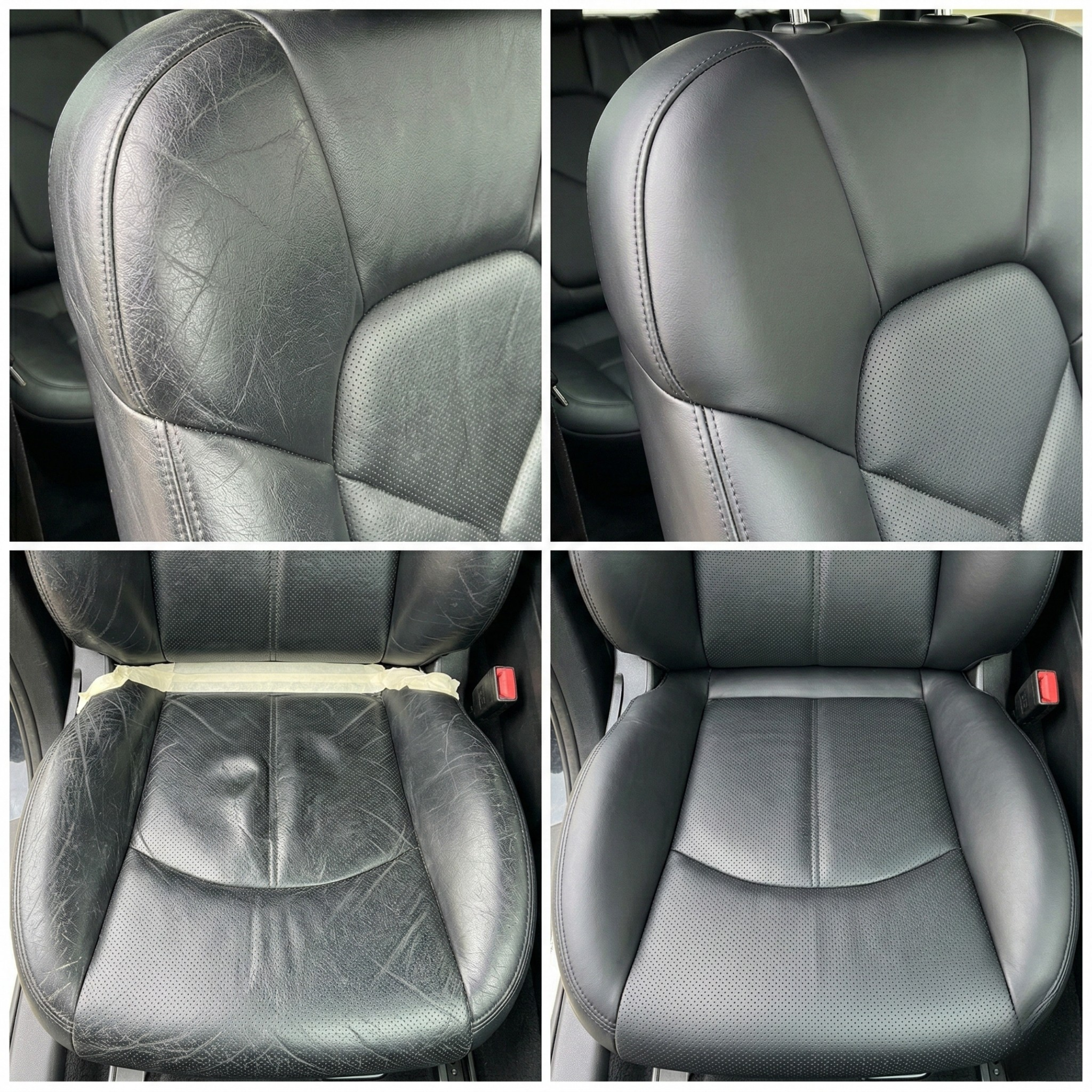
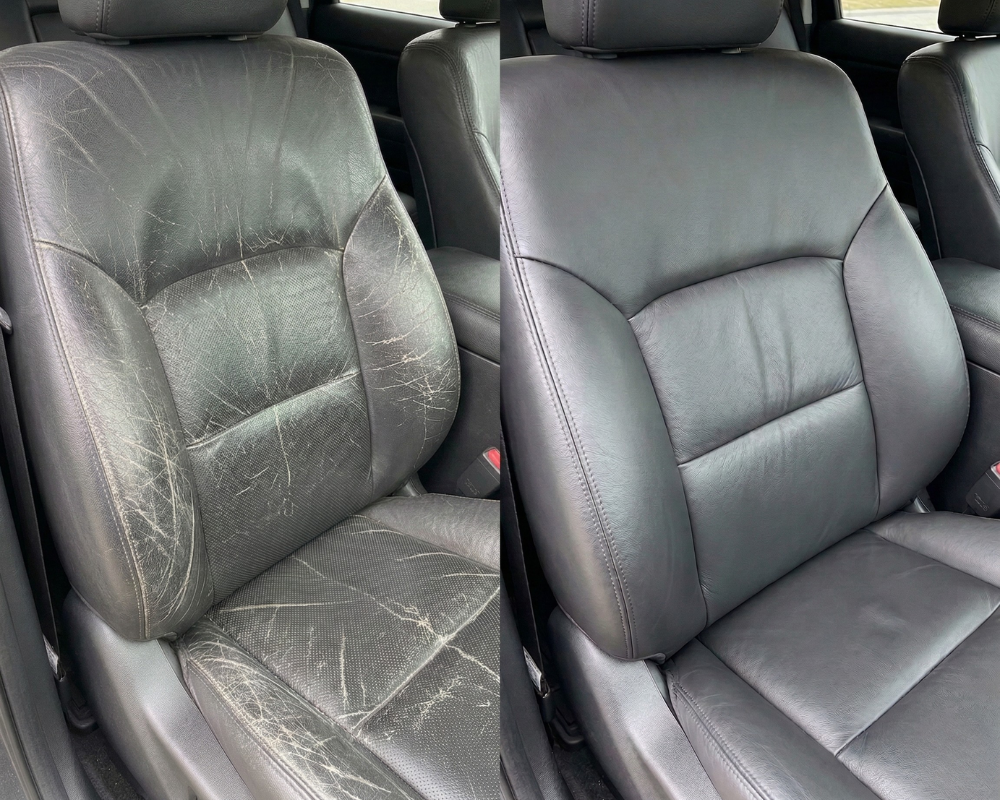
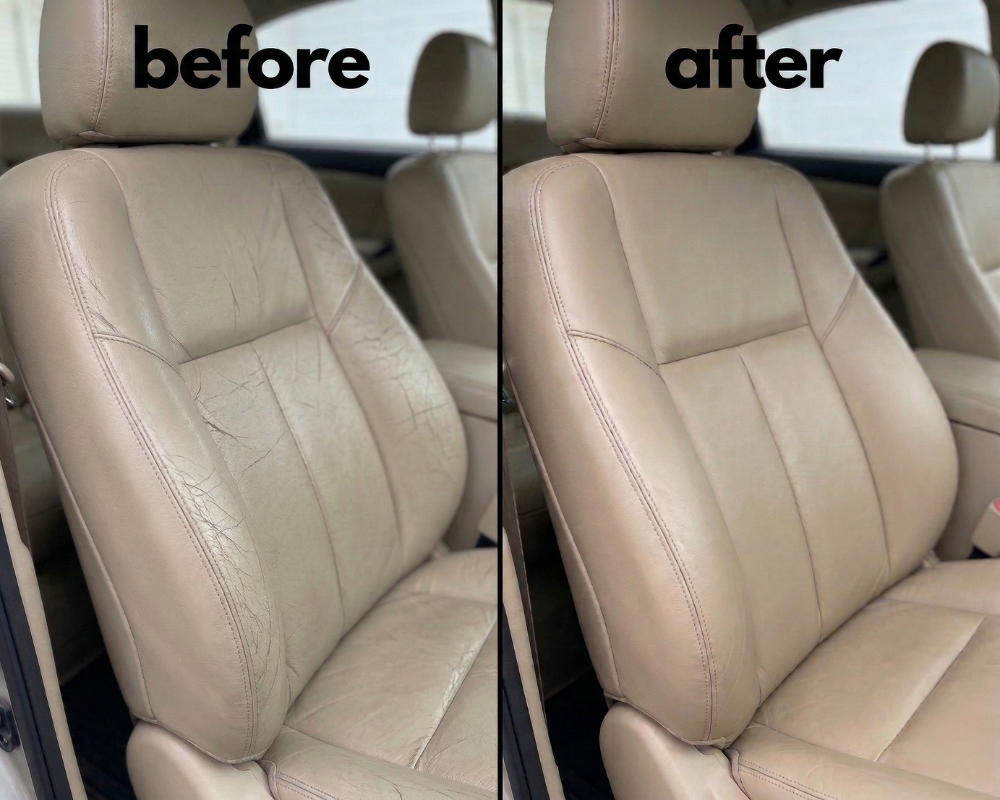
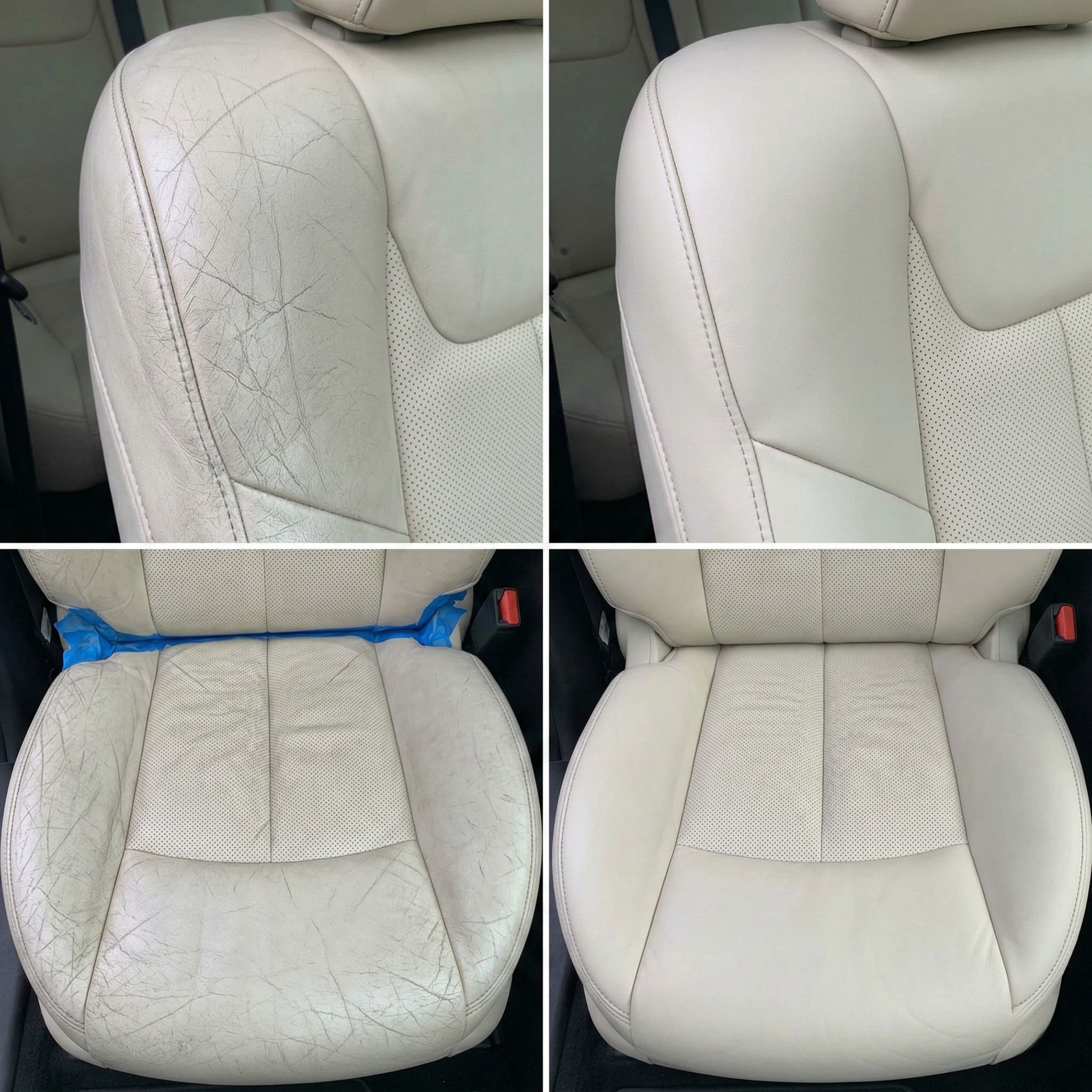
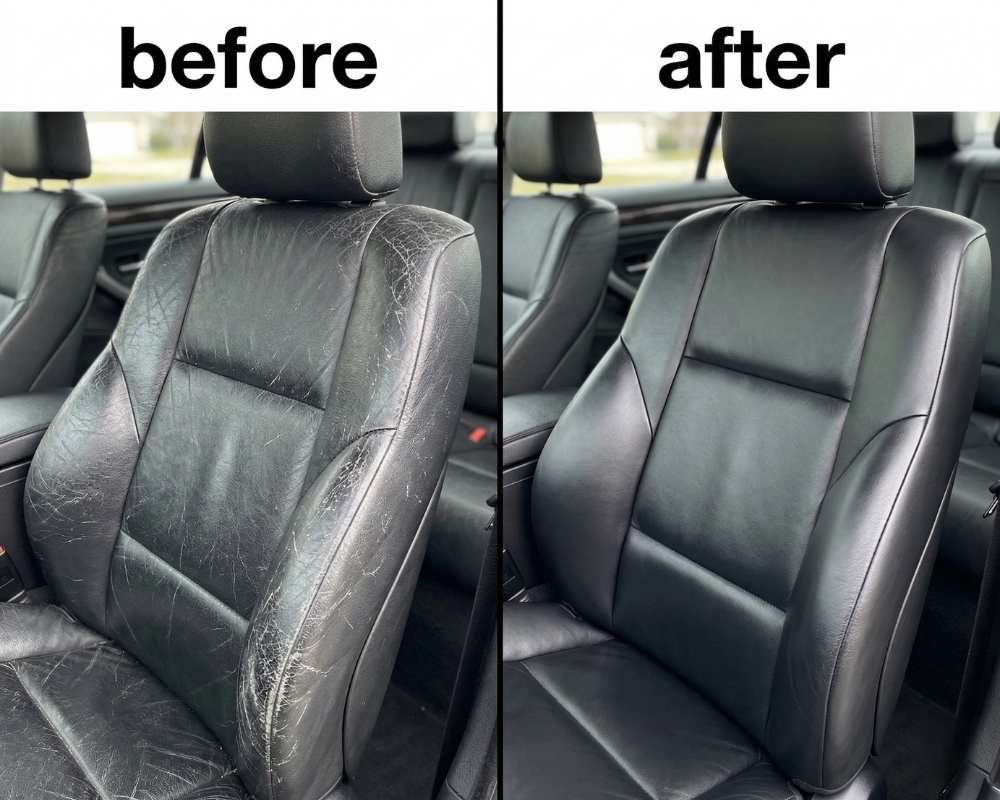
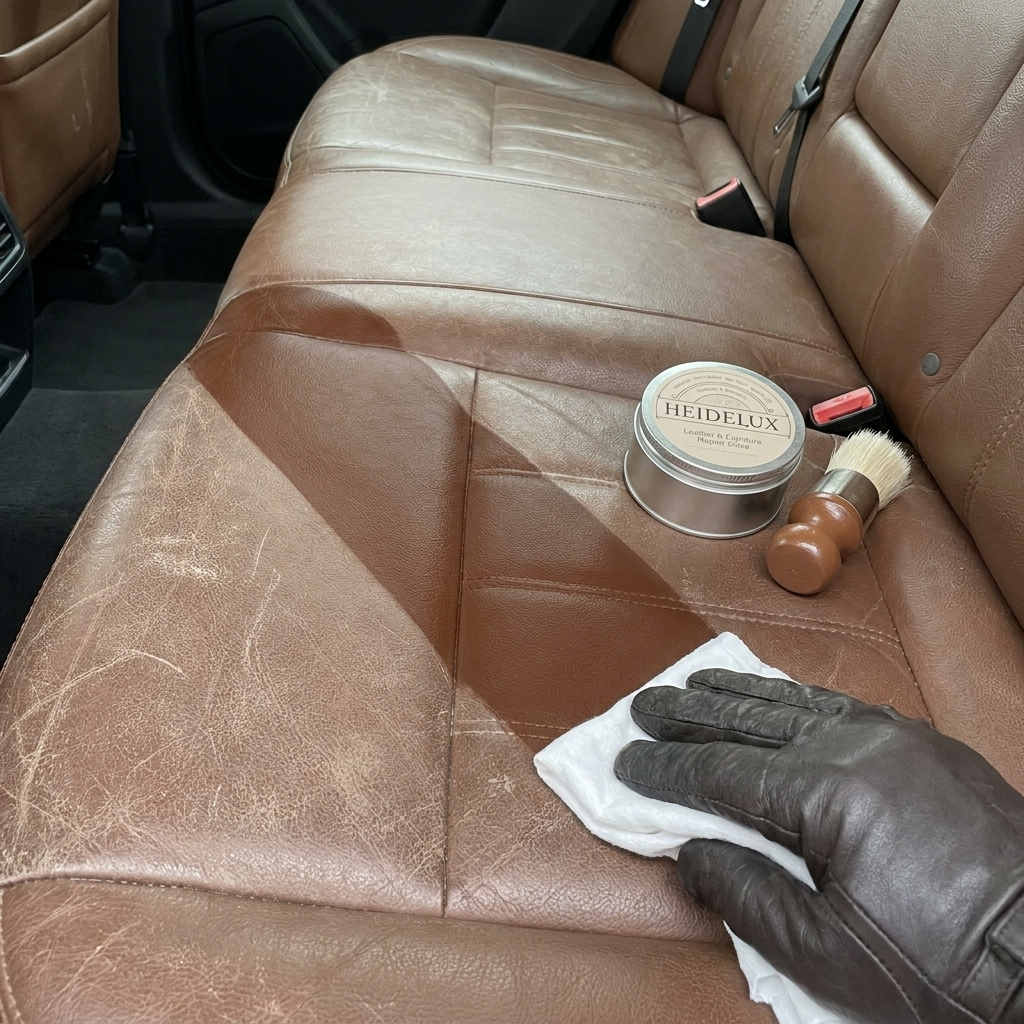
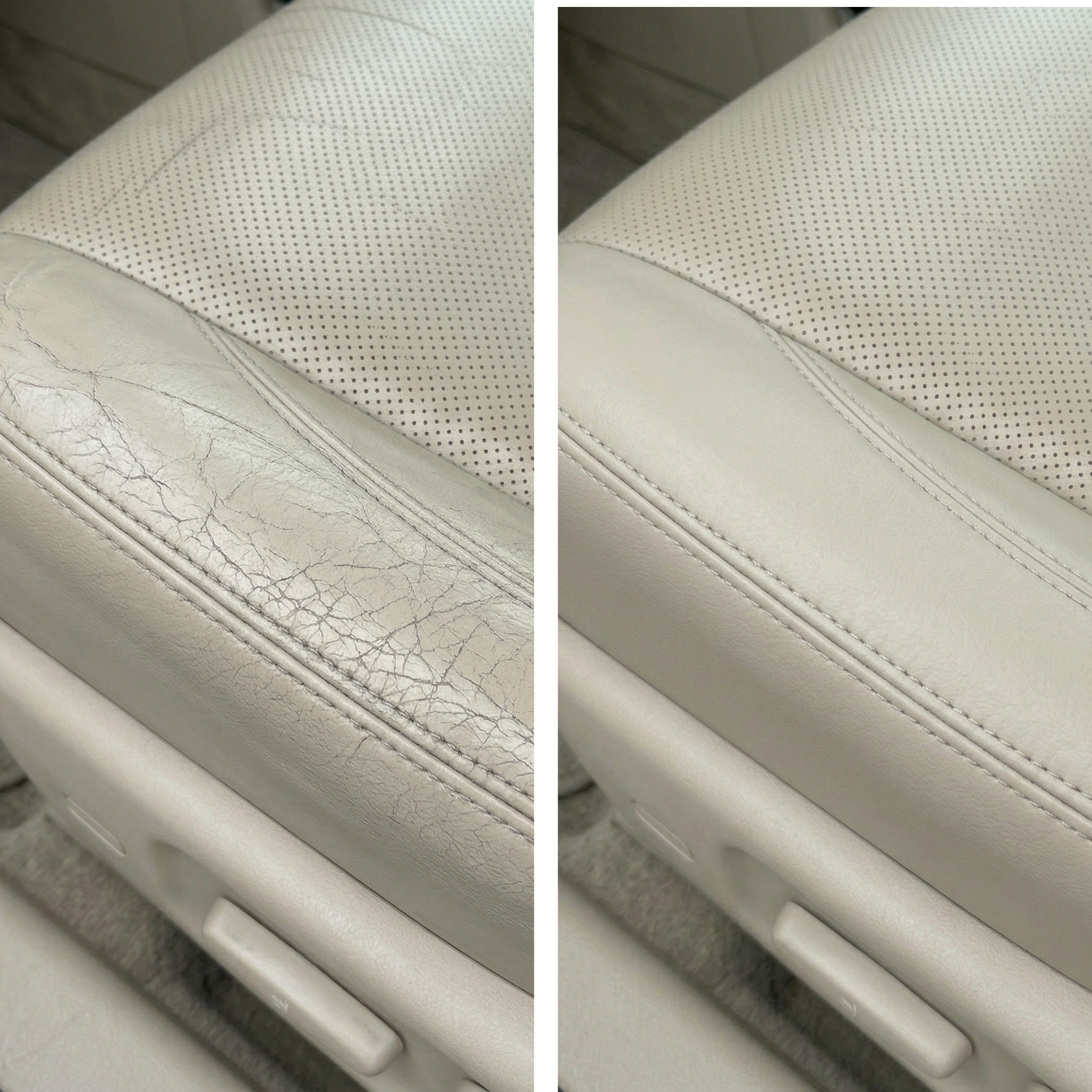
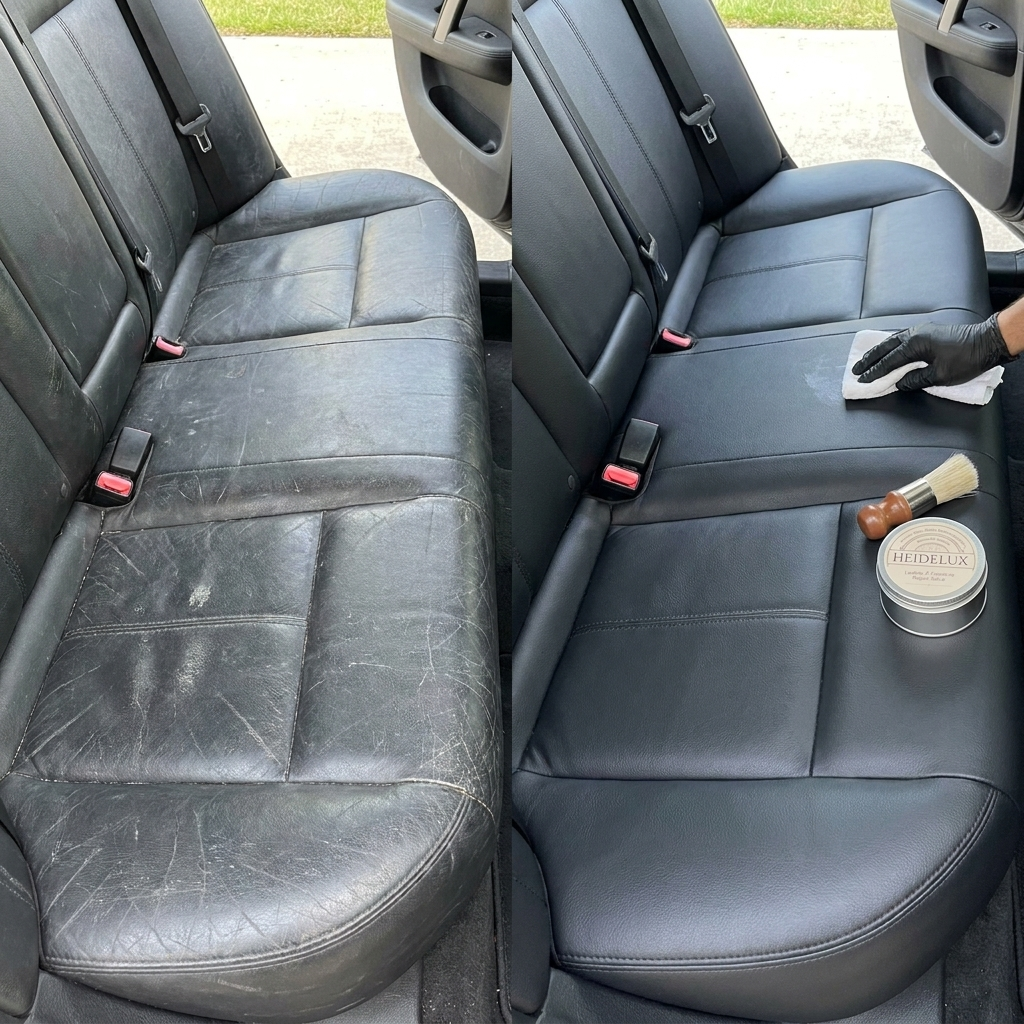
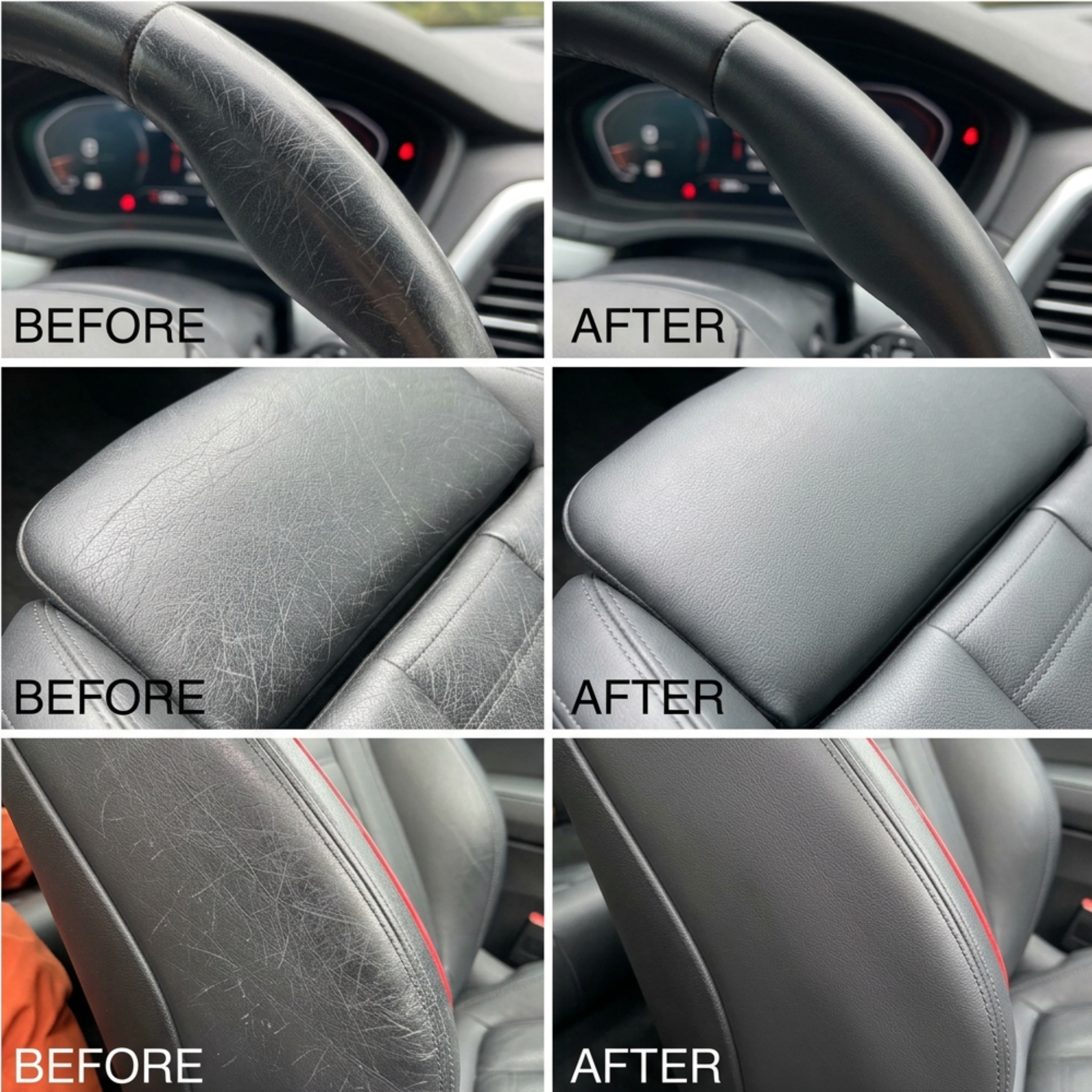
The dealership quoted me £600 for leather damage on my lease return... then casually mentioned "but the final charge could be higher at return." The inspector handed me the estimate and walked back to her car without even looking at me. £600. Interior leather damage. I sat in the driver's seat with the paper in my hand, engine off, not ready to go inside yet. Three years of normal life on those seats. My laptop bag on the passenger side every morning. The kids' backpacks on the school run. The usual. I knew the seats had taken some wear. I just didn't think it would cost us a holiday. We'd been saving for months. First proper trip since the kids got older and we actually had the chance. My wife had the flights half-picked out. Now I was sitting in the driveway doing the maths on what we'd have left. I didn't tell her the number that evening. I just said it wasn't great and that I was handling it. The first thing I tried was a leather conditioner from Amazon. £14. Good reviews. I worked it into the seats every evening for two weeks with a microfiber cloth. The scratches looked the same. Then worse. I went online and found the same advice everywhere. Sand it down, apply filler, paint over it. Bought two kits, £34 and £42. The first left a brownish tint across the seat that looked nothing like the original colour. The second peeled off within a week. I'd spent close to £90 and the seats looked worse than when I'd started. The return date was six weeks out. I was running out of time and options. My wife's brother came for dinner that Friday with his family. His son Thomas is nineteen, doing an apprenticeship at a dealership across town. Good kid. Doesn't say much usually. At some point I mentioned the inspection. The £600 quote. How the kits hadn't worked. I wasn't looking for advice, just venting. Thomas put his fork down. "Wait. They quoted you £600? For seat scratches?" "Yeah." "On a lease return?" "Yeah." He leaned back in his chair and looked at me with disbelief. "I process those cars," he said. "After they come back. That's part of what I do at the shop." "And?" "And it's one cream. That's it. Specifically made for leather scratches, wear marks, that kind of thing. I go over the whole interior, front and back, and I'm done in twenty minutes. The scratches just disappear." I put my fork down. "Twenty minutes. For the whole car." "For the whole car. It's not complicated. The cream does the work." My wife looked at me from across the table. I looked back at her. "So why are they charging £600?" I asked. Thomas shrugged. "I just prep the cars. I don't set the prices." He picked up a pen from the counter and wrote something on the back of a receipt sitting near the fruit bowl. Slid it across the table to me. "That's what we use. It's not consumer stuff, it's specifically formulated for wear and tear on car leather." He went back to eating. I looked at the name on the receipt. I didn't recognise it. I kept it in my pocket. That night after everyone had gone home I looked it up. And I ended up reading for two hours. Here's what I hadn't understood before, and what nobody had bothered to explain. Car leather is far more durable than most people think. It's protected by a transparent coating that sits on top of the leather itself. When something scratches across it — a zip, a buckle, a bag dragged across the seat — in the vast majority of cases it doesn't damage the leather underneath at all. What it damages is that transparent coating. And once that coating is gone, the exposed leather beneath dries out and changes colour. That's the scratch you're looking at. Not torn or damaged leather. Just dried, exposed leather that's lost its protective layer. That's why the conditioner hadn't worked. Most consumer products are silicone-based. They sit on the surface, create a shine, and do nothing for the dried leather underneath. They're not designed to repair anything. They're designed to make leather look shiny. That's the entire product. And the repair kits — filling and painting over leather that didn't need filling or painting in the first place. No wonder they looked wrong. But there's a different category entirely. Oil-based, professional-grade formulas that actually penetrate the surface. They rehydrate the dried leather, pull it back to its original colour, and seal over the area where the transparent coating was removed. The scratch disappears. That's what Thomas had pointed me toward. That's what the dealerships use. Not a specialist technique. Not professional equipment requiring two days and three coats. A cream, a cloth, and thirty seconds per scratch. I found a supplier that sold to individuals. Price with shipping: £29. The can arrived Thursday. Plain silver metal, black lettering. No marketing. No lifestyle photography. Instructions: apply with microfiber cloth, buff for 30 seconds. I started with the worst scratch. Long mark across the centre of the driver's seat, three years old, the one I'd been staring at every morning. Applied a small amount. Buffed in circles. Thirty seconds. It was gone. Not faded. Gone. The leather looked the way it had when I picked the car up. I did every scratch on every seat. Front and back. Twenty minutes total. The can was still more than half full. I went inside and didn't say anything to my wife yet. I wanted to wait. The return inspection was four weeks later. Same process as the pre-inspection. Inspector walked the car with her tablet, worked through the checklist section by section. I stood next to her and said nothing. She got to the interior. Ran her hand across the driver's seat. Checked the passenger side. Leaned into the back. Interior condition: within normal parameters. No excess wear charges on the interior. I called my wife from the car park. "No charges," I said. She was quiet for a second. "None?" "None. Book the flights." A few weeks later I mentioned it to a colleague, Paul. Eight months out from his own lease return. Mercedes. He'd already had the pre-inspection and was sitting on a £510 interior damage estimate. Had a repair shop lined up. "Cancel it," I told him. I explained what I'd learned. Sent him the supplier link. He fixed his seats on a Sunday afternoon in his garage. Forty minutes. Sent me a photo after. "I can't believe that's all it was," he wrote. I could. I'd thought the same thing standing in my own driveway. If you're reading this with a lease return coming up and an interior damage estimate you don't know what to do with, this is what I wish someone had told me before I spent two weeks and £90 on products that made things worse. The scratches on your seats are almost certainly not damaged leather. They're dried, exposed leather that lost its protective coating. Consumer conditioners won't fix that. Repair kits won't fix that. What fixes it is a professional-grade oil-based cream that rehydrates and reseals the leather from underneath. The product I used is called Heidelux. I will leave a link for you below. One can costs £29 and handles a full interior. The same can the dealerships buy, the same one Thomas writes down on receipts for people who bother to ask. The inspection is coming whether you're ready or not. The penalty estimate was £600. The fix was £29. And the holiday we almost gave up? We're leaving next month. 👉 https://heidelux.com/products/heidelux-car-seats
Like this ad? Make it yours.
Crush rebuilds this exact creative around your product — your brand, your colors, your offer — in about a minute.