
Stopped· since Apr 3, 2026
- 23
- days it ran
- 0
- relaunches
Ad copy
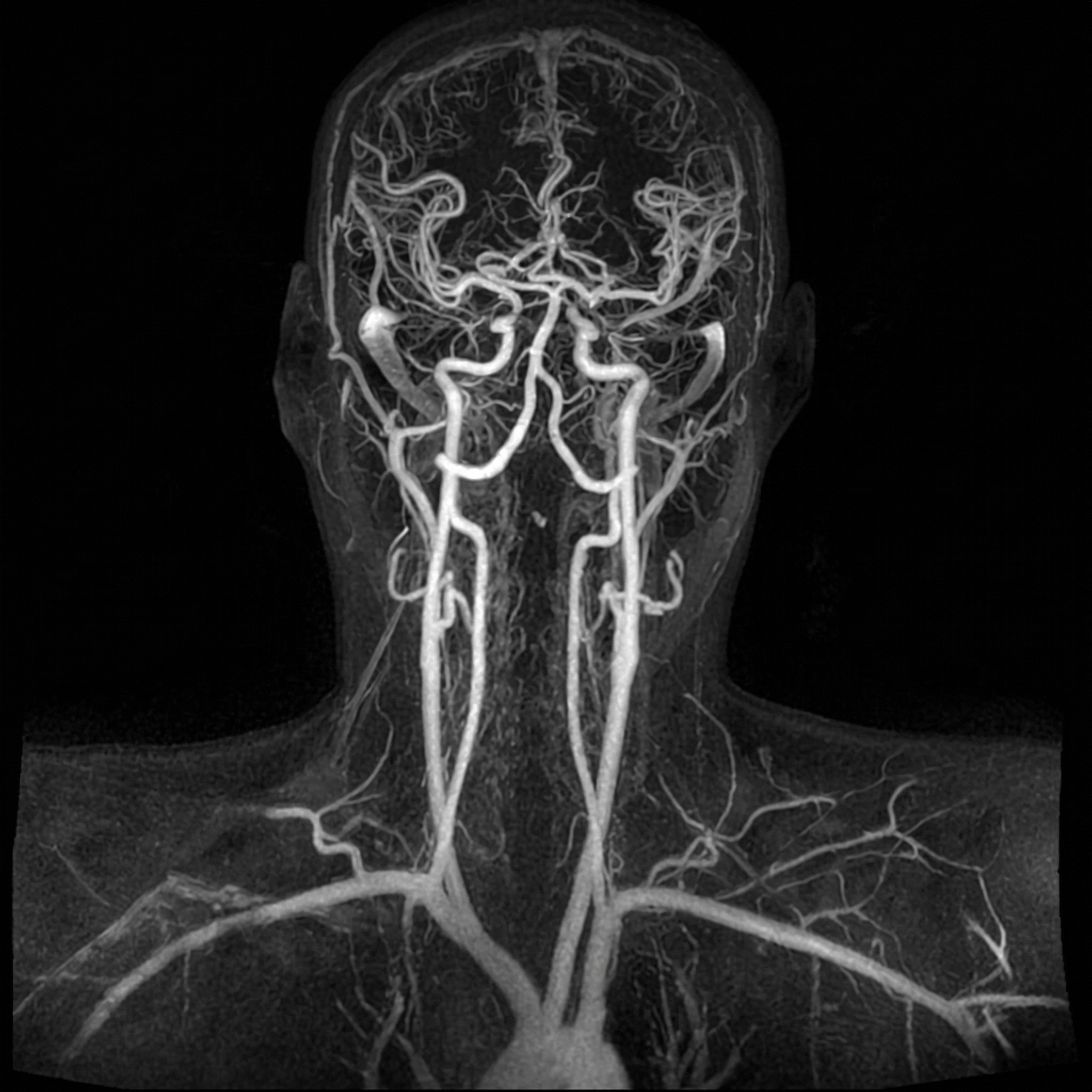
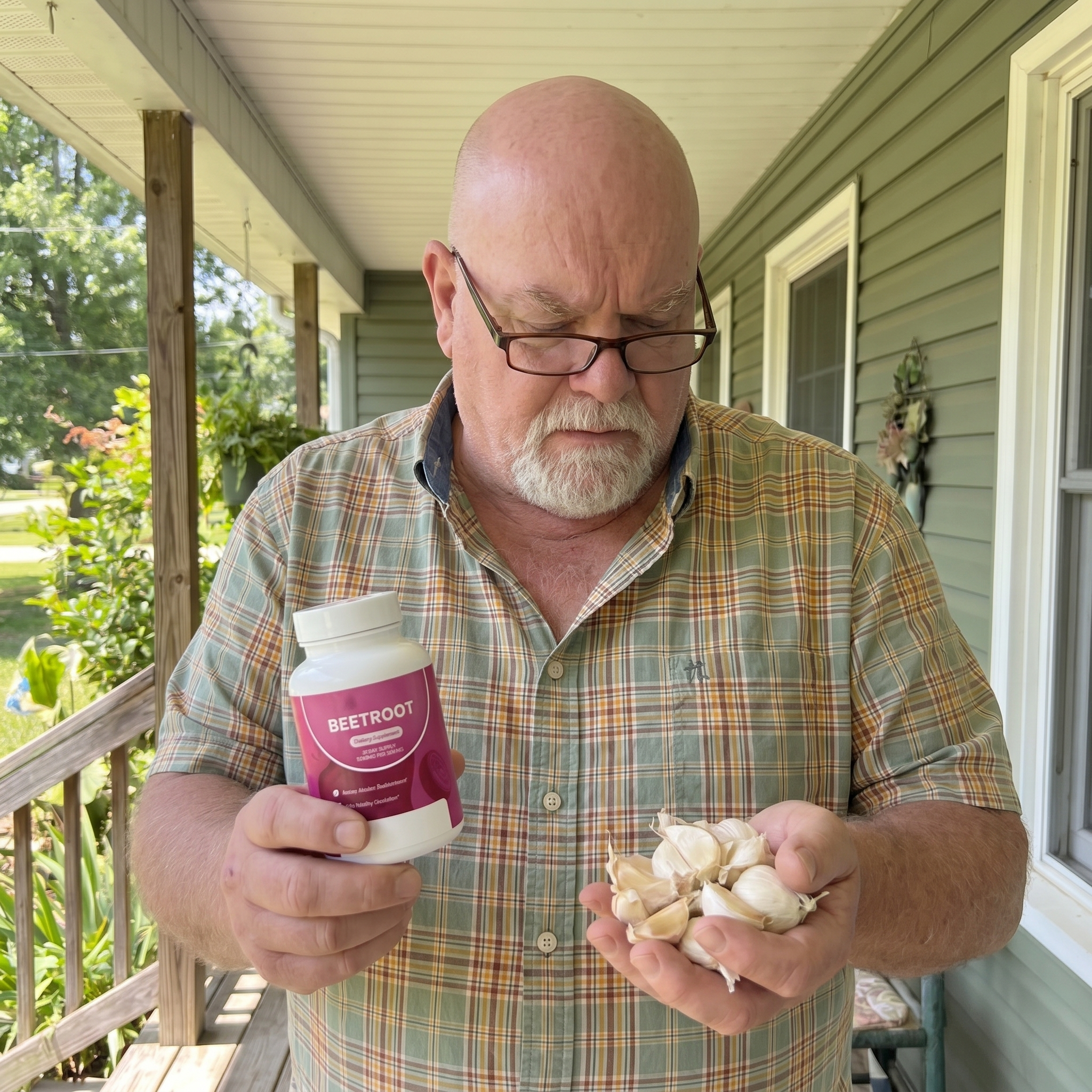
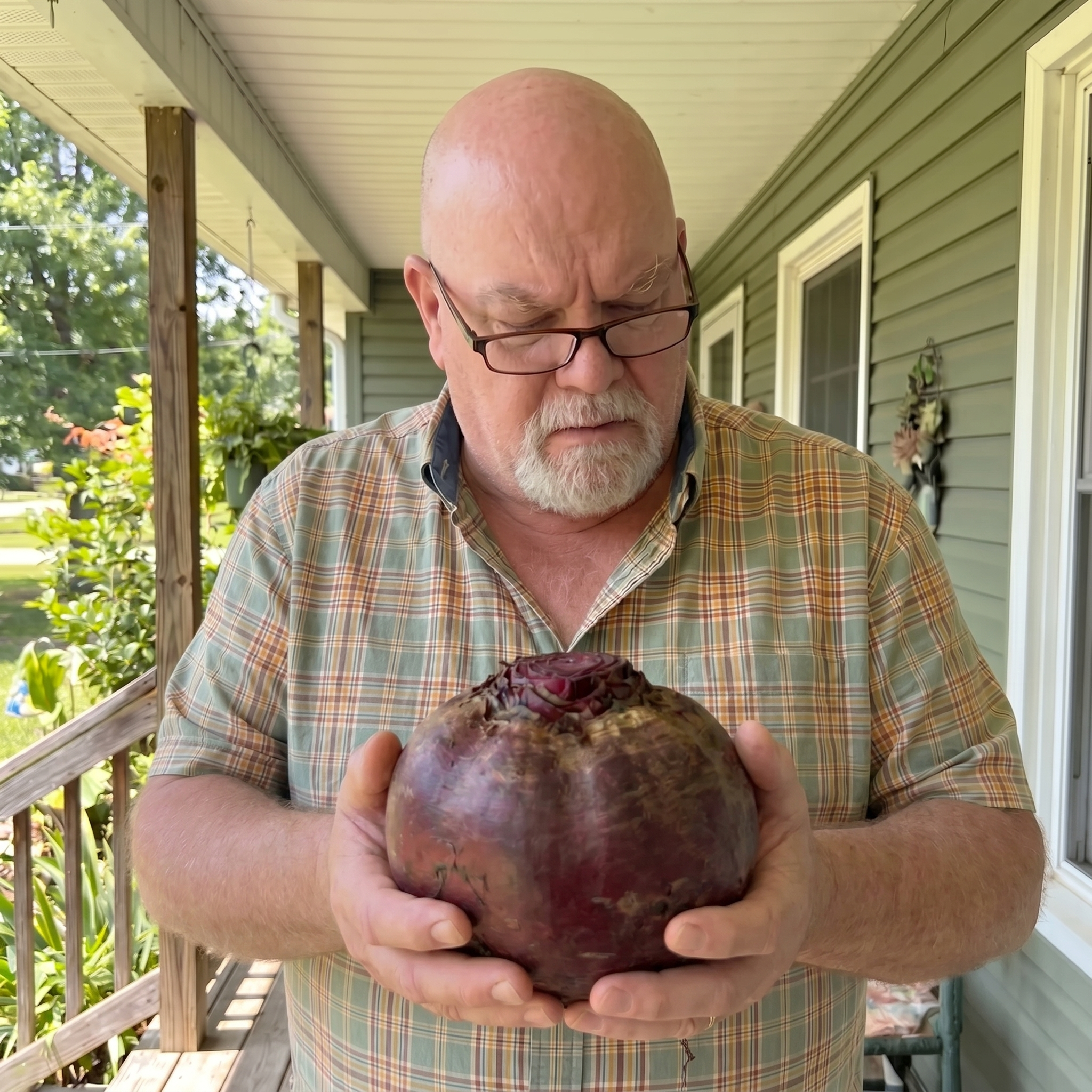
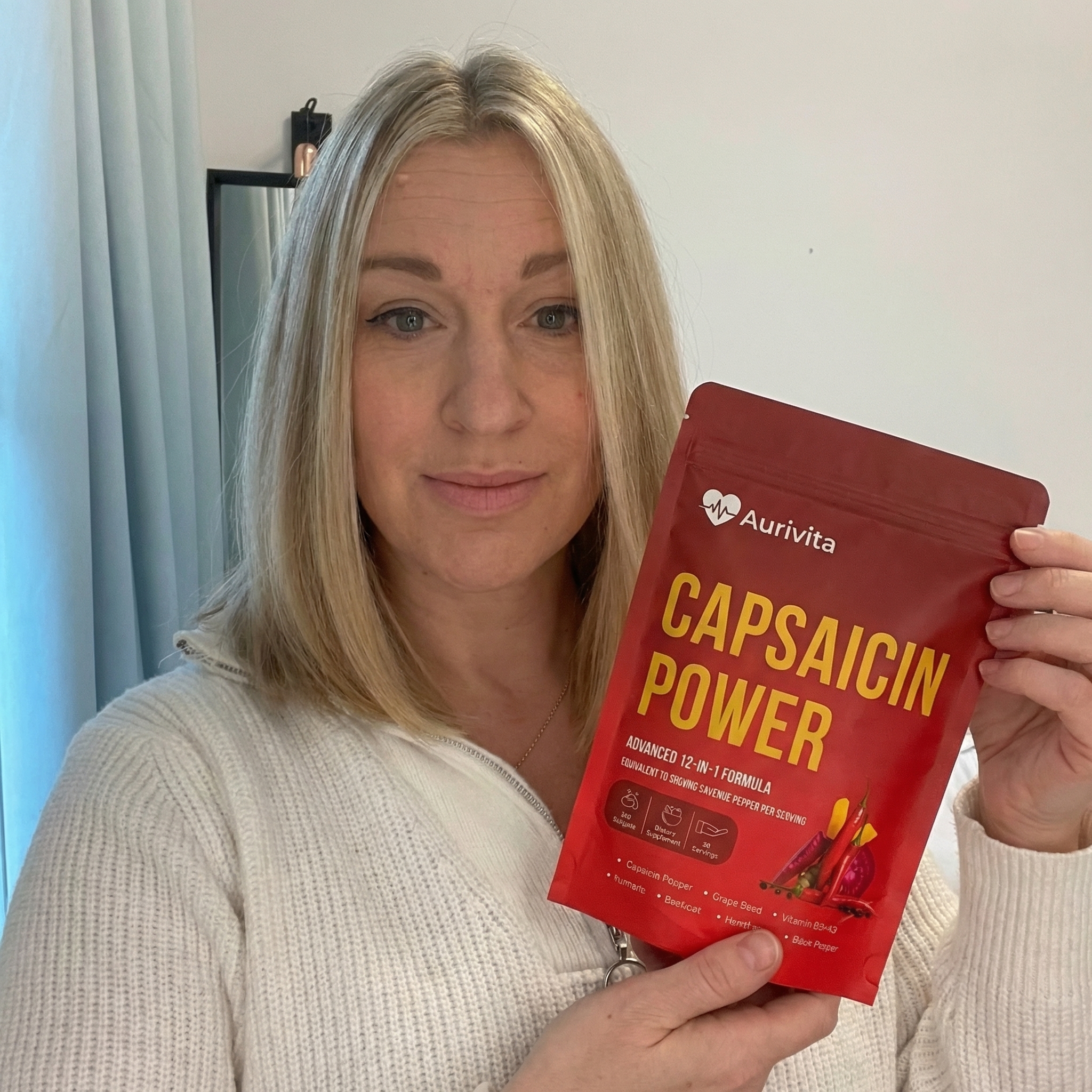
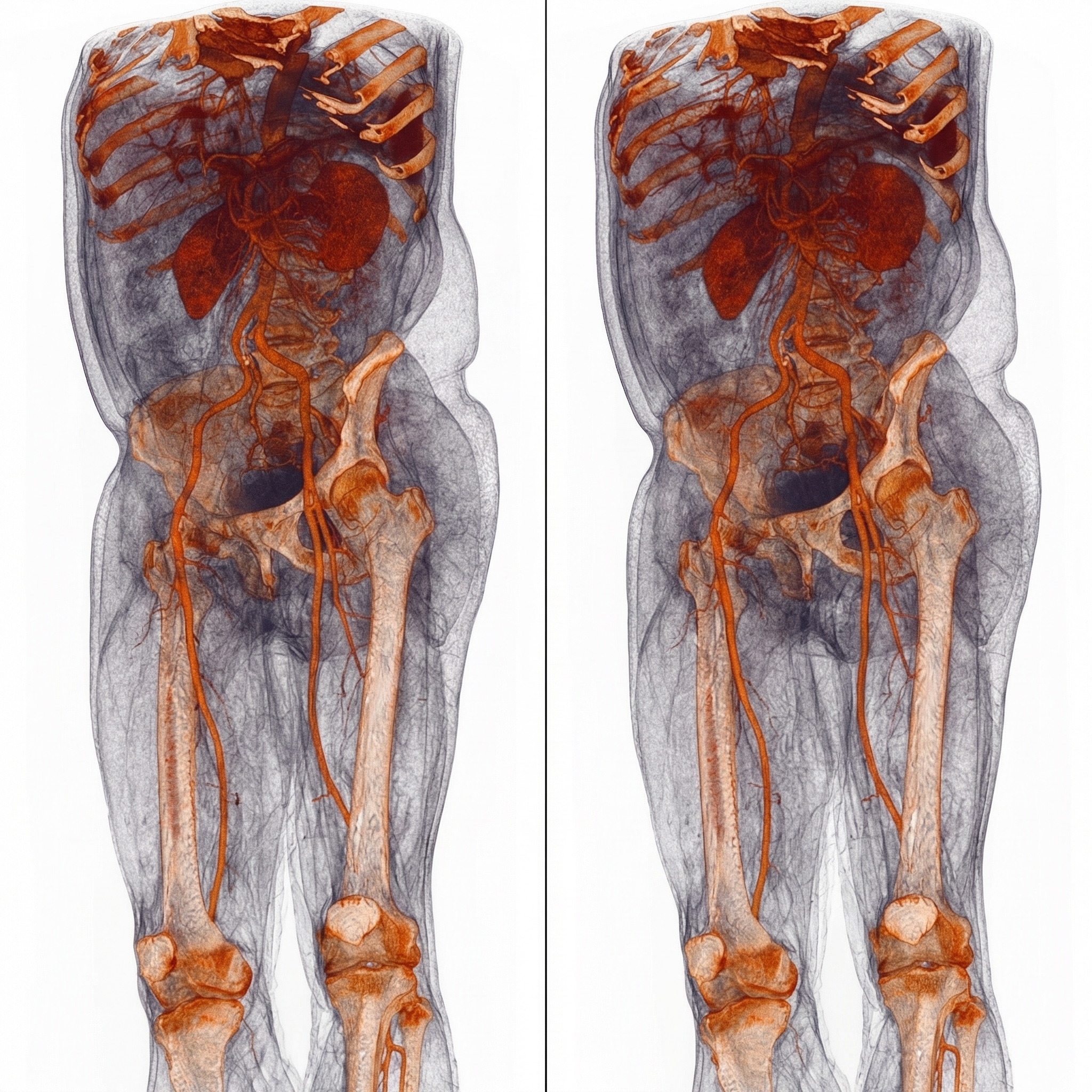
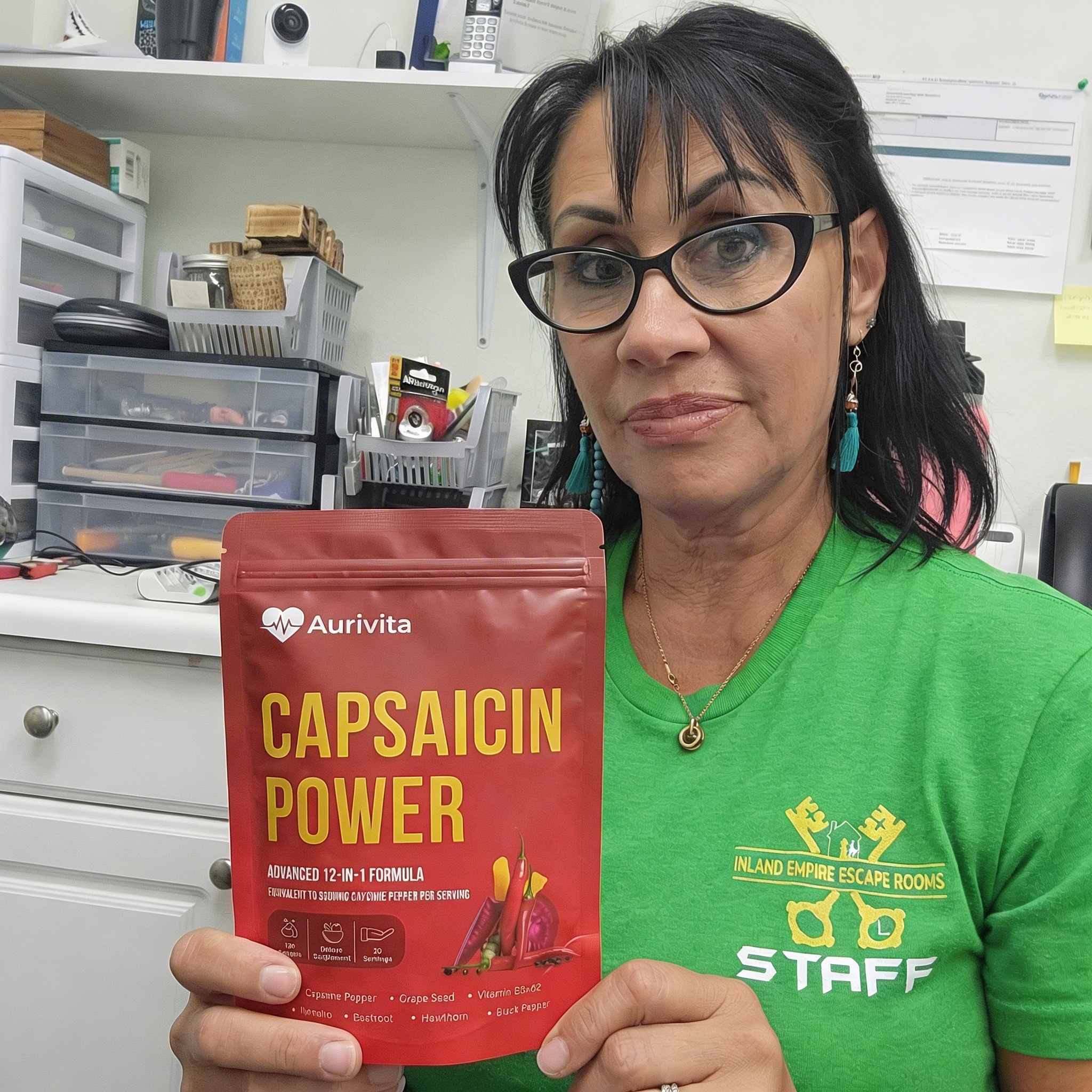
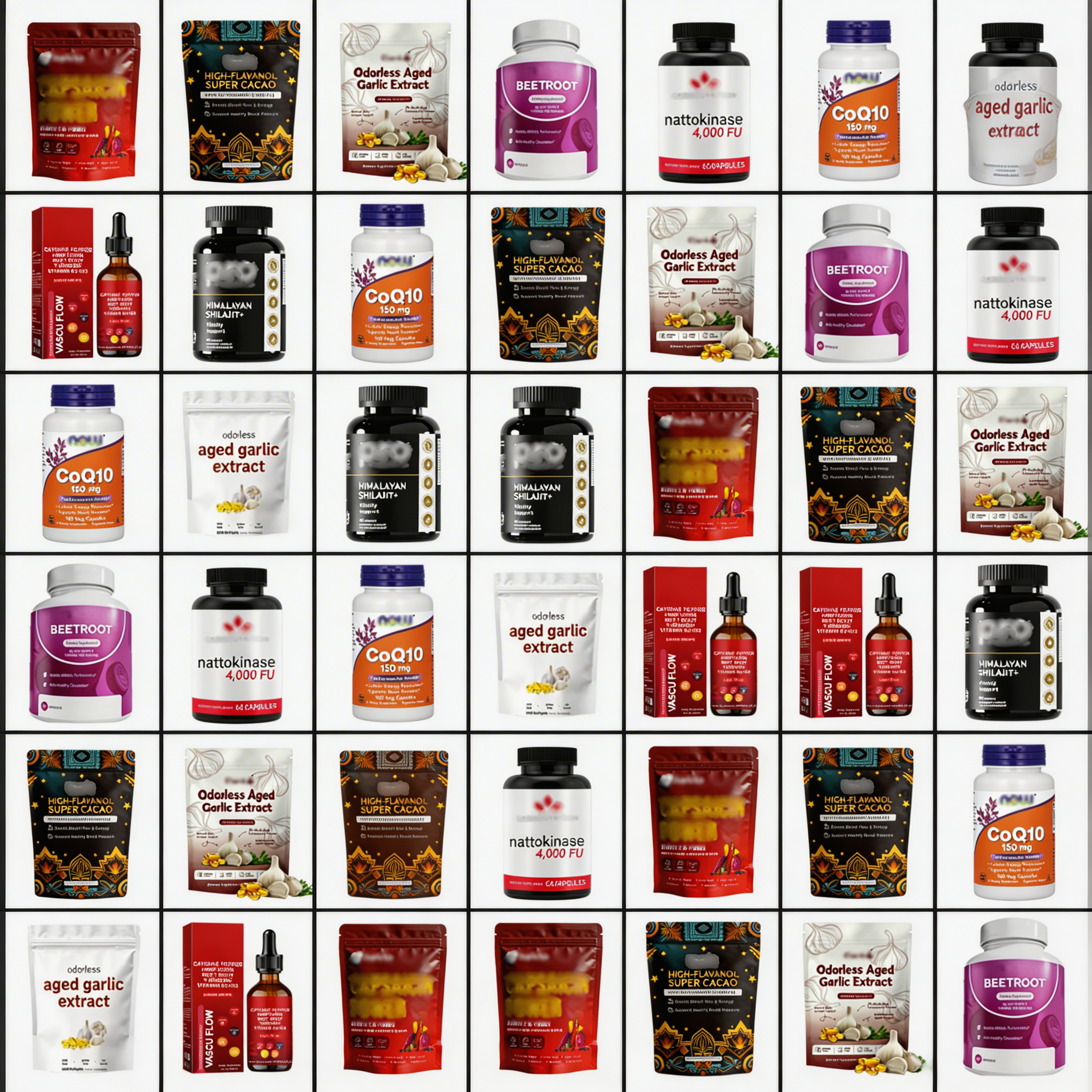
If you are already taking something for your blood pressure, your cholesterol, or your circulation — and you are still not satisfied with where things are heading — I want you to read this carefully. My name is Dr. Rachel Simmons. I am a cardiologist. I have spent 22 years watching patients do everything right — take their medication, eat well, exercise, add supplements — and still sit across from me at annual reviews wondering why the trajectory has not changed. I want to be honest with you about something most medical professionals do not have the time or the incentive to explain. The cardiovascular system does not decline because of a single problem. It declines because of a cascade — and most of the solutions available to you, both pharmaceutical and natural, address individual points in that cascade without ever touching the mechanism that drives all of it. Let me explain what I mean. Your blood vessels are lined with a single layer of cells called the endothelium. This lining is not passive. It is one of the most metabolically active tissues in your body — continuously producing a molecule called nitric oxide that tells your vessel walls to relax, stay flexible, and resist the inflammation that leads to plaque formation. When your endothelium is healthy and producing adequate nitric oxide, your blood pressure self-regulates. Your vessels stay elastic. Your circulation reaches every part of your body the way it was designed to. When your endothelium is damaged and declining — from decades of oxidative stress, inflammation, elevated blood sugar, or simply aging — it stops producing enough nitric oxide. Your vessels stiffen. Blood pressure rises. Circulation deteriorates. And every downstream symptom you may be experiencing — fatigue, cold extremities, rising readings despite medication, declining sexual function — traces back to this one upstream failure. This matters enormously for how you evaluate every solution available to you. Prescription blood pressure medication works by compensating for the output of endothelial dysfunction. ACE inhibitors reduce fluid volume. Calcium channel blockers force vessel relaxation. Beta blockers slow the heart. None of them repair the endothelium. None of them restore natural nitric oxide production. They manage the reading while the underlying structural decline continues — which is why 72% of hypertension patients who discontinue medication see their readings return to elevated levels within six months. The medication was never fixing anything. It was compensating. Statins lower LDL cholesterol. They do not repair the endothelial damage that allowed cholesterol to penetrate your arterial walls in the first place. Your cholesterol number can be perfectly managed while significant plaque continues accumulating — because cholesterol entering the arterial wall is a consequence of endothelial dysfunction, not simply of cholesterol levels. Now let us talk about the natural alternatives. Because several of them are genuinely legitimate — and I want to be fair about both their value and their limitations. Beetroot extract is real. The nitrate-to-nitrite-to-nitric oxide conversion pathway it supports is well documented. You are genuinely increasing nitric oxide availability when you take a quality beetroot supplement. The limitation is that you are providing the molecule from an external source rather than restoring your endothelium's ability to produce it internally. The moment you stop taking it the benefit stops with it. It also depends heavily on your oral microbiome — people who use antibacterial mouthwash regularly lose up to 90% of the conversion efficiency. And it does not address the endothelial damage causing the deficiency. It fills the gap. It does not close it. Aged garlic extract is also legitimate. The evidence base is solid — a 2016 meta-analysis found it reduced systolic blood pressure by an average of 8.7 mmHg in hypertensive patients. The mechanism is primarily antioxidant — it reduces the oxidative stress that damages endothelial cells and slows the progression of arterial stiffening. This is meaningful. Slowing damage is genuinely valuable. But slowing damage is different from stimulating repair. Aged garlic is a defensive compound. It protects what remains. It does not rebuild what has been lost. Nattokinase is interesting for a different reason — it works on fibrin, the structural scaffold that holds arterial plaque together. If your primary concern is existing plaque burden and arterial calcification, nattokinase at the correct dose is one of the few compounds with genuine mechanistic relevance to that specific problem. My colleague James Hargreaves covers this in detail on the landing page below and his analysis of the dose problem in the nattokinase market is worth reading carefully. Cacao and dark chocolate have a real evidence base for endothelial function — the flavanols in high-quality cacao do measurably improve nitric oxide bioavailability. The practical limitation is dose. The amount of flavanols required to produce the effects seen in clinical research is difficult to achieve through dietary consumption without also consuming quantities of sugar and calories that create other problems. So where does this leave us? All of the above compounds are doing real things. None of them are fraudulent. The question I keep returning to — both in my clinical practice and in my own reading of the research — is which of them is working closest to the root mechanism. Which one is not just filling the nitric oxide gap, or slowing the damage, or managing the downstream consequences, but actually activating the cellular machinery responsible for nitric oxide production in the first place. That question points toward a receptor called TRPV1. It sits inside your endothelial cells. When it is consistently activated it triggers the phosphorylation of endothelial nitric oxide synthase — the enzyme your vessel lining uses to produce nitric oxide from within. Not borrowed from beetroot. Not protected by garlic. Produced internally by your own cells through the mechanism that was always supposed to be running. A 2024 paper in Aging and Disease confirmed that sustained TRPV1 activation also upregulates SIRT1 — a protein that protects endothelial cells from the accelerated aging that causes them to stop functioning properly in the first place. The Nobel Prize in Physiology or Medicine in 2021 was awarded to David Julius for his discovery of this receptor and its mechanism. The research behind it has been accumulating in peer-reviewed cardiovascular literature for over a decade. The compound that activates TRPV1 is capsaicin — the active compound in cayenne pepper. I want to be careful here because I am aware of how this sounds. I am not telling you that cayenne pepper is a cure for cardiovascular disease. I am not telling you to stop your medication. I am not making promises about outcomes. What I am telling you is that the mechanism by which capsaicin interacts with the endothelium is the most upstream intervention I have found in the research literature — more upstream than beetroot, more upstream than aged garlic, more upstream than statins or ACE inhibitors. It works closer to the source of the problem than anything else currently available without a prescription. The significant caveat — and it is an important one — is delivery. Capsaicin is fat-soluble. It dissolves in oil, not water. Consumed as dry powder in a hard capsule it gets destroyed by stomach acid before it ever reaches your bloodstream. The clinical research uses bioavailable lipid-delivered forms at doses of 2 to 6mg per day. Most capsaicin products on the market deliver a fraction of that in a format that guarantees poor absorption. I am not going to make product recommendations here. That is not what this piece is for. What I will tell you is that if you are evaluating capsaicin as an option, delivery format and dose are not secondary considerations. They are the entire question. James Hargreaves has put together a thorough independent analysis of the top cardiovascular supplements available in 2026 on the page below — including a detailed breakdown of the delivery and dosing standards that separate products worth considering from those that are not. I found his methodology rigorous and his conclusions consistent with what the research supports. If you are currently on medication and not satisfied with your trajectory — or if you are taking natural supplements and wondering why the needle is not moving — the answer is almost certainly not that you need to try harder. It is that you need to understand which layer of the problem each intervention is actually working on, and whether the intervention you are using is reaching your bloodstream in a form that can do anything meaningful when it gets there. That understanding is worth more than any single product. Start there.
The Best Cardiovascular Supplements Ranked 2026
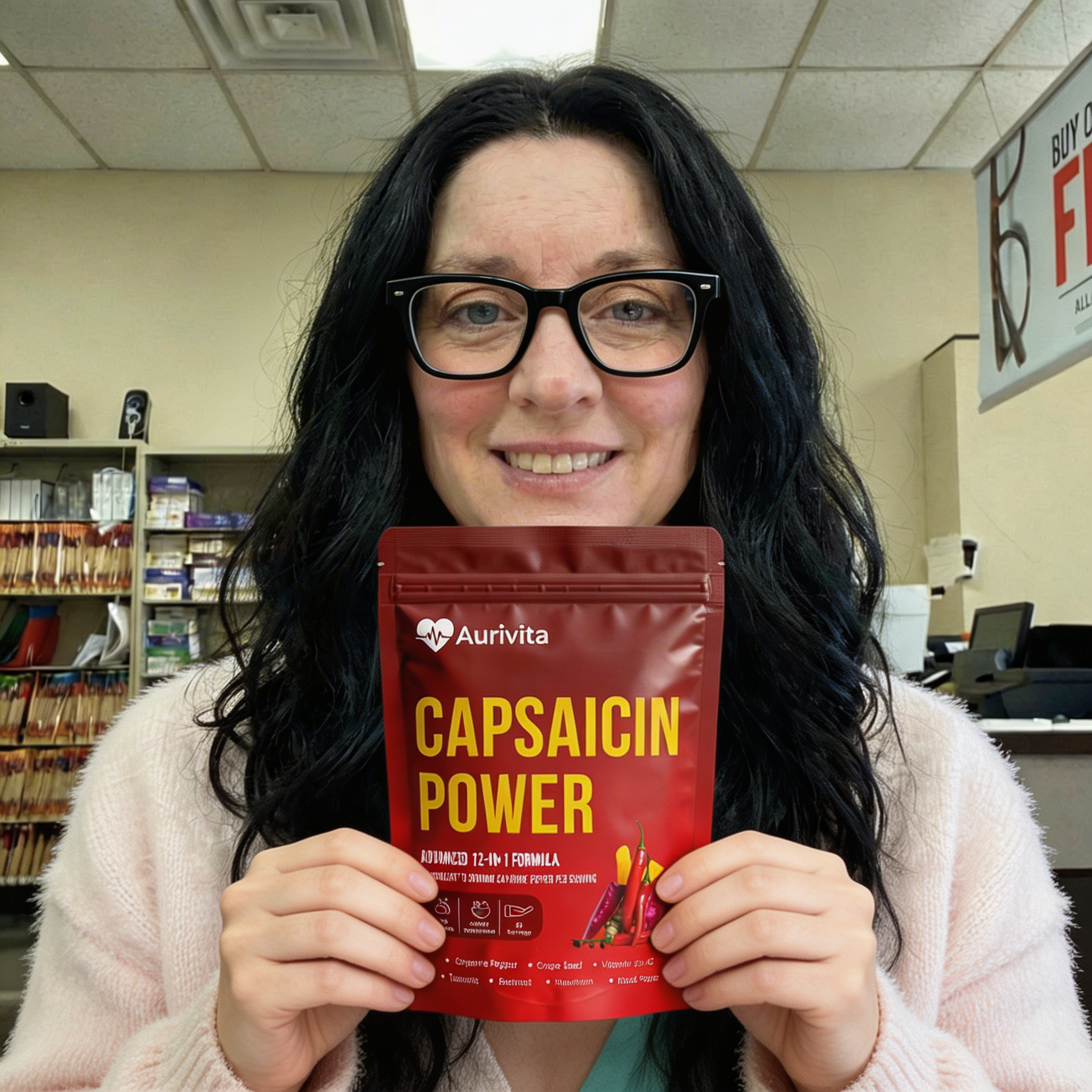
Support your cardiovascular health with our capsaicin softgels, a premium supplement meticulously formulated for those who prioritize long-term heart vitality.
LEARN MORELike this ad? Make it yours.
Crush rebuilds this exact creative around your product — your brand, your colors, your offer — in about a minute.