Rachel Morison
Rachel Morison Facebook ad: “Read this if therapy helped you understand… but you still…”
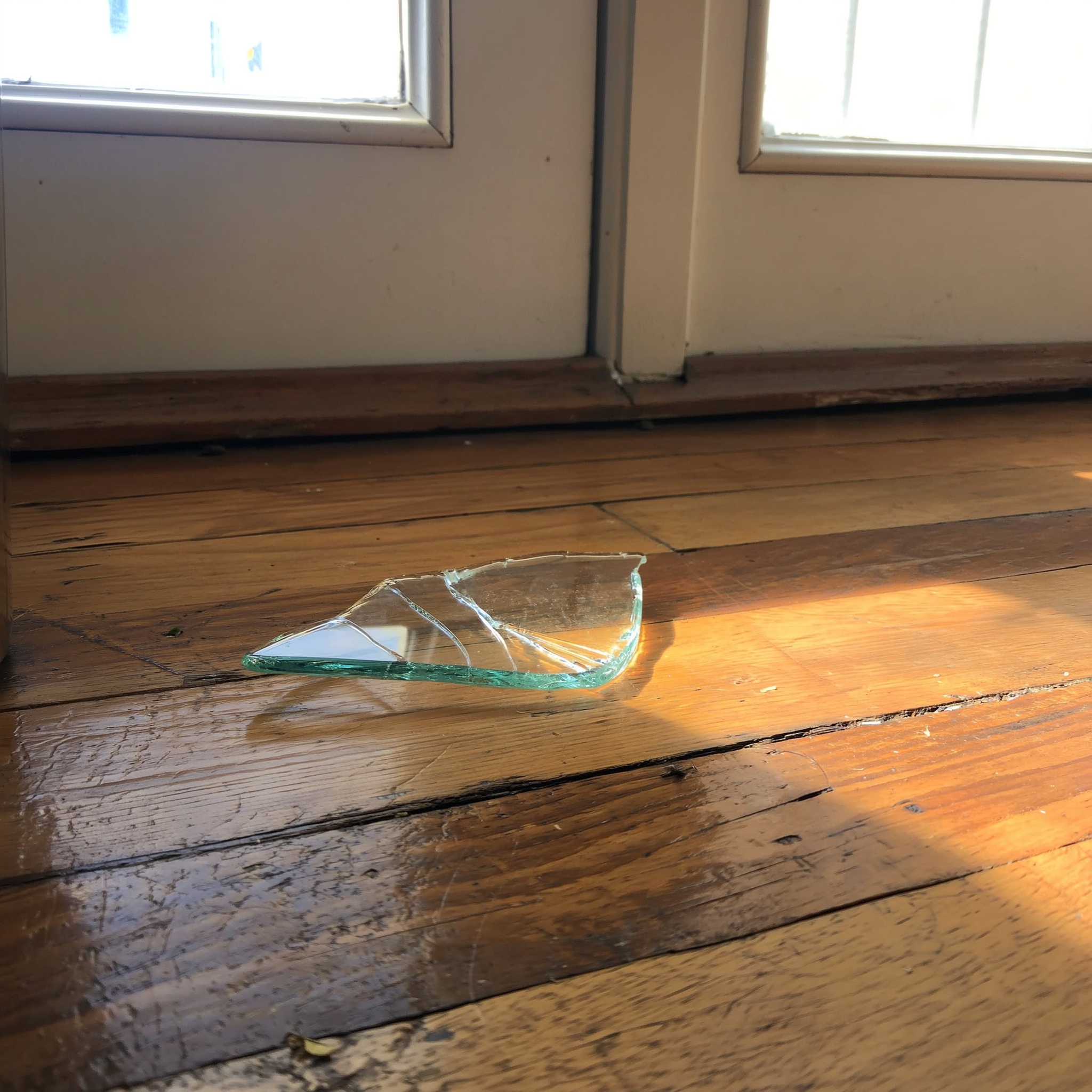
Ran for 26 days, from March 16 to April 11, 2026, the last day Crush saw it.
Run by Rachel Morison on Facebook. Crush is not the advertiser and does not verify its claims. See this ad in Meta's Ad Library(opens in a new tab)
Want an ad like this for your product?
Crush makes new ad images for your product from this ad: your logo, your product photo, your offer.
Trials from $19.95 USD, then $79.95 USD a month. Cancel anytime.
About this ad
- Meta Ad Library ID
- 4240535329529683
- Platforms
- Facebook, Instagram, Audience Network, Messenger and Threads
- Relaunches
- 1
Ad text
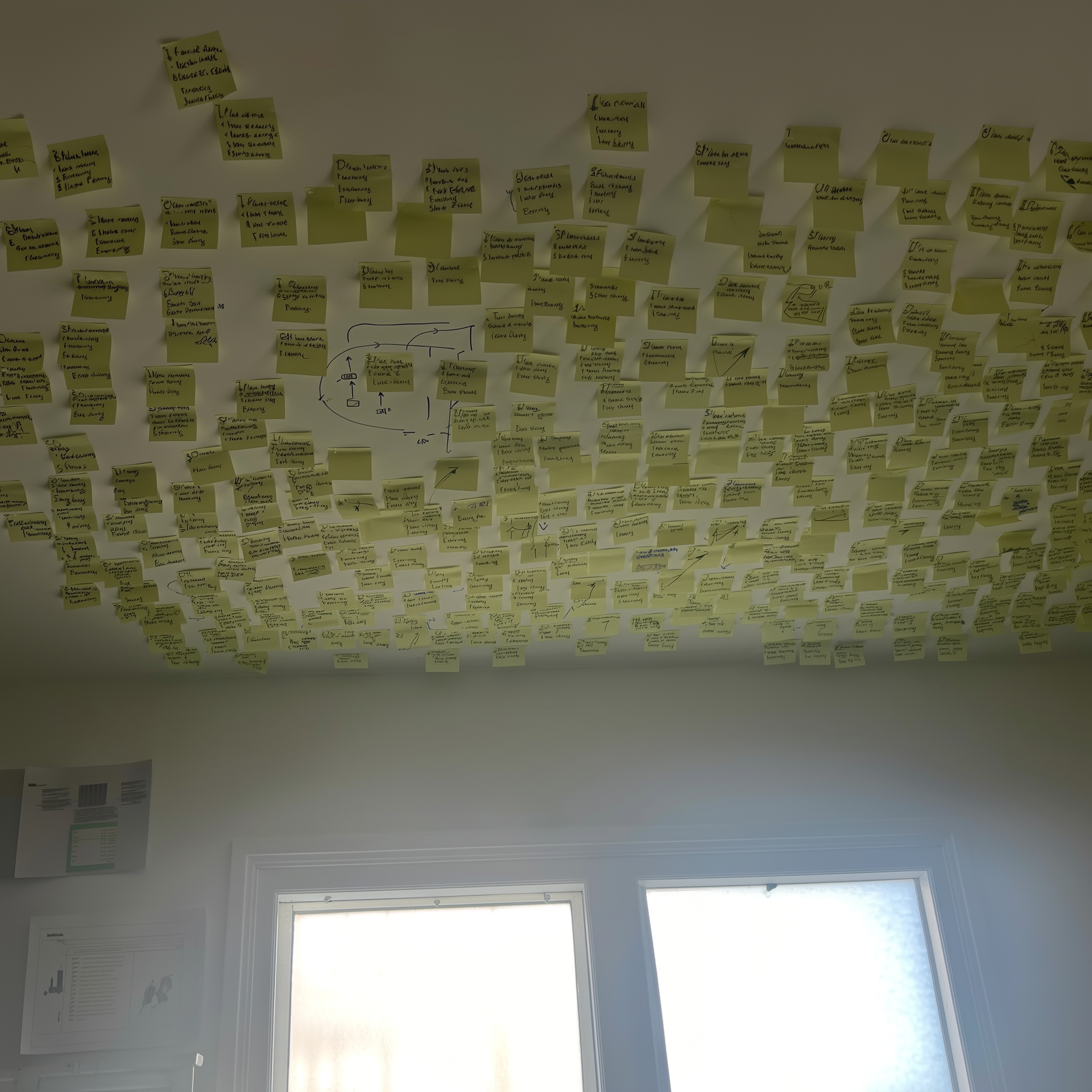
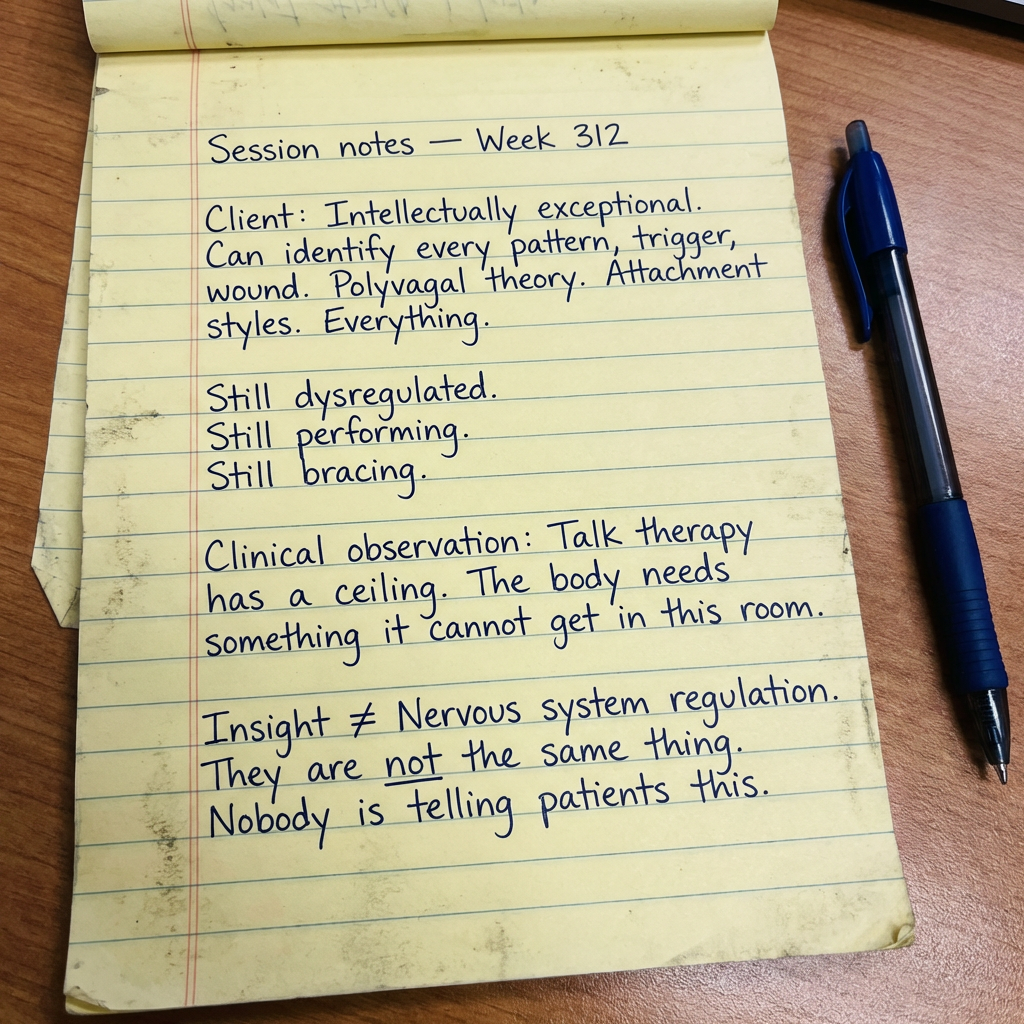
My therapist cried when I told her I was quitting, not because I was giving up on healing, but because I’d accepted I never would. She'd watched me do six years of work. Six years of showing up every Thursday at 2 PM. Six years of unpacking trauma, naming patterns, understanding triggers. I could tell you the exact age I learned to disappear. I could map my attachment wounds like a fucking flowchart. I knew why I fawned, why I froze, why I couldn't let anyone get close. And none of it changed how I felt. I still woke up exhausted. Still felt like I was performing my own life. Still needed two hours alone after any social interaction just to remember who I was. She kept saying I was "making progress." But progress toward what? Toward being able to explain why I'm broken in clinical terms? Great. I'm fluent in my own dysfunction now. Doesn't make me feel less like I'm slowly disappearing. The last session, I finally said it out loud: "I think this is just who I am now. And I'm tired of pretending it's going to change." That's when she cried. Not because I was wrong. Because she knew I was right. I walked out of that office and something in me just… released. Not relief. Resignation. I'd done everything right. I'd been the model client. I'd read the books, done the homework, practiced the tools. And I still felt like I was drowning in my own nervous system. Three weeks later, I ran into an old friend at the coffee shop. Someone I hadn't seen in over a year. The last time I'd seen her, she'd looked… hollow. Like she was barely holding it together. Like I was. But this time? She looked different. Not glowing. Not "healed." Just… present. Like she was actually in her body instead of performing from outside of it. We grabbed coffee. And I asked her straight up: "What happened? You seem lighter." She laughed. "I started using a journal." I almost rolled my eyes. I'd tried journaling. Multiple times. It always felt like homework or performance art. Writing for some future version of myself who'd read it back and feel… what? Proud? Healed? It never worked. "No, this is different," she said. "It's not about going deep. It's about meeting your nervous system where it actually is." She pulled it out of her bag. Simple linen cover. No bullshit "manifest your dreams" energy. Just clean, honest. And then she showed me something that made me stop. She flipped to Day 1. The prompt: "What do you need today that you're afraid to admit?" That's it. Not "write about your childhood trauma." Not "what are you grateful for." Just… what do you need. She said the first time she wrote in it, she wrote one sentence: "I need to not feel like I'm failing at everything." And it didn't ask for more. It didn't demand she dig deeper or find the silver lining. It just let her be honest. Then she flipped toward the middle. Day 156: "Where in your body do you feel drained after certain people?" And then closer to where she was now—Day 272: "What part of your past are you ready to stop explaining?" She explained it to me: The prompts are graduated. Day 1 doesn't assume you have capacity you don't have. It meets you where your nervous system actually is—maxed out, barely holding on. And then, slowly—so slowly you almost don't notice—the questions start asking for more. But only when you're ready. Only when your system has built the capacity. "It's called graduated nervous system calibration," she said. "The idea is that your body needs proof it's safe before it can go deeper." I sat there staring at her. Because that was exactly what every other healing tool had missed. Meditation asked me to "drop in" when I was already dissociating. Somatic therapy wanted me to "sit with" emotions when my system was in full panic mode. Traditional journaling expected depth I didn't have capacity for. They all assumed I was ready on Day 1. But I wasn't. My nervous system was still running a survival program from when I was seven years old. She told me by Week 8, she stopped having panic attacks before normal plans. By Week 15, she could actually feel her feelings instead of just analyzing them. By Week 20, she woke up one morning and didn't feel like she was pretending anymore. I went home that night. Sat with it. Googled "graduated nervous system calibration" and "polyvagal theory" just to see if what she said even made sense. And it did. Everything I read confirmed the same thing: Talk therapy gives you insight. But insight doesn't regulate your nervous system. Your body doesn't care that you understand attachment theory. It's still running the same survival program it learned when you were a kid. And every healing tool I'd tried—meditation, somatic therapy, traditional journaling—assumed I had capacity I didn't have. They demanded I "drop in" or "sit with" emotions when my system was already in overdrive. It was like asking someone who's drowning to practice their breathing technique. I ordered the journal that night. Told myself if it didn't work, at least I'd tried one more thing. Day 1 asked me: "What do you need today that you're afraid to admit?" I wrote: "I need to believe I'm not broken." That's it. 90 seconds. And for the first time in six years, I didn't feel like I'd failed at healing. Week 2, the prompts started asking slightly harder questions: "Who do you perform for most? Why?" Still manageable. Still safe. By Week 6: "Which relationship feels like you're always auditioning?" And I could answer it without spiraling. By Week 10: "What part of your past are you ready to stop explaining?" And I knew exactly what to write. I wasn't dissociating when I wrote. I wasn't performing for an invisible therapist. I was just… there. Present. Writing small, true things. By Week 7, I hadn't had a full-body panic attack in three weeks. By Week 11, I could be around people without needing hours alone afterward to recover. By Week 14, I woke up and didn't immediately brace for the day. It wasn't dramatic. No breakdown-to-breakthrough moment. Just quiet, steady relief. The kind I'd chased for six years and $47,000 in therapy bills. I'm not healed. I don't think healing works like that. But I'm not performing anymore. I'm not white-knuckling my way through every single day. I don't feel like I'm seconds away from shattering. And the wildest part? I started seeing my old therapist again. Because now the insight she gave me actually lands. My nervous system has the capacity to integrate it. Therapy gave me the map. This journal taught my body how to stop running. If you've done years of therapy and still feel the same... If you understand your trauma but can't shake the feeling... If you're exhausted from "doing the work" with nothing to show for it... This isn't another healing tool that demands more than you have to give. This is the bridge between knowing and feeling. Between insight and relief. It's called the Back to You Journal. 365 days of prompts designed to meet your nervous system where it actually is—not where it's "supposed" to be. It doesn't ask you to dive deep on Day 1. It doesn't demand vulnerability you don't have capacity for. It just gives you one small, safe step at a time. Until one day, you realize your body finally believes what your brain has known all along: You're allowed to stop running now. If someone had told me a year ago that a journal would do what six years of therapy couldn't, I would've laughed. Or cried. Probably both. But here I am. Still in therapy. Still valuing the insight. But finally—finally—feeling the relief. Back to You Journal — 365 days of nervous-system-safe prompts that meet you where you are. 30-day guarantee. If it doesn't feel different, you don't pay. But I think it will.
Where the ad sends people
heldhonest.com
Read this if therapy helped you understand… but you still feel the same
Held & Honest
Learn more: heldhonest.com(opens in a new tab)