Lauren Violet
Lauren Violet Facebook ad: “Every Parent Needs To Read This Now”
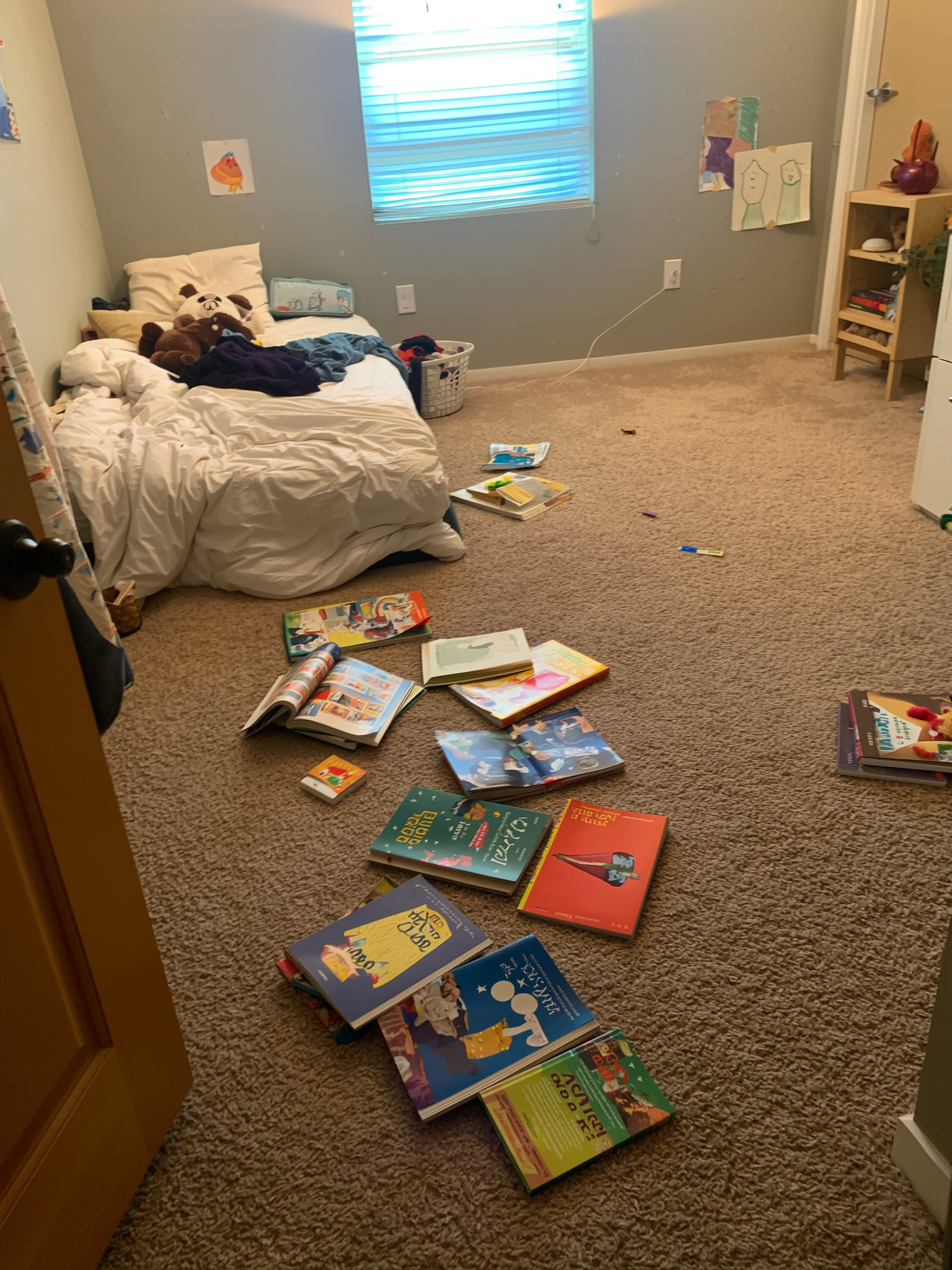
Ran for 10 days, from February 18 to February 28, 2026, the last day Crush saw it.
Run by Lauren Violet on Facebook. Crush is not the advertiser and does not verify its claims. See this ad in Meta's Ad Library(opens in a new tab)
Want an ad like this for your product?
Crush makes new ad images for your product from this ad: your logo, your product photo, your offer.
Trials from $19.95 USD, then $79.95 USD a month. Cancel anytime.
About this ad
- Meta Ad Library ID
- 4457693537841164
- Platforms
- Facebook, Instagram, Audience Network, Messenger and Threads
- Relaunches
- 0
- Niche
- Parenting & Kids
Ad text
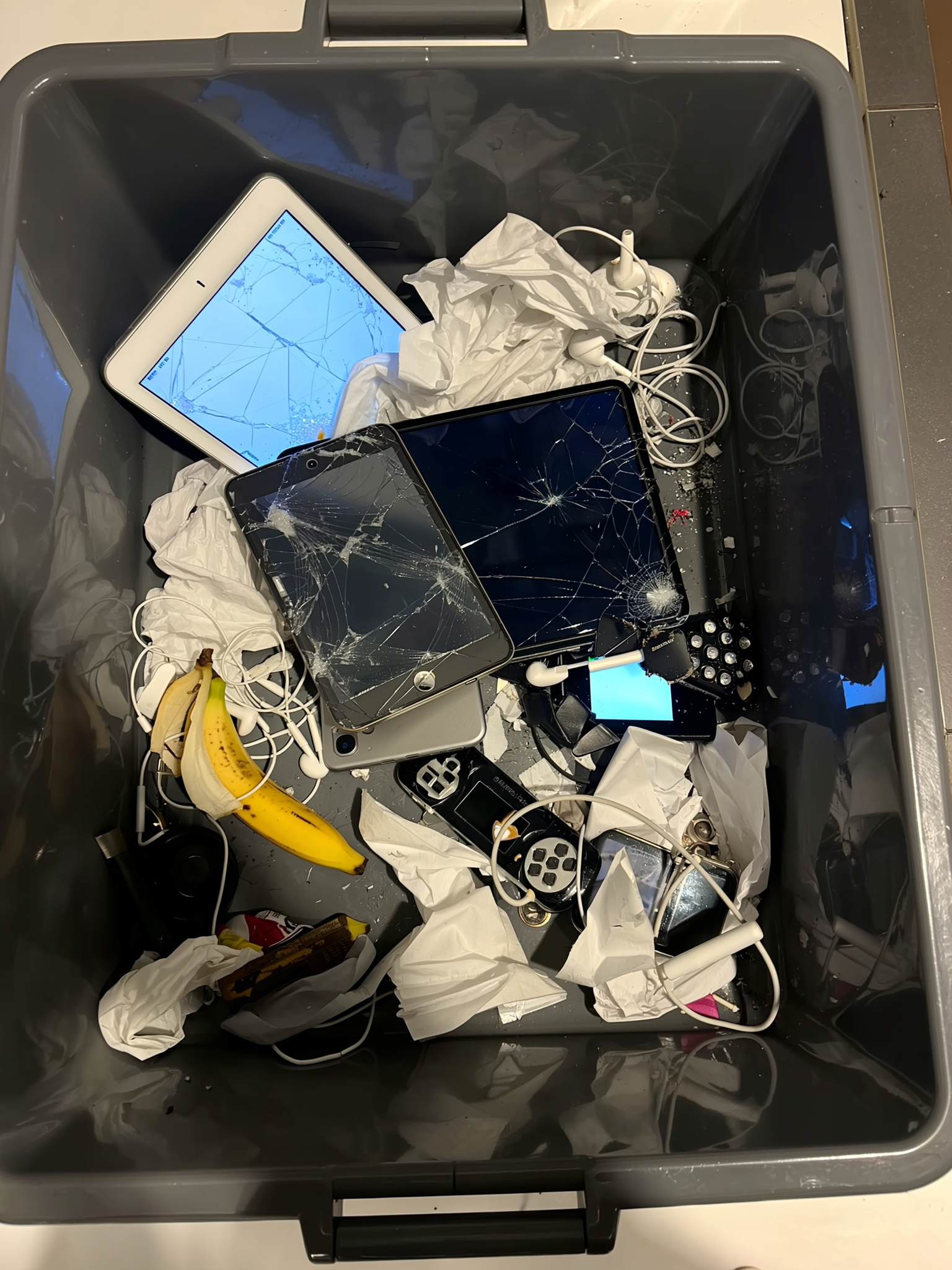
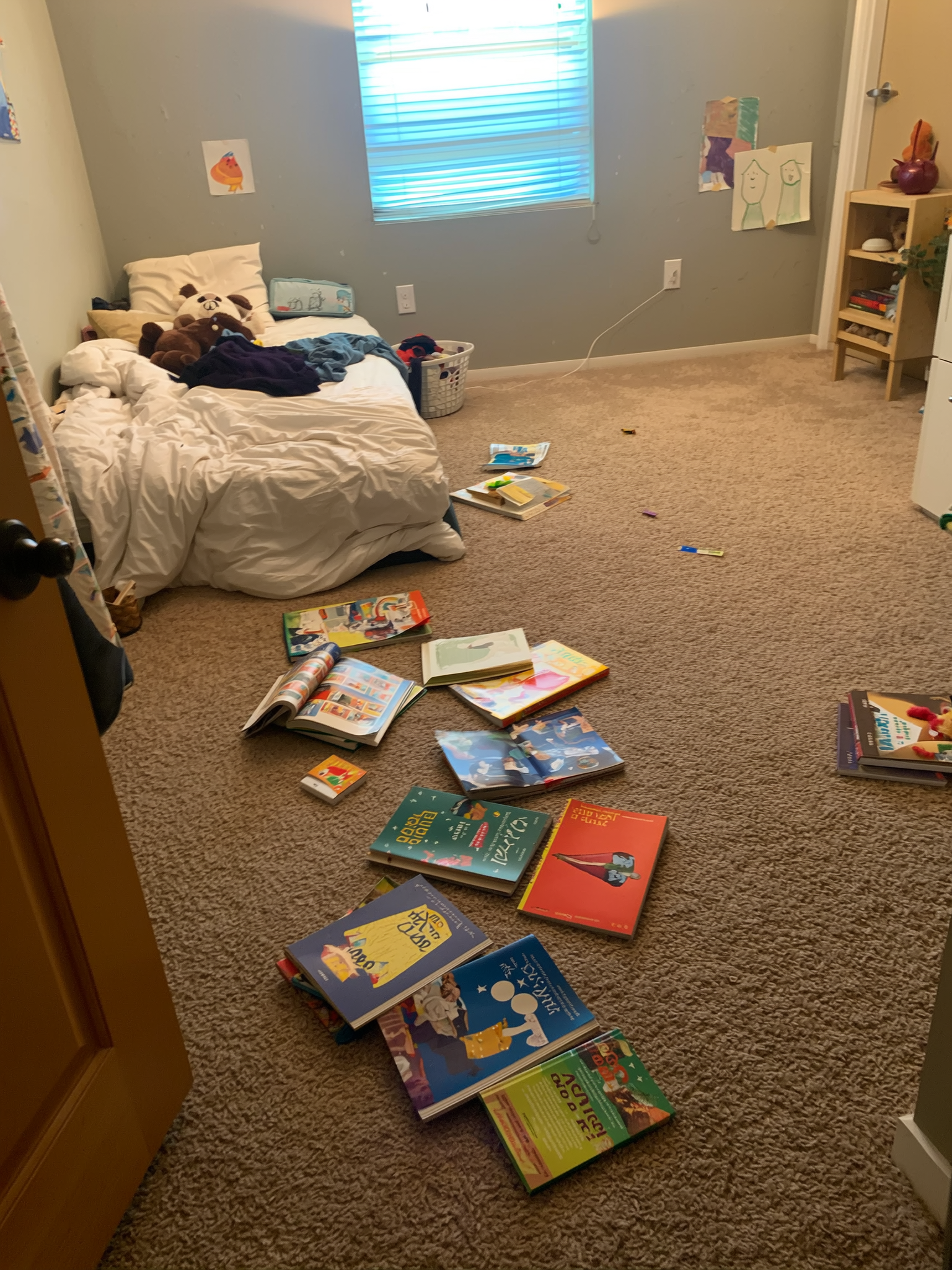
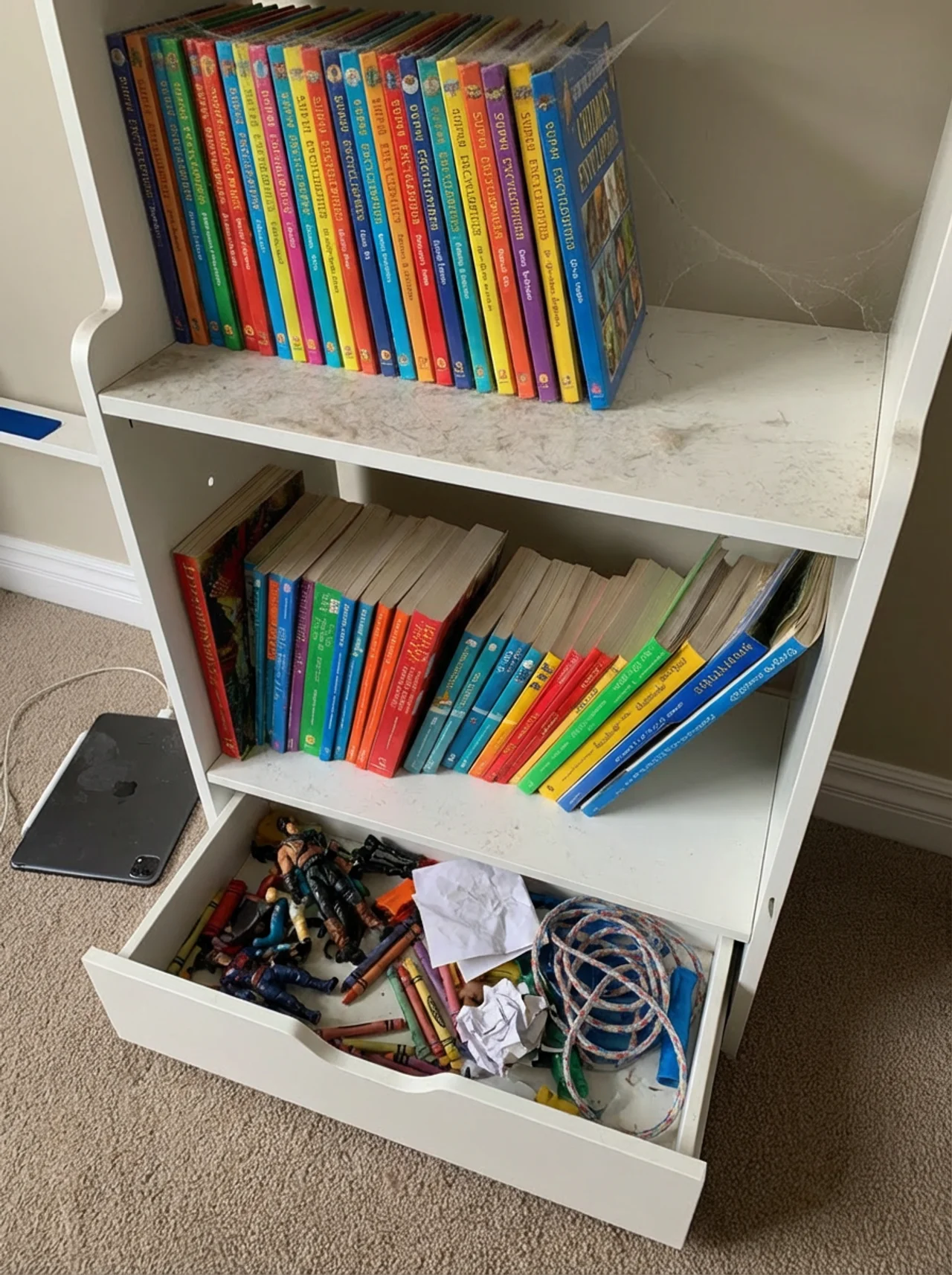
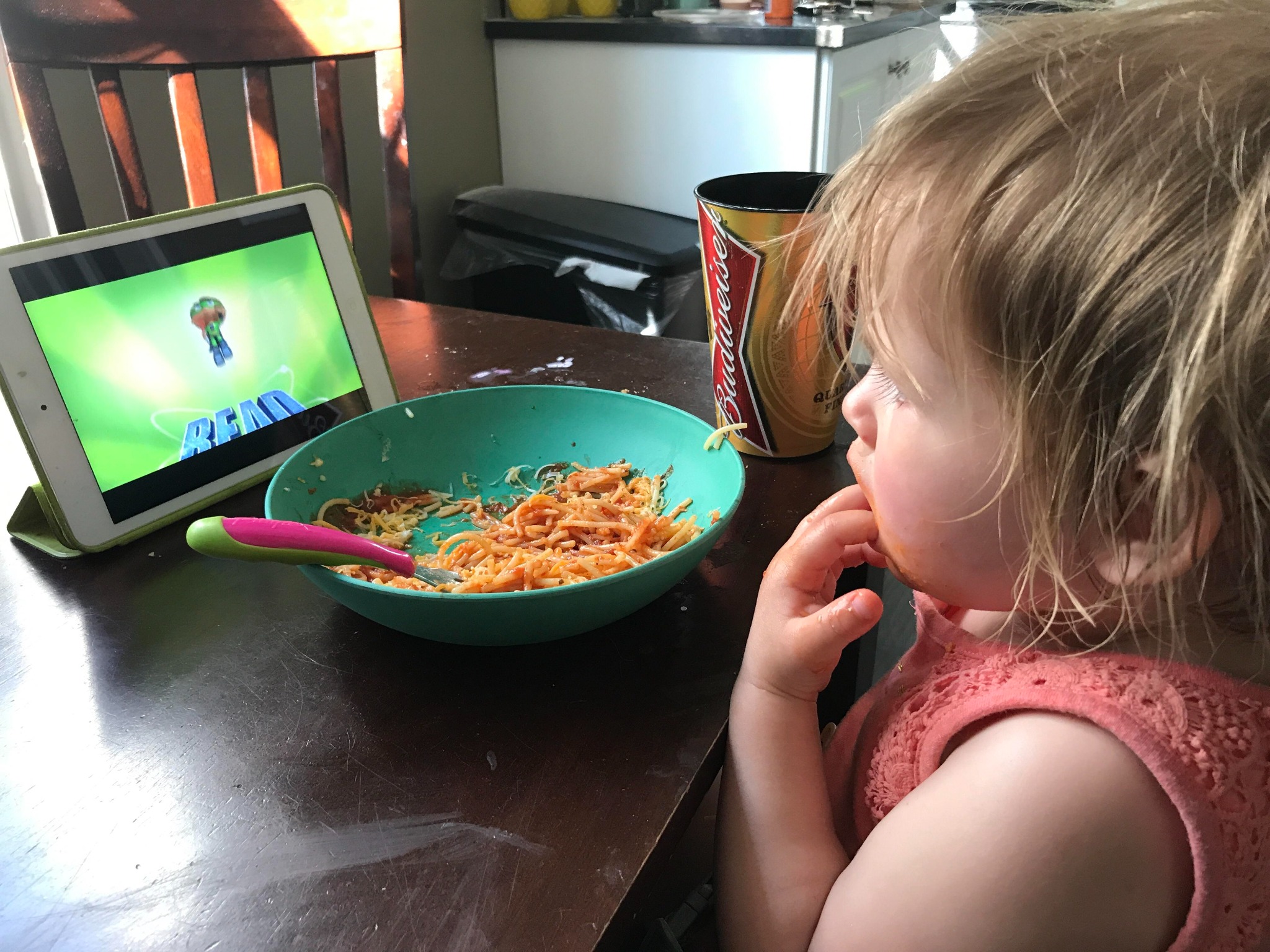
A Harvard child psychologist said the #1 predictor of lifelong success isn't IQ, grades, or talent. It's something most parents accidentally destroy before their child turns 8. I read that line at 1:47 AM on a Tuesday. My daughter was six. And I was sitting on the bathroom floor with my phone, silently crying, because three hours earlier she'd looked me dead in the eyes and said, "Learning is boring, Mama." Not math. Not school. Not homework. Learning. All of it. Boring. She's six. She had YouTube Kids and a tablet with a cracked screen protector and an algorithm that fed her 15-second slime videos until her eyes glazed over. And I let it happen — not because I didn't care, but because dinner needed to be made and her little brother was teething and sometimes the iPad was the only thing standing between me and a complete breakdown. But that night, something broke in me. Because my daughter used to ask "why" about everything. Why is the sky blue? Why do dogs have wet noses? Why does ice cream melt? She asked so many questions I used to joke that I needed a degree in everything just to survive a car ride. And somewhere between age 4 and age 6, the questions stopped. I started researching at 2 AM like my life depended on it. Dopamine loops. Attention span damage. A generation of kids whose brains have been rewired to need a new hit of novelty every few seconds. All of that scared me. But it wasn't the thing that changed everything. A child development researcher named Dr. Susan Engel was. She said curiosity isn't just a nice trait — it's the engine of all learning. Every child is born with it. You don't have to teach it. But you CAN destroy it — by replacing wonder with passivity. By training their brains to consume instead of explore. That's exactly what happened to my daughter. The iPad didn't feed her curiosity. It replaced it. Every question she might have asked got swallowed by another video, another clip, another 15 seconds of noise. And that meant the problem wasn't screens themselves. The problem was that she had no alternative source of wonder. Nothing physical, nothing beautiful, nothing that met her brain's need for "why?" in a way that deepened the question instead of killing it. I tried library books. Workbooks. Educational apps — and laughed at myself for trying to solve a screen problem with another screen. Nothing worked. Then one night, deep in a rabbit hole of parenting blogs and book recommendations, I found an encyclopedia I'd never heard of. It wasn't organized alphabetically or by topic like the DK and Britannica ones I remembered from childhood. It was organized by "why." Why do volcanoes erupt? Why do we dream? Why is the ocean salty? Why do cats purr? Something about that stopped me cold. Because that's how she used to talk. That's how every kid talks before we train it out of them. In questions. I linked the book below — but let me tell you what happened next. I ordered it. Put it on the kitchen table when it arrived and didn't say a word. She found it while I was making dinner. I heard pages turning. I didn't look — terrified that if I made it a thing, she'd put it down. She read for 40 minutes. Forty. Minutes. No screen. No bribe. No negotiation. She just sat there. Turning pages. Whispering facts under her breath. At dinner she told me that octopuses have three hearts. The next morning she brought it to the breakfast table and asked me why we can't breathe underwater. Not because a screen told her to wonder — because she'd read something that lit her brain up, and it created a new question, which created another, which created another. The curiosity engine was turning back on. That was five months ago. She's read it cover to cover twice. She bookmarks pages with sticky notes. She brings it in the car. Last week her teacher pulled me aside at pickup and said, "I don't know what's changed, but she's raising her hand constantly. She's asking questions I don't even know the answers to." I cried in the school parking lot. Not because of a book. Because of what it gave back to her. The thing I was terrified was gone forever. Her curiosity. If you're the parent sitting where I was — wondering if the window already closed — it hasn't. Your child's curiosity isn't dead. It's dormant. The same engine that made them ask "why?" four hundred times a day at age three is still in there at six, at eight, at ten. It just needs something to turn it back on. I linked the book below if you want to see it for yourself.👇
Where the ad sends people
getbrightpage.com
Every Parent Needs To Read This Now 👆
The book parents are using to replace screen time. 100,000 "Why?" questions answered across science, nature, space, history & more. Ages 5+👇
Shop now: getbrightpage.com(opens in a new tab)