Lauren Violet
Lauren Violet Facebook ad: “Read this if your child uses any electronic device”
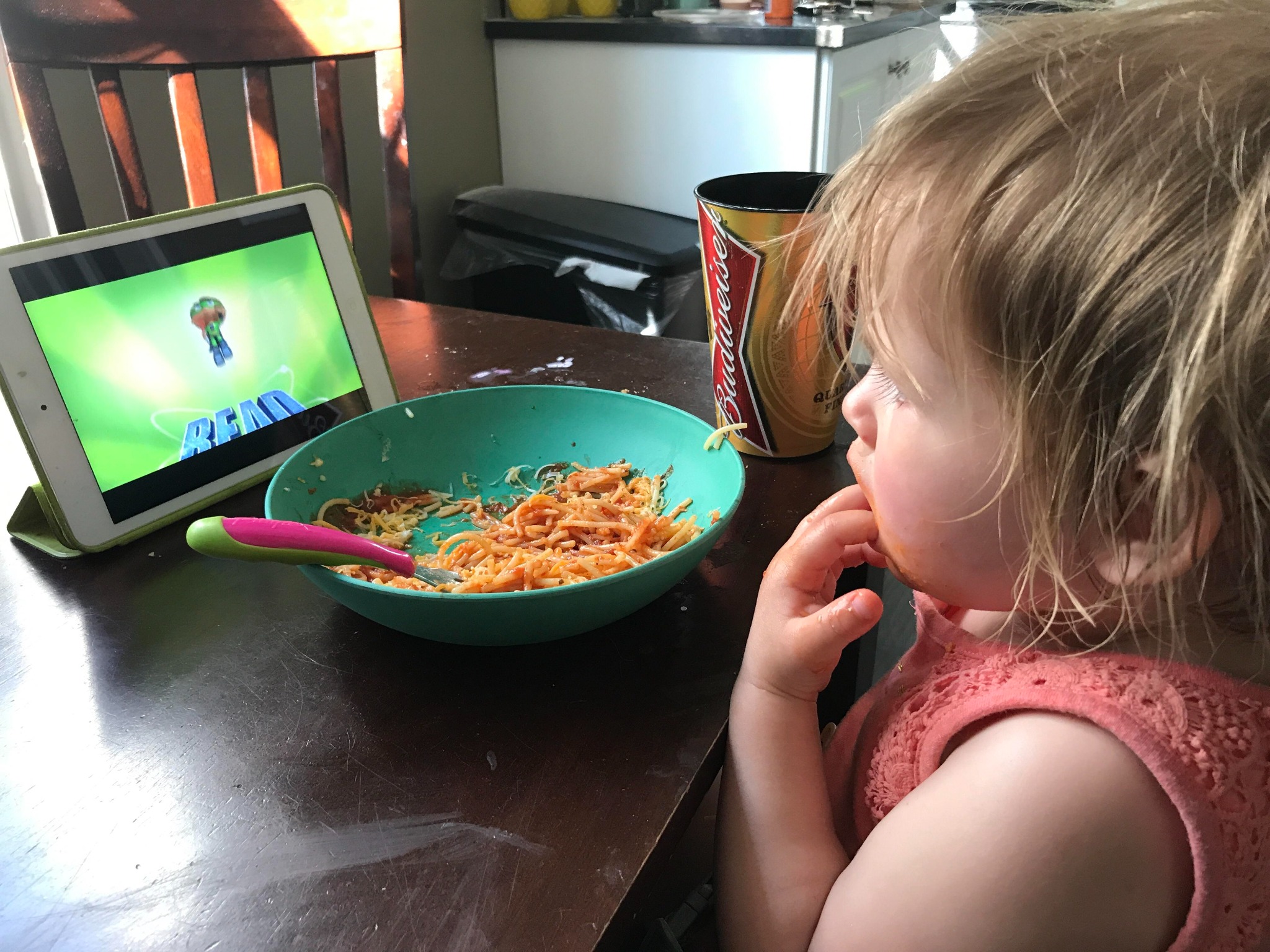
Ran for 1 day, from February 15 to February 16, 2026, the last day Crush saw it.
Run by Lauren Violet on Facebook. Crush is not the advertiser and does not verify its claims. See this ad in Meta's Ad Library(opens in a new tab)
Want an ad like this for your product?
Crush makes new ad images for your product from this ad: your logo, your product photo, your offer.
Trials from $19.95 USD, then $79.95 USD a month. Cancel anytime.
About this ad
- Meta Ad Library ID
- 935902635552564
- Platforms
- Facebook, Instagram, Audience Network, Messenger and Threads
- Relaunches
- 0
Ad text
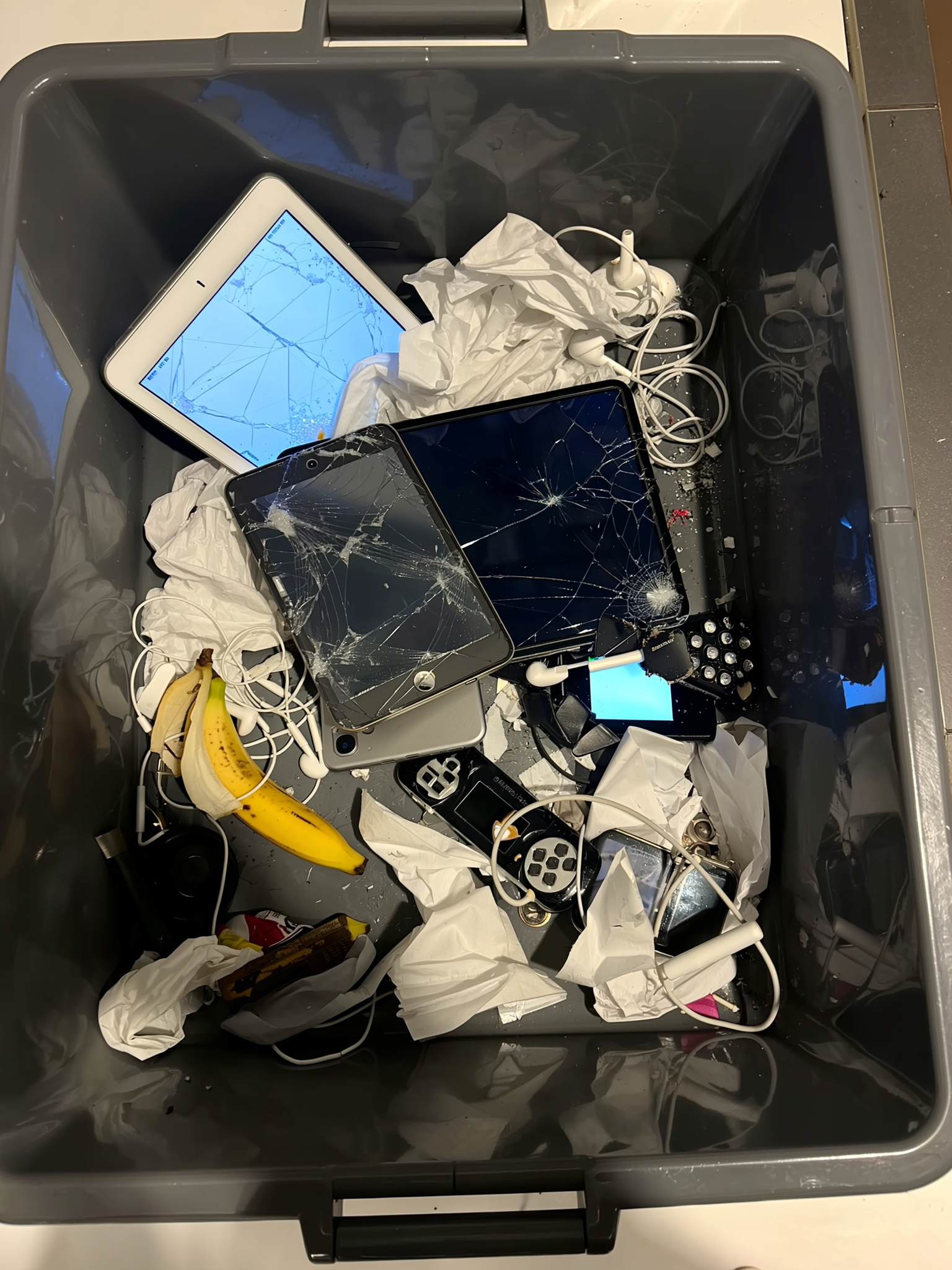
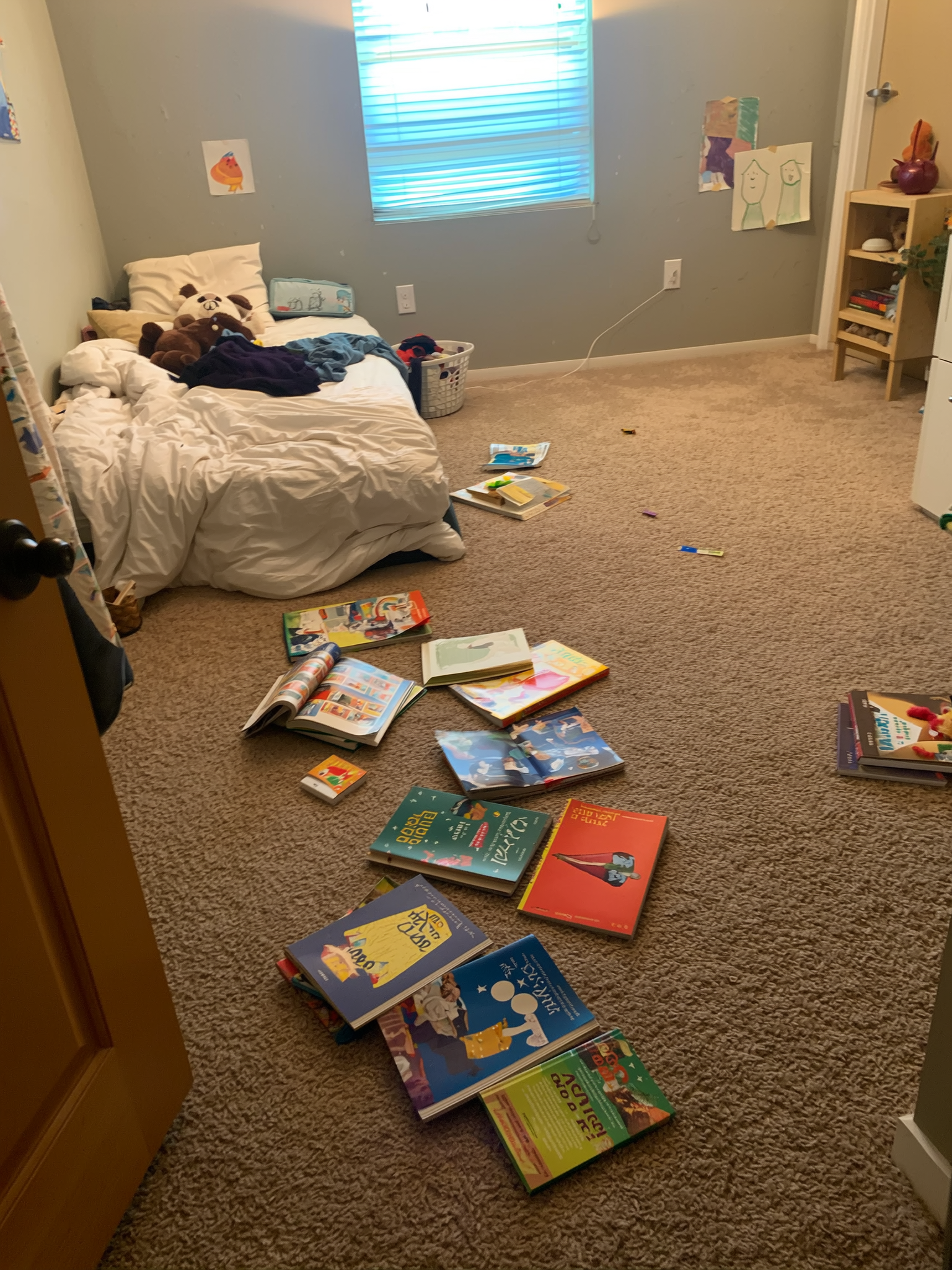
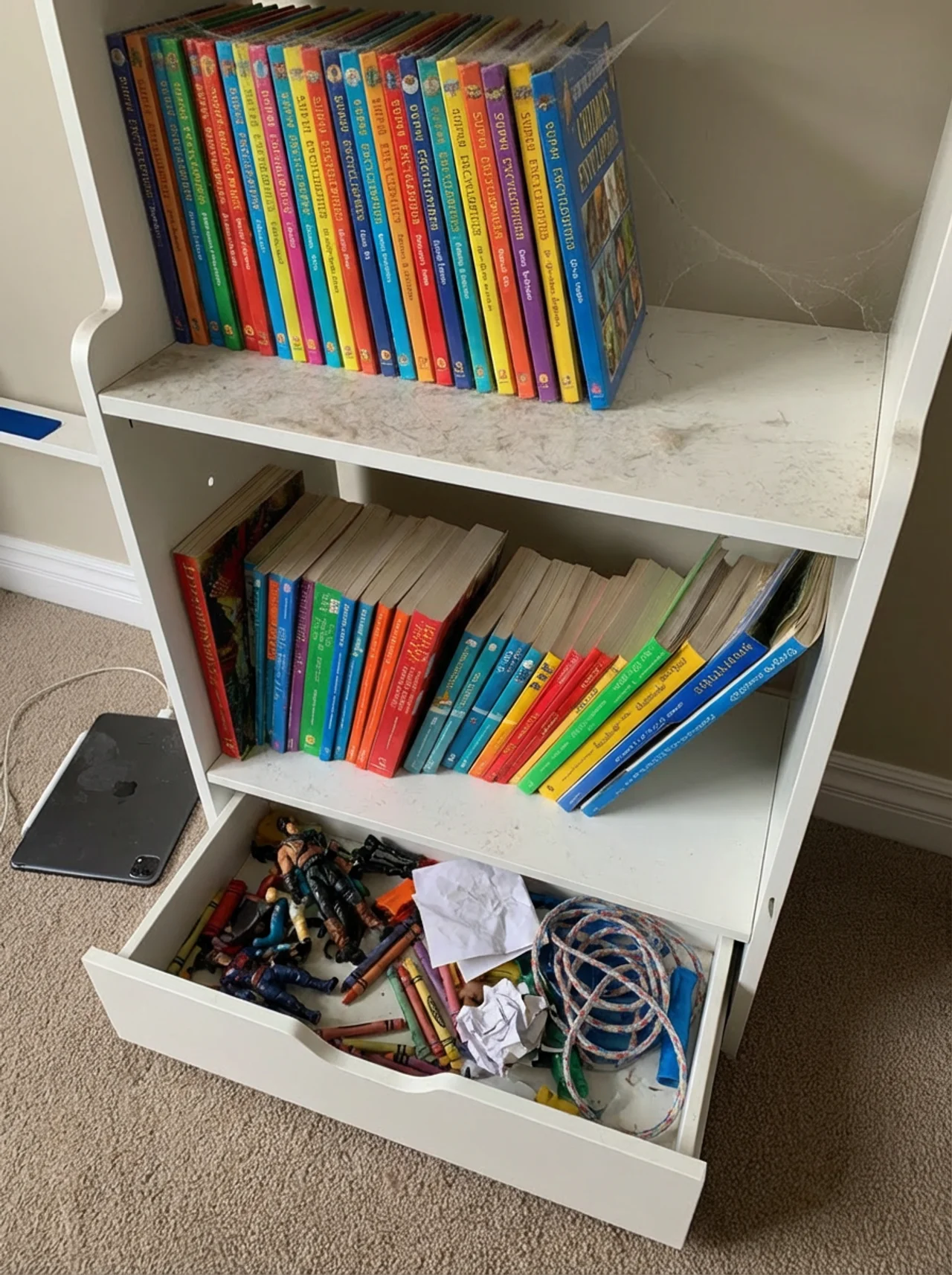
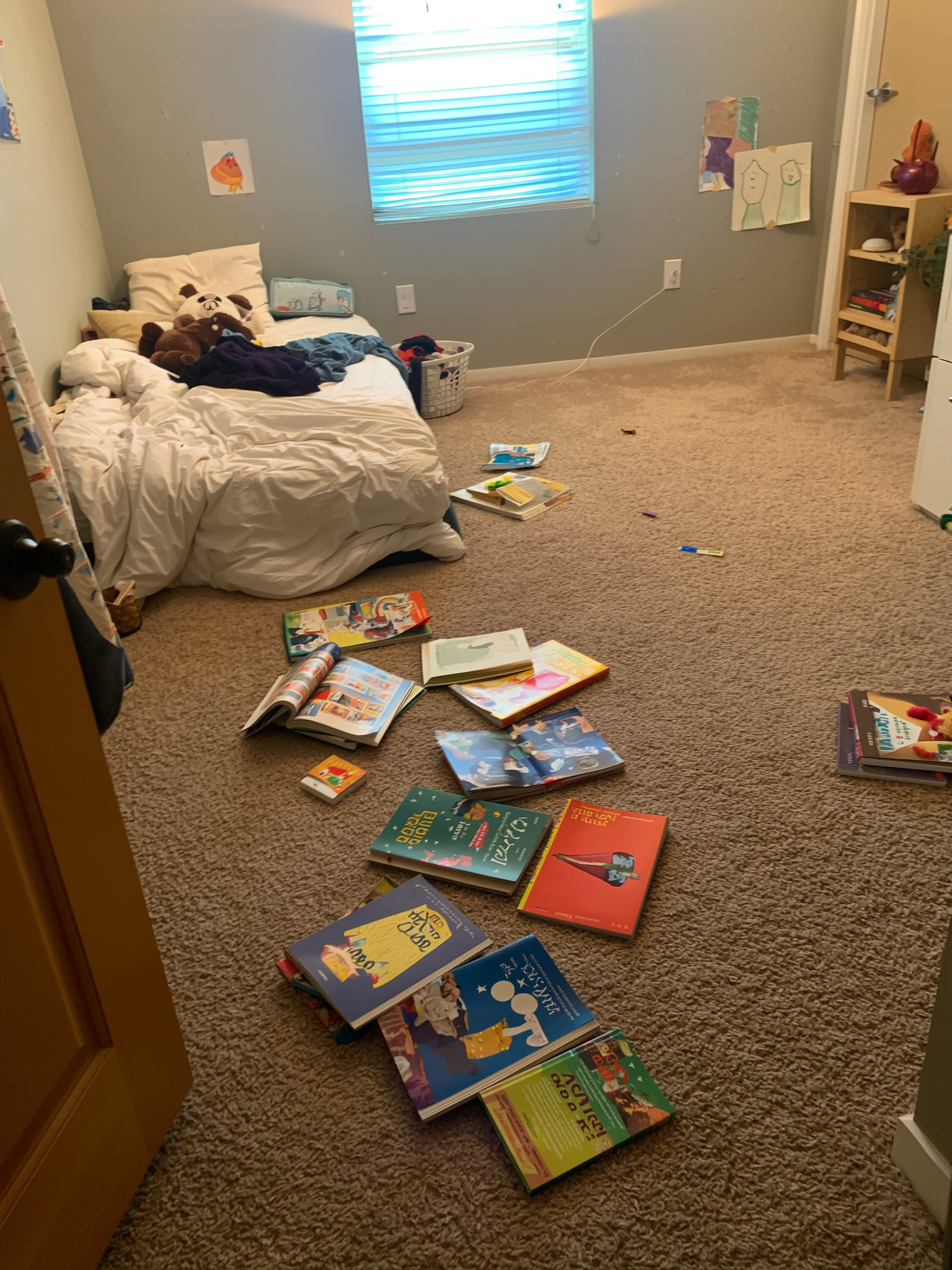
I brought a list of my 7-year-old's symptoms to our pediatrician — can't focus, can't sit still, melts down without a screen, won't read, short attention span — and asked her to test for ADHD. She asked one question that changed everything: "How many hours a day is he on a device?" I opened my mouth to answer and then just… stopped. Because I didn't actually know. I'd never counted. So that night, I counted. I started from the moment Ethan woke up. The 20 minutes of iPad while I made breakfast. The 45 minutes after school while I started dinner. The "one episode" of YouTube that always became three. The tablet in the car. The phone at the restaurant so he'd sit still. The show before bed because that was "our wind-down routine." I added it up three times because I didn't believe the first number. 4 hours and 38 minutes. On a normal day. Not a weekend. Not a sick day. A regular, boring Tuesday. And the worst part wasn't the number. The worst part was that I already knew. Somewhere underneath the daily chaos and the "just 10 more minutes" negotiations and the telling myself it was educational — I already knew it was too much. I could see it. I just didn't want to name it. Because once you name it, you have to do something about it. — Here's what made me finally stop looking away. Dr. Reeves — our pediatrician — didn't test Ethan for ADHD. She told me to remove all screens for two weeks and come back. She said something I've never forgotten: "I'm seeing this every single week now. Parents come in describing the same symptoms — the inability to focus, the emotional dysregulation, the meltdowns. And in about 70% of cases, it's not a neurological disorder. It's a neurological habit. The screen has trained the brain to expect a level of stimulation that real life can't match." She said the developing prefrontal cortex — the part of the brain that handles attention, impulse control, and emotional regulation — is being shaped right now, between ages 3 and 8. Whatever a child's brain practices most during that window is what it wires for. And Ethan's brain was practicing 4 hours and 38 minutes of rapid-fire, dopamine-saturating screen content every single day. It wasn't that he couldn't focus. It was that his brain had been trained not to. — I went home and took the iPad away the next morning. By 10 AM, Ethan was on the kitchen floor screaming. Not upset. Screaming. The kind of meltdown you associate with actual withdrawal — because that's exactly what it was. His brain was expecting its dopamine and it wasn't coming. By day two, I almost gave in. He was miserable. I was miserable. He stood in front of the bookshelf and said, "There's nothing to do," with this flat, blank look in his eyes. Like he'd forgotten how to be bored. Like the idea of choosing something for himself — without an algorithm choosing for him — was genuinely overwhelming. That was the moment that broke me. Not the pediatrician's office. Not the number on my scrap paper. This. My 7-year-old son standing in front of a shelf full of books and toys and games, and he couldn't figure out what to do with any of them. I called my sister that night, crying. She's a second-grade teacher. She told me she sees it every single day in her classroom. Kids who can't follow a three-step instruction. Kids who can't hold a pencil because they've been swiping since age two. Kids who used to ask questions constantly and now just sit there, waiting to be stimulated. She said the word that hasn't left my head since: passive. "They've become passive," she said. "Screens don't teach kids to think. They teach kids to receive. And now you're asking them to produce — to read, to imagine, to focus, to create — and they literally don't have the wiring for it." — Day four of no screens was the worst. And also the day everything shifted. Ethan was on the couch, bored out of his mind. I handed him a book I'd ordered two days earlier in a desperate 1 AM Amazon spiral. A children's encyclopedia — big, colorful, built entirely around questions. "Why do we dream?" "Why is the ocean salty?" "Why do cats purr?" He didn't want it. He said "no thanks" and rolled over. I left it on the couch and walked away. Twenty minutes later, I heard him say — to no one — "Wait, why IS space dark?" I stood around the corner of the kitchen and held my breath. He turned the page. Then another. He read for 35 minutes. Silently. Without moving. The longest he'd focused on anything that wasn't a screen in over a year. — That night, at dinner, he said: "Mom, did you know that octopuses have three hearts? THREE. And their blood is blue." I stared at my husband across the table. He stared back. Ethan kept talking. Facts about jellyfish. Something about volcanoes. A question about whether the sun would ever burn out. And I realized I was hearing something I hadn't heard in months. My son was asking "why" again. — Here's what I understand now that I didn't understand in that pediatrician's office. The problem was never that Ethan was broken. The problem was that his brain was doing exactly what a developing brain is designed to do — adapt to whatever it's given most. Give it 4+ hours of rapid, passive, high-dopamine stimulation every day, and it will wire itself for exactly that. Give it slow, focused, question-driven engagement, and it will wire for that instead. The reason nothing else worked — the reward charts, the screen-time timers, the "educational" apps, the begging — is that I was trying to manage the symptom without replacing the stimulus. I was taking away the screen and leaving nothing that could compete in its place. What changed everything wasn't removing the iPad. It was giving him something that activated the same curiosity the iPad had suppressed — but through a format that his brain had to actually work for. The questions pulled him in. The pictures held him. And because it was physical — pages, not pixels — his brain had to practice sustained focus to get the reward. It's been three months now. Ethan still asks for screens sometimes. He's 7 — of course he does. But last Sunday morning, I found him on the living room floor with the encyclopedia open to a section about the human body. He'd been there for over an hour. He had a notebook next to him. He was copying a diagram of the digestive system. He looked up and said, "Did you know your small intestine is like 20 feet long? That's taller than our house." I sat down next to him. He didn't ask for the iPad once that entire day. — I'm sharing this because six months ago, I was sitting in a pediatrician's office convinced something was wrong with my child. I was terrified. I was guilty. I was Googling "signs of ADHD in 7-year-olds" at midnight and crying in the bathroom because I thought I'd already done permanent damage. I hadn't. But I almost waited too long to find out. If your child can't focus. If they melt down when the screen is taken away. If story time feels like a battle. If they seem like a different kid than they were two years ago — please hear me when I say: it might not be your child. It might be what their brain has been practicing. And the window to change what it practices is still open. But it is not open forever. The book that changed our house is linked below. I don't know if it'll work the same way for your child. I don't know if it'll take four days or four weeks. But I know that the night my son sat on that couch and voluntarily picked up a book for the first time in over a year — that was the night I stopped feeling like I'd already failed him. That was the night I started getting my kid back.
Where the ad sends people
getbrightpage.com
Read this if your child uses any electronic device 👆
Children who ask questions develop stronger critical thinking, score higher on reading comprehension, and become lifelong learners. "Why 100,000?" is the children's encyclopedia that turns curiosity into an academic advantage — 100,000 real questions answered across science, nature, history, and ...
Shop now: getbrightpage.com(opens in a new tab)