Lauren Violet
Lauren Violet Facebook ad: “Read this if your child uses any electronics”
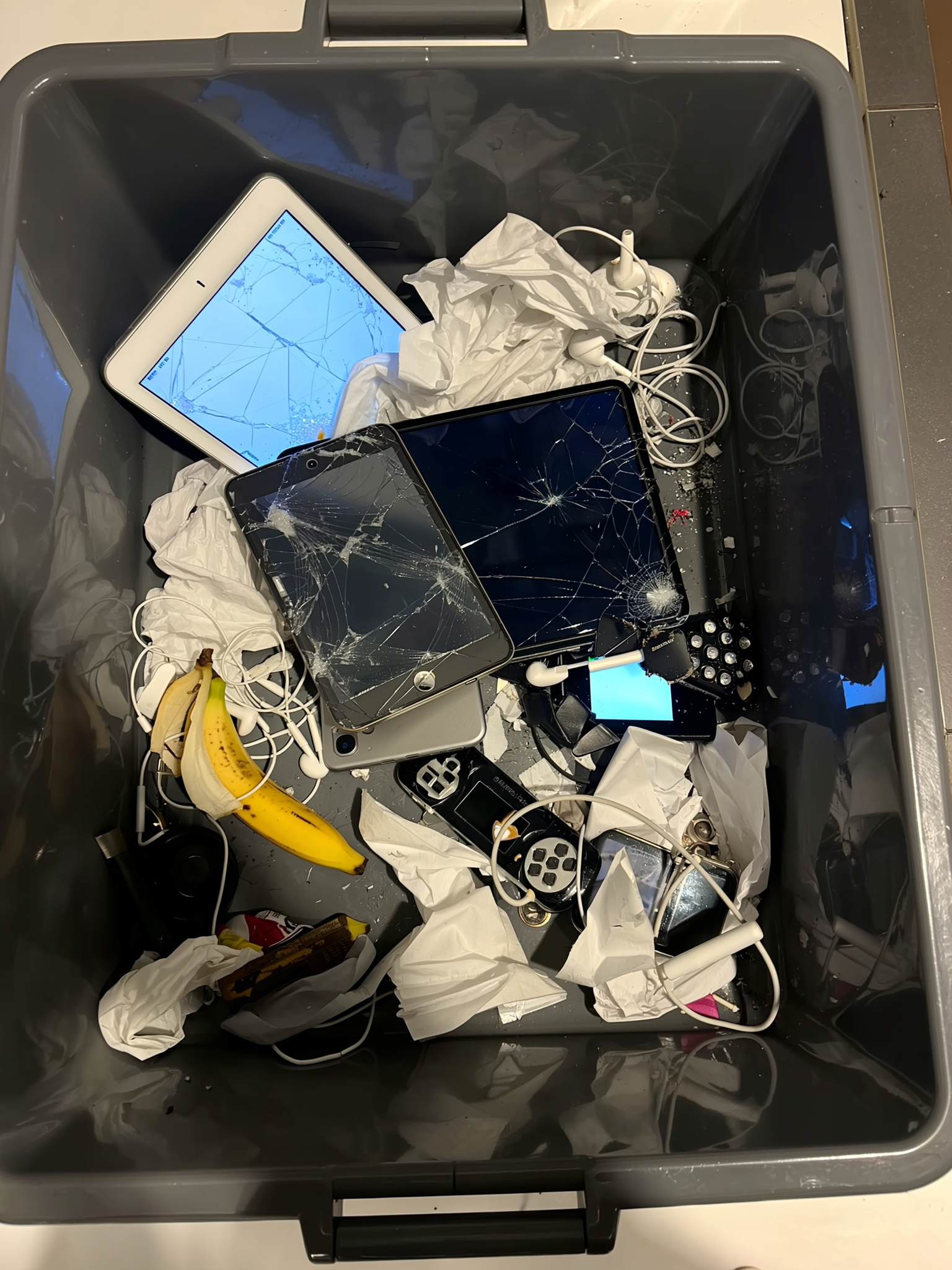
Ran for 8 days, from March 10 to March 18, 2026, the last day Crush saw it.
Run by Lauren Violet on Facebook. Crush is not the advertiser and does not verify its claims. See this ad in Meta's Ad Library(opens in a new tab)
Want an ad like this for your product?
Crush makes new ad images for your product from this ad: your logo, your product photo, your offer.
Trials from $19.95 USD, then $79.95 USD a month. Cancel anytime.
About this ad
- Meta Ad Library ID
- 940469491684134
- Platforms
- Facebook, Instagram, Audience Network, Messenger and Threads
- Relaunches
- 1
Ad text
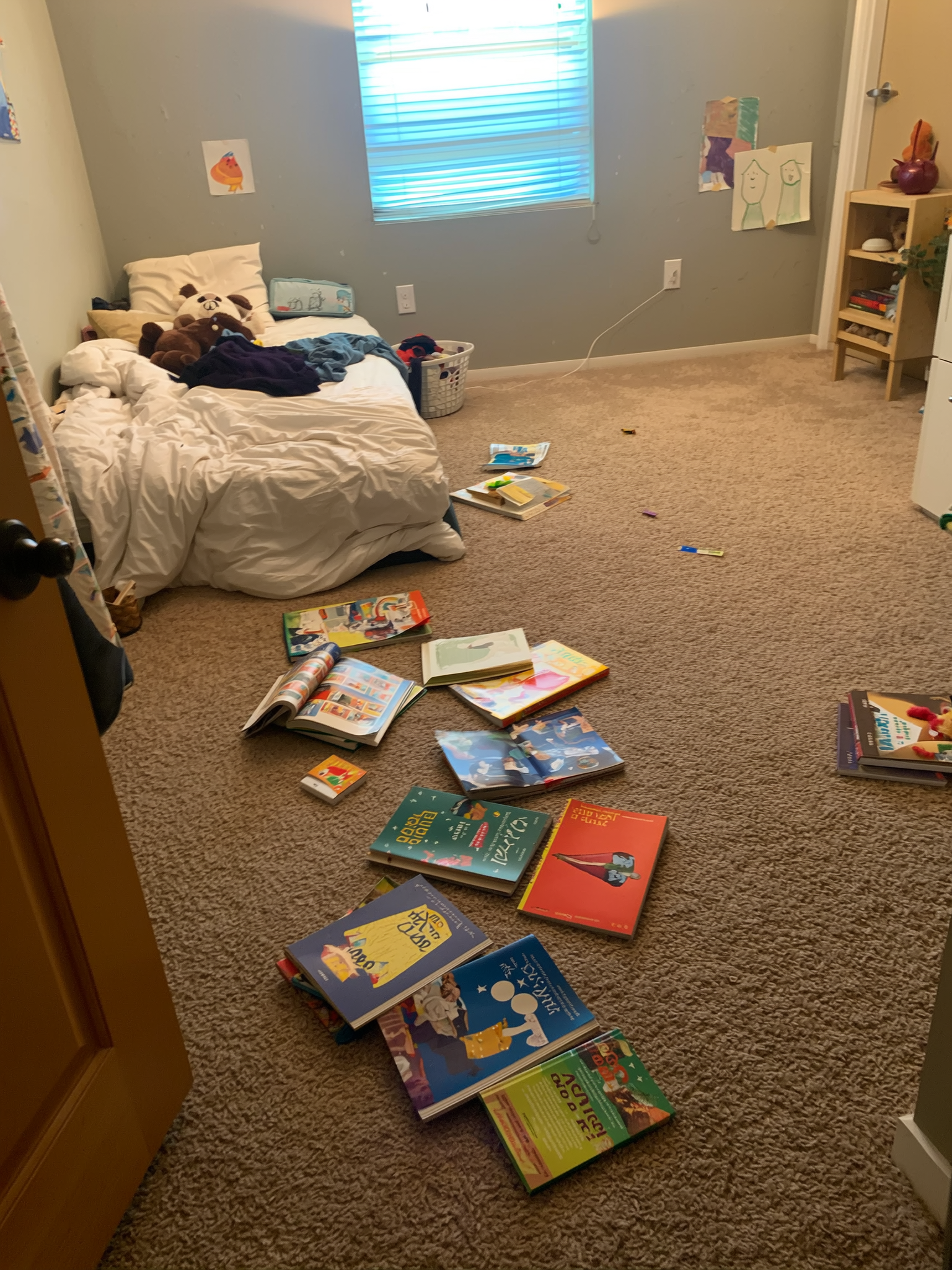
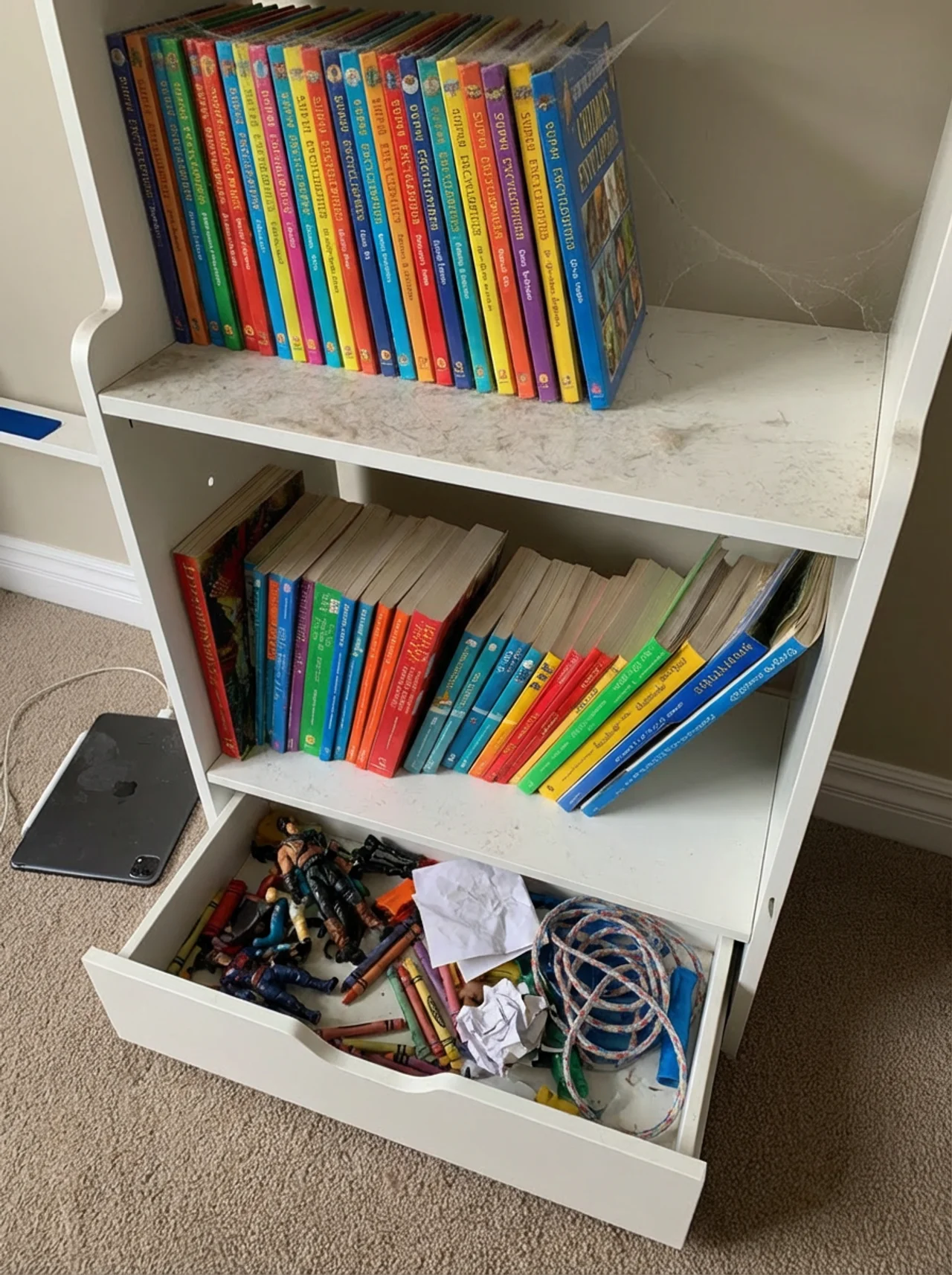
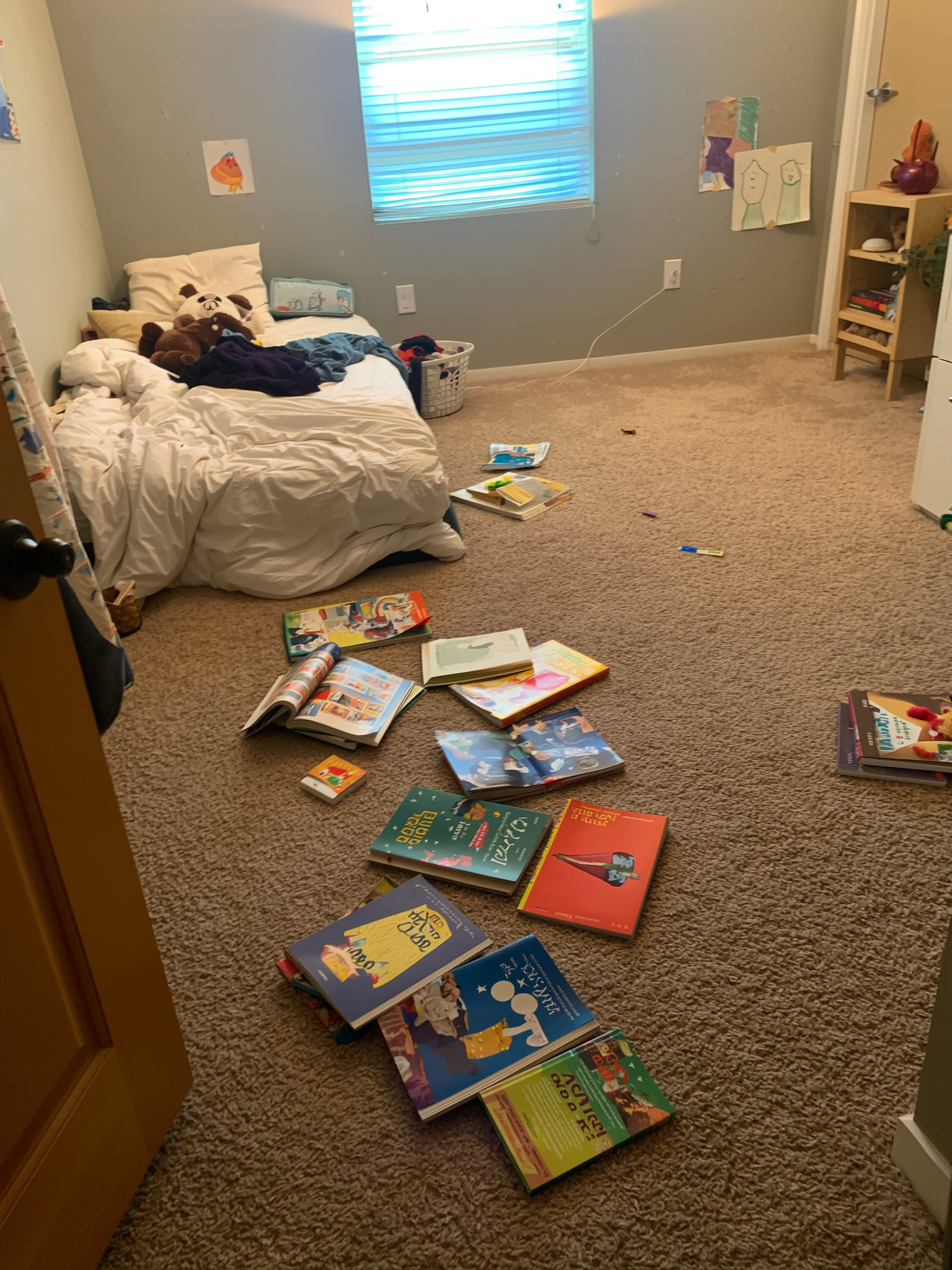
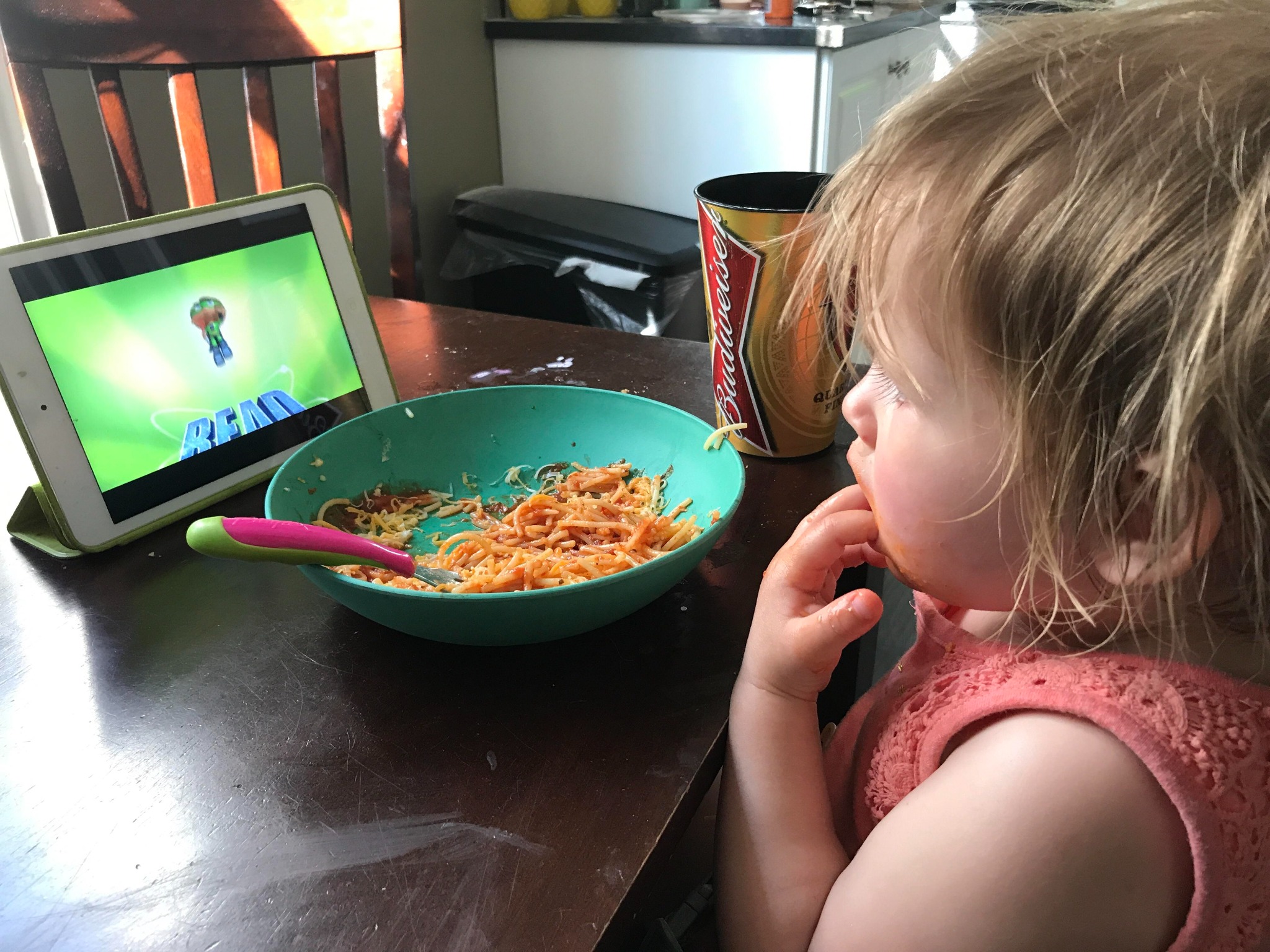
WARNING: The screen time limits you're setting every night are doing NOTHING to fix the actual problem. They treat the symptom while the real issue grows worse every week. A children's reading specialist explained the one thing that actually breaks the cycle — and it's not what any parenting blog told me. I have to tell you this because I wish someone had told me eight months ago, before I wasted an entire winter fighting a war I was never going to win. Here's what my evenings used to look like. 6:15 PM. Dinner's over. My 7-year-old son immediately asks for the iPad. I say no. He asks again. I say "after you do something else first." He wanders the house for four minutes, touches a Lego set, puts it down, and asks again. I negotiate. Fifteen minutes of reading, then you can have it. He sits with a book and stares at the pages without reading a single word, watching the clock, waiting for his reward. The iPad. By 7:30 he's had it for over an hour. I tell him to turn it off. He begs for five more minutes. I give in. Five becomes fifteen. Fifteen becomes a negotiation that ends with both of us frustrated and the whole bedtime routine starting twenty minutes late. Then the house goes quiet. The kids are asleep. And I perform my nightly ritual. I pick up the iPad, open Settings, tap Screen Time, and look at the number. 3 hours 42 minutes. My chest tightens. I do the mental math I've done a hundred times before. That's 26 hours a week. Over 1,300 hours a year. I think about what 1,300 hours of reading would have done instead. I think about the article I read about attention spans shrinking. I think about his teacher saying he has trouble focusing during independent reading time. I put the iPad down and opened my phone. Which is its own irony. And I start scrolling parenting blogs at 10 PM looking for answers I've already read seventeen versions of. Set clear boundaries. Use a timer. Create a reward chart. Be consistent. I'd tried all of it. Every strategy, every app, every rule. I bought a physical timer shaped like a tomato. I made a screen time chart with stickers and rewards. I downloaded an app that locks the iPad after a set number of minutes — which just meant my son watched the countdown clock in the corner of the screen and melted down the second it hit zero. Nothing worked. Or more accurately — everything "worked" for about three days and then we were right back to the negotiations, the begging, the guilt. I started to believe my son was addicted. That word kept showing up in my late-night searches. Screen addiction in children. Digital dependency. Dopamine loops. I read about it until I felt physically ill and then I'd close my laptop, lie in the dark, and think, "I did this to him." That's the part nobody talks about. The guilt doesn't come from the screen time itself. It comes from the silence after the screens go off and you're alone with the math. In January I hit a wall. Not a dramatic one. Just a quiet, exhausted Tuesday night where I sat on the couch after the kids were asleep and realized I had been fighting the same battle every single day for over a year. And losing. Every single day. I wasn't even angry anymore. I was just tired. The next week, I took my son to a reading assessment at a local children's literacy center. I thought maybe if I understood his reading level, I could find the right books, the right program, something that would compete with the screen. The specialist — her name was Dr. Kaye — did a forty-minute evaluation. Afterward, she sat down with me and said something I was not expecting. She said, "Your son doesn't have a screen problem." I almost laughed. She said, "He has an empty-handed problem. You're trying to take something away without giving him something that fills the same need. And the need isn't entertainment. It's stimulation. His brain is looking for novelty. New input. New questions. New things to discover." "The iPad gives him that in an endless stream. You keep replacing it with things that feel like work — phonics readers, chapter books above his level, educational apps that feel like school." "He rejects them because his brain knows the difference between something that feeds curiosity and something that tests compliance." I sat there for a second. Because she'd just described my exact routine. Every "alternative" I'd offered him was something I thought he should do, not something he'd actually want to do. She said the children she sees turn it around almost always have the same catalyst. Not a rule. Not a restriction. Not a reward chart. A single resource that matches the way a child's brain actually seeks information — question-driven, visual, nonlinear, self-directed. Something the child picks up because they want to, not because someone told them to. She recommended three things. One of them was a children's encyclopedia called "Why 100,000?" I'd seen encyclopedias before. I'd even considered buying one. But honestly, I thought they were old-fashioned. I pictured dusty hardcovers my parents had on a shelf that nobody touched. I almost didn't order it. But Dr. Kaye said something that stuck. She said, "The reason this particular book works for reluctant readers and screen-dependent kids is because it's organized the same way their brains work. Every page starts with a question. They don't have to read it front to back. They can open to any page, follow their curiosity, and feel rewarded immediately." "It's not a book that teaches. It's a book that answers." I linked the book below — but let me tell you what happened next. It arrived on a Friday. I put it on the coffee table. Said nothing. Saturday morning, my son picked it up while eating cereal. He opened it to a random page about the ocean. I watched from the kitchen. He didn't look up for twenty minutes. That night, for the first time I can remember, he didn't ask for the iPad after dinner. He asked me if it was true that an octopus has three hearts. I said I didn't know. He said, "I'll show you," and went to get the book. I want to describe what that felt like but I don't think I can do it without sounding dramatic. So I'll just say this: I stood in my kitchen and felt something release in my chest that had been locked there for over a year. It wasn't dramatic. There was no crying, no big moment. Just a Tuesday evening where the iPad stayed on the counter and my son was reading on the couch with his feet up, and the house was quiet in a way that felt completely different from every other quiet night. The screen time number that week was 1 hour 40 minutes. Down from nearly 4. I didn't set a single new rule. I didn't take the iPad away. I didn't bribe him or make a chart or download another app. I just put a book on the table that answered questions the way his brain wanted to ask them. Three months later, his teacher told me he'd become one of the most engaged students during independent reading. He started checking out nonfiction books from the school library on his own. He reads at the dinner table now, which I never thought I'd be happy about, but I am. I really am. I still check the Screen Time report some nights. Old habits. But the number doesn't make my chest tighten anymore. I'm telling you this because I spent a year believing I had a discipline problem. A willpower problem. A "bad parent" problem. I didn't. I had an empty-hands problem. And the solution wasn't a tighter rule or a better app. It was a book full of questions that made the iPad boring by comparison. You don't need another screen time strategy. You need to fill the gap that the screen is filling. Once you do that, the war is over. It was over for us. It can be over for you too. I linked the book below if you want to see it for yourself. 👇
Where the ad sends people
getbrightpage.com
Read this if your child uses any electronics👆
The book parents are using to replace screen time. 100,000 "Why?" questions answered across science, nature, space, history & more. Ages 5+👇
Shop now: getbrightpage.com(opens in a new tab)