Living Well with Diana
Living Well with Diana Facebook ad: “The Secret Hormone Behind Thyroid Weight Gain”

Ran for 10 days, from September 1 to September 11, 2026, the last day Crush saw it.
Run by Living Well with Diana on Facebook. Crush is not the advertiser and does not verify its claims. See this ad in Meta's Ad Library(opens in a new tab)
Want an ad like this for your product?
Crush makes new ad images for your product from this ad: your logo, your product photo, your offer.
Trials from $19.95 USD, then $79.95 USD a month. Cancel anytime.
About this ad
- Meta Ad Library ID
- 4459677960986567
- Platforms
- Facebook, Instagram, Audience Network, Messenger, WhatsApp and Threads
- Relaunches
- 0
Ad text
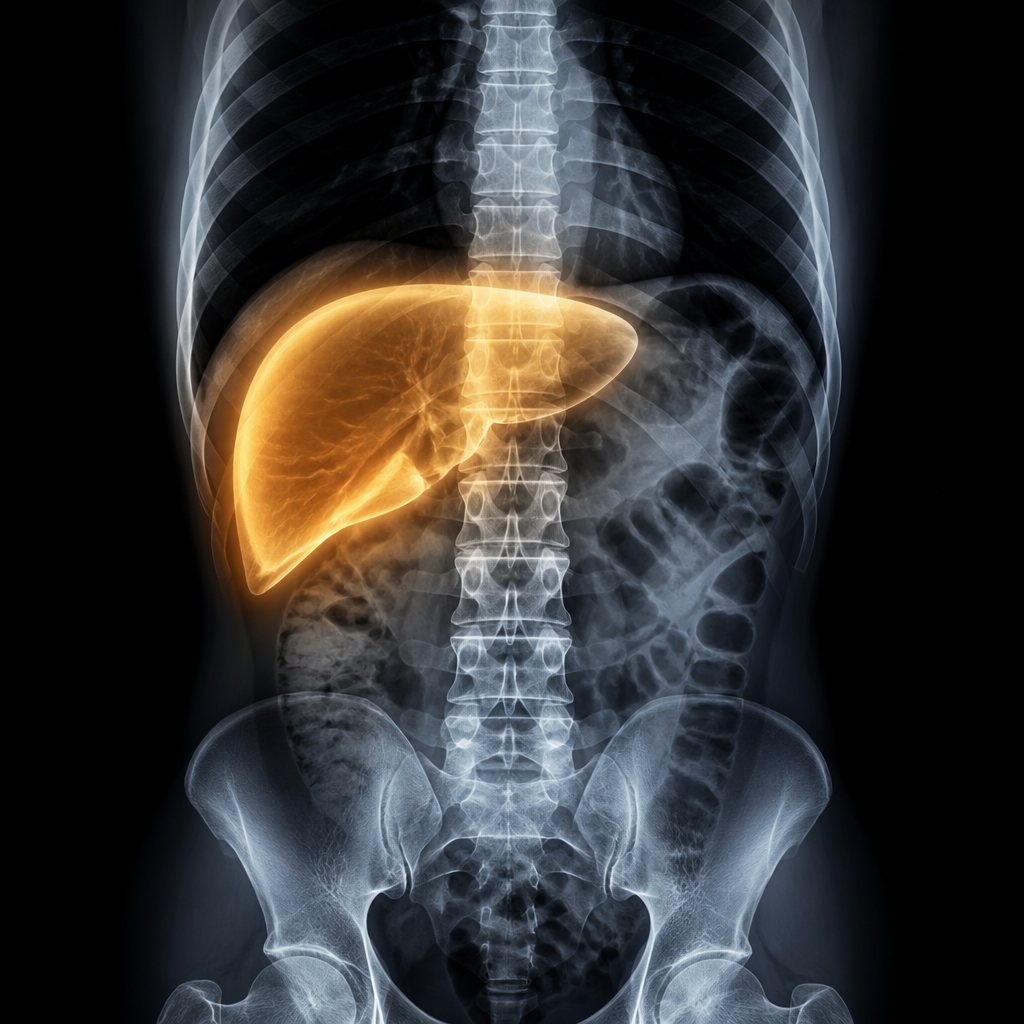
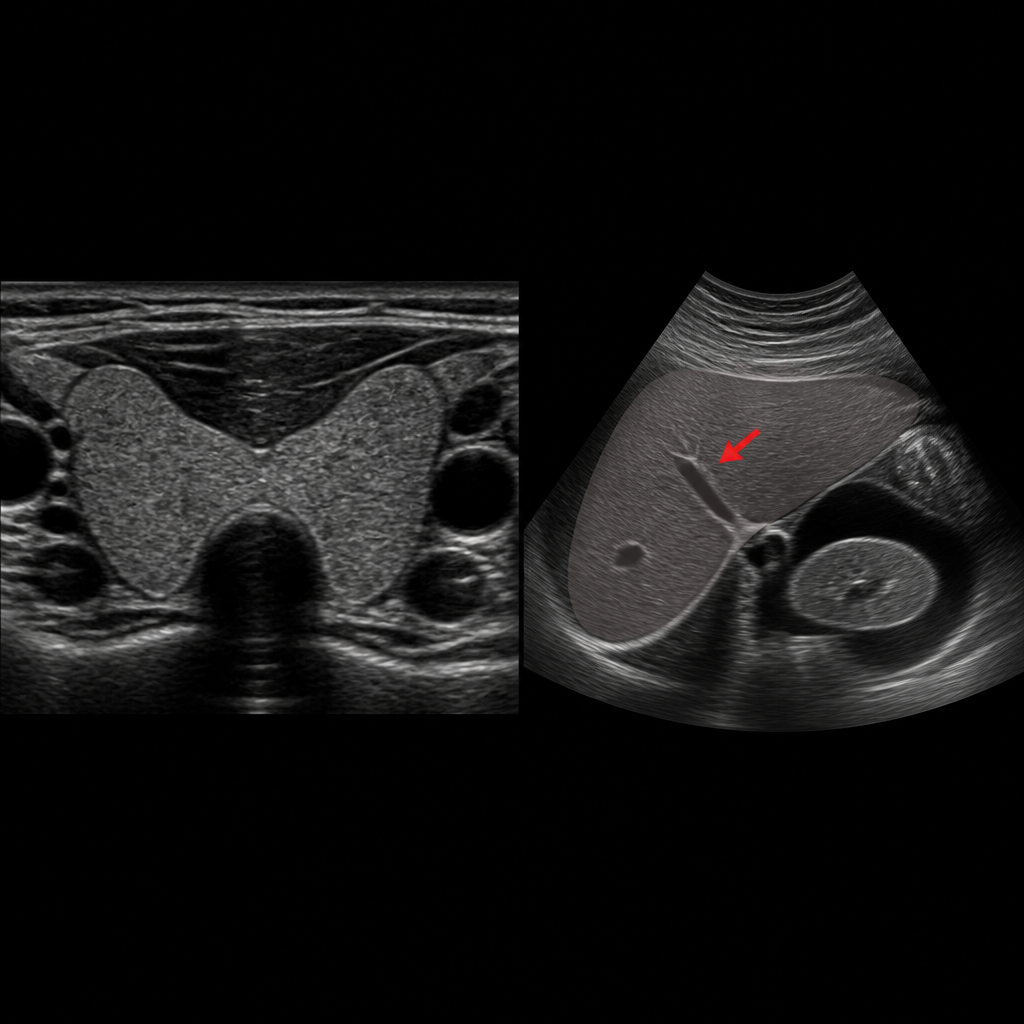
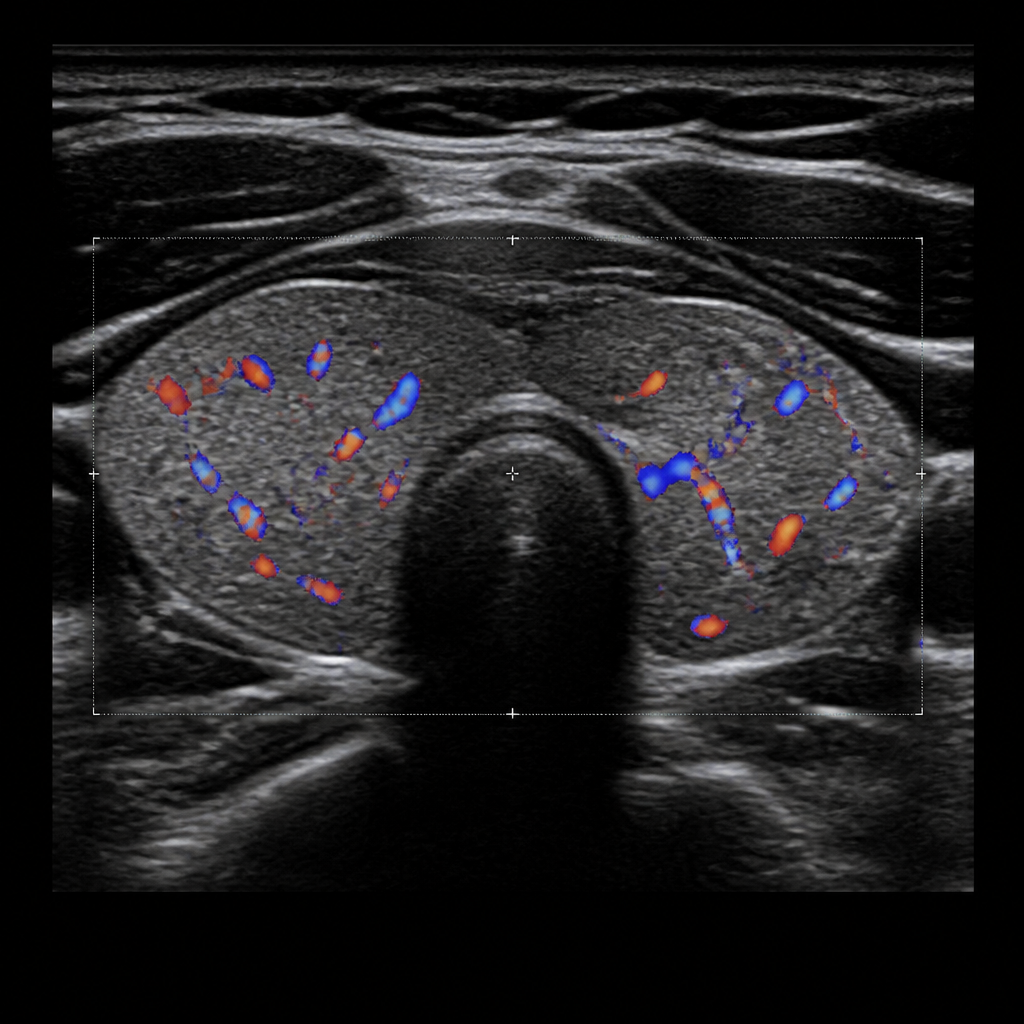
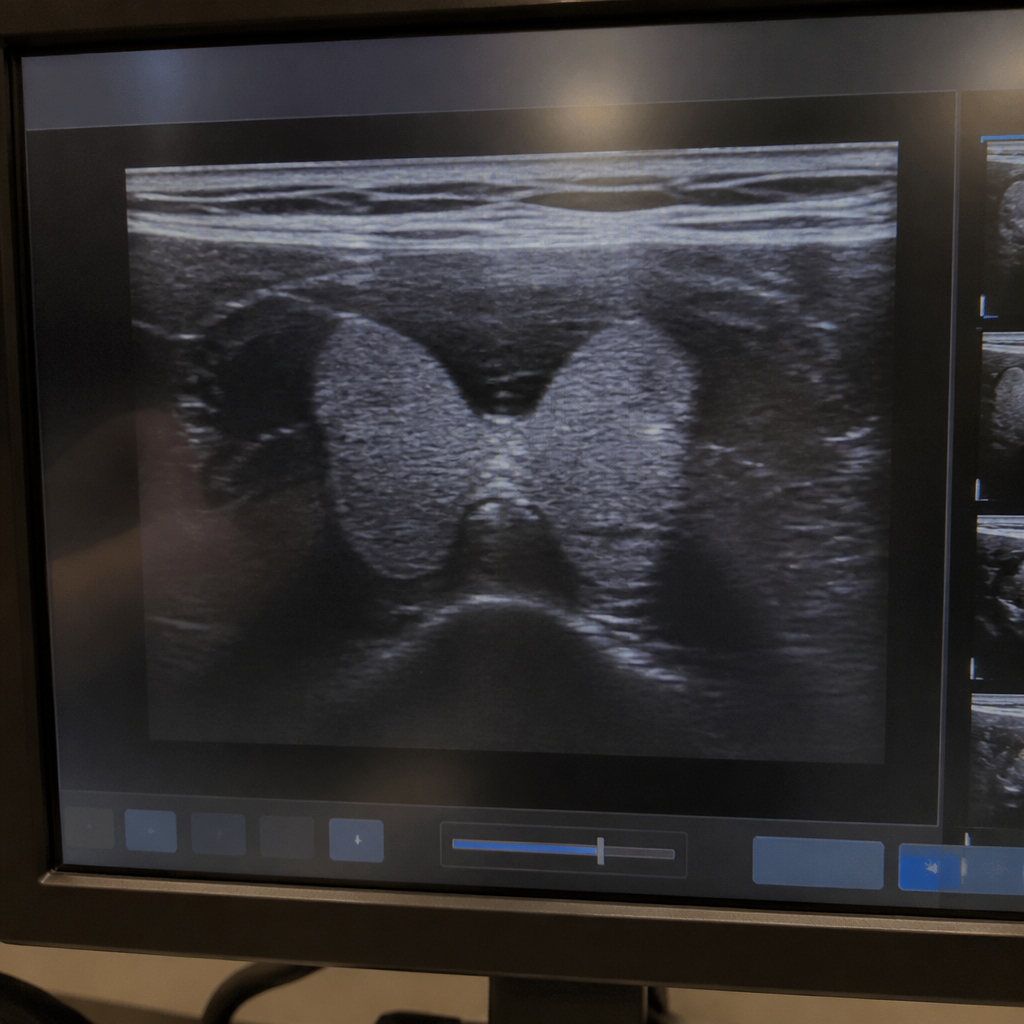
I was told my thyroid was fine at 53. I'm 60 now. Turns out my thyroid was never the problem at all. For seven years, I chased a diagnosis I was never going to get. They tested my thyroid over and over. Every time it came back "within normal range." And every time I sat in that office feeling like a liar... because if my thyroid was fine, why had I gained 34 pounds doing nothing different? The first doctor told me it was probably just metabolism slowing down with age. She said to cut my portions and walk more. I was already walking 10,000 steps a day. I told her that. She smiled and said "give it time." Then came the parade of attempts. A calorie-tracking app that made me obsessed and miserable. A low-carb plan I stuck to for three months while the scale didn't move a single pound. Intermittent fasting that left me shaking and foggy by noon but didn't shrink my waistline by a centimeter. I cut out sugar. Then gluten. Then dairy. I tried a metabolism supplement from a health food store that promised to "reignite my fat-burning furnace." It did nothing except give me heartburn. When the diets ran out of promises, I went back to the doctors. A new primary care physician this time, then an endocrinologist. More bloodwork. More vials than I could count. They tested everything. Thyroid panel... normal. Fasting glucose... normal. Inflammatory markers... unremarkable. The metabolic panels came back clean, one after another. "Your labs look fine," the endocrinologist told me. "Your thyroid is functioning within range. There's nothing clinically wrong." He handed me a printed sheet on portion control and told me to come back in six months. I sat in my car in the parking lot for twenty minutes. Because I wasn't crazy. Something was wrong. I could feel it in every pair of pants that no longer fit. In the belly that had appeared from nowhere and wouldn't leave. In the exhaustion that no amount of sleep could touch. The weight didn't show up the way I'd gained weight before... a few pounds here and there, evenly distributed, responsive to effort. This was different. This lived in one place. My midsection. My belly. That lower stomach pouch that I'd never had in my life, not even after two pregnancies, suddenly there at 53 like it had been installed overnight. And it would not respond to anything. By the time my alarm went off I already felt heavy. Eight hours in bed and I woke up like I'd never rested at all. By mid-morning the fatigue would settle in... not tiredness, something deeper. Like my cells had forgotten how to produce energy. By afternoon I'd be so drained I would sit in my car after errands just to gather enough strength to walk into my own house. And the brain fog. I'm a sharp woman. I ran a department for twenty-two years. And I was standing in front of the refrigerator forgetting what I'd opened it for. Losing words. Rereading paragraphs three times because nothing was sticking. The cravings were relentless. Not hunger. Something else. A pull toward sugar and carbs at 8pm that felt chemical, not emotional. I'd eat a full, healthy dinner and an hour later I'd be standing in the pantry with a sleeve of crackers feeling completely out of control. And then the guilt. Because I was doing everything "right" and gaining weight anyway, so the only explanation left was that I was the problem. I was weak. I was lazy. I was making excuses. That's what I started to believe. Every appointment ended the same way. "Your thyroid is fine." "Have you tried eating less?" "It's just part of aging." "Menopause changes where you carry weight." I tried eating less. I ate 1,200 calories a day for six weeks. I lost two pounds the first week and then nothing. Nothing for five straight weeks while I was hungry every single day and exhausted every single night and my body held on to every ounce like it was preparing for a famine. I started to believe this was just my life now. That I'd spend whatever years I had left watching the number climb while I ate less and moved more and none of it mattered. I stopped looking in full-length mirrors. I had my husband take down the one in the hallway because I couldn't walk past it one more time. Then a neighbor of mine said something no specialist ever had. Her name is Diane. She's 58. She's a retired nurse practitioner... thirty years in clinical practice. We've lived next to each other for twelve years and she's the kind of friend who notices things without being asked. I hadn't told her how bad it had gotten. Because what was I going to say? "I've gained 34 pounds and I can't stop it and my doctors say I'm fine"? Nobody wants to hear that. They just hear excuses. But one afternoon we were standing in her driveway and she looked at me and said something that stopped me cold. "Has anyone actually looked at what your cortisol is doing? Not just your thyroid?" I almost laughed. "I've been tested for everything. Everything is normal." "I'm not talking about the standard panel," she said. "I'm talking about the thing that sits upstream of your thyroid and controls whether it can actually do its job." I didn't understand what she meant. She leaned against her car. "Sit down with me for a minute. Because I think you've been chasing the wrong answer for seven years." Then she explained it. And what she said rearranged everything I thought I understood about my own body. "Your thyroid isn't broken," she said. "Your thyroid is being blocked." "Your body runs on a stress hormone called cortisol. When it's working properly, cortisol rises in the morning to wake you up and drops at night so your body can rest and repair. But when you've been under sustained pressure... and I don't mean dramatic pressure, I mean the kind of grinding, daily, cumulative pressure that women in menopause carry... your nervous system gets stuck in the on position. Cortisol stays elevated around the clock." "And elevated cortisol does something to your thyroid system that almost nobody explains to women." "Your thyroid makes a hormone called T4. But T4 is inactive. It has to be converted into T3, the active form, before your body can actually use it for metabolism. That conversion mostly happens in your liver." "When cortisol stays high, it promotes the storage of visceral fat... the deep belly fat around your organs. That visceral fat infiltrates your liver. And a liver burdened with that fat becomes less efficient at converting T4 into the active T3 your metabolism depends on." "So your thyroid is producing just fine. The test comes back normal because they're measuring production. But the conversion is impaired. The active hormone your cells need isn't getting through." "That's the first blockade." I stared at her. "There's more than one?" "There are three," she said. "And they're all running at the same time." "The second one... when cortisol stays elevated, your body starts converting more T4 into something called reverse T3 instead of active T3. Reverse T3 looks like the real thing to your receptors. It fits into the same slots. But it doesn't work. It just sits there blocking the door so real T3 can't get in." "Think of it like someone jamming the wrong key into every lock in your house. The locks aren't broken. The right keys exist. But nothing opens because every lock is already occupied by a key that doesn't turn." "So even the active T3 your body does manage to produce... can't get where it needs to go." "And the third?" "Cortisol suppresses something called AMPK. It's an enzyme that tells your cells to release stored fat for energy. When AMPK is suppressed, your cells can't access their own fuel. Your body is sitting on stored energy it cannot use. So it sends hunger signals. Cravings. That 8pm pull toward sugar and carbs... that's not weakness. That's your cells screaming for fuel they can't reach." "Three blockades," she said. "All running simultaneously. All driven by the same upstream signal. Cortisol." "Your thyroid tests come back normal because production is fine. But the conversion is impaired, the receptors are jammed, and your cells can't release stored energy. You can eat 1,200 calories a day and your body will still hold on to every ounce. Because it's not a calorie problem. It's a signaling problem." I sat there for a long time. Because seven years of my life suddenly made sense. The weight that appeared at 53 and wouldn't respond to anything... it wasn't because I was eating too much. It was because cortisol was creating visceral fat that was impairing my liver's ability to convert the thyroid hormone I needed. The fatigue that no amount of sleep could touch... it wasn't laziness. My cells weren't getting the active hormone they needed to produce energy. The brain fog... the cravings... the feeling of my body ignoring every effort I made... all downstream of the same signal. And the cruelest part? Every intervention I'd tried had made it worse. The 1,200-calorie diet? My body read the calorie restriction as a threat. Cortisol climbed higher. The blockade tightened. The intense exercise? Pushing harder at the gym when the signal was already elevated just drove cortisol higher. More visceral fat storage. More conversion impairment. More reverse T3 jamming the receptors. The intermittent fasting? Another stressor on an already stressed system. Another signal telling my body the emergency was real. Every single thing I did to fight the weight was confirming to my nervous system that the threat was real... and it responded by locking down harder. I wasn't failing. I was pushing in the exact wrong direction. And nobody told me. "So what do I do?" I asked her. "If every diet makes it worse and the doctors say I'm fine... what do I actually do?" "You stop chasing the thyroid," she said. "And you address the signal that's blocking it." She'd been reading about adaptogenic botanicals. Plants that have been studied specifically for supporting the body's cortisol response. Not stimulants. Not fat burners. Not metabolism boosters. Compounds that support the system that regulates cortisol... helping it come back down instead of staying locked in the on position. "The idea isn't to force your metabolism to speed up," she said. "It's to remove the blockade that's keeping it suppressed. When cortisol starts settling into a healthier rhythm, the liver can do its job. The conversion improves. The reverse T3 production slows. The receptors clear. AMPK comes back online. Your body stops hoarding and starts functioning." "Not because you forced it with a diet. Because the signal that was shutting everything down finally quieted." But then she warned me about the supplement industry. And everything she said matched what I'd already lived. Most "metabolism" supplements are stimulants dressed up as wellness. Caffeine and green tea extract and thermogenics that spike your heart rate and your cortisol right along with it. The exact wrong direction. Most "thyroid support" formulas throw iodine and selenium into a capsule and call it done. They're targeting production... the part that was never broken. Most "menopause" products chase hot flashes and ignore cortisol entirely. And most weight management supplements? Appetite suppressants. Carb blockers. Fat burners. All treating symptoms of a blockade they never identify. I had a bathroom cabinet full of those bottles. I was not adding another one. But Diane had found something she said was different from everything else she'd looked at. AVIA. AVIA Cortisol Support. The first thing she noticed was the label. Every ingredient listed individually. Actual doses you could read and verify. No proprietary blend. No fillers. No vague "metabolic complex" hiding what was inside. Adaptogenic botanicals... the specific ones that kept showing up in research on cortisol and the stress response... at doses that had actually been studied. Not token amounts. Not marketing dust. Not a metabolism product. Not a thyroid supplement. Not a fat burner. Built specifically to support healthy cortisol levels. One capsule. Once a day. She'd been taking it for about three months and said the first thing that changed was her sleep. Then her energy. Then the weight around her midsection started responding to effort for the first time in years. She said she felt like her body had "unlocked." I ordered it that night. Not because I was hopeful. Seven years of hoping had wrung that out of me. I ordered it because Diane is the most unsentimental, evidence-first person I know. And if she was telling me it made a difference, I owed myself one more try. The bottle arrived on a Wednesday. I took the first capsule Thursday morning. And I waited. Expecting nothing. Week one. The sleep changed first. I woke up on Monday and realized I'd slept through the night without the 3am wakeup that had become so routine I'd stopped even recognizing it as abnormal. I lay there staring at the ceiling trying to remember the last time that had happened. It didn't happen every night that first week. But it happened three times. Three unbroken nights. And something else. Subtle. The hum of dread that had lived in my chest for years... the low-grade anxiety that never attached to anything specific... it was quieter. Like someone had turned the volume down slightly. Weight? Nothing yet. I didn't expect anything yet. Week two. The 8pm cravings changed. Not vanished. Changed. The desperate, clawing pull toward the pantry softened into something I could actually sit with. I'd feel a tug after dinner and then it would pass. Like my body was asking instead of demanding. I made it through three evenings without snacking. Not through willpower. I just... didn't need to. And the energy. I ran errands on a Saturday... grocery store, dry cleaner, pharmacy... and I came home and started making lunch. I didn't sit in my car first. I didn't need twenty minutes to recover. I just... kept going. Like a normal person. Week three. I put on a pair of pants I hadn't worn in over a year. They were still tight. But they zipped. They hadn't zipped in months. I stood in front of the mirror I'd asked my husband to take down and I looked at myself. Not with hope exactly. With curiosity. Something was different. My face looked less swollen. My midsection looked slightly less rigid. Not dramatic. Just... something had shifted. And the fog. The fog that had made me feel like I was thinking through wet cement for seven years. It was lifting. I sat through a conversation with my daughter and tracked every thread without losing my place. I made a joke... a quick, sharp joke that required mental agility I hadn't had access to in years. She laughed. And I thought... there I am. Week four. I weighed myself. I hadn't stepped on a scale in five months because the number never changed regardless of what I did. I'd lost four pounds. Four pounds in four weeks after seven years of the scale not moving at all. That doesn't sound like much. Until you've spent seven years eating 1,200 calories and walking 10,000 steps and the number only went up. Then four pounds feels like proof that something fundamental has changed. My body was responding to effort again. Not because I was trying harder. Because the blockade was easing. Month two. Seven more pounds. Slowly. Steadily. Without starving myself. Without punishing myself at the gym. Without white-knuckling past cravings that felt chemical. The belly was softening. Not gone... but that hard, rigid, visceral quality was changing. It was responding for the first time in seven years. My husband noticed first. Not the weight. The way I moved. The way I got up from a chair without bracing. The way I walked through the house without shuffling. The way I laughed at something on television instead of staring at it blankly. He looked at me one evening and said "you're coming back." Not "you look thinner." Not "the diet's working." "You're coming back." Because I had been gone. The version of me that had energy and clarity and could eat a meal without guilt and didn't stand in front of the pantry at 8pm feeling like a failure... that person had been buried under seven years of a blockade nobody identified. Month three. Eleven pounds total. My wedding ring fit again. I put it on for the first time in two years. I wore a dress to my granddaughter's birthday party. Not a loose one. A real dress. And when my daughter took a photo, I didn't ask her to delete it. The 8pm cravings are mostly gone. Not suppressed. Gone. Because my cells can access fuel again. They're not sending emergency hunger signals anymore. I eat three meals a day. Normal meals. I don't count a single calorie. The brain fog is gone. My energy lasts until evening. The anxiety has quieted to almost nothing. And the weight is still coming off. Slowly, the way it should. Because my body is no longer hoarding. The signal that was telling it to store and protect and refuse to release has finally, finally quieted. I don't have a thyroid problem. I never did. What I had was seven years of elevated cortisol creating a three-point blockade on a thyroid system that was working just fine... and not one person in a medical office thought to look upstream. The conversion was impaired. The receptors were jammed. The fat-release enzyme was suppressed. And every diet, every calorie cut, every punishing workout just drove the signal higher and tightened the blockade. One signal. One root cause. The weight, the fatigue, the fog, the cravings, the anxiety, the insomnia... all downstream of cortisol that wouldn't come down. Now I need you to hear this part. This cycle doesn't fix itself. Elevated cortisol promotes visceral fat. Visceral fat impairs thyroid hormone conversion. Impaired conversion slows metabolism. Slower metabolism promotes more fat storage. More fat storage drives more cortisol. The cycle tightens. Every month you spend cutting calories while the blockade is running... every month you spend pushing harder at the gym while cortisol climbs higher... the spiral gets harder to interrupt. AVIA is a small brand. Small batches. They don't have warehouses full of stock sitting around. When a batch runs through, it's unavailable until the next one is produced. I'm leaving the link here. https://shop.tryavia.com/ps-thyroid-angle If you're skeptical, good. Seven years and a cabinet full of empty bottles had earned me that skepticism too. But grab one bottle. Give your body three or four weeks of actual cortisol support. And pay attention to what changes. Not just the scale. Your sleep. Your cravings. Your energy. The fog. The 3am wakeups. The anxiety that showed up when the weight did and never left. It's all the same signal. And when that signal starts settling into a healthier rhythm... the blockade eases. The conversion resumes. The receptors clear. And your body stops fighting you. I'm not standing in front of the pantry at 8pm anymore. I'm not eating 1,200 calories and watching the scale climb. I'm not sitting in my car after errands too exhausted to walk inside. I'm not avoiding mirrors. I'm not asking my husband to delete photos. I eat. I move. I sleep. And my body responds. Because I finally stopped treating a thyroid that was never broken. And addressed the signal that was blocking it. https://shop.tryavia.com/ps-thyroid-angle
Where the ad sends people
shop.tryavia.com
The Secret Hormone Behind Thyroid Weight Gain
Learn more: shop.tryavia.com(opens in a new tab)