
Inactive· since Jul 21, 2026
- 11
- days it ran
- 0
- relaunches
- 8
- EU reach
Ad copy
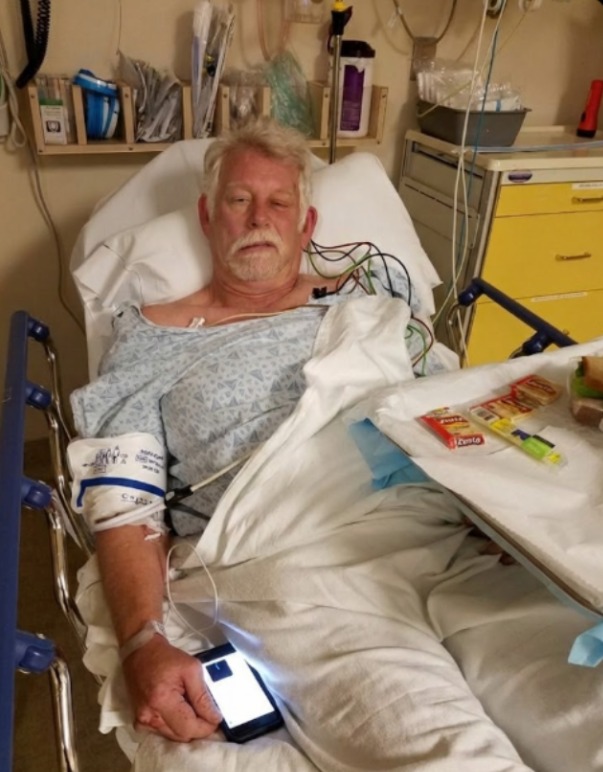
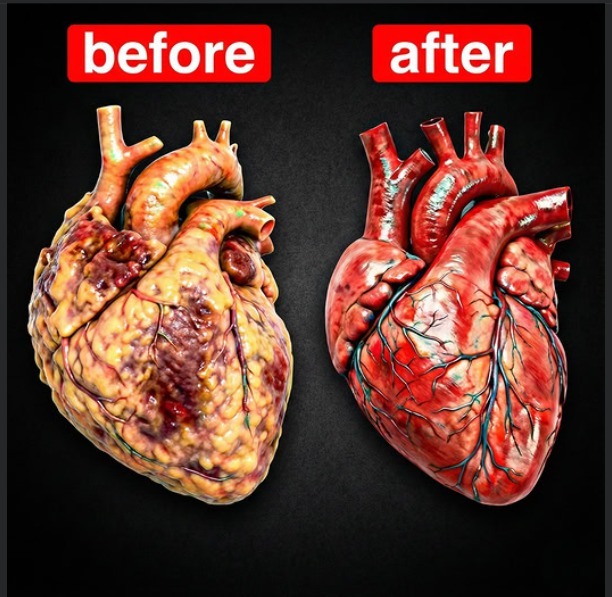
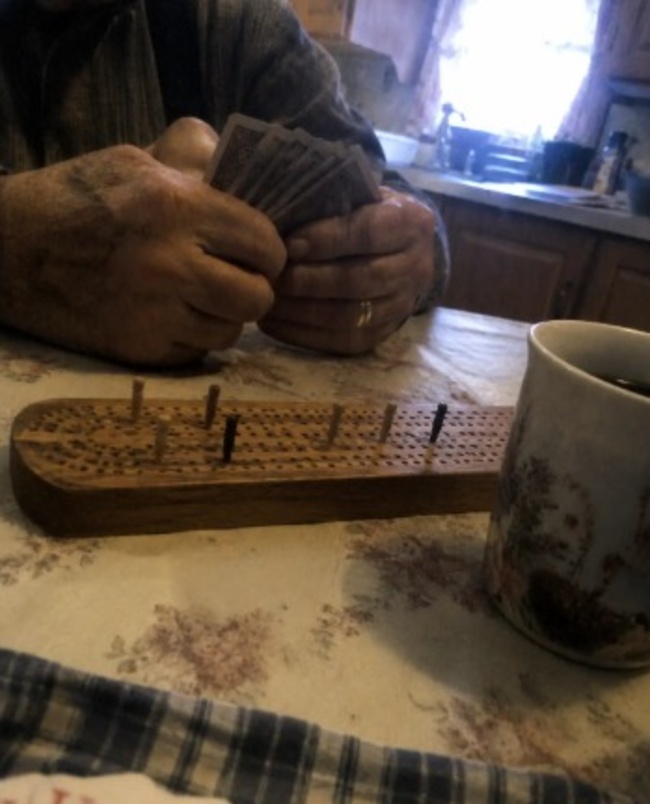
For thirty-eight years my husband cut men's hair for a living, and this fall I realized he had stopped shaking their hands. My husband's name is Ray. He is sixty-four years old. He was a barber for thirty-eight years. Same small shop on Main Street in the town where we raised our children. He bought the shop from the old barber, Sal, in 1984 and put his own name on the window and kept it up there until he sold it back to Sal's grandson two years ago. Ray retired at sixty-two. He did not want to. He was tired in his body and he knew it was time. But he did not want to. We have been married thirty-four years. I am sixty-one. I want to tell you about a Sunday morning in October last year at church coffee hour, because it is when I finally understood something I had been quietly noticing for almost two years and had not let myself understand. Ray's feet started first. About four years ago, in the last of his working years. He came home one night and said his feet had been feeling funny at the shop that day. Not painful. Just funny. Tingling in his toes. A patch on the sole of his right foot that felt asleep even though he was standing on it. He was on his feet nine hours a day at the shop. He said it was probably the standing. He got new mats for the floor. Better shoes. It helped a little. Then it didn't help. By the time he retired at sixty-two, he was coming home most nights and taking his shoes off at the door and sitting for ten minutes before he could face the walk from the front hall to the kitchen. He didn't complain. Ray doesn't complain. He just did the ten minutes. His hands started about a year after his feet. He noticed it first with a straight razor. A barber shaves a man's neck by feel as much as by sight — the razor is sharp enough that you have to know exactly what your fingertips are telling you about the pressure and the angle. Ray had been doing it for thirty-something years and could do it in his sleep. One morning at the shop he was finishing up a shave and he realized he hadn't been feeling the razor's pressure the way he was used to feeling it. He had finished the shave clean. Nobody was hurt. But something in his fingertips had gone quiet. He came home that night and told me. He said, "Sarah. I think I have to think about stopping the straight razor." I said, "Alright." He said, "I'm going to keep it out of my rotation for a while and see if it comes back." It did not come back. He stopped doing straight razors that spring. He was fifty-nine. We went to his doctor about the feet and the hands. Ray's doctor is a good man. He has been Ray's doctor for twenty years. He took Ray seriously and ran the workup. Bloodwork. Nerve conduction study. B-12. Thyroid. Blood sugar. All of it. Everything came back clean. Blood sugar fine. B-12 fine. Thyroid fine. The nerve conduction study showed something the neurologist called idiopathic peripheral changes, and the neurologist said honestly that for some people the sensations stay where they are, for some they slowly get worse, for some they slowly get better, and there wasn't a clear path forward. He said there was nothing to prescribe. He said to come back in six months. Ray thanked him and we drove home. Ray said in the car, "Sarah. He didn't say there's anything wrong with me. But he didn't say there's anything I can do either." I said, "I know." Ray said, "That's a strange thing to walk out of a doctor's office with." I said, "I know it is." Ray retired that fall. He said he wanted to be honest with his customers — a barber who can't feel the razor is not a barber, and a barber who can't stand behind the chair for a full day is not a barber either. He didn't want to give anyone a haircut that wasn't the haircut he would have given them ten years ago. He sold the shop to Sal's grandson, who had apprenticed with him for three years and was ready. The going-away party was in the shop on his last afternoon. Fifty men came, some of them customers Ray had cut for thirty years. They brought him cards and small gifts and one of them brought him a bottle of good bourbon. Ray shook every single one of their hands. I watched him do it. He shook every hand. He was tired at the end of it. But he shook every hand and he looked every man in the eye and he thanked them for being his customer. That was the last time I remember watching him shake a hand without thinking about it. The retirement year that followed was quiet. Ray had planned to do things. He was going to work on the garden. He was going to fix the shed door that had been sticking since 2019. He was going to play cribbage with his brother-in-law Eddie on Sunday afternoons the way they had been doing since 1993. He didn't do most of it. He worked on the garden a little. The shed door still sticks. He and Eddie played cribbage twice. He did not tell me why he had stopped. I found out one Sunday afternoon in July when Eddie called the house to see if Ray wanted to come over and I heard Ray on the phone saying, "Ed. I appreciate it. I don't think today is a good day for me. Maybe next week." There was no next week. Ray came into the kitchen after the call and I said, "Ray. Are your hands bothering you today?" He said, "Sarah. It's hard to hold the cards." I said, "Oh, honey." He said, "Please don't tell Eddie. I don't want him to know." I said, "I won't." I didn't. But I understood something in that moment that I had been not-quite-understanding for a year. Ray had been slowly folding his life smaller because he could not feel what his hands and feet were doing anymore, and he was doing it quietly because he did not want anyone to see him do it. I want to tell you about the Sundays. We have been going to the same church for thirty years. It is a small congregation. Everybody knows everybody. Coffee hour after service is in the church basement — folding tables, industrial coffee urns, sugar cookies on a paper plate. Ray has always been the man at coffee hour that other men come up to. Half the congregation has been to his barbershop at some point in the last thirty years. The men come up to Ray at coffee hour to say hello and to catch up and to tell him how their kids are doing. For most of those years Ray would stand at coffee hour with a paper cup in his hand and greet men and shake their hands and clap them on the shoulder and joke with them. I noticed, over the last year, that he had stopped shaking hands. He would see a man coming. He would set his paper cup down on the folding table before the man got to him. He would greet the man warmly, ask about his family, listen to the answer. But he would keep both hands at his sides or crossed in front of him. The men would extend their hands and Ray would give them a nod and a warm word and keep his hands where they were. Nobody said anything about it. These are polite men in a small church. They noticed and they let it be. But I noticed too. I noticed every Sunday. I did not say anything to Ray about it. I did not know what to say. The Sunday I want to tell you about was in October last year. A cool morning. The kind of Sunday where you wear a sweater to church for the first time in the fall. Coffee hour was crowded. Ray was standing near the coffee urn with his paper cup and a man he had cut hair for since 1996 was talking to him about his son's wedding. I was over by the cookie table with the other women. A woman I had seen at church for probably ten years came up to me. Her name is Marlene. She and her husband Hank sit three pews behind us and have as long as I can remember. She is my age, maybe a few years older. I had said hello to her at coffee hour and at the church picnic every year for a decade and I did not know one meaningful thing about her. She said, "Sarah. Do you have a minute? I want to ask you something and I want to ask it quietly. Would you come outside with me for a minute?" I looked at her. I said, "Alright." We walked up the basement stairs and out the side door of the church into the parking lot. The trees behind the church were half-turned. It was cool enough that our breath fogged a little. Marlene said, "Sarah. I'm going to ask you a strange question. I have watched your husband at coffee hour every Sunday for a year now. He is a kind man. Everybody in this church loves him." I said, "Yes." She said, "But he has stopped shaking hands with the men who come up to him. And I have been thinking about this for months and I have not said anything. And this Sunday I decided if I did not say something, I would not forgive myself for saying nothing." I stood in that parking lot and I did not know what to say for a long moment. Then I said, "Marlene. How did you know?" She said, "Because my husband Hank went through the same thing four years ago. His hands. His feet. Both. And he stopped shaking hands too. And I know what it looks like when a man stops shaking hands." I did not cry in the parking lot. I saved it for the car ride home. But I told Marlene I wanted to know more. She said she would drive over to my house Wednesday afternoon for coffee if that was alright. She said she did not want to have this conversation in a church parking lot or a coffee shop where people might see. She said her husband's story was his story and it was for a kitchen table. I said Wednesday afternoon was fine. I told Ray on the drive home that Marlene was coming over on Wednesday. I did not tell him what she had said in the parking lot. I told him she was a nice woman from church who had asked if she could come by for coffee. Ray said, "Alright. That's neighborly of her." Marlene came at two o'clock on Wednesday. She brought a small pound cake. She sat at my kitchen table. I made coffee. Ray was at the hardware store doing an errand — I had asked him to go, not because I wanted him out of the house, but because Marlene had said her husband's story was for a kitchen table and I wanted her to be able to tell it without Ray sitting there feeling watched. She said, "Hank is seventy-two now. His hands and his feet started going at sixty-four. Same age Ray is now." She said, "For the first two years he did what Ray is doing. He got quiet about it. He stopped the things he couldn't do. He stopped shaking hands at church. He stopped playing the guitar he had played every night for fifty years. He stopped fixing his own car in the driveway. He didn't announce any of it. He just stopped." She said, "I watched him fold his life smaller for two years." She said, "His doctor did the same workup Ray's doctor did. Bloodwork, nerve conduction, all of it. Everything came back clean. His doctor called it idiopathic and said come back in six months. There was nothing to prescribe." She said, "I know that appointment. I sat in that office with Hank." Marlene said, "What I did was probably not a thing you should do the way I did it. I read for four months. Every night after Hank went to bed. I sat at this same kitchen table and I read on my laptop and I took notes on legal pads that I kept in a drawer." "I was not looking for a cure. There isn't one. I read enough to know that. I was looking for something honest that Hank could add to what he was doing that might support the cellular layer nobody's tests were measuring." "What I kept coming back to was a growing body of research on molecular hydrogen and cellular wellness. About twenty years of studies. It is looked at for supporting healthy nerve function already within the normal range, along with supporting healthy circulation and the body's natural antioxidant balance. It is not a treatment for anything. It is not a medicine. It is not a cure for nerve sensations. It is a supplement that supports the layer of what the body is trying to do." She said, "I read for four months before I said a word to Hank about it." "When I finally did, I asked him if he would be willing to call his doctor's office before he did anything. Give the nurse the brand name. Ask if it was a sensible thing to add to what he was already on, which was a multivitamin and a vitamin D pill and that was it." "Hank called on a Tuesday. The nurse called back on a Thursday. The doctor said it was a sensible thing to add. No interactions to worry about. Mention it at the next appointment." "Hank ordered a bottle that night." She said, "The brand he takes is called PrimeCell H2. It is a rapid-dissolve tablet. You drop it in a tall glass of cool water. It fizzes. You drink it fresh, right away." "The reason for the protocol matters. Hydrogen is the smallest molecule that exists, and it escapes the moment it meets heat or is left sitting. So this brand chose to deliver it as a tablet you dissolve fresh in cool water and drink immediately. Tablet, cool water, drunk fresh, right away." "Third-party tested for purity. One tablet, once a day." "Added to everything else Hank was already doing. Not replacing any of it." She said, "Sarah. I want to be careful about what I tell you next because I do not want to overstate what happened. Hank is one man. His body is his body. What happened for him might not happen for Ray. Bodies are different. Some people notice something in the first week or two. Others take much longer. Some don't notice much at all. I am not making you a promise." "What I can tell you is what I watched." "For the first three weeks Hank noticed nothing. He almost stopped. I asked him to give it a month because I had done the reading and I had asked him to." "Around the fourth week he said something at breakfast one morning that I have not forgotten. He said, 'Marlene. I could feel the coffee cup this morning. The handle. My fingers were on the handle and I could feel it.'" "He said it the way a man says something small he does not want to make bigger than it is." "I did not say anything back." "Two weeks after that he sat down at the kitchen table on a Sunday afternoon and picked up his guitar for the first time in a year and a half. He did not play a song. He held it. He put his fingers on the strings and he sat there with it in his lap for maybe ten minutes." "I stood in the doorway of the kitchen and I watched him and I did not say anything." "About two months in, he was at coffee hour at church on a Sunday morning and Bob Prater came up to him and put out his hand and Hank shook it. Just shook it. Bob didn't notice anything unusual because Bob didn't know Hank had stopped. But I noticed." "I noticed the way you notice when your husband does a thing he used to do." Marlene looked at me across the kitchen table. She said, "Sarah. Hank still has nerve sensations. This is not a cure. He still has days when his hands feel further away than they should. He still can't play the guitar the way he used to play it. He is seventy-two years old and his body is his body." "But he shakes hands at coffee hour. And he plays cribbage with his brother-in-law every Sunday afternoon. And he has picked up his guitar three times a week for four years and he plays something on it, even when it's clumsy, even when it isn't good, even when it's just chords he used to know without thinking." "And I would not be able to look you in the eye at coffee hour every Sunday without telling you what I did and why I did it." She wrote the brand name on a slip of paper from a small notepad she had in her purse. PrimeCell H2. She handed it to me across the table. She said, "I am not a doctor. Hank's doctor is not the one who recommended it. I am a woman who read for four months and called her husband's doctor before she did anything and has watched her husband come back to the small things over four years." "Talk to Ray. Talk to his doctor. If the doctor thinks it's sensible to add to what Ray is on, get a bottle and see. If the doctor doesn't, then don't. Either way you've had a conversation you weren't going to have." "And Sarah — I know how strange it is that a churchwoman you have said hello to for ten years is sitting at your kitchen table talking to you about a supplement. I did not want to be that woman. But I could not go one more Sunday watching Ray not shake hands without telling you what my Hank did." She finished her coffee. She thanked me for having her. She left the pound cake. I sat at the kitchen table for a long time after she went home. Ray came back from the hardware store around four. I did not tell him about Marlene that day. I needed to think. I sat with what she had said for three days. I read a little on my own — not four months' worth. Just a few hours. Enough to understand that what she had described lined up with what I could find. A research field going back twenty years. A supplement that supports the cellular layer of what the body is trying to do. Not a treatment. Not a cure. Not a medicine. Friday night at dinner I told Ray. I told him about Marlene at the parking lot on Sunday. About her Wednesday visit. About Hank and the coffee cup and the guitar and the handshake with Bob Prater. Ray listened all the way through. He did not interrupt. When I finished he said, "Sarah." I said, "Yeah." He said, "How long have you been noticing?" I said, "A year." He said, "Why didn't you say anything." I said, "Because I did not know what to say. And you were being quiet about it and I did not want to push." He set down his fork. He said, "I did not know you had noticed the handshakes." I said, "I have noticed the handshakes." He looked at me for a long moment. Then he said, "Call the doctor's office on Monday. If they say it's sensible to add and nothing interferes with anything, I'll do it." I said, "Alright." I called Monday. The nurse called back Wednesday. Ray's doctor said it was a sensible thing to add. No interactions with the multivitamin Ray was on, which was the only thing he was on. Mention it at the next physical. We ordered a bottle Wednesday night. It came Saturday. Sunday morning Ray sat at the kitchen table with his coffee. I set a tall glass of cool water in front of him with a tablet next to the glass. He dropped it in. It fizzed. He drank it fresh, right away. He said, "Sarah. This tastes like water with a small mineral thing." I said, "That's what Marlene said Hank said." He laughed. He drank one every morning after that. I want to be careful about what I tell you next because I do not want to overstate what happened. Ray is one man. His body is his body. What happened for him might not happen for the man you love. It might happen slower. It might happen differently. It might not happen at all. Bodies are different. What I can tell you is what I watched. The first three weeks I noticed nothing. Ray noticed nothing. He said one morning at breakfast that he felt silly drinking fizzy water every day and I asked him to give it a month because Marlene had asked me to. Around the fourth week — a Tuesday morning in mid-November — Ray was at the kitchen counter buttering his toast and he stopped and looked at the butter knife in his hand. He said, "Sarah." I said, "Yeah." He said, "I can feel the knife." I said, "Feel it how." He said, "The way I used to feel a razor. Not all the way back. But there. My fingers know it's in my hand." He did not make a big thing of it. He buttered the rest of his toast and sat down and drank his coffee. I stood at the sink with my back to him because I did not want him to see my face. About six weeks in, on a Sunday afternoon, I heard something in the living room I had not heard in almost two years. Ray was on the phone. He was talking to Eddie. He said, "Ed. I know it's short notice but if you're not doing anything at four, come on over. I want to play cribbage." He said it like it was nothing. Eddie came over at four. They played cribbage for an hour and a half. I made them coffee and I stayed out of the living room. I sat at the kitchen table and I listened to Ray laugh at something Eddie said and I sat there and I cried into my hand for a full five minutes and then I washed my face and made a sandwich and pretended I had been doing something. About two months in, Ray was standing in the church basement at coffee hour with his paper cup and a man he had cut for twenty years came up to him and put out his hand. Ray shifted his paper cup to his left hand. He shook the man's hand with his right. He looked him in the eye and he asked him how his wife was doing and he clapped him on the shoulder. The man did not notice anything. I noticed. I noticed the way you notice when your husband does a thing he used to do. Ray still has nerve sensations. I want to be honest about that. He still has days when his hands feel further away than they should. He still doesn't do straight razors — those days are gone and he knows it. His feet still hurt on hard floors after a long day. He still sits for a few minutes at the door when he comes home from an errand. The sensations did not disappear. But the year of quiet folding stopped. He shakes hands at coffee hour. He plays cribbage with Eddie every other Sunday. He works on the shed door — it still sticks, but it sticks less. He picked up the garden project again in the spring. And in April, he called Sal's grandson at the shop and asked if he could come in one afternoon a week and just sit and greet the old customers who came in. He does not cut hair anymore. He would not trust himself with a comb. But he sits in the second chair with a cup of coffee and he talks to the men who come in to see him. Sal's grandson said, "Ray. Come whenever you want. The chair's yours." Ray goes every Thursday afternoon. He does not do the work. But he is back in the shop. He had his annual physical this past May. His doctor did the workup he always does. Bloodwork fine. Blood pressure fine. Everything the same as it had been. His doctor asked how he was doing. Ray told him. About Marlene. About the tablet. About the coffee cup. About the shop. The doctor listened all the way through. He said, "Ray. I'm glad you called before you started. That's the right way to do it. Whatever you're doing is part of a sensible routine. Keep doing it. Talk to me before you add anything else. I'll see you next year." Ray came home from the appointment. He said, "He didn't credit the tablet." I said, "I know." He said, "I don't care." I said, "I know you don't." Marlene and Hank came over for dinner in June. Ray and Hank sat in the living room and talked for two hours while Marlene and I made dinner. I do not know what they talked about. Two men in their sixties and seventies who have both walked through the same slow quiet folding and come partway back. At dinner Ray raised his glass. He said, "To Marlene. Who said something to my wife in a church parking lot." Marlene said, "To Sarah. Who listened." Hank said, "To Ray. Who shook my hand at the door." We drank. Ray poured Marlene a second glass of wine and passed it across the table. His hand was steady. Marlene took the glass with a small smile that only I saw. Here's what the product is for, plainly. It supports healthy nerve function already within the normal range. It does that by supporting healthy circulation and the body's natural antioxidant balance at the cellular level. That's the whole of what it's for. It isn't a promise about your husband's hands, or his feet, or his handshake, or anything at all. It isn't a promise about anything. Some people notice something in the first week or two. Others take much longer. Some, I'd imagine, not much at all. Bodies are different. Ray's is one, with one story. It's a slow thing, taken steadily — the cellular processes it supports build up gradually, not overnight. It isn't a pill you reach for on a morning your hands feel far away. It's a glass of water you drink every morning whether your hands feel close or your hands feel far or the same as yesterday. If your husband is where mine was last October — if his hands and feet have been going quiet on him for years, if he has been folding his life smaller without saying so, if his doctor has done the workup and told him there is nothing to prescribe and to come back in six months: Talk to his doctor or his pharmacist. Both, if you can. Especially if there's already something in the cabinet for the heart, blood sugar, or anything else. Ask the plain question: is this sensible to add to what he's already doing? If they say yes — and there's a fair chance they will — it's a tablet in a tall glass of cool water in the morning. On top of everything else. Not in place of any of it. If they say no, then no. Either way, you've had a conversation you weren't going to have. And if there is a Marlene in your life — a churchwoman or a neighbor or someone you have said hello to for ten years without knowing anything about her — and she notices your husband the way Marlene noticed mine, let her say the thing. I had been carrying it alone for a year. It took a woman I barely knew, in a church parking lot, on a cool Sunday in October, to let me put it down. That is the whole of it. That is what a coffee hour I did not want to attend, and a Wednesday afternoon at my kitchen table, and a phone call to a doctor's office, between them did for us. And I would be a poor sort of wife not to pass it on. P.S. Ray sat at Marlene and Hank's kitchen table two weeks ago. Hank was showing him an old guitar he had inherited from his father and had not played in fifty years, and Ray held it and turned it over in his hands and said it was a beautiful instrument. Marlene stood in the doorway with me. She said, "That is a good man holding that guitar." I said, "I know he is." I did not tell her that a year ago that man had been sitting at his own kitchen table trying to hold cards that his hands could not feel. She knew already. Both of us knew already. P.P.S. I keep a spare bottle in the cupboard now. PrimeCell is a small company and they've sold out before, and a woman who watched her husband fold his life smaller for two years is not about to run low on the thing he adds to a morning that has stopped feeling like folding. It sits next to Ray's coffee, every day. P.P.P.S. The steps, in order: Call your doctor or pharmacist first. Ask if it's sensible to add to what he's already on. If yes, drop one tablet in a tall glass of cool water each morning and drink it fresh, right away. Change nothing else — just add it. Then give it a few weeks. Some notice something in the first week or two, others longer, some not much at all. Be patient with him. P.P.P.P.S. PrimeCell H2 has a 90-day money-back guarantee — not satisfied for any reason, every penny back, no questions. For a supplement, that's the only sensible policy. Enough time to actually tell, instead of deciding in a week. I'd take the full ninety days. P.P.P.P.P.S. Ray went to the shop this past Thursday afternoon like he always does. He sat in the second chair with a cup of coffee and he talked to two men who had been his customers since 1998. One of them shook his hand at the door on the way out. Sal's grandson swept up around them and did not say much. When Ray came home he told me who had come in and how they were and what their grandchildren were doing. It was the kind of thing he used to tell me every night for thirty-eight years and stopped telling me for two. I made him a sandwich and I listened. And that is more than enough for both of us. https://track.getamalahealth.com/5548c06d-d9c3-4785-b466-fec64a6fdb28 The people and events depicted in this ad are illustrative and not based on any specific individual. Individual experiences vary. These statements have not been evaluated by the FDA. This product is not intended to diagnose, treat, cure, or prevent any disease.
Fix Yourself at the Cellular Level
PrimeCell H2 is a next-generation molecular hydrogen tablet formulated to support your body's natural antioxidant defenses — helping you feel sharper, more energized, and more like yourself.
LEARN MORELike this ad? Make it yours.
Crush rebuilds this exact creative around your product — your brand, your colors, your offer — in about a minute.