
Inactive· since Apr 23, 2026
- 141
- days it ran
- 0
- relaunches
Ad copy
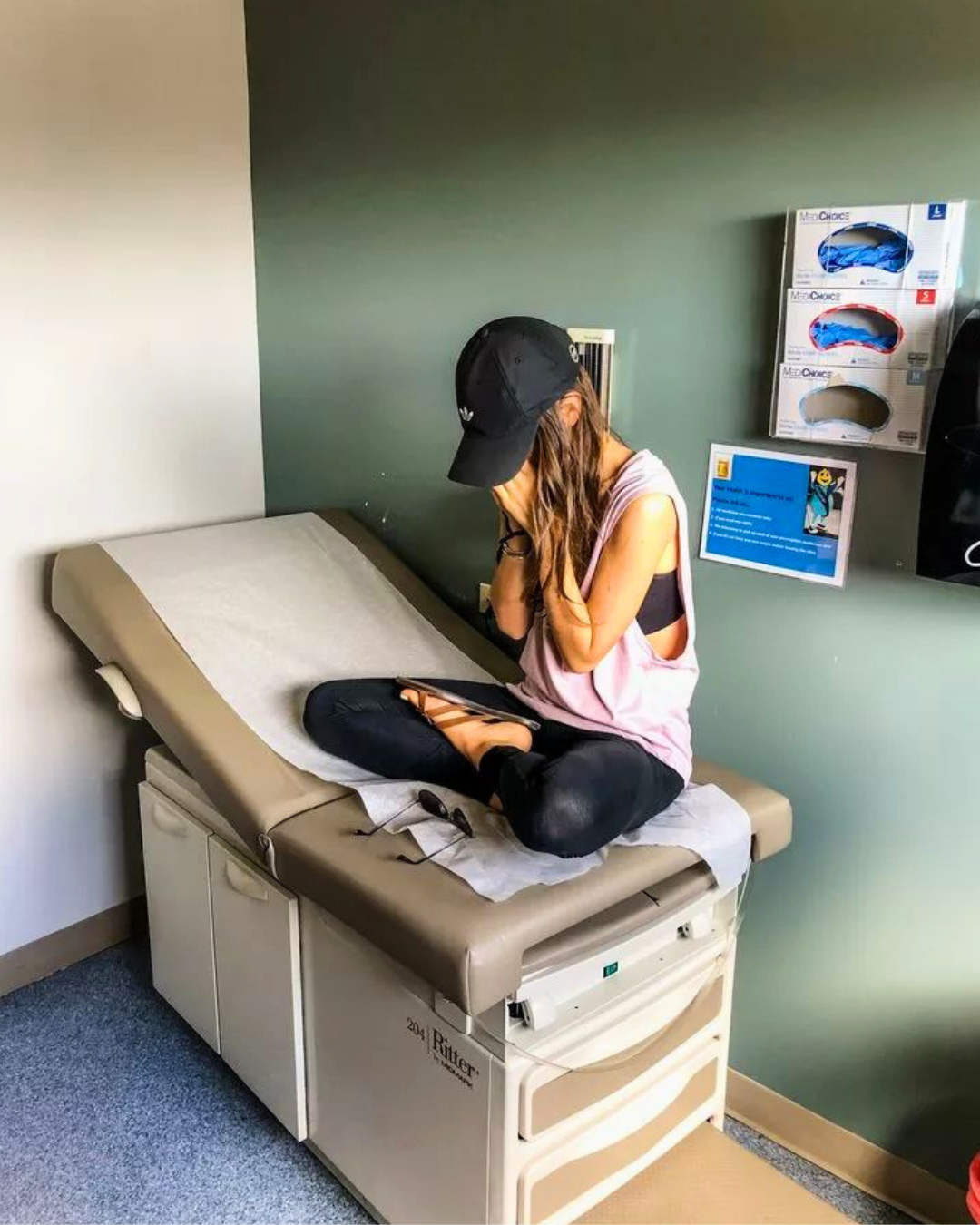
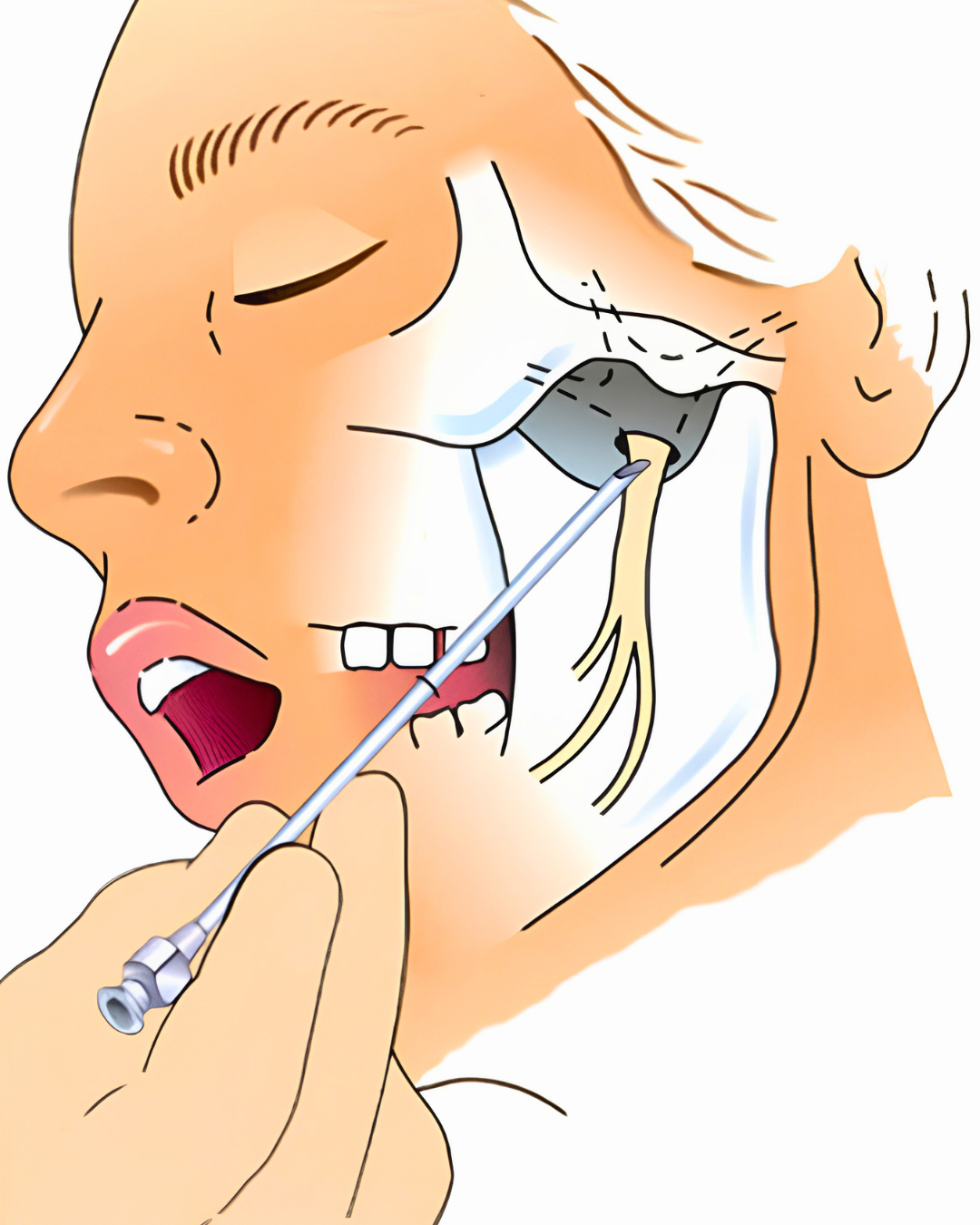
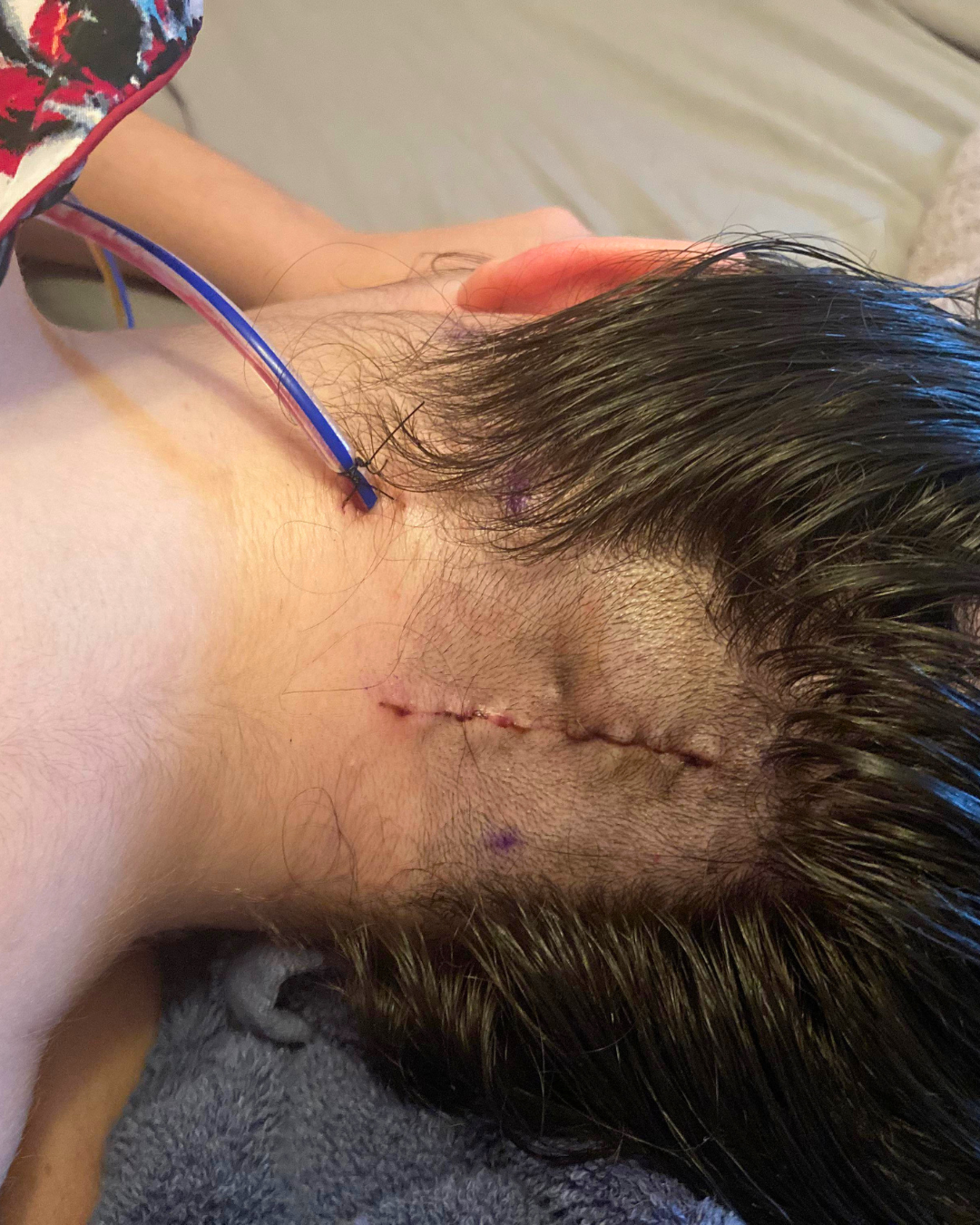
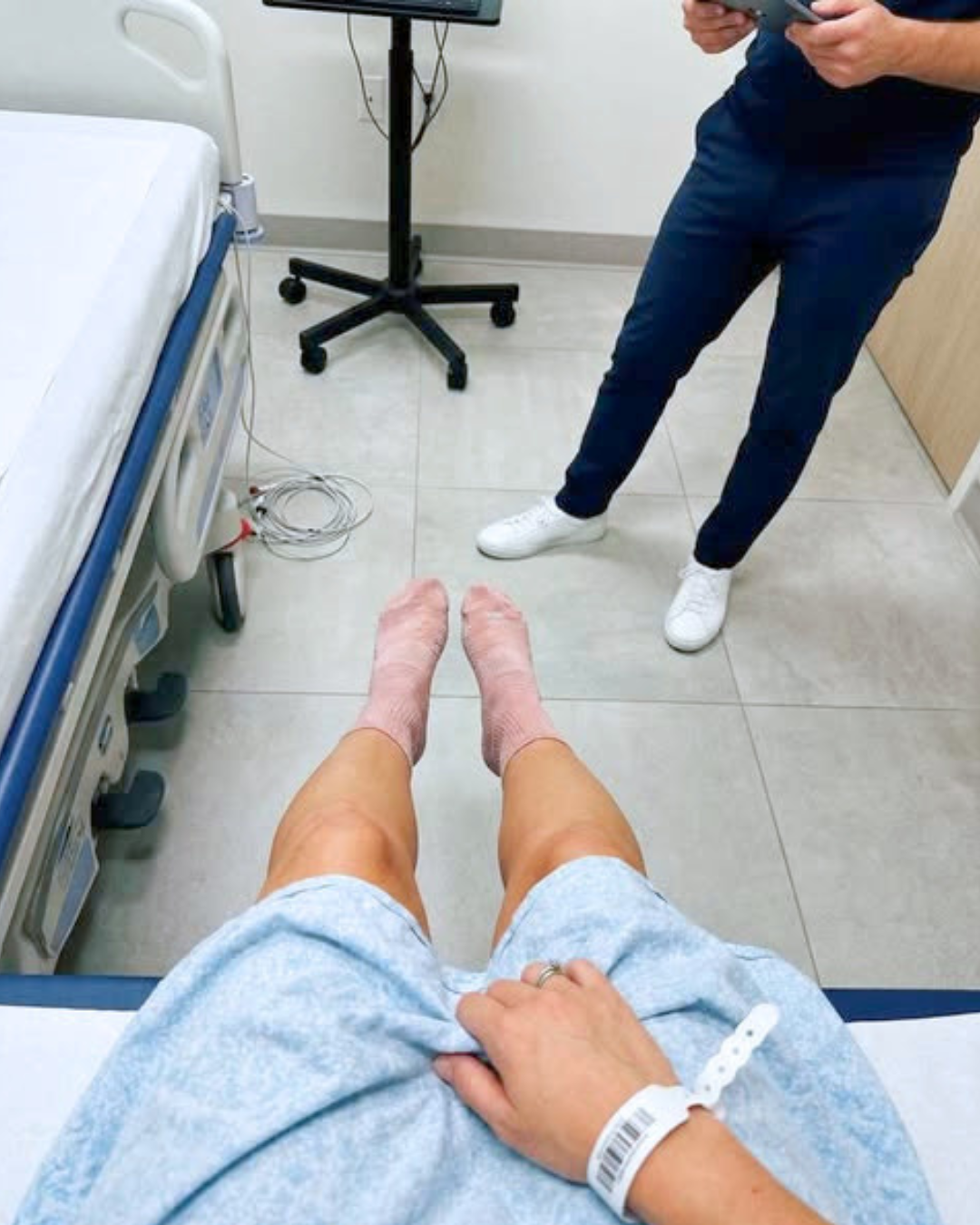
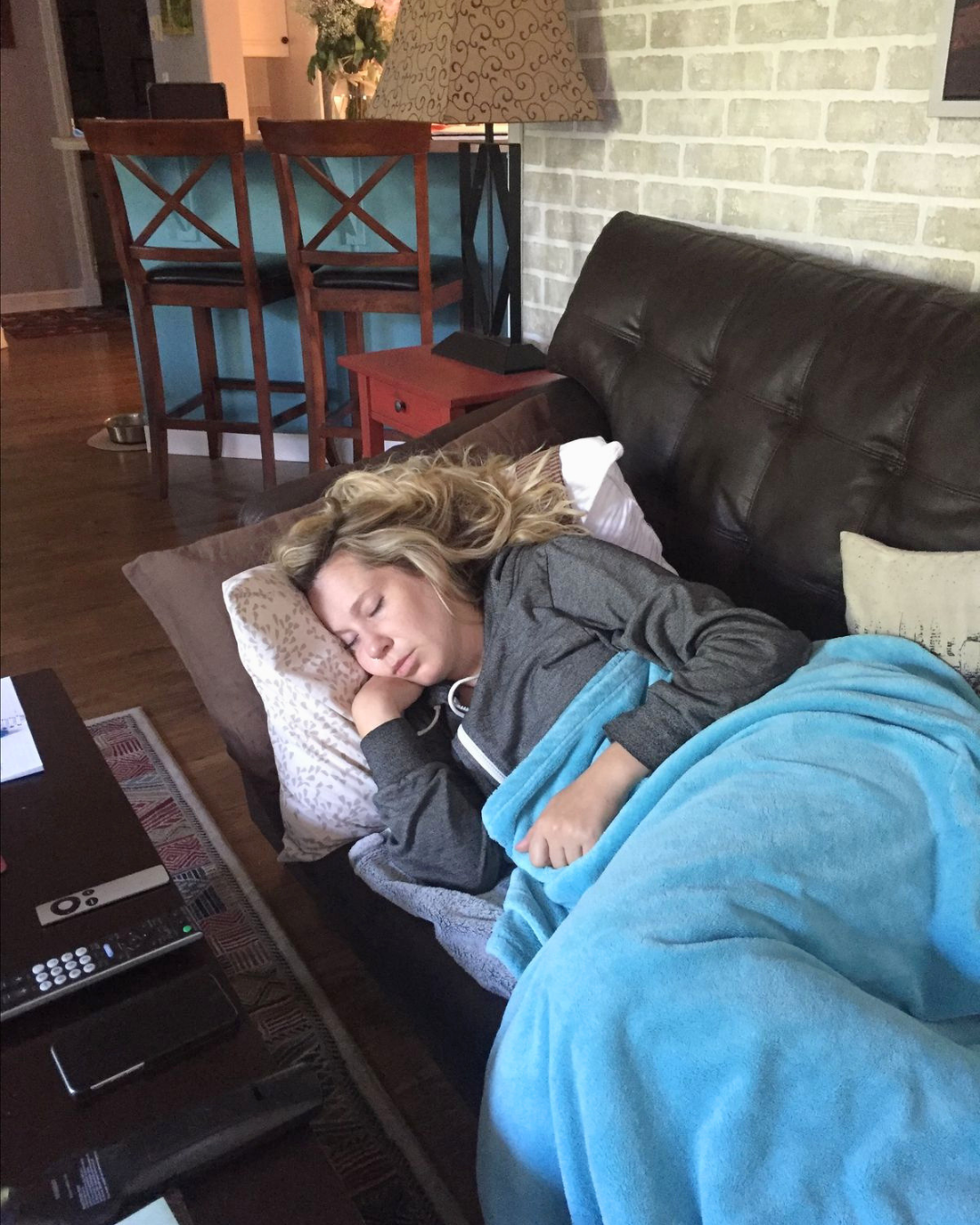
My husband found a little green bottle on my nightstand last week. Before he even asked what it was, he asked who gave it to me. I've had chronic migraines for four years — and he thought the thing that finally helped had to be another man. When I stopped laughing, I realized he was serious. Dead serious. Couldn't look me in the eye. "What? No. Why would you even—" "Something's different with you. You've been different for weeks. You're… happy. You're humming in the kitchen. You came to Maddie's soccer game on Saturday. You haven't cancelled on me in over a month. I can't figure out what else would do that to a woman whose migraines have been running her life for four years." I started crying. Not sad crying. I just didn't realize how bad it had gotten between us until that sentence came out of his mouth. Let me back up to how we got here. I'm 46. For the past four years, I've had chronic migraines. The kind that made every single morning start the same way. Before I even opened my eyes, I'd do the check. Is it there? The pressure behind my right eye. The tightness wrapping around my temple. The dull, heavy throb at the base of my skull that tells you today is already ruined. If you get migraines, you know this morning ritual. Eyes still closed, scanning for the pain before you even move. Bracing. Most mornings it was a 6 or a 7, and I was already calculating which parts of my day I'd have to cancel. My kids stopped asking if mom was coming. My husband stopped asking how I felt. I stopped telling the truth years ago anyway. "I'm fine." Every time. I was short with him. Snapped at him over nothing. He'd ask a normal question and I'd bite his head off because my head was already splitting in two and I had nothing left to give anyone. Then I'd feel guilty. Then I'd apologize. But the damage was already done. Slowly, we stopped talking. Stopped touching. Some nights I slept in the guest room because even the light from his phone was enough to push a 5 into an 8. We were two roommates who used to be in love. And I had tried EVERYTHING. First it was Excedrin and Advil. Four, sometimes five times a week. They'd take the edge off for a few hours, but the migraines came back harder. Nobody told me that using painkillers that often can actually cause MORE migraines. It has a name: Medication Overuse Headache. The pills I thought were saving me were trapping me in a cycle. Then Topamax for prevention. I forgot words mid-sentence. My boss pulled me aside and asked if I was okay. I couldn't think straight, couldn't focus, couldn't function — and I still had the migraines. Then Propranolol. Then Amitriptyline. Then Triptans that worked for a while and then just… stopped. Then Botox. Thirty-one injection sites across my forehead, temples, and neck every twelve weeks. Four rounds. Nothing changed. My neurologist shrugged and said, "Some patients are just chronic. You might be one of them." I was adjusting to being miserable. And my husband was adjusting to being married to a ghost. Then about two months ago, I saw this article pop up on Facebook. Written by a neurologist from New York. Something about how every migraine tool I'd ever tried was working downstream of the actual problem. I almost scrolled past it. But I clicked. She was talking about the trigeminal nerve — the largest nerve in your head, running from the base of your skull up through your temples and behind your eyes. She said migraines don't start with pain. Pain is the LAST stage. The migraine actually starts 20 to 40 minutes earlier, when that nerve gets activated and starts firing pain signals in a cascade. By the time you feel the throbbing, that nerve has been firing for almost an hour. And she said the reason nothing I'd tried had worked was because every single treatment I'd been given was working DOWNSTREAM of the source. Pills that take 45 minutes to reach the bloodstream. Injections that target muscle tension instead of the nerve. Preventatives that flood the whole system hoping some of it lands in the right place. All of them arriving too late, to the wrong place, trying to stop a fire that had been burning for 40 minutes before anyone smelled the smoke. (I don't remember all the exact science. If you want to read it, I've linked the article below.) She mentioned a topical roll-on she'd developed with five specific compounds: Magnesium Glycinate, Wild Peppermint, Menthol Crystals, Chamomile, and Feverfew Extract. Applied directly to the temples, behind the ears, and the base of the skull — right where the trigeminal nerve surfaces closest to the skin. The first thing she'd ever built that worked AT the source instead of downstream of it. It sounded too simple. After Botox and four years of specialists, a $29 roll-on was going to fix me? But at that point I'd already spent thousands. And it had a 90-day money-back guarantee. I ordered it without telling my husband. When the little green bottle arrived, I opened the box in the bathroom. He walked in. "What's that?" "It's a roll-on. For migraines. It targets the—" "How much did you spend?" I told him. He closed his eyes. Just stood there for a second. Then he said, "Another thing that won't work. Great." "There's a 90-day guarantee." "We both know you're never going to return it." I didn't say anything. I just put the bottle on my nightstand and walked out. The first time I used it was two days later. I felt the familiar pressure starting behind my right eye around 3pm. I knew the pattern. In thirty minutes I'd be in bed. By dinner I'd be crying. Instead of reaching for the Excedrin, I reached for the little green bottle. Temples. Behind the ears. Down the back of my neck. Ten seconds. The cooling hit immediately. But not like peppermint oil. Deeper. Like it went INTO the nerve instead of sitting on my skin. The pressure behind my eye softened. My shoulders dropped. I sat there at my desk waiting for it to come roaring back. It didn't. It peaked at a 3 and faded by dinner. I didn't say a word to my husband. I thought it was a fluke. The next migraine, same thing. Rolled it on at the first whisper of pressure. Stayed below a 4. Didn't cancel anything. By the end of the second week, I'd caught three migraines at the very first sign and none of them had put me in bed. I started feeling… different. I had energy at 7pm, which hadn't happened in years. I wasn't dreading waking up the next morning. I wasn't rehearsing the "I don't feel well" speech in my head every time someone invited us somewhere. About ten days in, my husband said something at breakfast. "You seem to be in a better mood lately." Suspicious look on his face. I just said, "Yeah." He didn't press it. Just went back to his coffee. That was my first mistake. I should have told him right then. But I didn't want to jinx it. I'd been burned by false hope too many times. So I stayed quiet. And he started watching me. He didn't say it at the time, but he started keeping track. How often I went to bed smiling. How often I answered my phone on the first ring. How often I said yes to plans instead of making another excuse about my head. Three weeks in, I caught a migraine at a level 2 on a Saturday morning. Rolled it on. Went to Maddie's soccer game. Sat in the sun for two hours. Cheered until my voice cracked. Didn't need the dark room after. Didn't cancel dinner. On the drive home, Maddie looked at me from the backseat and said, "Mom, you came to BOTH games this week." I had to pull over because I couldn't see through the tears. I didn't notice my husband was quieter than usual that night. Or the next week. Or the week after that. Then last Thursday happened. He came home from work. I was in the kitchen making dinner, humming along to the radio. He stood in the doorway for a long time. Then he walked over to the table, sat down, and said it. "Are you seeing someone?" I laughed at first. Until I saw his face. After I stopped crying, he said: "The last few years, it felt like you were here but you were never actually HERE. You were behind this wall of pain and I couldn't reach you. Then a few weeks ago, you came back. I didn't know what changed. I just knew you were different. And I thought maybe… I thought maybe someone else gave you something I couldn't." "No," I said. I got up, walked to the bathroom, and came back with the little green bottle. Put it on the table in front of him. "This is what happened. I'm sorry I didn't tell you." He picked it up. Turned it over in his hand. Looked at the label. "A roll-on." "I know how it sounds." "For four years Botox didn't work, and a roll-on…" "It works because it gets to the nerve before the migraine does. Everything else was working downstream of the source. This one doesn't go through your bloodstream at all. It goes right where the nerve actually fires." He was quiet for a long time. Then he said: "I owe you an apology. For what I just thought. And for what I said the day you bought it." We cried together at the kitchen table. First time in longer than I can remember. We'd gone from barely speaking to talking every day. From avoiding each other to being together. From existing in the same house to being married again. A roll-on didn't save my marriage. But it gave me back the twelve hours a day I used to lose to migraine pain. And enough energy to show up as myself again. And that changed everything. Here's what I learned about why Florus Relief actually works: Every other migraine tool I'd ever tried was working downstream of the source. Pills that dissolve in your stomach and travel through your bloodstream and cross the blood-brain barrier and try to reach the nerve 45 minutes too late. Botox that blocks muscle contractions but never touches the nerve that's firing. Preventatives that flood your entire nervous system hoping enough of it lands in the right place. Florus Relief goes directly to the source. It's topical. It doesn't enter your bloodstream. It doesn't pass through your liver. It goes straight to where the trigeminal nerve surfaces closest to the skin — your temples, behind your ears, and the base of your skull. The Magnesium Glycinate stabilizes nerve excitability. The Menthol Crystals and Wild Peppermint interrupt the pain signal at the nerve surface. The Feverfew calms nerve reactivity over time. And the Chamomile relaxes the peripheral tension feeding into the attack. All five working together, at the exact place the migraine actually starts, in the exact seconds it starts firing. Not 45 minutes later through your stomach. Not three months later through a Botox needle. Ten seconds. At the source. I didn't set out to save my marriage. I just wanted to stop waking up every morning scanning for pain before I opened my eyes. But I learned that when the migraines actually stop, and you get your energy back, and you start showing up as yourself again — everything else falls in line. If you've been living the same morning check I used to. If you've tried Excedrin, Topamax, Triptans, Botox — and you're still counting the days between attacks. If doctors have called you "chronic" or "treatment-resistant." If your partner has stopped asking how you feel because they already know the answer. Read the article below. It explains why every migraine tool you've tried has been working downstream of the source, and what actually works at it. It's where I found out about Florus Relief. It's where everything started for me. And if your husband rolls his eyes when it shows up at the door — let him. Give it a few weeks. He might surprise you. Mine did. P.S. One important thing I learned the hard way — Florus Relief is only sold on the official florus.com website. It is NOT on Amazon. There are knockoffs using similar green bottles and similar names trying to ride off the real formula, but they don't have the Magnesium Glycinate and Feverfew Extract ratios that actually calm the nerve. I ordered mine through the article link below and I'd recommend anyone else do the same. The 90-day guarantee only applies if you buy from the official site anyway.
The Little Green Bottle That Almost Ended My Marriage
Why My Husband Thought I Was Cheating After Four Years Of Migraines
LEARN MORELike this ad? Make it yours.
Crush rebuilds this exact creative around your product — your brand, your colors, your offer — in about a minute.