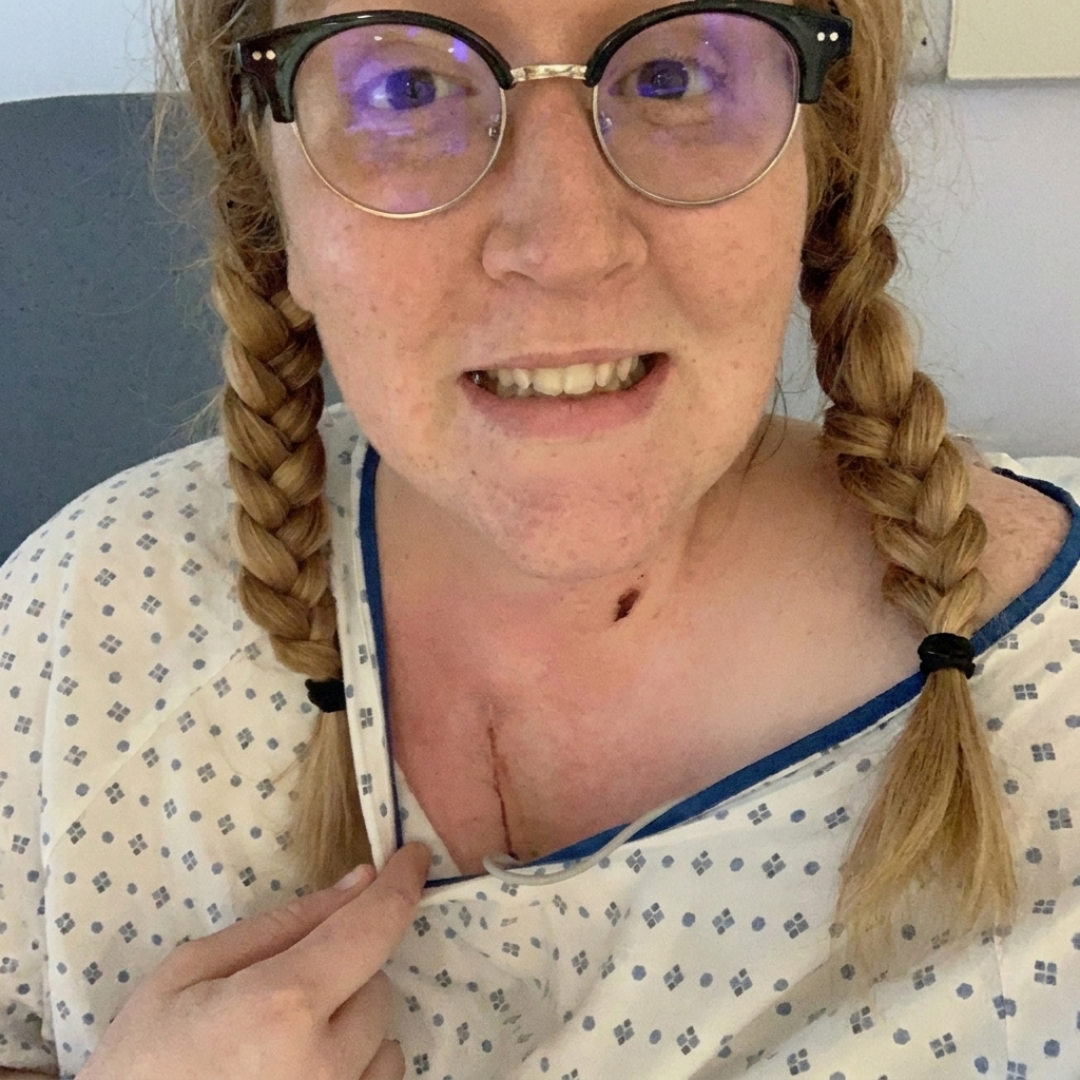
Sandra Keller, RN
 Facebook ad: “Ceylon Cinnamon 7200mg Equivalent with MCT Oil”
Ran for 3 days, from October 13 to October 16, 2026, the last day Crush saw it.
Run by Sandra Keller, RN on Facebook. Crush is not the advertiser and does not verify its claims. See this ad in Meta's Ad Library(opens in a new tab)
Make your own version of this ad
Crush makes it, launches it in your own Meta ad account, scales the winners and pauses the losers.
About this ad
- Meta Ad Library ID
- 4705901016294496
- Platforms
- Facebook, Instagram, Audience Network and Threads
- Relaunches
- 0
Ad text
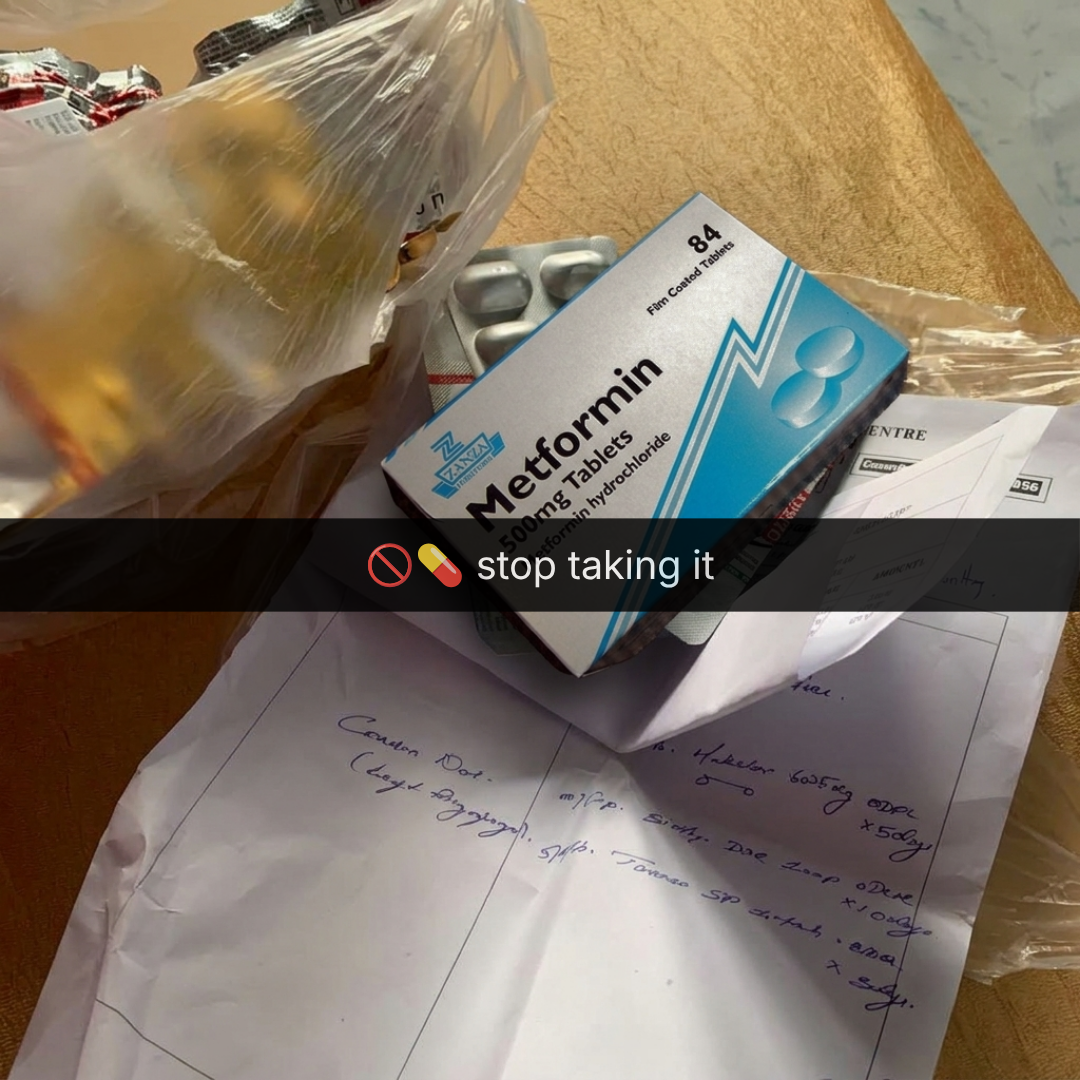
If a woman came to me and said that her stomach has not been right for months, her feet are starting to tingle, and she cannot think straight by two in the afternoon, my first question would be, are you on metformin? 💊😵💫 Has anyone ever actually sat down and explained to you what that pill is doing inside your body? 😱 Because here is the terrifying thing about diabetes. It is not just the diagnosis. It is realizing you can take the pill exactly as prescribed, do everything else right, and still watch the dose climb every year with no real explanation. I'm Sandra. I've been a diabetes clinic nurse for 14 years. I've sat with a lot of women who are not against medication. They are against being told to simply take more of it every time their numbers do not hold, with nobody ever asking why. Your doctor told you your blood sugar is high, take this, and that was close to the whole conversation. What usually does not get explained is that metformin works by telling your liver to release less glucose into your blood. That is its job, and for a lot of people it does that job well. What also rarely gets explained is that metformin is documented to reduce B12 absorption over time in some patients, and B12 matters for nerve function and cognitive clarity. I want to be careful here, because tingling feet and afternoon brain fog can have more than one cause in diabetes, and I am not going to tell you metformin is definitely the reason for your specific symptoms. What I will tell you is that B12 depletion is a real, measurable, documented effect of long term use, worth checking rather than assuming it is simply the disease getting worse. And when the A1C climbs anyway, despite the medication, despite the diet, despite doing everything you were told, the answer is almost always the same. Let's bump the dose. I never liked that answer. Not because I think the medication is wrong for everyone, I have watched it genuinely help plenty of patients, but because raising the dose without ever asking why the current dose had stopped working felt like managing a symptom instead of understanding it. So when my own fasting glucose hit 187 and my A1C climbed to 7.2, I knew exactly what my doctor would say before she said it. We need to increase your metformin. I did not want to just take more. I wanted to understand what was actually happening first. Here is what I started looking into. Your pancreas has cells that produce insulin. Your liver has cells that process it. In people with elevated blood sugar over time, those cells sit under ongoing oxidative stress, a steady output of free radicals generated in part by the high glucose itself, along with processed food and chronic stress. As that stress accumulates, insulin production and processing can become less efficient, which may be part of why the dose needs to climb for some people even with good compliance. Metformin manages the glucose your liver releases. From what I have read, it was never designed to directly address that underlying cellular stress. That same kind of oxidative stress has also been studied in connection with damage to small blood vessels in the kidneys and the heart over years of elevated blood sugar, which is part of why diabetes is linked to higher rates of kidney decline and cardiovascular events over time. I am not telling you that is happening to you specifically. I am telling you it is a documented pattern, and it runs independently of whatever your A1C reads on any given visit. I did not want to just keep raising my dose against that pattern without at least trying to understand it. So for three years, I tried everything else alongside my medication. Apple cider vinegar before meals. Cinnamon in my coffee. Berberine twice daily. I cut carbs to 40 grams a day. I walked 10,000 steps. I did resistance training three times a week. My fasting glucose dropped from 187 to 170. My A1C went from 7.2 to 6.8. Better. Not enough to avoid the conversation about raising my dose again. And the cost. I was exhausted. Irritable. Craving carbs constantly. My brain felt wrapped in cotton by 2 PM every single day. I would wake up at 3 AM to pee, check my glucose out of habit, still 160, and lie there until 4:30 AM unable to fall back asleep. I was doing everything right and still being told the answer was more medication. My husband found me crying in the bathroom one night at 11 PM, staring at my glucose meter. 192. After a dinner of grilled chicken and broccoli. Just take the higher dose, he said. I don't want that to be the only answer, I whispered. But I was running out of other ideas. Then something happened that changed how I was thinking about this. I was discharging a patient, type 2 diabetic, 61 years old, admitted three months earlier with foot tingling and an A1C stuck at 8.1. He had been pushing back on his doctor about raising his dose again, wanting to understand why it kept climbing before agreeing to more medication. This time, something was different. He looked lighter. Not just physically. He was cracking jokes with the front desk. I pulled up his chart. His fasting glucose that morning, 94. Three months ago at his last bad panel, 178. I walked back into his room. Mr. Patterson. Your blood sugar. What changed? He grinned. You are not going to believe me. Try me. I started taking a Ceylon cinnamon supplement my daughter found. Metabolae. I talked to my doctor about it first. After a few weeks, my numbers came down enough that she and I actually sat down and worked out a plan to lower my metformin dose instead of raising it, slowly, with labs every few weeks to check it was holding. I stared at him. You are telling me your doctor is lowering your dose? I am telling you I sleep through the night now. My brain works again. And for the first time in years, the conversation with my doctor was about taking less, not more. I went home that night and could not stop thinking about it. Not because I thought I should stop my own medication on my own. Because for the first time, someone had found a path where the conversation with his doctor went the other direction. I have been a nurse for 14 years. I do not believe in magic pills. I trust mechanisms and evidence. So that night I started researching. Ceylon cinnamon. The true cinnamon, Cinnamomum verum, grown in Sri Lanka. Not the cheap Cassia variety that fills most supplement shelves. The real thing, used for centuries and now studied in clinical trials for metabolic health. The first study I found was from Japan. Type 2 diabetics given clinical dose Ceylon cinnamon extract showed significant improvements in insulin sensitivity and fasting glucose after 12 weeks. The second was from India. Patients with metabolic syndrome showed reduced oxidative stress markers and improved blood sugar metabolism. The third was from Italy. Ceylon cinnamon's active compound, cinnamaldehyde, reduced inflammatory markers associated with the oxidative stress linked to metabolic disease. I want to be honest about what this research does and does not show. These are studies on blood sugar and oxidative stress markers. I have not seen a study that directly measures whether Ceylon cinnamon allows people to safely reduce their metformin dose over time. What I can say is the mechanism is plausible, it shows up across multiple independent studies, and it addresses something metformin alone was never designed to touch, the cellular stress sitting underneath the glucose number. Cinnamaldehyde, from what I have read, is associated with supporting some of the same glucose uptake pathways that exercise activates, and with calming some of the oxidative stress thought to interfere with insulin signaling. It is not a replacement for medication. It may be addressing part of what medication alone does not reach. I ordered a bottle that morning. Generic cinnamon capsules online. Fourteen dollars. Took two with breakfast on a Monday, alongside my regular metformin. Did not expect anything. That afternoon, my usual 2 PM crash did not happen. I was steady. Clear. I figured it was placebo. That night I went to bed at 10:30 PM and woke up at 6:45 AM. I had not woken up once. I tested my fasting glucose. 142. Forty five points lower than my usual 187. Day three, 134. Day five, my brain fog was lifting. Week two, 98. I checked it three times because I did not believe it. But six weeks in, the improvement plateaued, and I remembered what Mr. Patterson had actually told me, that the generic capsules had barely moved his numbers at first either, before he switched to a specific brand. So I looked into what he had switched to. Most cinnamon supplements fail for the same reasons. They are not real Ceylon. What is sold as cinnamon in most supplements, and most grocery stores, is Cassia, a different species, often grown in China, containing far more coumarin, a compound linked to liver stress with daily use. They are underdosed, with most capsules containing a fraction of what clinical studies used. And they use the wrong delivery format. The active compounds are fat soluble, and dry powder capsules absorb poorly without a fat carrier. The brand Mr. Patterson switched to, and the one I switched to, is Metabolae. True Ceylon cinnamon, Cinnamomum verum, sourced from Sri Lanka. A 12 to 1 concentrated extract, equivalent to 7,200mg of raw cinnamon per serving. Suspended in MCT oil for absorption. Sealed in a bag of 30 softgels, not a bottle. One softgel with your first meal of the day, taken with water. That is it. No measuring, no mixing, no protocol to follow. Consistency matters more than timing. Metabolae is not sold on Amazon, not on Walmart, not through any third party marketplace. What you will find labeled as Ceylon cinnamon on those platforms is almost always Cassia from China, or real Ceylon at a dose too weak to matter. Ordering directly through the official Metabolae website is the only way to verify the species, the dose, the MCT oil delivery, and the batch testing actually match what the research used. Within a few weeks of switching, my fasting glucose settled between 90 and 100, lower than the generic had gotten me. My A1C came back at 5.8. I brought my log and my labs to my doctor. She looked through it. What did you do? I added a Ceylon cinnamon supplement on top of my metformin. I did not want to just raise the dose again without understanding why it had stopped working. She read through the studies I brought her. Closed the folder. Let's keep this up and recheck in a few months. If your numbers keep holding, we can talk about whether you need the same dose you are on now. That was seven months ago. My fasting glucose is consistently between 90 and 100. My A1C is 5.6. I sleep through every single night. My doctor and I did eventually lower my dose together, slowly, with labs checked at every step. I have recommended Ceylon cinnamon to six patients since, always alongside whatever their doctor has them on, always with the same instruction, talk to your doctor before you change anything. Several of them have had the same conversation I did. Not about quitting medication. About whether they actually need as much of it as they are currently taking. I am not anti medication, and I am not telling you to stop yours. What I am telling you is that raising the dose is not the only conversation worth having when your numbers will not hold. Sometimes the better question is why the dose stopped working in the first place. Ceylon cinnamon is a supplement, not a medicine, and not a substitute for anything your doctor has prescribed. Fair warning, they are small and they sell out. If it is in stock right now, do not wait. Every order comes with a 90 day money back guarantee. If your numbers do not move, every dollar comes back. I went from an A1C of 7.2 to 5.6. From a fasting glucose of 187 to 94. From being told to take more, to a doctor who is now helping me take less. If there is even a chance this could open that same conversation for you, it is worth bringing to your own doctor. ~ Sandra K., RN, Diabetes Clinic, 14 years P.S. About the wrong cinnamon. Most of what is sold online and at the drugstore is Cassia, and the coumarin in Cassia can stress the liver with daily use. And even the real Ceylon products often come in dry powder form that barely absorbs without a fat carrier. Wrong species, wrong format, weaker results. Don't make the mistake Mr. Patterson and I both made at first. If you are going to try Ceylon cinnamon, get the version that actually matches the research. True Ceylon source, 7,200mg clinical dose, MCT oil suspension. That is Metabolae. P.P.S. Please do not stop or change your metformin dose on your own. Talk to your own doctor about adding Metabolae and ask them to recheck your labs in a few months. This is about opening a conversation with your doctor, not replacing what they have already prescribed.
Where the ad sends people
metabolae.com
Ceylon Cinnamon 7200mg Equivalent with MCT Oil
Supports healthy blood sugar levels and metabolism with premium Ceylon cinnamon. Shop Metabolae's science-backed supplements. Free shipping available.
Learn more: metabolae.com(opens in a new tab)