News4Americans.com
News4Americans.com Facebook ad: “Why First Aid Kits Kill”
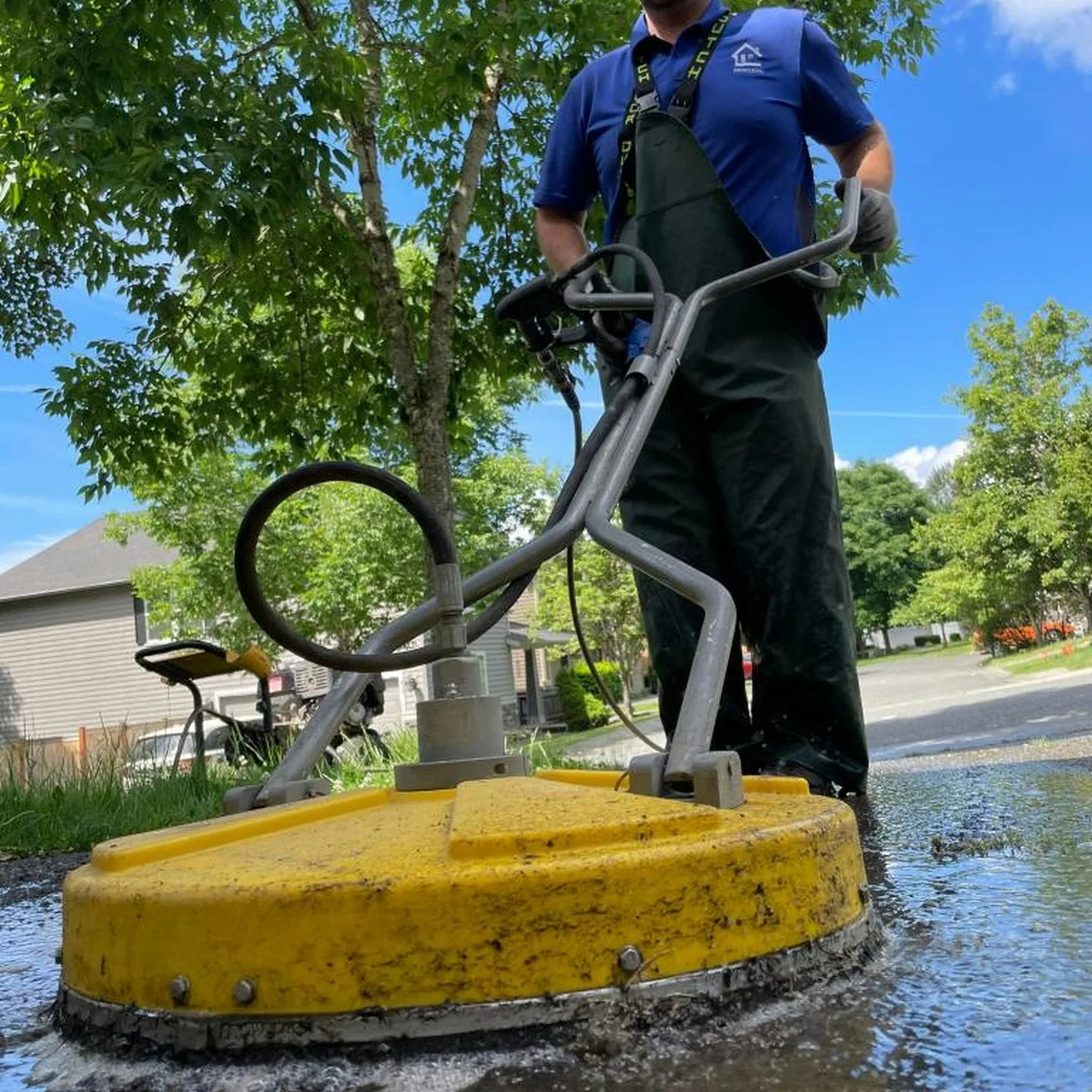
Ran for 57 days, from July 28 to September 23, 2026, the last day Crush saw it.
Run by News4Americans.com on Facebook. Crush is not the advertiser and does not verify its claims. See this ad in Meta's Ad Library(opens in a new tab)
Want an ad like this for your product?
Crush makes new ad images for your product from this ad: your logo, your product photo, your offer.
Trials from $19.95 USD, then $79.95 USD a month. Cancel anytime.
About this ad
- Meta Ad Library ID
- 4730592737164167
- Platforms
- Facebook, Instagram, Audience Network, Messenger, WhatsApp and Threads
- Relaunches
- 0
- Niche
- Pets
Ad text
I cut my own leg open with a pressure washer on a stranger's driveway, and the machine kept running for eleven minutes because I could not stand up to reach the kill switch. That was Thursday. I am 58. I have been washing houses and flatwork in Cabarrus County for nineteen years. One truck. One trailer. Me. If you do this work you already know what a July Thursday looks like. It was 96 degrees at two in the afternoon and the concrete was hot enough through my knee pads that I could feel it in my teeth. The customers were at work. They left me the gate code and the spigot and went to their jobs like normal people do. Nobody home. Nobody outside. The whole cul de sac empty the way a subdivision is empty at two on a weekday in the summer. I had the flatwork done. Two hundred and forty feet of drive, walk, and apron. All of it clean. All of it striped out even. Proud of it, honestly, the way you get proud of concrete after nineteen years. All that was left was one oil stain by the garage door. Old one. Set in. So I pulled the surface cleaner off and walked back to the trailer and put the red tip on the wand. Now, if you have never run one of these, the red tip is the pencil. Zero degrees. All eight gallons a minute squeezed into a line about as wide as a pin. It will take a stain off in one pass and it will take the face off a brick in the same pass, which is exactly why an experienced guy is the one holding it. New guys are scared of it. I was not scared of it. Nineteen years. I knelt down. Wand low, angled maybe forty degrees, working the stain toward the joint. And the tip caught the lip of the expansion joint and skipped. You have to understand how fast this is. The wand kicked up and left, and the line crossed the inside of my left thigh about four inches above the knee, and it was over before my arm knew it moved. A quarter second. Maybe less. Here is the part nobody believes. It did not hurt. I looked down because my pant leg had a slit in it, a clean one, like somebody had gone at the denim with a box cutter. And the denim around it was getting dark. Then it hurt. I sat back on my heels. Still had the wand in both hands, across my lap, engine roaring sixty feet away down at the curb. And the blood came down the aluminum lance. That is the thing I cannot get out of my head. Not the pain. The blood ran down the wand the way water runs down a wand, all the way to the butt of it, and dripped off the end onto the concrete I had just cleaned. Drip. Drip. Steady. Not spurting, just steady and dark and a lot more of it than made any sense for a cut you could hide under two fingers. It ran into the expansion joint and followed it toward the garage like it had somewhere to be. I want to tell you I did something smart. I pulled off my glove and pressed. Then I got my shop rag out of my back pocket, the same rag I use for the tips, and I put that on it and I pressed with both hands. The rag was soaked in about forty seconds. I could feel it going warm and heavy in my hand. My phone was in my back pocket. My fingers were slick and the screen would not read them. I wiped my hand on my shirt three times before it took. The 911 lady was calm. I was not calm. She asked me the street and I could not remember the street of a house I had been standing on for four hours. I had to read it off the mailbox. Then I did the thing that I now know almost killed me. I dragged myself to the trailer and I got a ratchet strap off the rail. Yellow one, two inch, the one I use to hold the buffer tank. I got it around my thigh above the wound and I cranked that handle until I could hear myself making a noise I have never made before. It did not stop. It slowed it, and it hurt worse than the cut did, and blood kept coming out under the edge of it. I was still cranking it when Curtis came across the street. Curtis is the neighbor. I did not know him. Seventy something, house shoes, no shirt, walking fast. He told me later he came over because my engine had been running for a long time and nothing else was happening. Nineteen years and that is what saved me. A retired man across the street who noticed a machine running with nobody moving. He got down on the concrete and he took one look and he pulled the ratchet strap loose. I actually fought him on it. He said, "That's a strap. A strap is not a tourniquet." Then he put the heel of his hand on it and dropped his knee on top of his own hand and leaned, and he did not move for twenty two minutes. Curtis was a medic. Army, a long time ago, then thirty years in a plant as the guy on the safety team. He talked the whole time. About his truck. About the heat. About nothing. I understand now that he was doing that on purpose. So here is what he told me in that driveway, and it is the reason I am typing this out on a Monday morning instead of being on a roof. A strap is not a tourniquet because a strap has no windlass. There is nothing on it to twist. A flat two inch strap you crank with a ratchet handle can go plenty tight and still never get above the pressure in the artery, so all you have done is squeeze the veins shut and let the artery keep filling the leg. Curtis said he has watched grown men do that with belts and dog leashes and jumper cables and every one of them thought they were helping. He said if he still carried what he used to carry, he would have had it shut off in under thirty seconds and would not have had to kneel on my leg in front of a garage door for twenty two minutes. He did not carry it anymore. He retired and the kit stayed at the plant. The ambulance came at twenty two minutes by his watch. Eleven of those minutes my machine was still running, because neither one of us could get to it. Now here is where it stopped being a cut. They stitched the leg in the emergency room and I figured that was the whole story. It was not. The doctor kept pressing above the wound and asking me if the pain was worse than it should be, and it was, and about an hour later I was being wheeled somewhere to have it opened up and washed out. Water at four thousand pounds does not just cut you. It goes in. It drives water and grit and whatever was living in that oil stain up under the tissue where you cannot see it, through a hole you could cover with a pencil eraser. The doctor told me the papers on this are mostly about hands, and that nine out of ten of those hand cases come from a pressure washer. About fifteen hundred people a year walk into an American emergency room with one. He said the ugly part is that the entry wound looks like nothing, so people finish the job and go home, and by the time they come in the next morning it is too late for the good outcome. He said they want to be inside it within six hours. He said in the case reviews, somewhere between thirty and forty eight out of every hundred of those hands end up amputated. I looked the rest of it up from the hospital bed, because what else are you going to do. Six thousand and fifty seven people went to an emergency room in one year in this country because of a pressure washer. Fourteen out of every hundred of them got admitted after. Nineteen years I have been carrying four thousand pounds of pressure in one hand, alone, in yards where nobody knows my name, six days a week from March to October. Nineteen years and the only medical thing on my trailer was a plastic box with band aids, an eye wash bottle from the chemical supplier, and a roll of tape that had gone hard in the heat. I had a two hundred and twenty five gallon buffer tank on that trailer. I had eleven hundred dollars a year in general liability. I had a spare unloader, a spare swivel, three spare belts, and a whole tote of nozzles. And I did not have one thing on that truck that could have shut off my own leg. That is the part I have not gotten over. Not the driveway. The inventory. I am not writing this to scare anybody out of the trade. I am writing it because I was the guy who knew better and it did not matter. Terri did not wait for me to figure that out. She sat in the chair by the window with her phone while I was in surgery, and she found the thing Curtis had described to her over the phone, and she bought it Thursday night before I was even awake. It got here Friday. It sat on our porch until Sunday because that is when I came home. She had it open on the kitchen table when I came through the door on the crutches. It is a black nylon pouch that weighs a good bit more than it has any business weighing, and the zippers pull like they are made out of something. It is not cheerful. There is no cartoon on it. Eighty two pieces, and every one of them has the instructions right there on the wrapper, which counts for a whole lot more than it sounds like, because I am telling you right now that nobody reads a booklet while their own blood is running off a wand. The tourniquet in it is the one Curtis was talking about. The kind with the windlass, the stick you twist, the one that gets above artery pressure because twisting is how you get there. Ninety two percent success rate on that style. Curtis put it on my good leg on the kitchen table to show Terri, and he had it locked in about fifteen seconds with one hand. One hand. Because that is how you are going to be doing it. The other one will be busy. Then he sat back and said, "That's it. That's the whole thing you needed." The whole thing I needed was fifty nine dollars and ninety five cents. Full price on it is $149, and it is sixty percent off right now, and I am aware how that sounds coming from a guy in a driveway story. But I put $234 into that surface cleaner in April, a new swivel and a fresh set of bars, and I did not think about the money for one second. I spent almost four times the price of this pouch to make concrete look better, and I never spent a dime on the thing that keeps me alive long enough to bill for it. So here is the question Curtis put to me on that concrete, and then I will leave you alone. How far away is your kill switch right now, and who would notice if your engine just kept running? Because that is the whole gap. It is not skill. It is not being careful. I was careful for nineteen years. It is a stranger's driveway, an empty street, and a hole in you the size of a pin. You can keep doing what I did, which is trust that somebody like Curtis will be home. Or you can put a black pouch in the door of your truck this week and never think about it again. Terri is the one who ordered mine and I am glad she did not ask me first, because I would have said I was fine. You can order one without a whole conversation about it. It takes about two minutes. It comes straight from the company, and the link sits below this post. They have 143 kits in the warehouse. They have run out eight times before. Mine sits in the truck now. EDITED TO ADD: A lot of you are asking what the leg looks like now. Twenty two stitches on the outside, and a second incision higher up from the washout, which is the one that actually scared everybody. Doc says eight weeks before I am on a roof. I have two guys covering my July book and I am losing money every day and I do not care even a little bit. Also, to the four of you who messaged me that you run the red tip on stains the same way I do, kneeling, with the wand across your lap: please just stop doing that. Stand up and take the extra ten minutes. I am not going to pretend I will never kneel again, but I will never kneel again without that pouch on the ground next to me. EDITED AGAIN: Two things. First, Curtis came by Saturday with a plate of something his wife made and asked me for the name of the kit so he could get one back in his own truck. That man is 74 and has saved at least one person that I know of personally and he did not own one either. Get one. Do not be the guy who has to be talked into it by the person who kneeled on your leg. Second, since about a dozen people have asked me where to buy it: you cannot get this one in a store and it is not sold on the big marketplace sites, which is fine by me, because the cheap knockoffs of this gear are all over those places and the tourniquets in them snap. It ships free out of New York and mine took one day. Five years on the shelf before anything in it expires, so it lives in the truck and I quit thinking about it. You have thirty days to hand the whole thing back for your money, and you are not going to want to.
Where the ad sends people
1sthour.com
Why First Aid Kits Kill
Prepare for emergencies with the Tacright Trauma First Aid Kit, designed for rapid response in critical situations. This compact and durable kit includes all the essential tools needed for trauma care, making it perfect for outdoor enthusiasts, tactical professionals, and anyone who values safety an...
Learn more: shop.1sthour.com(opens in a new tab)