
Inactive· since Nov 12, 2025
- 105
- days it ran
- 3
- relaunches
- 909
- EU reach
Ad copy
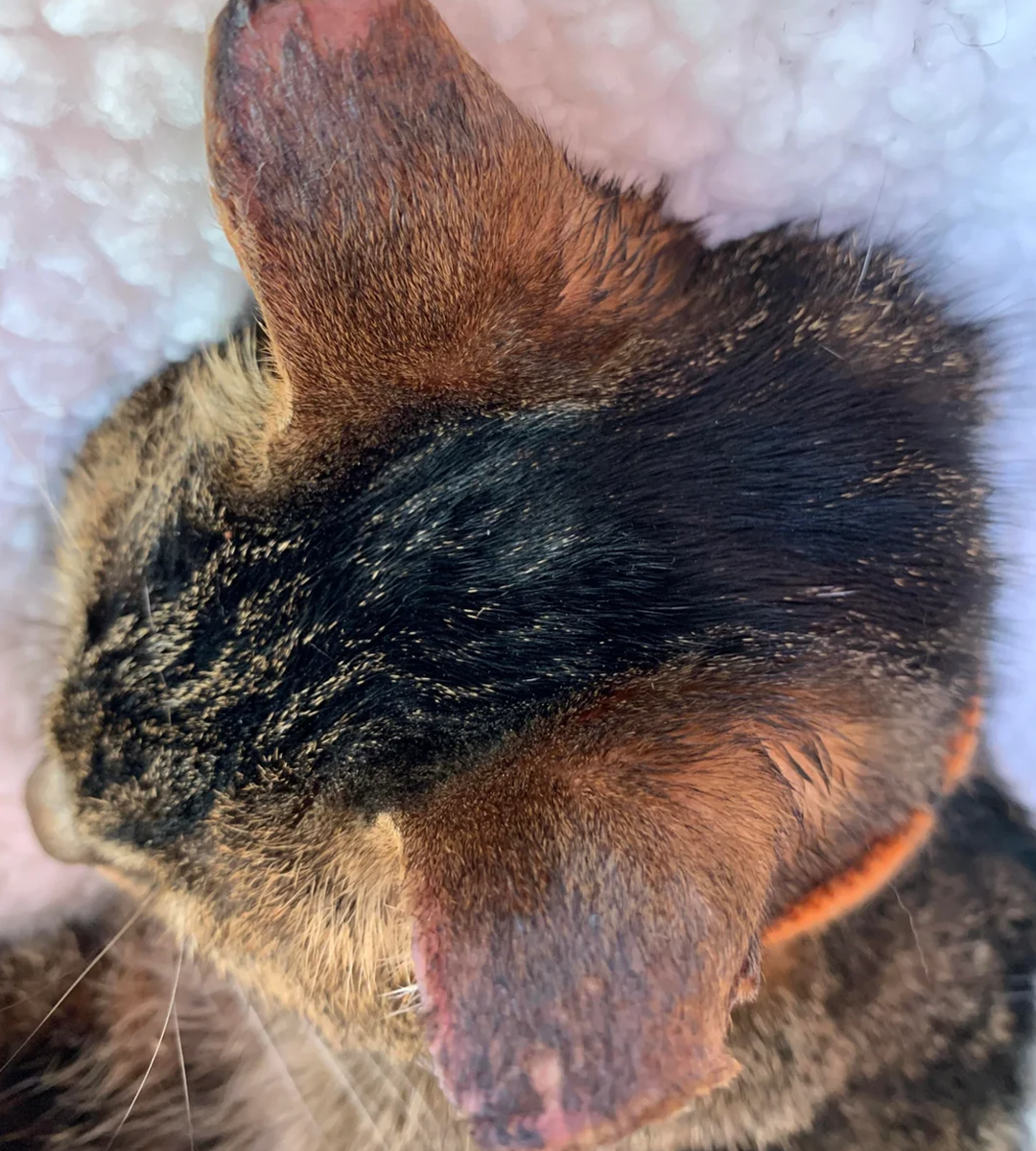
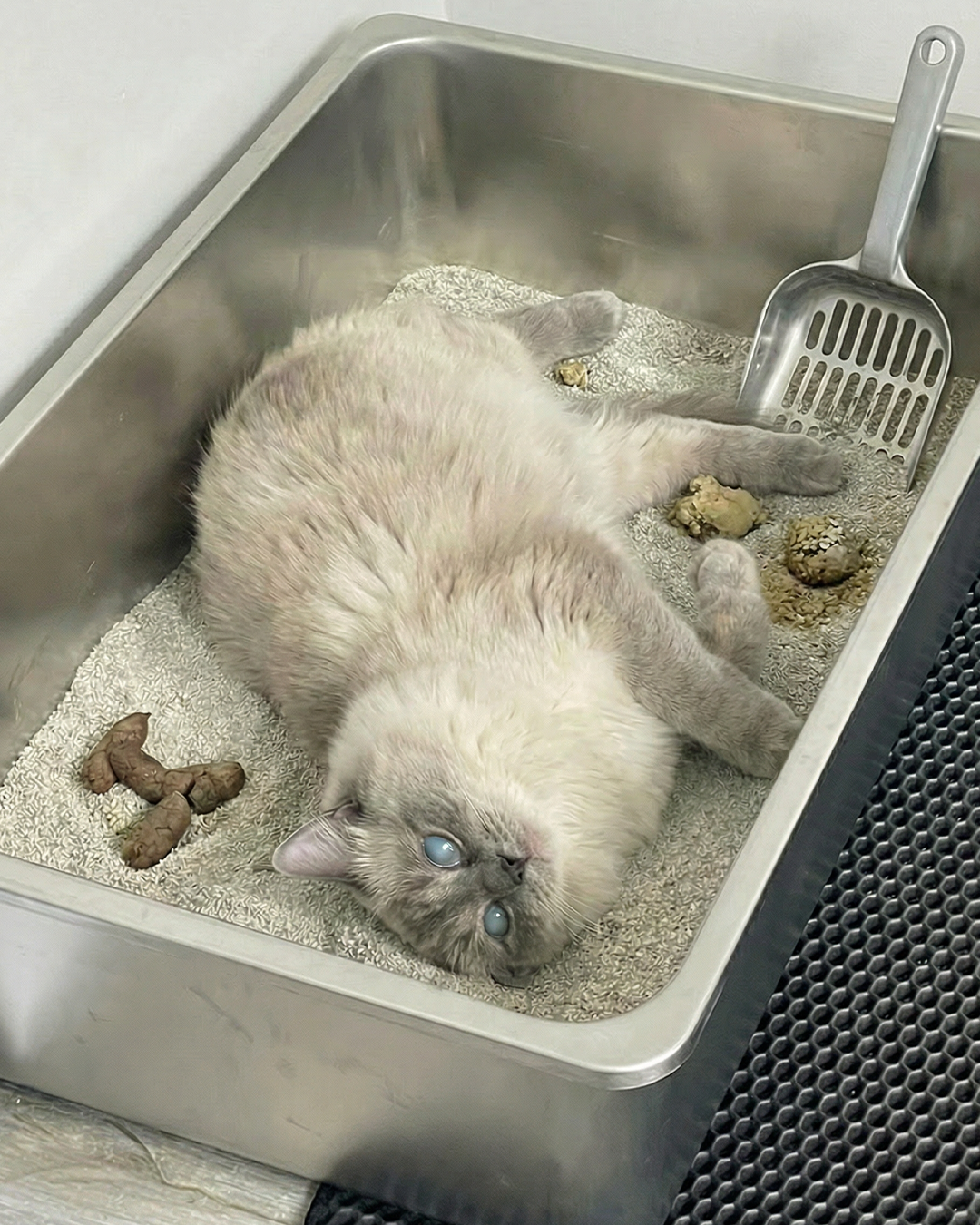
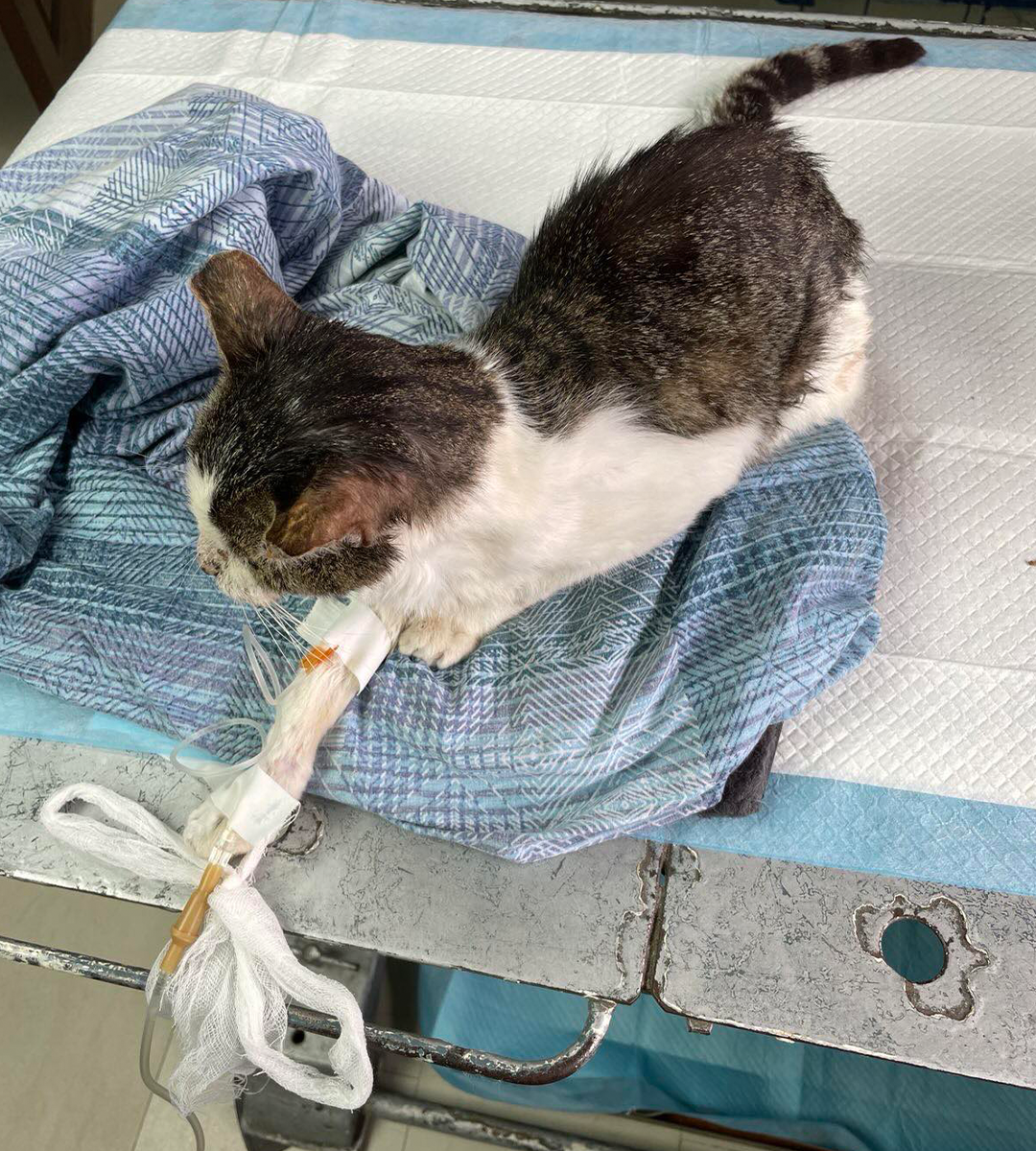
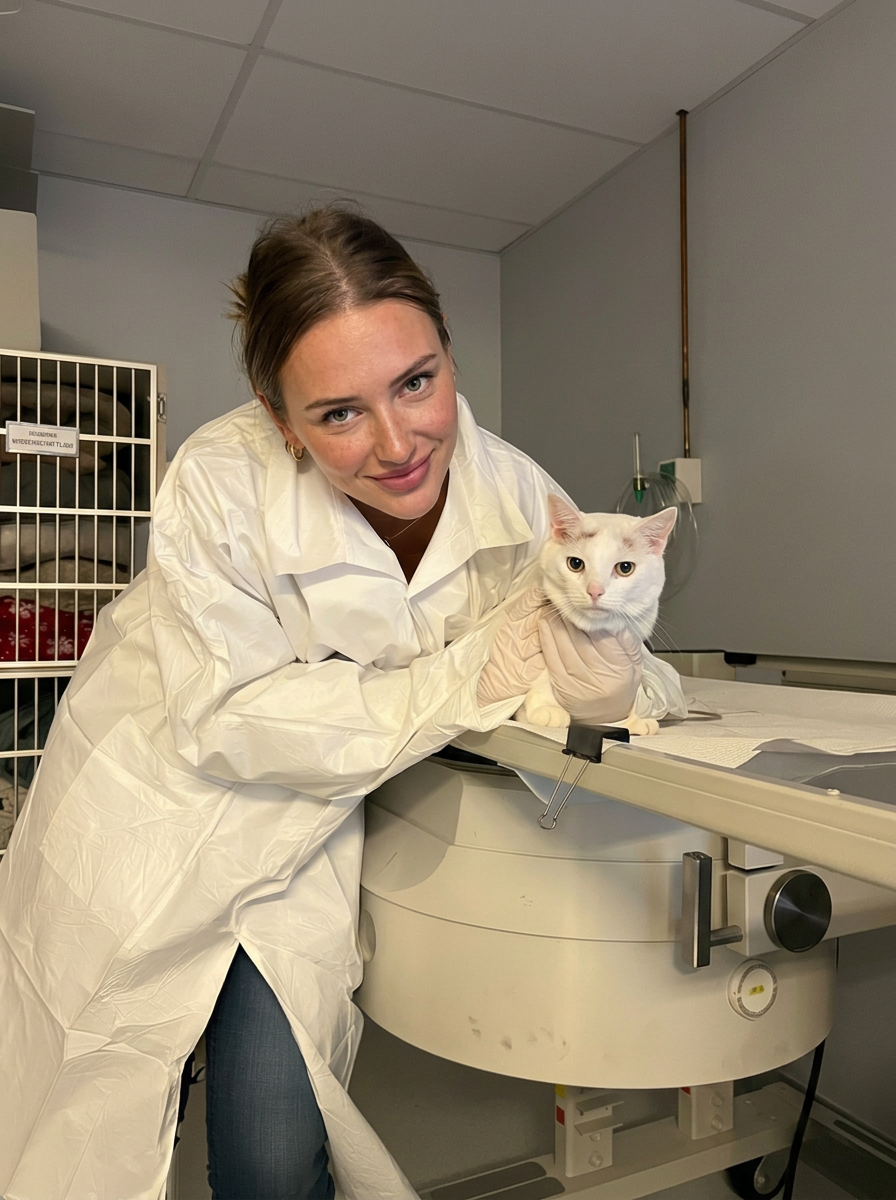
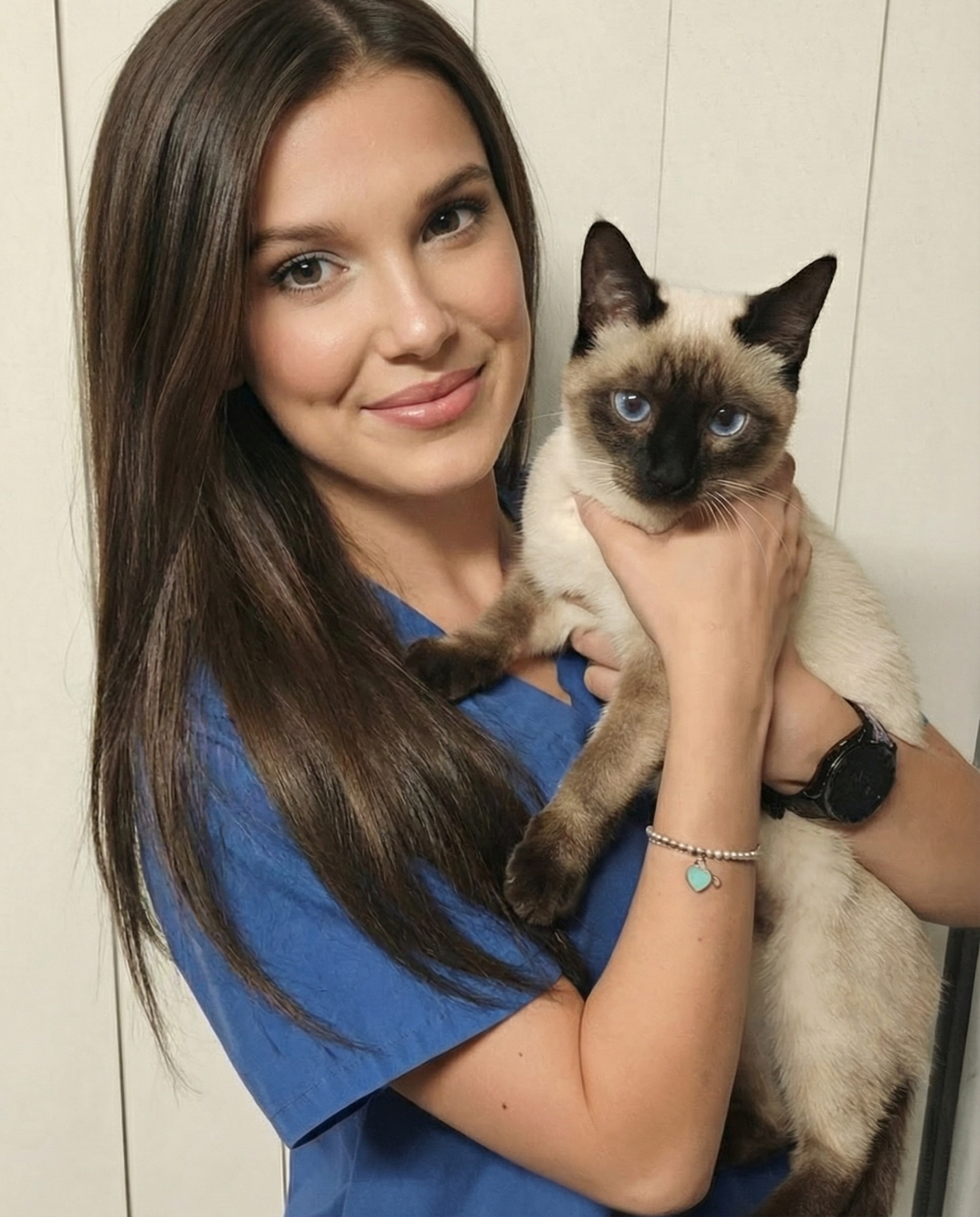
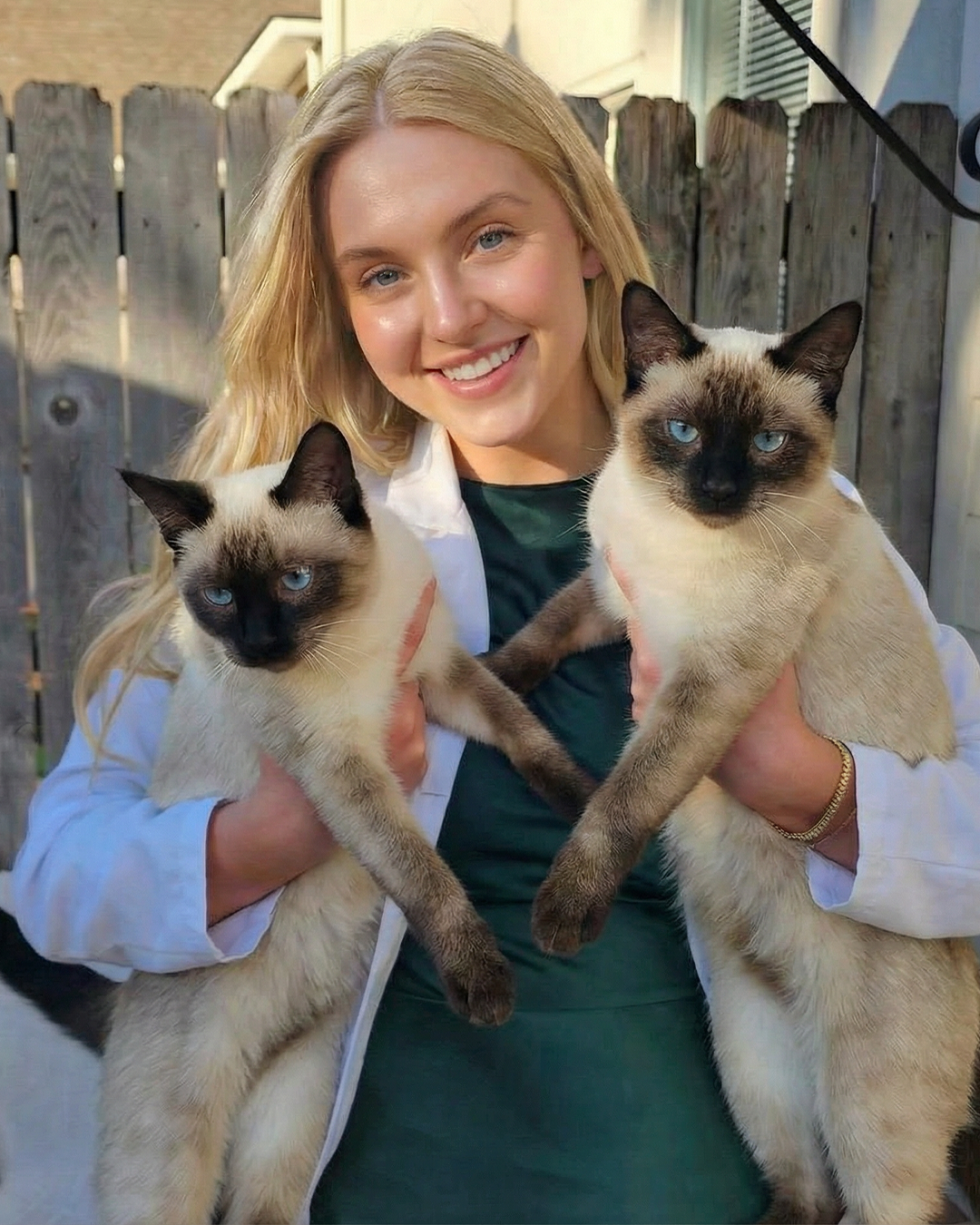
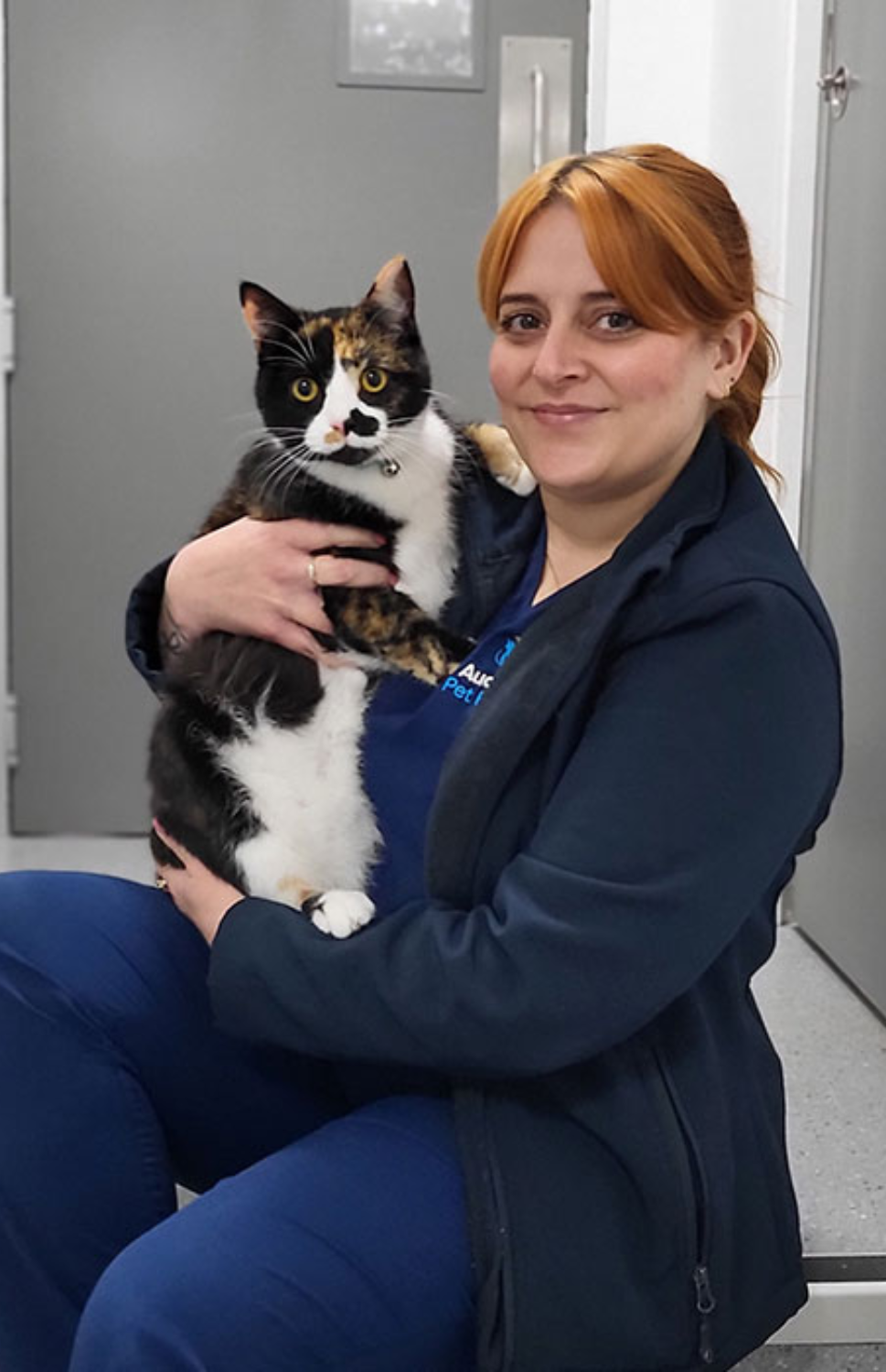
People donate over $50,000 worth of premium cat food to our shelter every year. Blue Buffalo. Science Diet. Royal Canin. The expensive stuff. You know what we do with it? We add taurine before we feed a single bite. Every bag. Every can. No exceptions. Because without it, that "premium" food will kill them. I'm Dr. Kate Smith. I've been running the medical program at North Valley Animal Rescue for 14 years. And I'm about to tell you something that's going to make you very, very angry. That $90-a-bag food you're feeding your cat right now? It's not enough. It never was. And the people who made it know that. Here's what happened yesterday that made me decide to finally speak up: A woman came to return a $200 donation of grain-free food. "I can't support this anymore," she said. "This food almost killed my cat." She wasn't wrong. Her 6-year-old cat nearly died of heart failure last month eating that exact brand. The same "premium, grain-free, biologically appropriate" food we get donated by the pallet. The same food that well-meaning people spend their hard-earned money on thinking they're giving these shelter cats the best chance. And here's the part that's going to make you sick: We knew. We've always known. Every shelter in America knows. That's why the first thing we do when those donations arrive is add taurine powder to every feeding. Not because we're paranoid. Because we've seen what happens when we don't. Let me tell you about Mrs. Patterson. She adopted a tabby named Oliver from us two years ago. Sweet cat. Seven years old. Perfect health check. We sent her home with three pages of discharge instructions. Page 2, highlighted in yellow: "Continue daily taurine supplementation." She fed him Orijen. $85 a bag. Read every ingredient. Thought she was doing everything right. She never supplemented taurine. Last month, Oliver collapsed in her kitchen at 2:18 AM. By the time she got him to the emergency vet, his heart was three times normal size. Dilated cardiomyopathy. Fluid in his lungs. The cardiologist gave him 60 days. Maybe. The bill was $4,200. The medication? $220 a month for the rest of his life. Mrs. Patterson called me sobbing. "I fed him the best food," she kept saying. "How did this happen?" I pulled Oliver's file. Right there. Page 2. Yellow highlight. "Continue daily taurine supplementation." She'd never noticed it. Or saw it and forgot. Or thought the premium food made it unnecessary. I told her to bring Oliver back to the shelter. Not to return him. Just to visit. I gave her a bottle of pharmaceutical-grade taurine from our medical supply. The same powder we add to every meal here. "One scoop twice daily. Mix it in his food. Try it for 30 days before starting those medications." Three weeks later, she sent me a video. Oliver. Playing with a toy mouse. Breathing normal. Moving like a cat half his age. The cardiologist did another echocardiogram. The heart murmur dropped from Grade 4 to Grade 2. He used the word "unprecedented." I've seen it happen 400 times. It's not unprecedented. It's just what happens when you finally give a cat what their body is screaming for. Here's what makes me furious: We operate on expired food. Dented cans. Whatever gets donated. Sometimes we're mixing three different brands together just to make it last. Our budget for 200 cats is less than what one pet owner spends on their single cat in a year. We should have the sickest cats in America. Instead, our cats outlive house cats by 4.7 years. Same genetics. Worse food. Fraction of the veterinary care. But they live longer. The difference? One protocol we've followed since 1994. Every cat gets taurine. Every feeding. No exceptions. Six months ago, I tracked down 200 families who adopted cats from us over five years. Asked one question: "Did you continue the taurine supplementation?" The ones who said yes: - Average age now: 14.8 years - Heart disease rate: 3% - Vision problems: Less than 1% - Most common feedback: "Acting like a kitten" The ones who said no: - Average age at death: 9.6 years - Heart disease rate: 39% - Vision problems: 22% - Most common phrase: "I thought the premium food was enough" Five years of life. Gone. Because they trusted a label that said "complete and balanced." Now let me tell you why this is happening. It's not a conspiracy. It's simpler and more calculated than that. Your cat cannot produce taurine. Not a single molecule. They lack the enzyme entirely. Every time they digest food, they lose taurine through bile excretion. Like a car that burns oil but can't produce more. They need a constant dietary supply just to maintain baseline function. Commercial cat food has taurine added. The bag says so. But here's what the bag doesn't tell you: AAFCO - the organization that sets pet food standards - requires a minimum of 0.1% taurine in dry food. That's the legal floor. The bare minimum to avoid immediate deficiency symptoms and lawsuits. Research shows cats need 0.25-0.3% for optimal heart health. The gap between "legal" and "optimal" is where your cat's heart slowly fails. And it gets worse. Cooking destroys 40-50% of taurine in ingredients. Grain-free formulas with peas and lentils contain anti-nutrients that block taurine absorption. Taurine degrades rapidly once a bag is opened - that "fresh" kibble loses 30% potency within 3 weeks of opening. So that 0.1% minimum? By the time your cat eats it, they're getting maybe 0.05%. Half of what's legally required. One-fifth of what they actually need. The pet food industry knows this. Adding enough taurine to be truly optimal costs about $4 more per bag to manufacture. Four dollars. But there's no profit incentive to do it. Because pet food is a $30 billion industry. Veterinary cardiology is $2 billion. Heart medications generate $500 million annually. Taurine supplements? Maybe $10 million total market. Prevention doesn't make money. Treatment does. Your vet isn't evil. Most genuinely care. But they're trained to trust AAFCO standards. Trust the labels. Trust that "complete and balanced" means something. And when your cat develops heart disease at 8 years old? That's genetics. Bad luck. Age. Never the food. Never the missing taurine. Never preventable. Except it is. Every single time. I proved it four years ago. I tested taurine levels in 50 shelter cats eating donated food plus our taurine protocol. Then I tested 50 house cats eating premium commercial food without supplementation. Shelter cats averaged 68 nmol/mL. Optimal range. House cats averaged 34 nmol/mL. Deficient. The shelter cats eating "garbage" food had DOUBLE the taurine levels of house cats eating premium brands. I tried to publish this in major veterinary journals. Rejected twice. Too controversial. Too many pet food advertisers to upset. A small journal finally ran it. Nobody noticed. That was four years ago. Since then, the industry has spent millions marketing "heart healthy" formulas with added taurine. They add just enough to meet minimums. Not enough to actually prevent the disease they're marketing against. And cats keep dying. Here's what I want you to do: Call your local animal shelter. Any shelter. Ask: "Do you supplement taurine for your cats?" They'll say yes. Ask why. Listen to what they tell you. Then call your vet. Ask: "Should I supplement my cat with taurine?" Watch them hesitate. Deflect. Talk about "complete and balanced" food. The difference in those two answers tells you everything. One group is trying to keep cats alive with no budget. The other profits from sick cats. After Oliver's case, I started testing every taurine brand I could find. Sent them to independent labs. Wanted to know what was actually in the bottles. Most were garbage: VetriScience: Claimed 250mg per serving. Actually 178mg. Rice flour filler. Made in China. NaturVet: Claimed 1000mg per scoop. Got 680mg. Inconsistent between batches. NOW Pets: Claimed 500mg. Got 510mg - close. But synthetic binders reduce bioavailability by 30-40%. Then I tested KittySupps. Claimed 500mg per scoop. Lab result: 502mg. Pharmaceutical-grade purity: 99.6%. German-sourced. Third-party tested every single batch, not just once for show. Zero fillers. Zero binders. Nothing to block absorption. It was the only brand that delivered what it promised. That's what we use for our shelter cats now. Not because they sponsor us. They don't. Because after putting 1,200+ cats on this exact protocol, it's the only one I trust. Jennifer's 11-year-old Max: "Heart murmur completely resolved after 90 days. Cardiologist called it remarkable." Tom's 9-year-old Luna: "Was going blind. Pupils wouldn't react to light. After 8 weeks, vet confirmed vision is normal." Sarah's 14-year-old Whiskers: "Thought I was losing him. Three weeks later he's playing like he's 6." These aren't miracles. This is what happens when you give a cat's body what it needs in the amount it actually needs. Look, I know you're skeptical. You should be. So here's my challenge: Get your cat's taurine levels tested. Costs $85. If it comes back above 60 nmol/mL - optimal range - I'll personally PayPal you the $85 back. In 14 years, I've made this offer 247 times. I've paid out three times. Three cats out of 247 had adequate taurine eating commercial food alone. That's a 98.8% deficiency rate. Your cat is almost certainly deficient right now. And you have no idea. Because they don't show symptoms until the damage is severe. By the time they're tired, their heart is enlarging. By the time they stop jumping on furniture, their muscles are wasting. By the time you rush them to emergency at 2 AM, you're looking at $4,000+ in bills and medications for life. Or you spend $35 today. That's $1.16 per day. Less than one can of the premium food you're already buying. For the same pharmaceutical-grade taurine that keeps shelter cats alive longer than yours. Get KittySupps pharmaceutical-grade taurine: https://kittysupps.com/products/taurine Mix one scoop into whatever food you're already feeding. Takes 10 seconds. Your cat doesn't need new food. They need what's missing from every food. Start tonight. Because tomorrow they'll be a little more depleted. A little closer to the timeline I see 20 times a month. The timeline that ends with a collapsed cat and an emergency vet bill you can't afford. Every zoo supplements taurine for their big cats. Every research facility supplements taurine. Every animal shelter in America supplements taurine. The only cats not getting it? Yours. Now you know why our shelter cats - eating expired donated food - outlive pampered house cats by five years. It's not the food quality. It's the one thing we add that you don't. Dr. Kate Smith, DVM North Valley Animal Rescue 14 years in shelter medicine Zero tolerance for preventable deaths P.S. - That woman who almost lost her cat to the grain-free food? She adopted a 12-year-old from us last week. Bought KittySupps before leaving the shelter. She's not trusting labels anymore. Smart. P.P.S. - Every day you wait, your cat loses taurine they can't replace. The damage is cumulative. Reversible if caught early. Permanent if you wait too long. I've euthanized 200+ cats with DCM. Every owner said: "I wish someone had told me." I'm telling you. Don't make me add your cat to that list.
Like this ad? Make it yours.
Crush rebuilds this exact creative around your product — your brand, your colors, your offer — in about a minute.