
Active· since Feb 11, 2026
- 212
- days running
- 0
- relaunches
Ad copy
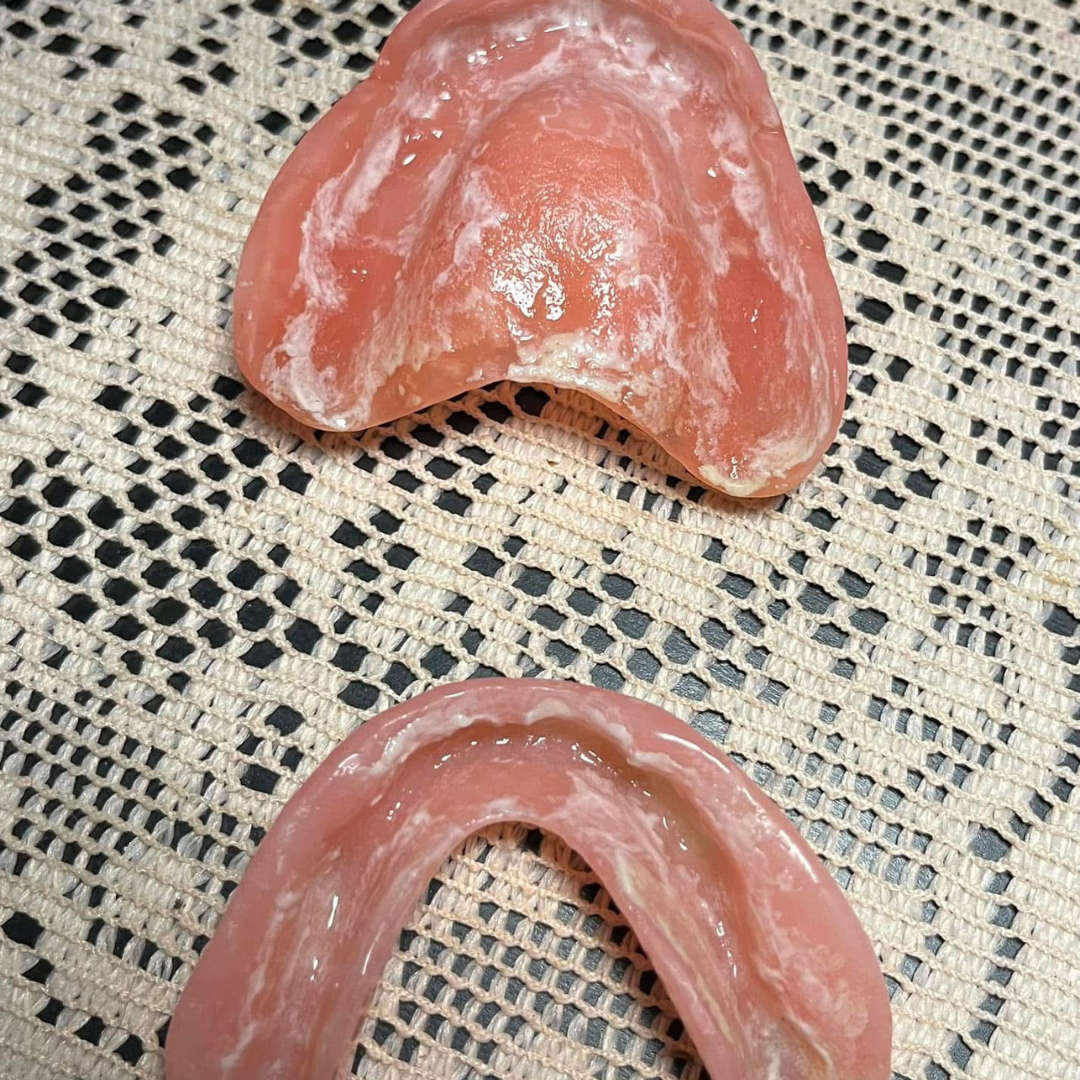
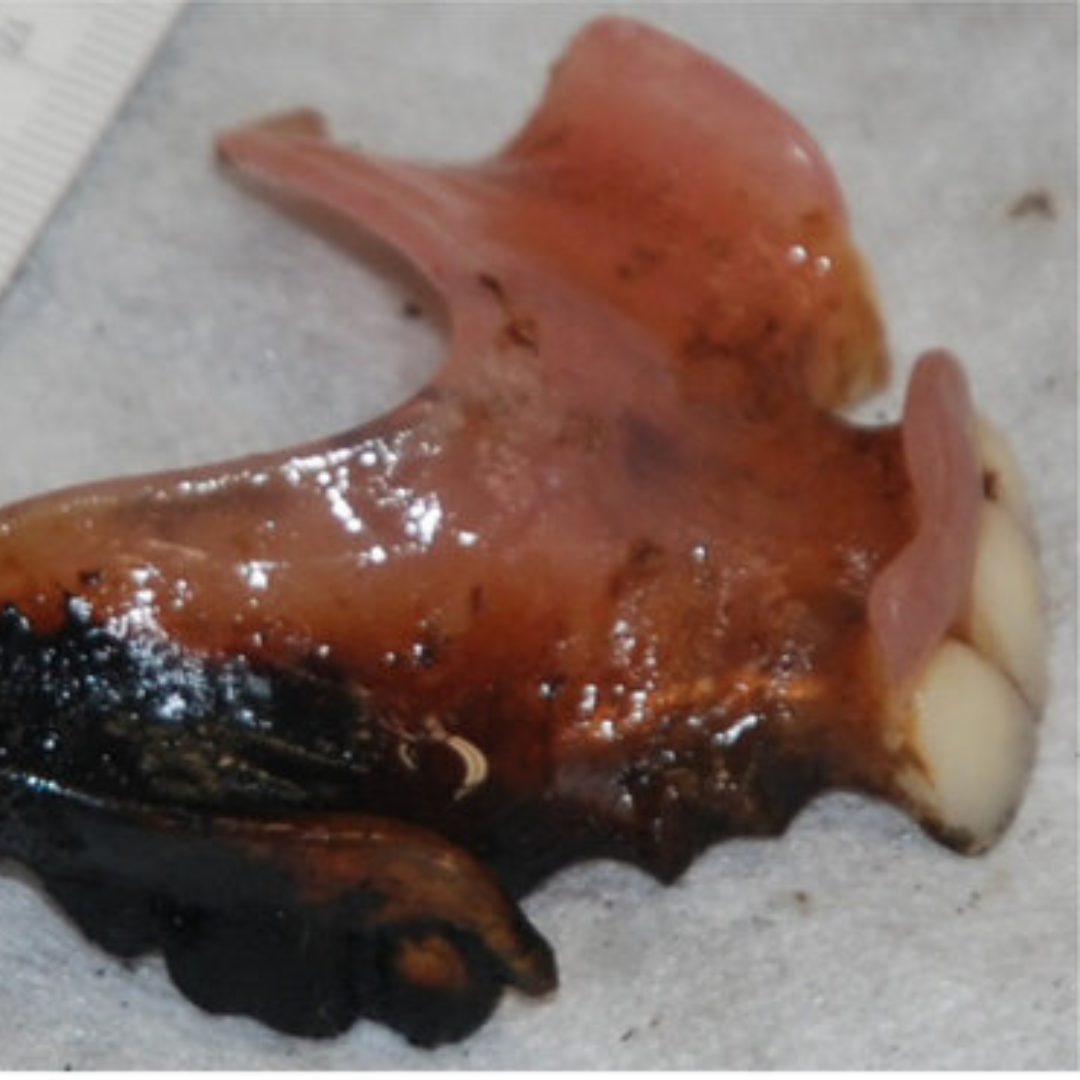
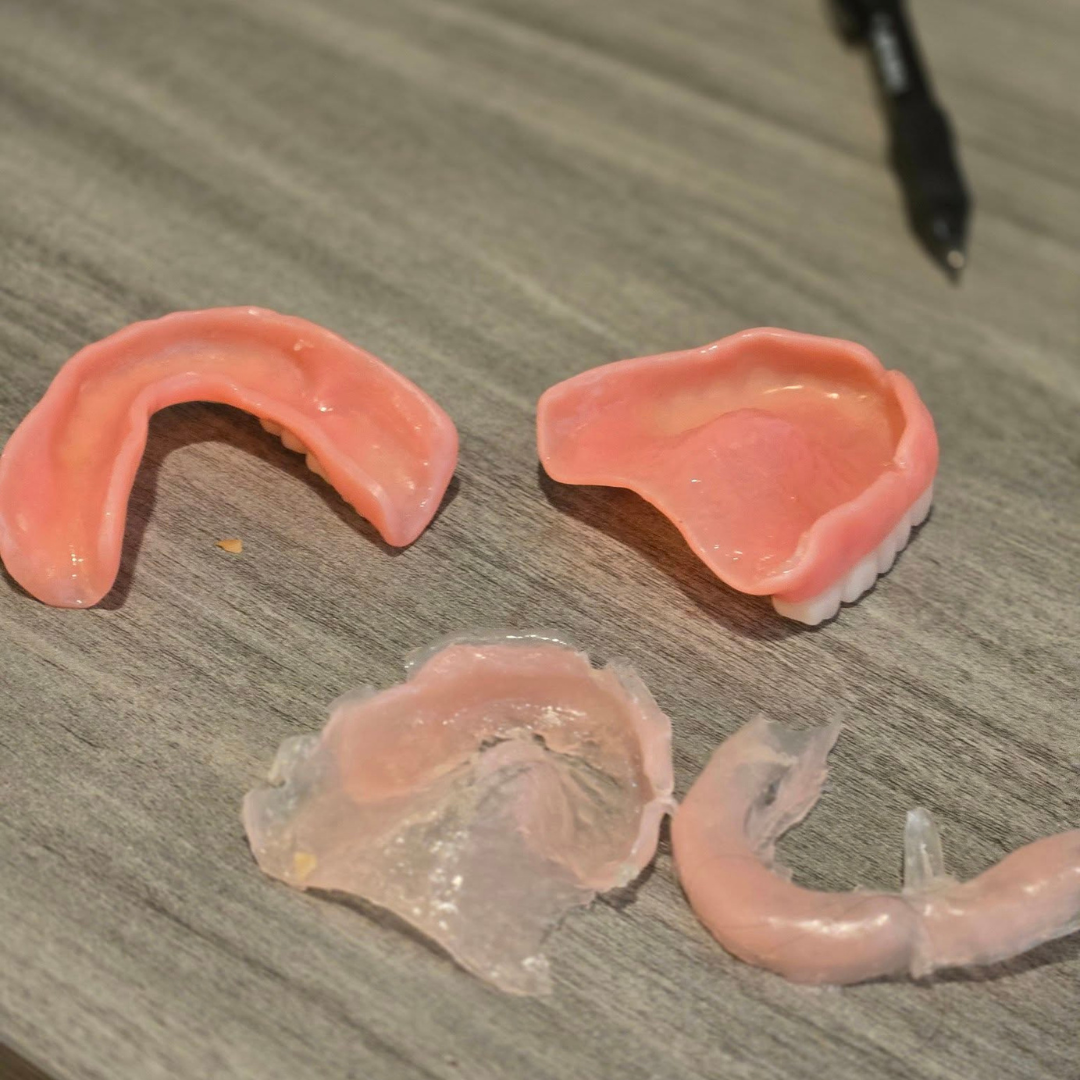
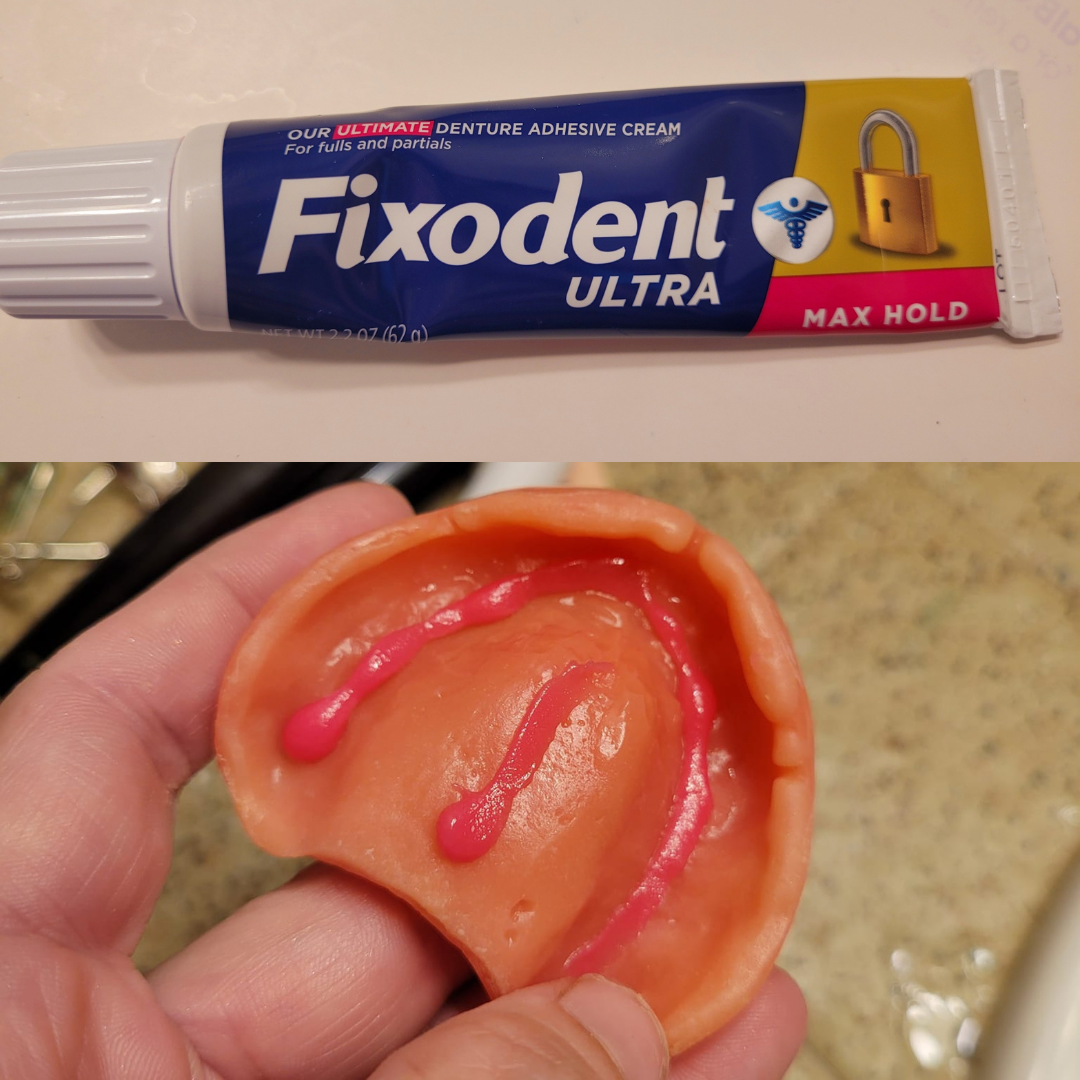
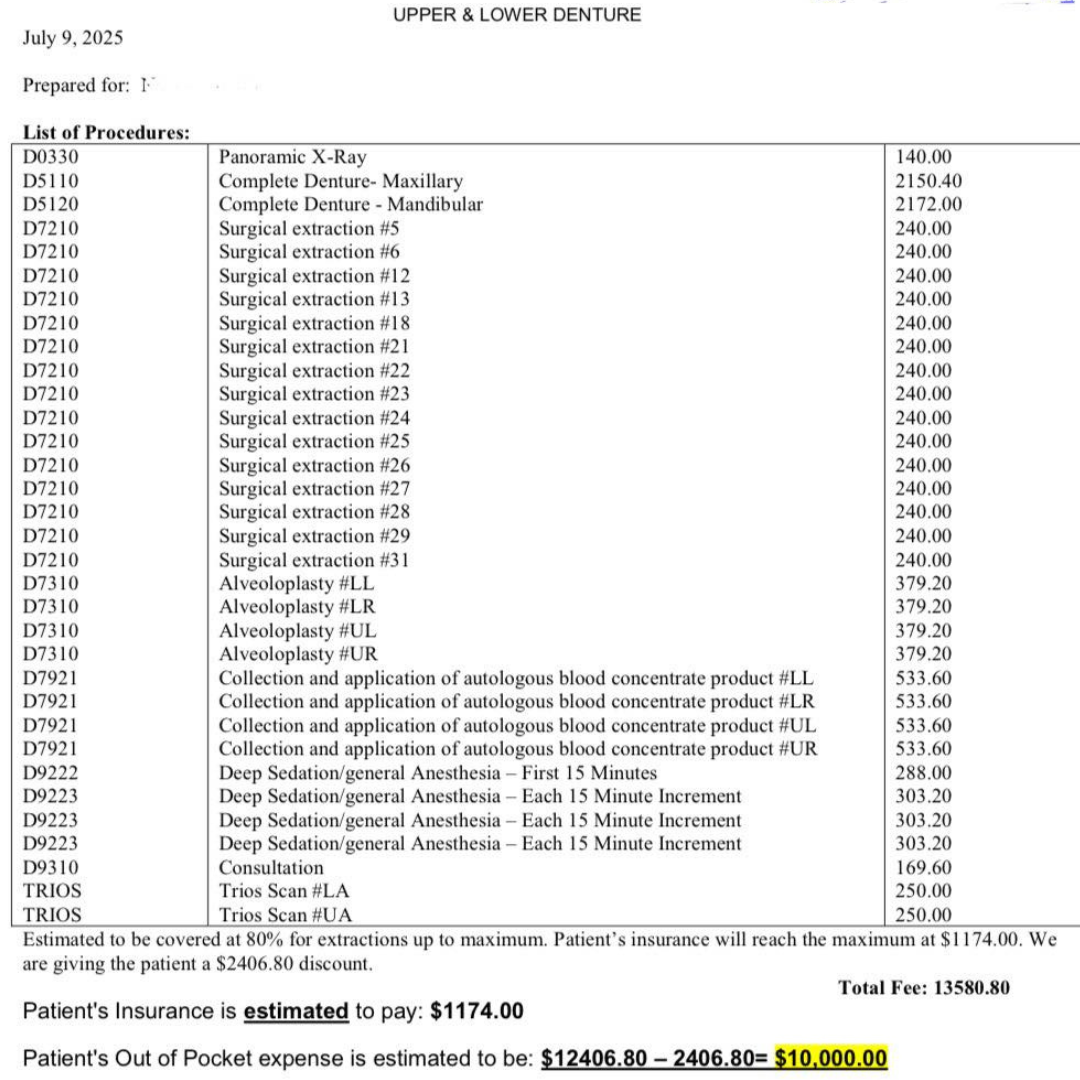
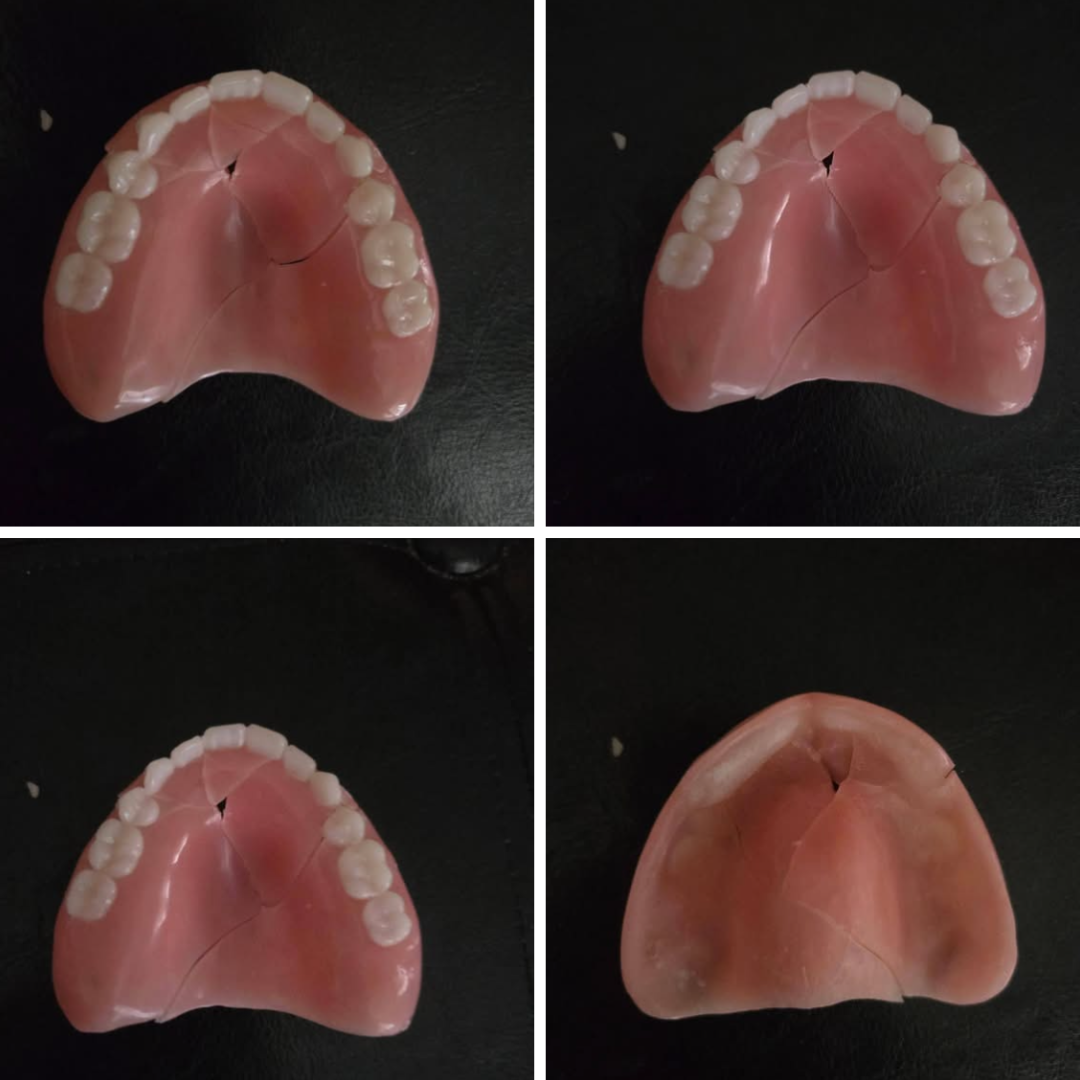
My daughter told me to post this. I said no. She said, "Mom, you had a stroke. And it was your dentures. People need to know." So here I am. My name is Donna Pilecki. I'm 70 years old. I spent 23 years as a home health aide. I went into people's homes — elderly people, people who couldn't take care of themselves anymore — and I took care of them. I bathed them. I dressed them. I gave them their medications. And every single night, I cleaned their dentures. Take them out. Brush with paste. Soak in Polident or Efferdent. Rinse in the morning. Put them back in. Hundreds of patients. 23 years. Same routine. Every night. I got my own dentures at 62. Gum disease I'd been ignoring because I was too busy taking care of everyone else. I cleaned them the same way I cleaned my patients'. Polident every night. Brush every morning. I knew the routine better than anyone alive. If ANYONE was going to clean dentures correctly, it was a woman who'd done it professionally for 23 years. For the first few years, everything seemed fine. Then my body started falling apart. And I need to describe this part carefully. Because if you wear dentures, I think you might be living through the same thing right now and not know why. The fatigue came first. Not tired. EXHAUSTED. The kind where you wake up after eight hours of sleep and your body feels like it's filled with wet sand. Where you sit down at 11 a.m. and the idea of standing back up feels impossible. Where you cancel plans because getting dressed takes everything you have. I used to work twelve-hour shifts on my feet. I used to carry patients. Now I couldn't walk to the mailbox without resting halfway. Then the brain fog. And I don't mean forgetting where I put my keys. I mean standing in my own kitchen staring at the stove and not knowing what I was doing there. I mean my daughter Amy asking me a question and watching her face change when I couldn't find the answer. I mean reading the same sentence in a magazine four times and absorbing nothing. I mean losing the word "dishwasher" and saying "the thing that cleans the plates" and seeing Amy glance away because she didn't want me to see the worry on her face. In 23 years of home health, I'd watched what happens when the mind starts going. I'd held the hands of patients who couldn't remember their own children's names. And I was starting to see the beginning of that in myself. Then the gums. Swollen. Red. Sore every single morning. I'd press my dentures in and wince. Some mornings the pain was sharp enough to make my eyes water at the breakfast table. Sore spots that moved around — front ridge one week, back left the next, a new one on the side the week after. I was a woman who'd handled dentures professionally for over two decades and I couldn't get my own gums to stop hurting. And the taste. A metallic, sour film that coated the inside of my mouth the second my dentures went in. Not a flavor — a presence. It sat on my tongue all day. I tasted it over my food. I tasted it over my coffee. I tasted it over water. Like sucking on old pennies from the moment I put my dentures in until the moment I took them out at night. 23 years of putting dentures in other people's mouths. I knew what clean felt like. Mine didn't feel clean. No matter what I did. I went to my doctor. He ran bloodwork. Inflammatory markers "mildly elevated." He told me to take turmeric and fish oil and try to walk more. "You're 68, Donna. This is pretty normal for your age." That's what he said to me. A woman who spent 23 years watching elderly people decline — and I was now being told the same thing their doctors told them right before things got worse. I accepted it. Just like my patients accepted it. Just like YOU probably accepted it when your doctor said the same thing. Because what else are you going to do? Argue with your doctor? I tried to fix it myself. The same way I'd been fixing things my whole life — hard work and stubbornness. - Switched from Polident to Efferdent. No difference. - Brushed twice a day instead of once. Gums bled more. - Baking soda scrub. Scratched them up — found out later that makes it worse. - Vinegar overnight soak. Tasted vinegar all day on top of the metal. - Hydrogen peroxide rinse. Burned my gums so bad they peeled. - Boiling water. Warped my lower denture. $400 to reline. - "Deep clean" brush from Amazon. Waste of money. - Essential oils in the soak water. Smelled nice. Changed nothing. - Mouthwash before inserting. 15 minutes of freshness. Then right back to pennies. - Cutting out coffee. Gave up the one thing I enjoyed. Zero improvement. - $35 ultrasonic cleaner from Amazon. Seemed like a real answer. It wasn't. I'll explain why later. In 23 years of cleaning dentures — professionally and personally — I had never been able to make them actually feel clean. And every month, the symptoms got worse. Amy was watching all of this. She didn't say much at first. She'd just look at me with that expression kids get when they're trying to figure out how scared to be. She started calling more often. Checking in. Asking questions she'd never asked before. "Did you eat today?" "Did you go outside?" "Mom, you told me that story already. Last week." Then one night she came over for dinner. I'd cooked — or tried to. I couldn't remember if I'd added salt. I'd set the table with two forks for her and no knife for me. Small things that felt enormous. After dinner she sat at my kitchen table and I could see her working up to something. "Mom." "What." "I need to say this and I need you to let me finish." "Okay." "You're not the same person. You sleep all afternoon. You repeat yourself. You can't remember things you've always known. Your gums bleed every time I watch you do your dentures. You wince when you put them in and you think I don't see it but I do." Her eyes filled up. "I'm scared. I'm not ready for you to go somewhere I can't reach you. And I'm watching it happen and nobody is helping." I wanted to argue. I wanted to say "I'm fine, honey, I'm just tired." But I couldn't. Because she was right. Something was stealing me. Slowly. Quietly. And I didn't know what it was. Then on a Sunday morning in March, I found out. I was getting dressed for church. Reached for my earring on the dresser. My right hand wouldn't close. I tried again. My fingers didn't respond. They hung there like they belonged to someone else's body. Then the right side of my face went heavy. Like someone hooked a weight inside my cheek and started pulling it down. I opened my mouth to call for Amy — she was staying with me that weekend — and what came out wasn't words. It was noise. Slurred, broken noise. She came down the hall. Took one look at me and her face went white. I watched her hands shake as she dialed 911. I watched her mouth the words "my mom is having a stroke" to the operator and her voice crack on the word "mom." And I stood there — one side of my face sliding down, my right hand hanging useless, my earring still on the dresser — and I thought: This is what Mrs. Patterson looked like. The woman I cared for in her home for three years. The woman whose dentures I cleaned every single night. She had a stroke at 74. I was there the morning it happened. I saw her face do exactly what mine was doing right now. And Mr. Booker. 81. I cleaned his dentures for four years. Stroke, then pneumonia. He never came home from the hospital. His daughter had to clean out his apartment. I helped her pack his things. And Mrs. DeLuca. 69. Heart attack. Her dentures were always in a blue cup on her nightstand. I cleaned them every single night. She died on a Tuesday. I was becoming my own patients. And I'd cleaned all of their dentures the same way I cleaned mine. At the hospital, the neurologist was direct. "Mrs. Pilecki, we found high concentrations of bacterial endotoxins in your blood. These triggered a severe inflammatory response, which caused the clot." He asked about my medications, my diet, my habits. Then: "Do you wear dentures?" "Yes. Eight years." "How do you clean them?" "I was a home health aide for 23 years. I cleaned dentures professionally. I brush, I soak in Polident every night, I rinse every morning. Nobody on earth has been more thorough than me." He nodded. "That's what everyone says." Then he said something I will never forget: "Dentures develop an invisible bacterial layer called biofilm. It builds inside the microscopic pores and scratches in the acrylic material." "Brushing can't reach it. Soaking tablets can't dissolve it. It bonds into the material itself." "Over time, the bacteria release toxins that pass through the gum tissue into the bloodstream. They trigger chronic inflammation — the kind that causes fatigue, brain fog, joint stiffness, swollen gums." He looked at me. "And in your case, the kind that caused a stroke." The room went quiet. I said: "I cleaned dentures for 23 years." He said: "The same way?" "The same way. Brush and soak. Every patient. Every night. That's what the care plans said." He didn't respond to that. He didn't have to. I lay in that hospital bed and the faces came. Mrs. Patterson. Stroke. Mr. Booker. Stroke. Pneumonia. Dead. Mrs. DeLuca. Heart attack. Dead. How many of them wore dentures I cleaned every night with the method I was trained to use? How many of their strokes started the same way mine did — with biofilm leaking bacteria into their blood while I put their "clean" dentures back in their mouths every morning and smiled and told them they were all set? How many of them trusted me? All of them. I cried harder in that hospital bed than when my own mother died. Not for me. For them. Amy came every day. She watched me stare at the ceiling. She knew it wasn't the stroke recovery that was breaking me. It was the guilt. The weight of understanding that the thing I did professionally for 23 years was never enough. Was never even close. But here's what I need you to hear — because this part isn't about me or my patients. This part is about YOU. If you're cleaning your dentures with Polident and a brush tonight, you're doing the same thing I did. The same thing I was trained to do. The same thing I taught myself was correct over two decades of professional experience. And the biofilm is still there. In your dentures. Right now. Building. Leaching into your blood. Driving inflammation that your doctor is calling "aging." Mrs. Patterson was told it was aging. Mr. Booker was told it was aging. I was told it was aging. It wasn't aging. It was dentures that were never actually clean. You know what makes me furious? They'll call you four times about a mammogram. They'll nag you about your flu shot. They'll take your blood pressure every single visit. But the medical device in your mouth — the one you wear sixteen hours a day, the one connected to your bloodstream through your gum tissue, the one that research has linked to strokes and heart disease for over a decade? Nobody checks. Nobody warns. Nobody connects the dots. The cleaning instructions they hand you when you get fitted for dentures are the same ones they handed out thirty years ago. Brush. Soak. Rinse. That's it. Thirty years of research proving it doesn't work. And nobody updated the pamphlet. Two weeks after I came home, Amy sat next to me on the couch. "Mom, I've been researching every night since your stroke. And I found something. Please actually listen." She told me about a device called the Denture Dome. But first — and this is the part that matters if you've ever looked at Amazon — she told me what DOESN'T work. "Those $30-$40 ultrasonic cleaners on Amazon? They run at 35 kHz. That frequency is designed for jewelry — rings and watch bands. It's not strong enough to break apart biofilm bonded in denture acrylic. And those blue lights they market as 'UV sterilization'? They're LEDs at 395 nanometers. Cosmetic. They glow. They look like they're working. They kill nothing." I thought about the $35 Amazon cleaner sitting in my bathroom cabinet. The one I'd tried months ago. The one that did absolutely nothing. Now I knew why. It was a toy pretending to be a medical device. And I'd fallen for it. "The Denture Dome is different," Amy said. "40 kHz ultrasonic vibration — the frequency dental clinics use on instruments. Strong enough to shatter biofilm bonded inside acrylic." "253.7nm UV-C light — the same wavelength hospitals use to sterilize surgical equipment. Kills bacteria at the DNA level. Not cosmetic. Clinical-grade." "Stainless steel tank — not plastic that harbors bacteria. No chemicals. No tablets. Five minutes." I looked at her. In 23 years of cleaning dentures, I had never heard anyone explain what actually needed to happen inside the material. Not above it. Not on the surface. INSIDE. Amy had already ordered it. It arrived the next day. That first night, I put my dentures in the stainless steel tank. Added water. Pressed the button. Five minutes. I lifted them out. The water was dark brown. Cloudy. Particles floating everywhere. A yellowish film on the surface. I had cleaned those dentures that morning. Soaked them the night before. Eight years of Polident. 23 years of cleaning dentures the same way for my patients. They were never clean. Not mine. Not my patients'. Not once. I held them up. Ran my tongue across the surface. Smooth. Completely smooth. No film. No grit. No taste. In 23 years of cleaning dentures — mine and hundreds of patients' — I had NEVER felt a denture that clean. I stood in my bathroom and cried. Amy heard me through the door. "Mom? Are you okay?" "I'm fine, baby. I'm fine." But I wasn't fine. I was thinking about Mrs. DeLuca's blue cup on the nightstand. And Mr. Booker's apartment his daughter had to pack up alone. And Mrs. Patterson's face doing the same thing mine did that Sunday morning. And I was thinking: if I'd had this ten years ago, how many of them might still be here? I used it every night after that. Day 4 — the metallic taste. Gone. Not masked. Not reduced. GONE. I drank my coffee and tasted coffee. Just coffee. First time in four years. I sat at my kitchen table and cried into my mug because I'd forgotten what coffee actually tasted like. Day 7 — gums. Not swollen. Not red. Not sore. I put my dentures in and felt nothing. No wince. No watering eyes. Just teeth, sitting where they're supposed to sit, the way it's supposed to feel. The way I'd forgotten it COULD feel. Day 10 — woke up and I wasn't exhausted. Got dressed without sitting down halfway through. Walked to the mailbox. Kept walking. Around the block. First time in over a year. Day 14 — brain fog lifting. Found the word I was looking for mid-sentence. Finished a crossword. Called Amy and remembered what I called to tell her without asking her to remind me. Day 21 — Amy came for dinner. I cooked. Remembered the salt. Set the table right. She didn't say anything about it. But I caught her smiling at the place settings. Day 30 — Amy called on a Saturday morning. I picked up mid-sentence because I was singing in the kitchen. She went quiet. "Mom. You're singing." "I know." "You haven't done that since before the stroke." "I know." She started crying. "There you are. I was so scared I lost you." "You didn't lose me, baby. I'm right here." At my 90-day follow-up, my inflammatory markers had dropped to normal for the first time in four years. My doctor looked at the results. Then at me. "What did you change?" I told him about the Denture Dome. About the biofilm. About the 40 kHz and the UV-C and the brown water and the eight years of bacteria I'd been putting back in my mouth every morning. He wrote it down. Then I told him about my 23 years of patients. He stopped writing. If you wear dentures, I need you to hear this from someone who cleaned them professionally for 23 years: Brushing and soaking is not enough. It was never enough. I followed every protocol. I was trained. I was careful. I was thorough. I cleaned dentures for a living. And the biofilm was there the entire time. In mine. In every patient's I ever touched. Building. Leaching bacteria into the bloodstream. Driving the inflammation that doctors kept calling "aging." Until it caused a stroke. Please don't buy a cheap ultrasonic cleaner off Amazon and think you're protected. I tried one. It did nothing. 35 kHz is too weak for denture acrylic. Blue LEDs at 395nm are cosmetic. Plastic tubs harbor the bacteria you're trying to kill. The Denture Dome is the only at-home device I've found that meets the specifications that actually matter. 40 kHz ultrasonic. 253.7nm UV-C. Stainless steel. No chemicals. Five minutes. That's not marketing language. That's a woman who cleaned dentures for 23 years reading the spec sheet and recognizing — for the first time — a device that does what I always thought I was doing by hand. It comes with a 90-day guarantee. Use it every night. If you don't feel a difference, you get every penny back. But please don't wait. Because right now, tonight, if you're going to take your dentures out and soak them in a tablet and put them back in tomorrow morning — the biofilm is still there. It's been there every night. It will be there tomorrow morning. And the bacteria is leaching through your gums into your blood while you sleep. I waited 8 years and had a stroke. Mrs. Patterson waited longer. Mr. Booker didn't make it. Every night you wait is another night the bacteria builds. Every morning you put them back in is another morning the inflammation rises. I spent 23 years putting dentures back in people's mouths and telling them they were clean. I was wrong. Don't make my mistake. 👉 https://try.ploise.com/denturedome — Donna Pilecki, 70 Home health aide, 23 years Stroke survivor And someone who'll never clean dentures the old way again
Like this ad? Make it yours.
Crush rebuilds this exact creative around your product — your brand, your colors, your offer — in about a minute.