
Inactive· since Jan 31, 2026
- 9
- days it ran
- 1
- relaunches
Ad copy
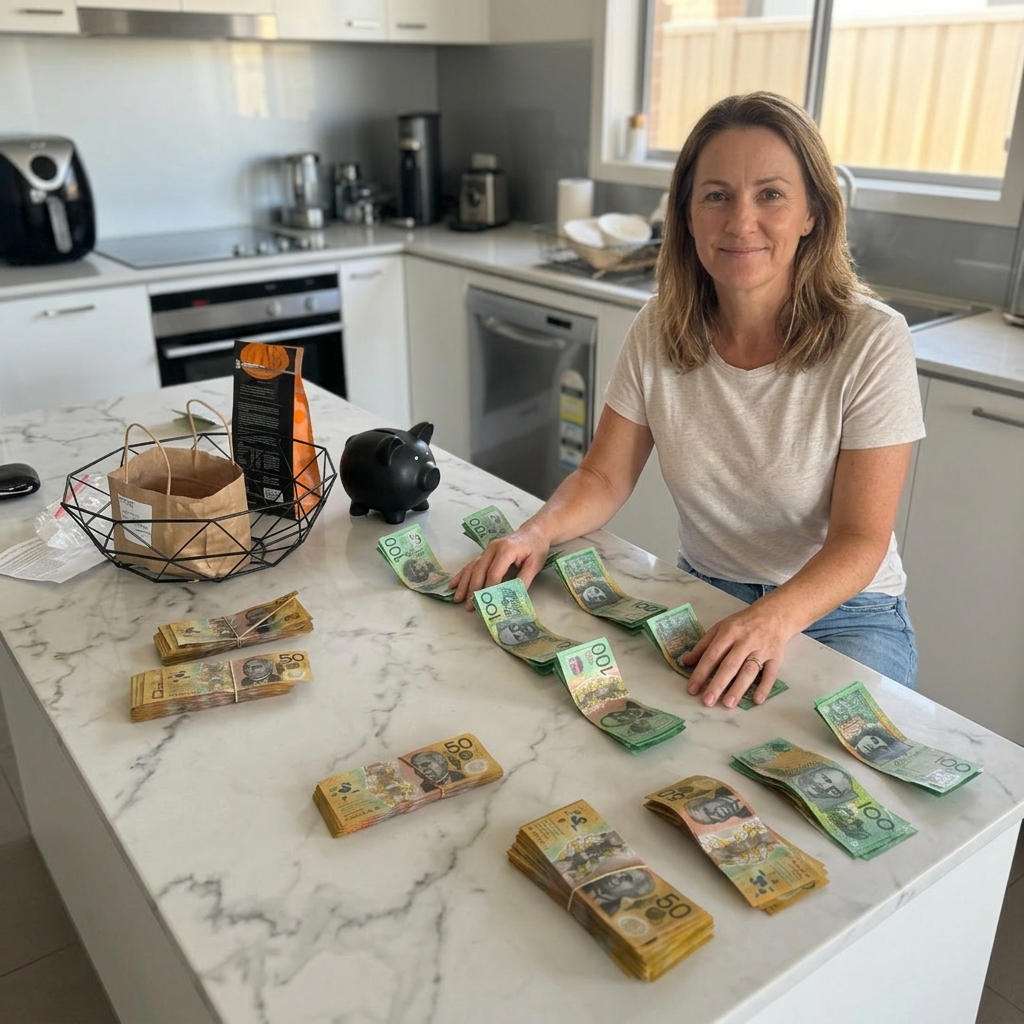
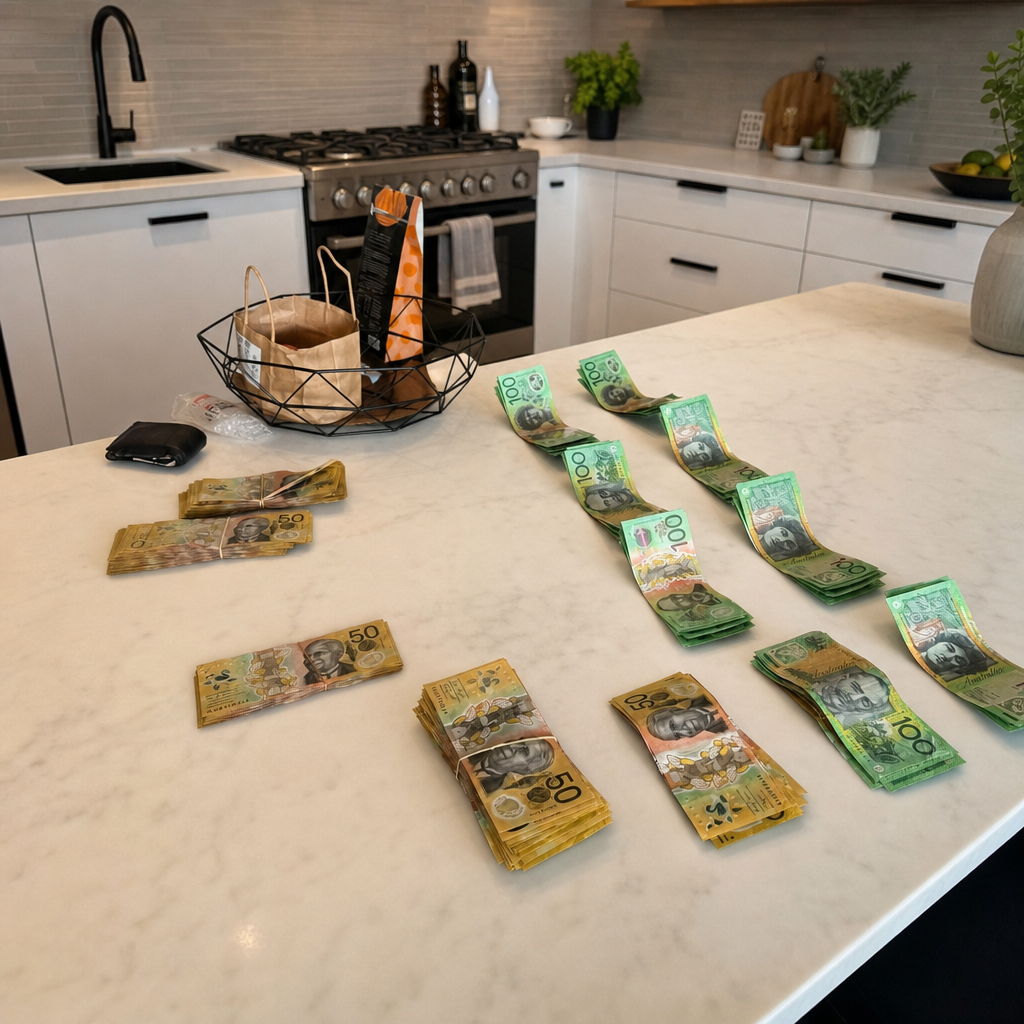
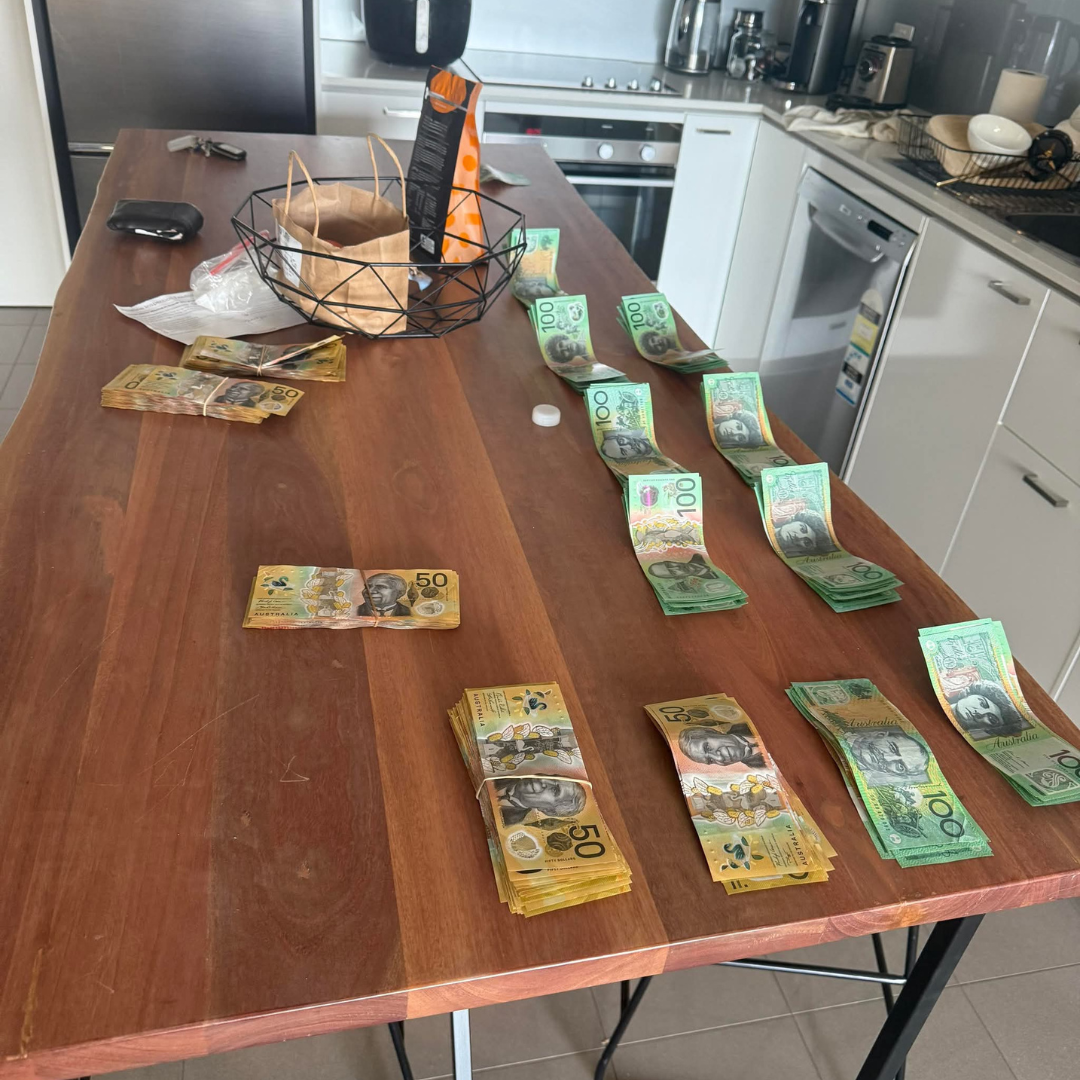
I'm a retired bank employee with 37 years of experience and I thought saving with cash was complete garbage. Three decades of working in retail banking means I've seen every savings trend come and go. The envelope budgeting systems from the 80s. The "pay yourself first" automatic transfers. The fintech apps promising to "revolutionize" how Australians save. All of it. So when my daughter started raving about this "ancient Japanese piggy bank" that would finally help me save money, I actually laughed at her. I mean, I worked at Bank for 37 years. I helped thousands of Australians set up high-yield savings accounts. I explained compound interest until I was blue in the face. I showed people how to automate their finances. And she thinks a wooden box is the answer? But she's stubborn. She kept showing me reviews from real people. Parents who'd saved thousands. People my age who'd never saved successfully before. At first, I ignored her, but she wouldn't stop. She even ordered one and had it shipped to my house in Frankston. I figured… what the hell. I had nothing to lose. And what I experienced over the next 6 months absolutely shocked me. For the first time in my adult life, I actually saved money consistently. Real money. Not the $73 that sat in my "high-interest" savings account earning 0.05% while I transferred it back out every month for "emergencies." I saved $4,680 in 6 months. Four thousand, six hundred and eighty dollars. At 61 years old, after 37 years of telling OTHER people how to save. I'd never managed to save that much myself. Not once. At lunch, a former colleague asked me about my Bali trip plans (I'd been talking about "next year" for 15 years). I told him I'd booked the flights that morning. "How'd you finally pull it off?" he asked. That's when I realized this wasn't just about the money. Here's what I learned after using this thing for 6 months straight: First, physical cash creates psychological friction that digital money can't. When you TAP your card, your brain doesn't register spending. There's no pain. No hesitation. No second thought. We used to call it "frictionless payments" at the bank. What we didn't tell customers is that frictionless spending means frictionless OVERSPENDING. The wooden piggy bank brings back friction. To take money out, you have to physically open it. Count out the notes. Make a conscious decision. This is basic behavioral economics, not magic. Second, visibility is everything. I had three different banking apps on my phone. I had automatic transfers set up. I had savings goals programmed in. Know what happened? I'd check my balance, see $200 in savings, and think "I can afford that." One tap later, the $200 was gone. But with the piggy bank sitting on my kitchen counter? I walked past it 20 times a day. Every time I wanted to buy something unnecessary, I'd see that box. And I'd think: "Do I want this $12 UberEats fee, or do I want to put $12 toward Bali?" The box wasn't just holding money. It was holding my goal where I couldn't ignore it. Third, the method itself matters. The Japanese Kakeibo system has been around since 1904 for a reason. It's not complicated. It's not an app with 47 features. It's simple: physical money, visible progress, consistent deposits. That's it. And that simplicity is exactly WHY it works. At 61 years old, after 37 years of working in banking, I finally saved for the trip I'd been talking about since 1999. But the money isn't even the best part. The best part is how it changed my brain. I used to see my bank balance and think "I have money available." Now I see the piggy bank and think "I have a goal I'm building." That's a completely different mindset. I don't feel deprived when I skip the café coffee. I feel GOOD because I'm adding $5 to Bali. I don't feel restricted when I don't buy that thing on Amazon. I feel SMART because that $40 is going toward something that actually matters. Look, if you're someone who's tried every savings app and banking tool and been disappointed, I completely understand. I WAS the person SELLING you those tools. I spent 37 years explaining compound interest and automatic transfers and high-yield accounts. And none of it worked for me personally. Because the problem wasn't the interest rate. It wasn't the features. It wasn't the convenience. The problem was that digital money doesn't feel real. When you can't see it, touch it, watch it grow? Your brain treats it like Monopoly money. The Japanese figured this out in 1904. I actually reached out to the company that makes these (yes, at 61 years old, I tracked down the manufacturer like a crazy person). They're running their New Year Sale. 50% off everything. I bought three more. One for our bathroom renovation fund. One for our grandkids' education fund. One for my wife's "girls trip to Italy" fund. Because if a wooden box can beat 37 years of banking products? I'm using wooden boxes for everything. But here's the catch. This new Year Sale ends soon, and they sell out every single time. I've watched them go from "in stock" to "sold out" in 48 hours. So if you've got any financial goal you've been putting off... I'd grab one while they're actually in stock and while this 50% off new Year Sale is still active. Because the difference between "trying to save" and "actually saving"? That's not just money. That's the holiday you've been putting off. The emergency fund you've been meaning to build. The financial peace of mind you've been chasing. The piggy bank I used: https://www.kousely.com/products/piggy-bank
Like this ad? Make it yours.
Crush rebuilds this exact creative around your product — your brand, your colors, your offer — in about a minute.