Linda Williams
Linda Williams Facebook ad: “Fifth behavioral assessment in four months. They just keep…”
Ran for 138 days, from March 1 to July 17, 2026, the last day Crush saw it.
Run by Linda Williams on Facebook. Crush is not the advertiser and does not verify its claims. See this ad in Meta's Ad Library(opens in a new tab)
Want an ad like this for your product?
Crush makes new ad images for your product from this ad: your logo, your product photo, your offer.
Trials from $19.95 USD, then $79.95 USD a month. Cancel anytime.
About this ad
- Meta Ad Library ID
- 733534396362428
- Platforms
- Facebook, Instagram, Audience Network and Threads
- Relaunches
- 0
- EU reach
- 522
Ad text
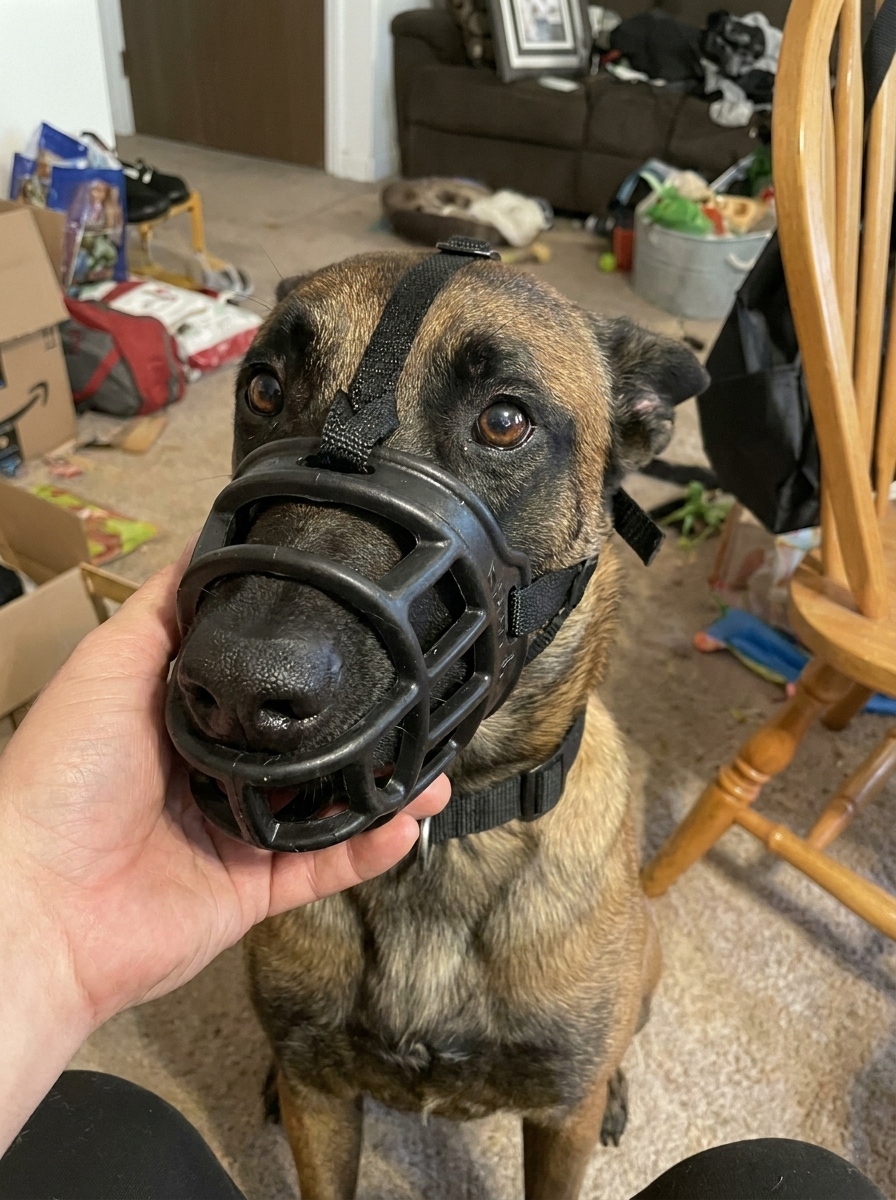
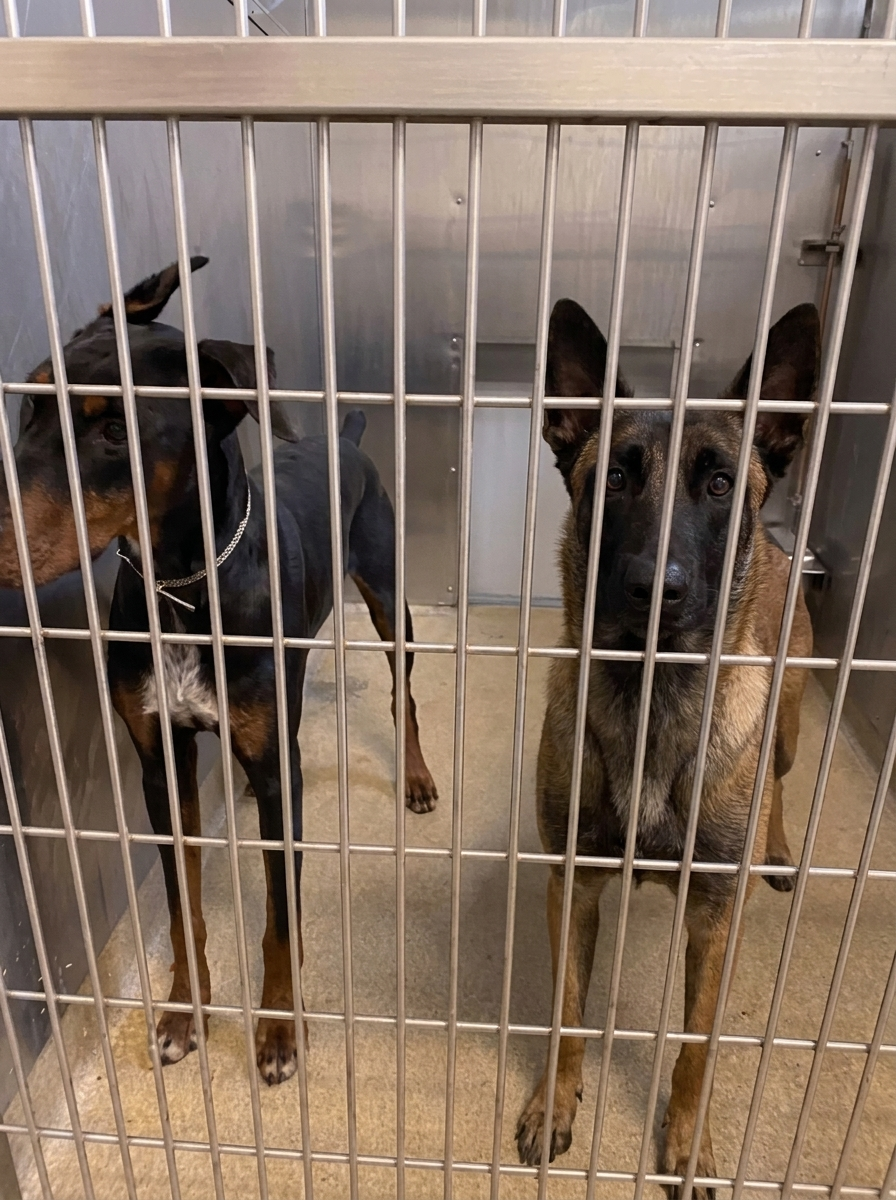
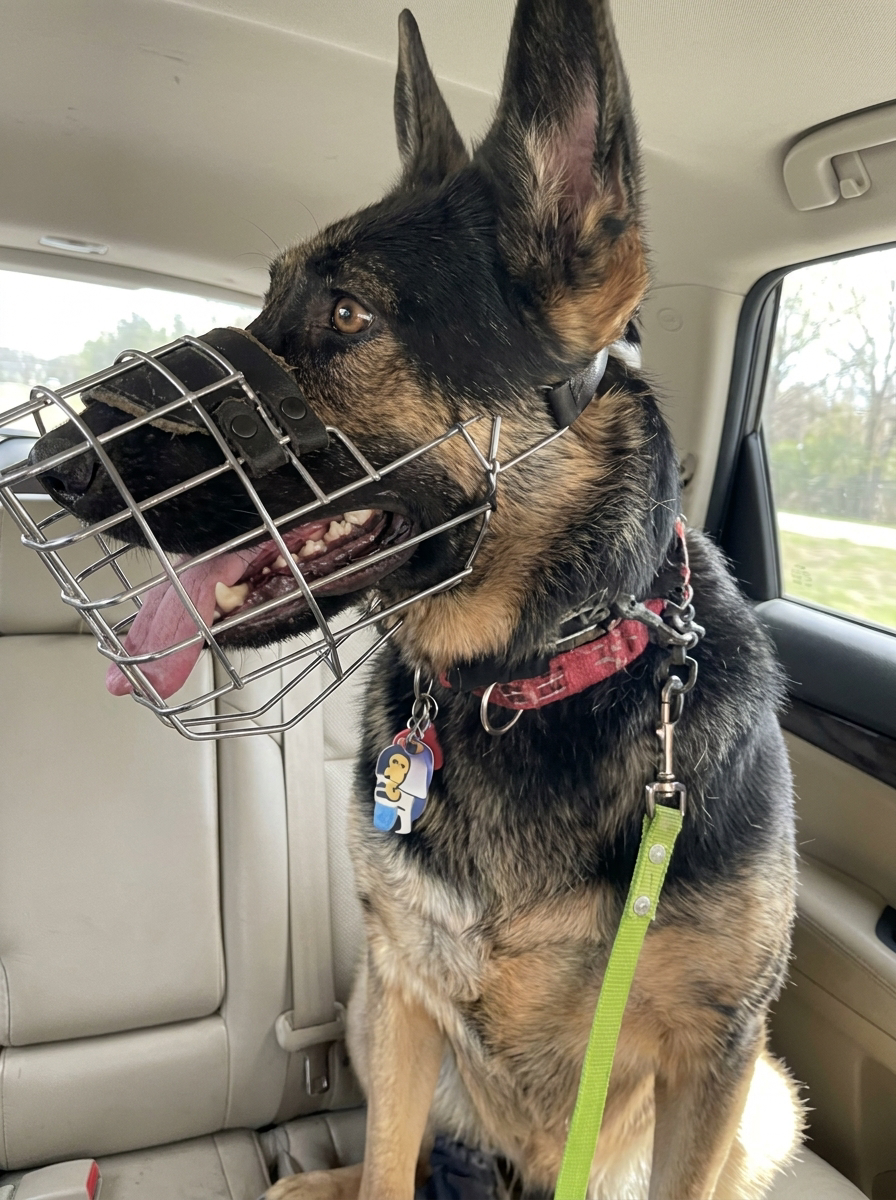
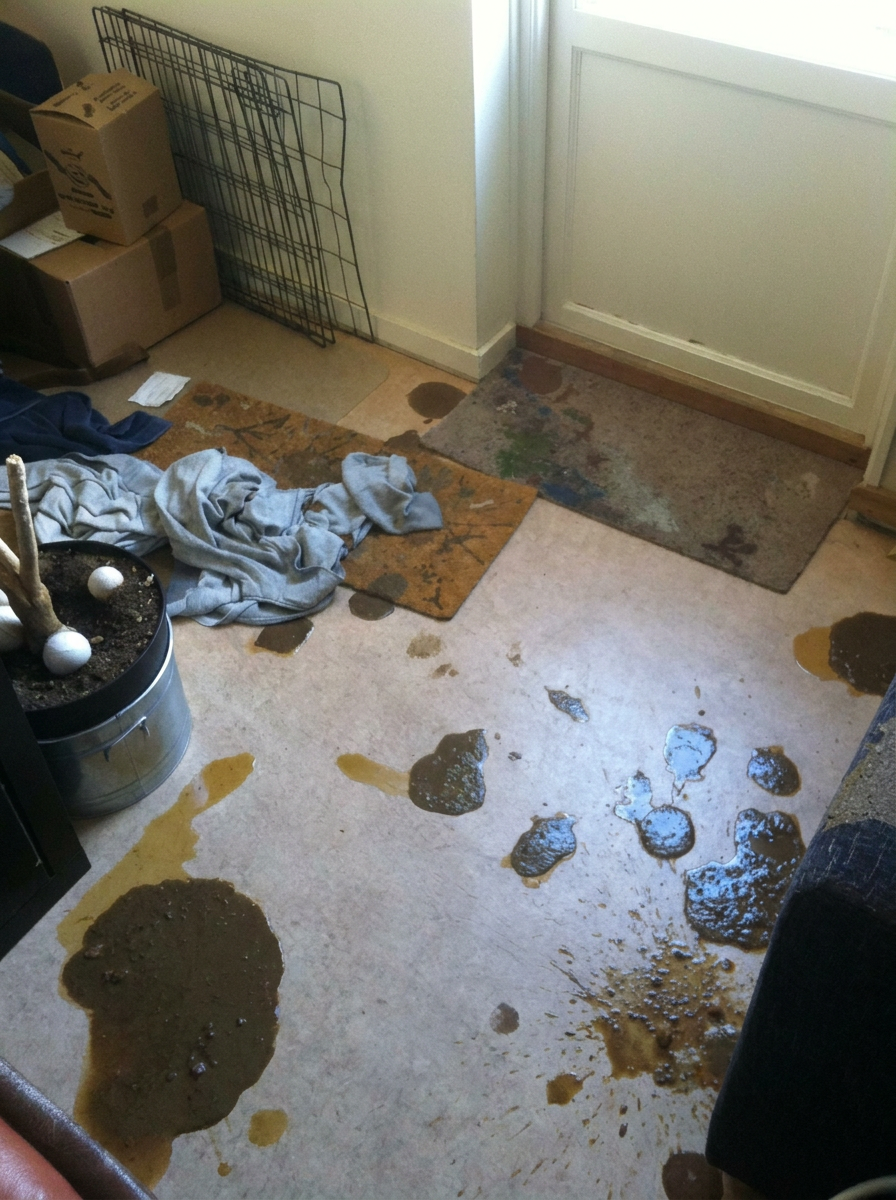
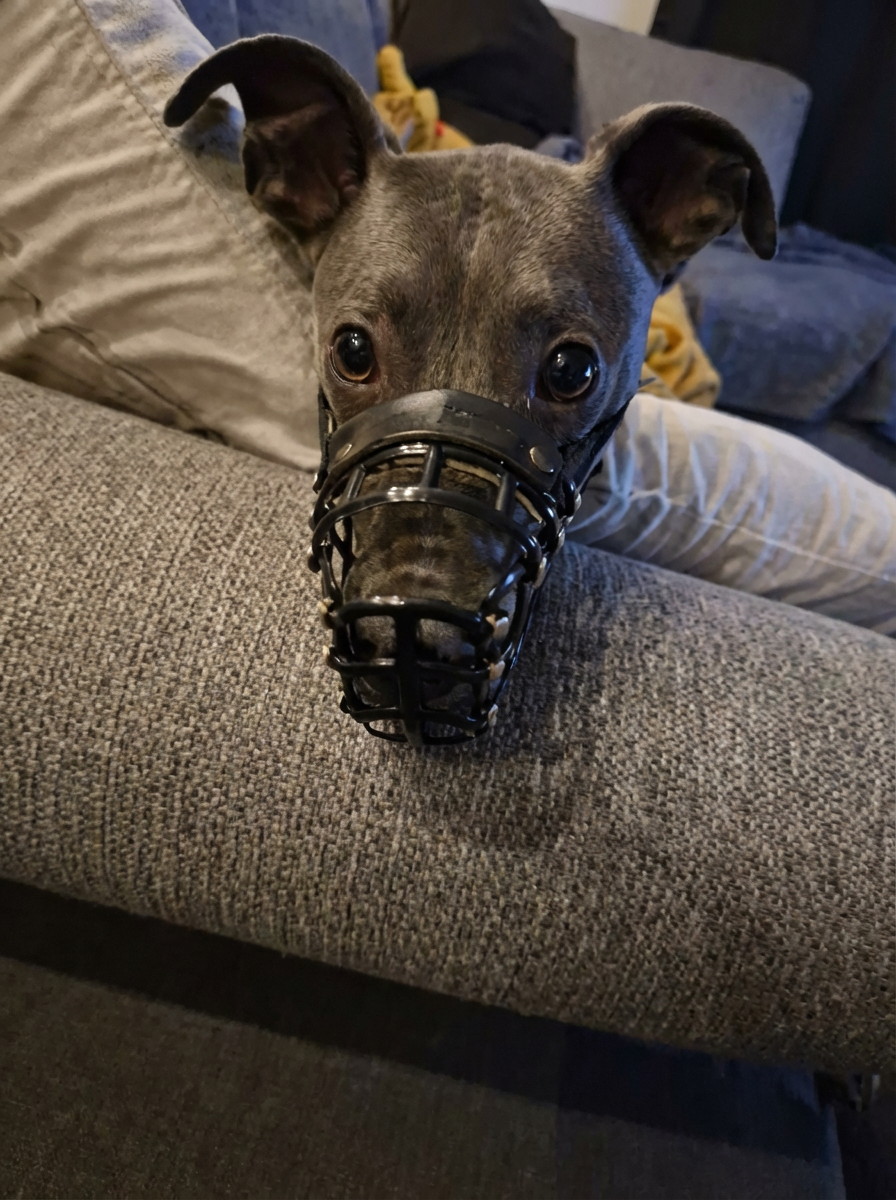
Fifth behavioral assessment in four months. The vet looked at Riley and said: "Let's increase the Prozac to 40mg. Some dogs just need a higher dose." I wanted to scream. "Higher dose" meant we'd already tried 10mg. Then 20mg. Now 40mg. "Higher dose" meant Riley was still lunging at every dog we passed. "Higher dose" meant I couldn't remember the last time we had a normal walk. But I didn't scream. I just paid the $285 bill. Again. First visit: "Let's try Prozac. It's very effective for reactivity." $120 for the exam, $65/month for medication. Didn't work. Second visit: "Sometimes we need to add Trazodone for walks." $95 exam, now $140/month total. Still lunging. Third visit: "Let's try Gabapentin before high-trigger situations." $110 exam, $215/month in medications. It worked. For about two weeks. Then the lunging came back. Worse than before. Fourth visit: "We could try Clomicalm. It's another SSRI that sometimes works better." $135 exam, $180/month (replacing Prozac). It worked. For about ten days. Then back to lunging. Back to crossing the street every time we saw another dog. Back to 6 AM walks to avoid other people. Fifth visit: "Let's go back to Prozac but at a higher dose. 40mg should do it." Higher dose. That's when it hit me. They were never trying to fix him. They were trying to manage him. Forever. At $215 a month. For the rest of his life. I drove home in silence. Riley panting in the backseat, tongue hanging out from the sedation. That night I couldn't sleep. Not because of Riley—the medication made him too drowsy to move much. Because I couldn't stop thinking: Why isn't this working? Prozac is supposed to work. Trazodone is supposed to work. Together they're supposed to be even more effective. So why was my dog still lunging through all of them? I started Googling things I'd never searched before. "Why does Prozac stop working for dog reactivity" "Dog still reactive on medication" "Anti-anxiety meds stopped working" Thousands of results. Thousands of people asking the same question. The same story over and over: it worked at first, then stopped, then they added another medication, then that stopped working too. Some people had been doing this for years. Three, four, five different medications. Thousands of dollars gone. And their dogs were still reactive. Then I found a thread that was different. Someone asked: "WHY do these medications stop working? What's actually happening underneath?" A veterinary behaviorist replied with a research article link. Said it changed her entire practice. It was a study from a team of veterinarians who'd investigated gut health in reactive dogs. Not selling anything. Just explaining the science. I read it at 2:47 AM, sitting on my bathroom floor so I wouldn't wake my partner. By the time I finished, I was furious. Not at my vet. She was doing what she was trained to do. But she was never trained about this. The study explained something so simple it made me sick: Dogs produce 95% of their serotonin—the "calm" neurotransmitter—in their gut, not their brain. When the gut microbiome is disrupted, serotonin production drops dramatically. The brain gets stuck in fight-or-flight mode. Chronic reactivity. Lunging. Barking. Fear aggression. Prozac increases serotonin activity in the brain. Trazodone blocks anxiety receptors. Gabapentin dampens nerve signals. But none of them fix the gut. They're medicating a brain that isn't producing enough serotonin because the gut is broken. That's why they work at first—you're artificially boosting what little serotonin is there. That's why they stop working—the gut keeps getting worse, producing even less. That's why you need more and more medication—you're trying to compensate for a biological problem that's getting progressively worse. I sat on that bathroom floor and cried. Five vet visits. $740 in exams. $215 a month in medications for eight months. $1,720 total. Exposed my dog to months of SSRIs that were never going to fix the actual problem. And the real issue was something nobody even mentioned. The gut was broken. The medications were never going to fix it. But rebuilding the gut could. The study explained what actually restores gut-brain communication. What types of postbiotic metabolites dogs need. Why most probiotics don't work. What compounds actually absorb. I followed what it said. Found a postbiotic formula called CalmAxis that matched the research. Within 4 weeks, Riley's lunging frequency dropped by half. By 8 weeks, we could pass dogs on the same sidewalk without him pulling. No more medication. No more $215 monthly bills. He's calm now. Actually calm. Not sedated-calm. I took him back to the vet three months later for his regular checkup. Different vet this time—the senior partner who'd been there 20 years. She checked Riley's chart and said: "I see Dr. Morrison had him on quite a medication protocol. How's he doing now?" I told her about the gut health approach. About the postbiotics. She nodded slowly. "That makes sense. The gut-brain research is fascinating. We just don't get much training on it in traditional vet school—it's all behavioral medication protocols." She wasn't defensive. She was genuinely interested. That's when I realized: they're not withholding information. They're just not taught it. But that doesn't mean your dog has to stay on medication forever while the system catches up. If you're where I was—multiple vet visits, stacking medications, spending hundreds a month and still watching your dog lunge at every trigger—I want you to read the same research I found. It explains why the medications fail, what's actually happening to your dog's gut, and how the gut-brain axis rebuilds. Here's what I learned: **Your dog's reactivity doesn't start in their brain. It starts in their gut.** 95% of serotonin is produced in the gut. When gut bacteria are destroyed (from stress, antibiotics, chronic inflammation), serotonin production drops. The brain gets stuck in survival mode. No amount of Prozac will fix a gut that can't make serotonin. **Medications treat the symptom (low brain serotonin). They don't treat the source (broken gut production).** That's why they stop working. The source keeps getting worse. **Postbiotics bypass the whole problem.** Instead of trying to make your dog's damaged gut produce beneficial compounds (probiotics), you deliver those compounds directly (postbiotics). No colonization required. No hoping the gut bacteria come back to life. Just give the gut-brain axis what it needs, in a form it can actually use. Riley's been off all medications for four months now. Just one scoop of CalmAxis mixed into his food every day. Total cost: $67/month. vs. $215/month on medications that kept failing. He walks calmly past other dogs. No lunging. No barrier frustration. No 6 AM avoidance walks. I wish I'd known about this before I spent $1,720 on medications. Before I exposed him to eight months of drugs that were never going to fix the root cause. But at least he's fixed now. And if you're reading this because your dog is on Prozac or Trazodone or Gabapentin and still reactive, I want you to know: **It's not your fault. It's not your dog's fault. It's not even the medication's fault.** **It's that you're treating the wrong system.** The brain meds treat 5% of serotonin (brain production). The gut produces 95% of serotonin. Fix the source. Not the symptom. I don't work for CalmAxis. I'm not getting paid to write this. I'm just someone who wasted $1,720 on medications that stopped working, and I don't want you to waste the same money. The research is real. The gut-brain connection is real. The solution is real. Your vet isn't wrong. They're just not taught this. But now you know. And you can do something about it. Riley's sleeping on his bed right now. Quiet. Comfortable. No sedation. That's what's possible when you stop medicating the brain and start fixing the gut. I hope your dog gets there too. 👉 https://trycanislabs.com/products/calmaxis-chews P.S. If your dog is on Prozac, Trazodone, Gabapentin, or any anti-anxiety medication and still showing reactive episodes, you're not treating the wrong behavior—you're treating the wrong system. Medication suppresses brain activity. But 95% of serotonin is made in the gut. The medication will keep failing until you fix the source. I learned this the hard way after $1,720. Don't make the same mistake. P.P.S. I spent eight months thinking the medication just needed more time to work. Or that Riley needed a higher dose. Or a different drug. I never questioned whether we were treating the right system. Now I know: we were medicating his brain while his gut was collapsing. The postbiotics fixed what the medication couldn't. Maybe they'll work for your dog too.
Where the ad sends people
trycanislabs.com
Fifth behavioral assessment in four months. They just keep increasing the medication. Nothing works.
I spent $1,720 on medications for my reactive dog. Prozac, Trazodone, Gabapentin. Every time one stopped working, they added another. Then I found out why they were all failing.
Order now: trycanislabs.com(opens in a new tab)