
Active· since Jan 12, 2026
- 245
- days running
- 0
- relaunches
Ad copy
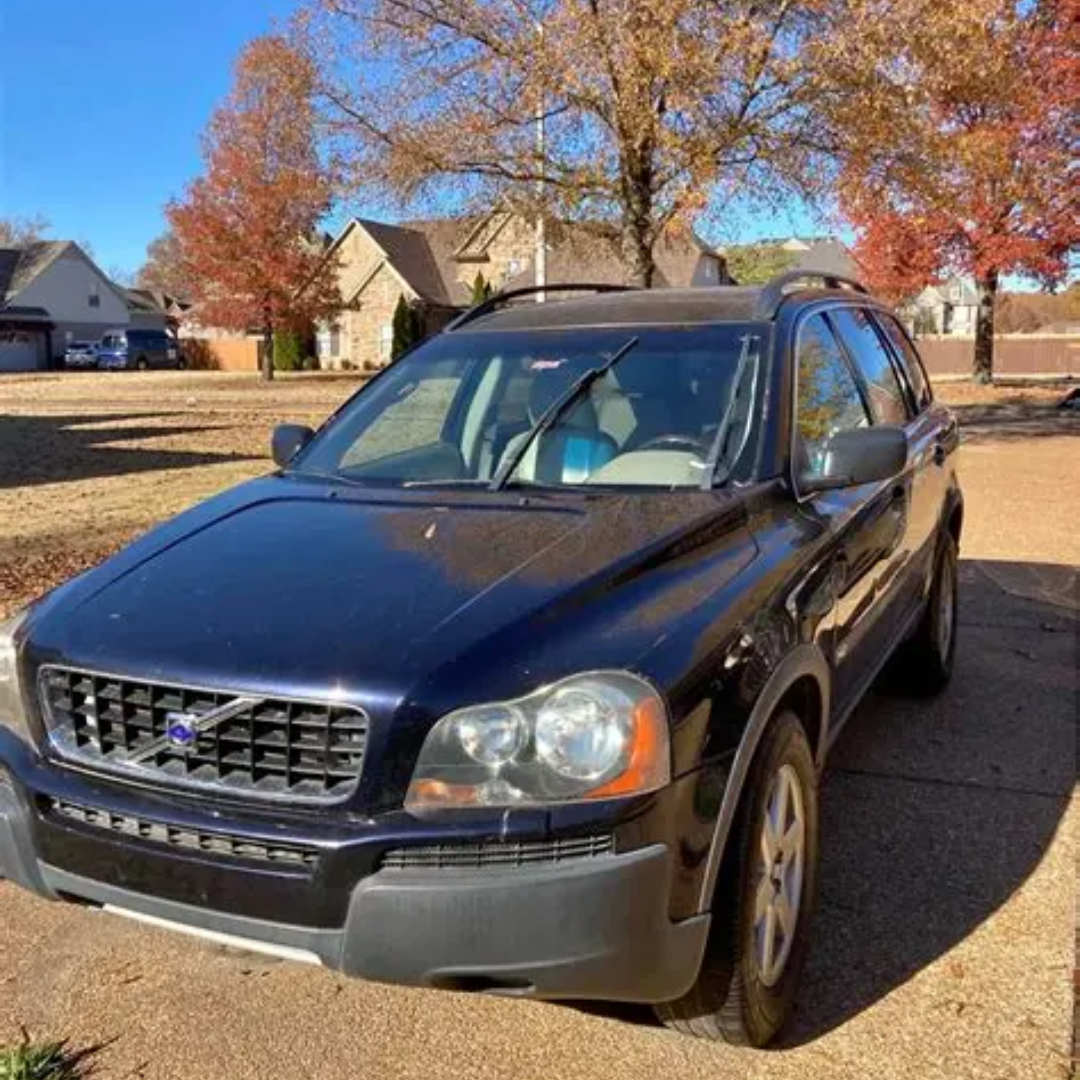
My daughter tricked me into signing over Power of Attorney. Two weeks later she sold my car without asking. My name is Lou-Ann. I'm 71 years old. And I trusted my daughter. "Mom, it's standard estate planning," she'd said, sliding the papers across my kitchen table. "Everyone your age has one. It just means if something happens, God forbid, I can handle things without going through probate." She made it sound so reasonable. So responsible. "You're not signing anything away," she assured me. "It's just in case. A backup plan." I signed on a Thursday afternoon. Blue ink. My signature still steady. Fourteen days later, my beloved Volvo was gone. I'd walked out to my driveway to drive to bridge club. The space was empty. Called Sarah in a panic. "Someone stole my car!" "Mom, calm down. I sold it." "You what?" "I sold the Volvo. It's done. I deposited the money into an account I set up for your care expenses." I couldn't breathe. "You sold my car? Without telling me?" "Mom, you shouldn't be driving anymore. You're 71. It's not safe. I'm protecting you." "Protecting me? You took my car!" "I didn't take it. I sold it. Legally. That's what the Power of Attorney allows. This is exactly what it's for." I stood in my empty driveway, phone pressed to my ear, trying to understand what had just happened. My car. The one I'd driven for nine years. The one that took me to doctor's appointments, to book club, to the grocery store, to church. The one that meant I could leave my house whenever I wanted. Gone. "You should have asked me," I said. "You would have said no. And then what? Wait until you hurt someone? Wait until you forget where you're going and end up three states away? I made the hard decision so you didn't have to." She hung up. I stood in my driveway for twenty minutes. Just standing there. Staring at the oil stain where my car used to be. That's when I understood. The Power of Attorney wasn't a precaution. It was a weapon. And my daughter had been waiting to use it. The next few days were a blur. I called a lawyer. Explained what happened. "Did you sign a Durable Power of Attorney?" he asked. "Yes. Sarah said it was standard." "A Durable POA gives her authority to act on your behalf for financial and property decisions. Including selling assets. Legally, she didn't need your permission." "But it's my car. I paid for it." "Doesn't matter. You signed over the authority. Unless you can prove she's acting against your interests or you're able to revoke the POA, she can continue making these decisions." "Revoke it? How do I revoke it?" "You'd need to demonstrate you're mentally competent to do so. Given that she's already claiming concern about your cognitive function..." He didn't finish the sentence. He didn't have to. Sarah had built her case before I even knew there was a trial. Every time I'd forgotten a name at dinner. Every time I'd been too tired to visit the grandkids. Every time I'd seemed "confused" or "not herself." She'd been collecting evidence. Building a narrative. Old mom. Declining mom. Mom who shouldn't be making her own decisions anymore. And now she had legal authority to prove it. I didn't leave my house for a week. Without a car, I couldn't go anywhere. Sarah had offered to drive me places, but I couldn't stomach it. Couldn't sit in her passenger seat while she controlled where I went and when. My other daughter, Michelle, called from California. "I heard about the car," she said carefully. "Did you know she was going to do this?" Silence. Then: "She mentioned she was worried about you driving." "She mentioned. But you didn't warn me." "Mom, she said you'd been having episodes. Forgetting things. Getting confused. She said you almost ran a red light last month." "I did not almost run a red light!" "Okay. Okay. I'm just telling you what she told me." Everyone had been talking. Comparing notes. Building the case. I was the last to know my own life was being decided without me. The truth is, I had been tired. The exhaustion had crept up slowly over the past year. By 2 PM, I was done. Couldn't think. Couldn't focus. Just wanted to sit. My grip had weakened. Jars were impossible to open. Even turning my car key, when I had a car, took effort. And yes, sometimes names escaped me. Sometimes I walked into rooms and forgot why. But that's normal aging. That's not incompetence. Sarah saw an old woman slowing down and decided to act before I "became a problem." Before I "drained resources" with poor decisions. Before I damaged the inheritance she'd already mentally spent. The car was just the beginning. Next would be the house. Then the accounts. Then everything. And I was too tired to fight back. The following Monday, I went and knocked on Linda's door. Linda had been my neighbor for eighteen years. Retired holistic health practitioner. Still sharper at 70 than most people half her age. The kind of woman you see on the cover of fitness magazines. I told her everything. The POA. The car. Sarah's claims about my "episodes." The lawyer's assessment. I expected sympathy. Maybe advice on elder law. What she said stopped me cold. "Lou-Ann—they're using your fatigue against you. But the fatigue isn't permanent. It's fixable." "Fixable? I'm 71. I'm supposed to be tired." "No. You're supposed to have energy. Your cells are supposed to produce power. When they stop working properly, you decline. When they work again, you don't." I must have looked skeptical. "Let me ask you something," Linda said. "Have you ever wondered why some people from other parts of the world stay sharp and independent well into their 90s?" "Genetics, I assumed." "That's what everyone assumes. But researchers studied this. They went to Okinawa, Japan—a place with more healthy centenarians (100 year olds) per capita than anywhere on earth. These people weren't just alive, they were thriving." "Good for them." "Here's the thing—when they tested their cellular function, these 90-year-olds had mitochondria performing like 60-year-olds. Their cells were producing energy decades younger than their actual age." "So their cells were better. Again—genetics." "That's what the researchers thought too. Until they studied their diet. Turns out, these Okinawans had been consuming specific compounds daily for generations. Not occasionally. But every single day. Therapeutic doses of certain herbs that protect and regenerate mitochondrial function." She paused. "Particularly saffron." "Saffron? The cooking spice?" I asked. "Yes but concentrated extracts. 88 milligrams of standardized compounds—crocin and safranal. They actually regenerate cellular energy production. There are dozens of studies on this." Linda got up and walked to her cabinet. "One study took people in their 70s and 80s. Gave them therapeutic saffron extract for twelve weeks. Their grip strength improved. Walking speed increased. Cognitive function sharpened. And their cellular energy production—measured directly at the mitochondrial level—went up significantly." She handed me a small bottle. "I've been taking this for four years. At my age, I should be slowing down. Instead, I feel the same as I did 20 odd years ago." "The problem with therapeutic saffron is the cost. We're talking hundreds of dollars for proper doses. But I found a company—a small US operation called Nutrissa—that figured out how to make it affordable. They work directly with growers, cut out middlemen, and third-party test everything." She pressed the bottle into my hands. "Take this. Start today. Give it a few months. Then get a cognitive assessment. Get your strength tested. Build a medical record that proves you're competent." "And then?" "Then revoke the Power of Attorney. And take your life back." I was still skeptical but at this point I figured I had nothing to lose. And it was clearly working for Linda, plus the studies were clear on the benefits of Saffron and I couldn’t argue with how healthy those Okinawans were. I thought maybe there was something to it, so then and there I decided to find out for myself. I took the first two gummies in Linda's kitchen. They tasted slightly sweet. Floral. I felt nothing. Expected nothing. Day three: Slept through the night. First time in months without waking at 3 AM. Day five: Woke up without the fog. My head was clear before coffee. Day eight: Made it past 2 PM without crashing. Cooked dinner. Actual dinner, not just toast. Day twelve: The moment I knew. I was putting away dishes. Reached up to the top shelf without thinking. Realized halfway through that I'd just done something I couldn't do last month. My grip was coming back. Week three: Walked to the mailbox and back. Not shuffling slowly, but actually Walking. Week four: My other daughter, Michelle, flew in from California. "Just checking on you," she said, but I knew Sarah had sent her. She found me reorganizing my garage. Boxing up old books I no longer read. Carrying them to the storage shelf myself. "Mom, should you be lifting those?" "I'm fine." She watched me for an hour. Kept looking for the confused, declining mother Sarah had described. Instead she found a capable woman getting stuff done - on her own. "You seem... different," she said. "I feel different." Week six: I scheduled my own cognitive assessment. Didn't tell either daughter. The results came back three days later. Perfect scores. Every word recalled. Every pattern completed. Every sequence correct. I went to my lawyer's office. "I want to revoke the Power of Attorney." I said. He looked at my test results. Then at me. Then back at the results. "These are excellent scores for any age." "I know." "Given this documentation, you absolutely have grounds to revoke. I can file the paperwork today." I signed the revocation forms. Blue ink. My signature steady. Week eight: I called a family meeting at my house. Sarah arrived looking confident. She'd brought a folder. Probably more "evidence" of my decline. Michelle came too. Nervous. Caught between us. I let them sit. Made coffee. Set out the scones I'd baked that morning. Then I handed Sarah a document. "What's this?" she asked. "Revocation of Power of Attorney. Filed, notarized, and legally binding." Her face went white. "You can't do that." "I just did. My lawyer confirmed I'm fully competent. I have cognitive test results, medical evaluations, and documented evidence that I'm capable of managing my own affairs." "Mom, I was trying to protect you—" "You stole my car." "I sold it. For your safety—" "You sold it because you could. Because I signed a piece of paper trusting you, and you used it to take away my independence. My mobility. My freedom." I stood up. "I'm buying a new car this week. I'll be driving myself wherever I want to go. And neither of you will have any legal authority over my decisions unless I'm actually incapacitated—which I'm not." Michelle spoke first. "Mom, the things Sarah told me... you really seem better." "I am better. I was tired, not incompetent. And I fixed the tired." Sarah was crying now. "I thought I was doing the right thing." "No. You thought you were being clever. You saw an opportunity and you took it. The only reason I'm standing here instead of in some facility is because I refused to accept that decline was inevitable." Three months later: I bought a Toyota Camry. Maroon color. Drives like a dream. I go to bridge club every Wednesday. Church on Sundays. Even make spur of the moment plans to visit old friends. I revoked Sarah's access to everything. Hired an independent financial manager. Rewrote my estate documents with protections against exactly what she tried to do. My lawyer called it "elder financial abuse." Sarah called it "planning ahead." I call it theft. Legal theft. The kind that happens to thousands of seniors every year because they trusted their children. Last week, Sarah came over. Without an agenda. Without folders. "Mom, I'm sorry," she said. "I convinced myself I was being responsible. But I was really just... scared. Scared of losing you. Scared of the cost of caring for you. Scared of what would happen if you got worse." We sat in silence for a while. "I forgive you," I finally said. "But I don't trust you. Not yet. Maybe not ever. And you need to understand—I'm not going anywhere. Not to a facility. Not out of this house. Not out of my own life." She nodded. "I understand." A few months later: I'm 71 years old. I live alone. I drive everywhere. My grandchildren stay weekends because I take them places. Museums. Parks. Ice cream shops. I'm not a liability to be managed. I'm their Grandmother. I still take two saffron gummies every morning. Think of it as my independence insurance. Because here's what I know now: You don't have to accept decline as inevitable. What Linda explained in her kitchen that morning changed everything. Learning about mitochondria. Understanding why some cultures age so differently. Finding out that cellular energy isn't fixed—it can be regenerated. I think about all the seniors who signed POA documents trusting their children. How many had their cars sold? Their homes liquidated? Their bank accounts "managed" into nothing? How many are sitting in facilities right now because they were tired and everyone mistook that for incompetence? If you signed something because someone told you it was "just a precaution"... If you've noticed your children making decisions without asking you first... If you're exhausted and worried they might use it against you... If you feel your independence slipping through fingers that don't grip like they used to... Maybe you don't need acceptance. Maybe you need information. The same information that kept me in my own home. Driving my own car. Living my own life. You already know what helped me. I'll leave it at that because you can make your own decisions about your own life. That's the whole point, isn't it? Making your own decisions. Keeping your own keys. Living your own life. Not because someone decided you still can. But because you never stopped.
Like this ad? Make it yours.
Crush rebuilds this exact creative around your product — your brand, your colors, your offer — in about a minute.