
Active· since May 29, 2026
- 110
- days running
- 0
- relaunches
Ad copy
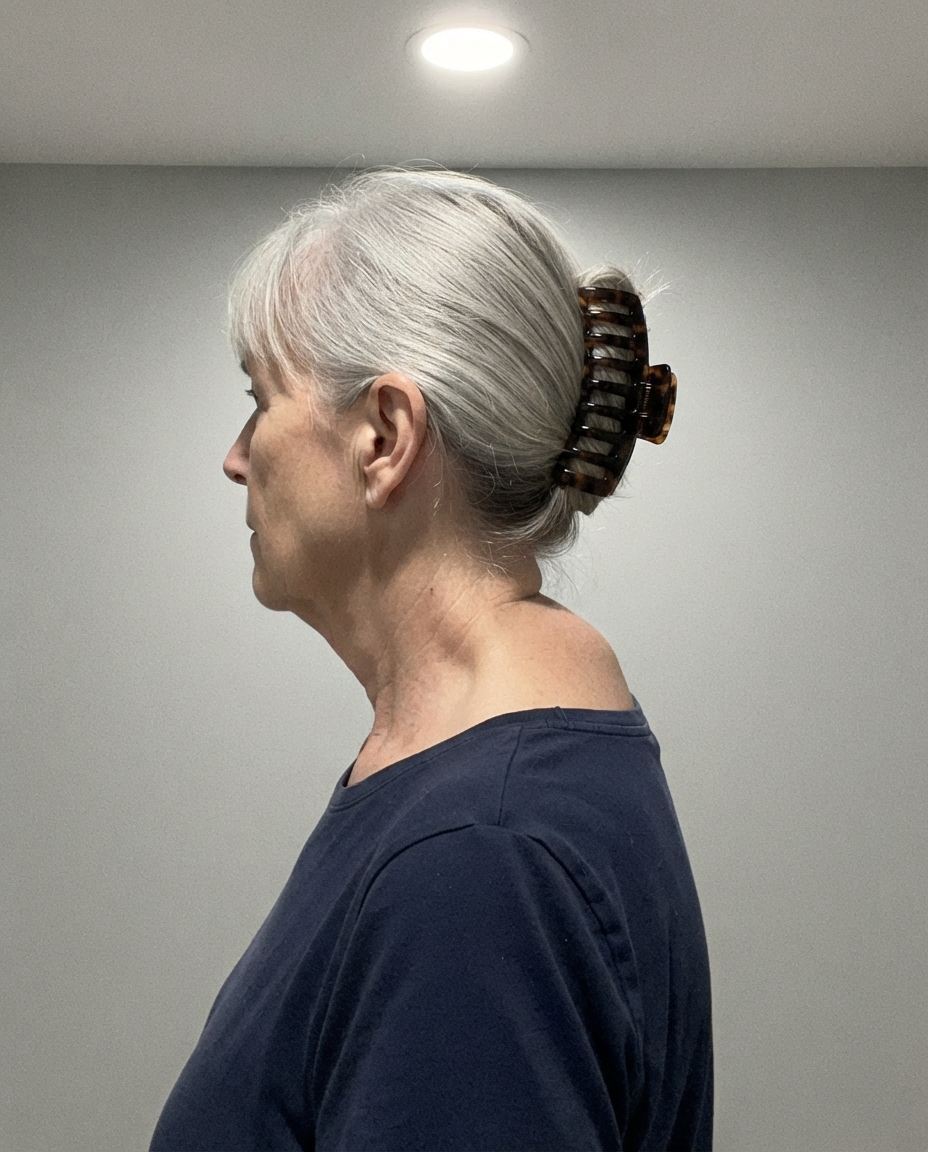
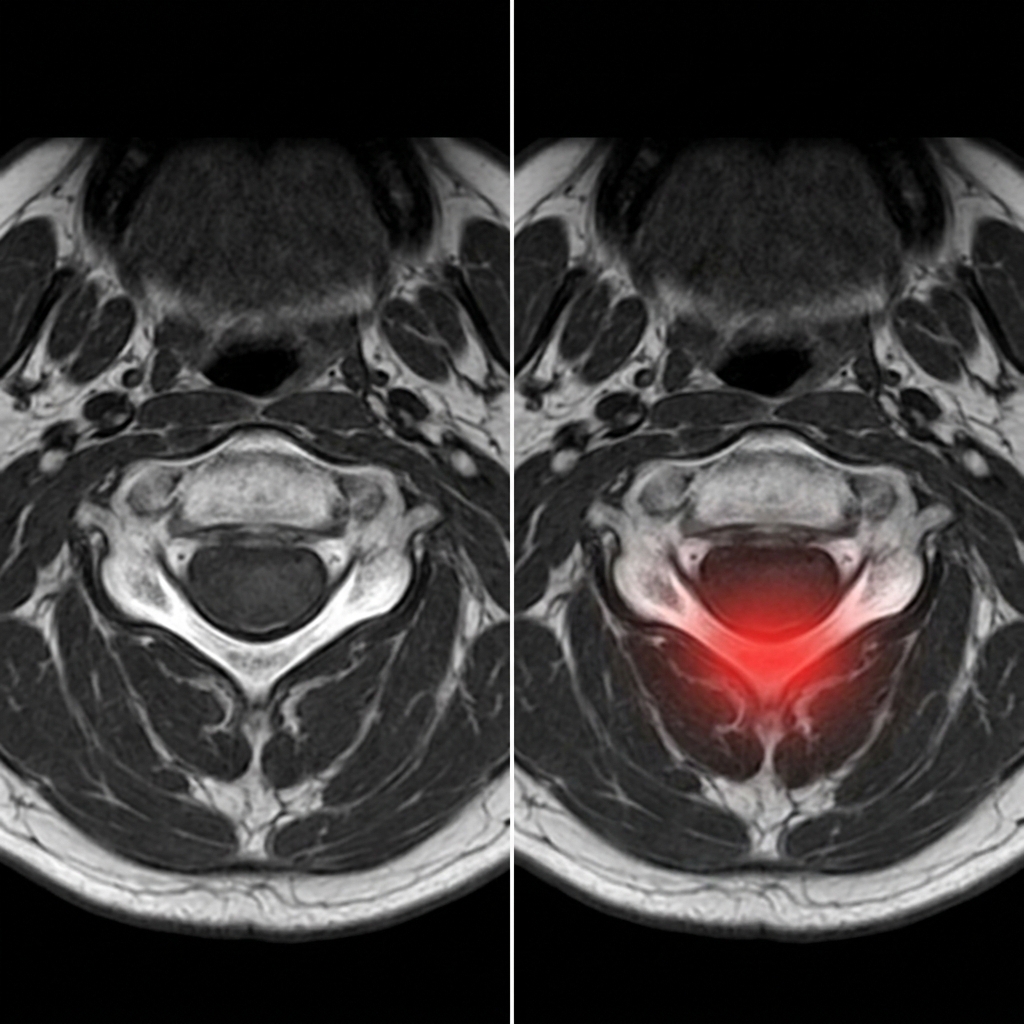
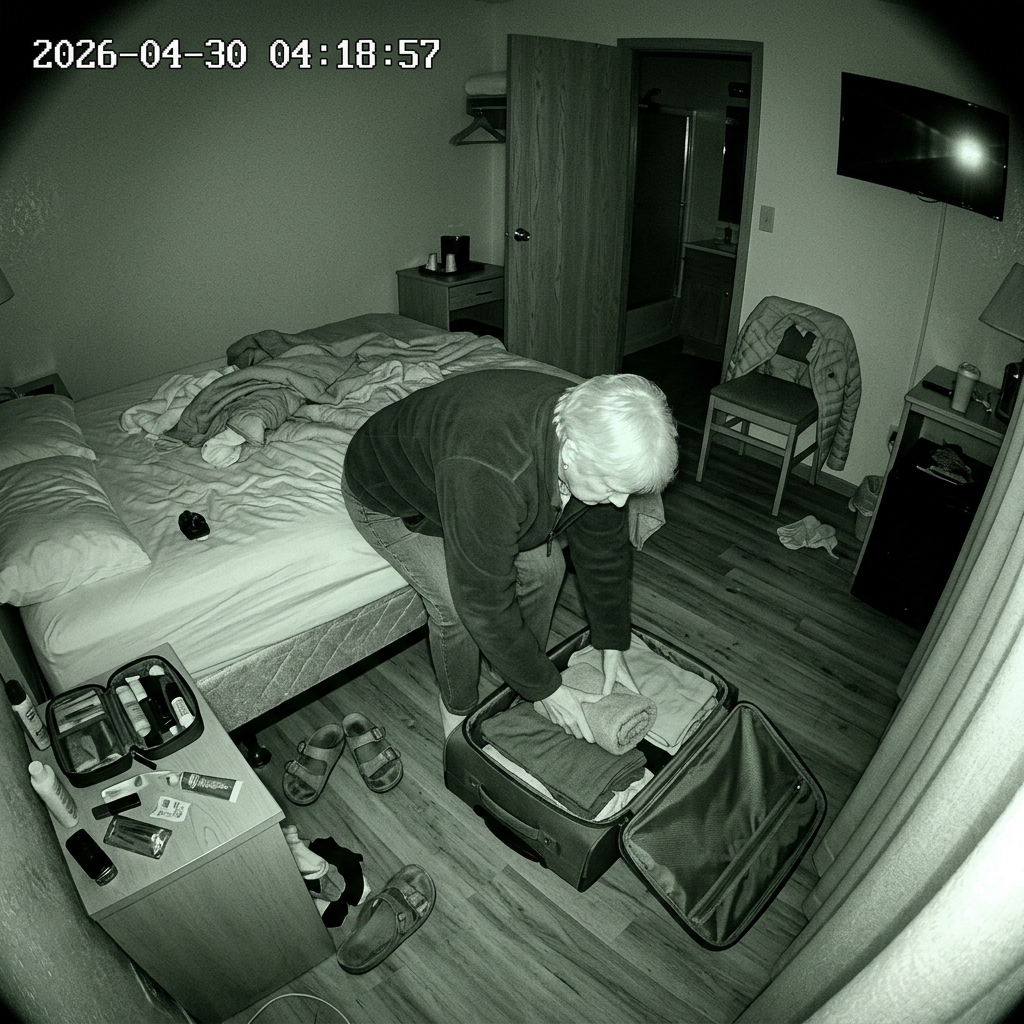
I caught a guest stealing from my bed & breakfast. When I saw what she took and understood why she took it, I couldn't even be mad. In fact, I was crying. Let me explain. My husband Craig and I have been running a five-star guest house for the past 4 years. Lake house, sleeps six, wraparound deck, the works. We've hosted hundreds of guests. We've dealt with guests who left towels on the deck in the rain, someone who somehow broke the hammock on the first night, teenagers who thought the fire pit was a trash incinerator. Normal stuff. Things go missing sometimes — a phone charger, a corkscrew, a towel someone accidentally packs. You chalk it up to the business and move on. But what this woman took — and why she took it — is something I can't stop thinking about. I need to back up and explain what's in each guest room. Because that's where this starts. I leave a small wellness tray on the bedside table for guests — a glass of water, a few herbal tea bags, and a Cevera in a small cloth pouch. There's a handwritten card next to it that says: "Cevera posture release tool — lie back on the two foam nodes for 10 minutes before bed. Great after a long drive." Most guests try it the way they'd try a complimentary eye mask or a lavender sachet. It's hospitality. Nobody thinks twice about it. But about 6 months ago, the checkout reviews started shifting. "Woke up without calculating my outfit for the first time in months. Don't know what you put in that pouch but I'm taking the card home." "My morning neck tightness was completely gone by day two. That has NEVER happened on vacation." "Felt more ease in 3 days at your place than I've felt in the past year. What was that tool on the bedside table?" Now — I knew what was in that pouch. I'll explain why later. But what I didn't expect was guests feeling anything from a three-night stay. It took me weeks to see real changes. I figured a few days of ten-minute sessions wasn't enough time to move the needle for anyone. I was wrong. The comments kept clustering around the same thing. And they were too specific. Morning calculation gone. Wardrobe chosen in minutes. Presence they hadn't felt in years. Getting dressed without strategy for the first time in months. That wasn't vacation. That wasn't the lake air. That was the first-session effect I'd seen happen once before — in my own bedroom — happening to strangers who had no idea what they were using. One couple — both in their late 60s — rebooked for the following month specifically because the wife told her husband she hadn't chosen her clothes without calculating in three years and she wanted to come back "to whatever was in that pouch." A retired teacher extended her stay by two nights because she said she'd stood at the front of a group photo for the first time since she couldn't remember when. She kept looking at the photo on her phone at the kitchen counter like it belonged to somebody else. Something was happening. Something real. Then last month, a woman named Diane checked in on a Thursday with her husband. Nice couple. Mid-60s. She was warm, chatty, organized — had the kind of energy where you could tell she was the one who held everything together. Her husband was quieter. Moved carefully. Smiled politely but there was something behind it. Something dimmed. They stayed three nights. On checkout morning, Diane left the place spotless. Towels folded. Dishes done. A thank-you note on the counter. But when I went to flip the house for the next guest, something was wrong. The Cevera was gone. Not the tea bags. Not the water glass. The Cevera in the cloth pouch that sits on the bedside table. Gone. It wasn't in the bathroom. Wasn't under the bed. Wasn't behind the nightstand. I checked every drawer, every shelf, every corner of every room. The pouch was simply missing. I pulled up the camera footage from the common area — we have a disclosed camera in the living room that guests know about. Standard security. Nothing hidden. And there it was. 5:22 AM on checkout day. The house was dark. Diane walked out of the bedroom, crossed the living room, went straight to the bedside table. She picked up the pouch. Looked over her shoulder. Tucked it into her suitcase. Zipped it shut. She took the whole thing. My first reaction was frustration. Not because the tool was expensive — it wasn't, really. But because the next guest was arriving in four hours and I'd have to drive 40 minutes to my house to grab the spare. But that frustration lasted about ten seconds. Because I thought about the retired teacher standing at the front of a photo. The couple who rebooked. Every review from every guest who'd used the tool for ten minutes expecting nothing and walked out three days later feeling like a different person. This woman used that tool for three nights. And whatever happened to her — or to her husband — was enough that she couldn't leave without it. That's not theft. Not really. That's someone who found something and was terrified of losing it. I texted her: "Hi Diane — hope you and your husband had a wonderful stay. I noticed the Cevera is missing from the bedside table. Everything okay?" Forty-five minutes later, my phone rang. She was crying. Not the polite kind. The ugly kind. The kind where someone has been holding something in for a long time and it finally comes out. "I'm so sorry," she said. "I know it was wrong. I'll pay for it. I'll pay you whatever you want. I just —" She stopped. Took a breath. Started again. "I've been on a twice-weekly adjustment protocol for almost five years. My measurements are perfectly stable. My practitioner is thrilled. Every six months they assess and every six months she says 'looking great, Diane, keep doing what you're doing.'" Her voice got harder. "But I'm NOT great. I haven't been great in years." "The wardrobe started first. About a year into the protocol. Everything I used to wear just started feeling wrong. Then the photos. Then the invitations I stopped accepting. My husband Don used to say I was the most confident woman in any room. Now I calculate every room before I walk into it." "Last Christmas he looked at me across the table and said 'You used to love getting dressed up.' I didn't know what to say. He was right. I used to." I sat down on the bed. My legs went weak. "My practitioner says the tissue building is normal. Says it happens with aging. Told me to keep attending and stay consistent. The wardrobe calculation? 'That's just self-consciousness, Diane. Totally normal at your age.'" Her voice broke. "It's not self-consciousness. I've been living in this body for 64 years. I know what self-consciousness looks like. This is different. Something is being taken from me. I've been watching it happen for four years and nobody will listen to me." I was gripping the phone so hard my knuckles were white. "That tool on your bedside table," she said. "I didn't know what it was. I thought it was a neck pillow. I used it Thursday evening because my neck was stiff from the drive. I lay back on those two nodes for ten minutes before bed." "Seventeen minutes later I looked at Don and said, 'Something let go.'" "He said, 'What do you mean?'" "I said, 'At the base of my skull. Something that's been tight for years. It just let go.'" She was sobbing now. "Friday morning I opened the wardrobe and reached for something I haven't worn in two years. Just reached for it. Didn't calculate. Just put it on and walked out." "Don noticed before I said anything. He just looked at me for a moment and then he said: 'You look like yourself.'" "By Saturday I stood at the front of a photo at a family gathering in the village. First time in three years. I didn't think about it. I just stood there." "And Sunday morning — checkout morning — I was packing the suitcase and I looked at that pouch on the bedside table and I thought: I cannot go home. I cannot go back to what I was before we got here." "I panicked. I knew it was wrong. I took it anyway. Because I'd watched myself come back to life over three days and I could not — I could NOT — let that end." She was crying so hard I could barely hear her. "I haven't felt like that in years. I forgot what it felt like to just get dressed. I forgot what it felt like to walk into a room without calculating it first. I got my life back for three days and then checkout was going to take it away again." That's the part where I started crying. Sitting on the edge of the bed in my own guest house, tears running down my face, listening to this woman describe my own life back to me. That's what I meant at the beginning. When I saw what she took and understood why she took it — I couldn't be mad. Because I've been where Diane is. I've watched the same thing happen to myself. And I know exactly what it feels like to find something that gives you your life back and be terrified of losing it. She could have been telling my story. Word for word. Because two years ago, I was Diane. I started my own management protocol at 57. Different measurements, same slow disappearance. My practitioner called it manageable. Six months in, the measurements were stable. The practitioner was satisfied. And every morning I calculated my wardrobe for twenty minutes and called it getting dressed. The details were different but the shape was the same. Diane stopped accepting invitations. I stopped suggesting them. Diane stepped back from photos. I stopped appearing in them. Diane's practitioner said "that's just aging." Mine said the same thing. Same script. Same dismissal. Same woman sitting across from a practitioner knowing in her bones that something else was happening. What I need to tell you is what I found when I went looking for answers. Because that's the part nobody told me. And it's the reason that Cevera is on my guest house bedside table. One night — 1 AM, couldn't sleep — I was sitting at the kitchen table with my laptop. Craig was asleep in his chair again. I was staring at my own reflection in the dark window above the sink. The line at the base of my neck. The thing I'd been managing for four years without it ever actually changing. The management was managing the measurements. It wasn't managing the lock. I started researching. Not "posture exercises for neck hump." I'd already wasted months on that — foam rollers, cervical pillows, posture apps, standing desks. None of it touched the tissue or the calculation or the disappearance. I researched WHY. Why was the management doing nothing? And I found something that changed everything. It was a long post on a manual therapy forum. Written by a retired physiotherapist. Twenty-seven years of practice. She'd left clinical work because she said she couldn't keep putting patients on management protocols that she now understood were maintaining a cycle she'd spent her career trying to end. I almost scrolled past it. But her credentials checked out. Her writing was precise. Clinical. Not angry — just tired. Like a woman who'd spent decades doing something she'd finally realised was incomplete. She explained what adjustment actually does inside your cervical structure. "Adjustment mobilises the cervical joint above the suboccipital contracture," she wrote. "The joint moves. The tissue feels different for a session. But the suboccipital muscles at C1-C2 — the ones that are supposed to release after every forward movement and return the head to center — remain locked in their chronic neurological contracture underneath. Within 24 to 48 hours, the contracture re-engages. The head returns to forward. The tissue keeps building." I thought about my wardrobe. The calculation that never ended. "The standard response is to attend more frequently. But the contracture that drives the tissue accumulation is never directly addressed at any frequency. The proprioceptive receptors at C1-C2 that generate the release signal require three simultaneous inputs: exact anatomical placement at the two suboccipital pressure points, gravity-assisted sustained delivery through the patient's own head weight, and minimum eight to ten minutes of uninterrupted hold. Standard adjustment delivers none of these at the contracture address." I thought about the photos I'd stopped appearing in. "The entire cervical management system depends on practitioners never explaining this. If patients understood that the contracture is the source and that adjustment mobilises above it without reaching it, they would ask why they're attending sessions that cannot release the lock. So practitioners describe the measurements as 'stable' while the tissue and the life reorganisation continue to advance." I read that paragraph three times. The foam roller I'd bought? Applied broad pressure to the thoracic spine — the wrong address. The cervical pillow? Supported the curve from below without compressing C1-C2. The posture app? Reminded me to sit up straighter while the contracture below kept pulling. Every tool I'd found was working above the contracture or around it. Nobody was reaching the lock itself. This physiotherapist had walked away from 27 years of practice because she'd watched her patients reorganise their lives around a problem that their management could only monitor, not resolve. I closed my laptop at 3 AM. Opened it again at 5. I found the tool she'd referenced in a follow-up post. Cevera. Two precision foam nodes positioned for exact C1-C2 placement. Gravity-assisted delivery through your own head weight. Ten-minute protocol before sleep. All three inputs simultaneously at the exact anatomical address where the proprioceptive receptors live. Most cervical tools miss one or more of the three inputs. Wrong placement — broad thoracic pressure instead of exact C1-C2. No sustained delivery — intermittent pressure lasting seconds. No hold duration — nothing close to the eight to ten minutes required for the receptor activation threshold. Cevera delivers all three simultaneously. The hold duration matches what the research used. The node placement is engineered for the exact anatomical address. The gravity-assisted delivery is your own head weight — consistent, uninterrupted, non-fatiguing. I ordered it that morning. Craig thought it was a neck support pillow. I didn't correct him. I just set it on the bedside table that evening and said "I'm trying something." Seventeen minutes after my first session I sat up and said out loud to nobody: "Something let go." I was in the bathroom and my throat closed up. By week two, I was getting dressed in under ten minutes. I know that doesn't sound like much. But I'd been spending twenty minutes calculating every morning for three years. By week three, I suggested we have dinner with another couple — friends we hadn't seen in over a year because I'd been declining everything. Craig looked at me for a moment before he said yes. He knew what it meant. By week six, he got his camera out. We hadn't taken photos together in two years. Not proper ones. He took one in the kitchen while I was making coffee. He showed it to me afterward. I looked at it for a long moment. "I look like myself," I said. "You do," he said. "For the first time in a while." I cried. Not sad crying. The other kind. At my assessment six weeks later, my practitioner measured my forward head translation. She measured again. And again. "1.8cm, Sarah," she said. She pulled up the chart. Twelve weeks earlier: 2.8cm. Today: 1.8cm. She looked at me. Really looked at me — not at the chart. "You look different," she said. "Before I even measured. You walked in here differently." "I feel different." She put her glasses back on. "Whatever you're doing — keep doing it." She didn't tell me to come back on the management schedule. First time in four years. A few weeks after my assessment came back, we were at the guest house doing a maintenance weekend between guests. I left the Cevera on the bedside table out of habit — it's just part of the room now. I watched Craig make coffee at the kitchen counter and I thought about all the guests who come through this house. The ones who move carefully around themselves. The ones whose partners look at them with that quiet concern I know too well. The ones who choose their seat based on where the camera isn't pointed. I went home that afternoon and ordered a spare Cevera for every room. Left it in a cloth pouch on the bedside table. Wrote a card: "Cevera posture release tool — lie back on the two foam nodes for 10 minutes before bed. Great after a long drive." Didn't overthink it. Just did it. That was six months ago. And those guest reviews I told you about at the beginning? Now you know why they don't sound like hospitality reviews. Because they're not hospitality. They're what gave me my life back. So here's what I told Diane on the phone that day: "Keep the Cevera. But let me send you the link so you can order your own. Because that tool will be there when you need it. And when you're back home and the protocol starts again and the calculation comes back — you'll want it." She laughed through her tears. "Deal." I sent her the link that afternoon. She ordered two. Three weeks later she texted me a photo. Diane at a family dinner. Open neckline. At the front of the table. No calculation visible in the way she was standing. Her caption: "I have my life back." I printed that photo. It's on my fridge next to the thank-you note she left on the counter. If you're reading this, I know exactly where you are. You've been watching yourself disappear. The wardrobe that reorganised itself. The photos you stopped appearing in. The invitations you stopped accepting. The woman who used to walk into every room without calculating it first. And the practitioner keeps saying the measurements look stable. The chart looks managed. Keep attending. But the chart isn't living your life. You are. You've been treating above the contracture. The whole time. One path: keep attending the sessions. Keep watching the slow reorganisation. Keep hearing "that's just aging" while you know in your bones it isn't. Keep hoping the adjustment that mobilises above the contracture will somehow reach it — even though the mechanism says it can't. Another path: give the cervical structure what it's actually missing. Deliver the three inputs directly to C1-C2. Address the dormancy that the adjustment doesn't touch. Track the measurements. Watch them improve. Watch yourself improve. Verify the results yourself. I chose the second path. Diane chose the second path. My assessment is living proof. Diane is becoming proof. 👉 https://trycevera.com/pages/adv-womens-wellness-report — Sarah P.S. — I never charged Diane for the Cevera. But she's ordered two more since checkout and left us a five-star review that said: "This place gave me my life back. I don't know how to rate that. Five stars isn't enough." Craig read it over my shoulder and squeezed my hand. If you've been managing a neck hump and you've been watching yourself dim — the wardrobe, the photos, the half-finished mornings — the tool on my guest house bedside table is Cevera. That's what Diane took. That's what I use every evening. That's what I leave for every guest who walks through our door. P.P.S. — Here's my challenge for you: lie back on the two foam nodes. Let your head weight settle. Set a timer for ten minutes. If you don't feel something release at the base of your skull — a quiet, like something that's been held for years finally letting go — then maybe this isn't for you. But if you feel it — and almost everyone who's tried the one from my bedside table has felt it — that's not placebo. That's the proprioceptive receptors at C1-C2 finally receiving the three inputs they've been waiting for. Something the adjustment has never delivered and never will. The tissue reduction takes weeks to show up on assessment. But that first-session release? That's your cervical structure telling you: finally — something that actually gets where it needs to go. P.P.P.S. — Cevera has a 90-day money-back guarantee. If your measurements don't improve, every penny back. No questions asked. Compare that to the management protocol on your calendar — which comes with a lifetime commitment and a practitioner who watches the chart instead of the woman. I was on a management protocol for 4 years. Nobody offered a refund when it reorganised my wardrobe and took my confidence. The system doesn't do refunds. Cevera does. P.P.P.P.S. — Cevera is a small company. They sell out. I know because I tried to reorder for the guest house after Diane took the pouch and had to wait 9 days for a restock. I keep three now — one for me, one for Craig, and one backup for every room. If your next assessment is in 30 to 60 days and you want to walk into that appointment with real measurements instead of the same stable chart — check if they have stock today. Not next week. Now. Every day without addressing the contracture is another day the cycle keeps spinning. Don't let checkout day be the thing that takes you back. P.P.P.P.P.S. — Do not forget about their 90-day money-back guarantee. 👉 https://trycevera.com/pages/adv-womens-wellness-report
Fix Your Neck Hump At The Source
Cevera is a precision-engineered suboccipital release tool designed to selectively reactivate the dormant proprioceptive receptors in your cervical structure — at the exact C1-C2 address, right where chronic neck hump buildup actually starts.
LEARN MORELike this ad? Make it yours.
Crush rebuilds this exact creative around your product — your brand, your colors, your offer — in about a minute.