
Inactive· since Feb 6, 2026
- 4
- days it ran
- 1
- relaunches
Ad copy
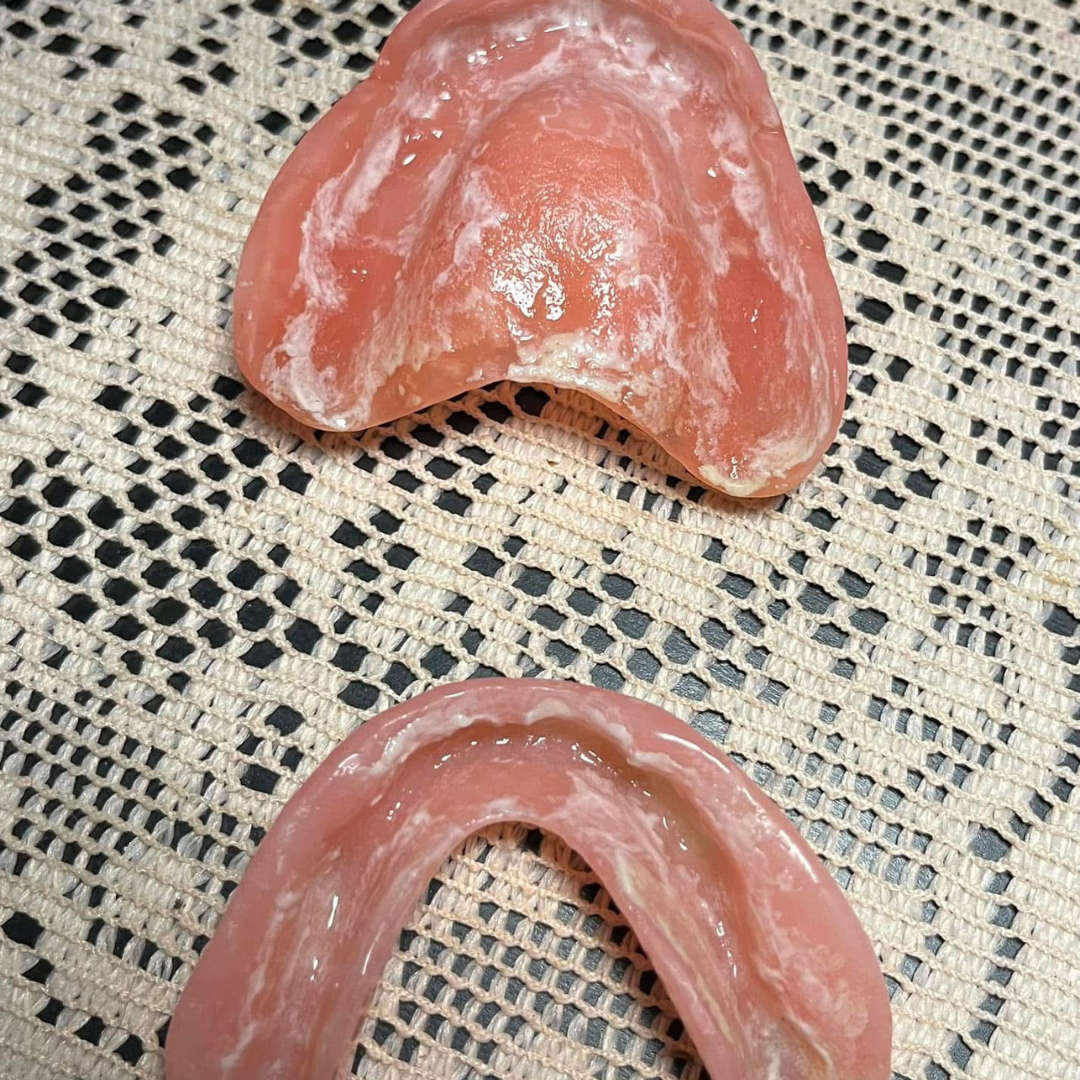
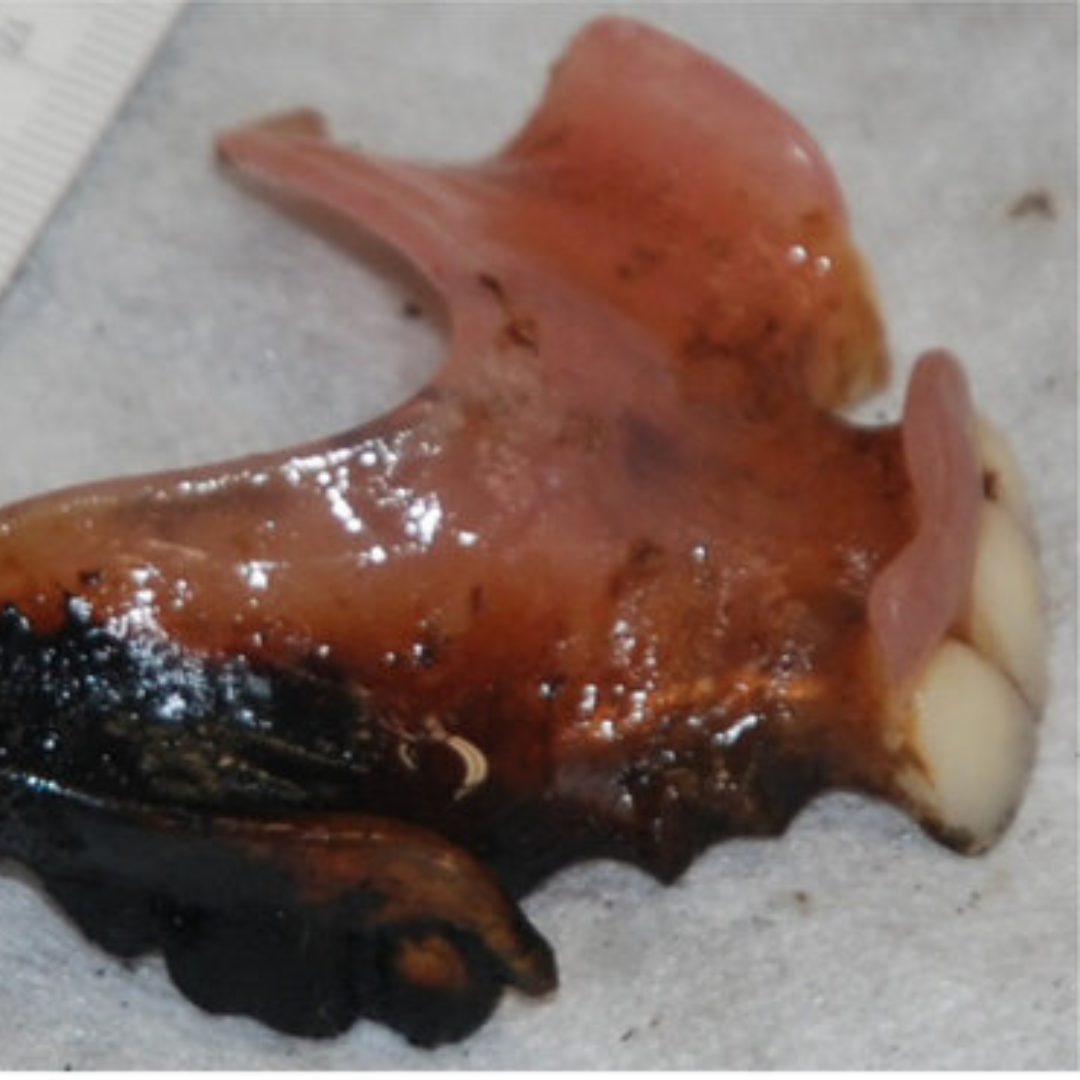
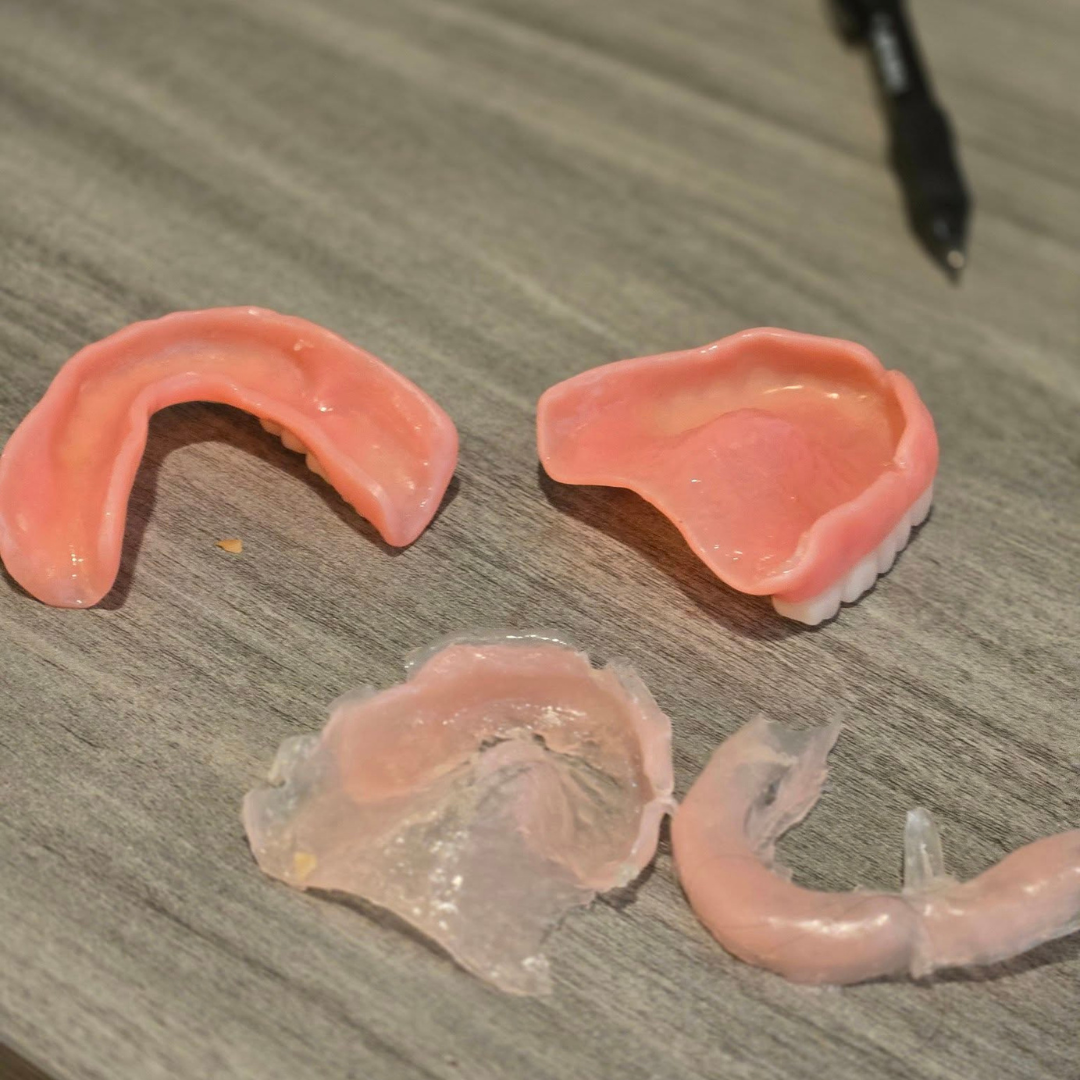
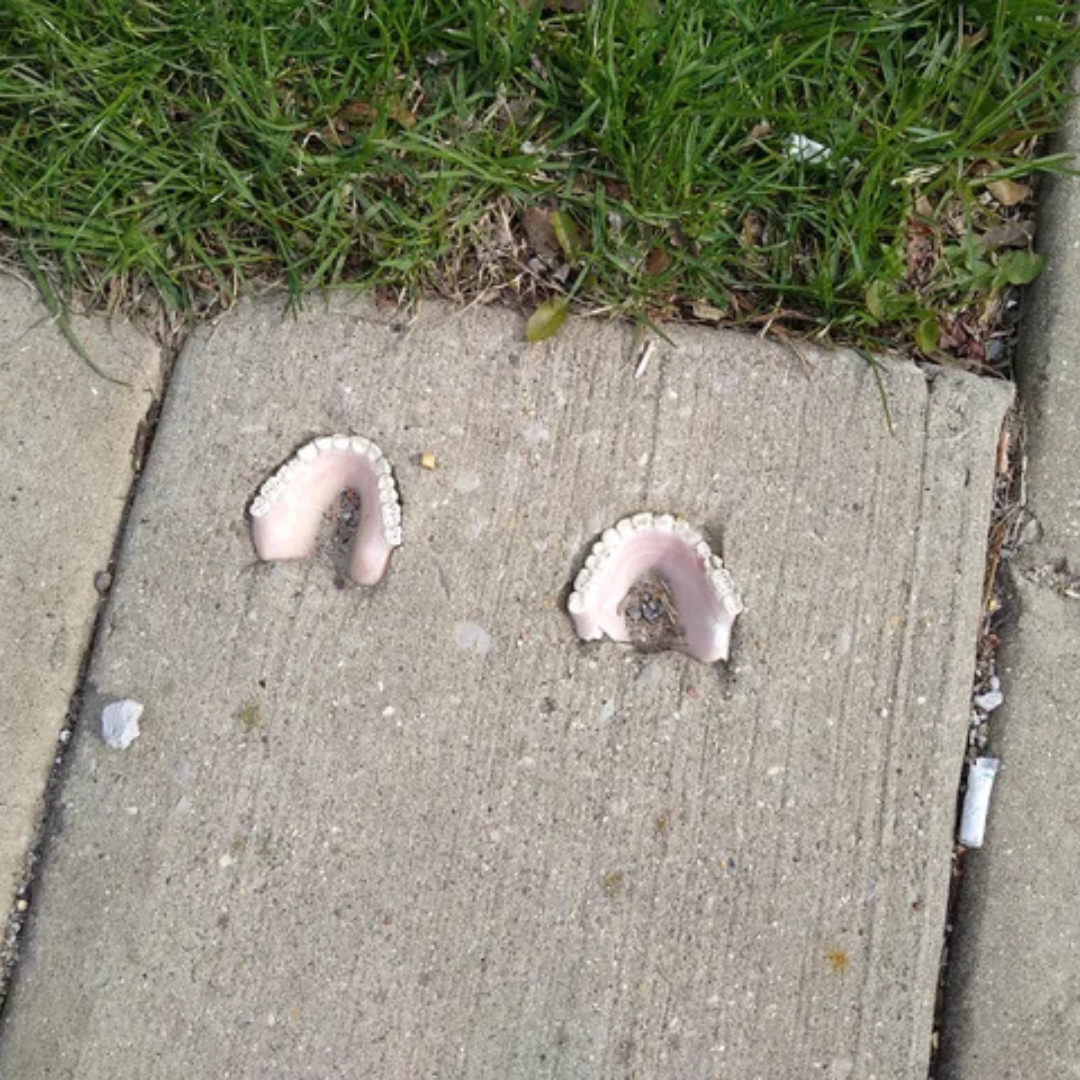
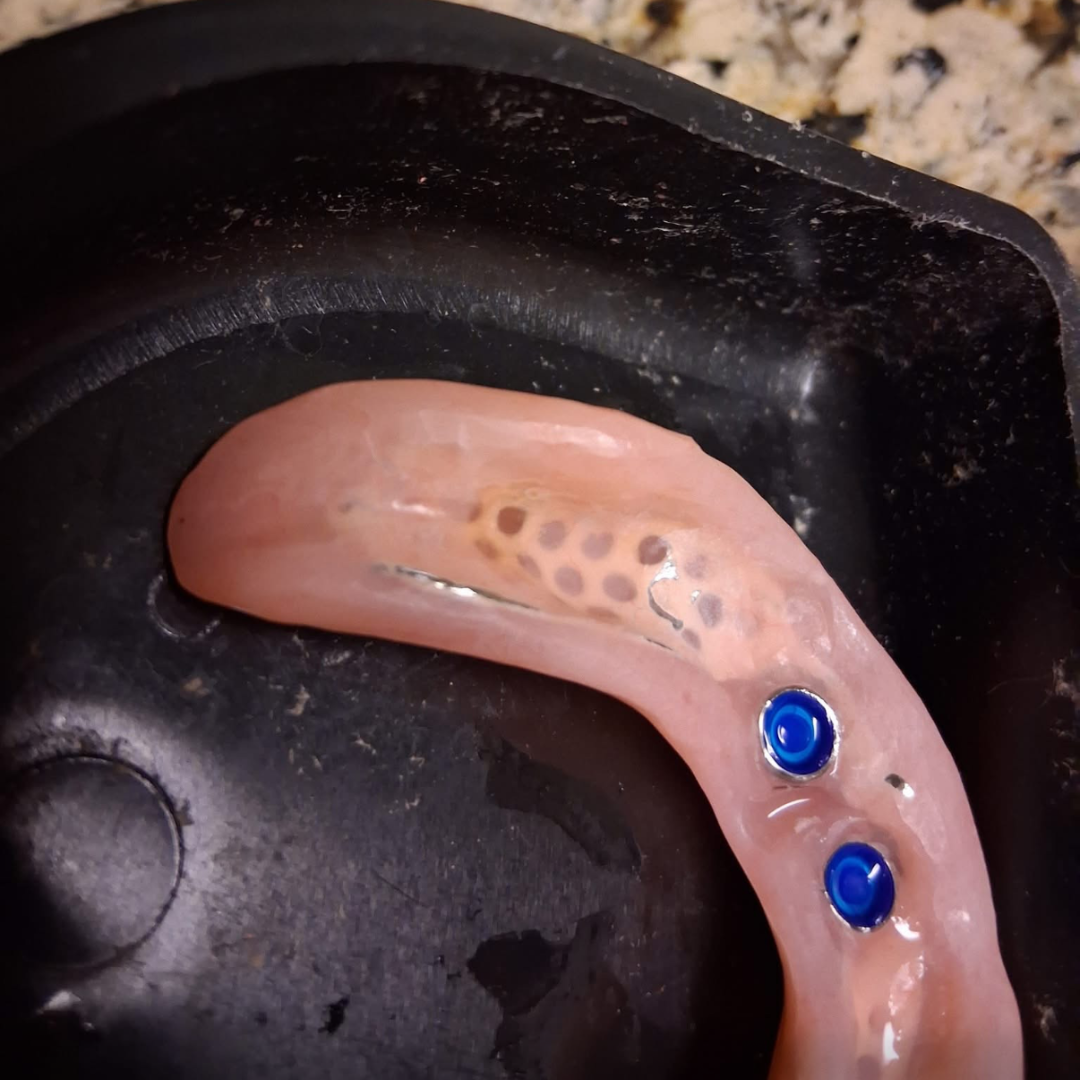
My son asked me to share this. I told him it was too personal. Too frightening. That people would think I was being dramatic. He said: "Mom, if it stops one person from going through what you went through, it's worth it." So here it is. Last spring, I had a stroke. Not a massive one—but enough. Enough to paralyze my left side for three minutes that felt like three hours. Enough to slur my speech so badly my husband thought I was dying in front of him. Enough to land me in an MRI machine, praying to God it wasn't permanent. The doctors ran every test. MRIs. Blood panels. Carotid ultrasounds. Genetic screening. My cholesterol was normal. My blood pressure was normal. No family history. No warning signs. I didn't fit the profile. "Then what caused it?" I asked. The neurologist hesitated. Then he asked me a question I never saw coming: "Do you wear dentures?" Let me back up. I got my teeth eight years ago. Root canals that failed. Bone loss. Gum disease. The whole cascade. Pretty standard for anyone over sixty-five. Happens to millions of Americans every year. And as a former nurse, I thought I was doing everything right. I brushed them every morning with denture paste. I soaked them in Polident three nights a week. I went back for adjustments when the fit felt off. I did exactly what I was told. But about two years before my stroke, I started noticing things weren't right. I'd wake up exhausted—like I hadn't slept at all. My joints felt rusty in the mornings. My gums were constantly sore and inflamed. And I had this strange metallic taste in my mouth that wouldn't go away no matter how much I brushed. I went to my doctor. Everything came back normal. She told me: "You're sixty-eight. This is just what aging looks like." So I tried everything. Walking every morning. Mediterranean diet. Turmeric, fish oil, vitamin D. Nothing changed. If anything, I felt worse. Then about six months before my stroke, I started waking up at 3 a.m. every night. Wide awake. Heart racing. Low-grade panic for no reason. I felt like I was falling apart. And nobody could tell me why. Then one morning last April, I was making coffee. It was a Tuesday. 6:47 a.m. Nothing special about it. I reached for a mug—the blue one my daughter gave me for Mother's Day—and my left arm went completely dead. Not numb. Not tingling. Dead. Like someone had reached inside my shoulder and cut the strings. I tried to set down the mug but my hand wouldn't respond. The mug fell and shattered on the tile. I tried to say "I'm okay" but what came out was garbled nonsense. My husband came running, took one look at my face—the left side drooping—and called 911. His hands were shaking when he dialed. My husband has been through two surgeries, a car accident, and the death of his brother. I've never seen his hands shake. That's when I knew how bad it was. In the ambulance, I kept trying to wiggle my fingers. They wouldn't move. I kept trying to say my name. "Linda Harrison. Linda Harrison." It came out wrong every time. I thought: This is it. This is how it ends. At the hospital, the neurologist went through every possible cause. My cholesterol was normal. Blood pressure was normal. No family history. I didn't fit the profile. "Then what caused it?" I asked. He hesitated. "We found bacterial endotoxins in your bloodstream. They triggered inflammation that caused the clot." "From where?" He looked at my chart. "Do you wear dentures?" My stomach dropped. "Yes. For eight years." "How do you clean them?" "I brush them with denture paste. I soak them in Polident three nights a week." He nodded slowly. "That's what most people do. Unfortunately, it's not enough." He pulled up images on his computer. Showed me what biofilm looks like under a microscope. Sticky. Layered. Crawling with bacteria. "Dentures are porous," he said. "They're made of acrylic. Under magnification, the surface looks like a sponge—thousands of microscopic tunnels and crevices." He pointed to the screen. "Bacteria don't just sit on the surface. They embed deep inside, forming colonies that brushing and soaking can't reach. Over time, those bacteria release toxins that enter your bloodstream through irritated gum tissue." He paused. "In your case, that chronic inflammation triggered a clot." I felt like I'd been punched in the chest. I went home terrified. Terrified to sleep. Terrified to wear my dentures. But also terrified not to. What if it happened again? I'd been a nurse for thirty-five years. I'd treated stroke patients who never recovered. Who lost speech. Mobility. Independence. I kept imagining my husband finding me unresponsive. I started setting alarms every two hours at night. Just to make sure I could still move my arms. Still speak. My husband would find me sitting on the edge of the bed in the dark, wiggling my fingers, repeating my name. "Linda Harrison. Linda Harrison. Linda Harrison." He begged me to talk to someone. But I didn't want therapy. I wanted to fix the problem. Here's what no one tells you about dentures: They're not teeth. They're acrylic. Porous acrylic. Under a microscope, the surface of your dentures looks like a sponge—thousands of microscopic tunnels and crevices that are completely invisible to the naked eye. And living inside those pores is something called biofilm. You can't see it. You can't feel it. You can't smell it—at least, not until it gets bad enough. But it's there. A living, growing colony of bacteria that embeds itself deep inside the acrylic, protected by a sticky matrix that shields it from everything you're currently using to clean your dentures. Brushing can't reach it. Soaking tablets can't dissolve it. Mouthwash just washes over it. They only kill what's on the surface. The bacteria underneath keep multiplying. Keep releasing toxins. Keep triggering your immune system day after day, night after night. And your body responds the only way it knows how: Inflammation. Not the kind you can see or feel right away. The slow kind. The kind that builds up over months and years until one day it shows up as something else entirely: Sore gums that never seem to heal. Morning stiffness that won't go away. Brain fog that makes you feel ten years older than you are. A metallic taste you can't get rid of no matter how much you brush. And in some cases—too many cases— A clot. A stroke. A moment in your kitchen when your arm stops working and you realize you're not okay. Here's the part that should make you angry. Your dentist knows about this. The dental industry has known for decades. How do I know? Because when you go to the dentist for a cleaning—when they take your dentures into the back room— They don't brush them. They don't soak them in Polident. They use ultrasonic cavitation to break apart biofilm at a frequency that penetrates deep into the acrylic. They use UV-C sterilization—the same technology hospitals use to sterilize surgical instruments—to kill bacteria at the DNA level. That's the standard of care. In the office. For professionals. They just never told you to do it. Think about that for a moment. The very people who sold you these dentures—who told you to "brush and soak"— Use completely different technology when they clean them. And they never once suggested you do the same. Why? Because brushing keeps you coming back. Soaking keeps you buying tablets. Relines keep you paying $400 every six months for temporary relief. And when things get bad enough, they can always sell you on implants— If you can afford them. If you can't? You just keep managing. Keep suffering. Keep thinking this is just what life with dentures looks like. It's not. It's what life looks like when you're given tools that were never designed to work. My son lives three hours away. He came to visit two weeks after my stroke. When he walked in, I could see it in his face: He thought he was going to lose me. We sat at the kitchen table. I tried to act normal. But my hands were shaking when I poured the coffee. And he noticed. "Mom," he said quietly. "You're not okay." I started crying. I hadn't cried in front of him since his brother died. I told him everything. The 3 a.m. panic. The alarms. The terror of wearing the thing that almost killed me every single day. He didn't say anything for a long time. Then he said: "I'm going to figure this out." Four days later, he called. His voice sounded urgent. "Mom. I think I found something." When he showed up that weekend, he was carrying a box. "Before you say anything," he said, "I know you're skeptical. But just... trust me. Please." He pulled out a small black device. "It's called a Denture Dome. It uses ultrasonic cleaning and UV-C sterilization to kill bacteria. Hospital-grade. The same technology they use to sterilize surgical instruments." He looked at me. And I saw something in his face I hadn't seen since he was a little boy: Fear. Not fear of the device—fear of losing me. "Mom, I can't watch you live like this. Terrified every night. Please." I spent thirty-five years as a registered nurse. I've seen every "miracle cure" scam in existence. Every late-night infomercial gimmick. Every supplement that promises the moon and delivers nothing. But I realized: He's not trying to sell me something. He's trying to save me. So I said yes. That night, I read the research he'd sent. Study after study linking denture bacteria to systemic inflammation, cardiovascular disease, stroke. And I kept thinking: Why didn't I know this? I worked in hospitals for thirty-five years. I saw thousands of stroke patients. Why did no one ever ask them about their dentures? Because we're still treating dentures like it's 1965. Brush them. Soak them. Hope for the best. But dentures are a medical prosthetic. They sit in your mouth sixteen to twenty hours a day. If we treated surgical instruments the way we treat dentures, we'd be shut down by the health department. You can't sterilize a scalpel by soaking it in Polident overnight. So why do we think that works for dentures? It doesn't. The bacteria embed too deep. You need ultrasonic vibration to break it apart. And you need UV-C light to kill it at the cellular level. Let me explain what actually happens inside the Denture Dome. It's not magic. It's not a miracle. It's the same technology that's been used in dental offices and hospitals for decades—miniaturized for home use. First: Ultrasonic Cavitation. The device generates high-frequency sound waves—40,000 cycles per second—that create microscopic bubbles in the cleaning solution. Those bubbles form and collapse thousands of times per second. Each collapse creates a tiny shockwave that penetrates deep into the pores of the acrylic—deeper than any brush bristle, deeper than any soaking solution can reach. It physically breaks the biofilm loose from the surface. Not just the bacteria you can see. The bacteria hiding inside. Second: UV-C Sterilization. Once the biofilm is broken loose, UV-C light at 253.7 nanometers—the same wavelength used in hospital sterilization equipment—destroys the bacteria at the cellular level. It doesn't just kill them. It damages their DNA so they can't reproduce. This is the same technology used to sterilize surgical instruments between procedures. The same technology your dentist uses on your dentures when you're not watching. The difference is: now you can use it every night. At home. With the push of one button. I used it that first night. When I lifted my dentures out, the water was cloudy. Particles floating everywhere. I had brushed those dentures that morning. I thought they were clean. They weren't. I ran my finger across the surface. Smooth. Not just clean—smooth. Like glass. No film. No residue. No tackiness. I put them back in my mouth. And for the first time in years—maybe the first time ever— They didn't taste like anything. No metallic bite. No chemical film. No ghost of adhesive or soaking solution. Just clean. I stood in my bathroom at eleven p.m. and cried. Not because of the dentures. Because I realized I'd been blaming myself for years. Thinking I wasn't cleaning right. Wasn't managing right. Wasn't trying hard enough. And the whole time, I was following instructions that were never designed to work. The first week, the metallic taste was gone. My gums stopped bleeding when I brushed in the morning. The second week, I started waking up without that heaviness. You know the feeling—when you open your eyes and your body already feels tired, like you didn't actually rest. It was gone. My head felt clearer. Sharper. I mentioned it to my husband and he said: "Yeah, you seem more like yourself." The third week, the morning stiffness started easing. I'd been telling myself for years that the creaky joints were just arthritis. Just age. But the inflammation was coming from somewhere. And when I removed the source, my body started calming down. By week four, I slept through the night. All the way through. No waking up at 3 a.m. with my heart pounding for no reason. No lying in the dark wondering if something was wrong. My husband woke up before me and checked to see if I was still breathing. He told me later: "I almost didn't want to wake you. You looked peaceful for the first time in months." But here's the part that mattered most. The part I didn't expect. I forgot about my mouth. I ate an apple at lunch without thinking about it. I laughed at my granddaughter's joke without covering my face. I kissed my husband good morning without that half-second pause where I wondered if something was off. I went entire days—entire days—without once thinking about my dentures. That's not a product benefit. That's my life back. Before you order anything, I need to warn you about something. Not every ultrasonic cleaner is the same. After my stroke, when I started researching this technology, I tested everything I could find. Amazon devices. Walmart specials. Knockoffs from overseas. Most of them were garbage. Here's why: Frequency matters. Real ultrasonic cleaning—the kind that breaks apart biofilm embedded in porous acrylic—requires a frequency of 40 kHz. That's what penetrates deep enough to actually work. Most cheap cleaners on Amazon run at 35 kHz. That's fine for jewelry. Fine for eyeglasses. It does almost nothing for dentures. The bacteria in the deep pores stay right where they are. UV-C wavelength matters too. Real UV-C sterilization—the kind hospitals use—happens at 253.7 nanometers. That's the wavelength that destroys bacterial DNA. Most cheap "UV cleaners" use LEDs at 395 nanometers. They glow blue. They look impressive. They don't kill anything. I spent thirty-five years in medicine. I've been in operating rooms where sterilization is the difference between life and death. I know what real sterilization looks like. The Denture Dome is the only at-home device I've found that delivers: True 40 kHz ultrasonic frequency. Medical-grade 253.7nm UV-C sterilization. A stainless steel tank that won't degrade over time. That's why it works. That's why the $29 Amazon knockoffs don't. I'm not the only one. My sister started using it three weeks after I did. She called me crying. "Linda, I didn't realize how bad I felt until I started feeling good again." That's what chronic inflammation does. It creeps up so slowly—month by month, year by year—that you forget what normal feels like. You adjust. You compensate. You tell yourself "this is just getting older." Until one day you remove the source, and you realize: This isn't aging. This was never aging. My husband uses one now. My former colleague—the one who waited too long and had a TIA before she finally ordered—uses one now. My neighbor down the street, who mentioned her dentures were "acting up" at a barbecue last summer, uses one now. I didn't convince any of them. I just told them what happened to me. They made their own decisions. I went back to my doctor three months after I started using the Denture Dome. Standard follow-up after the stroke. She ran the same blood panel she'd run a dozen times before. And for the first time in two years, my inflammatory markers were normal. Not "improved." Normal. She looked at the results. Then at me. "What changed?" I told her. She wrote it down. Then she said something I'll never forget: "I wish I'd known to tell you this before your stroke." Me too. I need to tell you about my friend Barbara. We worked together in the surgical unit for fifteen years. After I shared my story, she said she was "thinking about" getting a Denture Dome. "Let me do some more research," she said. Three weeks later, the device was sold out. Happens every time a health publication runs a story about dentures and inflammation. Inventory disappears for weeks. "I'll wait for it to come back in stock," she said. Six weeks after that, she called me. She'd had a TIA. A mini-stroke. The warning shot. Her left hand went numb in the middle of making dinner. Her speech slurred for about ninety seconds. Then it passed. She was one of the lucky ones. But when she called me that night, she wasn't thinking about how lucky she was. She was thinking about all the time she wasted. "I saw it in stock three times," she said. "I just kept telling myself I'd do it later." She has the Denture Dome now. Her inflammatory markers are down. Her gums don't bleed anymore. But she knows—and I know—that she spent two extra months at risk. Two months she didn't have to spend. Because she waited. If you've read this far, you already know whether this is for you. You've either recognized yourself in these symptoms— The fatigue. The fog. The metallic taste. The gums that never quite heal. The feeling that something is off, even when the doctors say you're fine. —or you haven't. If you have, I'm going to be very direct with you: Don't wait. Not because I'm trying to sell you something. Because I've been where you are. I've spent years brushing, soaking, adjusting, managing Thinking it was my fault. Thinking I just needed to try harder. Thinking this was simply what life with dentures looked like. It's not. There's another way. The same technology your dentist uses. The same standard of care hospitals use. Now available at home, with one button, every night. The Denture Dome comes with a 90-day money-back guarantee. If you don't feel a difference—if your gums don't feel better, if that metallic taste doesn't disappear, if you don't find yourself forgetting about your mouth for the first time in years— You get every penny back. No questions. No hassle. No argument. But I don't think you'll need it. Because I felt the difference. My sister felt it. My husband felt it. Barbara felt it. Everyone I've told has felt it. The only question is whether you're going to feel it now Or later. And "later" has a cost. I paid that cost. I don't want you to. The Denture Dome is available now—while supplies last. Click below to order yours, and start cleaning your dentures the way they're cleaned in the office. One button. Hospital-grade technology. The missing piece no one told you about. It's time to stop managing your mouth—and start forgetting about it. → Get the Denture Dome Now — Linda Harrison, RN (Retired) 35 years in nursing. Stroke survivor. And someone who wishes she'd found this sooner
Like this ad? Make it yours.
Crush rebuilds this exact creative around your product — your brand, your colors, your offer — in about a minute.