
Active· since Jun 12, 2026
- 96
- days running
- 0
- relaunches
Ad copy
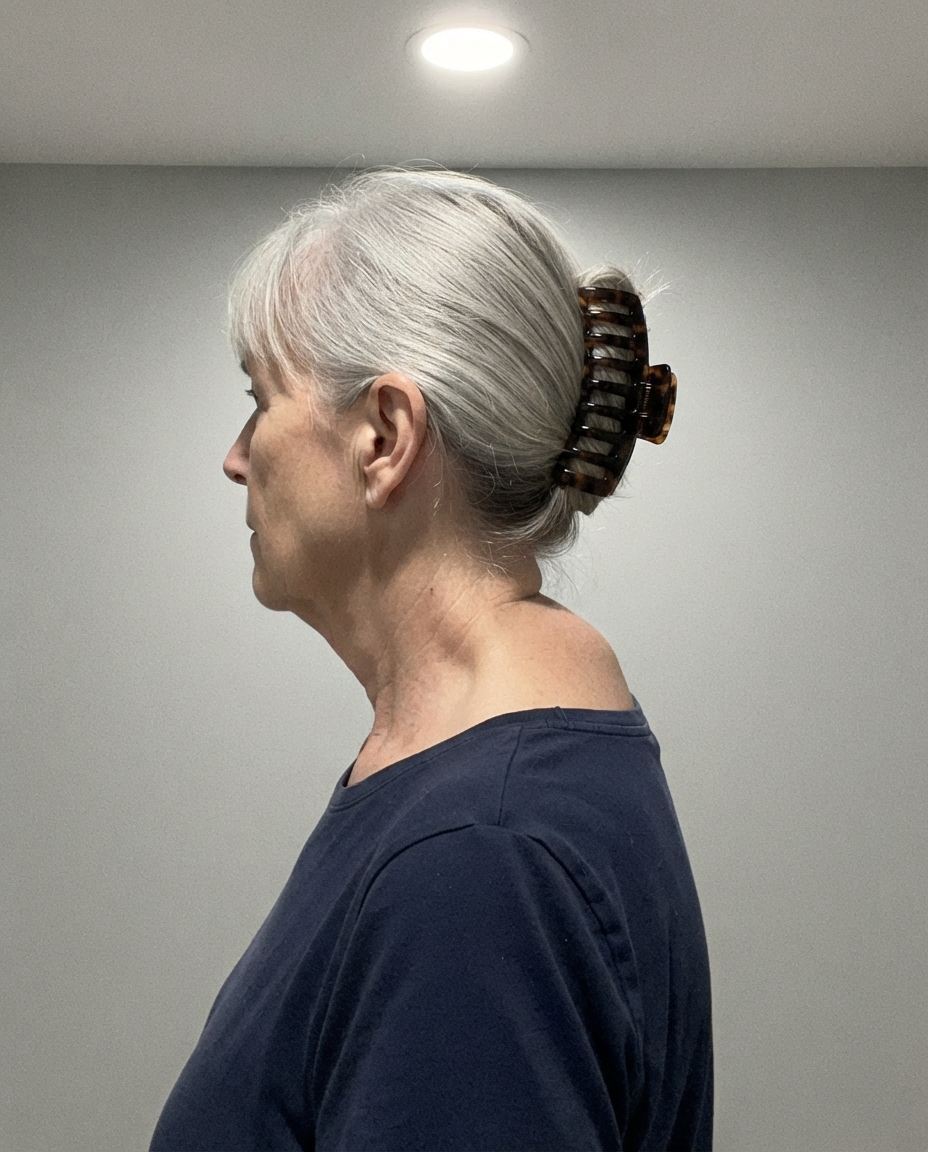
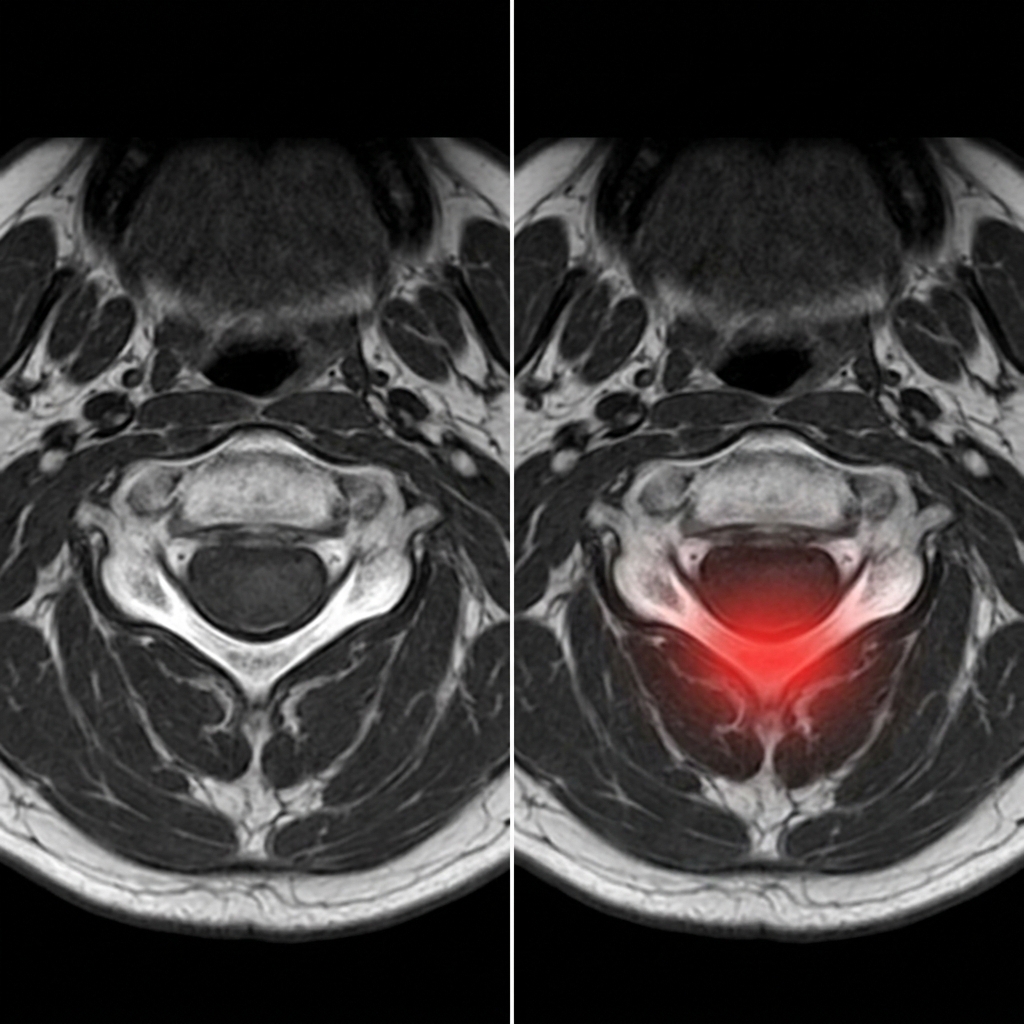
Please stop putting foam rollers on your neck. You are making things worse and I promise you, you don't know it yet. I didn't know it either. For almost a year. I used a thick foam roller on my cervical zone every single morning — a routine I had found online with over 4,000 positive comments. I remember feeling good about that routine. I remember thinking: at least I've got that handled. But I had nothing handled. What I learned from my manual therapist eight months later is something I think every woman managing a neck hump needs to hear before it becomes irreversible. The simple truth is that foam rollers address the surface. That's the only thing they can do. They apply pressure to the upper tissue and release it. So when you use a foam roller on your neck, the pressure lands on the top layer — until the roller has essentially rolled across the surface without ever reaching what's locked underneath. The locked mechanism is at C1-C2 — right at the base of the skull. It is the exact spot where the release signal needs to fire to stop the tissue building. My manual therapist, a woman I'd been seeing for two years, explained it using my own hand. She told me to press my palm flat against my foam roller and push slowly. I did, and I felt the surface yield immediately. "That's what's happening when you use this on your neck," she said. "You're reaching the surface. The mechanism underneath is completely untouched." I sat there for a moment trying to absorb that. "But I can feel it working," I said. "My neck feels looser after." "Right," she said. "Under brief surface pressure, the top tissue responds. But the release mechanism at C1-C2 requires three specific simultaneous inputs held for a minimum of eight to ten minutes to actually fire. A foam roller delivers none of them. Not the exact placement. Not the sustained gravity-assisted force. Not the hold duration." She explained what happens to the cervical structure when the release mechanism stays dormant. The suboccipital muscles stay locked. The head stays pulled forward. The body keeps building tissue at the cervical base to compensate. In a younger person, the body sometimes compensates. But after years of accumulated forward load, the mechanism has lost so much of its firing capacity that a brief surface pressure session makes no lasting difference. The margin for reversal is shrinking. "The foam roller isn't just not helping," she said. "It's giving you a false sense that the problem is handled. And that's the danger. You think you've addressed it. But you haven't." That sentence stayed with me. A false sense that the problem is handled. She told me what actually works. It's not a foam roller. Not even a firm cervical pillow. But exact C1-C2 anatomical placement — where the input doesn't land on the surface tissue but reaches directly to the locked mechanism. Combined with gravity-assisted sustained delivery through your own head weight — consistent, unvarying, not a rolling pressure that passes and releases. And a minimum ten-minute hold — long enough for the release signal to actually fire rather than just begin. The same three-input principle has been documented in cervical biomechanics research for over a decade. It's what every serious suboccipital release protocol uses. It's what standard home tools have never delivered simultaneously. After this conversation, I started reading about the three-input requirement. And something came up that I almost scrolled past because it didn't look like anything I'd used before. No foam. No roller. Just two precision nodes, engineered to stay at the exact C1-C2 address, designed for gravity-assisted delivery through the head's own weight, with a ten-minute protocol. It's called Cevera. I didn't waste time and ordered it that same week. When it arrived, I positioned the nodes at the base of my skull before I even read the full instructions, and I understood immediately why the foam roller had failed. The nodes stayed at the address. The input was consistent. I couldn't feel the imprecision and drift I'd always felt with the roller. I have been using it for four months now. And there is no new tissue progression. No morning where the cervical line is more prominent than the night before. No sense that what I'm doing is temporary. More than that: I appear in photographs now. I was avoiding them before because the angle never felt right. But I don't think about the angle anymore. I'm not a doctor. I'm not a manual therapist. I'm just someone who spent nearly a year thinking she had the problem handled while the problem was getting worse. The tool I use is Cevera. You can check it at the link below. Don't wait for the tissue to tell you the foam roller isn't working. It won't give you that warning until the window for reversal has closed. 👉 https://trycevera.com/pages/adv-womens-wellness-report
Read This If You Have A Neck Hump 👆
If you spend hours managing your neck hump with standard tools, you already know they don't last. Here's how one tool is giving thousands of women their mornings back when nothing else worked.
LEARN MORELike this ad? Make it yours.
Crush rebuilds this exact creative around your product — your brand, your colors, your offer — in about a minute.