Healthy Dog Journal
Healthy Dog Journal Facebook ad: “Don't Blame Allergies, Rebuild The Skin Barrier”
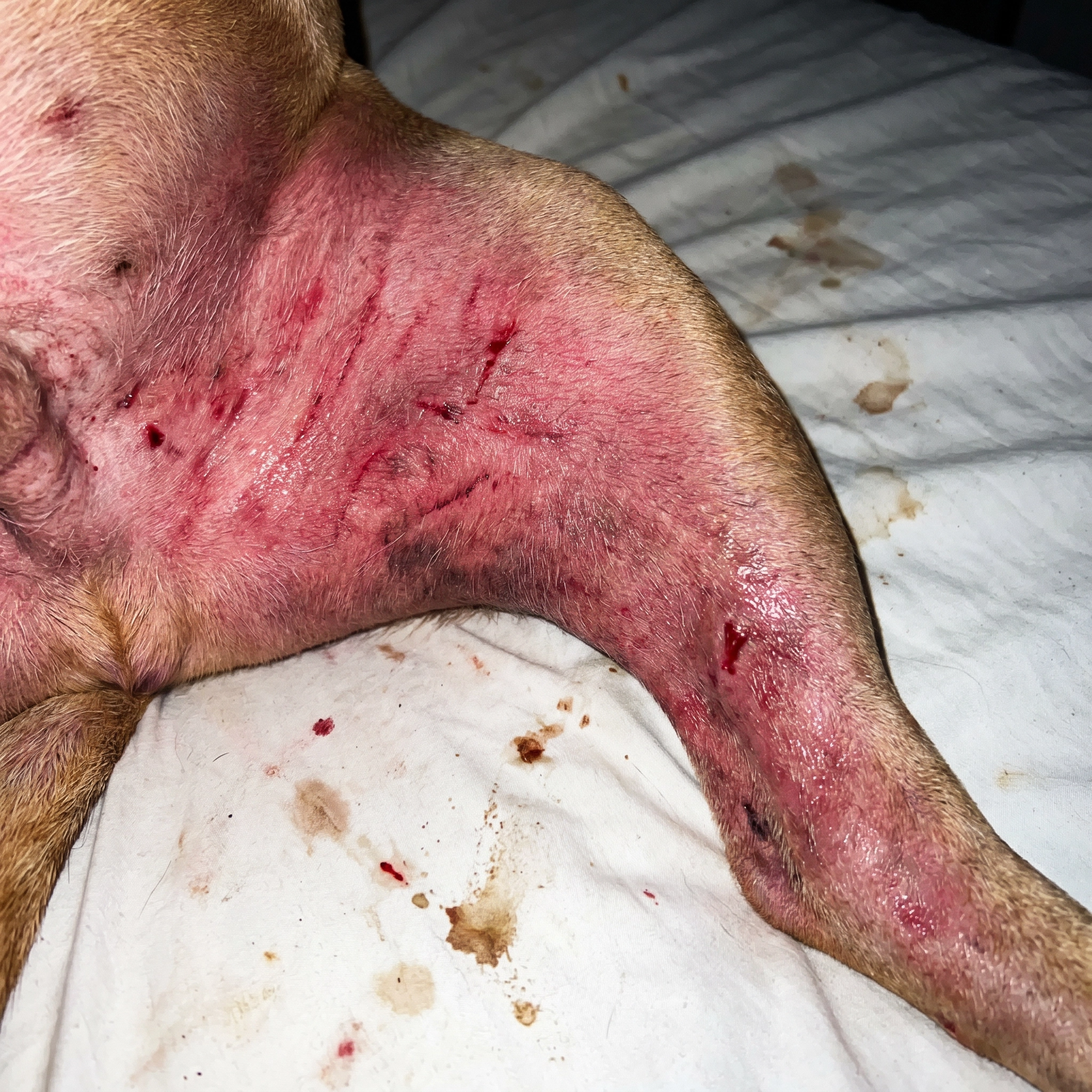
Ran for 58 days, from April 23 to June 19, 2026, the last day Crush saw it.
Run by Healthy Dog Journal on Facebook. Crush is not the advertiser and does not verify its claims. See this ad in Meta's Ad Library(opens in a new tab)
Want an ad like this for your product?
Crush makes new ad images for your product from this ad: your logo, your product photo, your offer.
Trials from $19.95 USD, then $79.95 USD a month. Cancel anytime.
About this ad
- Meta Ad Library ID
- 805784408909347
- Platforms
- Facebook, Instagram, Messenger and Threads
- Relaunches
- 0
Ad text
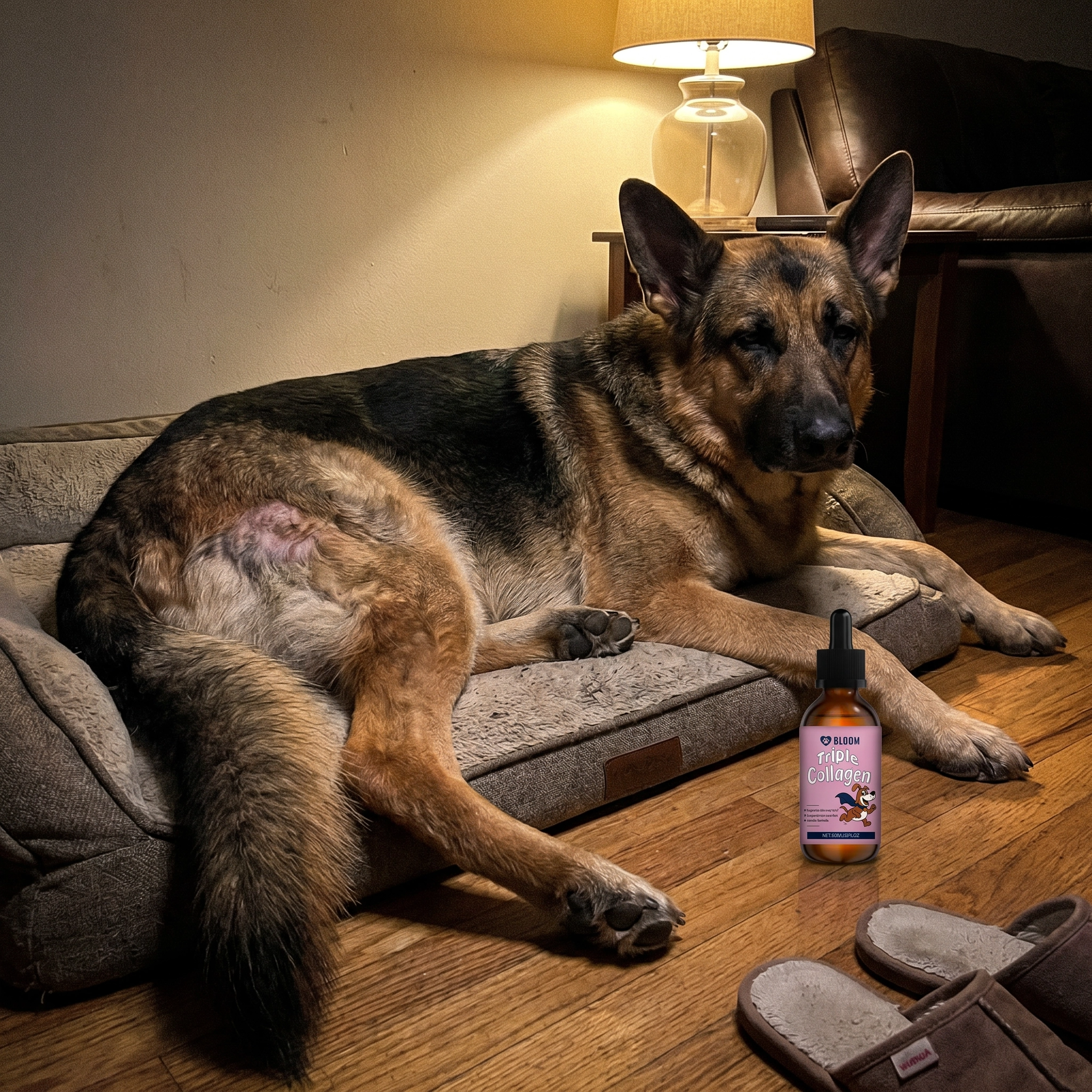
I'm a veterinary dermatologist, and last Tuesday a client of mine canceled her dog's Cytopoint appointment. Not because she gave up. Because of something that happened during the skin check that I haven't been able to stop thinking about. I've been treating dog skin allergies for 18 years. I've seen every stage of atopic dermatitis. Every level of damage. Every breed predisposition. I can tell within 30 seconds of looking at a dog's skin what trajectory they're on. Last Tuesday, I couldn't. A woman brought in her golden retriever expecting the worst. Bailey had been scratching for three years straight. Raw paws. Belly that looked like hamburger meat. Up every night licking, chewing, dragging herself across the carpet. Six months ago, Bailey's skin was so inflamed I'd recommended increasing her Cytopoint to every four weeks and adding Apoquel on top. The owner was spending over $300 a month. She walked in bracing for the conversation about stronger immunosuppressants. I lifted Bailey's ear flap. And I just... stopped. Her skin looked different. Not worse. The opposite. The redness along her ear margins had faded to light pink. The thickened, elephant-skin texture on her belly was softening. Her paw pads — the ones that had been raw and cracked for two years — had new, smooth skin growing in. I ran my hand along her flank. No hot spots. No raised welts. No scabs. I looked at the owner. "What have you been doing?" "Nothing crazy. Just something a woman in a Facebook group told me about." I didn't believe her. "You didn't change her food? No new medication? No medicated baths?" "Nothing like that. I actually stopped the Apoquel two months ago. Just this one thing I've been adding to her food." I pulled up Bailey's file and compared photos from six months ago. The difference was startling. Six months ago: raw, inflamed, cracked skin across her belly, paws, and ears. Chronic yeast infections between her toes. Fur thinning from constant scratching. Last Tuesday: pink, healing skin. Fur growing back. Paws intact. I sat back on my stool. "I'm going to be honest with you. I don't think Bailey needs the Cytopoint right now." She looked confused. "But her allergies—" "Her skin is repairing itself better than anything I was about to inject." Long pause. "So what do I do now?" "Keep doing whatever you're doing. Because it's working better than the protocol I had her on." She walked out. And I spent the rest of the week wondering what she knew that I didn't. Here's what bothers me. I've been in veterinary dermatology my whole career. I know every treatment, every drug, every protocol that's supposed to work. And I see the same thing in my office every single day. Dogs — goldens, bulldogs, labs, shepherds, doodles — with skin that's falling apart. The constant scratching that keeps the whole house awake at 3 AM. Paws so raw they leave blood spots on the floor. Belly skin so inflamed it looks like a chemical burn. Hot spots that clear up for a week and come right back. Ears that smell like yeast no matter how many times you clean them. That's what I see all day long. Dogs whose skin keeps getting worse no matter how many medications they're on. And I help them. Temporarily. I prescribe Apoquel to block the itch signal. Cytopoint injections every 4-8 weeks. Steroids for flare-ups. Prescription diets. Medicated shampoos. Then they come back two months later with skin that's the same or worse. Because medication manages the symptom. It doesn't rebuild what's actually broken. The collagen matrix. The structural foundation of your dog's skin barrier. I've known about this for years. But I'd never seen a dog whose owner figured out how to actually reverse the damage. Until last Tuesday. I called her that evening. "I know this is unusual, but I can't stop thinking about Bailey's skin. What are you actually giving her?" She didn't hesitate. "Something called Bloom Triple Collagen. Liquid drops I put on her food." We talked for 20 minutes. She told me she'd spent three years trying everything. Apoquel. Cytopoint. Two rounds of Zenrelia. Prescription hydrolyzed protein food at $120 a bag. Medicated baths twice a week. Fish oil. Probiotics. Coconut oil on the paws. Oatmeal baths. An elimination diet that lasted four months and changed nothing. Her vet bills over three years: just under $9,000. Bailey's skin kept getting worse. She tried every supplement the internet recommended. Generic collagen chews. Salmon oil. Turmeric treats. Quercetin. Did nothing for the scratching or the raw skin. She tried switching vets three times thinking the problem was the treatment plan. Same medications. Same temporary relief. Same relapse. She said she was at her wit's end. Up every night listening to Bailey scratch. Watching her lick her paws until they bled. Feeling like she was failing her dog. She told me she'd started looking into why nothing was working. Not treatments — mechanisms. She learned that when a dog's skin is chronically inflamed and nothing stops the scratching long-term, it's not because the dog needs stronger medication. It's because the skin barrier itself has collapsed. Your dog's skin barrier is a physical wall. It's made of tightly woven collagen fibers — Types I and III for structure and elasticity, Type II for the cartilage and joint tissue underneath. When that collagen matrix is intact, allergens bounce off. Moisture stays in. The skin protects itself. When it breaks down — from chronic inflammation, age, genetics, years of scratching — microscopic cracks form. Allergens pour through. Bacteria and yeast colonize the gaps. The immune system fires. Your dog scratches. The barrier gets more damaged. The cycle repeats. That's the itch cycle no medication can break. Because Apoquel blocks the JAK pathway — the itch signal. It doesn't rebuild collagen. Cytopoint neutralizes IL-31 — the protein that triggers the scratch reflex. It doesn't repair the barrier. Steroids suppress the entire immune response. They actually thin the skin and make the barrier weaker over time. Every one of these medications is designed to suppress the signal. None of them rebuild the wall. That's why the scratching always comes back. The barrier is still broken. Allergens are still getting through. The immune system is still firing. You're just turning down the volume on the alarm while the house is still on fire. "So what did you do?" I asked. "I started rebuilding the barrier from the inside." She said she needed to give Bailey's skin the raw materials to actually reconstruct the collagen matrix. Because without the structural proteins, no amount of medication can seal those cracks. You can't block allergens if the wall has holes. You can't stop yeast if moisture is escaping through a broken barrier. You have to give the skin the collagen types it needs to physically rebuild. But here's the part that surprised me. She wasn't giving Bailey a shelf full of supplements. She was using one liquid formula that addressed every layer of the barrier. Types I and III Collagen — The primary structural proteins of skin. Type I provides tensile strength — the rigid framework that holds the barrier together. Type III provides elasticity — the flexibility that lets skin stretch without cracking. Together, they form the woven matrix that is your dog's skin barrier. When these degrade, the barrier develops the microscopic cracks that let allergens penetrate. Type II Collagen — Supports the cartilage and connective tissue beneath the skin. Dogs with chronic skin allergies almost always have joint issues too — the stiffness, the slow mornings, the reluctance to jump. That's the same collagen degradation happening deeper. Type II addresses the structural damage below the surface. Glucosamine — Not just for joints. Glucosamine is a building block of glycosaminoglycans — the molecules that hold water in skin tissue and maintain the gel-like matrix between collagen fibers. Without adequate glucosamine, the spaces between collagen fibers dry out. The barrier becomes brittle. Cracks form faster than they can heal. Hyaluronic Acid — Holds up to 1,000 times its weight in water. In skin tissue, it fills the spaces between collagen fibers, keeping the barrier hydrated, plump, and sealed. When hyaluronic acid depletes, the skin dries from the inside out — no amount of topical moisturizer can replace what's missing structurally. Liposomal Delivery — This is what makes it different from every collagen chew or powder on the market. Collagen molecules are large. Most get destroyed in the gut before they reach the skin. Liposomal encapsulation wraps the collagen in a phospholipid layer — the same material as cell membranes — so it passes through the digestive system intact and delivers directly to the tissue that needs it. All of it built around rebuilding the barrier first — then maintaining it. "Most supplements give you one type of collagen," she said. "But your dog's skin barrier needs all three types, plus the hydration molecules that hold it together." "And if the collagen gets destroyed in the gut before it reaches the skin, it doesn't matter what type it is." That's the part no one talks about. She explained that dogs with chronic allergies have been losing collagen faster than they can rebuild it — for months or years. The medications suppress the itch signal, which provides temporary relief. But while the signal is suppressed, the barrier is still degrading. The collagen is still breaking down. The cracks are still forming. "You can give Apoquel, Cytopoint, steroids... all of it," she said. "But without the raw materials to rebuild the collagen matrix, the barrier stays broken." "There's no seal. No protection." "I learned that the hard way." "I was doing everything my vet told me," she said. "Prescription food, medicated baths, Cytopoint every six weeks... and Bailey would get better for a week, then the scratching would come right back." "What changed?" I asked. "I stopped chasing the itch — and started rebuilding what was actually broken." She told me most dog supplements don't address the structural barrier at all — they focus on "calming" or "soothing" while ignoring the collagen matrix that determines whether allergens get through. "Bloom delivers all three collagen types plus glucosamine and hyaluronic acid," she said. "Not random ingredients. The specific compounds your dog's skin needs to physically reconstruct the barrier." "And the liposomal delivery means it actually reaches the skin instead of getting destroyed in the stomach." "That's when everything changed." "Once Bailey's barrier started rebuilding, the allergens stopped getting through." "The scratching slowed down." "The hot spots stopped coming back." "And her paws started healing for the first time in three years." "And that's what changed her skin?" I asked. "That's what let her skin protect itself again," she said. "For the first time in three years." I didn't ask what brand at first. I figured I'd research it myself. Then she said, "I know you're going to look it up, so I'll just tell you. It's called Bloom Triple Collagen." I'd heard of collagen supplements for dogs before. Never in a targeted barrier-rebuilding formula with liposomal delivery. She showed me the ingredients: Types I and III Collagen — for rebuilding the structural skin barrier matrix Type II Collagen — for supporting cartilage and connective tissue beneath the skin Glucosamine — for restoring the hydration matrix between collagen fibers Hyaluronic Acid — for sealing moisture into the barrier from the inside Liposomal Delivery — for protecting collagen through digestion so it reaches the skin intact I looked at it as a veterinary dermatologist who knows what supports skin barrier function. The ingredient selection made sense. The combination addressed the actual mechanism. "How long did it take to work?" "I noticed less scratching around week one. The paw licking slowed down by week two. The hot spots on her belly stopped coming back by week three. By week six, her fur was growing back in the bald patches. By month two, her skin looked better than it had since she was a puppy." She showed me Bailey's photo history on her phone. Four months ago: raw, bleeding paws. Elephant skin on her belly. Bald patches behind her ears. Last Tuesday: the dog I'd just examined. Pink, healing, growing. "I almost didn't try it," she said. "Because I'd tried everything and nothing worked." "But it was different. It wasn't trying to stop the itch. It was trying to fix why the itch was happening." "And that made all the difference." I ordered a bottle that night. Not for a patient — for my own dog. Duke is 11. He's a lab mix I've had since he was a puppy. His skin has been getting drier and itchier for the last two years. Nothing dramatic — just the slow decline you see in aging dogs. More scratching. Duller coat. Dry, flaky patches on his elbows. I'd been telling myself it was just age. But I knew what it really was. The same collagen degradation I see in my patients every day. I just didn't want to admit my own dog was going through it. Week one: Duke scratched less at night. Subtle, but I noticed. Week two: the dry patches on his elbows started softening. Week three: his coat had a sheen I hadn't seen in over a year. Week five: my wife said, "What did you do to Duke? He looks like a younger dog." She was right. His skin had regained something I didn't realize he'd lost. That tight, hydrated, resilient quality. The barrier doing its job. Not from medication. Not from a prescription diet. From giving his skin the structural proteins it needed to rebuild. If your dog scratches so much it keeps you up at night... If the paws are raw and cracked no matter what you put on them... If the belly stays red and inflamed no matter how many medications you try... If the hot spots keep coming back week after week... If you've spent hundreds or thousands on vet visits and nothing has changed... It's not the medication's fault. It's that your dog's skin barrier can't rebuild itself without the raw materials. The collagen matrix is broken. Allergens are pouring through. And every medication is just suppressing the alarm while the barrier stays cracked. Your dog's skin didn't stop protecting itself because of bad luck. It stopped because the collagen foundation collapsed. You can't fix that with Apoquel. Apoquel blocks the itch signal. It can't weave collagen fibers. You need Types I, II, and III collagen to rebuild the structural matrix. Glucosamine to restore the hydration layer between fibers. Hyaluronic acid to seal moisture into the barrier from the inside. And liposomal delivery to make sure it all actually reaches the skin. All of it together. Targeting the actual mechanism. Most dog supplements focus on "calming" or "soothing" while ignoring the structural collapse underneath. And if your dog's collagen matrix is degraded, no amount of fish oil or oatmeal baths will seal those cracks. That's why barrier rebuilding is the unlock... then the healing can actually happen. I'm a veterinary dermatologist. I've been doing this for 18 years. I prescribe medications that suppress symptoms and manage flare-ups. But I can't rebuild collagen fibers from the outside. That has to come from within. This is what's working for Duke — and for the golden retriever whose owner canceled her Cytopoint appointment because her dog's skin was actually healing. If you want to try what we're using: https://bloompet.co/products/bloom-triple-collagen It takes about 1-2 weeks to notice less scratching. Real barrier rebuilding happens over 4-8 weeks. I spent 18 years helping dogs manage their symptoms. Four months ago, I started rebuilding my own dog's skin barrier from the inside. The difference showed up in his coat before I noticed it in his behavior. Not because I changed his food. Because his skin finally had the collagen to protect itself again. That's all.
Where the ad sends people
bloompet.co
🐾 Don't Blame Allergies — Rebuild The Skin Barrier
Bloom Pet
Learn more: bloompet.co(opens in a new tab)