
Inactive· since May 7, 2026
- 53
- days it ran
- 0
- relaunches
Ad copy
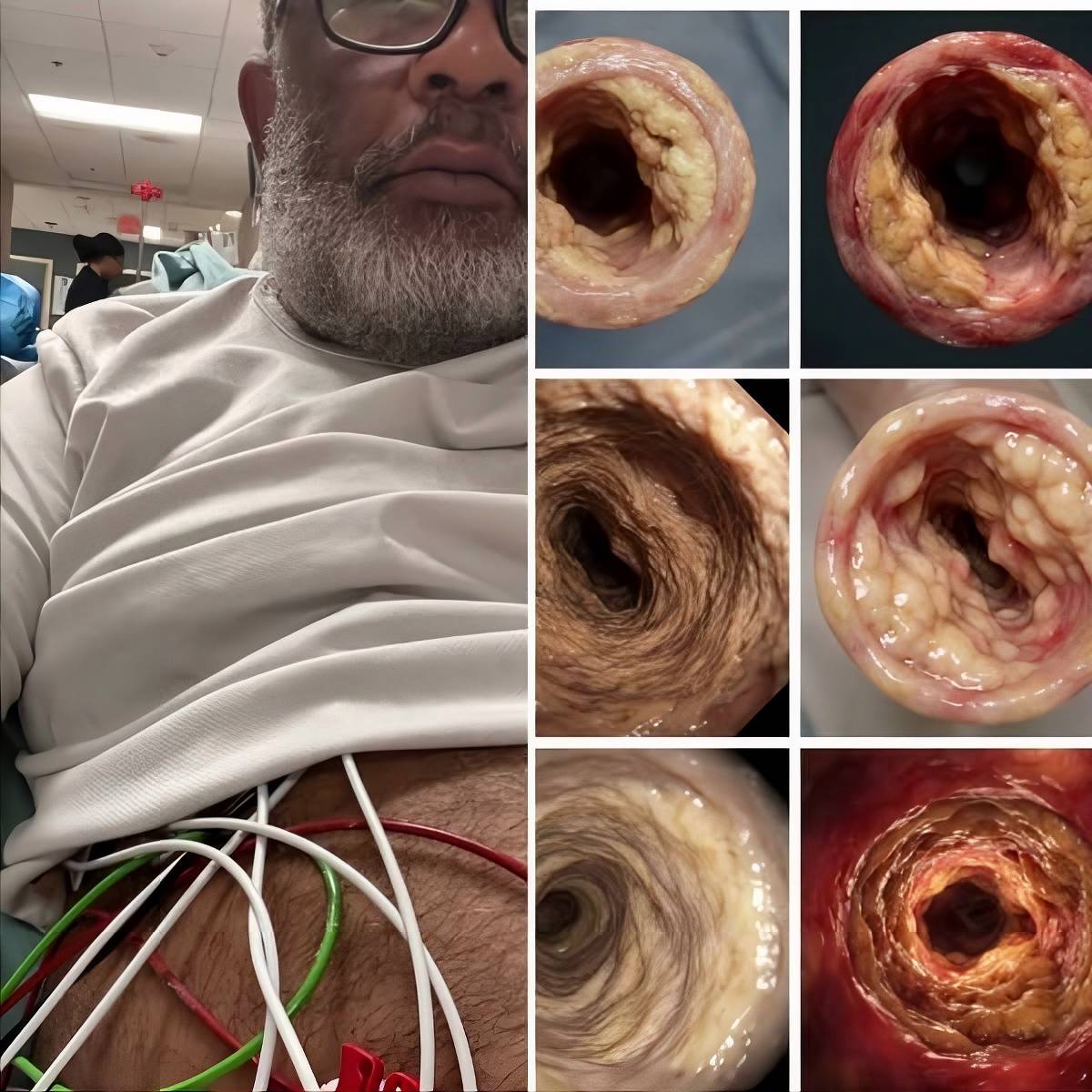
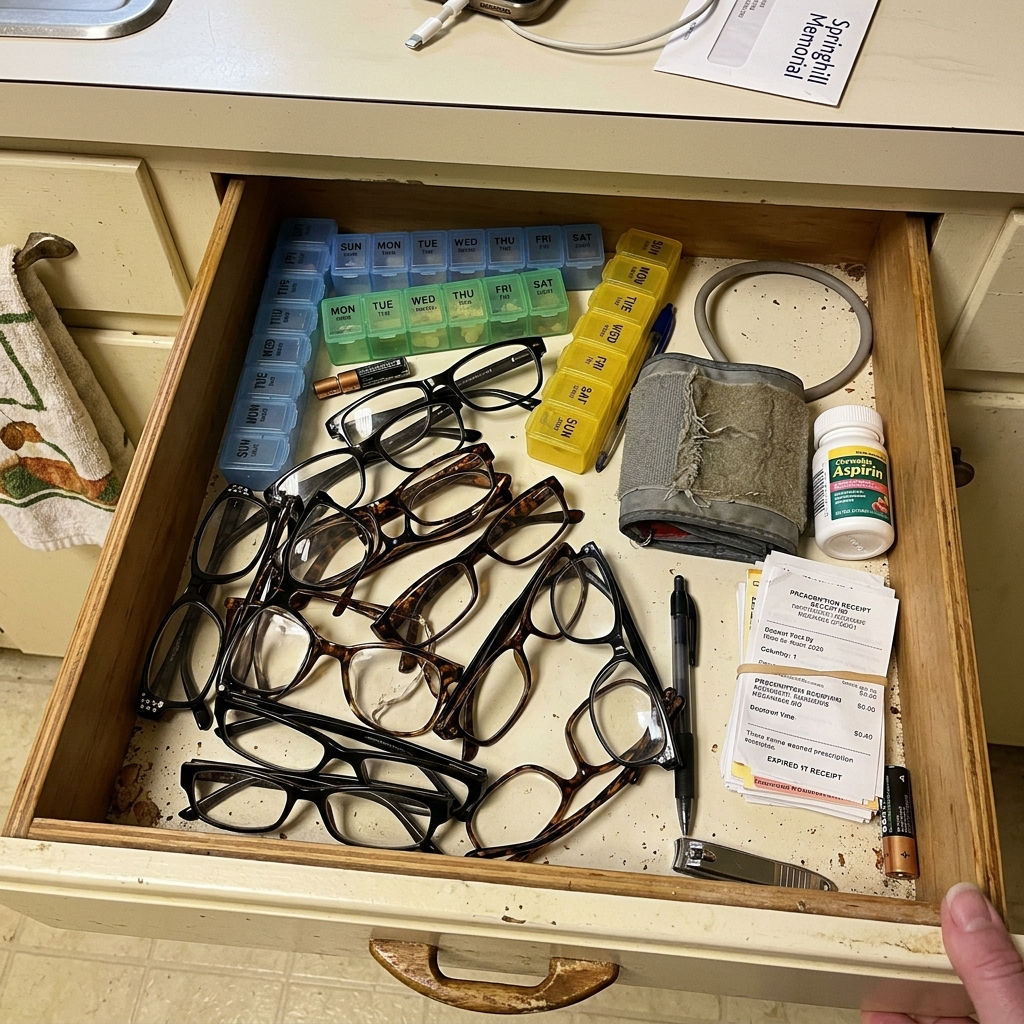
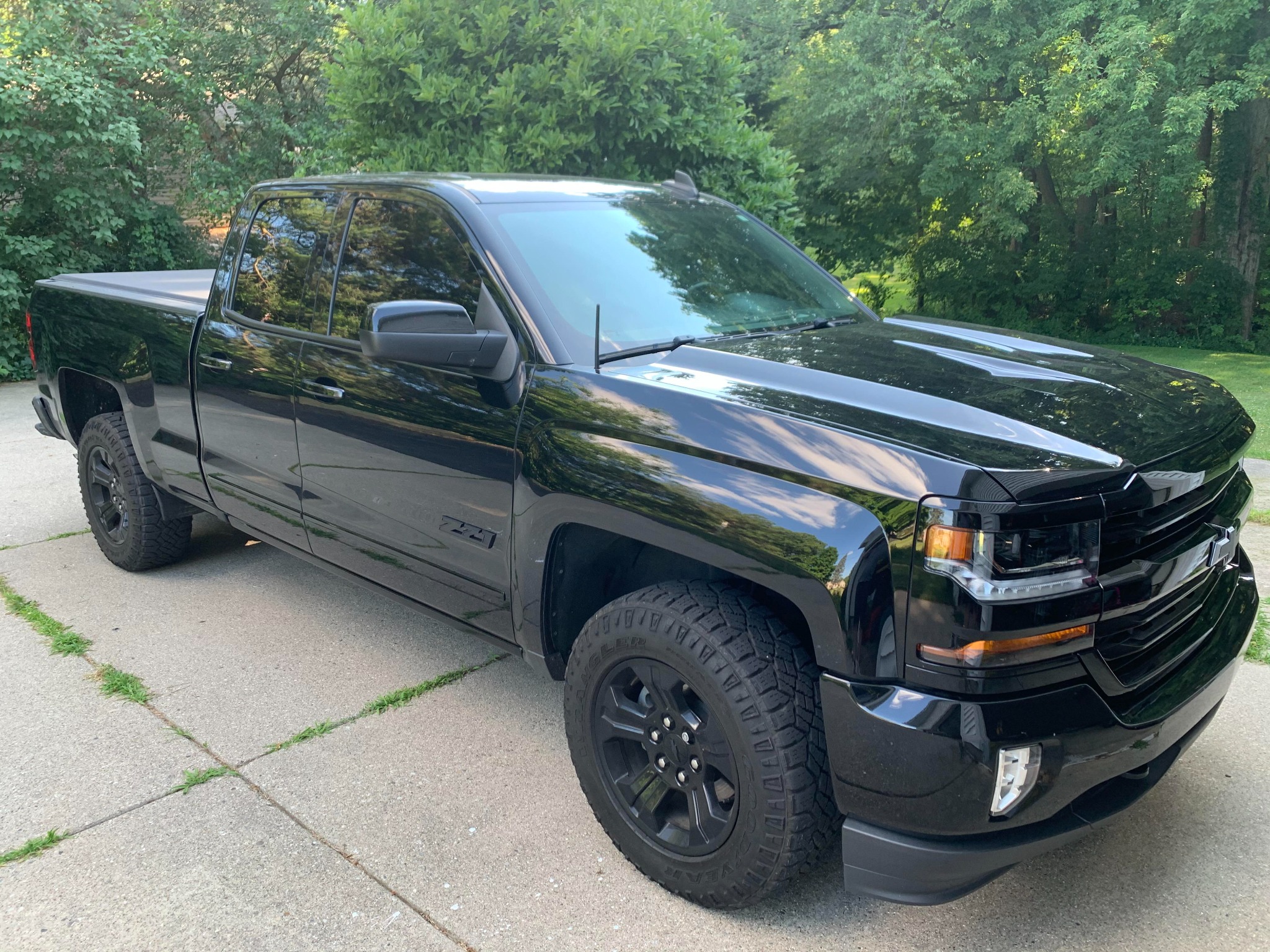
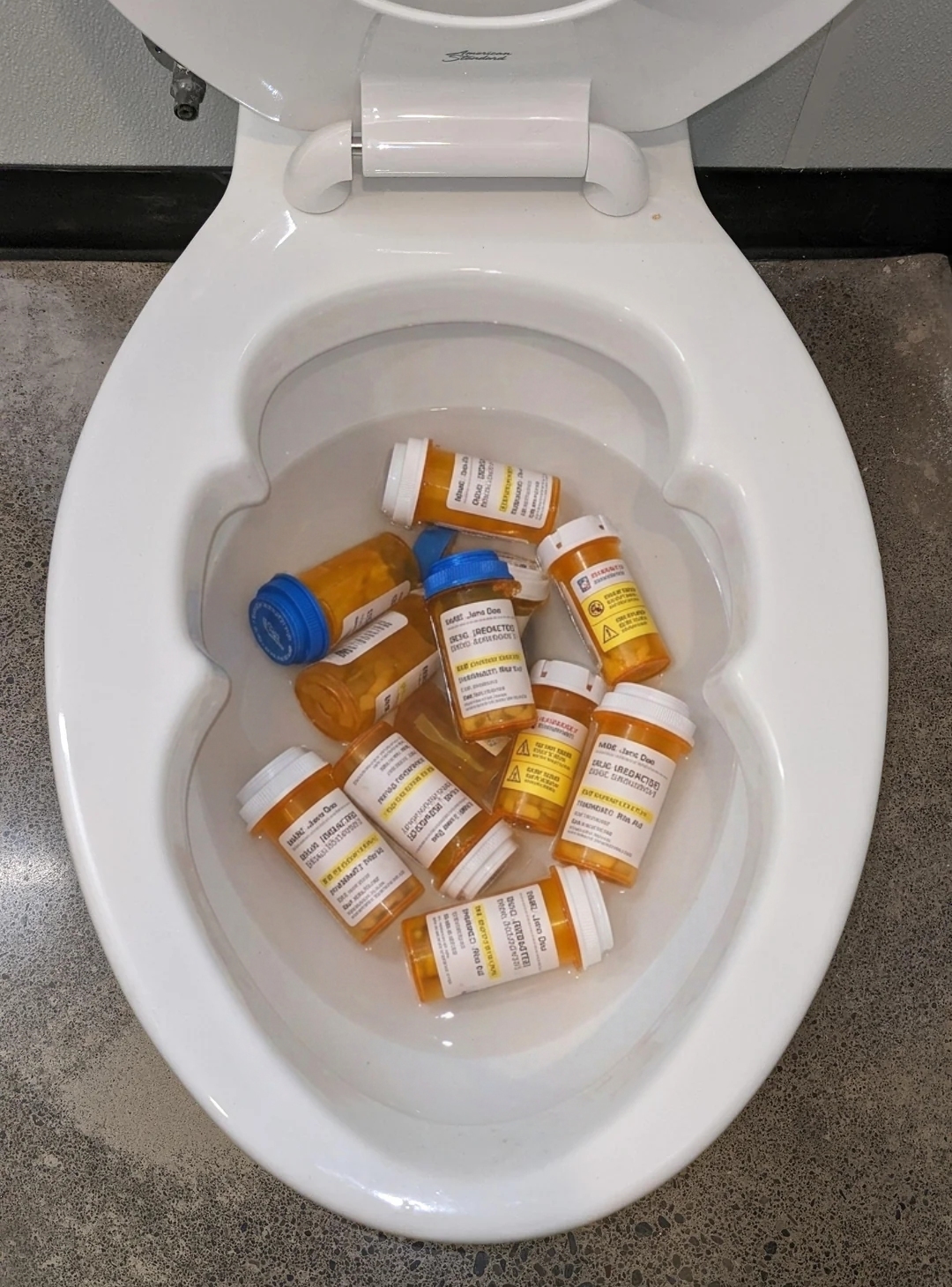
I found a wallet on a fire escape in Buffalo last October and I almost didn't pick it up. It was a Tuesday morning. Cold the way Buffalo gets cold in October, where the wind off the lake cuts through whatever you're wearing and reminds you winter isn't coming, it's already here and just hasn't settled in yet. I was walking out to my truck with a thermos of coffee and I saw this little brown leather thing sitting on the bottom rung of my neighbor Frank's fire escape. Tucked in like somebody had set it down on purpose and forgotten about it. I stood there for a second. Frank's 67. Lives in the lower half of the duplex next to mine on Voorhees Avenue. We've been neighbors for 11 years and I've maybe spoken to him 30 times in all of those years. He keeps to himself. Drives a 1996 Ford F-150 that he's kept running through more winters than most marriages last. Used to be an ironworker. Local 6. Worked the high steel on buildings I still drive past downtown and look up at and think, Frank put those beams in. I picked the wallet up. Opened it. Driver's license. Frank Kowalczyk. Address right next door. About $80 in cash and a folded piece of paper that turned out to be a prescription for something I didn't recognize. I walked it over. Knocked on his door. And what happened in the next 4 hours changed the way I think about my own body, my own father, and a fruit I'd never heard of in my entire 58 years on this earth. Let me back up. My name's Eddie. I'm 58 years old. I live in South Buffalo. I'm a regional sales rep for an industrial fastener company, which is a fancy way of saying I drive around upstate New York selling bolts to factories. I've done it for 26 years. I drive a 2017 Silverado with 187,000 miles on it. My wife Diane is a kindergarten teacher at School 84. We have two grown kids, Eddie Jr who's 31 and lives in Rochester, and Maggie who's 28 and just moved back home after a breakup that I'm not allowed to talk about. I have a cholesterol problem. I've had it for going on 9 years. My LDL has been creeping up since I turned 50, and at my last physical in August my doctor sat across from me and said the number out loud and then waited for me to react. I didn't react. I just nodded. He said we needed to "get serious" and that he was putting me on a statin and that I should also "watch what I eat and get more exercise." Like I hadn't been hearing that exact sentence at every physical for the last decade. I took the prescription. Filled it. Took one pill. Had the worst muscle ache of my life the next morning, the kind where you can't tell if you slept on your shoulder wrong or if something inside you just stopped working. I took a second one anyway because I'm stubborn. By day 4 my legs felt like they belonged to someone older than my dad. I stopped. I didn't tell Diane. I didn't tell my doctor. I just put the bottle in the medicine cabinet behind the Pepto and kept driving to factories and selling bolts and pretending nothing was wrong. And that brings me to October. To the fire escape. To Frank. He answered the door in a flannel shirt and sweatpants and reading glasses pushed up on his forehead. Looked at me. Looked at the wallet in my hand. His whole face changed. "Where'd you find that?" "Bottom of your fire escape. I think it slipped out of your pocket when you were taking the trash out." He took it. Held it like he was checking it was real. Then he looked up at me and said, "You want a cup of coffee, Eddie?" In 11 years he had never once invited me into his house. I said yes. His kitchen was small and clean and smelled like the kind of coffee you make in a percolator on the stove, which he was doing. There was a calendar on the wall from a Polish church on Clinton Street, still flipped to August. A radio on the windowsill playing AM news low. A picture of a woman on the fridge I assumed was his late wife, who I knew had passed maybe 6 or 7 years ago because I remembered seeing the cars at his house that week. He poured me a cup. Sat down across from me at a little Formica table. "Lifesaver," he said, lifting the wallet. "Got my pacemaker card in there. Hospital won't see me without it. I have an appointment Thursday." "Pacemaker?" He tapped his chest. "Two years now. Heart attack in '23. Widowmaker. I died for about 90 seconds on my own kitchen floor right where you're sitting." I almost spit out my coffee. He laughed. It was a dry laugh, the laugh of a man who's told this story enough times that it doesn't scare him anymore. "Don't worry about it," he said. "Lightning doesn't strike twice in the same kitchen. Probably." I didn't know what to say. So I just listened. He told me his whole story over the next hour. How he'd worked iron for 41 years, how he could climb a steel beam at 60 floors up like other men climb a stepladder, how he never had a single health problem until his wife Marian died in 2018. How after she was gone he stopped cooking. Started eating dinner from the gas station three or four nights a week. Hot dogs and chips and a 32 ounce Coke. Stopped walking. Stopped doing anything except going to work and coming home and sitting in the chair Marian used to sit next to him in. How by 2023 his cholesterol was through the roof and he was 40 pounds heavier than he'd ever been and his blood pressure was, in his words, "like a fire hose." How his doctor had him on three medications and they kept adjusting the doses because nothing was bringing his numbers down enough. How he was making coffee one Saturday morning in February and the next thing he remembered was waking up in the ambulance. "My heart stopped," he said. "Right where you're sitting. The paramedic told me my neighbor on the other side, a woman named Beata, heard me go down. She'd come over to drop off a casserole. She had a key from when Marian was sick. If she hadn't had that key I'd be in the ground." He drank his coffee. "They put a stent in. Then a pacemaker. Then they sent me home with a stack of prescriptions a half inch thick. Lipitor. Metoprolol. Lisinopril. Aspirin. A blood thinner for a while. They told me I was lucky to be alive and they were right and I knew they were right." He paused. "And I took those pills for 8 months and I felt worse every single week." I sat up a little. "Worse how?" "Like I was disappearing. The muscle pain was the worst part. I couldn't get up out of a chair without using my hands to push. My hands themselves felt weak, like I was wearing gloves all the time. The brain fog was the second thing. I'd be in the middle of telling my brother a story on the phone and I'd lose the thread of it. Just gone. He'd say, 'Frank? You there?' and I'd be staring at a wall trying to figure out what I was saying." I felt my chest get tight. Because I had been lying to myself about my own pills for 4 months, but Frank wasn't describing something foreign to me. He was describing exactly what those 4 days on the statin had felt like. The arms that didn't belong to me. The weird haze. I asked him what he did. And here's where the story turned. He told me about a guy named Dennis. Dennis was a foreman Frank had worked under in the late '80s and into the '90s. Tough Polish guy from Lackawanna. Lost touch after Frank moved to a different local for a few years, and then Dennis retired, and they hadn't seen each other in maybe 15 years. In the spring of 2024, Frank ran into Dennis at a Tops Friendly Markets on Abbott Road. Dennis was 72 by then and Frank said he looked, in his exact words, "like he was about 58." Carrying his own groceries. Color in his face. Walking like a man who'd just come back from a long vacation. They got to talking in the parking lot. Frank told Dennis about the heart attack and the pacemaker and the pills and how he felt like he was slowly turning into a ghost. Dennis listened and nodded and then he said something that stuck with Frank. "Frank, the medicine is keeping you alive. But it's not the same as being well. Those are two different things. I learned that the hard way." Dennis told him he'd had a quadruple bypass in 2019. Came out of it on five medications. Felt the same way Frank was describing. Said his daughter, who lives in New Jersey and works in some kind of nutrition research, had started sending him a particular supplement made from an Indian fruit he'd never heard of. He took it for a few months. Things started to shift. "Not overnight," Dennis told him. "But by month three I was sleeping like I hadn't slept in a decade. By month four my hands didn't ache. By month six I had the energy to walk down to the lake every morning, and that's when I knew." Dennis wrote the name of the company down on the back of a Tops receipt and gave it to Frank in the parking lot. The fruit was called amla. Frank looked it up that night. Read about it for 3 hours. Ordered a bottle the next morning. I asked him if it worked. He looked at me. He set his coffee down. He took off his reading glasses and folded them and set them next to the cup. "Eddie. I'm gonna tell you something, and I want you to take it for what it's worth, because I'm not a doctor and I'm not a salesman and I'm not on the internet trying to sell anything. I'm just a 67 year old retired ironworker sitting at his kitchen table on a Tuesday morning." He pointed at his own chest. "I went up that fire escape this morning to clean the leaves out of the gutter on my upper unit. 30 rungs. With a bucket. I haven't been able to do that since 2022. The wallet fell out because I was using both hands on the ladder, the way I used to use both hands on a beam. That's why I lost it. Because I trust my body again." I felt my throat tighten in a way I wasn't expecting. He kept going. "I'm not off all my medications. My doctor still has me on the blood thinner and a lower dose of one of the others. I'm not telling you to throw your prescriptions in the lake. What I'm telling you is, the pills were keeping me from dying, and the amla started letting me actually live again. They're not the same thing." I told him. Right there at the table. I told him about the statin and the muscle pain and the 4 months of pretending. About my dad, who had a quadruple bypass at 64 and spent the rest of his life in a recliner. About how I drive past his old workshop every time I go to a job in Tonawanda and I can't bring myself to look at it because it sits there empty now and it reminds me of what statins took from a man who used to rebuild lawnmower engines for fun. I told him about Diane finding the bottle in the cabinet last week and not saying anything about it and how that silence has been louder than anything she could've said. Frank just listened. When I finished, he got up and walked into his bedroom. Came back with a bottle. Set it on the table between us. It said Alevia Amla on the label. "Take this one. I have another one coming this week. You don't owe me anything for it. Just promise me you'll read up on what it actually does before you take it, because I want you to take it because you understand it, not because the guy next door said so." I took it home that afternoon. And that's when I went down the rabbit hole. I'm not a researcher. I sell bolts. But I spent the next two evenings sitting at my kitchen table with a yellow legal pad reading everything I could find about amla, which it turns out is the Indian word for a small green fruit called Phyllanthus emblica. They've been using it in Ayurvedic medicine for something like 3,000 years. The Western world has been studying it more seriously in the last 20 or 30. Here's what I came away understanding. And I'm gonna explain it the way I'd explain it to a guy at a job site, because that's the only way I know how. When you have a cholesterol problem, especially the kind I have and the kind Frank had, what's actually going on under the hood is a lot more than just a number on a blood test. The number is a flag. It's telling you your body's lipid handling is off. But the real damage isn't the cholesterol itself sitting in your blood. The real damage is what's happening at the wall of your blood vessels. It's oxidative stress. It's chronic low grade inflammation. It's your endothelium, which is basically the inner lining of your arteries, getting beat up day after day after day for years. And this is where amla is interesting. The research suggests amla works on multiple parts of that picture at once. It's been shown to help support healthy lipid profiles, including LDL and triglyceride levels. It's been associated with improvements in endothelial function, which is the responsiveness of those vessel walls. It's a powerful antioxidant, partly because of its naturally high vitamin C content and partly because of a class of compounds called polyphenols and tannins that show up in the standardized extracts used in clinical research. In plain English, that means a few things at once. It helps support how your body handles fats and cholesterol in the first place. It helps your blood vessels stay flexible and responsive instead of stiff and inflamed. And it helps neutralize the kind of cellular damage that turns a manageable cholesterol number into a real problem over decades. Most things aimed at cholesterol go after just one piece of that picture. A statin shuts down a specific enzyme in your liver. Fish oil works on triglycerides. Niacin pushes HDL up. They each pull one lever. Amla, from what I read, seems to nudge several levers at once, gently, the way nature tends to do things. I'm not saying it's a replacement for anything. I'm saying it's a different conversation. I started taking it on a Friday. Two capsules with my morning coffee. Frank had drawn me a little smiley face on the bottle with a Sharpie. I noticed that the first time I opened it. Week 1, I felt nothing. I want to be honest about that. I read the label, took the pills, waited for some kind of fireworks. Nothing. I told Diane I was probably wasting my money. She gave me a look and said, "Eddie, you put 11 dollars worth of lottery tickets in the trash every Friday. Just take the vitamins." Week 2, I noticed I was sleeping through the night. I hadn't realized how badly I'd been sleeping until I wasn't. I'd been getting up twice, sometimes three times a night, partly to use the bathroom and partly because something in my chest would feel tight and I'd lie there listening to my own heartbeat. That stopped. I'd close my eyes around 10:30 and open them at 6:15 and the bed would be exactly where I left it. Week 3, I noticed Diane's hand. We were watching some show on a Sunday night. I had my arm around her on the couch the way I always do. She picked up my hand and turned it over and looked at it. "What?" I said. "Your knuckles aren't swollen anymore." I looked at my hand. She was right. I hadn't even thought about it. The little puffy ridges I'd been carrying around on my fingers for 2 years were just gone. The wedding ring that had been tight enough to leave a mark every night was sitting loose. Week 4, I climbed Frank's fire escape with him. He'd asked me to help him patch a leak in his roof. The roof of the lower unit, where his bedroom is. He said he could get up there himself but it'd be easier with two of us. The truth is I don't think he needed help at all. I think he wanted to know if I could do it. It was a Saturday in early November. Cold but clear. We went up the fire escape, 30 rungs, with buckets and a roll of patch material and a caulk gun. I made it to the top without stopping. My breath was a little short at the top but my legs felt like my legs. My hands gripped the rungs the way they used to grip rungs when I was 35 years old climbing into the attic to run wiring. Frank looked over at me from the roof. "How you feeling, Eddie?" I looked out over the rooftops of South Buffalo. The lake in the distance. A line of geese heading south. "I feel like myself." He clapped me on the back. "That's the whole game, brother. That's the whole game." I want to say something to whoever is reading this. You don't know me. I'm not a doctor. I'm not on a payroll. I'm a 58 year old guy who sells bolts for a living and who almost let his cholesterol problem and his fear and his stubbornness turn him into the version of his father he swore he'd never become. If you've been pretending you're fine, I see you. If you've got a bottle in the medicine cabinet you're not taking and not throwing out, I see you. If you've watched somebody you love get smaller and quieter and slower and you've blamed it on age because the alternative is too scary to look at, I see you. This isn't a magic pill. There's no such thing. What it is, is one of those rare things that actually addresses what's happening in your body at a level that goes deeper than a single number on a blood test. It's not fighting your medications, it's not replacing your doctor, it's not making promises it can't keep. It's just a small green fruit from the other side of the world that has, for whatever reason, decided to be friendly to the kind of body a guy like me has at 58 years old. If you want to try it, the place I got mine from, the same place Frank gets his and the same place Dennis's daughter sends his every month, is Alevia. The product is called Alevia Amla. They make it in the United States. Two capsules a day. They have a 90 day money back guarantee, which means if you take it for 3 months and you feel nothing, you send the bottle back and they refund you. No paperwork, no hoops. I'm on month 7 now. Frank's on month 16. We climbed his fire escape again last Saturday to take the gutters down for winter. The wallet stayed in his pocket this time. P.S. I want to be clear about one thing. I still see my doctor. I still take what he tells me to take, in the doses we agreed on together. The amla isn't a fight with my medication. It's working on a different part of the same problem. If you're on something for your heart or your cholesterol, talk to your doctor before you change anything. But there's nothing in the world stopping you from adding something gentle and well researched and old as Ayurveda alongside what you're already doing. P.P.S. The 90 day guarantee is the part I almost forgot to mention because Frank didn't pitch it to me, he just gave me the bottle. But it matters. It's how I went from skeptical to willing to try. You order it, you take it for 3 months, and if you don't feel a difference, you mail the bottle back and they give you your money. There's not a lot of things in life that come with that kind of promise. A wallet on a fire escape comes with no promise. A statin in a medicine cabinet comes with no promise. This one does. P.P.P.S. I told Diane about the gutters last Saturday. About making it to the top without stopping. She got quiet. Then she said, "Eddie, you're climbing things again." That's all she said. We've been married 34 years and that one sentence undid me. If you've got a Diane in your life, this is for her too. 👉 https://alevia.com/amla/33
Like this ad? Make it yours.
Crush rebuilds this exact creative around your product — your brand, your colors, your offer — in about a minute.