
Active· since Feb 11, 2026
- 211
- days running
- 0
- relaunches
Ad copy
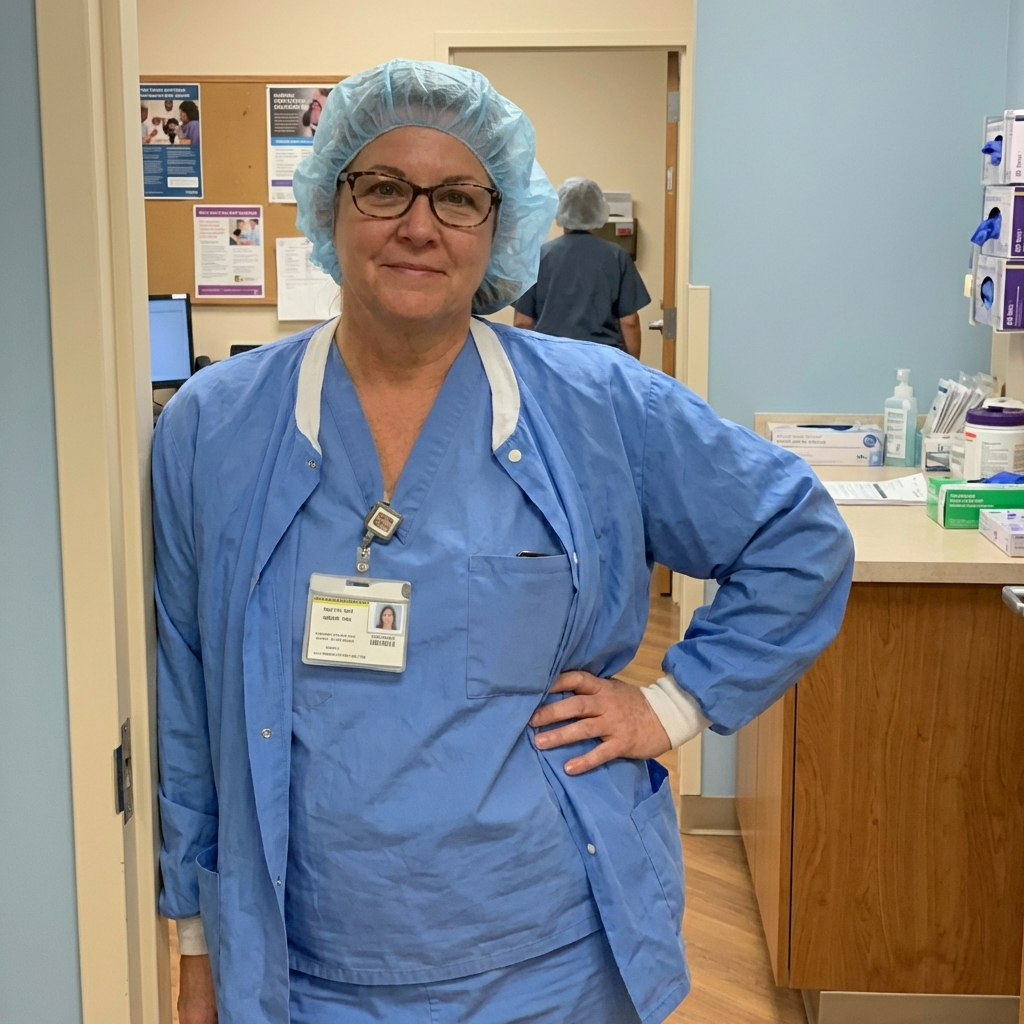
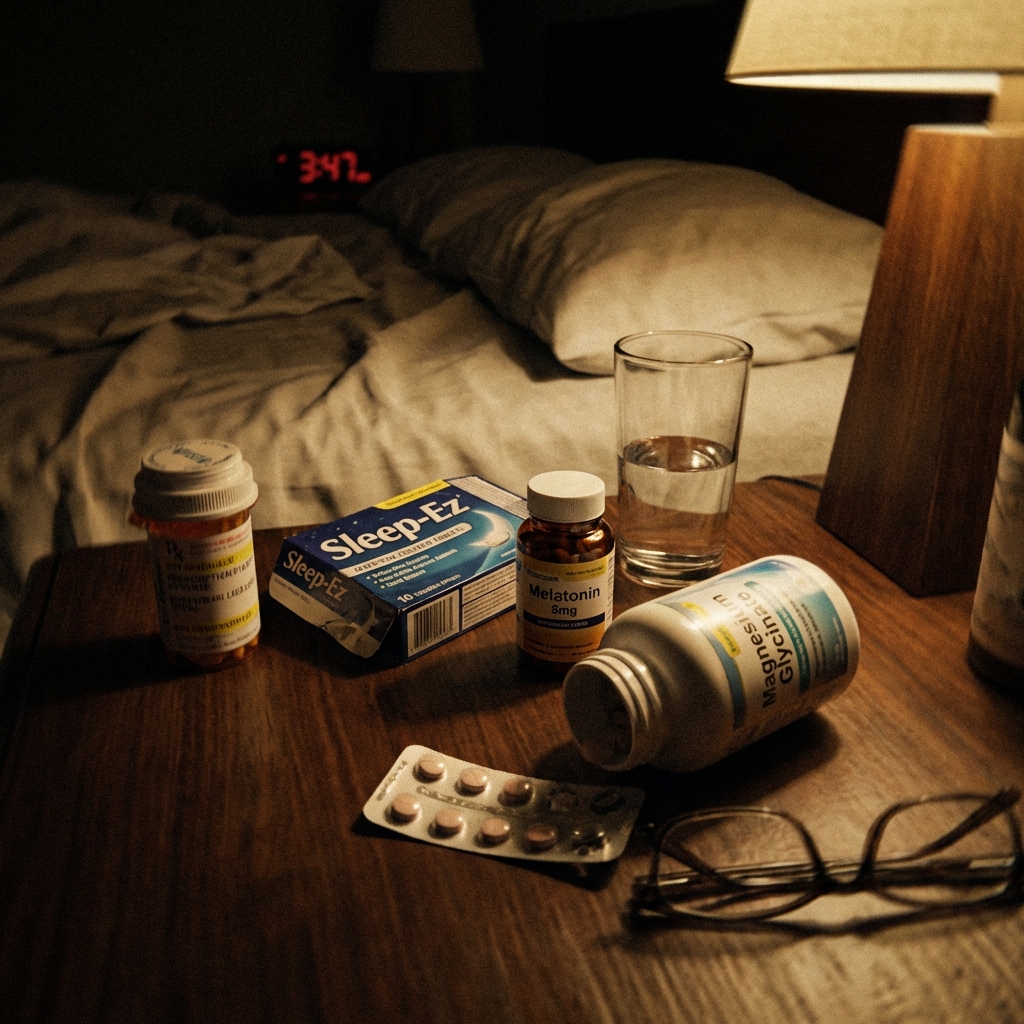
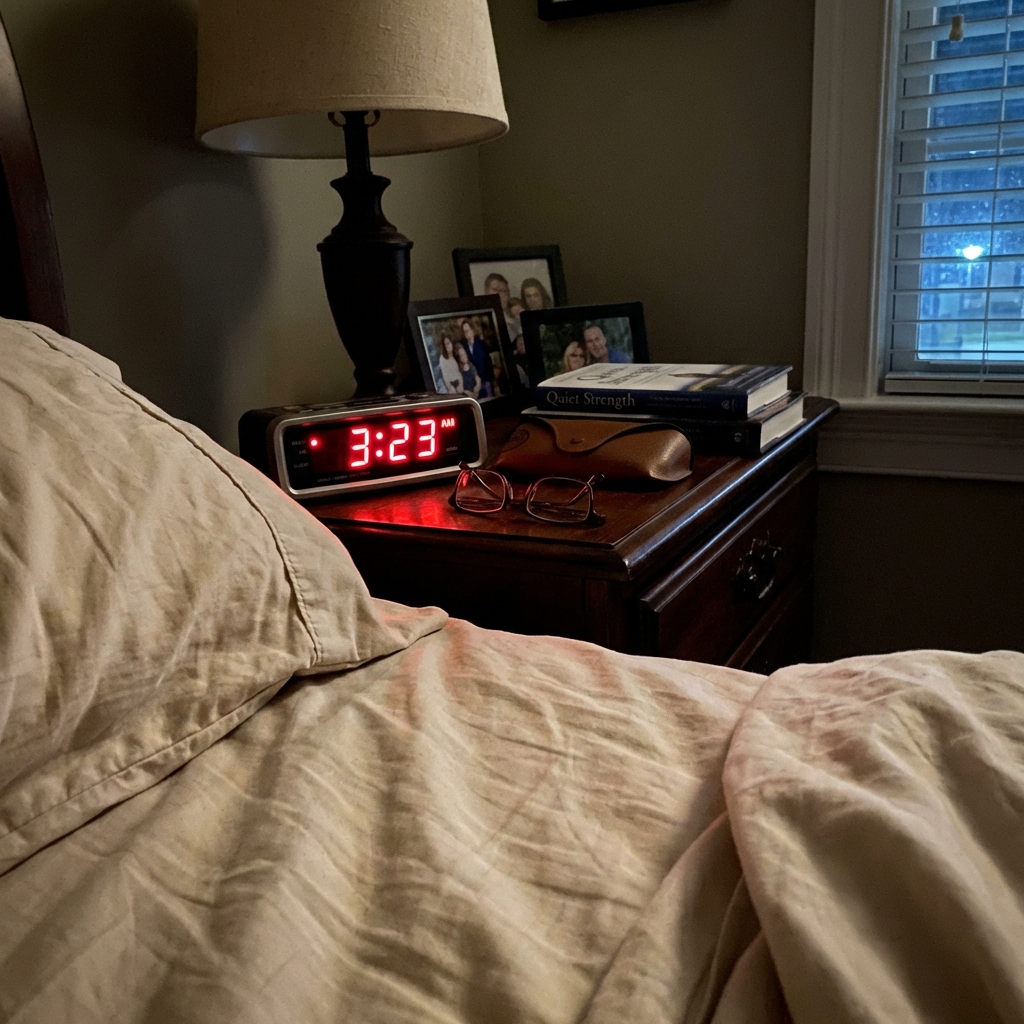
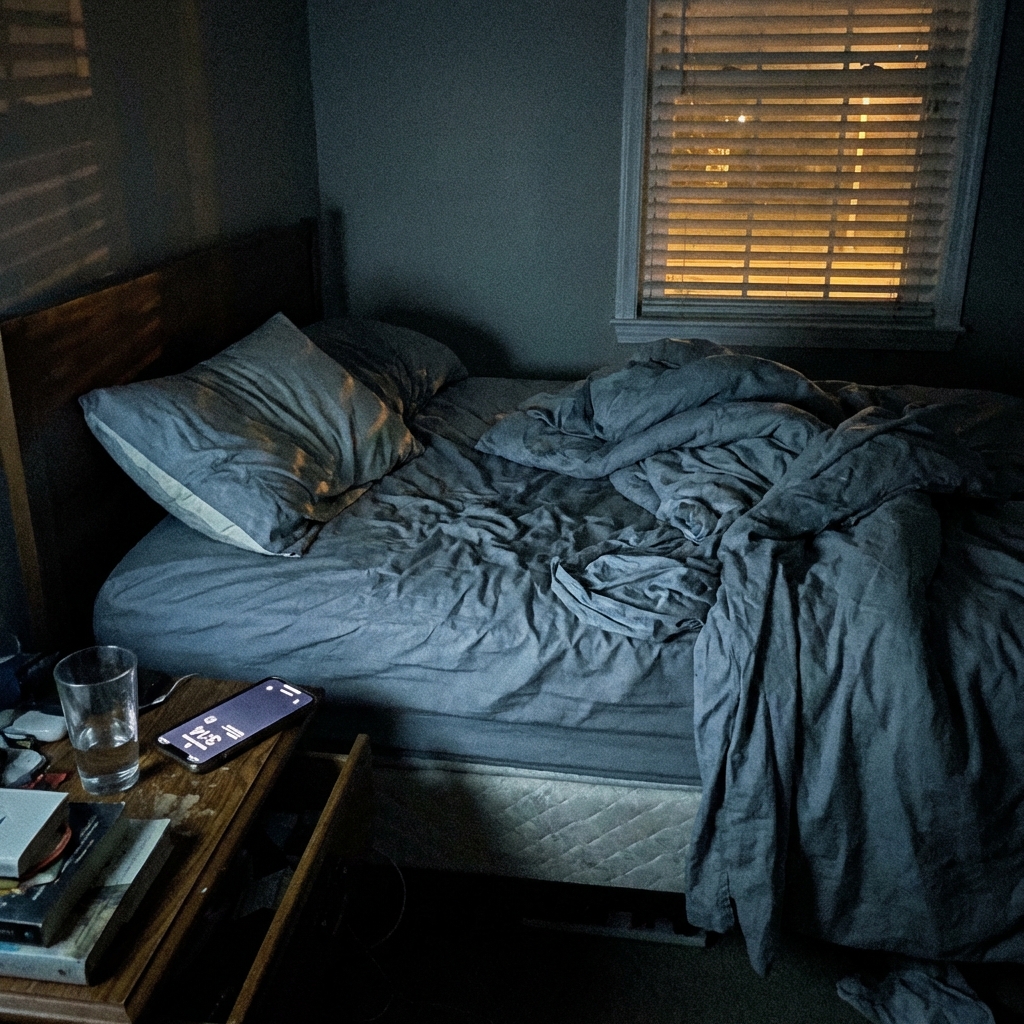
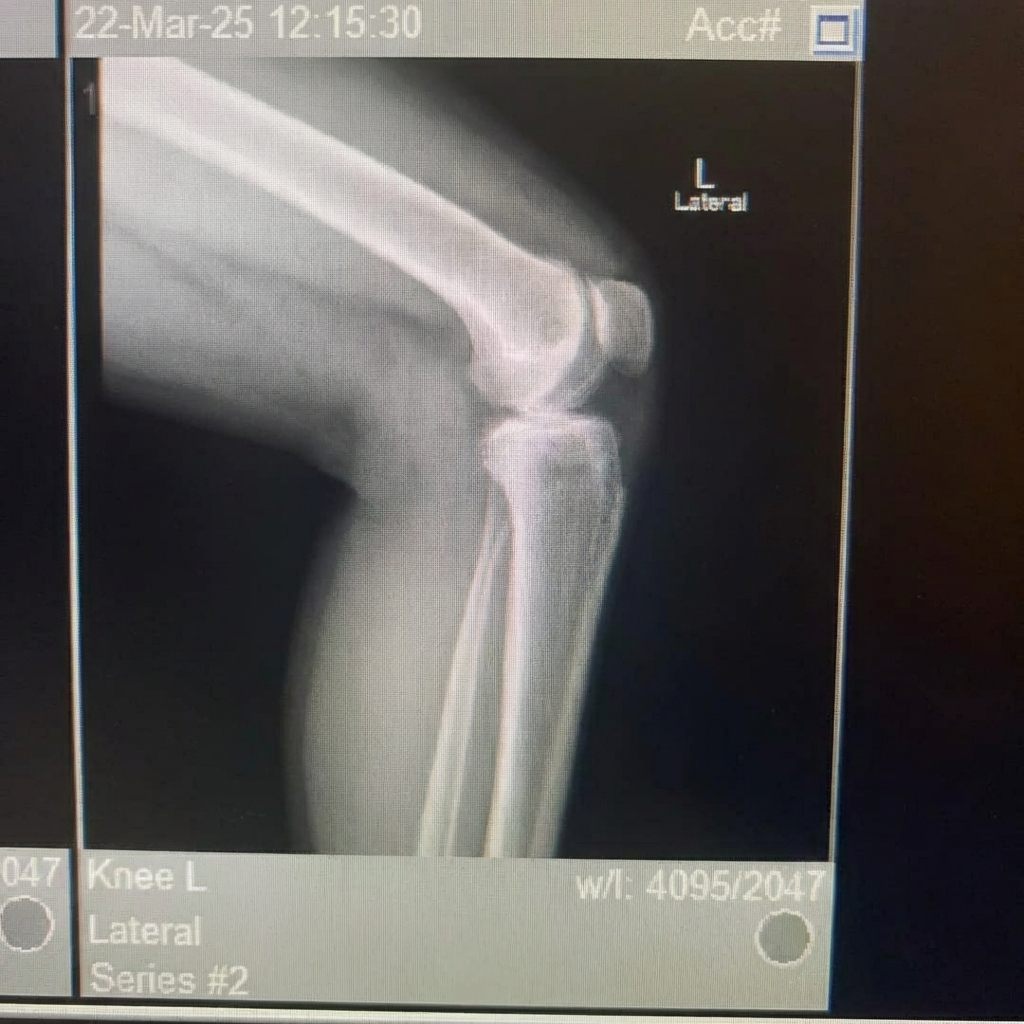
Meloxicam was supposed to save my mother's knees. Instead, I watched it take her apart piece by piece over six years. My mother died at 71. I'm 56. Three weeks ago, my doctor pulled up my X-rays. Leaned back in her chair. Took off her glasses. "Karen. Your inflammation markers are through the roof. CRP is 8.2. The cartilage in both knees is deteriorating. I'm prescribing Meloxicam. 15 milligrams daily. You'll start today." My hands went cold. The room narrowed. Meloxicam. The same medication they gave my mother. Six years of it. Her stomach first—the constant nausea that never fully went away. Couldn't eat a meal without wincing. Then the heartburn. Acid crawling up her throat at 2 AM. Antacids by the fistful. Prilosec on top of the Meloxicam on top of the Tylenol. Then the bleeding. Black, tarry stools she didn't tell anyone about for months. By the time she mentioned it, the ulcer had perforated. Emergency room. Blood transfusion. ICU for four days. The afternoon the ER doctor pulled me aside—voice low, careful—"Your mother has two gastric ulcers. One has perforated the stomach lining. This is a known complication of long-term NSAID use. Has she been on Meloxicam?" Six years. She'd been on it for six years. Then her kidneys. Creatinine levels climbing. Edema in her ankles so bad she couldn't wear shoes. Fluid retention that made her gain 22 pounds in three months. Her blood pressure—already borderline—spiked to 168/95. They added a blood pressure medication on top of the Meloxicam. Year 4: Kidney function declining. Doctor reduced the dose. Joints flared immediately. Back to the higher dose because the pain was unbearable. Year 5: Second GI bleed. Another ER visit. Another transfusion. Stomach lining eroded. Kidneys at 40% function. Blood pressure medication doubled. Year 6: Massive stroke. The Meloxicam had been raising her cardiovascular risk for six years. Blood pressure that never came down. Kidneys that couldn't regulate fluid. A body weakened by years of internal damage from the medication that was supposed to help her. She died eleven days later. Never regained consciousness. A woman who used to garden for hours on her hands and knees. Who could kneel in the dirt all afternoon pulling weeds and stand back up laughing. Gone. My sister's words at the funeral, barely audible over my own sobs: "The pills didn't fix her joints. They just destroyed her stomach. Her kidneys. Her heart. The doctors never warned us." Six years of medication. Six years of her stomach lining being eaten away. Her kidneys slowly failing. Her blood pressure climbing. Her cardiovascular risk building silently. All while her joints kept deteriorating anyway. The Meloxicam masked her pain. Didn't heal her joints. Didn't stop the cartilage loss. Didn't prevent the knee replacement surgery she eventually needed. And the damage it did to her stomach, her kidneys, her heart—that's what killed her. I sat in the parking lot. Engine off. Just gripping the steering wheel. The prescription crinkled in my purse. I pulled it out. Stared at it. Meloxicam 15mg. Take one tablet daily with food. My hands shook. My husband was watching the news when I walked through the door. "Hey. How was the appointment?" The words stuck. I handed him the prescription without speaking. CRP: 8.2. Knee X-rays showing moderate osteoarthritis in both knees. He muted the TV. Stared at the prescription. Then at me. "No." His voice was flat. Final. "Karen, I was at that funeral. I watched what that medication did to your mother for six years. The stomach bleeds. The swelling. The stroke that killed her. I can't—I won't—watch you go through that. There has to be something else." He turned away. Pressed both palms against the counter. Shoulders rigid. That night I lay awake. The ceiling fan rotated. Over. And over. And over. Red numbers glowed on the clock: 11:14 PM. Rolled over. 12:47 AM. Again. 1:52 AM. At 2:23 AM I gave up. Went downstairs. Sat at the kitchen table. Opened my laptop. The screen's blue glow hurt my eyes. I typed: meloxicam long-term side effects The search results loaded. My chest tightened. Common side effects: Nausea. Stomach pain. Diarrhea. Heartburn. Dizziness. Swelling. Serious side effects: Stomach ulcers and bleeding (can be fatal—occurs without warning). Kidney damage. Heart attack and stroke (risk increases with long-term use). Liver damage. High blood pressure. I clicked the first result. Mayo Clinic. "Meloxicam may cause bleeding in your stomach or bowels. This problem can happen without warning signs. This is more likely to occur if you are over 60 years of age." Without warning signs. I searched again: meloxicam stomach ulcer kidney damage long-term Article after article. "NSAIDs cause an increased risk of serious gastrointestinal adverse events, including bleeding, ulceration, and perforation of the stomach or intestines, which can be fatal..." "These events can occur at any time during use and without warning symptoms. Elderly patients are at greater risk for serious GI events..." "Long-term use of non-aspirin NSAIDs may increase the risk of heart attack or stroke..." "Meloxicam can lead to fluid retention and kidney damage. Drug-induced kidney damage is sometimes reversible if the drug is stopped—but not always..." My mother's face flashed in my mind. The hospital bed. The stroke. Swollen ankles. Kidneys failing. Six years of medication that masked her pain while it slowly destroyed everything else. I searched: meloxicam doesn't heal joints only masks pain Study after study. "NSAIDs reduce pain and inflammation but do not modify the underlying disease process in osteoarthritis. Joint deterioration continues despite symptom relief." Another: "Long-term NSAID use may actually accelerate cartilage degradation in osteoarthritis patients." A forum post: "My wife was on Meloxicam for five years. Stomach ulcer perforated. Emergency surgery. Kidney function down to 35%. She still needed the knee replacement anyway. The medication just made her comfortable while everything got worse underneath. Age 61. Now she's dealing with the arthritis AND the damage from the medication." My heart hammered against my ribs. I closed the laptop. Rubbed my face with both hands. What do I do? The prescription sat on the counter. Six feet away. Mocking me. I didn't fill it. Four days passed. The doctor's office called. "Mrs. Mitchell, you haven't picked up your prescription. Dr. Patel needs confirmation you've started the medication." "I need more time." "Ma'am, your CRP is 8.2. You have moderate osteoarthritis in both knees. This is not something that improves on its own. Dr. Patel was very clear—" "I said I need more time." I hung up. Six days. Eight. My husband found me on the back porch one evening. "Karen. What are you doing out here?" "Thinking." "About?" "Options." "The doctor said you need medication." "The doctor said my mother needed medication too. Didn't heal her joints. Just destroyed her stomach and kidneys and gave her the stroke that killed her." His jaw tightened. "But what if she's right? What if the inflammation gets worse? What if the cartilage is gone in two years and you need surgery?" "What if the medication eats a hole in my stomach like it did to Mom? What if my kidneys fail? What if it gives me a stroke? What if I die anyway—just like she did—but only after years of damage from the medication that was supposed to help?" He had no answer. That weekend I searched everything. Natural anti-inflammatories. Clinical studies. Research papers. Tart cherry appeared everywhere. Inflammation reduction. Joint pain relief. Studies from universities showing 47% reduction in inflammatory markers. CRP levels dropping. More than 50% of osteoarthritis patients experiencing significant pain and function improvement. Real universities. Real clinical trials. Not fringe pseudoscience. Monday morning I ordered a tart cherry supplement from a health food store. Highest rated. Thousands of reviews. Six weeks later: Knees still aching. Still stiff every morning. Still wincing on stairs. I tried a different brand next. The one my neighbor recommended. Eight weeks. Never missed a day. Maybe 10% improvement. Maybe. Still couldn't kneel in the garden. Still limping by evening. My follow-up appointment was in three weeks. Then two. Then one. Every time my knees throbbed climbing stairs—that deep, grinding ache behind the kneecap—I saw my mother. The hospital bed. The stroke. The funeral. Six years of medication that never healed her joints and destroyed everything else. Eleven days before my appointment, I was in Whole Foods. Supplement aisle. Forty different tart cherry products. All useless. Two women talking one aisle over. "—problem isn't tart cherry. Most supplements are heat-processed. The anthocyanins—the compounds that actually reduce inflammation—they're destroyed by high temperatures. You're swallowing expensive powder with nothing active left in it." I walked over. "What did you say about heat processing?" The older woman turned. Name badge: "Certified Nutritionist." "Tart cherry has the highest anti-inflammatory content of any food. The anthocyanins in it target the same inflammation pathway as Meloxicam—COX-1 and COX-2 enzymes. Same mechanism. But most supplements are processed at high temperatures to cut costs. That destroys the anthocyanins. What's left is basically fiber with a cherry label. No anti-inflammatory power." My chest tightened. "I've been taking them for three months. Barely any improvement." "The clinical studies used cold-processed tart cherry with verified anthocyanin content. The studies showing 47% inflammation reduction? That's real tart cherry with the compounds intact. Most supplements don't even test for anthocyanin content. The active compounds oxidize during processing. You're paying for a label, not a result." "So the ones I've been taking..." "Probably processed at 160-plus degrees. Anthocyanins start degrading at 104. By the time it's in a capsule, most of the anti-inflammatory compounds are gone. Plus—this is the important part—tart cherry doesn't just block the pain signal like Meloxicam does. The anthocyanins actually reduce the inflammatory markers themselves. They lower your CRP. They clear the compounds that are destroying your cartilage. Meloxicam masks the inflammation. Real tart cherry removes it." "Removes it." "At the source. That's why the studies show real joint function improvement—not just pain masking." She pulled out her phone. "Only one brand I recommend. GoodGrove. Cold-processed tart cherry. They test every batch for anthocyanin content. Third-party verified. Certificate of Analysis published. The compounds actually survive to reach your bloodstream." Certificate of Analysis. Anthocyanin content verified. Cold-processed extraction. "How do I know it works? I've wasted three months on supplements that did nothing." "Within the first 7-10 days, you'll notice the morning stiffness easing. That's the anthocyanins clearing the inflammatory markers. By week 3, the deep joint ache starts lifting. You'll know because you'll do something—climb stairs, kneel down, walk a distance—and realize it didn't hurt the way it used to." I pulled out my phone. Ordered it standing there. When it arrived, I took the first dose immediately. With breakfast. Waited. Day 4. Subtle. Almost missed it. I stood up from the kitchen chair. Walked to the coffee maker. No wince. I stopped mid-step. Replayed it. I'd stood up from a seated position without bracing myself on the armrest. Without that sharp catch behind my kneecap. Small. But it was there. Day 7: The morning stiffness—that locked-up, rusted-hinge feeling in both knees that usually lasted until 10 AM—was gone by 8:30. I walked downstairs without gripping the handrail. My husband looked up from his coffee. Watched me cross the kitchen. Didn't say anything. But I saw his eyebrows lift. Two weeks: I walked the full loop around our neighborhood. Twenty-two minutes. No stopping. No limping by the end. First time in over a year. Three weeks: Knelt in the garden. Pulled weeds for forty minutes. Got back up without help. Without grabbing the fence post. Without that grinding, bone-on-bone sensation that used to make me gasp. I called my sister that evening. She'd been having hip pain. Starting to limp. "I walked the full neighborhood loop today," I told her. Silence on the other end. "Karen... how?" I explained everything. The anthocyanin connection. The cold-processed extraction. The COX enzyme pathway. The difference between heat-processed garbage that destroys the active compounds and the real thing that actually reaches your joints. "I'm sending you a bottle," I said. "Your hip has been getting worse. Try it before they put you on NSAIDs." Her voice cracked. "If this works—if you don't have to go through what Mom went through—" "It's working. I promise." The morning of my follow-up, I checked my knees. Climbed the stairs twice. No pain. Bent down and touched my toes. Straightened up. No catch. No grinding. No sharp intake of breath. At the doctor's office, they drew blood for inflammatory markers. The nurse came back with the results. Looked at the chart. Looked at me. Looked at the chart again. "CRP: 2.1." Silence. Dr. Patel pulled up my history. Stared at the numbers. Scrolled back to my last visit. "Karen. Your CRP was 8.2 eight weeks ago. Now it's 2.1. What happened?" I told her. Cold-processed tart cherry. Anthocyanin-mediated COX enzyme inhibition. Third-party tested for active compound content. Certificate of Analysis. She typed notes. Nodding slowly. "Well." She closed the laptop. "Your inflammatory markers have dropped significantly. How are the knees?" "I kneeled in my garden last week. Pulled weeds for forty minutes. Got up without help." She paused. "No Meloxicam necessary at this time. We'll recheck your CRP and do follow-up X-rays in three months. If this trend continues, you're reversing the inflammatory damage." No Meloxicam necessary. I walked to my car. Got in. Sat there. Then called my husband. "CRP: 2.1. No Meloxicam." I heard his breath catch. Then silence. Then—barely audible: "Thank God. Thank God, Karen." That was ten weeks ago. My CRP this morning? 1.4. Normal. Healthy. No medication. No stomach ulcers. No GI bleeding. No kidney damage. No fluid retention. No blood pressure spikes. No heart attack risk. No years of masking pain while my joints quietly disintegrated anyway. I'm not following my mother's path. Yesterday I hiked with my daughter for the first time in three years. Full two-mile trail. Uphill sections. Rocky terrain. Not even limping afterward. She grabbed my arm when we reached the overlook. "Mom! We haven't done this since I was in college! Can we make this a regular thing?" My throat tightened. My eyes burned. Because the answer was yes. If you're reading this, you see yourself in my story. Your joints ache. Deep. Grinding. Every morning a negotiation with your own body just to get moving. Your mother or father suffered from medication side effects—stomach ulcers, GI bleeding, kidney failure, stroke. Lost their life to the damage. Your doctor's prescribed Meloxicam or another NSAID. You've Googled the side effects at 2 AM. Seen the stomach ulcer studies. Read about the kidney damage. The heart attack risk that increases with every year of use. Felt paralyzed between two horrible choices. You've tried other tart cherry supplements. Nothing worked. Here's what I want you to know: If I hadn't overheard that conversation in Whole Foods, I'd be on Meloxicam right now. For life. Living with the same side effects that destroyed my mother over six years and killed her. The constant nausea. The heartburn. Watching my stomach lining erode year after year. Kidneys slowly failing. Blood pressure climbing. All while the medication just masked the pain—never healing my joints—and the cartilage kept deteriorating underneath. But I had a choice I didn't know existed. I chose to try one more thing. To find a supplement that actually preserved the compounds that reduce inflammation—not just one that printed "tart cherry" on the label. That choice changed everything. If you're where I was ten weeks ago—terrified of medication, desperate for an alternative that actually works—try GoodGrove. Track your pain levels. Give it an honest trial. Your future self will thank you. I tried two other tart cherry supplements before GoodGrove. None worked. Here's why GoodGrove did: Cold-Processed Tart Cherry (Anthocyanins Preserved) Standard tart cherry supplements are heat-processed at 160°F+ to reduce costs. Anthocyanins—the compounds responsible for ALL the anti-inflammatory benefits—start degrading at 104°F. By the time it reaches the capsule, most of the active compounds are destroyed. GoodGrove uses cold-processed extraction that preserves the full spectrum of anthocyanins. The anti-inflammatory compounds reach your bloodstream intact. They work. These anthocyanins inhibit COX-1 and COX-2 enzymes—the exact same inflammatory pathway that Meloxicam targets. But instead of just blocking the pain signal while damaging your stomach and kidneys, tart cherry anthocyanins reduce the actual inflammatory markers—CRP, TNF-alpha, IL-6, IL-1 beta—that are destroying your cartilage. Meloxicam masks inflammation while eating holes in your stomach lining. GoodGrove removes inflammation at the source while protecting your body. 47% Reduction in Inflammatory Markers (Clinically Verified) Research from real universities showed tart cherry reduced inflammatory markers by 47%. More than 50% of osteoarthritis patients experienced significant pain and function improvement. CRP levels dropped. Joint function improved. Researchers called tart cherry "the highest anti-inflammatory content of any food." But only when the anthocyanins are preserved. Only when the extraction process doesn't destroy them. GoodGrove delivers the same potency used in clinical studies. Third-party tested. Every batch verified. The dose that works in research. Root Cause vs. Symptom Masking (Protects Your Joints Instead of Destroying Your Stomach) Meloxicam blocks pain signals. That's it. Your joints keep deteriorating. Your cartilage keeps degrading. The inflammation keeps building. You just can't feel it. Meanwhile, the medication erodes your stomach lining, damages your kidneys, raises your blood pressure, and increases your risk of heart attack and stroke. GoodGrove's anthocyanins work through the NF-kB signaling pathway to reduce the inflammatory cascade itself. They clear the cytokines that are actively destroying your cartilage. They lower CRP levels. They don't just mask the problem—they address why your joints hurt in the first place. Your joints improve because the inflammation causing the damage is actually reduced—not just hidden. Dual-Phase Proof System Within 7-10 days: Morning stiffness eases. Joint mobility improves. Proof the anthocyanins are clearing inflammatory markers. Over 3-4 weeks: Deep joint pain lifts. Activities you'd given up become possible again. CRP levels drop measurably. I didn't have to wonder. I could feel it. Measure it. Track it. Try GoodGrove for up to 90 days. Track your joint pain weekly. If you're not satisfied for ANY reason—if you don't see improvement in your mobility—if you don't feel the morning stiffness lifting—if you don't believe this is the breakthrough you've been searching for—contact customer service for a full refund. No questions asked. You risk absolutely nothing. You're at a crossroads right now. One path: Fill the prescription. Start Meloxicam. Hope you're one of the lucky ones who doesn't get the stomach ulcers. Or the GI bleeding that comes without warning. Or the kidney damage. Or the fluid retention. Or the elevated blood pressure. Or the increased heart attack and stroke risk. Accept that the medication will mask your pain while your joints keep deteriorating underneath. My mother accepted that deal. She's gone. Another path: Do what I did. Try a tart cherry supplement that's actually cold-processed with verified anthocyanin content. Track your pain levels. Give it an honest trial with zero financial risk. I chose the second path. It saved me from medication. From side effects. From following my mother's path. From years of stomach damage and kidney decline and cardiovascular risk that wouldn't even heal the joints the medication was supposed to help—and that ultimately killed her. It gave me my life back. Ten weeks ago, I was paralyzed. My CRP was 8.2. My X-rays showed moderate osteoarthritis. My doctor prescribed Meloxicam. I was sitting in the same position my mother was in six years before she died—about to start the same medication that destroyed her stomach, her kidneys, and ultimately gave her the stroke that killed her. I sat at my kitchen table at 2 AM reading about stomach ulcers, GI bleeding, kidney failure, heart attack risk, and joint cartilage that keeps deteriorating even while you're on the medication. Reading forum posts from people whose family members ended up in emergency rooms from the "safe" medication their doctors prescribed. I felt trapped. Like there was no good choice. Just two different ways to lose my independence. But I was wrong. There was a third option I didn't know existed. If you're where I was—terrified of medication, desperate for something that actually works—try GoodGrove. Track your pain levels. Give it an honest 90-day trial. Your future self will thank you. https://trygoodgrove.com/tart-cherry — Karen Mitchell P.S. — I noticed the morning stiffness easing by day 7. Walked my full neighborhood loop by week 2. Kneeled in my garden by week 3. CRP dropped from 8.2 to 2.1 by my follow-up appointment. Avoided Meloxicam entirely. Your timeline might be different. But you won't know unless you try. P.P.S. — Every day you wait is another day of unchecked inflammation. Every day the cartilage erodes. Every day closer to the knee replacement your doctor says is "inevitable." Every day closer to starting medication that eats your stomach lining, damages your kidneys, raises your blood pressure, and increases your heart attack risk—all while your joints keep getting worse underneath. Don't wait until you can't climb stairs. Don't wait until you can't kneel down. Don't wait until the only option left is surgery. Order now. https://trygoodgrove.com/tart-cherry
Like this ad? Make it yours.
Crush rebuilds this exact creative around your product — your brand, your colors, your offer — in about a minute.