
Active· since Feb 9, 2026
- 221
- days running
- 0
- relaunches
- 123
- EU reach
Ad copy
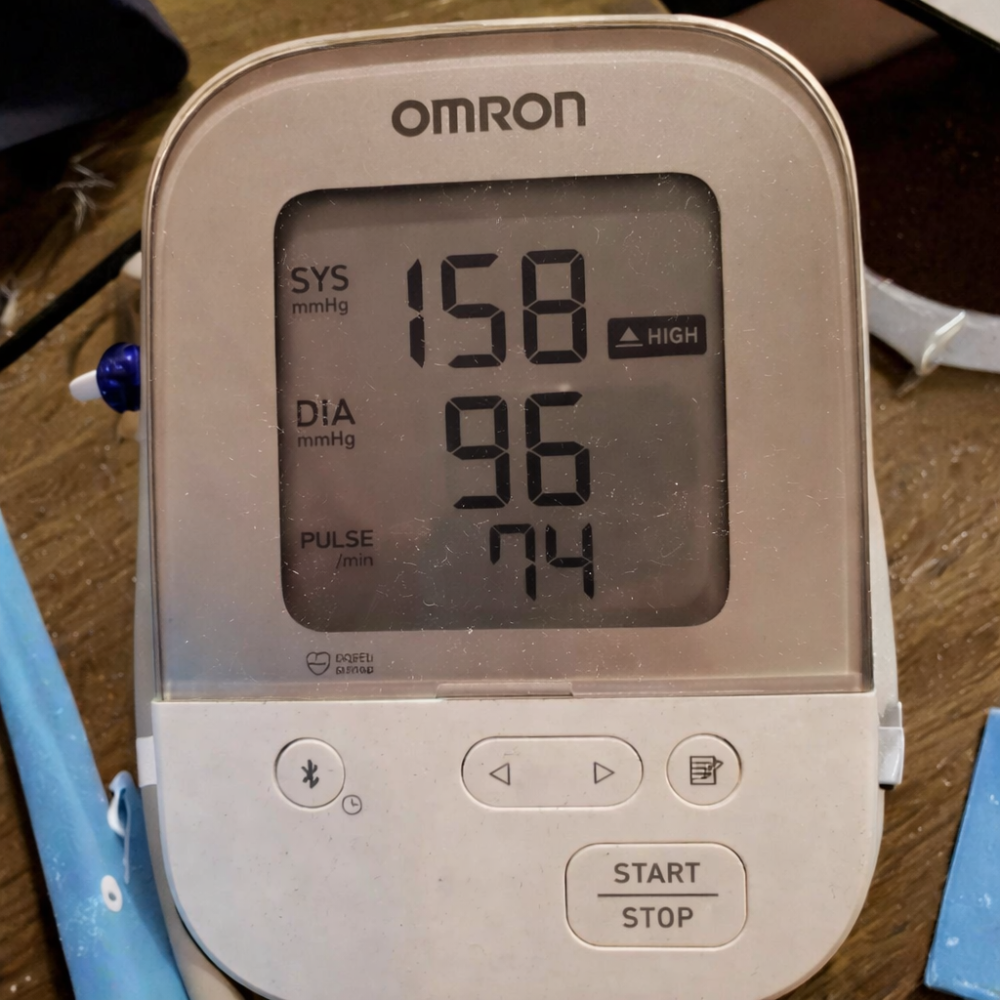
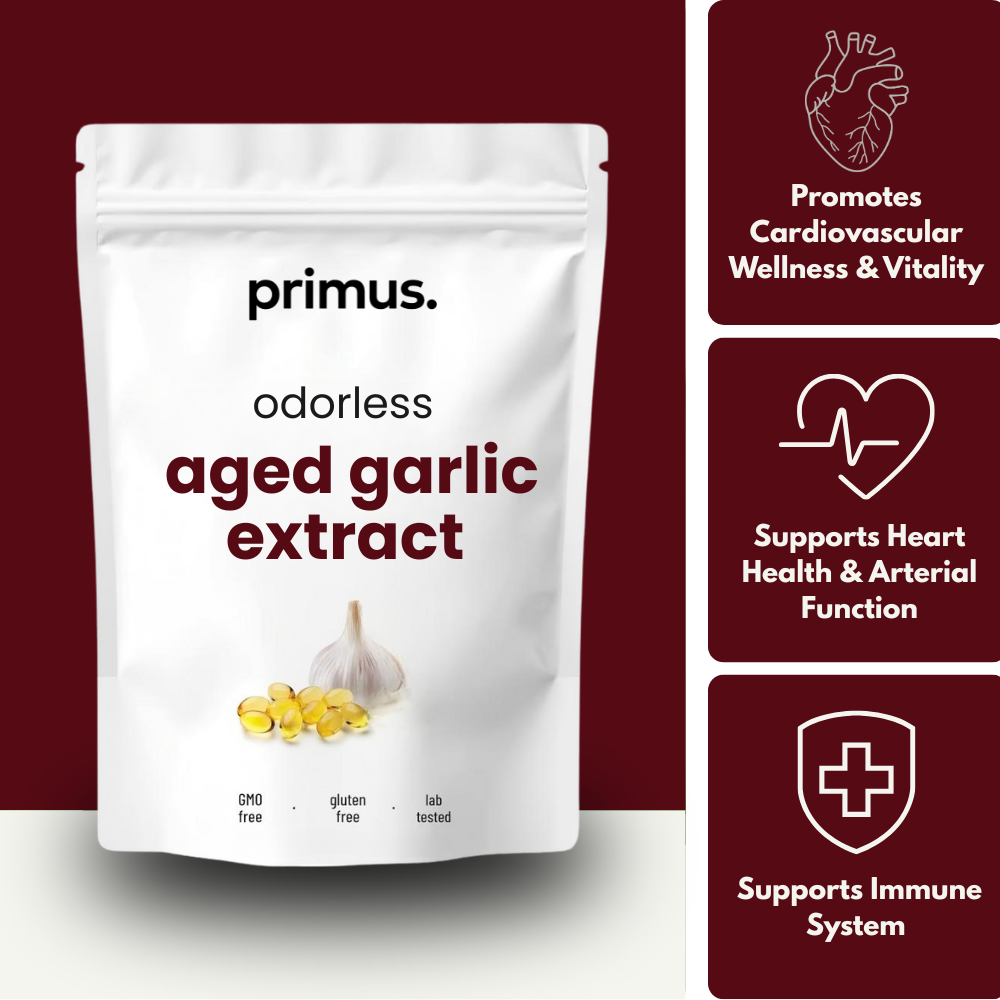
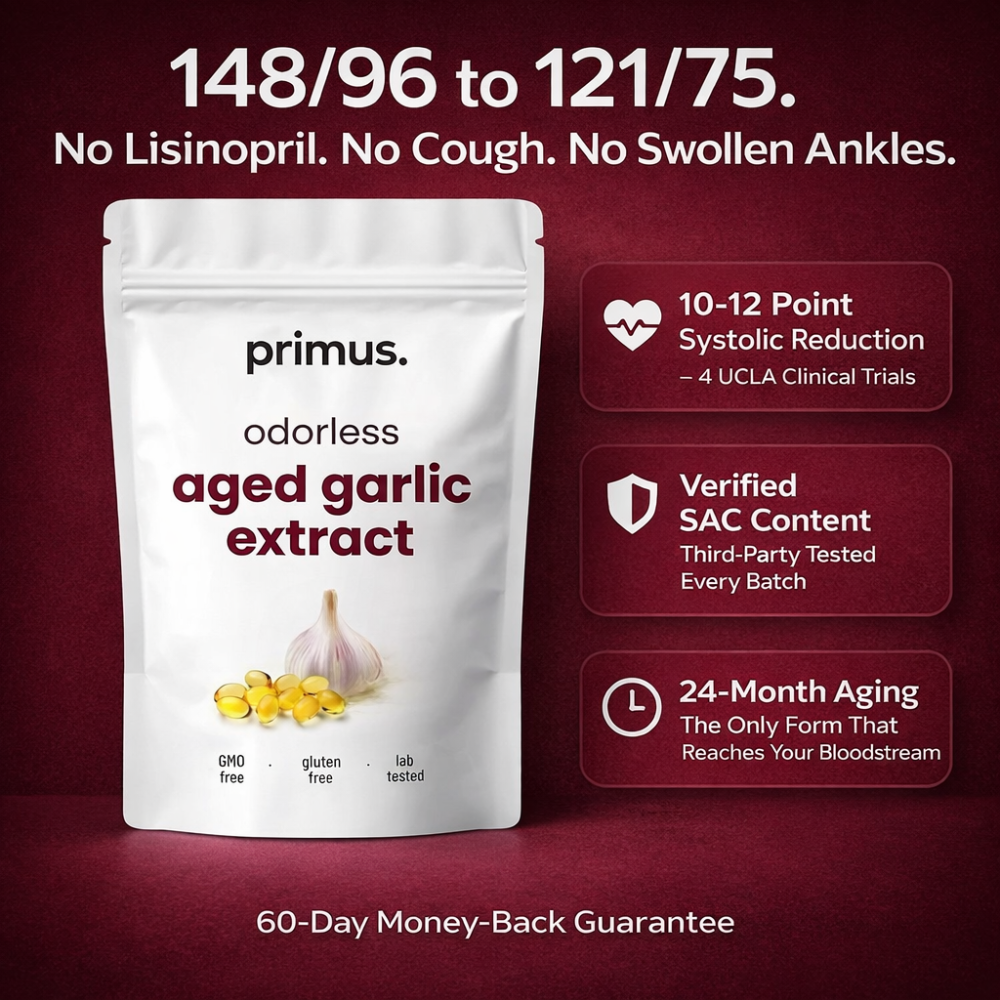
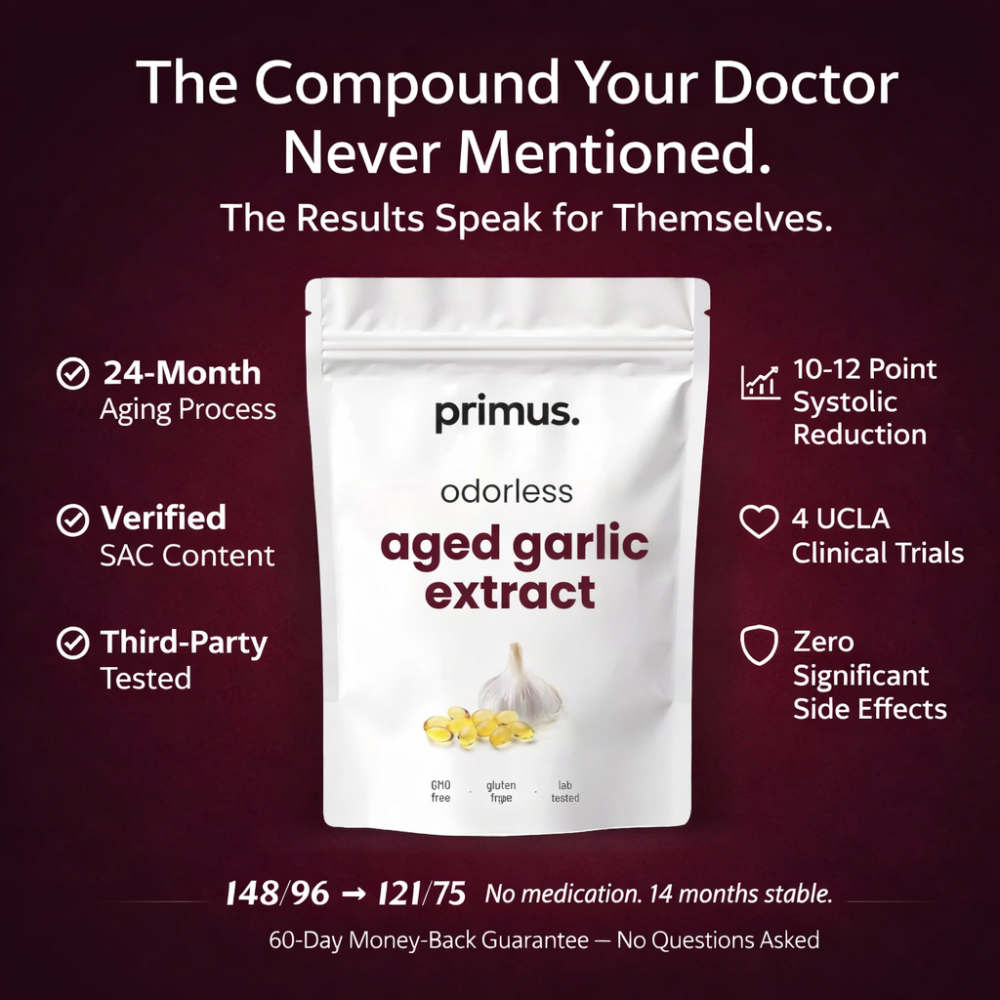
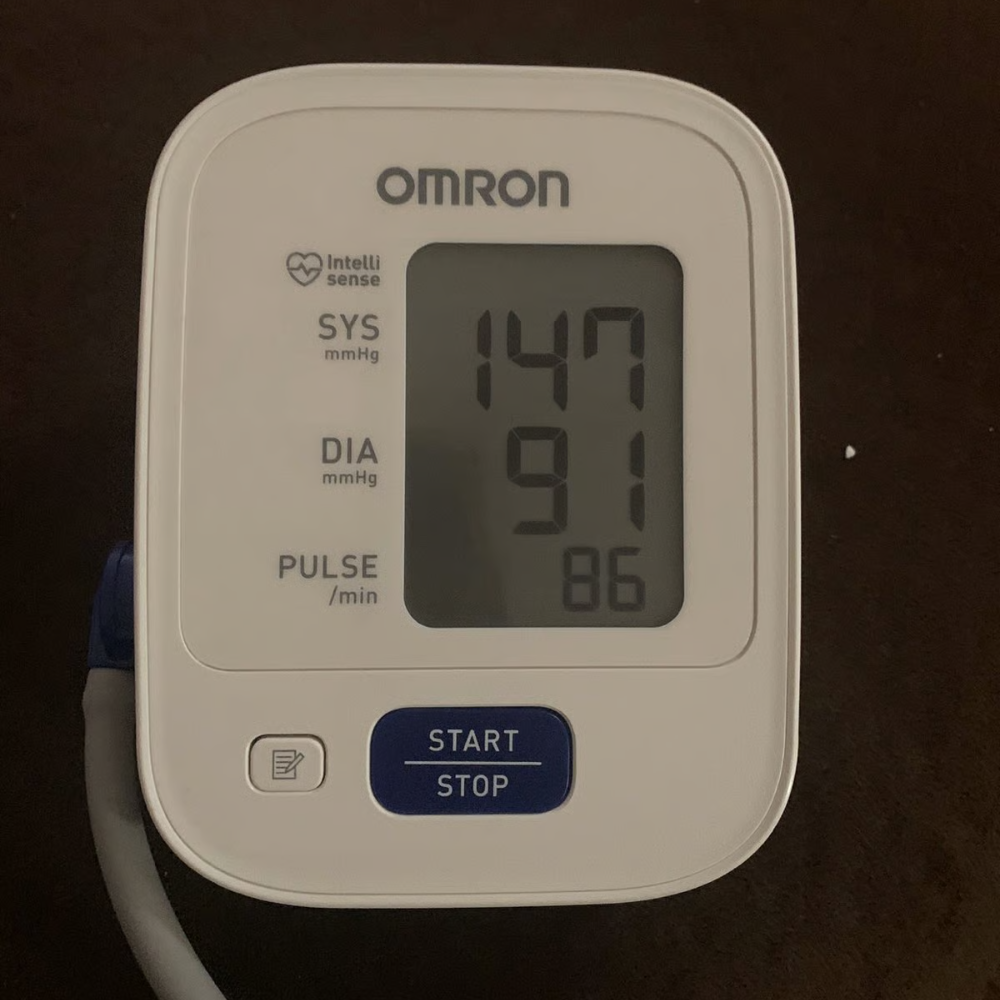
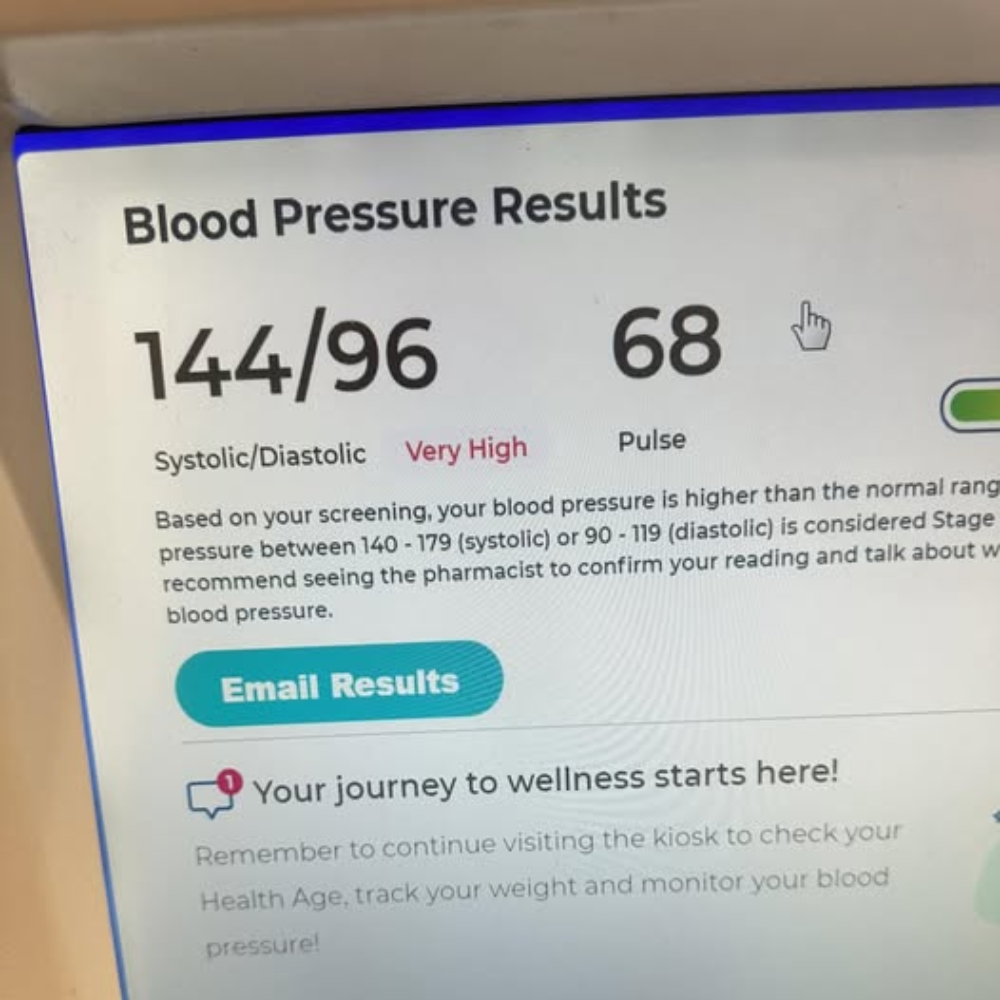
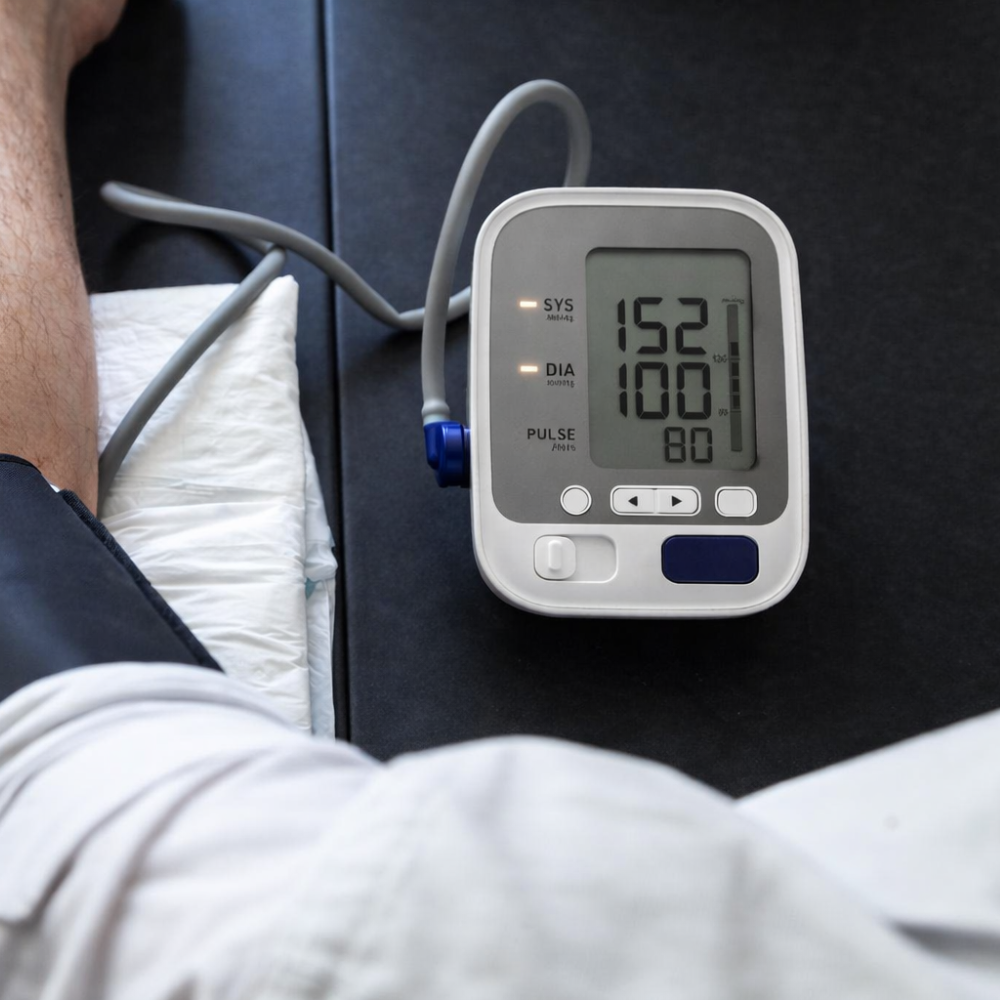
My neighbor grills burgers every weekend. Drinks beer. Never exercises. His blood pressure? 118/76. I haven't had salt in 6 months. I walk 5 miles a day. Mine? 152/94. The difference isn't discipline. It's biology. And nobody tells you that. And by the end of this, you're gonna be pissed. Because there are three things happening right now: One — You're killing yourself with discipline while people around you do nothing and have perfect numbers Two — Your doctor's only explanation is "everyone's different" before reaching for the prescription pad Three — There's a specific biological reason your body doesn't respond to lifestyle changes — and a solution that actually addresses it So let me tell you exactly what happened. Because when I finally understood why my effort wasn't working, everything changed. I live next to a guy named Doug. Doug is 58. Same age as me. Same build. Same family history — both our dads had heart problems. Every Saturday, Doug fires up his grill. Burgers. Brats. Ribs dripping with sauce. I can smell it from my backyard while I'm eating my grilled chicken with no salt and steamed vegetables. Doug drinks beer. Not light beer. Real beer. Multiple cans every weekend. Doug's idea of exercise is walking to the mailbox. I've watched him live this way for the six years we've been neighbors. Never once seen him go for a jog. Never once heard him talk about watching his sodium. Never once noticed him check a nutrition label. Meanwhile, I've spent the last eight months in the most disciplined health transformation of my life. Let me be specific. Because I documented everything. Day 1: I threw out everything in my kitchen that had more than 200mg of sodium per serving. Chips. Pretzels. Canned soups. Frozen dinners. Deli meat. Soy sauce. Even the bread — 230mg per slice. Gone. I bought a kitchen scale. A food journal. A blood pressure monitor that syncs to my phone. Starting point: 154/98. Week 1 through Week 4: Zero alcohol. Not a single beer. Not a glass of wine with dinner. Nothing. I walked 5 miles every single morning — rain, shine, snow, didn't matter. I was out there at 6 AM putting in the work. I measured my sodium intake like a scientist. Under 1,500mg per day. Logged to the milligram. I bought low-sodium everything. Cooked every meal at home. Brought my own lunch to work while my coworkers ordered takeout. Week 4 blood pressure: 152/97. Two points. Four weeks of perfect discipline and I dropped two points. I wasn't discouraged yet. I figured it takes time. The body needs to adjust. So I pushed harder. Week 5 through Week 12: Added resistance training three times a week. Pushups, squats, resistance bands, the whole routine. Cut out caffeine completely — no coffee, no tea, no energy drinks. Started meditating 15 minutes every morning because I read stress affects blood pressure. I lost 9 pounds in the first three months. My clothes were fitting better. I had more energy. I was sleeping better than I had in years. Week 12 blood pressure: 151/96. One more point. In eight weeks. Total progress in 12 weeks of military-grade discipline: 154/98 down to 151/96. Three points. I stared at that monitor and felt something break inside me. Not physically. Emotionally. The feeling of knowing you're doing everything right and it doesn't matter. Week 13 through Week 24: I doubled down. Started the DASH diet — the one specifically designed for blood pressure. Added swimming twice a week. Reduced sodium even further, under 1,200mg daily. Lost another 8 pounds for a total of 17. I was in the best shape of my adult life. My waistline was smaller than it had been in twenty years. I could climb stairs without getting winded. I had energy I hadn't felt since my thirties. Week 24 blood pressure: 150/95. One more point. In another three months. Six months of perfect discipline. 17 pounds lost. Zero alcohol. Under 1,200mg sodium daily. Exercise six days a week. The DASH diet. Meditation. Swimming. Total blood pressure improvement: 154/98 to 150/95. Four points. Now here's the part that made me want to put my fist through a wall. Last month, our company did their annual health screening. Same nurse. Same equipment. Everyone in the office got tested on the same day. Doug — my neighbor who I carpool with sometimes — went right before me. I was sitting in the waiting area when I heard the nurse say his numbers: "118 over 76. Perfect. Whatever you're doing, keep it up." Whatever he's doing. Burgers and beer. That's what he's doing. Then it was my turn. I sat down. Rolled up my sleeve. Watched the cuff inflate. "152 over 94. That's elevated. Are you on any medication for blood pressure?" No. I'm not on medication. I'm on a six-month mission of perfect discipline that's apparently worth nothing. I drove home that day in silence. Doug was in the passenger seat, talking about the game last weekend. I wasn't listening. I was doing math. Six months of effort. 17 pounds lost. Thousands of dollars on healthy food. Hundreds of hours of exercise. Four points. Doug has done nothing. Literally nothing. And his blood pressure is 34 points lower than mine. How is that possible? If effort mattered, I should have better numbers than Doug. If discipline mattered, I should be the one with 118/76. But that's not how it works. And nobody tells you that. That night I couldn't sleep. I was lying in bed at midnight, then 1 AM, then 2 AM, just staring at the ceiling. Finally I got up and went to my computer. I didn't search "how to lower blood pressure." I'd read all of that. I'd done all of that. It didn't work. I searched: "why do some people have high blood pressure despite healthy lifestyle" And then: "why doesn't exercise lower blood pressure for everyone" And then: "biological reasons blood pressure doesn't respond to diet" That last search opened a door I didn't know existed. I found a research paper from UCLA. A cardiologist named Dr. Matthew Budoff. Published in peer-reviewed medical journals. Not a blog post. Not a supplement company's marketing page. An actual scientist at an actual university. He was researching why blood pressure responds to lifestyle changes in some people and not others. The answer made me sit up straight at 3:14 AM. Endothelial function. Your endothelium is the inner lining of your blood vessels. It produces a molecule called nitric oxide. Nitric oxide is your body's natural blood pressure regulator — it tells your arteries to relax and widen. Blood flows more easily. Pressure stays low. Some people — like Doug — have endotheliums that produce plenty of nitric oxide naturally. Their arteries stay flexible for decades. Their blood pressure stays low no matter what they eat. No matter how little they exercise. Their bodies just regulate themselves. Other people — like me — have endotheliums that become less efficient over time. They produce less nitric oxide. Their arteries stiffen. They constrict. Blood has to push harder to get through. Pressure rises. And here's the part that made me furious: Diet and exercise can reduce the LOAD on your cardiovascular system. Losing weight means your heart doesn't have to work as hard. Reducing sodium means less fluid retention. Exercise strengthens the heart muscle. But none of those things directly restore nitric oxide production in arteries that have already stiffened. That's why Doug eats burgers and has perfect blood pressure. His endothelium works fine. His arteries are naturally flexible. His genetics gave him a cardiovascular system that regulates itself without help. That's why I eat steamed vegetables and have 152/94. My endothelium isn't producing enough nitric oxide anymore. My arteries have stiffened. And no amount of walking or sodium restriction can fix that. Because the problem isn't behavioral. It's vascular. I spent six months attacking the wrong problem. I spent six months blaming myself for something that was never about discipline. I sat there at 3:47 AM reading study after study, and something inside me shifted. Not just understanding. Relief. It wasn't my fault. I wasn't failing. My body just works differently than Doug's body. And no amount of willpower can change that. But something else can. Dr. Budoff's research centered on a specific compound: S-allylcysteine. SAC. SAC is found only in garlic that has been aged for 20 to 24 months. During the aging process, unstable compounds in raw garlic convert into this stable, bioavailable form. And SAC does something remarkable: it supports your endothelium to produce nitric oxide. The exact thing my body had stopped doing efficiently on its own. Four randomized clinical trials. UCLA. Peer-reviewed journals. Patients with hypertension who didn't respond adequately to lifestyle changes. Systolic blood pressure reductions of 10-12 points. Improved arterial flexibility. And — this is important — no significant side effects. I read that last part three times. 10-12 points. In people like me. People whose lifestyle changes weren't enough. I'd gained four points in six months of perfect discipline. This compound could give me 10-12 points? Now here's why I'd never heard of this. You can't patent garlic. No pharmaceutical company can own it. There's no billion-dollar marketing campaign behind it. No sales reps walking into doctors' offices with samples and lunches. There IS a billion-dollar industry behind Lisinopril. Behind Amlodipine. Behind Metoprolol. Behind every blood pressure medication on the market. Every refill is revenue. Every side-effect follow-up is a billable visit. Every dose adjustment is another appointment. A compound that helps your body regulate blood pressure naturally? That's a patient who doesn't need medication. That's a customer lost. So nobody tells you. Your doctor doesn't mention it because she was never taught about it. No pharmaceutical rep educated her. No medical journal she reads ran ads for it. The system isn't designed to help you avoid medication. It's designed to put you on it. Now — here's the critical detail that most people miss. Not all garlic supplements contain SAC. In fact, most contain zero. Regular garlic supplements contain allicin. The compound that makes garlic smell. The compound that every garlic product advertises on the label. Here's the problem: Allicin is destroyed by stomach acid in under 60 seconds. Not reduced. Not weakened. DESTROYED. Completely broken apart before it ever reaches your bloodstream. So every garlic supplement at CVS, Walmart, Amazon, Costco — doesn't matter how many milligrams, how many stars, how many reviews — has the same fatal flaw. The active compound gets annihilated in your stomach before it can do anything. That's why garlic pills don't work. That's why millions of people try them and see nothing. The stuff that's supposed to help literally never makes it into your blood. But when raw garlic is aged for 20 to 24 months in a controlled environment, something different happens. The unstable allicin slowly converts into S-allylcysteine. SAC. SAC is stable. Acid-resistant. It passes through your stomach completely intact and enters your bloodstream. Once in your bloodstream, it supports your endothelium. Supports nitric oxide production. Supports your body's natural mechanism for keeping blood pressure healthy. This isn't a drug forcing your numbers down with chemicals. This is giving your body what it needs to regulate itself. THAT'S what Dr. Budoff was studying at UCLA. Not regular garlic. Aged garlic. With verified SAC content. And that's why he got results when everyone taking regular garlic pills got nothing. At 4:30 AM, I started searching for aged garlic supplements. I ordered Kyolic from Amazon. The biggest brand. The one with the most reviews. I took it for two weeks. Checked my blood pressure obsessively. 152/96. 151/95. 153/94. Nothing. I tried another brand from Whole Foods. "Aged garlic. High potency." Their label claimed 600mg of aged garlic per capsule. Two weeks. Nothing. Still hovering around 150. And then I found a forum thread that explained why. Most "aged garlic" supplements are a lie. They age their garlic for 6 months. Maybe 8. Because it's cheaper. Faster. Gets the product to market quicker. Looks good on the label. But the molecular transformation from allicin to S-allylcysteine takes a MINIMUM of 20 to 24 months. Six months isn't enough. The conversion barely starts. The SAC content is negligible. So you're buying a product that says "aged garlic" on the label but doesn't contain meaningful amounts of the compound that actually works. That's why Kyolic didn't work for me. That's why the Whole Foods brand didn't work. I was buying labels, not compounds. And then someone in the forum mentioned Primus. Full 24-month aging process. Not 6 months. Not 12 months. The full duration required for complete molecular transformation. Verified S-allylcysteine content — not "garlic equivalent," not "allicin potential," actual measured SAC. Third-party tested. Certificate of Analysis published on their website. The same form of aged garlic that Dr. Budoff studied at UCLA. I went to their website. Read everything. Checked the lab reports. Compared the SAC content to what was used in the clinical trials. It matched. I ordered three bottles at 4:52 AM. The package arrived two days later. I started taking it immediately. Every morning with breakfast. Kept doing everything else — the walking, the diet, the discipline. But now I was adding what had actually been missing. And I'm going to be honest — the first week, not much happened. Day 4: 149/94 Day 5: 150/93 Day 6: 148/94 Day 7: 149/93 Maybe a point or two. Could be normal variation. I'd seen my numbers fluctuate like this before. But I'd read the research. SAC takes time to support nitric oxide production. The clinical trials showed results building over 4-8 weeks. I kept going. Day 10: 145/91 I checked it twice. Then three times. Down from 150 ten days ago. Day 14 — two weeks in: 141/88 I stared at the monitor. 141. I hadn't seen 141 in over a year. My hands were shaking. Not from anxiety. From something I hadn't felt in six months. Hope. Week 3: 136/85. Then 134/84. Then 137/86. Consistently in the mid-130s. After six months of being stuck at 150-154. Week 4: 131/82. Then 129/80. Then 130/81. I sat at my kitchen table looking at that monitor showing 129/80 and I started laughing. My wife came in. "What's so funny?" I showed her the number. Then I showed her my log from six months ago. "154 to 129. In four weeks." She looked at the monitor. Then at me. Then back at the monitor. "How?" "I finally found what my body was actually missing. It was never about discipline. It was about biology." Last weekend, Doug and I were both in our backyards. Him at the grill with his usual spread — burgers, brats, a cooler full of beer. Me on my patio with my grilled chicken and vegetables. He waved me over. "Come have a burger, man. You've earned it. You've lost what, twenty pounds?" "Seventeen." "So celebrate! One burger won't kill you." I walked over to the fence. Smiled. "Hey Doug. Remember the health screening last month?" "Yeah?" "What was your blood pressure again?" "I don't know. 118 over something? The nurse said it was perfect." "Mine was 152." He nodded. "Yeah, you mentioned. That sucks, man. But you're doing everything right. It'll come down." "It already did." I pulled out my phone. Showed him my blood pressure log from that morning. 126/78. He squinted at it. "Wait. That's lower than mine." "Yep." "How? You were way higher than me last month." "Found something that actually works. For people like me whose bodies don't regulate blood pressure naturally." He looked confused. I didn't explain. I just smiled and went back to my yard. Because six months ago, I was the guy doing everything right while Doug did nothing and had perfect numbers. I was the guy feeling like the universe was punishing me for trying. Now I'm the guy with better blood pressure than Doug. Still eating healthy. Still exercising. Still disciplined. But finally getting results because I added what was actually missing. If you're the person who does everything right and gets nothing — I was you. Watching people who don't try at all enjoy perfect numbers while you struggle. Blaming yourself for something that was never about effort. Wondering if medication is inevitable no matter what you do. It's not your fault. It's not about trying harder. Your body is missing a specific compound that discipline can't replace. S-allylcysteine. From garlic aged for 24 months. Supported by four UCLA clinical trials. Available without a prescription. Here's why Primus worked when everything else failed: 24-Month Aging Process (Not 6 Months Like Most Brands) Regular garlic contains allicin. Your stomach acid destroys it in under 60 seconds. It never reaches your bloodstream. When garlic is aged for a full 24 months, allicin converts to S-allylcysteine — the only garlic compound that survives stomach acid intact. Most "aged garlic" brands age for 6 months or less. The molecular transformation doesn't complete. That's why Kyolic didn't move my numbers. That's why most garlic supplements are a waste of money. Primus does the full 24 months. Verified SAC Content (Not "Garlic Equivalent" Marketing) Most supplements list "garlic equivalent" or "allicin potential." Meaningless numbers for a compound your body destroys on contact. Primus lists verified S-allylcysteine content. Third-party tested. Published results. Real data, not marketing. UCLA-Studied Mechanism (Not Supplement Company Claims) Dr. Matthew Budoff at UCLA. Four randomized clinical trials. Published in peer-reviewed journals. Aged garlic extract with verified SAC content reduced blood pressure, improved arterial flexibility, and showed no significant side effects. This isn't some blogger's opinion. This is university-level research. Try Primus for 60 days. Track your blood pressure weekly. If you don't see improvement — if you're not satisfied for ANY reason — full refund. No questions asked. You risk nothing except staying where you are. You're at a crossroads right now. One path: Keep doing what you're doing. Keep watching people who don't try have perfect numbers. Keep blaming yourself. Eventually hear your doctor say "lifestyle isn't enough" and reach for the prescription pad. Start medication. Hope the side effects are manageable. Take pills every morning for the rest of your life. Another path: Give your body what it's actually missing. Keep the healthy habits AND add the compound that supports nitric oxide production. Walk into your next health screening and watch the nurse do a double-take at your numbers. I did six months of lifestyle changes for 4 points. I did four weeks of Primus for 25 points. The lifestyle changes helped my overall health. But Primus is what fixed my blood pressure. Give your body what it needs. Stop blaming yourself for biology you can't control. P.S. — Doug still has no idea why my blood pressure is lower than his now. He thinks I "finally relaxed." I let him believe that. P.P.S. — Every week that passes with elevated blood pressure causes arterial damage that becomes progressively harder to reverse. Your discipline bought you time. Don't waste it wondering why effort isn't enough. Start now. 👉 https://primus-health.com/products/aged-garlic-extract-odorless-premed
6 Months of Perfect Discipline. 3 Points.
UCLA-studied compound supports healthy blood pressure naturally. 60-day guarantee.
LEARN MORELike this ad? Make it yours.
Crush rebuilds this exact creative around your product — your brand, your colors, your offer — in about a minute.