
Inactive· since May 19, 2026
- 92
- days it ran
- 4
- relaunches
- 41,549
- EU reach
Ad copy
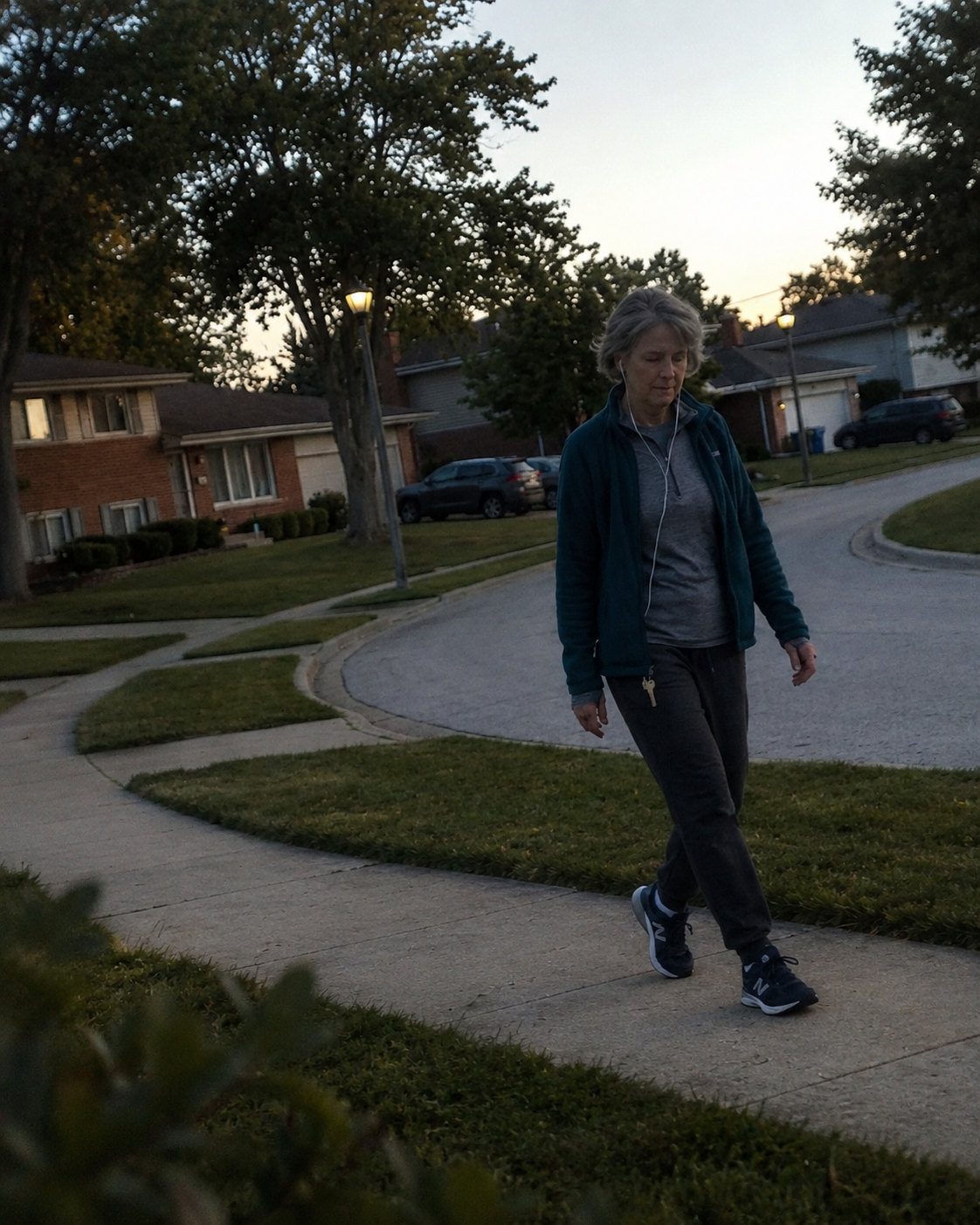
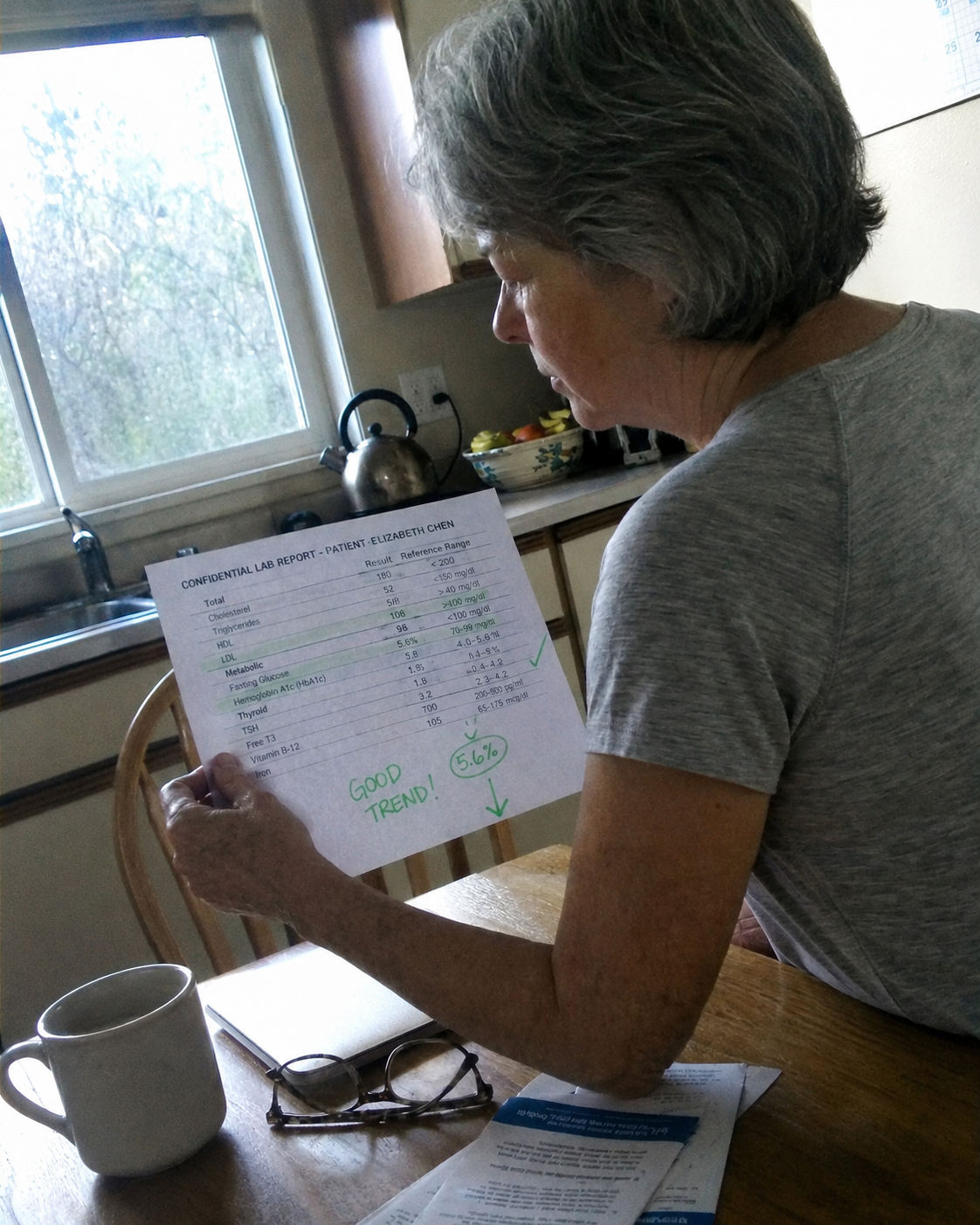
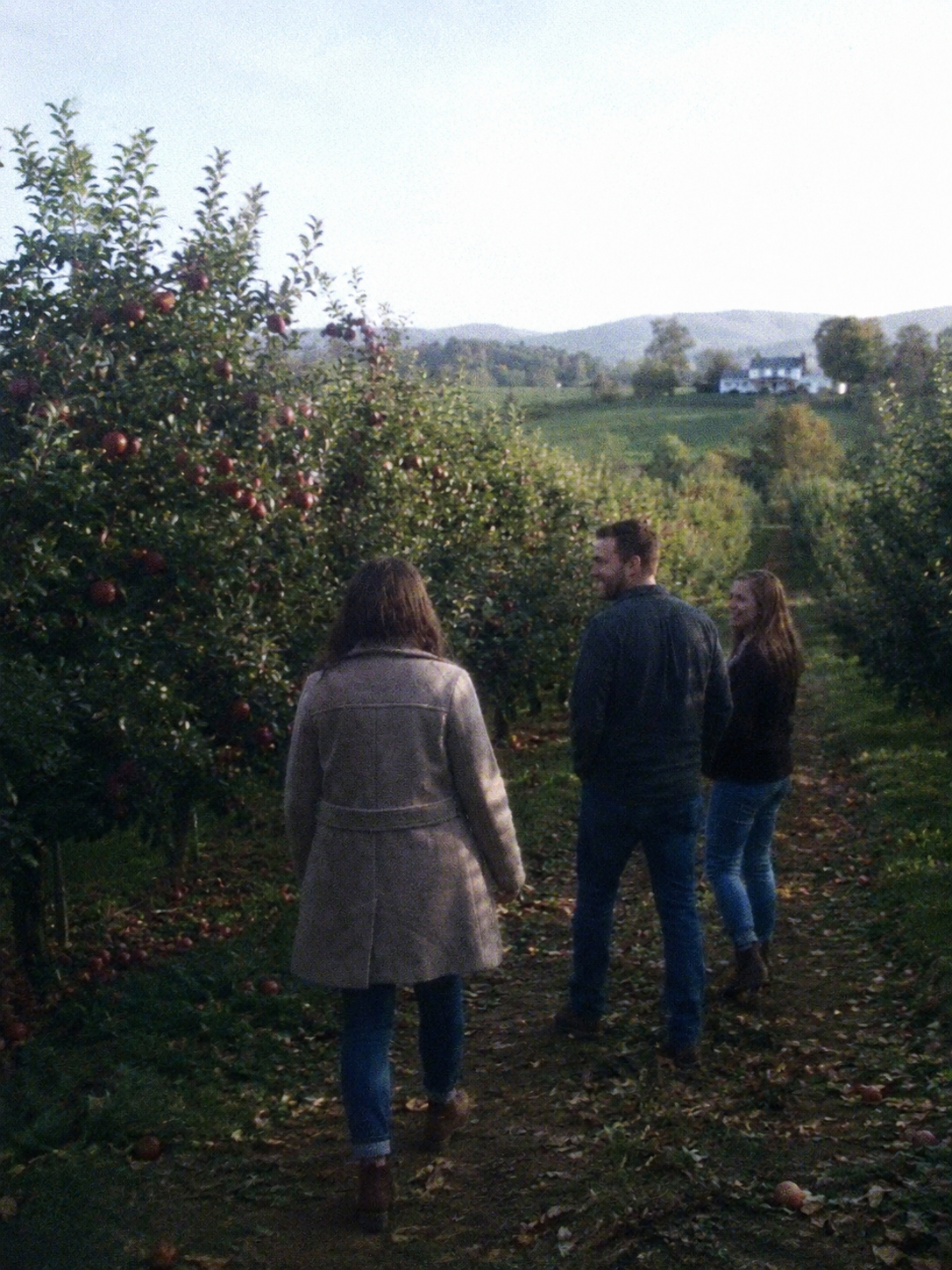
I Was Tired for Three Years and My Bloodwork Was "Fine." Here's What I Finally Tried. I'm 61. I'm not a doctor and I'm not a nurse. I don't have any special expertise about any of this. I'm a woman who lives in a house with her husband of 37 years. I walk a beagle named Dottie. I work part-time at a real estate office answering phones. I get up at 6:30. I go to bed at 10. I make my own dinners. I'm not sick. I just stopped being able to get through the day. It happened slowly. I want to be honest about that. I think this is how it happens for most people and we don't talk about it enough. There wasn't a moment. There was just a series of small concessions I made one at a time, over about two years. At the end of those two years I looked around and realized my life had gotten smaller. And I hadn't decided to make it smaller. I stopped meeting my sister for lunch on Wednesdays. The drive to her side of town was an hour each way. By the time I got home I had to sit in the car in the driveway for ten minutes before I could go inside. I stopped reading at night. I'd start a book and fall asleep on page four and then forget where I was the next night and have to start over. I got tired of starting over. I stopped walking Dottie around the block twice the way we used to. We went once. Sometimes we got halfway and turned around. I stopped making dinner from scratch on weeknights. I'd been doing that for thirty-seven years. I started buying the rotisserie chicken from the grocery store and a bag of pre-washed salad and calling it dinner. I stopped calling my mother as often as I used to. By the time I got home from work the idea of holding a conversation felt like lifting something heavy. None of these things were dramatic on their own. None of them seemed like signs of anything. They felt like normal adjustments a person makes as they get older. Everybody told me they were normal adjustments. My doctor told me. My friends my age told me. I told myself that too. I told myself that for two years. I'd been to the doctor about it. Of course I had. I'm not one of those people who avoids doctors. I'd told her — I'm going to call her Dr. Patel because that's not her name but she deserves to be talked about kindly — that I was tired all the time. That the tiredness wasn't lifting. That I wasn't sure what to do about it. She'd been thorough. I want to give her credit for that. She'd run a full panel. Iron. B12. Thyroid. Vitamin D. Inflammation markers. She'd asked about my sleep. About my mood. About whether anything had changed in my life recently. About whether I was getting any exercise. Everything came back in the normal range. The thyroid was fine. The iron was fine. The B12 was on the low end of normal so she'd suggested I add a B-complex, which I did. The vitamin D was a little low so I started taking that too. The inflammation markers weren't elevated. "You're in good shape for your age," she said. "I think what you're describing is part of what we all go through in our sixties. The body's energy systems shift. It doesn't mean anything is wrong. It just means we're not 40 anymore." I left her office and I sat in my car in the parking lot and I cried. Not because she'd been unkind. She'd been very kind. I cried because she was right and because I didn't want her to be right. I was being told, in the gentlest possible way, that this was the rest of my life. That was about a year and a half in. I went home that afternoon and I tried harder. I added the B-complex. I added the vitamin D. I went to the health food store and bought a magnesium supplement because I'd read it helped with energy. I started drinking eight glasses of water a day, measured. I tried going to bed at 9:30 instead of 10. I tried walking in the morning before work. I tried cutting out sugar. Some of it helped a little. The water helped, I think. The magnesium maybe helped me sleep a little better. Going to bed earlier didn't really change anything because I was already exhausted at 9:30. The morning walks were nice for the first week and then I couldn't keep them up. Six months after that doctor's visit I was still tired. Not worse. Just no better. Still canceling lunches with my sister. Still on page four of the same book. Still sitting in the driveway for ten minutes before I could go inside. The thing that finally broke through was small. I want to tell you about it because I think these things matter. It was a Saturday in October. My husband and I had planned to drive out to the orchard about forty minutes from us. The one where you pick your own apples. The one we'd gone to every fall for twenty years. We'd been talking about it for two weeks. I'd been looking forward to it. Saturday morning came and I sat at the kitchen table with my coffee. I thought about the drive. The walking through the orchard. The standing in line for the cider donuts. The drive home. And I said, out loud, to my husband: "I don't think I can do it today." He looked at me across the table. Not annoyed. Just attentive in the way that has kept us married for 37 years. "Okay," he said. "We'll go next weekend." "It's just that I'm so tired," I said. "And the drive—" "It's okay," he said. "Honey. It's okay. We'll go next weekend." I sat with my coffee and I watched him fold up the newspaper and put his reading glasses on the counter. And I realized I hadn't gone to the orchard in three years. Not two. Three. We'd said "next weekend" three falls in a row. And every fall I had let it pass and every fall I had told myself it was fine. Every fall the apples I bought at the grocery store had been a quiet little admission that I was not the same person I used to be. That was the morning I stopped accepting it. I sat down at the laptop that afternoon. Not to do anything dramatic. Just to look. Really look. For one thing I hadn't tried yet. Not a miracle. Not a reset. One thing. One thing my doctor would say was fine to add. One thing that might give me back a little of what I'd given up. I read for hours. I skipped past the supplement companies promising things no supplement can promise. I skipped past the wellness influencers and the protocols and the morning routines that required me to wake up at 4:30 and stand on a vibration plate. I tried to find what was actually researched. The thing that kept coming up, in the more careful sources, was beetroot. Not beetroot juice. Not the beetroot powder at the health food store. The active compound in beetroot — something called betalains. Betalains have been studied for decades for their role in supporting the body's natural antioxidant balance and supporting healthy circulation and cardiovascular function. The research is real and it's not fringe. Beetroot is one of the foods richest in this particular family of antioxidants. The body uses them in some of the same systems that determine whether you feel sluggish or whether you feel like yourself. The catch, I read, is that betalains are heat-sensitive. Most processing methods involve high temperatures, which is faster and less expensive. But the slower cold-pressing methods preserve more of the active compound. That's why a few brands choose to do it that way even though it costs more. There was one brand that kept coming up in the more careful articles — Rosabella. They're a small operation. They cold-press their beetroot at low temperatures, which preserves more of the betalains in the finished product. It costs them more to do it that way and it takes longer, which is presumably why most companies don't. I closed the laptop around 9 that night. I wasn't going to do anything dramatic. I was going to call Dr. Patel's office on Monday morning. Ask the nurse whether there was any reason I shouldn't add a beetroot supplement to what I was already doing. If the answer was no, I was going to put a bottle on my kitchen counter. That was the whole plan. I called Monday morning. I told the nurse what I was thinking. She talked to Dr. Patel and called me back that afternoon. "Dr. Patel says it's a reasonable thing to add. Beetroot has good antioxidant support, no concerns with anything else you're taking, and she'd like you to mention it at your next appointment so we can see how you're feeling." I ordered the bottle that night. It arrived on Friday. I'm going to be careful here about what I tell you. I don't want to overstate this and I don't want to understate it either. The bottle is just a bottle. I sat it on the kitchen counter next to the coffee maker. Saturday morning I shook two capsules into my hand. I took them with a glass of water. I drank my coffee. I read the newspaper. Nothing happened. I didn't expect anything to happen. I'd read enough to know that this isn't a drug and it doesn't switch on like one. I want to say that clearly because I think people get sold a story about supplements that they "feel" the first morning. I didn't feel anything the first morning. I didn't feel anything the second morning either. I want to be honest about that. What I noticed, sometime in the second week, was that I had walked Dottie around the block twice on a Tuesday evening. And I hadn't thought about it. I'd just done it. We'd walked, we'd come home, I'd hung up the leash, I'd started dinner. The whole sequence had happened the way it used to happen. Without negotiation. Without planning the recovery. Without sitting in a chair afterward to catch my breath. I sat down on the couch that Tuesday night and tried to remember the last time I'd walked the block twice. It had been over a year. I didn't tell my husband. I wasn't ready to. I didn't want to jinx it. I didn't want to make a thing out of it. I just kept taking the two capsules in the morning. I kept walking Dottie. I kept paying attention. A couple of weeks after that, I read a book in three nights. Not a long book — a paperback novel my sister had given me at Christmas. But I read it. From page one to the end. I didn't fall asleep on page four. I didn't lose my place. I read it the way I used to read books. About a month in, I drove to my sister's side of town for lunch on a Wednesday. We sat at the little café we used to go to. We talked for two hours. I drove home. I didn't sit in the driveway. I walked inside and put my purse down and made a cup of tea and called my mother before dinner. About six weeks in, my husband looked up from his newspaper one Saturday morning and said: "You've been different lately. I don't know what it is, but you're back to something." I told him about the beetroot. He didn't say much. He nodded. He went back to his paper. A week later I noticed the bottle on the counter was a little lighter than it should have been. I realized he'd started taking it too. He never said. That's how my husband is. I had my regular check-in with Dr. Patel about three months after I started. The appointment had been on the calendar from before any of this. She went through the numbers. She studied them for a few minutes. Then she looked up at me. "You're in better shape than you've been in a few years. Whatever you've been doing, keep doing it." I told her. The beetroot. Two capsules in the morning, with water. I hadn't changed anything else. She nodded. "That's a reasonable thing to add. There's solid research on antioxidant support in this range, and it sounds like your body is responding well to it. Keep going. Let's check in again in six months." I drove home from that appointment and I want to tell you something honestly. I don't know for sure that the beetroot is what made the difference. I want to be clear about that. Too many people sell you certainty about things they can't be certain about. Maybe it was the beetroot. Maybe it was that I'd finally given myself permission to look for one more thing to try. Maybe it was a combination — the magnesium, the B-complex, the vitamin D, the walking, the water, and then the beetroot on top of all of that. The whole stack reaching some threshold the individual parts couldn't reach alone. Maybe the body just needed one more piece of antioxidant support to do the work it was already trying to do. What I can tell you is what I'm doing and what changed. I added one capsule of beetroot — well, two capsules, in the morning, with water — to a routine that already included a lot of careful, slow attention to my health. I didn't change anything else. And about six weeks in I started noticing that my life had gotten bigger again instead of smaller. That's the whole story. There isn't a dramatic version. There's just the small version. I'm telling you this because I think you might be in something like it. You might be a woman in her late fifties or sixties who has been quietly getting tired. Who has been canceling things she used to look forward to. Who has been calling it aging because aging is what everyone calls it and it lets you stop looking. Who has been to her doctor and been told the numbers are fine. Who has been adding magnesium and B-complex and vitamin D and water and walks and all the things you're supposed to add. And who is still tired. If that's you, I'm not going to tell you that beetroot is the answer. I don't know if it's the answer. I know what it did in my own routine. I know what the research says about what it can support. I know that my doctor said it was a sensible thing to add. If you've been doing everything right and you're still tired, maybe it's worth one phone call to your doctor or pharmacist. Ask them whether adding beetroot to what you're already doing makes sense for you. Not as a replacement for anything. Just as one more thing to add to the stack. That's the conversation I had. That's the conversation that made me comfortable starting. The brand I used is Rosabella. 1,300 milligrams of organic beetroot per serving. Cold-pressed at low temperatures. Grown by a small farming community in Lancaster County. Two capsules with a glass of water in the morning. That's the whole protocol. Talk to your doctor or pharmacist first. Especially if you're on any medication. That one phone call is what made me comfortable, and it's what I'd tell anyone else to do first. P.S. A few things I wish I'd known when I started. Rosabella has a 90-day money-back guarantee. If you're not satisfied for any reason, every penny back. No questions asked. I think that's a sensible policy for a supplement. It gives you the time to actually see whether it does anything for you. I'd give it a few weeks at minimum. Bodies are different. Some people notice something within the first week or two. Others take longer. Be patient with yours. P.P.S. I keep an extra bottle in the house just in case. Rosabella is a small operation and the cold-pressing process takes longer than the conventional methods, so the bottling can run on its own schedule. I learned the hard way to stay one bottle ahead. Now I order before I run out instead of after. P.P.P.S. I haven't told my sister yet that I started anything. I just told her I was feeling better. She said, "I can tell." We're going to the orchard next weekend. Me and my husband and my sister and her husband. The four of us, the way we used to go. I'm bringing a thermos for the cider donut line because the line is always long and I want to be the kind of person who brings the thermos again. That's the small version of recovery. Not a dramatic comeback. Just being the kind of person who brings the thermos. P.P.P.P.S. If you decide to try it, here's what I'd say. Don't change anything else. Don't taper anything. Don't quit anything. Don't expect a feeling on day one. Add the two capsules to your morning. Take them with water. Take a walk that day if you can. Then take them again the next day. And the next day. Pay attention to whether the small things you've given up start to feel possible again. That's where I noticed it first. Not in how I felt in the morning. In what I found myself doing in the afternoon. That's all I have. I hope it helps. https://track.tryrosabella.com/cdc16426-3e48-40a7-9fad-21098084f6cf DISCLAIMER Individual experiences vary. These statements have not been evaluated by the FDA. This product is not intended to diagnose, treat, cure, or prevent any disease.
Support stamina and heart health every day
"Best customer support ever. My issue was resolved quickly and professionally. I so love how the beetroot capsules are helping manage my blood pressure."
LEARN MORELike this ad? Make it yours.
Crush rebuilds this exact creative around your product — your brand, your colors, your offer — in about a minute.