Becki Herron
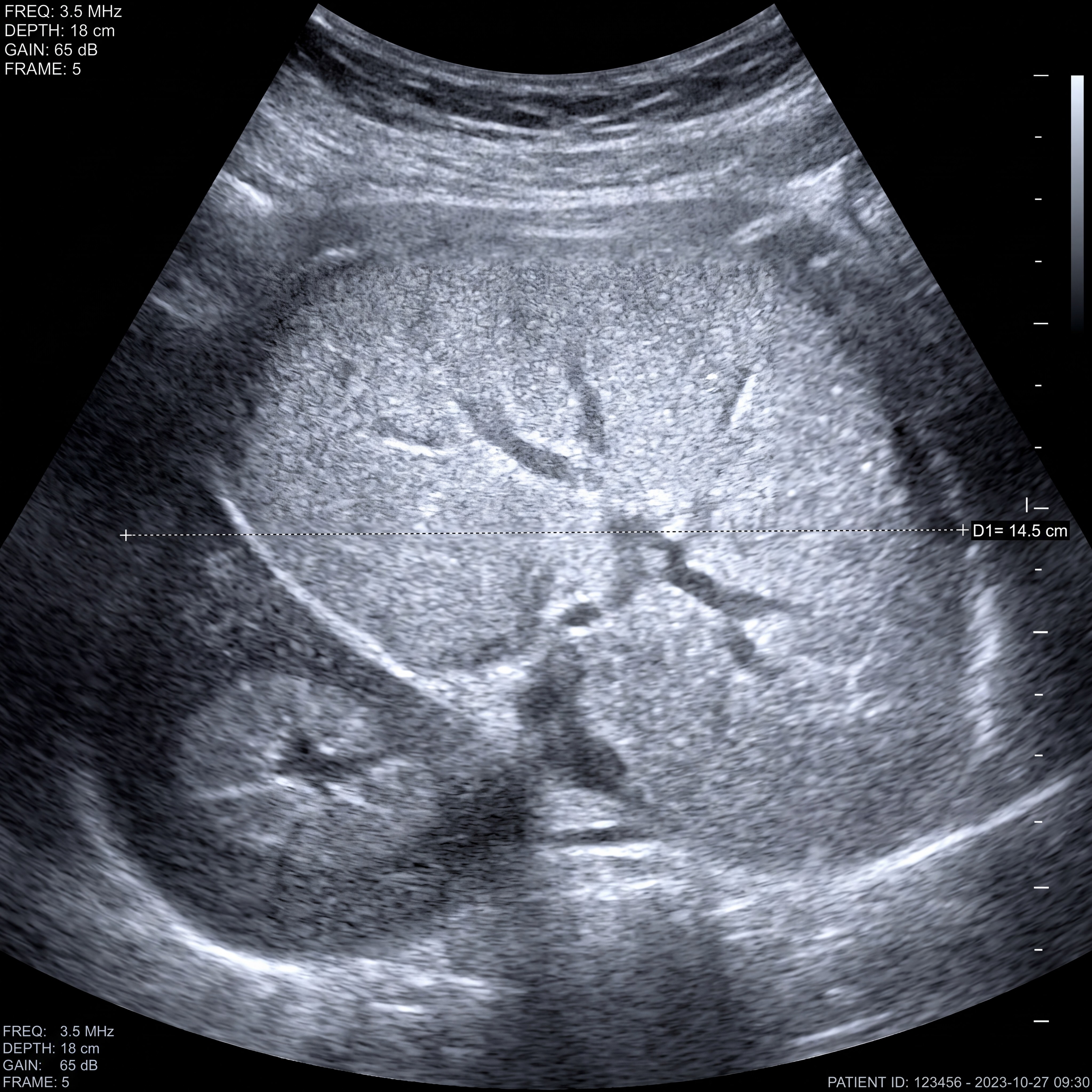
Becki Herron Facebook ad: “My mother quit drinking for 7 years. Liver failed at 61.”
Ran for 12 days, from May 20 to June 1, 2026, the last day Crush saw it.
Run by Becki Herron on Facebook. Crush is not the advertiser and does not verify its claims. See this ad in Meta's Ad Library(opens in a new tab)
Want an ad like this for your product?
Crush makes new ad images for your product from this ad: your logo, your product photo, your offer.
Trials from $19.95 USD, then $79.95 USD a month. Cancel anytime.
About this ad
- Meta Ad Library ID
- 840633609116978
- Platforms
- Facebook, Instagram, Audience Network, Messenger and Threads
- Relaunches
- 0
- EU reach
- 3,284
Ad text
I saw a statistic that stopped me cold. The majority of women who develop fatty liver were told to cut back on drinking. They did. Their liver kept getting worse anyway. Not because they kept drinking. Because nobody told them that cutting back doesn't fix what's already broken. My mother was part of that statistic. Quit drinking completely at 54. Liver failed at 61. I'm 43. Last month, my doctor told me I need to stop drinking entirely. Permanently. Or face the same outcome. I refused. And what I found instead - sitting at a wine bar in Nashville with a woman named Sarah - brought my liver numbers from ALT 89 to ALT 27 without giving up a single thing. But to understand why I was desperate enough to drive 4 hours to meet a stranger at a wine bar, you have to know what I watched quitting do to my mother. For 7 years - 7 straight years - my mother did everything they told her. Not another glass of wine. Not a sip at my sister's engagement dinner. Not a single rosé on any of the girls' trips she watched her friends take without her. Nothing. Her hepatologist called abstinence "the gold standard." Said it was "the only intervention with real evidence." Said she'd need to maintain it for life, but that was fine because it would protect her liver. Within the first year, the labs did improve. ALT came down. Inflammation markers normalized. Her doctor said they were making progress. But my mother wasn't herself anymore. She used to host everything. Every dinner party, every book club, every girls' trip. She was the one with the good wine and the long table. That was her. That was who she was. By year 3, she'd stopped hosting. Stopped accepting the dinner invitations. Started declining the girls' trips. "Too much to navigate," she'd say. "Easier to just stay home." But here's what nobody talked about. The symptoms never got better. The belly that had swollen stayed swollen. 3 years after she'd stopped. The exhaustion hit every afternoon. The brain fog wouldn't lift. She'd lose words mid-sentence at dinner. My father told me she cried getting dressed for my sister's engagement party. Not because she'd miss the wine. Because the dress she'd bought wouldn't close the way it should. Even after 3 years of perfect compliance. Because she felt like she was watching her life through a window she could never open. And you know what the doctors said when she told them what this was doing to her? "That's normal. It gets easier over time." "We can refer you to a support group." "The benefits outweigh the quality of life impact." So she maintained abstinence. Year after year. Watching her friends drink at every dinner, every celebration, every trip she'd once been the one to plan. Slowly disappearing from the life she'd built. And then the fibrosis progressed anyway. F3 at year 5. Cirrhosis by year 7. She never had another glass. And she died of liver failure at 61. At the funeral, my father grabbed my hand and said something I'll never forget: "They took everything she loved for 7 years. And then they let her die anyway." So fast forward to 3 months ago. I'm 43 years old. I work out 3 times a week. Eat reasonably well. Not a heavy drinker by any honest measure. A glass of wine with dinner most nights. Rosé with the girls on weekends. A cocktail at work events. Not a problem. Never has been. Except somewhere around 43, things started changing. Half a glass and I'd wake up puffy and wrecked for 2 days. My belly wouldn't go down no matter what I ate. I stopped wearing fitted dresses. Started buying flowy tops. Angled my body in every photo. I blamed perimenopause. My friends and I joked about our wine bellies. Normal 40s stuff, we told ourselves. I go to my annual physical. "ALT is elevated," my doctor says. "Significantly." "How elevated?" "89. We're seeing fatty liver. We need to talk about your drinking." Fatty liver. I wasn't a heavy drinker. I wasn't overweight. I exercised. I couldn't understand it. She pulls up a referral sheet. "I'd like to refer you to a hepatologist. But in the meantime, I need you to stop drinking. Completely." My chest tightened. "Completely." "Yes. No alcohol at all until we understand what's driving this." "For how long?" She hesitated. "Long term. Possibly permanently." I sat there for a moment. My mother at dinner, declining every glass, watching everyone else drink. Her belly still swollen. Her brain still foggy. 3 years in and the symptoms hadn't lifted. Dying at 61 after 7 years of doing everything right. "No," I said. She blinked. "Excuse me?" "I'm not stopping permanently. I watched my mother do exactly that for 7 years. Her liver failed anyway. And every symptom I have she had too - even after she stopped. So I'm not going to give up my whole life for an outcome that isn't even guaranteed." She gave me the look doctors give difficult patients. "Give me 90 days. I'll run labs every month. If the numbers keep going in the wrong direction, we'll have a different conversation." She wasn't happy. I didn't care. For 3 months, I did everything else right. Cut my wine intake in half. No processed food. More vegetables than I'd eaten in years. Took milk thistle from CVS twice a day, just like the bottle said. 3 months later, I went back. ALT: 81. Barely moved. The belly was still there. The 2pm wall still hit every afternoon. The brain fog hadn't lifted. Doctor pulls out her referral pad. "I really think it's time to stop entirely." I stared at that referral and felt something building in my chest. I'd cut my intake in half. Cleaned up my diet. Taken their supplements. And the numbers barely moved. And now the only real solution is to permanently give up wine - every dinner party, every girls' trip, every celebration - for a body that still wasn't getting better? "Give me 3 more months." She sighed. I didn't care what she wrote. That night I couldn't sleep. I kept doing the math. My mother's belly never went down. Even after 7 years without a drink. I was 43 with an 89 ALT, a referral sheet, and symptoms she'd had too. At 2am I gave up trying to sleep. Went downstairs. Opened my laptop. I started researching everything. What actually causes fatty liver in women who aren't heavy drinkers. Why some women drink their whole lives with perfect labs and others don't. What's happening at the cellular level when the liver starts failing. Every mainstream site said the same thing: stop drinking, reduce calories, exercise more, take milk thistle. I'd done all 4. 3 of them changed nothing. And the 4th - the one that was supposed to save my mother - cost her everything, including her life. So I kept digging. Looking for women who'd actually solved this. Not managed it. Not just delayed it by quitting. Solved it. That's when I found the thread. A forum post about women who fixed their liver enzymes without giving up wine. And in the comments, one name kept coming up. A woman named Sarah. People kept saying: "Find out what Sarah is doing." 15 comments. 20. All pointing to the same person. Someone posted a city. A wine bar she went to regularly. I looked at the clock. 2:47 AM. By 6 AM, I was in my car. By 1 PM, I was in Nashville. I didn't have an address. Just a city and a wine bar name. Found the wine bar. Sat down. Asked the bartender if she knew a regular named Sarah. She pointed to a corner table. Woman about my age. Rosé in front of her. Easy posture. Grinning at something on her phone. Not tracking her intake. Not drinking sparkling water. Just drinking. I walked over. She looked up. "You drove here," she said. Not a question. "4 hours," I said. She nodded at the seat across from her. "Sit down." I told her about my mother. About my labs. About my doctor's referral sheet. About the months of milk thistle and diet changes that moved nothing. She listened without saying a word. Then she pulled out her phone and laid it on the table in front of me. Her bloodwork. 6 months of it. "Girls' trip to Napa. Wine all weekend," she said. "ALT: 24." "Book club night. 3 glasses." "AST: 22." "New Year's party. Open bar. Champagne, cocktails, all of it." She pointed to the follow-up labs a week later. "ALT: 27." I looked at the dates. The entries. The numbers. Her ALT was 89 six months ago. Same as mine. Exactly the same. I stared at her phone. Then I ordered a glass of rosé. "What are you taking?" I asked. She shook her head. "Not tonight. Have the wine. We'll talk in the morning." Next morning, over coffee, Sarah leaned across the table and said the sentence that changed everything. "The wine isn't killing your liver. The broken filter is. Fix the filter and the rosé stops being a death sentence." I said: "What does that mean?" She broke it down. "Your liver handles everything. Every glass of wine, every Tylenol, every chemical in your food, every toxin you breathe. It breaks it all down, neutralizes it, and flushes it out through something called bile." "Bile is the exit route. It carries the toxins out of your body, breaks down fat, keeps waste moving. Without enough bile, nothing gets cleared." "For decades your body kept up. But years of processed food, chemicals in the water, medications, alcohol - all of it builds up inside the liver cells. They get damaged. Congested. Overwhelmed." She paused. "And when the liver cells are damaged, they can't produce enough bile. That's when it starts falling apart." "The toxins your liver is supposed to flush start recirculating through your blood. Fat accumulates in the liver because there's not enough bile to break it down and export it. The organ that's supposed to clean you up is drowning in its own backlog." I felt something cold in my chest. "Your mother stopped drinking," she said quietly. "But 30 years of accumulated damage was already sitting in those liver cells. They were already congested. Stopping just meant she stopped adding new load - but the existing damage was too much for a broken liver to clear on its own." "Cutting back doesn't unclog a filter. It just stops adding more dirt to one that's already packed." She set down her coffee. "There's one compound the liver depends on to neutralize everything that passes through it. It's called glutathione. When the liver cells are damaged, glutathione production drops. So now the liver can't produce enough bile to flush toxins AND it can't produce enough glutathione to neutralize them. The defense system and the cleanup system both shut down at the same time." "After 40, it gets worse. Glutathione production naturally declines with age. Layer that on top of 20 years of accumulated damage and you hit a point where the liver is running on fumes." "That's where your mother was. That's where you are right now." And then everything clicked. The belly that wouldn't go down even though I was eating clean? Clogged filter - fat getting stored instead of broken down because there isn't enough bile to do the job. The 2pm crash where I couldn't finish a thought? Clogged filter - waste building up in the blood and reaching the brain. The bloating after every meal, even a salad? Not enough bile to break food down properly. The puffiness that 2 days of clean eating couldn't fix? Toxins recirculating because the liver can't flush them. The exhaustion that 9 hours of sleep couldn't touch? My whole body running on dirty fuel. I'd been treating these as 5 separate problems. Perimenopause. Wine. Diet. Sleep. Age. But they were never separate. They were all coming from the same place. I asked Sarah why my doctor never mentioned any of this. She said her own hepatologist brought it up - off the record - after her labs kept climbing and nothing conventional was working. "Most doctors know about the research," she said. "But there's no prescription version of liver cell repair. No insurance code. No drug company funding it. So they give you the only advice they can bill for - stop drinking, lose weight, come back in 6 months." "The ones who actually care point you in the right direction and let the labs do the talking." "So what do you take?" I asked. "The compound that actually repairs the liver cells is called silymarin. It's the active molecule in Milk Thistle." I stopped her. "I took Milk Thistle for months. Twice a day. It didn't do anything." She smiled. "I know. That's what everyone says. Because the Milk Thistle you took was garbage." She explained: the studies that show actual liver cell regeneration - restored bile production, improved enzyme levels, measurable fat reduction in liver tissue - all used silymarin at 80% concentration or higher. That's the threshold where the compound is concentrated enough to penetrate liver cells and trigger repair. The bottle I bought at CVS? "Milk Thistle extract, 300mg." No silymarin percentage on the label. I looked it up later - independent testing shows most American brands sit around 30-40%. Less than half the clinical threshold. I was taking a dose too weak to cross the line. For months. No wonder nothing moved. She told me that in the US, anything above 40% silymarin essentially requires drug-level approval. Millions of dollars, years of paperwork. So every American Milk Thistle product is legally stuck below the concentration that actually works. Which is probably why most people "try Milk Thistle" and give up - they were taking a dose too weak to do anything meaningful. New Zealand has different regulations. Pharmaceutical-grade supplement concentrations with strict manufacturing oversight - without the same approval barriers. She told me about a company called Uvora. Operating out of New Zealand. 80% silymarin - pharmaceutical grade, third-party tested, exact concentration on the label. "At 80%, it does 3 things," she said. "It boosts your body's production of glutathione - the compound your liver needs to neutralize toxins. The one that's been running on empty for years." "It regenerates the damaged liver cells - the actual cells that produce bile and filter your blood." "And it strengthens their membranes so they're harder to damage going forward." "It doesn't just protect the liver. It rebuilds the machinery." The formula also includes Wormwood Extract and Dandelion Root for bile flow and absorption support. Silymarin is fat-soluble and your body can't use it properly unless fully digested - another reason the cheap brands fail. No absorption support means most of it passes straight through. She looked at me. "This doesn't manage the problem. It fixes what broke down." 90-day money-back guarantee. I'd wasted more on Milk Thistle that didn't work than this would ever cost. I ordered a 3-month supply. One capsule every morning. Same diet, didn't change anything else. The first week was mostly more bathroom trips than usual and darker urine. At first it scared me. But I'd read this was the buildup finally flushing out. Years of accumulated waste moving through the system for the first time. Around day 10, my girlfriends and I went out for Italian. I ordered pasta with a cream sauce and a glass of wine - something I would've avoided because the bloating afterward was always miserable. An hour later I realized nothing had happened. No pressure, no heaviness. My body just handled it. Week 2, the 2pm fog started clearing. I made it through a full workday without the wall where my brain would just shut down. My husband said I seemed more present - less distracted, less irritable in the evenings. The belt moved one notch. Not from dieting. I felt like my body was actually processing food instead of just storing it. Week 3, the dull ache under my right ribs - the one I'd been quietly terrified about for months - went quiet. I pressed on the spot out of habit. Nothing. Week 6, I had labs done. ALT: 54. Down from 89. My doctor ran it twice. Said nothing for a moment. Then: "What did you change?" I told her I started supporting my liver. She looked at the numbers, looked at the old numbers, and said "whatever you're doing, keep doing it." Week 10. ALT: 27. Normal range. She closed the chart. Looked at me directly. "Keep doing it." That weekend I wore a fitted dress to dinner for the first time in 3 years. Didn't think twice about it. I'm not going to tell you I feel 25 because I don't. But there's a real difference between a body with a functioning filter and one running on decades of toxic buildup - and you feel it in everything. Sleep. Digestion. Clarity. Energy. The way your face looks in the mirror in the morning. I called Sarah a few weeks ago and told her what happened. She laughed. "I spent 2 years turning down every dinner party and girls' trip and lying about why I wasn't drinking. Watched my numbers climb while I did everything they told me." "Turns out I didn't need to destroy the filter to save the system. I just needed to unclog it." If you're reading this, you probably see yourself in my story. Your labs came back elevated and you couldn't understand why. You don't drink heavily. You exercise. And yet. Your doctor's mentioned stopping entirely - or you've already cut back and the numbers barely moved. You've taken the supplements that don't move anything. The belly won't go down. The exhaustion hits every afternoon. You've been blaming perimenopause. But now you know the truth. Cutting back doesn't unclog a filter that's been packed for 30 years. It just stops adding more dirt to one that's already blocked. Uvora is different. 80% silymarin to rebuild the liver cells that produce bile and glutathione - the 2 things a congested liver needs to start clearing the backlog. Wormwood Extract to clear the pathogens that accumulate in a damaged liver. Dandelion Root to open bile flow so what gets neutralized actually leaves your body. Try it for 90 days. Track your labs. If you don't see improvement, full refund. No questions asked. You risk nothing. One path: keep doing what you're doing. Cut back a little more. Take their supplements. Hope you're not part of the statistic. Another path: unclog what's actually broken. Give your liver the compound it needs to rebuild. Track your numbers. See what happens. I chose the second path. It gave me my liver back. Without giving up a single thing. EDIT: Getting a lot of messages asking what I take. Here's the link: 👉 https://getuvora.com/pages/liver-support-women P.S. - I felt the difference by week 1. Saw measurable lab improvement by week 6. Hit normal range by week 10. No restrictions. No quitting. No giving up the wine, the dinners, the girls' trips, or the fitted dresses. P.P.S. - My sister started taking it 2 months ago. Her numbers dropped from 94 to 61. She calls me every week now. Last week she said, "I'm not going to end up like Mom." Neither am I. Neither should you. 👉 https://getuvora.com/pages/liver-support-women
Where the ad sends people
getuvora.com
My mother quit drinking for 7 years. Liver failed at 61.
During hormonal transitions, your liver may need extra support. That may be why you still feel stuck despite trying to do everything right. But you can now give it the support it needs.
Learn more: getuvora.com(opens in a new tab)