
Inactive· since Nov 12, 2025
- 108
- days it ran
- 1
- relaunches
Ad copy
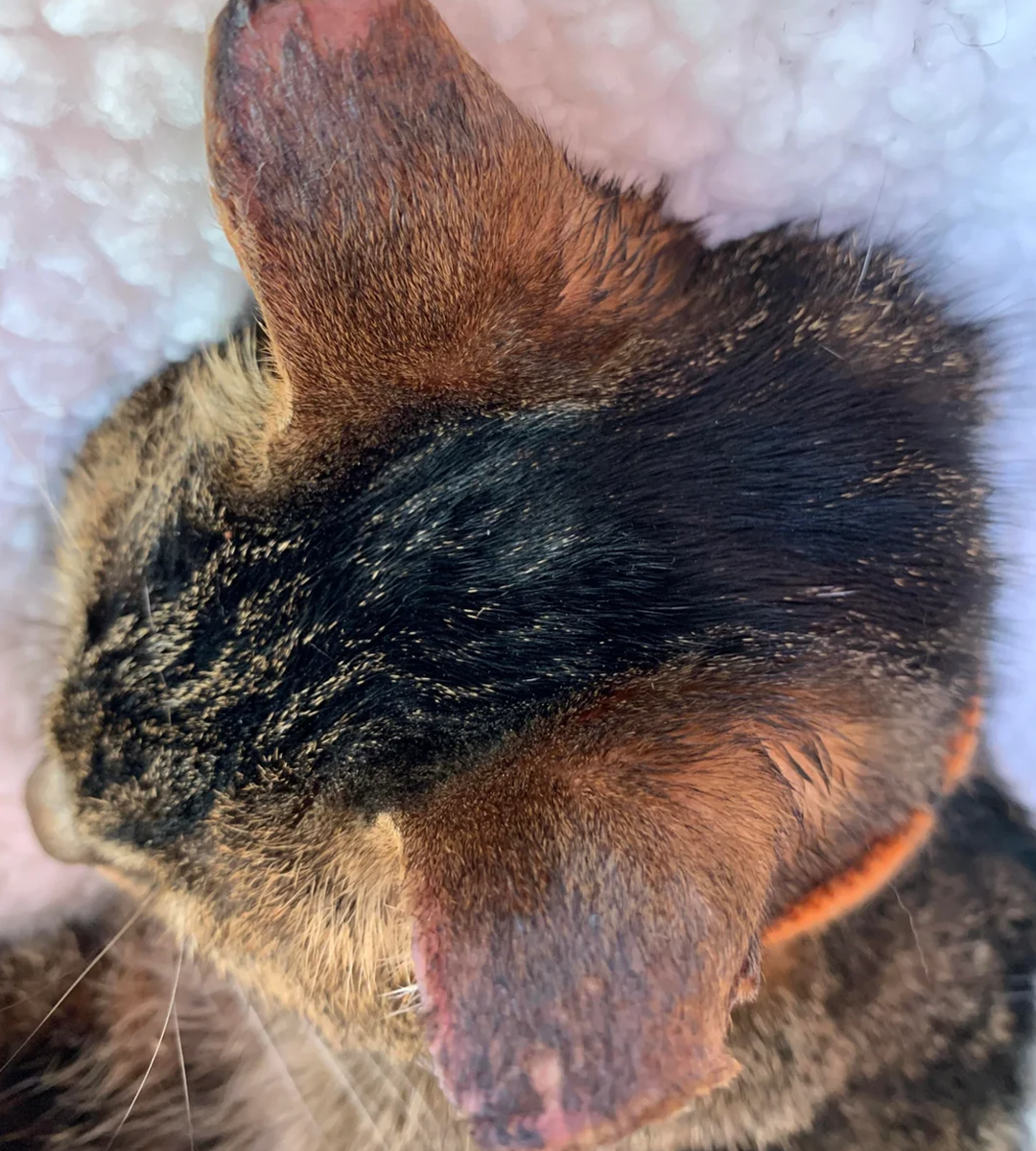
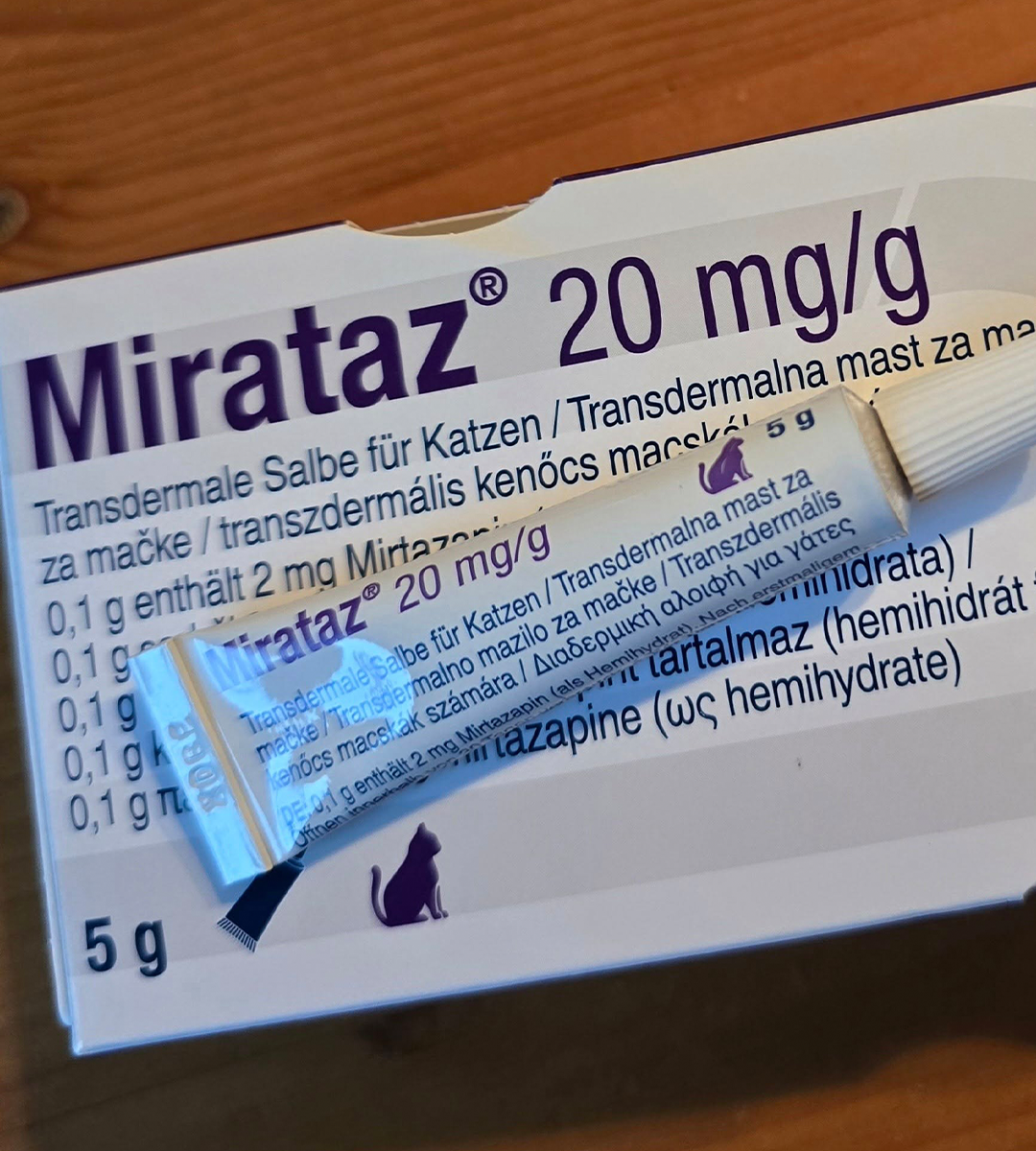
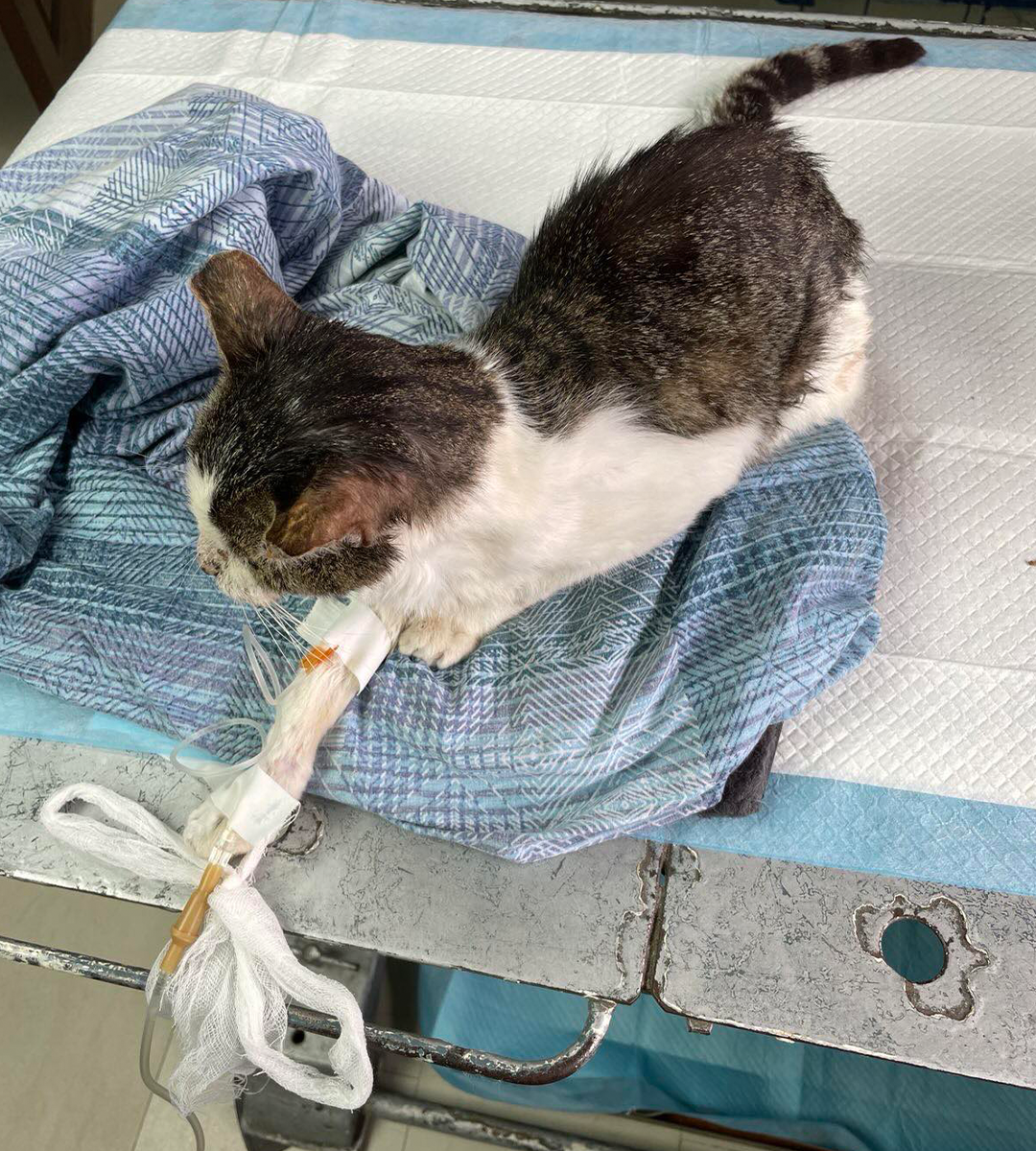
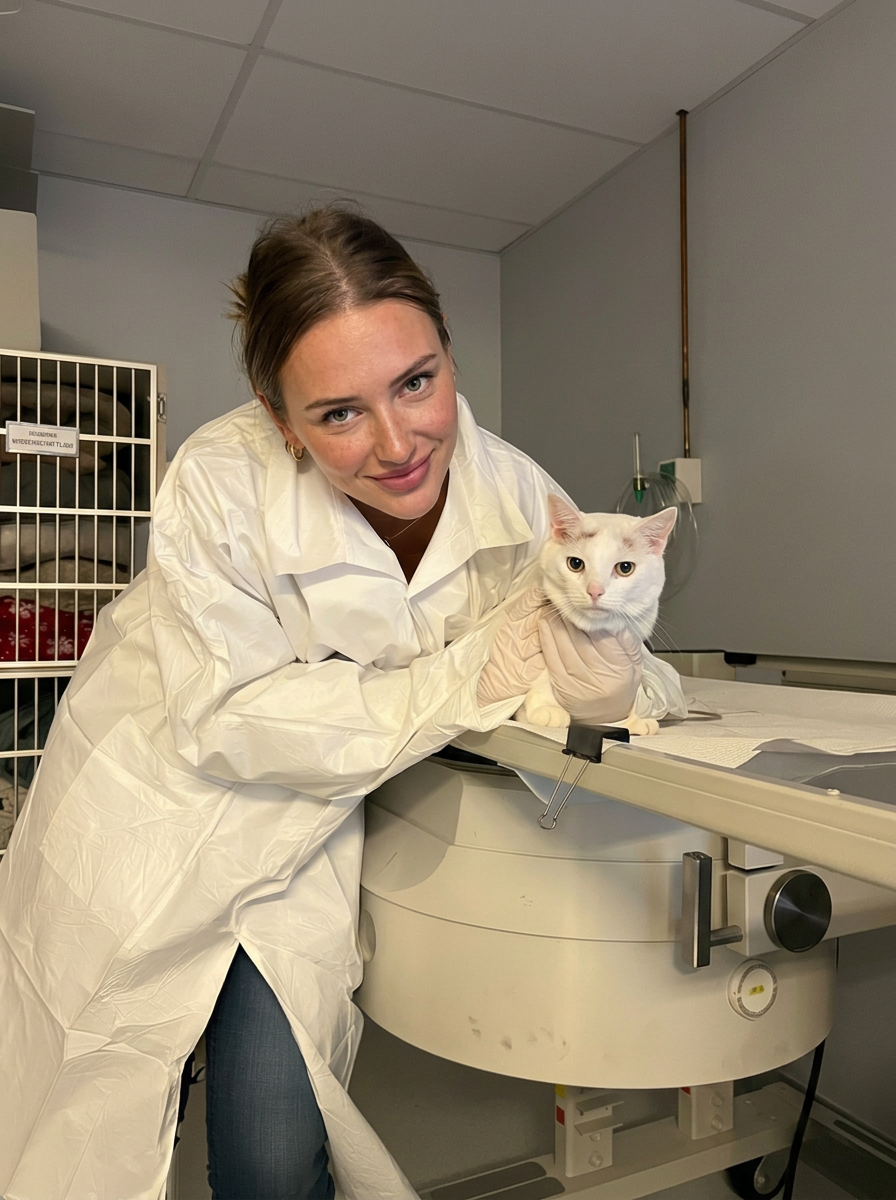
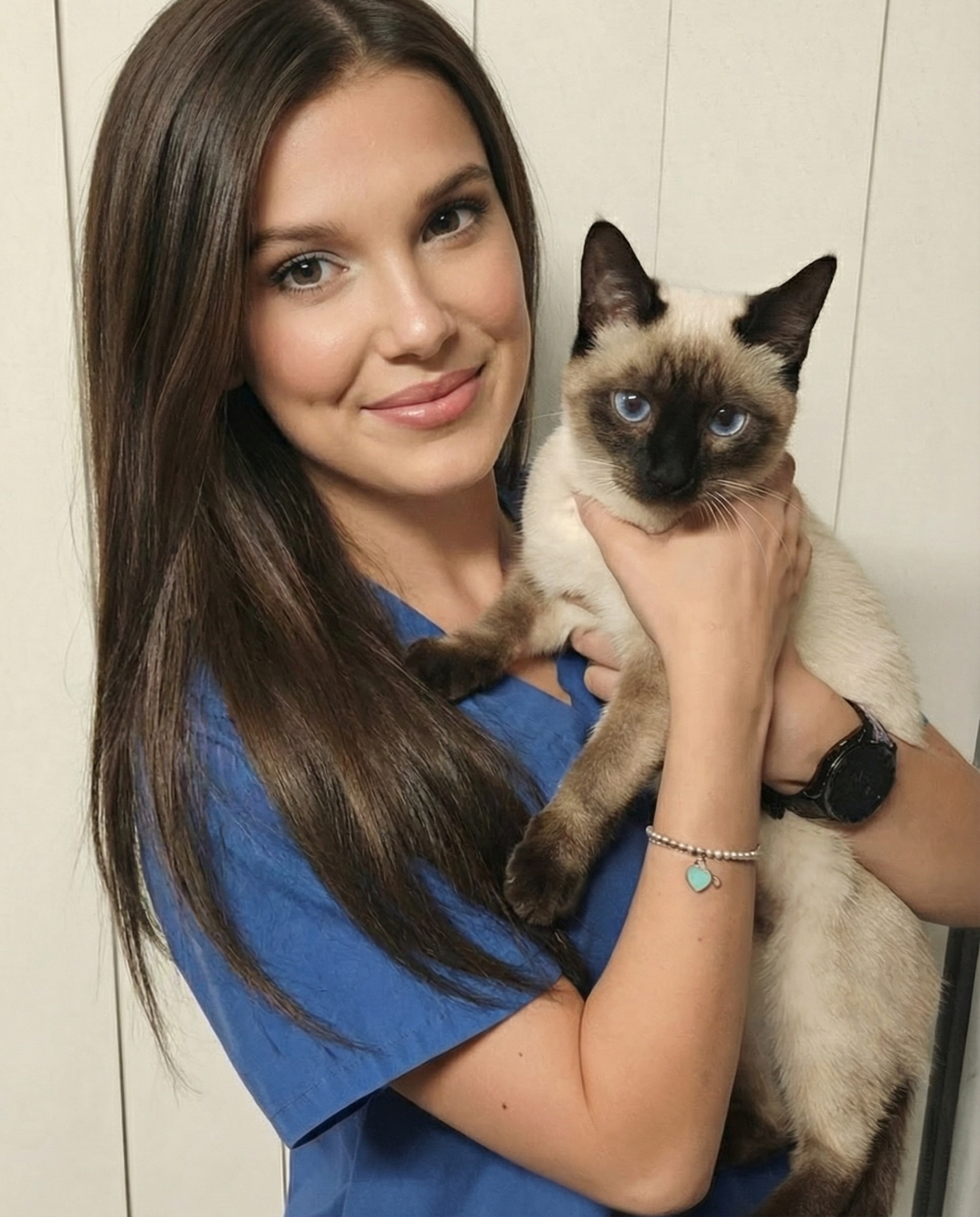
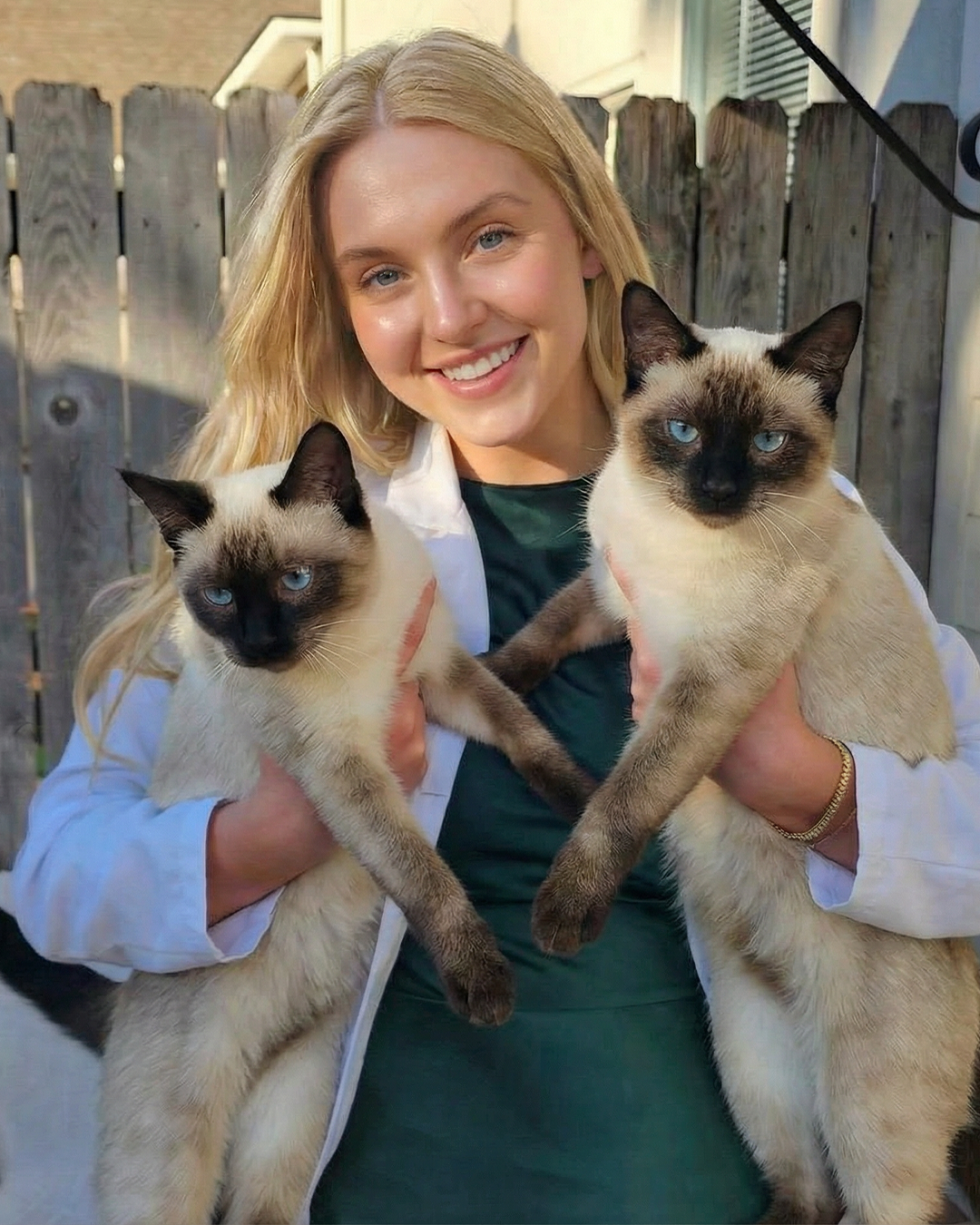
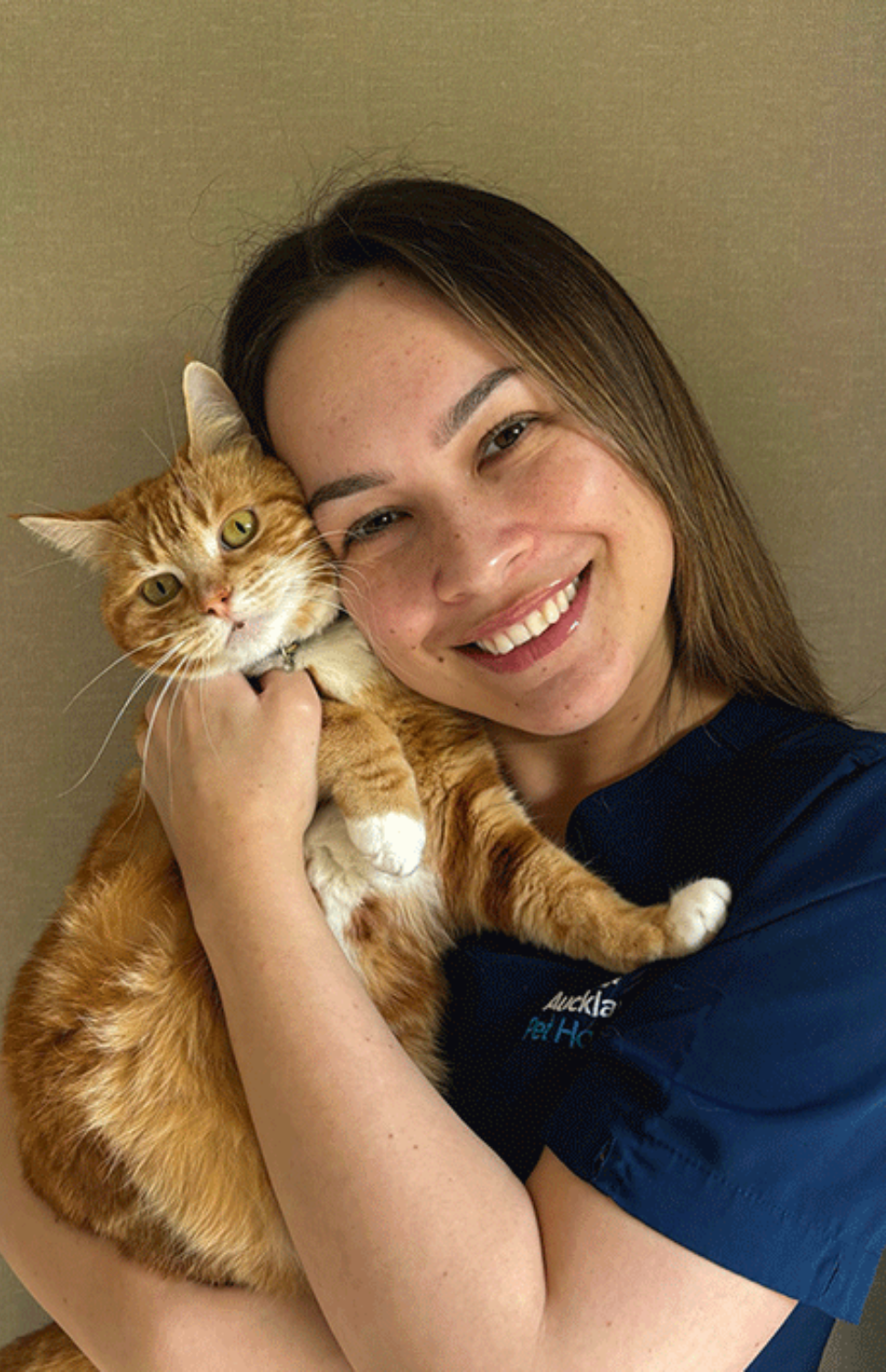
After 11 years treating cats at North Valley Animal Rescue, I tested something I wasn't supposed to test. I ran taurine panels on 50 cats eating the exact premium foods our donors bought them. 38 were deficient. Not dying. Not sick enough for bloodwork to catch it. Just... slowly fading. The same cats whose adopters would return them six months later, heartbroken, asking why their "healthy" cat suddenly developed heart disease. I knew why. And I knew I couldn't say it out loud without losing my funding. I'm Dr. Lisa Chen. Before the shelter, I worked emergency. Before that, private practice in Seattle. I've euthanized 200+ cats with dilated cardiomyopathy. Every single one was eating "complete and balanced" food. The day I realized what was really happening, I went home and cried in my car for an hour. Because I'd been part of the system that killed them. Here's what haunts me: Mrs. Rodriguez adopted Mango from us three years ago. Sweetest orange tabby. Perfect health check. Seven years old. She fed him Orijen. The $90-a-bag food. She did everything right. Last month she brought him back to me. Not to return him. To say goodbye. His heart was three times normal size. Fluid in his lungs. Maybe two weeks left. I pulled his adoption file. Right there in the discharge instructions: "Continue daily taurine supplementation." She never saw it. Or forgot. Or thought the expensive food made it unnecessary. I gave her a bottle from our supply closet. Told her to try it for 30 days before starting the medications. Three weeks later, she sent me a video. Mango. Chasing a toy mouse. Breathing normal. Playing like nothing ever happened. She wrote: "The cardiologist called it 'unprecedented.' The heart murmur is almost gone." This is the part where I'm supposed to tell you about mechanisms. About how cats can't synthesize taurine. About bile acid conjugation and obligatory losses. But you don't need a biochemistry lesson. You need to know why every single animal shelter in America supplements taurine while your vet has never once mentioned it. Six months ago, I did something that almost got me fired. I contacted the adoption families of 200 cats who left our shelter over five years. Asked them one question: "Did you continue the taurine supplementation?" The cats whose owners said yes: Average age now 14.2 years. Heart disease rate: 3%. The cats whose owners said no: Average age at death: 9.8 years. Heart disease rate: 41%. Same shelter cats. Same "mediocre" donated food. Same genetics. One difference: A $35 bottle of powder. Want to know what really makes me angry? I spend 40 hours a week keeping cats alive on expired food, volunteer labor, and a budget that wouldn't cover one veterinary specialist visit. Our cats outlive pampered house cats by five years. Not because we're special. Because we follow protocol. The same protocol that's been standard in every shelter, zoo, and research facility since 1987. The same protocol your vet learned in school and then... forgot. Or was told to forget. I tested every major taurine brand sold at pet stores. Sent them to an independent lab. Paid for it myself. Here's what I found: VetriScience: Claimed 250mg per serving. Actual: 178mg. Contains rice flour filler. Made in China. NaturVet: Claimed 1000mg per scoop. Actual: 680mg. Inconsistent between batches. No third-party testing. NOW Pets: Claimed 500mg. Actual: 510mg - close. But uses synthetic binders that reduce bioavailability by 30-40%. Purina FortiFlora (with taurine): 250mg per packet. Sounds good until you realize it's mixed with probiotics that degrade within 3 weeks of opening. Your cat is getting maybe 150mg of active taurine. Then I tested KittySupps. Claimed 500mg per scoop. Lab result: 502mg. Pharmaceutical-grade purity: 99.6%. Zero fillers. Zero binders. German-sourced, manufactured in GMP facility with oxygen-barrier packaging. Every single batch tested. Not just once for show. It was the only brand that actually delivered what it promised. I started recommending it to adopters who asked what taurine brand to use. Within six months, I had 40+ follow-up emails from families telling me their senior cats were "acting like kittens again." Jennifer's 13-year-old Max: Heart murmur disappeared after 90 days. Vet called it "unusual but excellent." Tom's 9-year-old Luna: Pupils were constantly dilated. Vision deteriorating. Eight weeks later, eye exam completely normal. Sarah's 6-year-old Mittens: Fed premium grain-free. Still depleted. Two weeks on KittySupps, energy completely transformed. These aren't miracles. This is what happens when you give a cat's body what it actually needs - in the amount it actually needs. Here's what I want you to do next time you're at your vet: Ask this exact question: "Can you test my cat's taurine levels?" Watch what happens. They'll either: 1. Say it's unnecessary because your food is "complete and balanced" 2. Say the test costs $85 and isn't covered by insurance 3. Deflect to other bloodwork that's "more important" Then call your nearest shelter. Ask the same question. They'll say: "We don't test. We just supplement everyone. It's standard protocol." The difference in those answers tells you everything. One group is trying to keep cats alive on no budget. The other profits from treating heart disease, vision problems, and kidney failure. A taurine supplement costs $35 a month. Cardiac medications cost $200 a month. For life. An echocardiogram costs $650. Emergency vet visits for breathing problems cost $2,000-$5,000. Guess which one your vet recommends first? I'm not saying vets are evil. Most care deeply. But they're taught to trust the food labels. Trust the industry standards. Trust that AAFCO requirements are enough. And when a cat develops heart disease at 8 years old? That's just bad luck. Genetics. Age. Never the food. Never the missing taurine. Never preventable. Except it is. Every single time. Look, I know you're skeptical. You should be. So here's my challenge: Get KittySupps. Use it for 60 days exactly as directed. One scoop daily, mixed into whatever food you're already feeding. Document everything. Take videos. Note energy levels. Watch how they move. If your cat isn't visibly better - more playful, clearer eyes, shinier coat - get your money back. KittySupps refunds everything, no questions. But also do this: Get your cat's taurine levels tested before and after. Your vet will be shocked at the difference. Mine was, 11 years ago. That's when she finally told me the truth about why she stopped mentioning it to clients. Every day you wait, your cat loses a little more taurine they can't replace. The damage is cumulative. Reversible if caught early. Permanent if you wait too long. I've seen both outcomes thousands of times. Mango got lucky. Mrs. Rodriguez caught it just in time. But I've also seen the cats who came back too late. The ones where 30 more days of "wait and see" meant the difference between recovery and hospice care. Your cat doesn't need a new food. They need what their body is screaming for and can't make on its own. That's not medicine. That's not treatment. That's just giving them what every shelter cat gets automatically. What every research cat gets. What every zoo cat gets. The only cats not getting it? Yours. Get KittySupps pharmaceutical-grade taurine here: https://kittysupps.com/products/taurine Not tomorrow. Not next week. Tonight, while you're thinking about it. Because tomorrow you'll be busy. Next month your cat will be a little more tired. And you'll think it's just age. It's not age. It's the same timeline I see 20 times a month. The same timeline that ends with a 3 AM emergency vet visit and a bill you can't afford. Your cat deserves those extra five years. You deserve five more years with them. All it takes is doing what we've known works since 1987. Dr. Lisa Smith, DVM North Valley Animal Rescue 11 years in shelter medicine Zero tolerance for preventable deaths P.S. Still not convinced? I get it. Here's what I tell every adopter who asks if this is "really necessary": Go to your vet. Get your cat's taurine tested. Cost: $85. If the result comes back above 60 nmol/mL, email me. I'll personally PayPal you the $85 test cost. In 11 years, I've made that offer 200+ times. I've paid out twice. P.P.S. The cats I've lost to DCM all had one thing in common: Owners who fed expensive food and thought that was enough. The cats I've saved all had one thing in common: Owners who understood that "complete and balanced" is a legal minimum, not an optimal health standard. Which group do you want to be in?
Like this ad? Make it yours.
Crush rebuilds this exact creative around your product — your brand, your colors, your offer — in about a minute.