
Inactive· since Jun 30, 2026
- 29
- days it ran
- 0
- relaunches
Ad copy
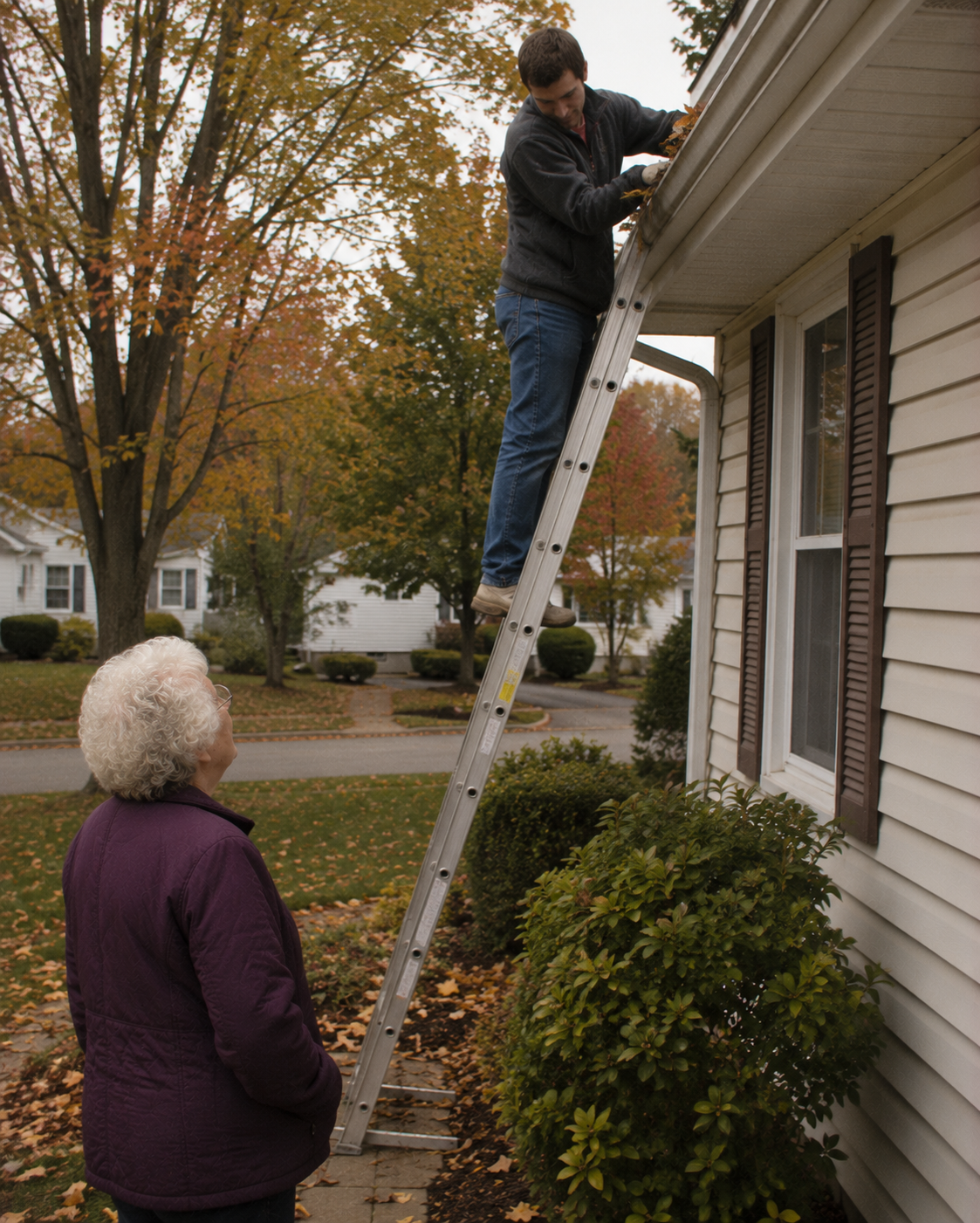
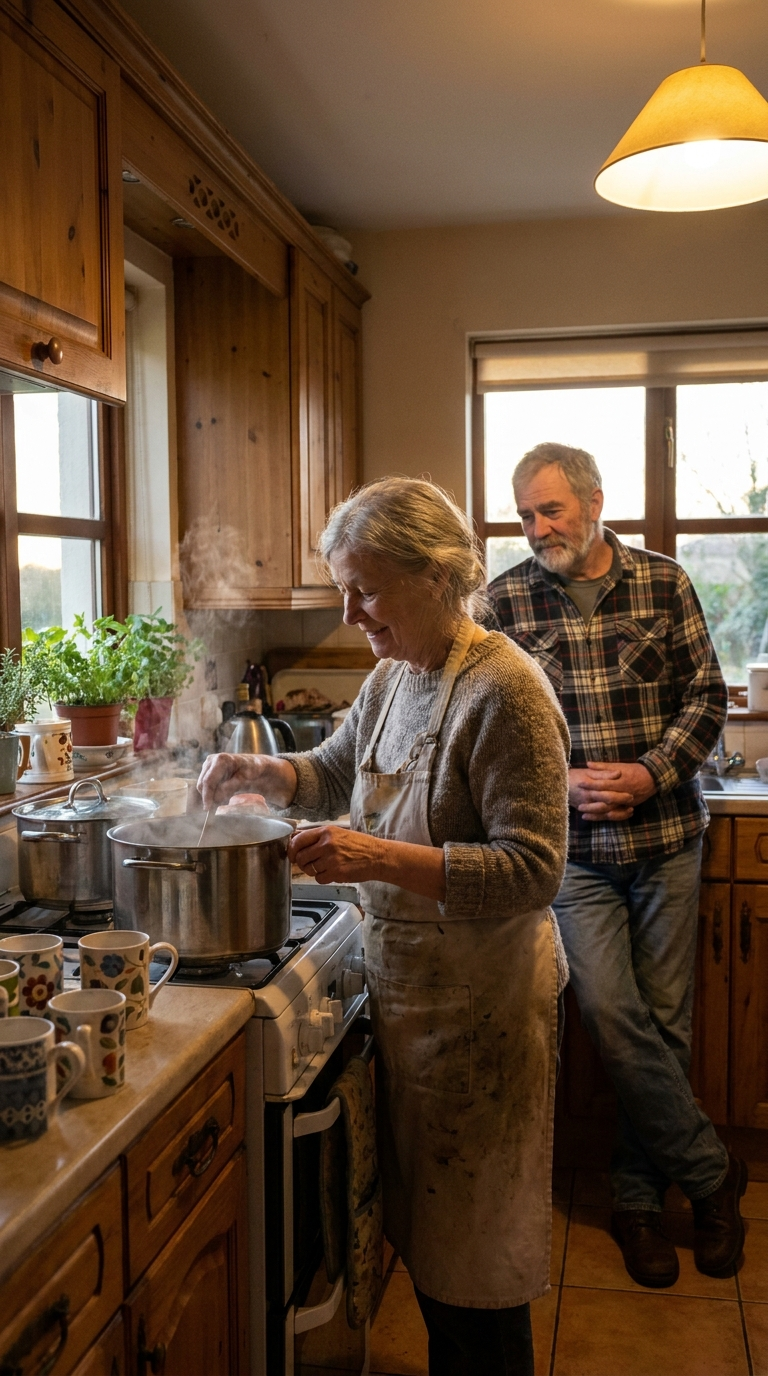
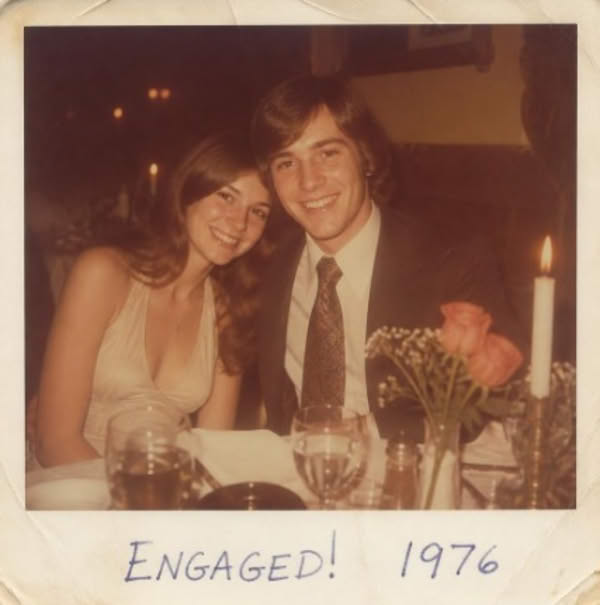
I LEFT MY FIANCÉ A WEEK BEFORE OUR WEDDING AFTER SEEING HIM WITH ANOTHER WOMAN — 50 YEARS LATER, I GOT A LETTER FROM HIM. Troy. That name still does something to my chest even now. Even after everything. We met in the spring of 1976 at a friend's cookout. He was standing by the grill arguing with someone about whether charcoal or propane made a better burger. He was wrong — charcoal, obviously — but he argued with such conviction that I walked over just to watch. He looked at me and said, "You agree with me, right?" I said, "Absolutely not." He laughed. And that was it. We were engaged by Christmas. My mother cried. His mother cried. We booked the church for June 8th. I had my dress altered three times because I kept losing weight from excitement and nerves and the kind of happiness that makes you forget to eat lunch. One week before the wedding, I drove downtown to pick up the place cards from the printer. I passed Martinelli's — this little Italian restaurant Troy and I loved, the one where he'd proposed over a plate of gnocchi that neither of us finished — and I saw him through the window. He was sitting across from a woman. Dark hair. Beautiful. I watched him reach across the table and take her hand. My foot came off the gas. The car behind me honked. I pulled over. I sat there for eleven minutes. I know because the clock on the dashboard said 4:47 when I pulled over and 4:58 when I finally drove away. I didn't go in. I didn't scream. I didn't pound on the glass. I drove home. I sat at the kitchen table that night and wrote the hardest letter of my life. "Troy — I saw you tonight. At Martinelli's. I saw her. I saw your hand on hers. Please don't look for me. Please don't call. I can't hear your voice right now or I'll break. I love you. That's the worst part. I love you so much. But I will not marry a man who is already holding someone else's hand." I mailed it at 5 AM. By 6, my car was packed. By 7, I was on the highway heading north and I didn't stop until I hit a different state. I met Edward fourteen months later at a church social. He wasn't Troy. He wasn't trying to be. Edward was quiet where Troy was loud. Steady where Troy was electric. He didn't make my heart race — he made it settle. We married in 1979. Small ceremony. My mother cried again, but softer this time. We had 45 years. Two children. Four grandchildren. A house with a porch Edward built himself one summer because I mentioned once — once — that I wished I had somewhere to drink my coffee in the morning. He wasn't perfect. He left his shoes in the hallway every single day for 45 years. He couldn't cook anything except scrambled eggs, and even those were questionable. He sang off-key in the shower every morning and I never once told him to stop. I loved him the way you love someone after decades — not with fireworks, but with gravity. He was the ground I stood on. The first thing I noticed was the garage. Edward had always been a builder. Birdhouses, mostly — ridiculous, elaborate birdhouses with little porches and hinged roofs. Our backyard had eleven of them. The grandkids called it Bird City. One spring I realized the garage door hadn't opened in three weeks. I went out there. His tools were laid out on the workbench exactly where he'd left them. The half-finished birdhouse — a two-story Victorian he'd been making for our oldest granddaughter Sophie — was sitting under a thin layer of dust. I went back inside. He was at the kitchen table. "You going to finish Sophie's birdhouse?" He looked at me. Took a moment. Like the question had to travel a long distance to reach him. "Maybe this weekend." The weekend came and went. The garage door stayed closed. It never opened again. Then it was the chair. Edward had this leather recliner — the ugly one I'd tried to throw out twice. He loved that chair the way some men love their trucks. He'd drop into it every evening, remote in hand, shoes already kicked off. One night I watched him stand up out of it. He got up fine. Then he stopped. One hand shot back to the armrest. He stood there with his eyes half closed, swaying just slightly, the way you do on the deck of a boat. Waiting. I watched him wait. Five seconds. Ten. Then he let go of the chair and walked to the kitchen like nothing had happened. He saw me watching. "Stood up too fast," he said. And smiled. It wasn't standing up too fast. Sophie came over for Sunday dinner — she was twelve by then. Edward adored her. She was the one who'd named Bird City. They were sitting together on the porch and I heard him telling her about the time he'd seen a bald eagle on a fishing trip up north. He got halfway through and the cough caught him. That little dry one. He'd had it for a while by then — a tickle that broke his sentences in half and never quite cleared. He turned away, hacked into his fist three or four times, and when he turned back he'd lost the thread. "Where was I," he said. Sophie didn't miss a beat. "The eagle just landed on the dead pine, Grandpa." He nodded and picked it right back up, like he'd never stopped. I was clearing the dishes and I saw the whole thing through the kitchen window. How smoothly she'd done it. How she'd handed him back his place in the story so he wouldn't notice he'd dropped it. She looked at me. Not confused. Careful. I shook my head. Just a tiny shake. Let him tell it, baby. She turned back to Edward and laughed in all the right places. She was twelve years old and she already knew to protect him. The last year was the worst. I came downstairs one morning and found Edward sitting at the kitchen table. Not eating. Not reading. Not doing anything. Just sitting with his hands flat on the table, staring at the wall behind the stove. "Sweetheart? You okay?" "Fine." He didn't look at me. "Did you eat?" "Not hungry." I poured his coffee. Set it next to his hand. He didn't pick it up. I stood at the sink washing dishes I'd already washed, just to stay in the room with him. Because leaving him alone at that table felt like something I wasn't allowed to do. He'd slept ten hours and he looked like he hadn't slept at all. That was the third morning that week. His doctor said everything was managed. His numbers were fine. His blood pressure had been controlled for 22 years. Managed. Fine. Controlled. Those words started to sound like a foreign language. Because the man sitting at my kitchen table with dust on his tools and a granddaughter who'd learned to protect him — that man was not fine. Edward died in March two years ago. A stroke. After 22 years on blood pressure medication. His blood pressure was controlled the entire time. The house was so quiet after that. The porch he built me — I couldn't sit there. His recliner — I couldn't move it. His coffee mug stayed in the dish rack for four months because putting it in the cabinet felt like agreeing he was gone. I was 71 years old and the ground I'd stood on for 45 years had disappeared. The letter arrived on a Tuesday in March. Plain white envelope. Handwriting I didn't recognize. I almost threw it away. But something about the return address stopped me. A town in Virginia I hadn't thought about in half a century. I sat down in the living room and opened it. "Dear Margaret, The woman at Martinelli's that night was my sister. Claire. She'd flown in from Portland — she was helping me choose your wedding gift. I was holding her hand because she'd just told me our mother's cancer had come back. She was scared. I didn't know you saw us. I got your letter the next morning and I didn't understand. I tried to find you for years. I never married. I'm 76 now and I've learned some things can't stay unsaid. If you want to see me — I'm here. If you don't, I understand. — Troy" I read it three times. Then I set it down and cried harder than I did the day Edward died. Fifty years. Fifty years I spent believing Troy had betrayed me. Fifty years I built a life on top of something I told myself in a parked car outside Martinelli's at 4:47 on a Tuesday afternoon. His sister. Claire. Holding her hand because their mother was dying. And I destroyed everything over eleven minutes of watching through a restaurant window. I drove to Troy's on a Saturday morning. Two hours and eleven minutes. I know because I checked the clock when I left and again when I pulled into his driveway — the same way I'd checked it outside Martinelli's fifty years before. I sat in the car for five minutes. My hands were shaking. I'd changed blouses three times before leaving the house. I was not prepared for what I saw when he opened the door. I was expecting frail. I was expecting slow. I was expecting what I'd gotten used to with Edward in those last years — the careful movements, the hand always reaching for something to steady himself, the little cough breaking up every sentence. Troy stood in the doorway at 76 years old and he looked clear. That's the only word. Clear. His posture was straight. He gripped my hand firmly — not shaking, not weak. He stepped aside to let me in and his walk was steady. No shuffling. No reaching for the doorframe. No cough. "Come in. I made coffee. It's terrible — I should warn you." I laughed. It came out like a sob. His house was warm. Books everywhere. A half-finished crossword puzzle on the kitchen counter. Jazz playing softly from somewhere. He moved through the kitchen the way Edward used to move twenty years ago — reaching for mugs without thinking, pouring without trembling, crossing the floor without once putting a hand out to catch himself. We sat at his kitchen table and talked. Five hours. I don't know where they went. We talked about the fifty years. About Claire — she's still alive, still in Portland. About Edward. I told Troy about the porch and the birdhouses and the scrambled eggs and the singing. Troy listened to all of it. He didn't compete with Edward. He didn't minimize what I'd had. He just listened. Then I said the thing I hadn't planned to say. "The last few years were hard. Edward wasn't... himself. He was tired. All the time. He had this cough that wouldn't quit — woke him up at night. His ankles swelled up so bad he couldn't get his shoes on. He got dizzy. Fell once getting up in the dark and I found him on the bathroom floor and he couldn't tell me how long he'd been there. I kept thinking it was just..." I trailed off. "Age," Troy finished quietly. "Age. I thought it was just what happens." Troy was quiet for a moment. "Was he on medication? Long-term?" "Blood pressure pills. Lisinopril first. Then they switched him to Amlodipine. Twenty-two years on one or the other." Troy set his coffee down. "Can I tell you something?" "My doctor wanted to put me on the same thing. Twenty years ago. My pressure was 158 over 96. He said I was a stroke waiting to happen. Had the prescription filled and everything — the bottle was sitting on my counter for a week." Troy leaned back in his chair. "But my cousin Frank had been on those same pills for six years by then. And Frank was... different. Had this cough that broke every sentence in half — you couldn't get through a phone call with him without that little hack in the middle of every other word. His ankles swelled so bad he couldn't get his work boots on anymore. Told me he'd sit on the edge of the bed every morning waiting for the dizziness to pass before he trusted himself to stand up." I thought about Edward standing up from his chair. One hand on the armrest. Waiting for the room to stop moving. "Frank's doctor told him the cough was a known side effect. Just something you live with. The swelling — Frank asked about that too. His doctor said it was 'probably age-related.' But I looked it up later. Those pills don't fix what's actually wrong. They force the body to do something it's supposed to do on its own. They call it managed. But managed doesn't mean protected." I didn't say anything. I was thinking about Sophie. Twelve years old. Handing her grandfather back the middle of a story so he wouldn't know he'd lost it. Managed. "So I didn't take it. Told my doctor I wanted six months. He wasn't happy. But I started reading. Medical journals. Research on blood pressure that had nothing to do with the pills. Forums where people were sharing their own experiences. And I kept finding this same thread — this same idea — that changed the way I understood the whole problem." He pulled a napkin across the table. Borrowed my pen. Drew a long tube. "Here's what nobody explains. People think a blood vessel is a pipe. It's not. It's a muscle. It squeezes, and it releases. Your heart pushes the blood through, and the vessel has to relax to let it pass." He tapped the tube. "When it doesn't relax — when it stays clenched — the pressure goes up. That number on the cuff? All it's measuring is how clenched you are. The number isn't the problem. The clenching is the problem." He drew a little arrow pointing at the tube. "And a muscle needs a signal to relax. Same as flipping a switch on any other muscle in your body. No signal, it stays tight. That signal is something called nitric oxide. Your body makes it from nitrates — the kind in real food. Vegetables, mostly." He looked at me. "Here's the part that got me. Modern food's been bred for a hundred and thirty years now — for sweetness, for color, for how long it sits on a shelf. And the nitrates got bred right out of it. Most people walking around today can't make enough of that signal anymore. So the pressure climbs. Not because the body's broken. Because the signal's missing." He drew a circle around the word he'd written. Signal. "Now here's what the pills do. Lisinopril blocks a hormone so your vessels can't tighten as hard. Amlodipine pries the muscle cells open by chemistry and forces them to stay that way. Neither one restores the signal. They can't. They just force the number down." He tapped the napkin. "That's why the side effects are so brutal. You're not giving the body what it needs. You're overriding it. The cough — that's a chemical the Lisinopril stops your body from clearing, building up in your throat. The swelling, the dizziness — that's the Amlodipine forcing the small vessels open where they shouldn't be wide open, so the fluid leaks out. The exhaustion is your whole system trying to run on a setting it was never meant to hold." He was quiet for a second. "And the whole time, the real problem — the missing signal — keeps getting worse. The vessels keep losing the ability to relax on their own. So they up the dose. Or add a second pill. Or a third." He wrote a sentence at the bottom of the napkin and turned it so I could read it. The pills are sandbagging a flood. "For a while, the sandbags hold. But the water's still rising. Still pressing. You're not fixing anything — you're buying time. And one day the water finds its way through. All at once." He looked at me carefully. "That's why a man can be 'controlled' for twenty years, the number looking fine the whole way, and still..." He stopped. He didn't finish the sentence. He didn't have to. I thought about Edward. Managed. Controlled. Fine. Hands flat on the table, staring at the wall behind the stove. "So what did you do?" My voice was barely above a whisper. "Beets." "Beets?" "Beets. The vegetable. But not the ones in the store." He almost smiled. "Dietary nitrates — the richest source there used to be was beetroot. Give the body the nitrates and it makes the signal again. Restores the thing that's actually missing instead of forcing the number." "Then why didn't it work for everybody years ago?" "Because of what I told you. The beets in the grocery store got bred for sugar like everything else. Some of them are ten percent sugar now — candy on a stem. The nitrates are gone. That's why the beetroot supplements people try don't move the needle. They're made from candy beets, dried with high heat that kills off whatever's left. You're swallowing the color. Red dust. It feels like nothing because it is nothing." He drew one more thing on the napkin. A little square. Wrote a name beside it. "There's one strain that still has it. Heirloom — never hybridized. They call the old seed line Blutwurzel. Blood root. There's an Amish family up in Lancaster County that's been growing it on the same fields for six generations. Same seeds. Same dirt. Never a chemical. Ten times the nitrates of anything you'd find in a store." He underlined the name. Block letters. Rosabella. "They harvest it after the first frost, when the nitrates are highest. Cold-extract it — no heat, because heat destroys the compound. Thirteen hundred milligrams a capsule. Third-party tested, with a certificate that tells you exactly how much is in there." He reached behind him and took a bottle off the counter. Shook one capsule into his palm. Took it with a sip of water. "This is what I do every morning. Have for three years. One capsule. That's it." He set the bottle down. "Took me a while to find the right one, though. I made the mistake most people make. Went online, bought the first beetroot supplement with decent reviews. Took it three weeks." He shook his head. "Nothing. My pressure didn't budge. I felt exactly the same. Almost gave up — figured the science was real but the products couldn't deliver." "What was wrong with it?" "Candy beets. Spray-dried with heat. Red dust in a bottle. By the time it's sealed there's barely any nitrate left to absorb. I tried a second brand. Same. The third one was the one." He tapped the square he'd drawn. "This is the only one I've found that's made from the heirloom beet and never touched by heat. The only one where the nitrate actually survives long enough for your gut to turn it back into the signal." He looked at me. "Give it about twenty minutes after the first one. You'll feel something — a lift in your head, a quiet under your chest. Like your blood finally got where it was going. That's the signal coming back online. Reaching places no blood pressure pill ever could — because the pills were never trying to reach them. They were just holding the number down." I looked at the bottle on his table. I looked at Troy. Seventy-six years old. Clear-eyed. Steady hands. Sharp enough to do the crossword in pen. Making jokes about his own coffee and moving through his kitchen like a man twenty years younger. I thought about the man who used to sit across from me. Edward at 73. Dust on his tools. Standing up out of his chair with one hand locked on the armrest, eyes closed, waiting for the room to settle. Telling Sophie the eagle story while the cough broke it into pieces and she learned to protect him. Three years older than Edward was when he died. Same blood pressure problem. Different decision two decades ago. "What are your numbers now?" "Last check — 120 over 76. No medication. No pills. Twenty years and my doctor doesn't even bring it up anymore." When I stood to leave, Troy folded the napkin — his tube and his arrows and the name he'd underlined — and tucked it into my hand. "Just try it," he said quietly. "Twenty minutes. That's all I'm asking." I drove home that night with Troy's voice in my head and Edward's face in my chest. I went straight to the kitchen drawer — the one with all the medical paperwork I'd been avoiding. Found my labs and readings from last month. Blood pressure: 147 over 92. Whether my vessels could still make the signal that lets them relax: not tested. They never test for that. They just measure the clenching and write down the number. Doctor's note: "Elevated blood pressure, 147/92. Husband deceased — stroke, age 73, while on long-term blood pressure therapy. Strongly recommend Lisinopril 10mg. Schedule follow-up." Husband deceased. She'd put Edward's death in my chart. Used the man who died WHILE ON the medication as the reason to prescribe me the same drug. I closed the drawer. I stood there for a long time. Troy's napkin was on the counter where I'd dropped my purse. I almost threw it away. Instead I sat down with my laptop and looked up what Troy had told me. Dietary nitrates. Nitric oxide. Blood vessels and the signal that lets them relax. The studies were there. Not wellness blogs. Not supplement ads. Peer-reviewed journals. Real clinical trials with real sample sizes and real results. And the farming data — a whole county in Pennsylvania where the people eat the way they've eaten for generations, with a cardiovascular death rate a fraction of everyone around them. The science had been sitting there for decades. And no one had told me. No one had told Edward. I closed the laptop. I could hear Dr. Patel's voice: "Strongly recommend Lisinopril." I could see her tapping her pen. I could feel how easy it would be to fill the prescription, take the pill every morning, and trust that "managed" meant "safe" the way I'd trusted it for Edward. Then I thought about Troy at 76 — doing the crossword in pen, pouring coffee without trembling, laughing at his own terrible jokes. And Edward at 73. Dust on his workbench. A birdhouse he never finished. One hand on the armrest, waiting for the room to hold still. Same blood pressure problem. Same doctor's recommendation. One said yes. One said no. I picked up the napkin. I ordered Rosabella that night. When the package arrived three days later, I did exactly what Troy said. Shook one capsule into my palm. Took it with a sip of water. Walked out to the porch — Edward's porch, the one he built me — and sat down for the first time since he died. I'm not sure what I expected. Seventeen minutes later, something shifted. Not dramatic. Not a lightning bolt. A lift in my head. A quiet under my chest. Like something that had been pressing, just slightly, for longer than I could remember — eased off. Like someone had opened a window in a room I'd stopped noticing was closed. I sat on that porch for a long time. The next morning I did it again. And the morning after. By the end of the first week I was waking up before my alarm. That hadn't happened in two years. By week three I was drinking my coffee on the porch every morning. Sitting in the chair Edward built. Remembering him without drowning in it. I don't know exactly how much was the beetroot, how much was Troy, and how much was just time finally doing what time does. But I know my body felt different. Lighter. Like something that had been quietly tightening for years was finally letting go. Ninety days later I went back to Dr. Patel. The nurse wrapped the cuff. Pumped it. Watched the dial. Frowned. Let the air out and did it again. Then a third time, on the other arm. "124 over 78," she said. She said it like she wasn't sure she believed it. Dr. Patel pulled up my chart. Looked at the screen. Looked at me. Back at the screen. "Your pressure is 124 over 78." I waited. "It was 147 over 92 in January." "I know." She scrolled. Clicked something. Pulled up another panel. "Your resting heart rate is down. Everything's down." She paused. "I've taken your pressure for years and I've never once seen it move like this. Not on medication. Not off it." She took her reading glasses off. "What changed?" "I'd rather not say yet. Can we hold off on the Lisinopril?" Long pause. She tapped her pen against the desk three times — I counted. "Whatever you're doing — keep doing it. These numbers don't warrant medication at this time. I want you back in six months." I nodded. Picked up my purse. Made it all the way to the parking lot before I started crying. Not because of the numbers. Because Edward's numbers were controlled too. For 22 years. They wrapped the cuff around his arm every single visit and wrote down the number and called it good. And no one — not once — ever asked the real question underneath it. No one ever checked whether his vessels could still make the signal that let them relax. There's no line on the chart for that. There's no prescription for it. So nobody looked. They measured the clenching and forced it down and never once measured the thing that was actually disappearing. He was managed. He was controlled. He was fine. And he couldn't stand up out of his chair without grabbing the armrest and waiting for the floor to hold still. I can't go back fifty years. I can't undo the letter. I can't take back what I told myself in a parked car at 4:47 outside Martinelli's. I can't undo what happened to Edward. I can't take back the pills or bring back the man who built birdhouses and sang off-key every morning. But I can choose what happens next. And so can you. You're sitting somewhere right now — maybe at your kitchen table, maybe in a doctor's waiting room, maybe in bed reading this on your phone with your husband asleep next to you. And something about Troy and Edward and that napkin is sitting in your chest. Maybe your husband is on a blood pressure pill right now. Maybe you are. Maybe the prescription is sitting on the counter and something doesn't feel right but you can't explain why. Think about two paths. One path looks like Edward. You fill the prescription. Or he keeps taking it. The numbers look managed. The doctor says controlled. And five years from now, maybe ten, you notice the garage door doesn't open anymore. You watch him stand up out of his chair and grab for the armrest, eyes closed, waiting for the room to settle. You hear that little cough break every sentence in half, and you catch your granddaughter quietly handing him back the middle of a story so he won't feel small. You watch him give up on the shoes that used to fit. You stand at the sink washing dishes you've already washed because leaving him alone at the table feels like something you're not allowed to do. And one morning you'll try to remember when it started — and you won't be able to. Neither will he. And you tell yourself it's just age. The other path looks like Troy. A capsule next to your coffee. Twenty minutes. You stop chasing only the number on the cuff and start restoring the thing the number was hiding — the signal that lets the vessels relax on their own. And one morning you're sitting on your porch with your coffee and you realize something is different. The pressing under your chest is gone. You feel like yourself again. Ninety days. See what happens. I wish Edward had found that one capsule twenty years ago. I wish I'd been there to hand it to him the way Troy handed it to me. I can't change that. But I can hand it to you. P.S. — Troy still takes his every morning. I watched him shake the capsule into his palm at the same kitchen table where he told me about Claire, and about blood pressure, and about the fifty years I'd wasted running from something that never happened. I take mine every morning too — on the porch Edward built me. It's the only place that feels right. Rosabella isn't the candy-beet powder off Amazon that feels like nothing — that's red dust, the nitrates bred out and the rest cooked off in a drying machine. This is the heirloom Blutwurzel beet, cold-extracted so the nitrate survives, thirteen hundred milligrams a capsule with a certificate that proves what's in it. My blood pressure dropped 23 points in 90 days without Lisinopril. P.P.S. — Here's what I'd tell you to do. Take one capsule with a little water. Set a timer for twenty minutes. Troy told me I'd feel something — a lift in the head, a quiet under the chest, like the blood finally got where it was going. It took me seventeen minutes. Sitting on the porch Edward built. If you've taken a beetroot supplement before and felt absolutely nothing — fish oil, garlic pills, some beet powder your wife bought you — that's because it was candy-beet red dust with the nitrates already gone before you ever opened the jar. This is the real beet. That first lift isn't the pressure dropping — that takes weeks to show on the cuff. But it's proof the signal is switching back on. You'll know. P.P.P.S. — My son called last month. He'd just been to his doctor for a routine check. 150 over 95. Doctor wrote him a prescription for Lisinopril on the spot. He asked me what I thought. I told him about Troy. About Edward. About the signal nobody ever mentioned and the drug that forces a number down but never restores it. He ordered Rosabella that night. Troy takes it. I take it. My son takes it. The missing signal doesn't care if you're a man or a woman or how old you are. It cares about nitrates — and this is the only thing I've found that actually gives the body what it needs to make the signal again. P.P.P.P.S. — Rosabella has a 90-day money-back guarantee. If your blood pressure doesn't improve, every penny back. No questions asked. In 22 years on those pills, nobody ever offered Edward a refund when the drug failed him. Nobody offered to give back the years it took from his body while his numbers looked "managed" — the cough, the swelling, the falls, the mornings on that porch he never got back. The system doesn't do refunds. Rosabella does. P.P.P.P.P.S. — Rosabella is a small operation. The Amish family only harvests the heirloom beets once a year, after the first frost, and the old seed line only yields so much. When stock runs out it can take weeks to come back. I keep two bottles now — one on Edward's porch, one in the kitchen — because after what I learned about what happens when the signal stays missing, I'm not willing to go a single morning without it. P.P.P.P.P.P.S. — If you're still thinking about Edward — about the chair, about Sophie quietly handing him back the middle of a story so her grandfather wouldn't feel small — I need you to know something. I didn't write this to make you sad. I wrote it because I spent 45 years next to a man whose medication was "working" and I watched it not save him. And then I sat across from a man who refused that same medication and chose something different, and he was more alive at 76 than Edward had been for the last ten years of his life. That's not a coincidence. That's a mechanism. P.P.P.P.P.P.P.S. — Do not forget about their 90-day money-back guarantee.
Support stamina and heart health every day
LEARN MORELike this ad? Make it yours.
Crush rebuilds this exact creative around your product — your brand, your colors, your offer — in about a minute.