
Inactive· since Jul 16, 2026
- 16
- days it ran
- 0
- relaunches
Ad copy
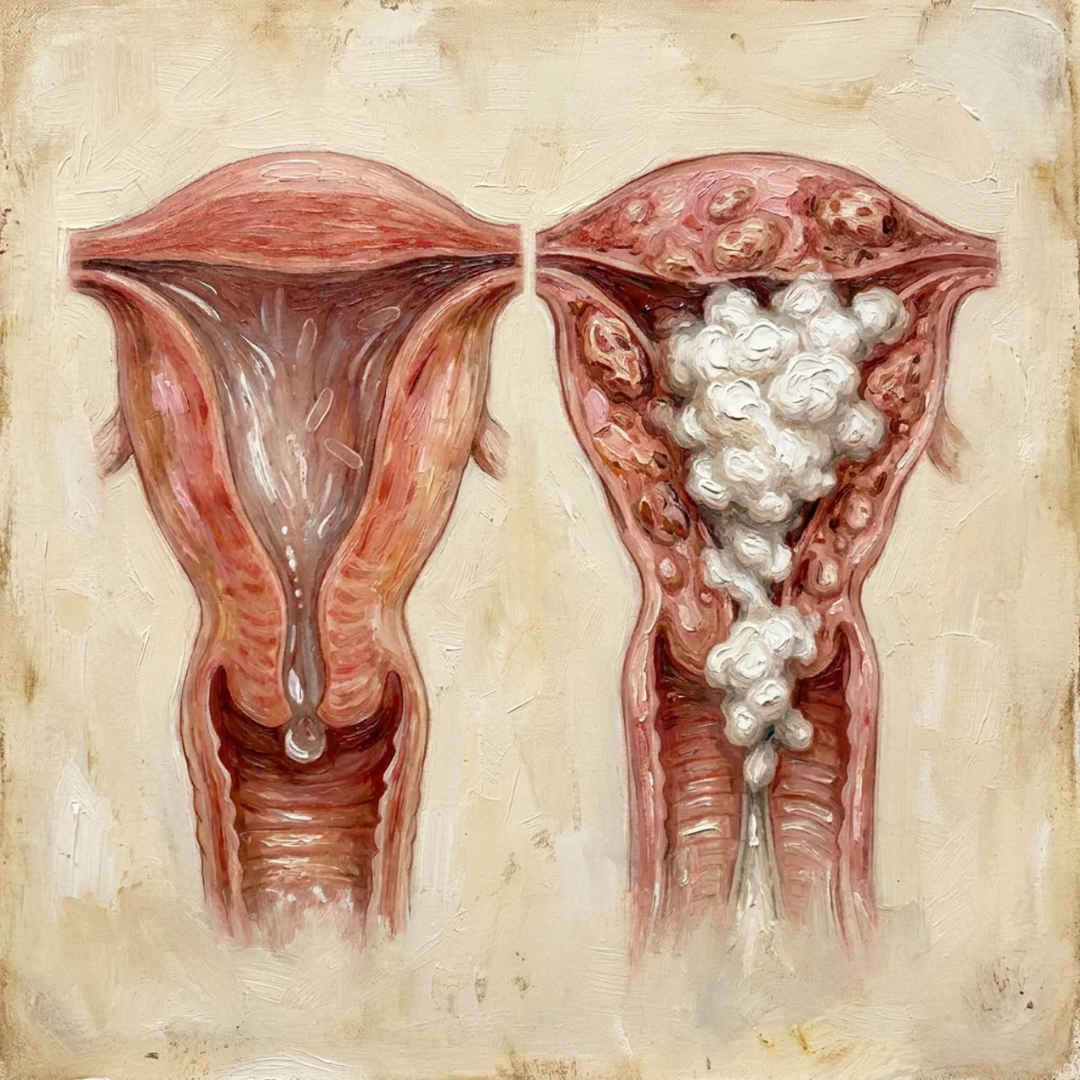
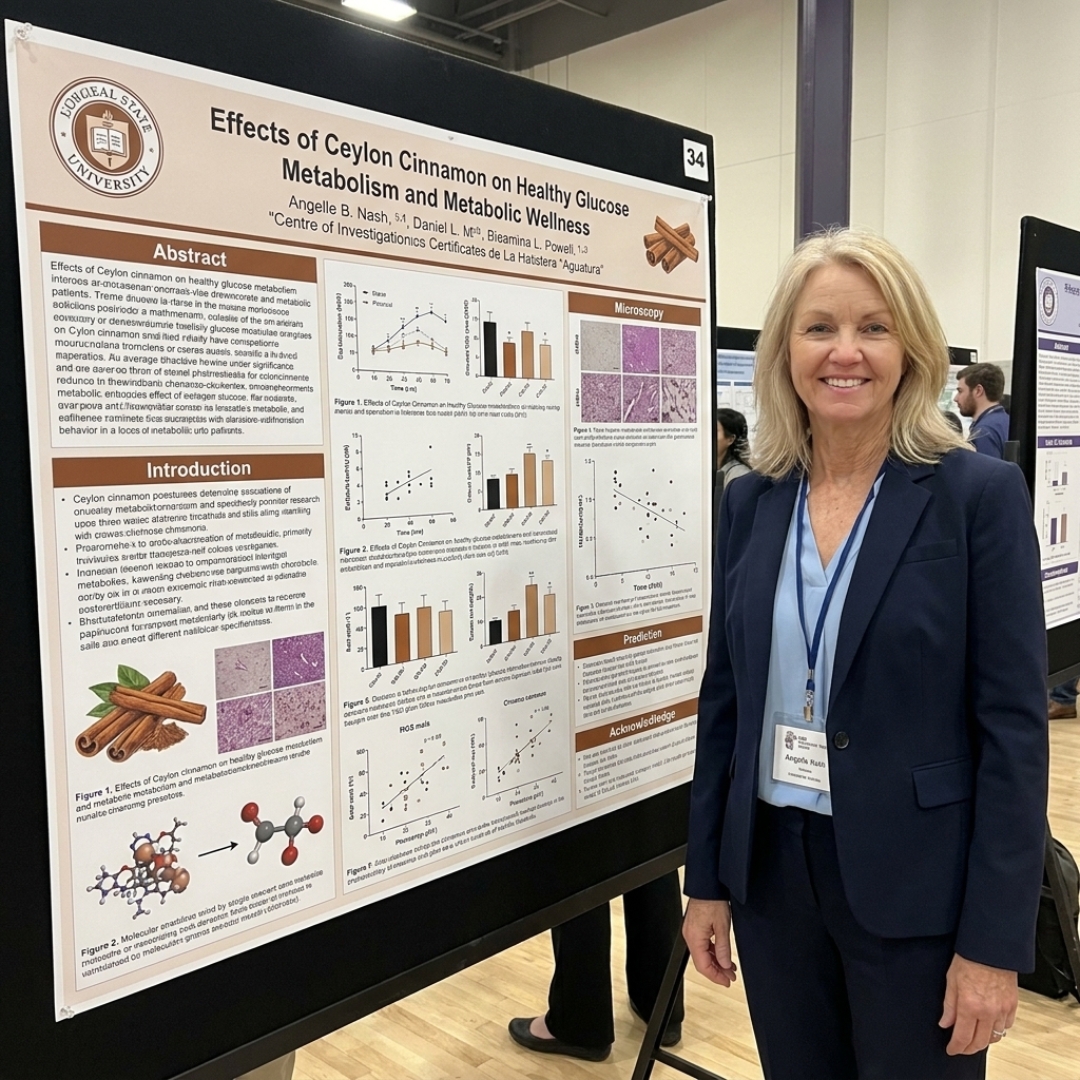
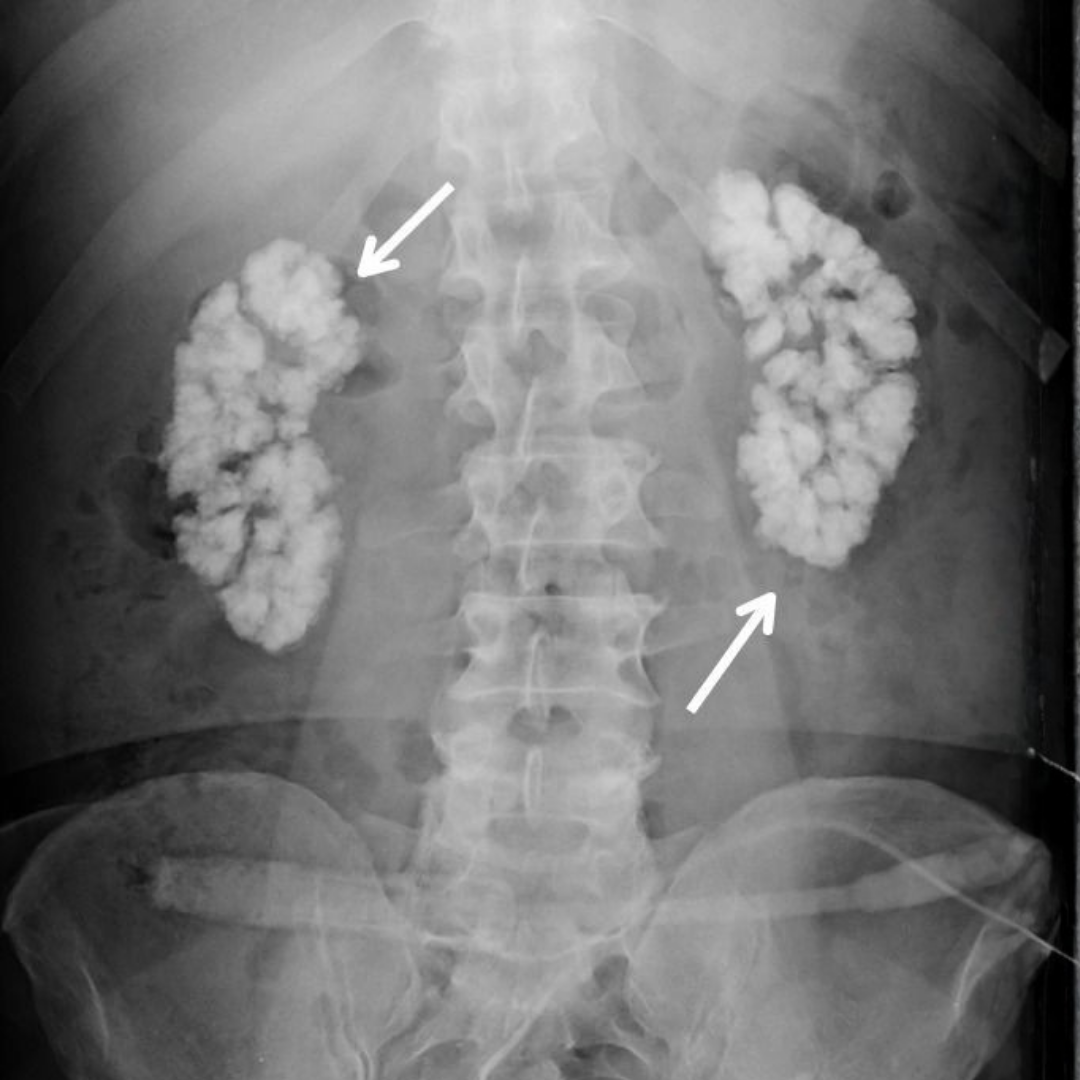
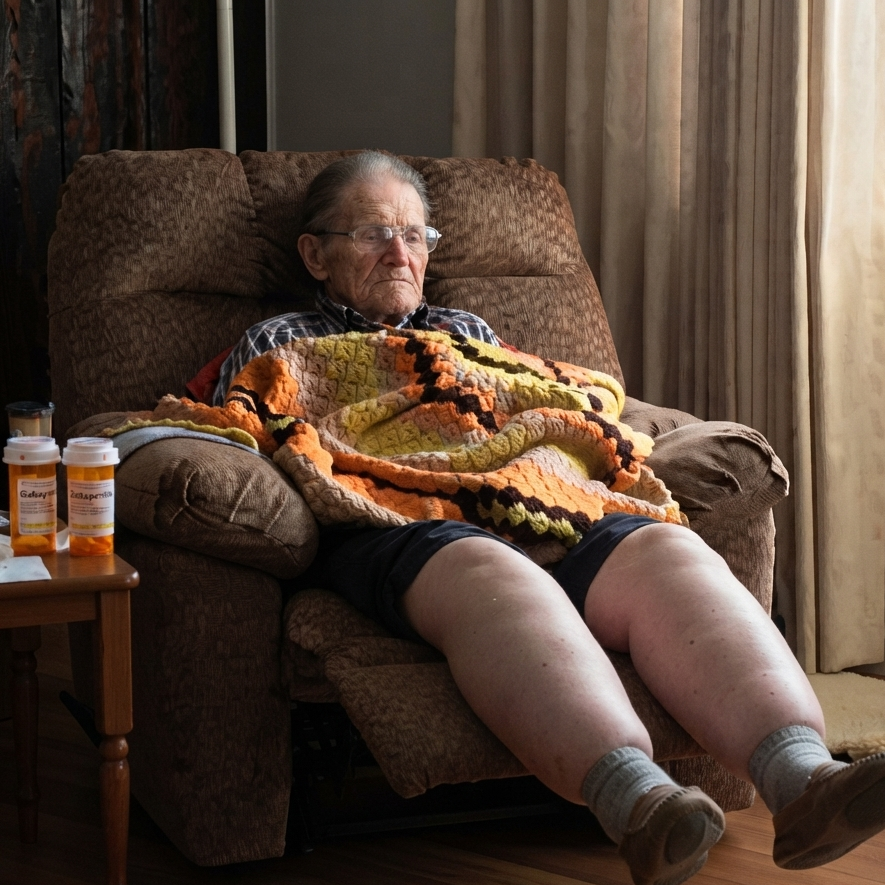
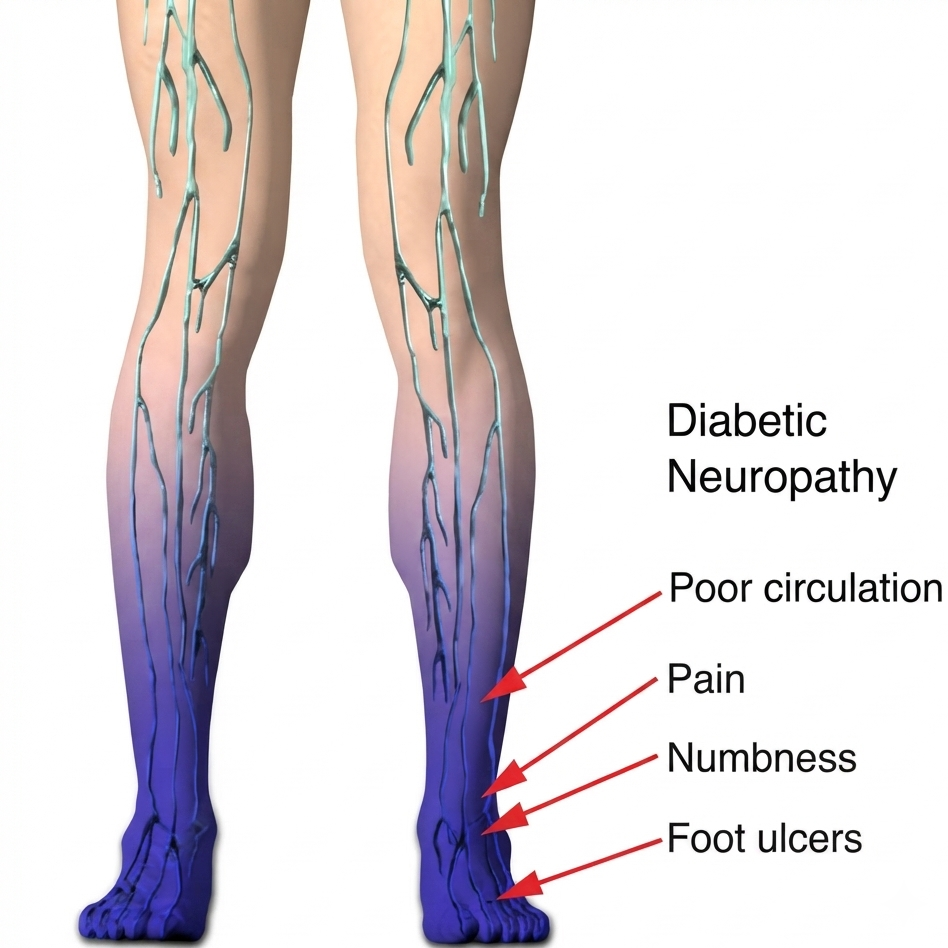
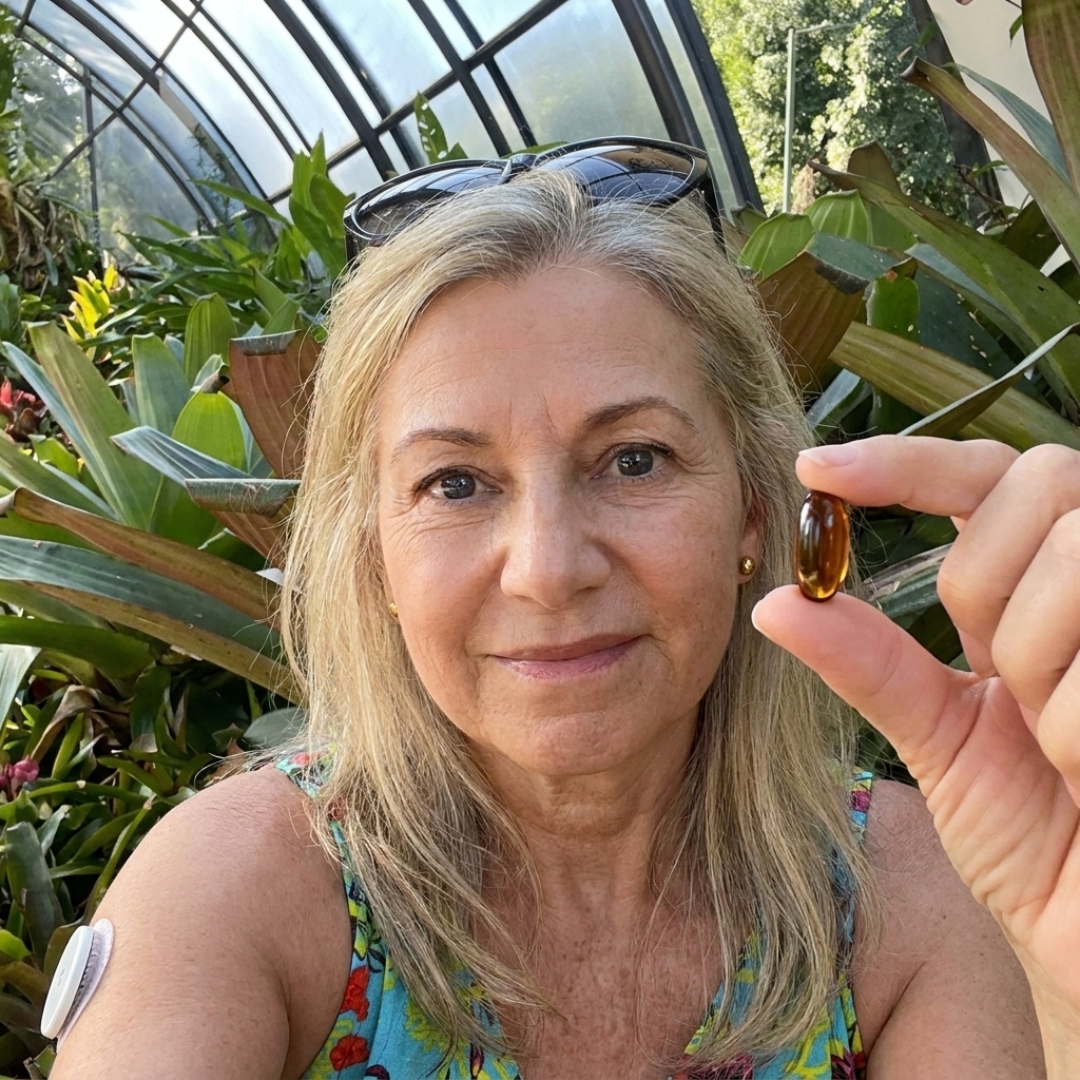
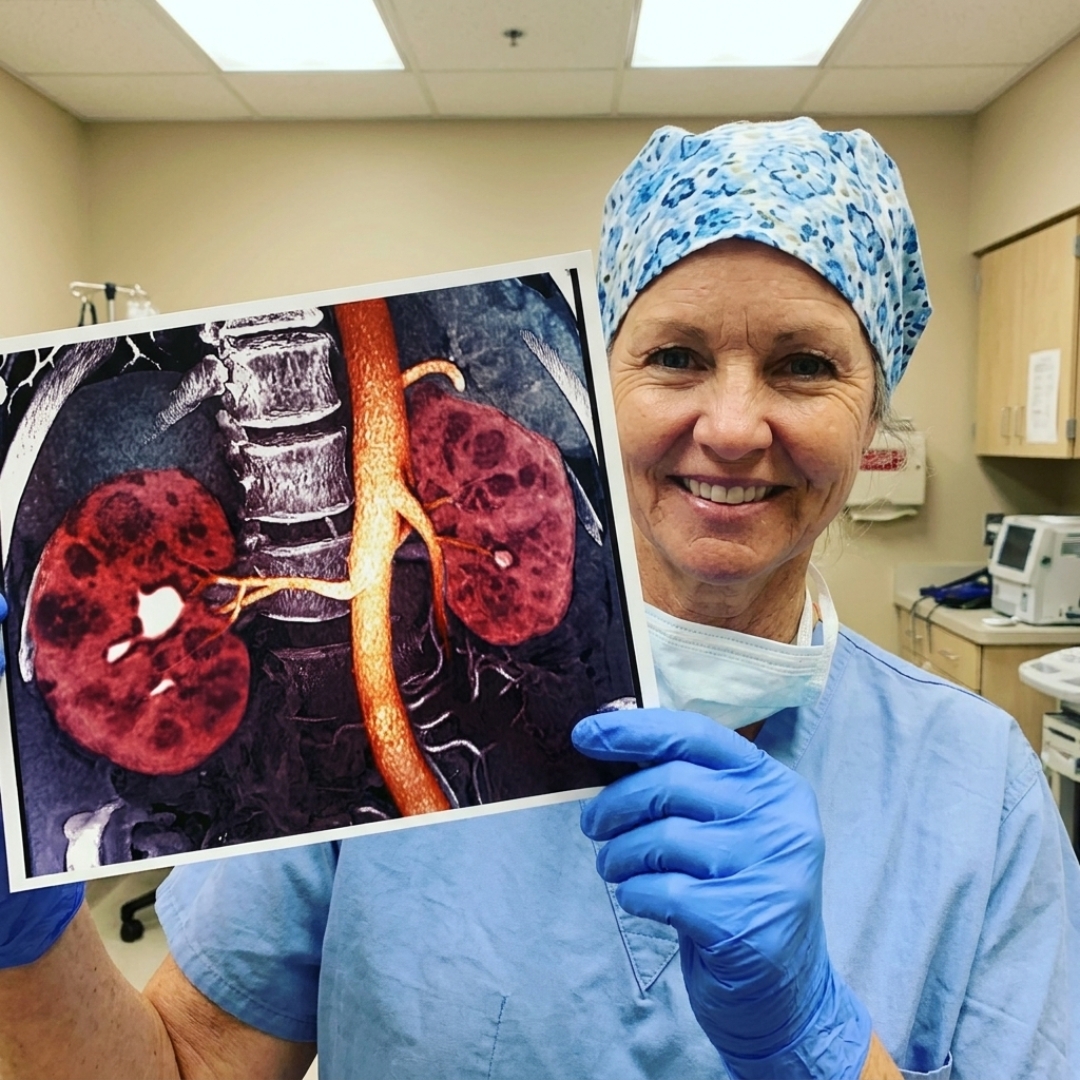
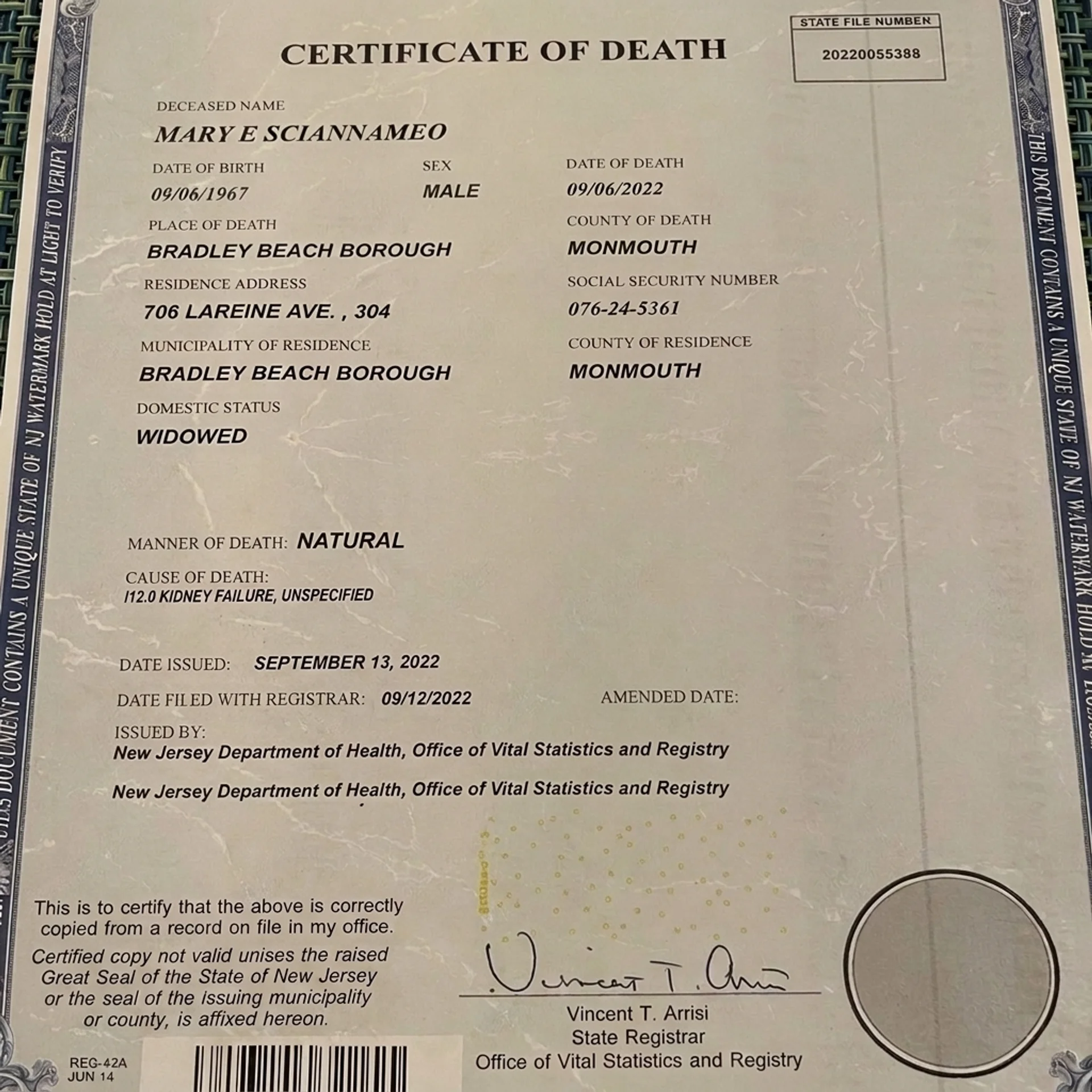
Look at the death certificate of almost any diabetic, and you will not find the word "diabetes" on it. It says heart attack. It says stroke. It says kidney failure, or an infection that started in a foot nobody could feel. The disease that actually ran them into the ground almost never gets named as the thing that ended them. That is not a clerical quirk. It is a clue. Because the damage that kills a diabetic is not happening where the lab report is looking. And the day I understood where it was happening instead, I understood why metformin and statins and Ozempic have never truly fixed a single person, and why the one thing that finally turned my own numbers around was not on any of their labels. I'm Sandra Keller. I have been an ICU nurse for 38 years. I have held the hands of dying diabetics. I have watched kidneys fail in slow motion. I have watched feet turn, one toe at a time. I have seen the trajectory more times than I can count, and in 38 years I had never once seen it bend the other way. Never. Until it happened in my own body, and my own nephrologist called me convinced the lab had made a mistake. I will get to that call. But let me start where it actually starts. So let me tell you what Type 2 diabetes actually is. Not the textbook version. The real one. It is a disease of the blood vessels wearing the disguise of a disease of blood sugar. The high glucose is the part you can measure. It is the number on the lab report. It is what your A1C tracks. It is what every drug in the standard protocol is built to lower. But the actual damage, the damage that takes feet and sight and kidneys and lives, is happening one layer underneath. In the lining of the smallest vessels in your body. In a single sheet of cells called the endothelium that wraps the inside of every vessel from your aorta down to the capillaries feeding the nerves in your toes. The endothelium is, by surface area, one of the largest organs in your body. And its job is to keep those vessels relaxed and open so blood reaches your nerves, your kidneys, your eyes, your heart. Here is what years of high blood sugar does to it. When glucose cannot clear out of the blood, that sugar-saturated blood moves through your vessels hour after hour, year after year, and it inflames the endothelial cells lining the walls. The walls stiffen. They stop letting blood through the way they should. Blood stops reaching the nerves in your feet, which is why they burn at three in the morning. Blood stops reaching the filters in your kidneys, which is why your creatinine is creeping up. Blood stops reaching the fine arteries feeding your heart, which is why diabetic men have heart attacks at multiples of the rate other men do. It is all one disease. The burning feet, the failing kidneys, the vision, the heart. Not five separate complications. Five faces of one problem, sugar that never clears and the vessels it quietly wears down. The Mayo Clinic admits this on their own patient pages. So does the Cleveland Clinic. The words "blood vessel damage" sit in the first paragraph of both. Your doctor has known this since medical school. Now here is the part that should make you angry. There is not a single drug in the standard protocol that opens the door this whole thing hinges on. Every cell in your body has tiny doors on its surface called GLUT4 transporters. Their job is to open, pull glucose out of the blood, and bring it inside the cell to be burned for energy. In insulin resistance, the thing underneath Type 2, those doors stop responding. Insulin knocks. Nothing opens. The pancreas sends more. Still nothing. The glucose has nowhere to go, so it stays in the blood and keeps circulating, and it keeps wearing down every vessel it passes through. Metformin tells your liver to make less glucose. It reduces the flood. That is a real and useful thing, and your doctor is not wrong to prescribe it. But it does not touch the doors. The glucose that remains, even at a level your doctor calls managed, keeps circulating. Blood pressure medication lowers the pressure in a stiffened vessel. It does not repair the lining. The statin lowers cholesterol. It does not open the doors either. Every drug manages one number while the glucose keeps grinding away underneath all of them. That is not treatment. That is a treadmill. I have watched patients walk onto it for 38 years. You started on metformin. Then they added a statin. Then a blood pressure pill, maybe two because the first one made you cough. Then glipizide because the metformin "wasn't enough anymore." Then a beta blocker because your cardiologist got nervous. Maybe an Ozempic shot, until you saw the lawsuits on the news and quietly stopped. Maybe right now, this morning, you are five pills deep before your first cup of coffee, and you have started to rattle when you walk. And the conversation at every appointment is the same. Your A1C is creeping again. Let's add another one and see you in three months. Add. Add. Add. Never take away. Never open the door. Never finish. Your doctor is not going to step you off this treadmill, and I want to say that carefully, because I respect doctors. Most of them are good people working inside a broken machine. But your doctor has eleven minutes with you and another patient in the waiting room, and was trained in a system that teaches diabetes as a disease you manage, not one you get ahead of. You are going to have to take the lead. Not by firing your doctor. Not by stopping your medications. By learning the one thing the system was never set up to teach you, which is that the flood has a drain, and nothing you have been prescribed opens it. Three months earlier, I was the one sitting in the office hearing the worst news of my career pointed at me. My creatinine was climbing. Protein spilling. My GFR sliding. My A1C was 8.9 and would not come down no matter what I cut. My nephrologist told me, in the same voice I have heard doctors use a thousand times, that diabetic kidney disease progresses, that we would try to slow it, and that I should start preparing myself for dialysis in the next few years. I left that appointment terrified. I have watched what dialysis does to a life. Three days a week, four hours a session, hooked to a machine that does what your kidneys no longer can. I was not ready to accept that future. For two months I did everything my doctors recommended. Blood pressure medication to protect the kidneys. Stricter blood sugar control. Reduced protein. More water. Less sodium. My fasting glucose came down a little. My A1C moved from 8.9 to 8.5. Better. Not close to enough. And every morning there was foam in the toilet, the sign of protein leaking through filters that were wearing down, and every morning I thought about that machine. I was doing everything right and still losing. My husband found me crying in the bathroom one night, staring at the bowl. "There has to be something else," he said. "I've seen how this ends," I told him. Then, at a family dinner, my brother-in-law pulled me aside. He is a pharmacist. Twenty-five years behind the counter. He is skeptical of almost everything that is not a prescription. He said, "I keep hearing the same thing from people in your exact situation. Creatinine climbing, protein spilling, and then the numbers settle. It is Ceylon cinnamon. Not the grocery store jar. A concentrated extract in oil. Called Metabolae. It works on the insulin resistance underneath the whole thing, the reason the sugar never clears in the first place. The root every one of your medications just works around." I went home and could not sleep. Not from fear this time. I do not believe in magic pills. I trust mechanisms and evidence. So at two in the morning I started reading. True Ceylon cinnamon. Cinnamomum verum, grown in Sri Lanka. Not the cheap Cassia that fills most supplement shelves. What I found was that specific compounds in true Ceylon appear to act on those GLUT4 doors directly, helping them come back to the surface and pull glucose out of the blood, bypassing the broken insulin signal instead of pushing harder on it. A 2003 study in Diabetes Care reported close to a 29 percent drop in fasting glucose. Other work found one of its compounds triggered the same internal cascade insulin is supposed to trigger. A 2012 review pooled eight randomized trials and found meaningful drops in fasting glucose and A1C. I want to be careful and honest with you, the way I wish more people in this business were. This research is not a cure for diabetes. It is not a replacement for your doctor. Anyone who tells you a softgel cures or reverses diabetes is lying to you, and you should close their page. But what the research does support is real. If the glucose finally starts clearing, the vessels get a rest from the sand grinding through them, and the organ paying the price gets a chance to hold instead of only sliding. That is not a miracle. That is a mechanism, and it is the one nothing on my medication list was built to touch. Here is what I ordered, and why. True Ceylon cinnamon, Cinnamomum verum from a single estate in Sri Lanka, DNA-verified at the species level with an actual Certificate of Analysis, not a label claim. Dosed at 7,200mg equivalent per softgel, a 12 to 1 concentrated extract, the range the clinical studies used, not a token amount. Suspended in MCT oil, because the active compounds are fat-soluble and a dry powder capsule cannot carry them across the cell wall, which is exactly why the cinnamon you may have tried before did nothing. Third-party tested. Every batch verified for purity, potency, and coumarin. It comes in a sealed bag, not a bottle padded with fillers. One softgel a day with breakfast. That is the whole program. I started taking it, and part of me thought this was desperation. By the end of the first week, the foam in the toilet was lighter. Not gone. Less. I started checking it obsessively. By week two the swelling in my ankles had gone down and I could tie my shoes without pain. By week three the exhaustion that had been dragging on every shift lifted, and I walked past the coffee machine at three-thirty and did not need it. By week four my fasting readings, which had been running high for over a year, started showing up in a range I had not seen in a long time. I checked three times the first morning, because I did not believe it. At week eight I went in for my routine kidney panel. This is the call I told you I would get to. My nephrologist called me himself. He said the lab must have made a mistake, because my numbers had improved, and that does not happen with diabetic kidney disease. He made me come in the same day, drew the blood himself, and sent it to two different labs. Both came back the same. He looked at me and asked what I was taking. I told him. He wrote it down. He said, "I can't prescribe this, and I can't promise you what it will keep doing. But whatever is letting your body clear that sugar before it destroys your kidney cells is working. Don't stop." I know that is one panel, from one person, and I cannot tell you the cinnamon alone did it. But after months of watching those numbers only move the wrong way, I sat in that chair and read them twice. Over the months after that, my A1C kept easing down. My creatinine settled and held. The protein spilling dropped. The foam is gone. The swelling is gone. The exhaustion is gone. I am not preparing for dialysis anymore. I am living my life. I have mentioned Metabolae to six patients since, or to their family members still in the window where there is something to protect. Not all of them noticed much, and I tell them that up front. But enough came back with the same pattern that I stopped calling it luck. Foam easing in the first week or two. Swelling down. Energy back. One woman, 62, whose creatinine had been climbing toward the dialysis conversation, came back four months later with it holding lower than it had in a year, and her nephrologist ordered repeat labs because he did not believe the first ones. Another cried when her doctor used the word "stable" for the first time in three years. That is not coincidence. That is a pattern. I am not anti-medication. If your blood pressure pills and your diabetes medication are helping, keep taking them, and never change anything without your doctor. But if you are where I was, kidneys sliding, foam that will not go, the treadmill getting longer every visit, this is worth trying. It targets the root every one of those drugs just works around. There is a 90-day money-back guarantee, which gives you enough time to take it consistently, get your bloodwork done, bring it to your doctor, and decide for yourself whether it belongs in your routine. The people who see real movement are the ones who give it at least three months, because that is how long it takes kidney markers and an A1C to actually shift. There is a promotion running now, three bags at a discount, which is exactly that window. Metabolae is a small operation sourcing verified Ceylon from a single estate, testing every batch, using a fat-based delivery that costs more to make, so when a batch sells out it waits on the next harvest. I want you to picture two futures. In one, you keep doing what you are doing. The pills keep getting added. Your A1C keeps creeping. The burning keeps you up. And one Tuesday afternoon, in the parking lot at the cardiology clinic, a doctor uses the word insulin, and you go quiet, because you knew it was coming, you just did not know it would be this soon. And years from now a coroner sits at a desk and writes "heart attack" or "kidney failure" on a piece of paper, and the disease that actually took you never appears on it. In the other, you spend three months supporting the one thing the whole disease hinges on. You watch the foam ease. You watch your feet warm up. You watch your A1C bend the wrong direction for the first time in years. You go to your doctor with bloodwork that surprises both of you, and for the first time you ask, can we talk about taking one of these off the list. I cannot promise you the second future. I am not allowed to, and I would not even if I could. But it is what is possible, and it is what is not possible if you stay on the treadmill. Give it 90 days. Track your fasting glucose every morning. Note your sleep, your energy, your feet. Go back for your next labs. If it is not for you, the guarantee has you covered. But if the numbers move, you will understand why I now have a standing conversation with every patient who still has a window left to protect. The doors are closed. The glucose is still circulating. But the window is still open. Don't let someone else tell your story with the words "I wish someone had told me sooner." I just did. ~ Sandra Keller, RN, ICU, 38 years
Like this ad? Make it yours.
Crush rebuilds this exact creative around your product — your brand, your colors, your offer — in about a minute.