
Active· since Feb 8, 2026
- 215
- days running
- 1
- relaunches
Ad copy
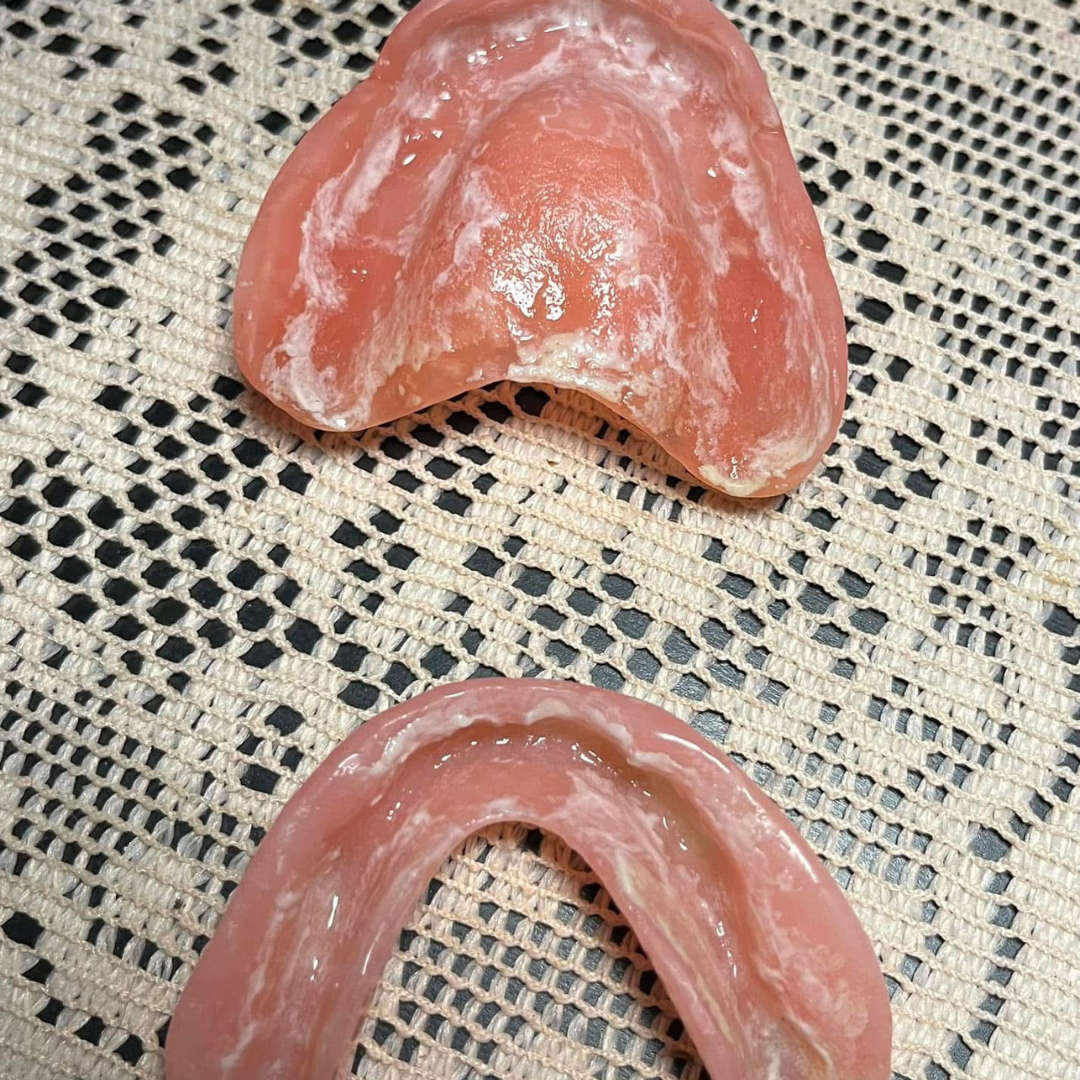
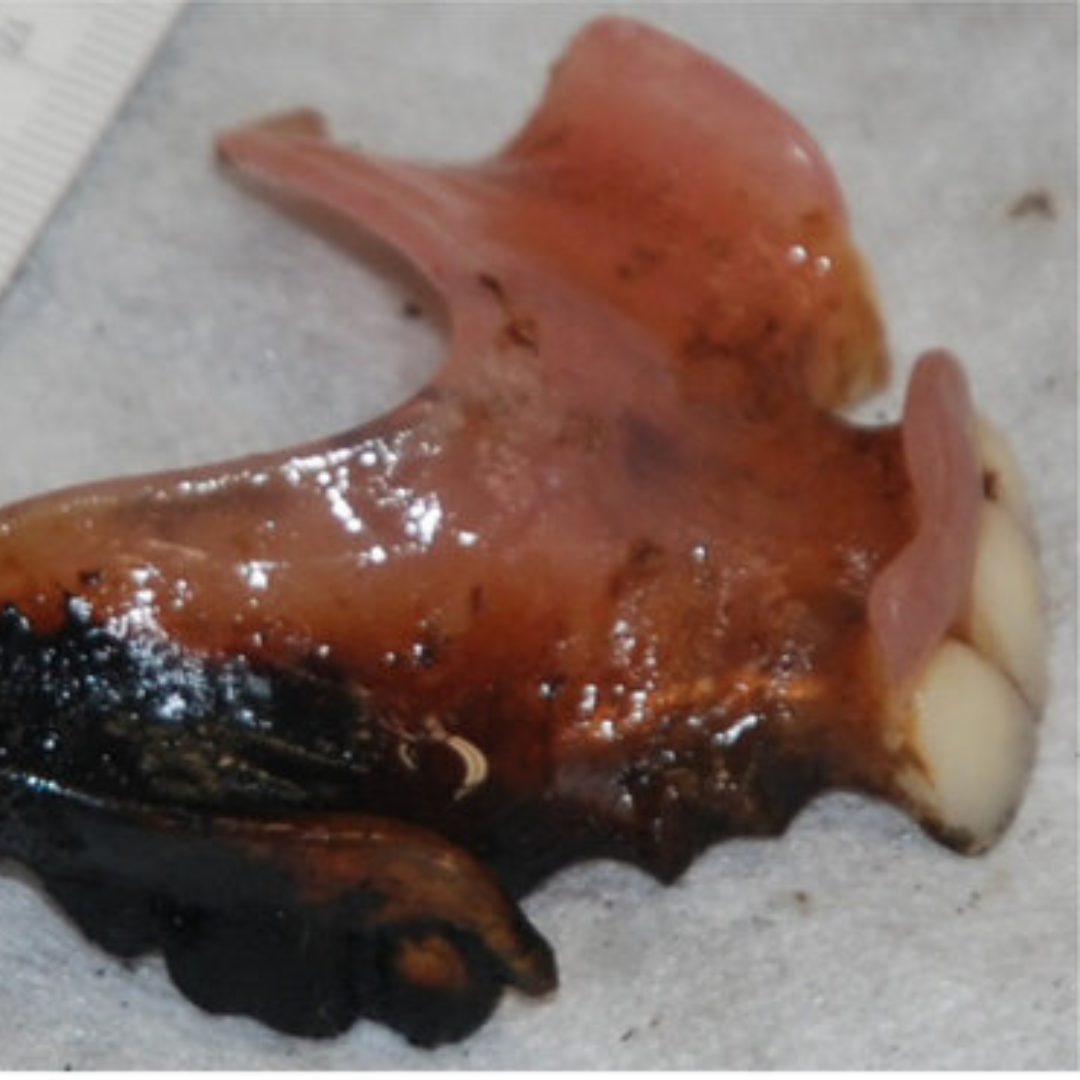
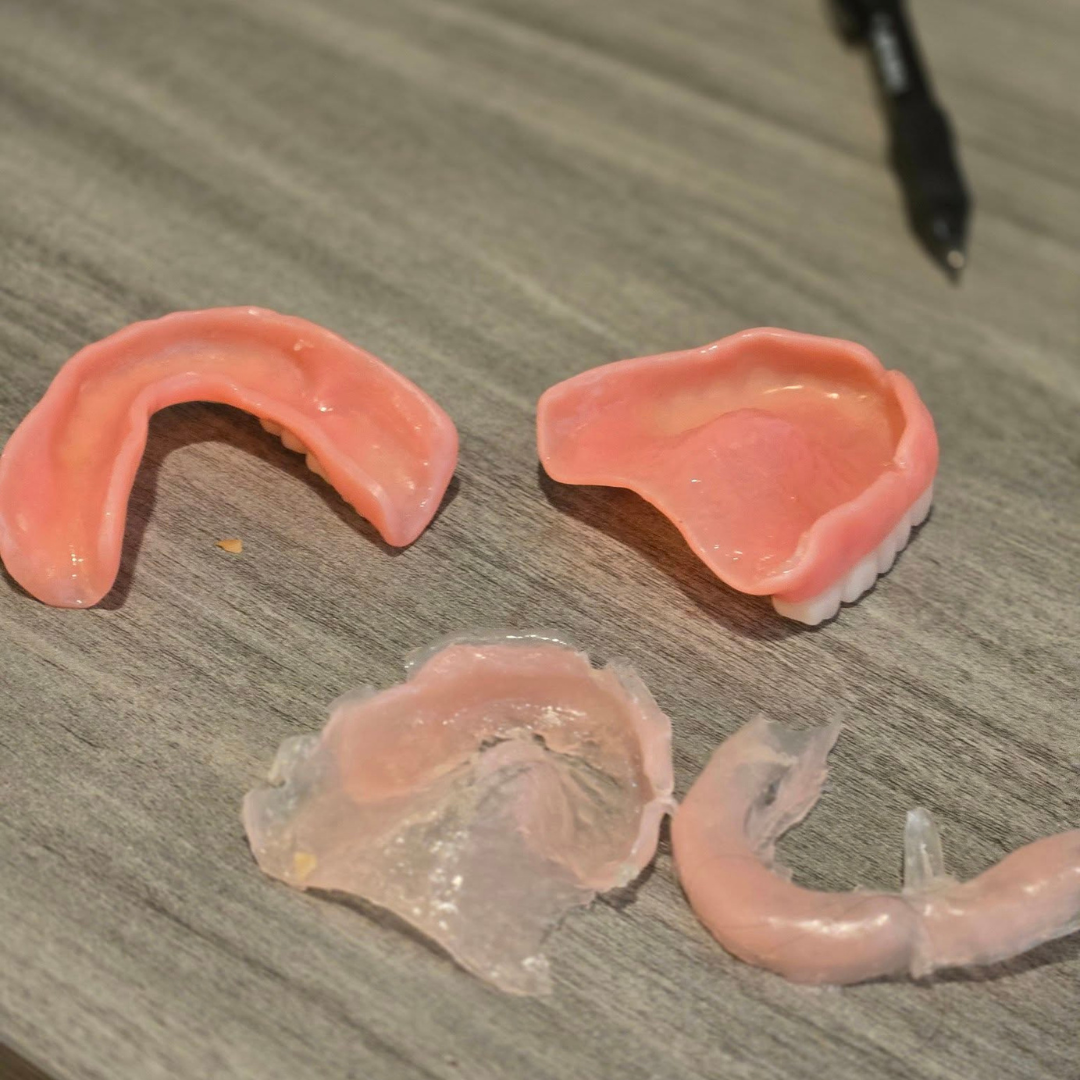
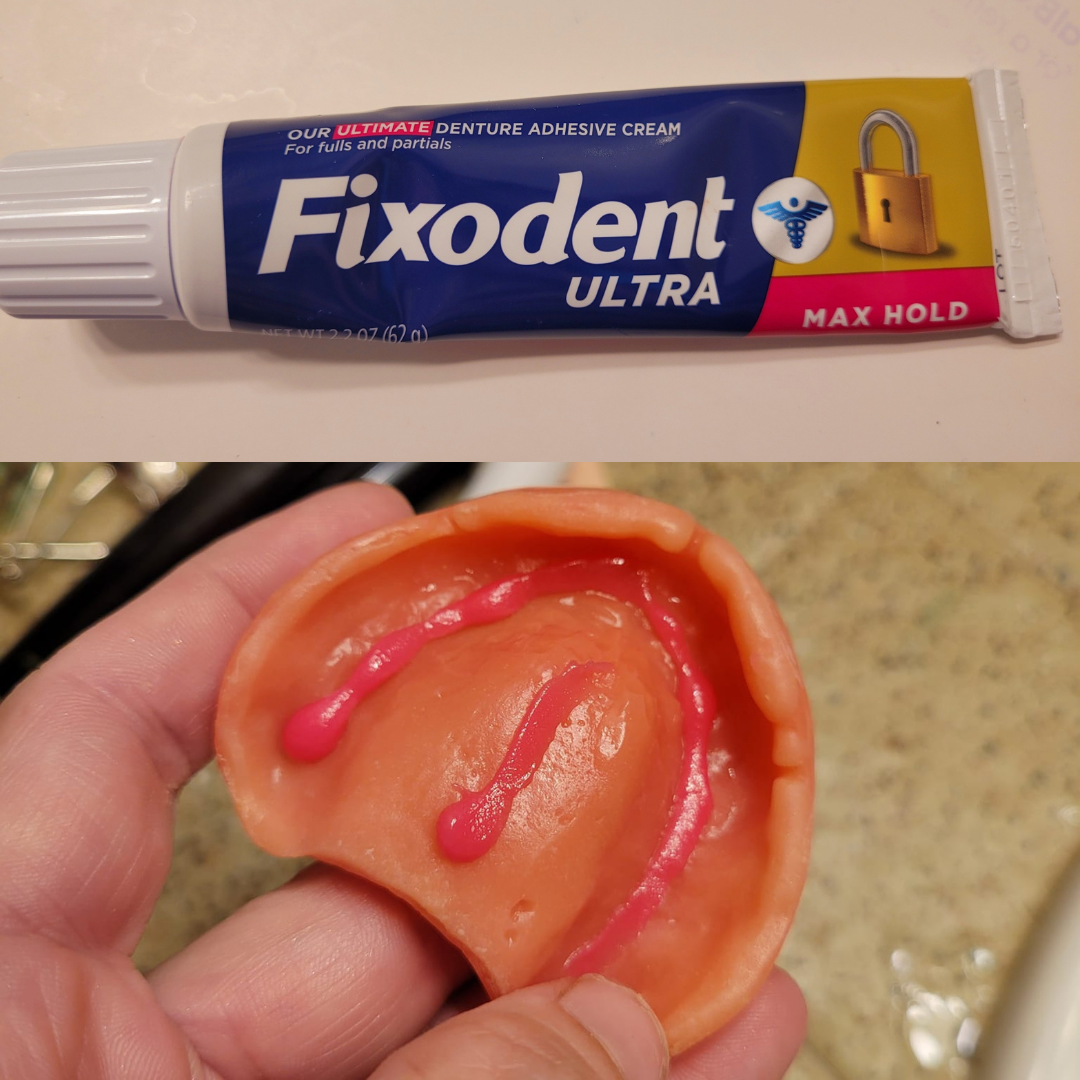
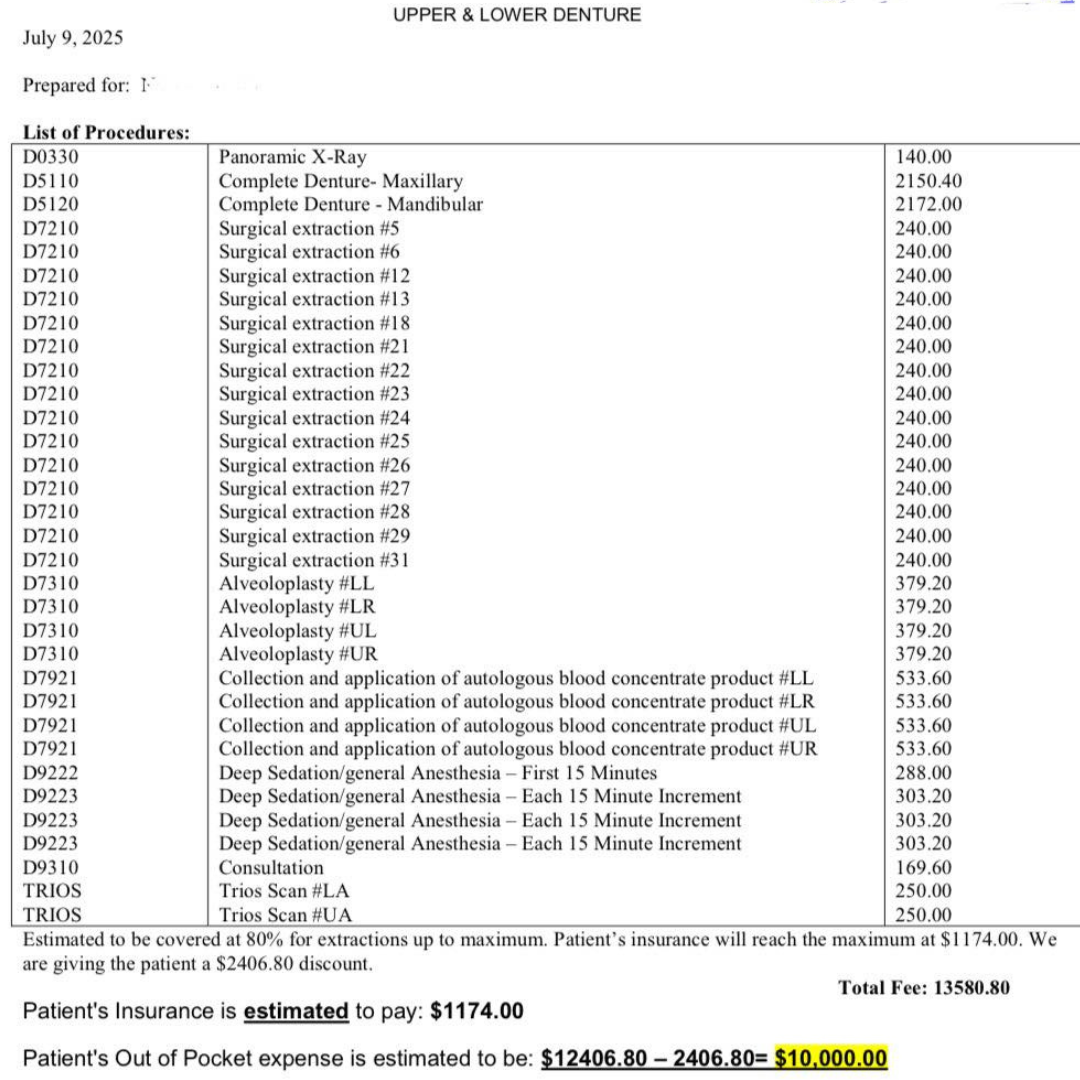
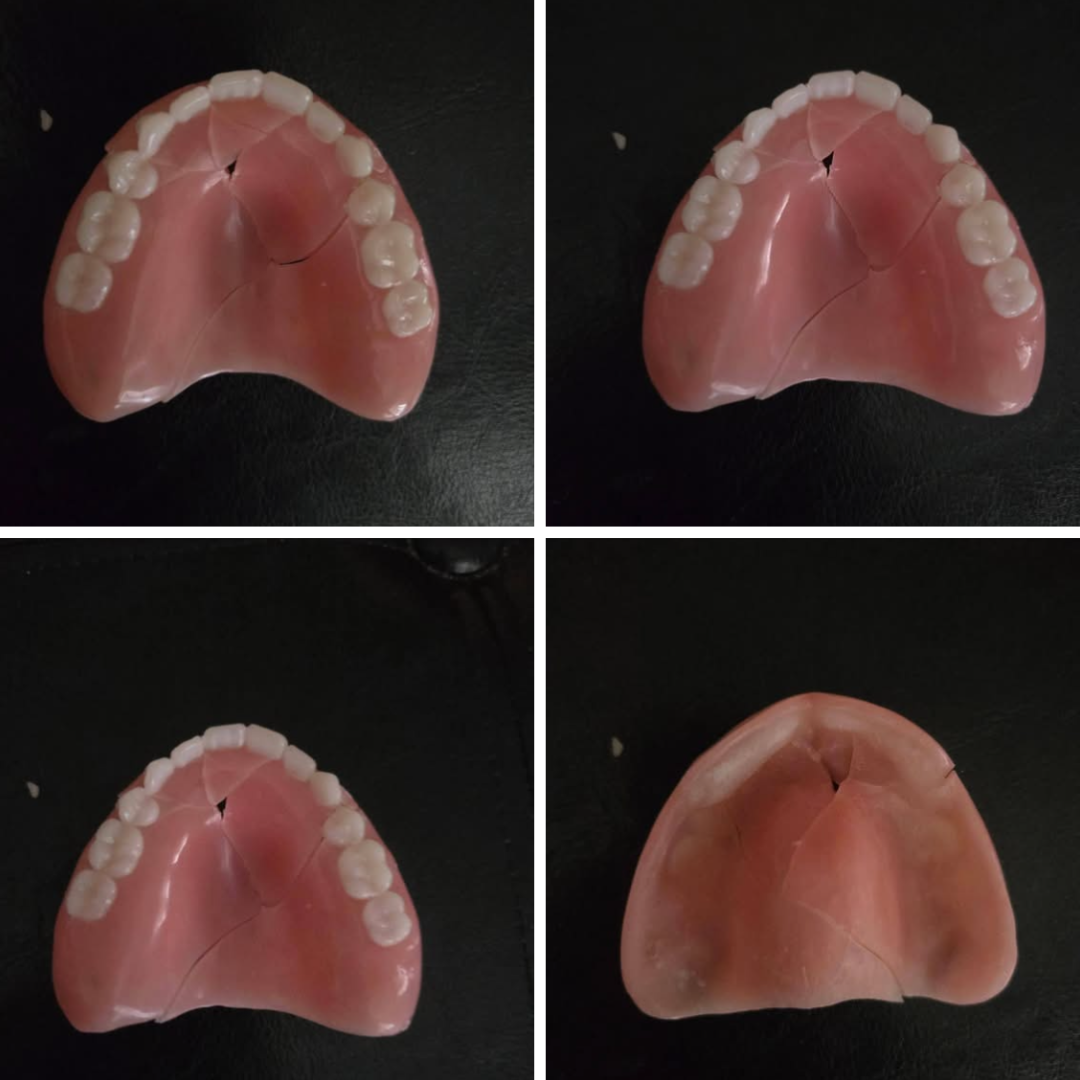
My sister called me from the hospital at 2 a.m. She couldn't breathe. Aspiration pneumonia. That's what they told her. Fluid in the lungs. Infection spreading. The kind of thing that puts people on ventilators if you catch it too late. She's 45 years old. Otherwise healthy. Active. The last person you'd expect to end up in an ER bed struggling to take a full breath. The doctors ran tests. Checked her lungs. Asked her a dozen questions. And then one of them asked her something that stopped me cold. I was on the phone with her. I heard him ask it. And I remember thinking: Why would he ask that? It didn't make sense. Not until much later — when I finally understood what had been happening to both of us for years. My name is Sarah. I'm 34 years old. I've worn dentures for three years now. If you're surprised by that — if you thought dentures were just for grandparents — welcome to what millions of us already know: This happens to people at every age. It happened to my sister at 29. It happened to me at 31. It happens to people in their twenties. Their forties. Their sixties. Some of us grew up without money for dentists. Some of us dealt with addiction, or illness, or genetics we didn't ask for. Some of us just didn't know what we didn't know — because nobody taught us. And by the time we figured it out, it was too late to save what we had. That's not a character flaw. That's just life. Let me tell you about my sister. When she got dentures at 29, I was only 18. I watched her shrink. Not physically — emotionally. She started covering her mouth when she laughed. Turning her head when someone leaned in. Ordering soup at restaurants because she was afraid of anything that required real chewing. Her boyfriend didn't leave because of the dentures. He never said that. But I watched it happen in slow motion. The distance. The hesitation. The way she stopped being fully present in her own life. Six months later, he was gone. She stopped going out. Stopped posting pictures. Started living smaller and smaller until she barely took up space at all. I remember asking her once, "Why don't you just act normal?" She looked at me like I'd slapped her. "You have no idea what this is like," she said. She was right. I didn't. Not yet. Here's what I didn't know then: Bad teeth run in our family. Not because we were lazy. Not because we didn't care. Because we were never taught. My mom never took us to the dentist unless something hurt. We grew up on sweet tea and soda — not because we chose it, but because that's what was in the house. Brushing was something we did "when we remembered." Nobody sat us down and said, "This matters." Nobody warned us what happens if you don't. And by the time I was old enough to understand, I was already copying everything my sister did. She started smoking at 15. So I started at 13. Not because I wanted to. Because I wanted to be like her. She seemed so cool. So confident. So grown-up. I didn't know I was accelerating the same genetic damage she was already dealing with. I didn't know I was walking the same path. By my late twenties, my teeth were already failing. Cavities. Cracked molars. Infections that kept coming back no matter how many antibiotics I took. I'd get one tooth fixed, and two more would break. I didn't want to spend the money fixing them over and over again. It felt like throwing cash into a hole. The dentist finally sat me down and said, "It's genetic. Weak enamel. Years of damage adding up. We're past the point of saving most of these." He wasn't mean about it. But I still felt like I'd failed some test I didn't know I was taking. Then he said the words I'd been dreading since I watched my sister go through it: "It's either dentures or implants." Implants cost $30,000. I didn't have $30,000. Most people my age don't. So I went with dentures. All of them out. Same as my sister. Same as my mom. But here's what I want you to understand: This wasn't my fault. It wasn't my sister's fault. It wasn't even my mom's fault. We were all doing the best we could with what we knew. And what we knew wasn't enough. The surgery itself wasn't as bad as I thought. They gave me laughing gas, put in my AirPods, and I just zoned out to music while they worked. Took about two hours. But those first two days after? Probably the worst two days of my life. The blood. The drooling. Taking the dentures out, then trying to put them back in, then taking them out again because nothing felt right. And of course the regret kicked in. That voice in your head at 2 a.m. going, "What did I do? What did I just do?" Day three, though — that was a good day. I put the teeth in, kept my mouth closed, and just cleaned the house. Trying to get used to the feeling. By day eight I was eating eggs and talking fine. My friends even forget my teeth are fake now unless I bring it up. But there were so many sores that first month. I kept going back for adjustments. Temp liners. Trying different adhesives until I found what worked. The physical stuff? That got better. The emotional stuff took longer. I started doing the exact things I'd watched my sister do. Covering my mouth when I laughed. Avoiding close conversations. Canceling dates because I was terrified of that moment when someone leans in and you wonder if they can smell it. And sometimes they could. I scrubbed my dentures every night. Used the tablets. Brushed them with the special brush. Did everything the instructions said. But every morning, I could still feel that slimy film. I could still taste something off. I started carrying mints everywhere. Started avoiding situations where I couldn't control the distance between me and another person. I was 31 years old, living like I had something to hide. Then, about a year in, I started getting the same problems my sister had talked about. Sore spots that wouldn't heal. Redness along my gum line. That swollen, irritated feeling that made me not want to smile. I called her, panicking. "It's happening to me too," I said. There was a long pause. Then she said something I didn't expect: "Okay. We're going to figure this out together. For real this time." That's when everything started to change. Not because we found some miracle cure. Because we stopped doing this alone. My sister sent me links to Facebook groups she was in — real people, dealing with real problems, sharing what actually worked. I started reading posts at midnight. Watching TikToks from dental hygienists explaining what dentists don't tell you. Texting my sister screenshots at 3 a.m. And slowly, we started learning things nobody had ever taught us. Things that weren't our fault for not knowing. Because nobody teaches you this stuff. Like how regular toothpaste scratches dentures. Creates microscopic cuts in the acrylic you can't see. Bacteria hides in there. Multiplies. Builds up over time. Like how soaking tablets don't actually remove buildup. They kill surface bacteria. They make things smell better temporarily. But the layer underneath — the stuff embedded in the material — stays right where it is. Like how even the "right" denture brush can wear down the surface if you're scrubbing too hard. Every time we learned something new, we realized we'd been doing it wrong for years. Not because we were careless. Because the instructions were wrong. Because the "right way" we'd been taught wasn't right at all. Two months after we started researching, my sister ended up in the ER. Aspiration pneumonia. That 2 a.m. phone call I mentioned at the beginning? This was it. And that question the doctor asked her — the one that made no sense to me at the time? He asked her about her dentures. The ER doctor — a young guy, maybe 30 — looked at her chart and said, "Do you clean these every day?" "Yes," she said. "With what?" "Tablets. Brushing. Everything they told me to do." He nodded slowly. Then he said something that changed everything: "Most people don't know this, but dentures build up something called biofilm. It's an invisible bacterial layer that regular cleaning can't touch." "Over time, that bacteria can get into your lungs while you sleep. That's what made you sick." He paused. "It's not your fault. The care instructions most people get are completely outdated. They don't address biofilm at all." Biofilm. He said it like it was obvious. Like everyone should know. But we didn't. Nobody told us. And suddenly, everything made sense. The film I could never get rid of. The taste that wouldn't go away. The sore gums, the infections, the problems that kept coming back no matter what we did. It wasn't our fault. We'd been following instructions that were never designed to actually work. She called me from the hospital that night. I could tell she'd been crying. But she didn't sound defeated. She sounded determined. "I'm not doing this anymore," she said. "I'm not going to keep getting sicker because nobody told us the truth. We're going to find what actually works." That phone call changed both of us. We stopped just scrolling through posts. We started hunting. Late-night research sessions. Articles at 3 a.m. Studies we barely understood. Anything that could give us real answers. We weren't just trying to survive anymore. We were trying to actually live. That's when we found something that worked. I made a post in one of the Facebook groups asking for help. Real help. Not the same "try baking soda" advice we'd seen a thousand times. Within minutes, the replies started coming in. "Denture Dome. Game changer." "I wish I'd found this years ago." "Seriously, just get it. Nothing else worked for me." By the time I checked back an hour later, there were twelve replies. The same name kept coming up. Over and over. The Denture Dome. At first, we thought it was just another gimmick. It looked like a Magic 8 Ball sitting on my counter. We'd been burned before. A thousand "miracle" cleaners. Bought half of them. Been disappointed every time. But the reviews were different. Real people. Real photos. Real stories. "I couldn't believe what came off. I thought mine were clean." "The water was cloudy. Debris I didn't even know was there." "For the first time in years, they actually feel smooth." We kept reading. Turns out, dental clinics use ultrasonic technology to deep-clean dentures. It's not something they advertise to patients. But it's what actually removes biofilm — the invisible bacteria layer that brushing and soaking can't touch. The Denture Dome uses the same technology. You fill it with water. Drop your dentures in. Press a button. Ultrasonic waves create millions of microscopic bubbles that break up the biofilm stuck in the tiny cracks and pores of the acrylic. Then UV-C light sterilizes everything — kills the bacteria that cause the smell, the infections, the problems we'd been dealing with for years. Five minutes. That's it. No scrubbing. No harsh chemicals. No wondering if you're doing it right. Just clean. Actually clean. My sister recognized the brand — Ploise Dental. She'd been using their vitamins for months. "They're legit," she said. I ordered one that night. The first time I used it, I finally understood. I put my dentures in. Pressed the button. Walked away. Five minutes later, I lifted them out. The water was cloudy. Stuff floating in it. Particles. Film. Gunk I thought I'd been cleaning off every single night. I held them up to the light. They looked brand new. I ran my finger across the surface. Smooth. Not just clean — smooth. Like glass. I put them in my mouth. And for the first time in three years, they felt fresh. Not mint-covering-something fresh. Actually fresh. Nothing there. I used it every night after that. Within two weeks, the smell was gone. Completely. My morning breath was normal. Not masked. Normal. The gum irritation I'd been dealing with for months? Cleared up within days. The sore spots that kept coming back? Gone. I stopped panicking before dates. Stopped avoiding close conversations. Stopped checking my breath every five minutes like something was wrong with me. Because nothing was wrong with me. I'd just been given the wrong tools. And then the bigger stuff started happening. I said yes to a coffee date I would've canceled six months earlier. I had a conversation where I wasn't thinking about my breath the entire time. I took a photo — smiling, mouth open — and didn't delete it. Small things. But they added up. Now I eat anything I want. Steak. Apples. Whatever. I don't even think about pain anymore. I cringe at old photos of myself from before — not because of how I looked, but because I remember how I felt. A relationship that actually has a future because I'm not too scared to get close. A life I'd been putting on hold because I thought I had to wait until I could afford implants. I wasn't waiting anymore. I was living. I ordered a second Denture Dome and gave it to my sister. She cried. "I wish I'd known about this years ago," she said. Me too. But here's the thing: We know now. And that changes everything. My sister uses hers every night. A few weeks after she started, she called me. "I feel different," she said. "Clearer. Like I can actually think straight again." She'd been dealing with brain fog for years. Memory issues. Spacing out mid-conversation. Her doctor told her it made sense. Chronic inflammation doesn't just stay in your mouth. It affects your whole body. Your energy. Your focus. Even your brain. We didn't expect that. But we'll take it. I'm telling you this because I know there are people reading this right now who are in the same place we were. Maybe you're watching someone you love struggle with dentures and thinking, "I hope that doesn't happen to me." Maybe you're already wearing them and doing everything "right" — but still dealing with the smell, the sore spots, the embarrassment. Maybe you're on partials and still hoping for implants someday. If that's you — protecting your gums and bone health now is what keeps that door open later. Maybe you're dealing with more than just dentures. Maybe you're rebuilding your whole life — getting sober, getting stable, getting your teeth fixed as part of something bigger. I see you. Getting your smile back isn't vanity. It's dignity. It's being able to walk into a room and not think about your mouth for once. It's being able to laugh without covering your face. It's being able to get close to someone without fear. Here's what I've learned: Life doesn't care about your plans. Things happen that you don't expect. Problems show up that you didn't cause. You can do everything "right" and still end up in a situation you never asked for. That's not a curse. That's just being human. But what you do next — that's up to you. My sister and I didn't choose our genetics. We didn't choose how we were raised. We didn't choose to lose our teeth in our twenties and thirties while everyone around us still had theirs. But we chose to stop accepting bad information. We chose to find something that actually works. We chose to share it — because nobody should have to figure this out alone. Looked like a Magic 8 Ball sitting on my counter. I still laugh about that. That goofy little thing changed both our lives. The same technology dental clinics use. Now available at home. One button. Five minutes. Every night. It comes with a 90-day money-back guarantee. Use it for three months. If you don't feel a difference — if your gums don't improve, if that film doesn't disappear, if you're not waking up with a cleaner mouth than you've had in years — send it back. Full refund. No questions. But I don't think you'll need it. Because it worked for me. It worked for my sister. It's worked for thousands of people in those same Facebook groups where we found it. If you're reading this, you've probably been through a lot to get here. Maybe years of dental problems. Maybe judgment from people who don't understand. Maybe shame you're still carrying, even though none of this was your fault. I want you to know something: You're not broken. You're not a failure. You're not alone. You're just someone who was given the wrong information — and now you have a chance to get the right tools. Don't go searching on Amazon or Walmart. The knockoffs don't work the same way. I've seen people in the groups complain about them — wrong frequency, fake UV lights, breaks after a month. Get it from Ploise Dental directly. It's a US company. They stand behind it. Right now, they're running a deal — buy two, get 50% off. That's how I got my sister hers. One for me, one for her. If you've got a parent, a sibling, a friend who's dealing with the same thing — this is the time to do it. You'll both be covered, and you'll save money doing it together. Fair warning: it sells out. I've seen it happen three times since I got mine. Every time something about dentures and health goes viral, inventory disappears for weeks. If it's in stock when you click, don't wait. This is worth it. My sister and I talk every week now. Not just about dentures — about everything. But sometimes, when we're catching up about work or relationships or whatever else is going on, one of us will say: "Remember when we figured this out?" And we both laugh. Because we spent so long struggling. And the answer was sitting there the whole time. Look — I'm not going to pretend this journey has been easy. Getting dentures in your thirties isn't what anyone plans for. But I'm serious when I say this: if you stay open-minded and go with the flow, it can actually be a pretty wild ride. Not wild in a bad way. Wild in a "I can't believe that little thing on my counter changed everything" kind of way. That's what I want for you. Not perfection. Just better. Better mornings. Better confidence. Conversations where you're not thinking about your breath the whole time. A life where your dentures aren't the first thing on your mind when you wake up — and the last thing you worry about before bed. You deserve that. We all do. → Get the Denture Dome Now — Sarah, 34 Three years in dentures. Zero regrets about finding the right tool. And grateful every day my sister and I figured this out together.
Like this ad? Make it yours.
Crush rebuilds this exact creative around your product — your brand, your colors, your offer — in about a minute.