
Inactive· since Feb 12, 2026
- 15
- days it ran
- 0
- relaunches
- 7
- EU reach
Ad copy
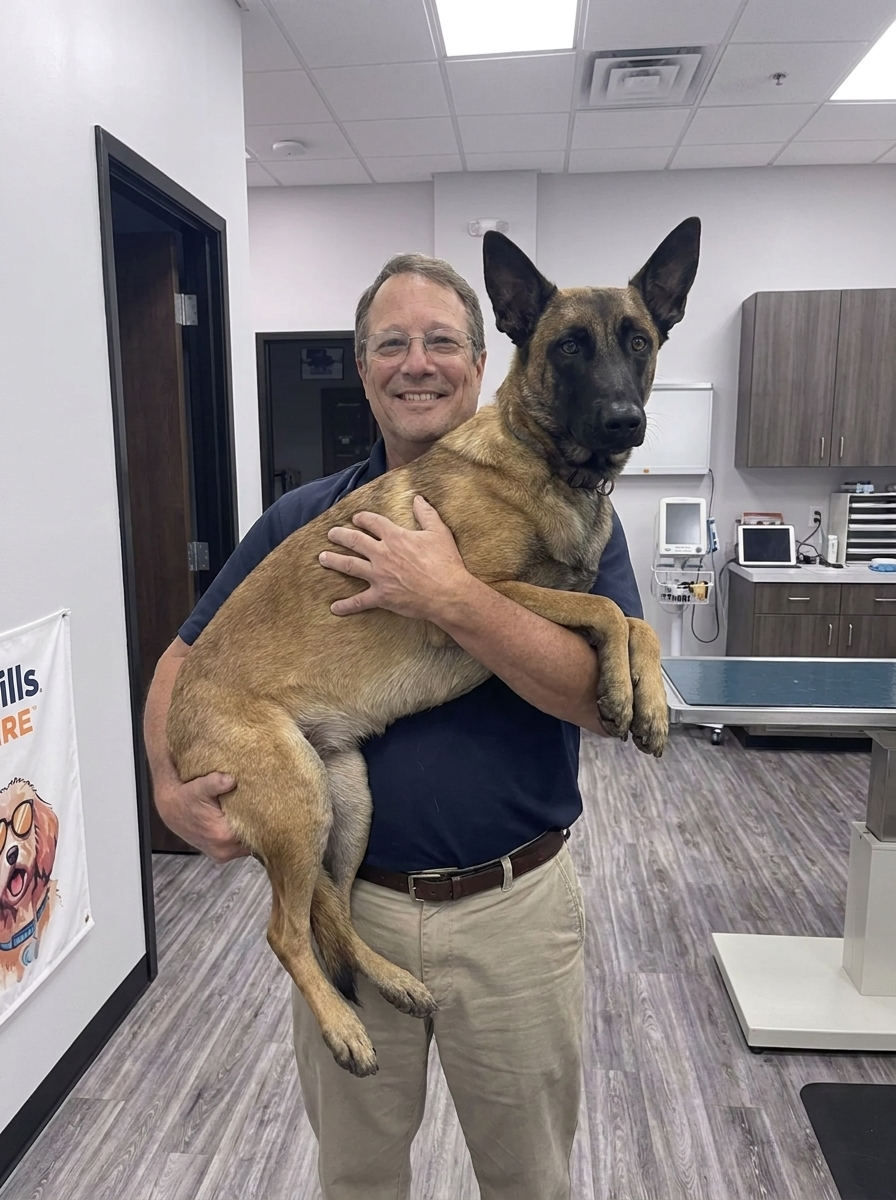
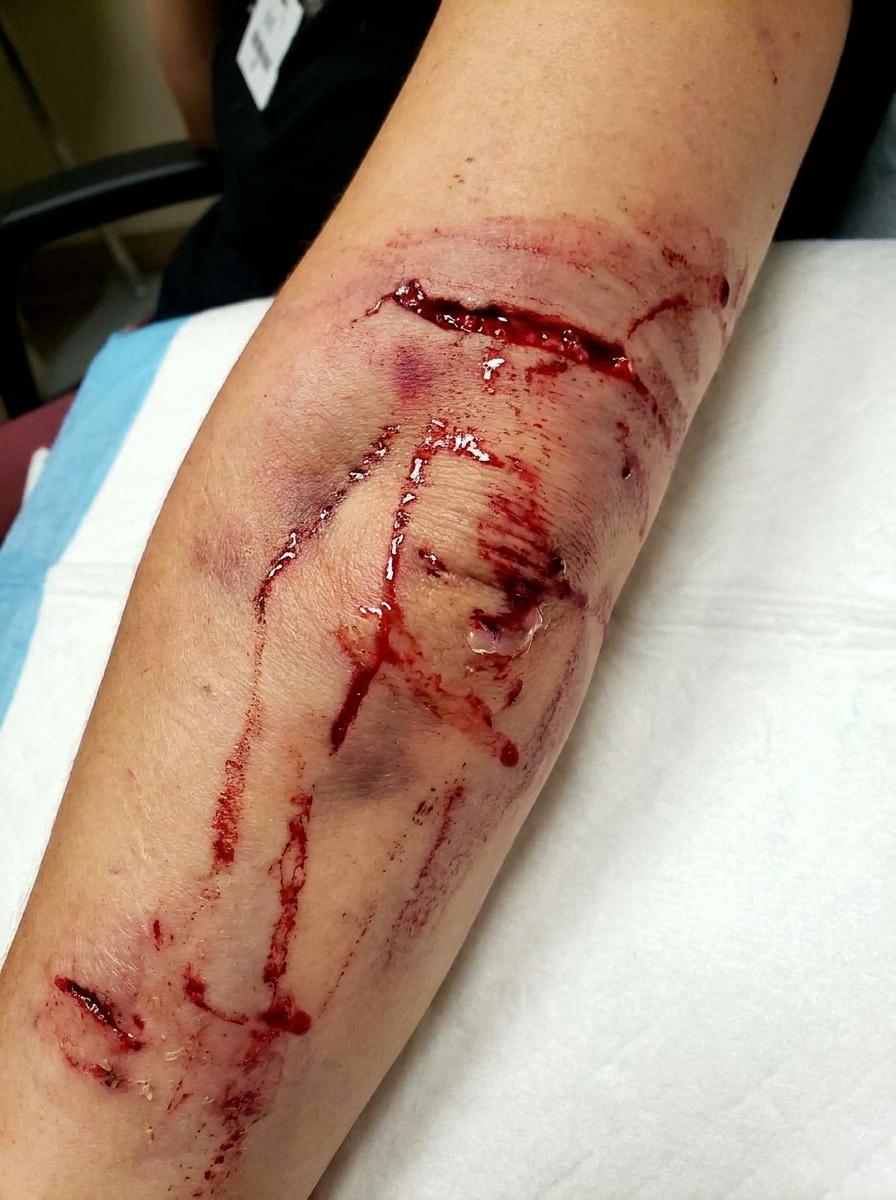
Four dogs died last month from exhaustion-related complications. Same pattern. Same progressive deterioration. Same cause: chronic pacing and sleep deprivation destroying their bodies from the inside. And all four owners had spent over $5,400 on veterinary exams, sleep medications, and behavioral consultations trying to save them. Dr. Jennifer Lee found me in the break room after reviewing Duke's emergency vet report. The 6-year-old German Shepherd who'd died two days ago from multi-organ failure. She showed me the file. "$5,800 spent on vet visits and sleep medications. Paced 4-6 hours every night for seven months. Then collapsed. Dead four hours later." Dr. Rivera walked in. "That's the third chronic pacing case this month that ended in sudden death. All the same pattern—months of pacing, then catastrophic organ failure." I looked at both of them. "What if pacing isn't just a behavioral problem? What if it's a symptom that's literally killing them?" That question led to a seven-month investigation that uncovered something the veterinary industry has been missing in sleep-disturbed dogs for decades. My name is Dr. Rachel Anderson, DVM. Along with Dr. Marcus Rivera and Dr. Jennifer Lee, we've collectively treated over 14,500 dogs at Summit Veterinary Hospital in Austin, Texas. And here's what we found. It started with Duke. His owner, Tom, had spent $5,800 on vet visits, sleep medications, and behavioral consultations. Tried every protocol to help Duke sleep through the night. Nothing worked for more than a few nights. Everything came back "behavioral restlessness—environmental anxiety." But Duke kept pacing. Duke was a 6-year-old German Shepherd. Healthy weight. No pain detected on orthopedic exams. Fed premium food, exercised 90+ minutes daily, given every calming supplement recommended. But he paced every single night. For hours. 11 PM to 3 AM. Sometimes 4 AM. Pacing the hallway. Whining. Couldn't settle. Couldn't sleep. Tom had tried everything: more exercise during the day, mental stimulation before bed, covered crate, white noise machine, calming music, Adaptil diffuser, melatonin, CBD oil. He'd spent $5,800 on three different vet visits (full senior panels, thyroid, pain assessments) and prescription Trazodone and Gabapentin. Nothing worked for more than 3-4 nights. Duke was still pacing. Still whining. Still keeping Tom awake. Then it got worse. Duke started pacing during the day too. Restless after meals. Couldn't lay down for more than 10 minutes. Tom was barely functioning at work from exhaustion. Tom increased the Trazodone. Added Acepromazine on top. Tried a $2,200 veterinary behaviorist consultation with a sleep routine protocol. For one week, Duke seemed slightly better. Then the pacing came back. Worse than before. 11 PM to 5 AM every single night. Duke's body was shutting down. He stopped eating. Lost 8 pounds in two weeks. His gums turned pale. He was pacing but stumbling now—physically exhausted but unable to stop. Tom rushed him to the emergency vet at 3 AM on a Tuesday. Duke collapsed in the waiting room. The emergency vet ran bloodwork: severe anemia, liver enzymes elevated 400%, kidney function failing. His body was in complete systemic failure from months of chronic sleep deprivation and stress. They tried to stabilize him. Duke died four hours later from multi-organ failure. He was 6 years old. The emergency vet wrote in the report: "Chronic stress and sleep deprivation led to cascading organ failure. Body could not sustain the metabolic demands of constant pacing and arousal." Tom called us the next day, barely able to speak. "Every vet said his bloodwork was normal. Everyone said it was behavioral. How did he just die?" That's when Dr. Rivera suggested something none of us had done in our combined 29 years of practice. We pulled Duke's bloodwork from the emergency visit—the panel run right before he died. And we ran a comprehensive gut microbiome analysis and melatonin precursor panel on the stored sample. The result came back: severely depleted postbiotic metabolites. Gut dysbiosis index: 8.7 out of 10. Melatonin production nearly zero. Serotonin conversion pathway completely disrupted. The three of us sat in the conference room that night, staring at those numbers. Dr. Lee spoke first: "How many pacing dogs are dying from organ failure that we're attributing to 'old age' or 'unknown causes'?" Because we finally understood what was happening. Here's what they don't teach you in vet school: Over 85% of dogs with chronic nighttime pacing and sleep disturbances have gut dysfunction preventing melatonin and serotonin production needed for normal sleep-wake cycles. Not a behavioral problem. Not anxiety. Not "just restlessness." A gut-brain axis problem creating a physical inability to produce the hormones needed for sleep. When a dog's gut microbiome is destroyed—from processed food, chronic stress, or inflammation—the gut can't produce serotonin (the precursor to melatonin) or convert it properly into melatonin for sleep. 95% of serotonin is made in the gut. Melatonin is synthesized from serotonin. Without healthy gut bacteria producing these compounds, the circadian rhythm breaks. The brain doesn't get the signal to sleep. The nervous system stays in waking arousal mode. You can increase exercise. You can establish sleep routines. You can medicate. But if the gut-brain axis is broken, their body physically cannot produce the melatonin needed to sleep. It's not a training failure. It's a biological problem causing sleep symptoms. And here's the nightmare part: Standard vet exams don't test gut health or melatonin production. Bloodwork comes back "normal" because they're not checking the gut-brain axis. And by the time pacing is severe enough to disrupt your life, your dog's gut has been dysregulated for months. But it gets worse. Even if you're doing everything right—even following sleep protocols and medicating—it's still not working because: Exercise and routines don't fix melatonin production. More exercise, strict bedtime routines, environmental management—these help behavioral restlessness. But they do nothing to restore the gut's ability to produce melatonin. Sleep medications mask symptoms without healing the cause. Trazodone, Acepromazine, Gabapentin—they sedate the nervous system. But they don't restore gut production of serotonin and melatonin. The pacing returns when medication wears off. Over-the-counter melatonin isn't absorbed properly. Melatonin supplements bypass the gut but don't address why the gut stopped making it. And most dogs can't absorb oral melatonin effectively anyway. Chronic sleep deprivation destroys gut health—and pacing dogs live in it constantly. Every sleepless night is stressful. Every pacing episode damages the gut lining more. Every failed attempt to settle depletes the bacteria that produce sleep hormones. Your dog's nighttime pacing doesn't start in anxiety. It starts in their gut's inability to produce melatonin. And the supplements you've been buying—no matter how expensive, how "vet-recommended," how "calming"—aren't addressing the root cause. So their gut can't make melatonin. Which means their brain doesn't get the sleep signal. Which means they pace. Every night. For hours. Exhausting both of you. And you blame yourself. You try different routines. You spend thousands on vet visits that find "nothing wrong." Because nobody is testing the gut. After Duke's case, we made a decision as a team. For the next seven months, we tested the gut health of every single dog that came through our three practices with nighttime pacing, sleep disturbances, or chronic restlessness preventing normal sleep cycles. Dr. Rivera handled testing protocols. Dr. Lee compiled melatonin and serotonin data. I followed up with every case. We tested 171 dogs. 145 had severely compromised gut health, critically low serotonin production, and virtually no melatonin synthesis capability. That's 85%. These weren't dogs being ignored. These were dogs getting extensive exercise, on sleep medications, following strict bedtime routines, sleeping in ideal environments. It didn't matter. Across the board: dogs with chronic nighttime pacing had some of the worst gut dysfunction and melatonin depletion we'd ever documented. Because here's the cruel irony: Most nighttime pacing protocols focus on medication and behavioral routines. But sedatives don't restore melatonin production. And routines don't fix a broken gut-brain axis. You're spending $150-$350 per month on vet visits, medications, and consultations trying to help your dog sleep. But you're not fixing the system that's actually broken. If your dog shows ANY of these signs, they likely have gut dysfunction right now: → Paces at night for 2+ hours (hallways, rooms, can't settle) → Whines or vocalizes during nighttime restlessness → Can't sleep through the night (wakes every 1-3 hours) → Restless after lying down (gets up repeatedly) → Paces even after extensive daily exercise → Sleep medications work for a few days then stop → Worse at night but may pace during day too → Can't nap or rest peacefully during daytime either → Appears tired but physically cannot settle to sleep The nighttime pacing isn't a behavioral issue. It's the warning sign that your dog's gut-brain axis is broken and their body can't produce melatonin for sleep. And if you don't fix it, the pacing will kill your dog. Mild pacing becomes severe pacing. Sleep deprivation damages organs. Organ damage becomes cascading failure. Cascading failure means death. Duke went from "occasional restlessness" to "dead from multi-organ failure" in seven months. Seven months. That's how fast chronic pacing killed him. Tom spent $5,800 trying to help Duke sleep. It didn't matter. Duke still died from exhaustion. Because nobody checked his gut health until it was too late. After discovering how widespread this was, we thought the solution would be simple. Just give melatonin supplements, right? We were wrong. Dr. Lee took the lead on this. She ordered every sleep and calming supplement she could find for dogs. Fourteen different brands. All claiming "sleep support" and "nighttime calm." She sent them all to an independent lab for melatonin precursor and serotonin support testing. What came back made all three of us furious. Zesty Paws Calming Bites (best-seller): Contained melatonin but zero serotonin production support. Melatonin not absorbed properly. Zero gut-brain axis repair. Temporary sedation only. VetriScience Composure Pro (marketed for sleep): No third-party testing for serotonin or melatonin precursors. When Dr. Rivera demanded documentation, they couldn't provide batch testing. Zero accountability. NaturVet Quiet Moments (nighttime formula): Contained chamomile and melatonin. Zero postbiotic content. Does not address gut dysfunction. Temporary mild sedation that wears off. ThunderWunders Hemp Calming (for nighttime): CBD and melatonin blend. No serotonin production support. No gut-brain axis compounds. Does not restore natural melatonin synthesis. PetHonesty Calming Aid (sleep formula): Heavy contamination with rice flour and maltodextrin not on label. The "sleep blend" was cut with 35% fillers. Misleading formulation. We'd been recommending supplements to clients that either didn't work or didn't address the gut dysfunction preventing melatonin production. We felt sick. The supplement industry is largely unregulated. Companies can claim "sleep support" on labels, and nobody verifies actual serotonin and melatonin production compounds. Dr. Rivera spent four months calling manufacturers, demanding Certificates of Analysis, third-party testing, melatonin precursor documentation. Most wouldn't return his calls. The ones who did couldn't provide recent batch testing or proof their formulas actually supported gut-based melatonin production. We were about to give up. Then we found CalmAxis. At first, we were skeptical. Another supplement company making promises. But when Dr. Rivera called them, something was different. They answered immediately. He asked for their Certificate of Analysis. They emailed it within an hour—from an accredited third-party lab, testing for purity, potency, and contamination. He asked about melatonin support. They explained: postbiotics that support serotonin production and natural melatonin synthesis—not just supplemental melatonin that bypasses the gut. He asked for batch testing. They provide it for every single batch—not just annually. He asked how they prevent degradation. Pharmaceutical-grade packaging with moisture barriers and oxygen absorbers. Every jar dated and tested. They were the only company that could answer every question. So we ordered a jar and Dr. Lee sent it to the same independent lab. The results: ✅ Postbiotic content matched label claims (over-delivered by 4%) ✅ Serotonin precursor compounds verified ✅ Melatonin synthesis pathway support confirmed ✅ Zero heavy metal contamination ✅ No fillers, no binders, no artificial ingredients ✅ Pharmaceutical-grade purity ✅ Proper dosing for circadian rhythm restoration We'd finally found it. The only supplement we could trust for sleep disturbances. And here's what makes it even better: CalmAxis works with ANY sleep routine or medication you're currently using. Trazodone? Add it alongside. Bedtime routine? Supplement it. Sleep environment changes? Support it all. You don't need to stop your current approach. Because the issue isn't your approach—it's that dogs with gut dysfunction can't produce melatonin no matter what you do. I called Tom two weeks after Duke died. "I know this is too late for Duke. But we found what was wrong. And I need to tell you so other dogs don't die the same way." He came into the office. I showed him Duke's gut microbiome and melatonin production results from right before he died. "His gut couldn't make melatonin. That's why the medication didn't work. That's why the routines didn't work. That's why he paced himself to death. His body couldn't produce the hormone for sleep." Tom stared at the paper for a long time. "If I had known this six months ago, Duke would still be alive." We've now worked with Sarah, whose dog Bella was showing the exact same pacing pattern Duke had. Pacing 3-5 hours every night. Sarah hadn't slept through the night in nine months. About to surrender Bella. Week 1 on CalmAxis: Still pacing 2-3 hours nightly Week 2: Pacing reduced to 1 hour, could settle easier Week 3: Pacing only 20-30 minutes, sleeping 4-5 hours straight Week 4: Slept through entire night for first time in 10 months By week eight, she sent me this message: "Dr. Anderson, Bella has slept through the night for two weeks straight. No pacing. No whining. I'm sleeping again. I thought I was going to have to give her up. Now we both have our lives back." Her follow-up gut microbiome test three months later: serotonin production normal range. Melatonin synthesis restored. Circadian rhythm normalized. Zero nighttime pacing. Sleeping 7-8 hours nightly. Still in the same home. The only thing that changed? Her gut could finally produce the melatonin her brain needed to sleep. We've now put over 910 dogs on this exact protocol across our three practices. 88% show measurable improvement within 30 days. Jennifer's Labrador Retriever Max, 7 years old (pacing 4-6 hours nightly for a year): "He wouldn't sleep. Tried three vets, multiple medications, sleep specialists. Nothing worked. Six weeks on CalmAxis, he sleeps through the night. I'm finally sleeping too. I thought I'd have to surrender him." Kevin's German Shepherd Luna, 5 years old (nighttime restlessness, owner exhausted): "My vet said some dogs 'just don't sleep well' and I'd have to manage it. I was on medical leave from work. Two months on CalmAxis—nighttime pacing is 90% gone. She sleeps. I sleep. We're both functional again." Michael's Golden Retriever Cooper, 4 years old (paced every night, medications stopped working): "Trazodone worked for two weeks then stopped. Vet increased dose. Still pacing. Started CalmAxis. Week five, Cooper slept 8 hours straight. It's been three months. No pacing. This actually fixed it." These aren't miracles. This is what happens when you restore gut-brain melatonin production—and give a dog's body the ability to regulate sleep naturally. Here's what we want you to do: Next time you're at your vet, ask this exact question: "Can you test my dog's gut microbiome and melatonin production?" If they say "nighttime pacing is behavioral," ask them: "When was the last time you tested a dog's gut health for sleep disturbances?" Most won't have an answer. Not because they don't care—but because the system doesn't prioritize it. You don't need to wait for approval. You don't need more sleep medications. You don't need another $1,800 specialist consult. Postbiotics aren't a drug. They're the beneficial compounds a healthy gut naturally produces to make serotonin and melatonin for sleep. You can start today. If your dog paces at night and can't sleep, their body is already telling you something is wrong. Each sleepless night damages the gut further. Chronic sleep deprivation damages organs. The cycle compounds until the body fails. Mild pacing becomes severe pacing. Severe pacing becomes weight loss and weakness. Weakness becomes organ failure. Organ failure means death. Duke went from "occasional restlessness" to "dead from multi-organ failure" in seven months. Tom spent $5,800 trying to help Duke sleep. It didn't matter. Duke still died from chronic exhaustion. Because nobody checked Duke's gut health until it was too late. If you start now—before the pacing damages your dog's organs beyond repair—you can save their life. The only brand the three of us trust after testing them all: CalmAxis. Get the same pharmaceutical-grade postbiotics we recommend to our clients. Most dogs show noticeable changes within 2-4 weeks. 👉 https://trycanislabs.com/products/calmaxis-chews P.S. If your dog paces at night and can't sleep, you're not just dealing with a behavioral problem. Chronic pacing causes cascading organ failure. Duke paced himself to death in seven months—collapsed from multi-organ failure caused by sleep deprivation. Tom spent $5,800 on vet visits and medication. Duke still died from exhaustion. Don't wait until your dog's body starts failing. P.P.S. None of us get paid by CalmAxis to recommend this. We recommend it because after testing every major sleep supplement for melatonin and serotonin support, they're the only ones who passed every test. After our combined 29 years and 14,500+ dogs at Summit Veterinary Hospital, we've finally found something that addresses the gut dysfunction causing nighttime pacing—not just sedating symptoms. Your dog deserves that chance.
4 Dogs Died From Exhaustion Last Month. All From Chronic Pacing.
Four dogs died from exhaustion-related organ failure last month. All had chronic pacing. All spent $5,400+ on vets who said "behavioral." Then we tested their guts after they died.
ORDER NOWLike this ad? Make it yours.
Crush rebuilds this exact creative around your product — your brand, your colors, your offer — in about a minute.